Entering the Qatari market or expanding a factory in Qatar requires careful selection of a nicotine pouch / snus packaging machine supplier. Choosing the right partner affects production uptime, regulatory compliance, and profitability. This guide walks you through practical, locally-aware steps to pick the best supplier for your factory in Qatar, covering technical criteria, business culture, legal considerations, logistical realities, and after-sales expectations.
Understand Qatar’s Market & Cultural Context
Qatar’s business environment blends modern infrastructure with relationship-driven deals. In procurement, trust and long-term support matter as much as price. Many local companies value site visits, demonstrations, and face-to-face meetings. When evaluating suppliers, prioritize partners who demonstrate cultural awareness, offer Arabic documentation or translation support, and are comfortable coordinating with local agents or importers.
Consider suppliers who can provide local references within the Gulf Cooperation Council (GCC) or show successful case studies in nearby markets — this signals experience with regional regulations, humidity challenges, and logistics.
Technical Criteria: Match Machine Capabilities to Your Production Plan
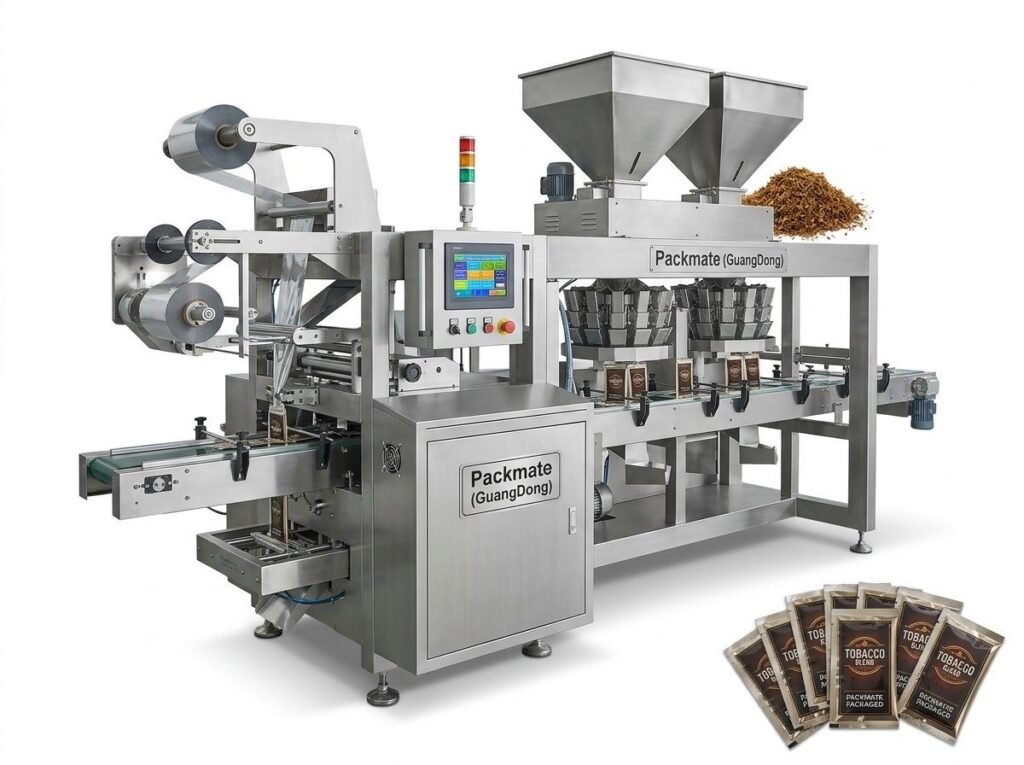
Before comparing vendors, define your production goals: planned output (pouches per minute), pouch formats (sachets, stick packs, multi-lane snus pouches), dosing accuracy, and fill materials (powders, granules, liquids). The right supplier will offer modular solutions that scale with demand and deliver consistent product quality under Qatar’s high temperature and dust conditions.
Key technical checklist
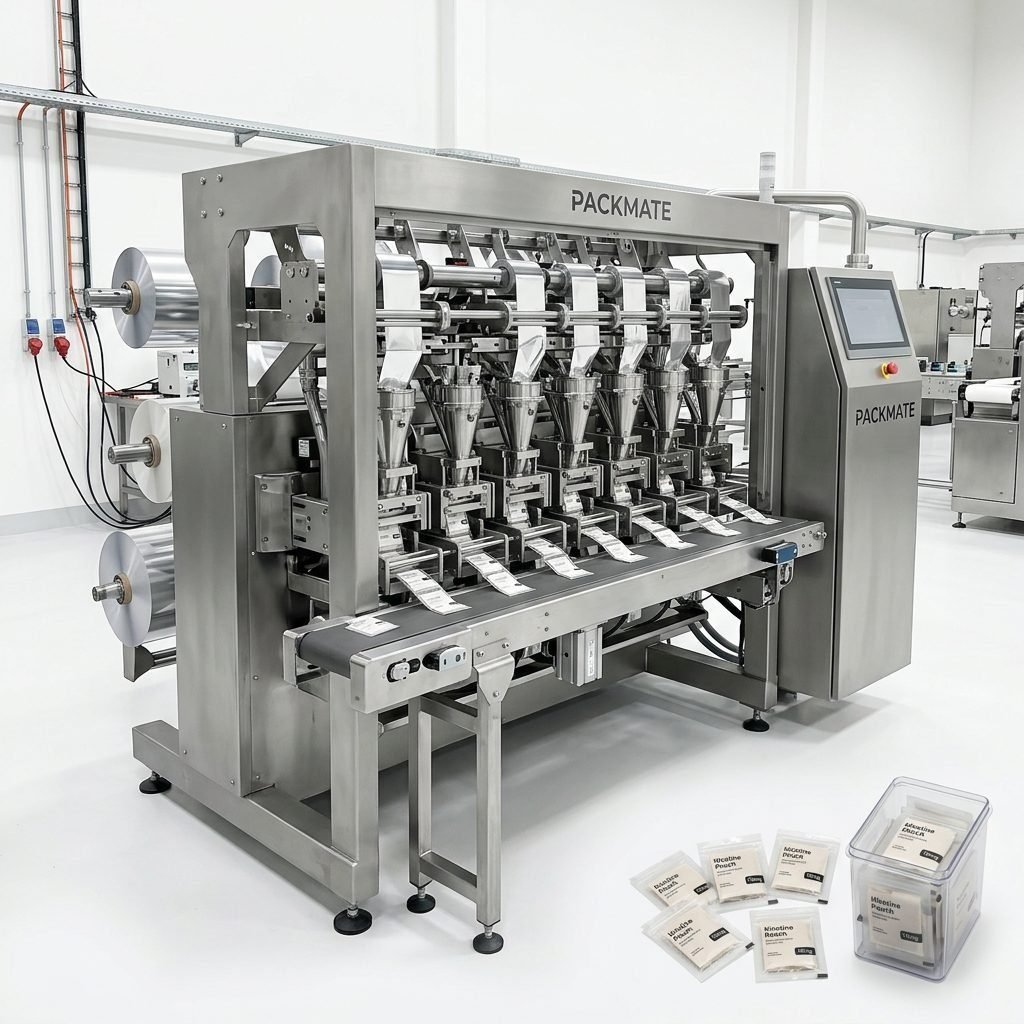
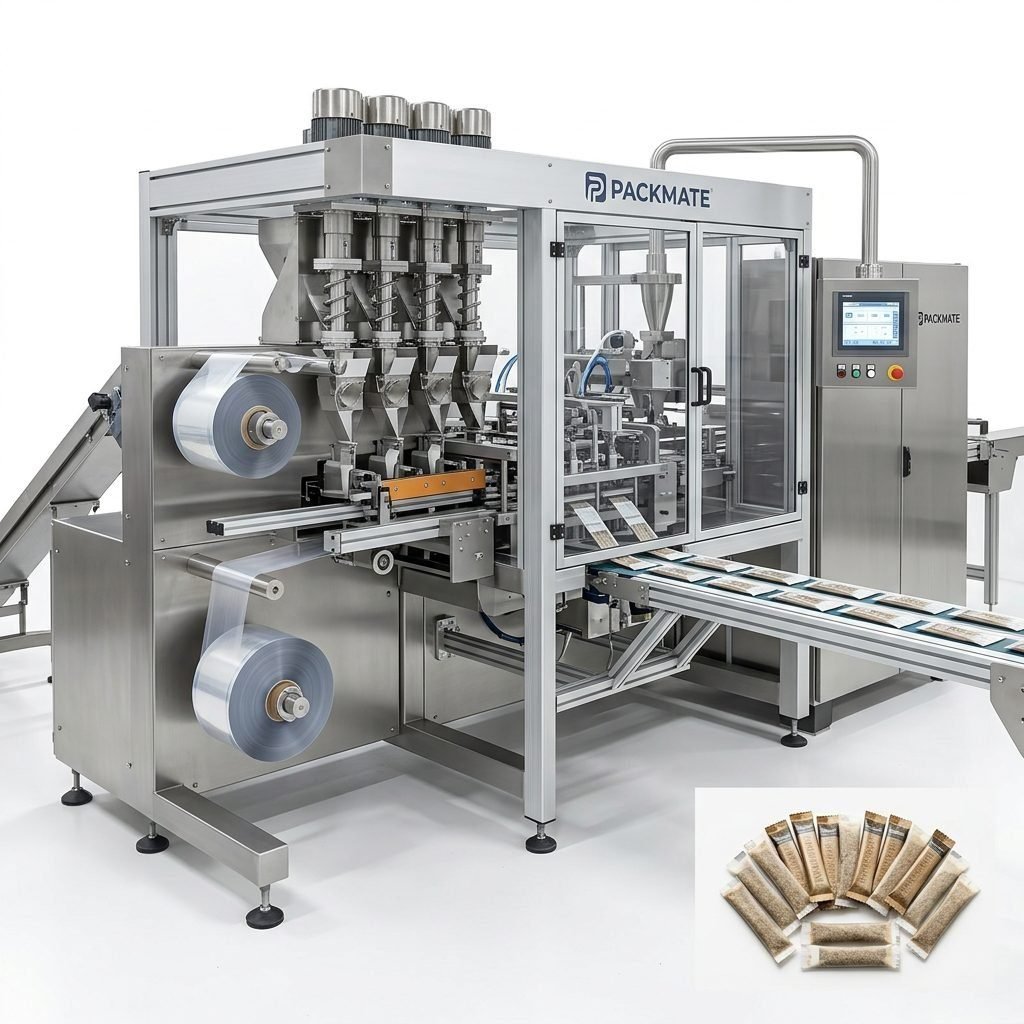
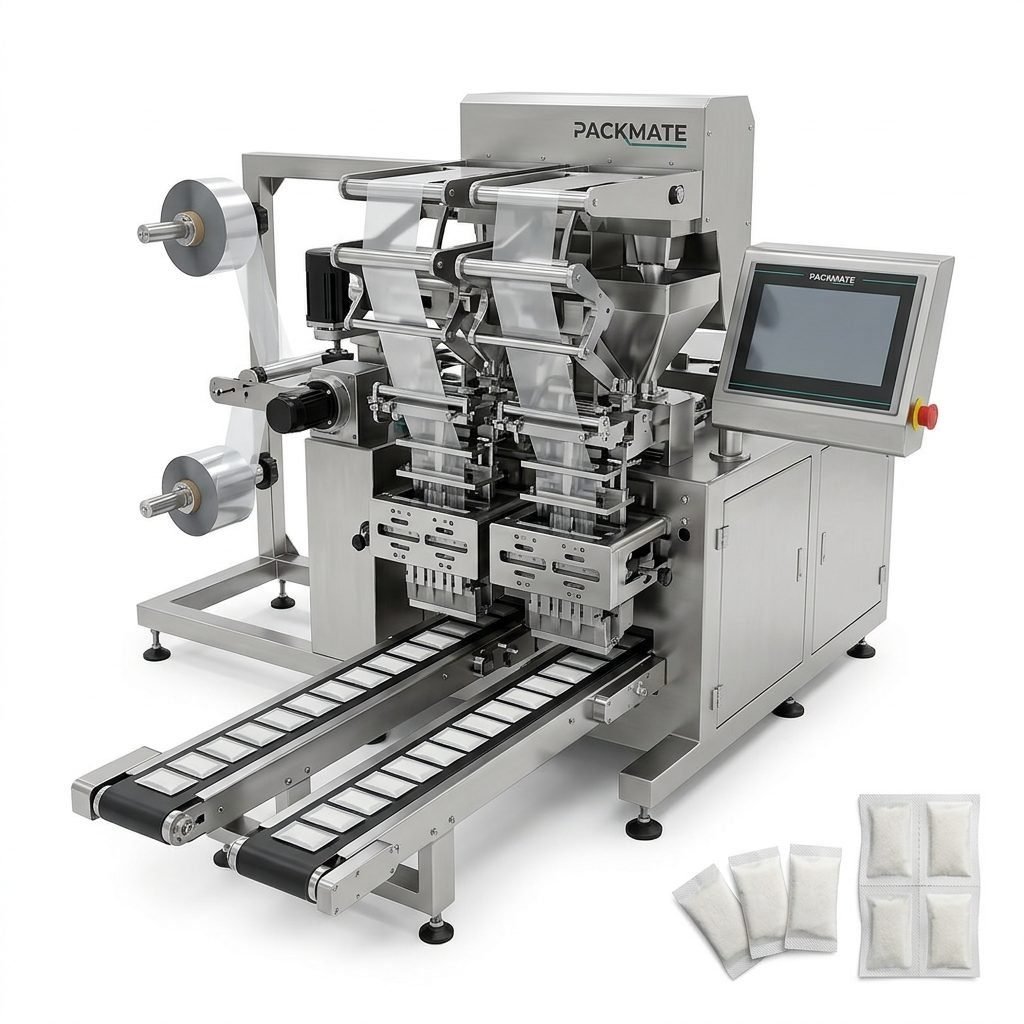
- Production speed & lanes: Can the machine reach your target throughput? Multi-lane systems are ideal for small-dose nicotine pouches.
- Filling accuracy: High precision reduces waste and ensures regulatory consistency.
- Material compatibility: Is the equipment suitable for the exact payloads (powder/granule/liquid)?
- Hygiene & maintenance: Easy-clean design, stainless contact parts, and IP ratings for dust resistance.
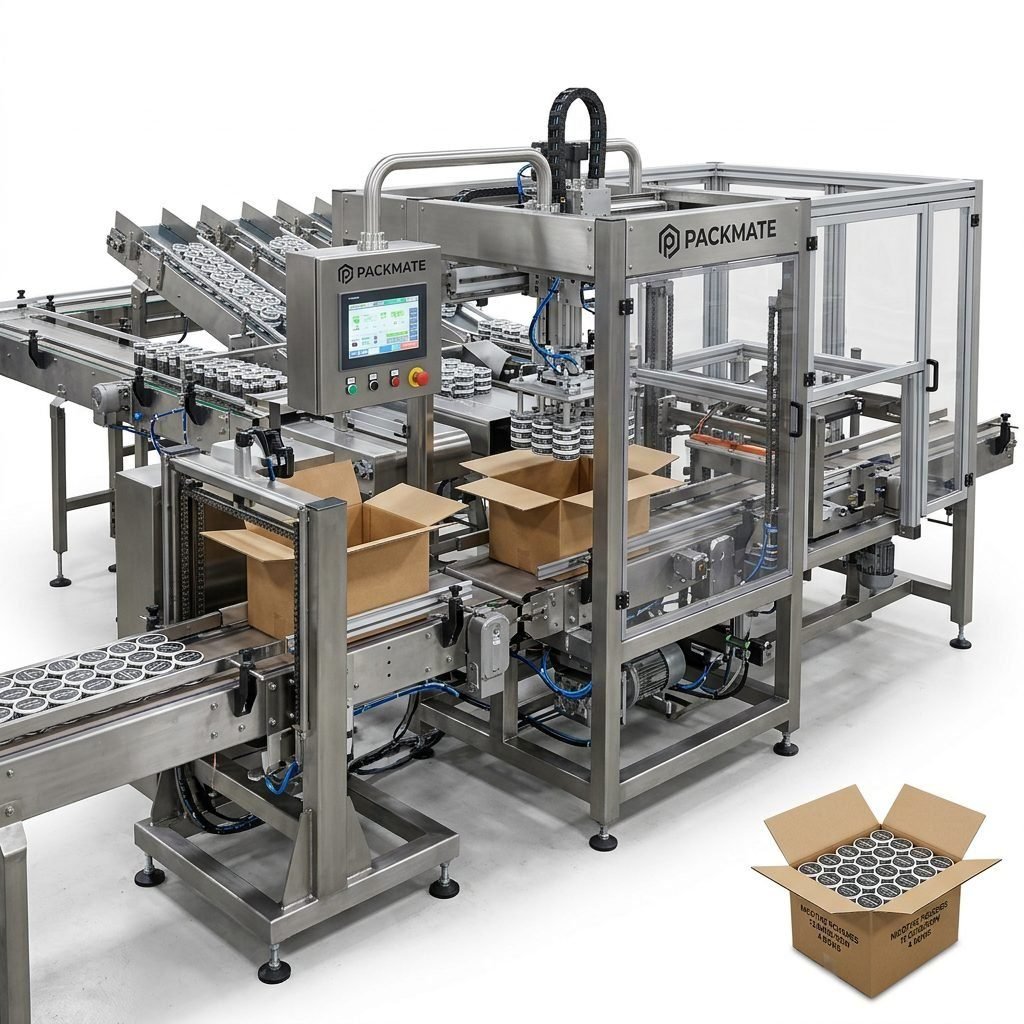
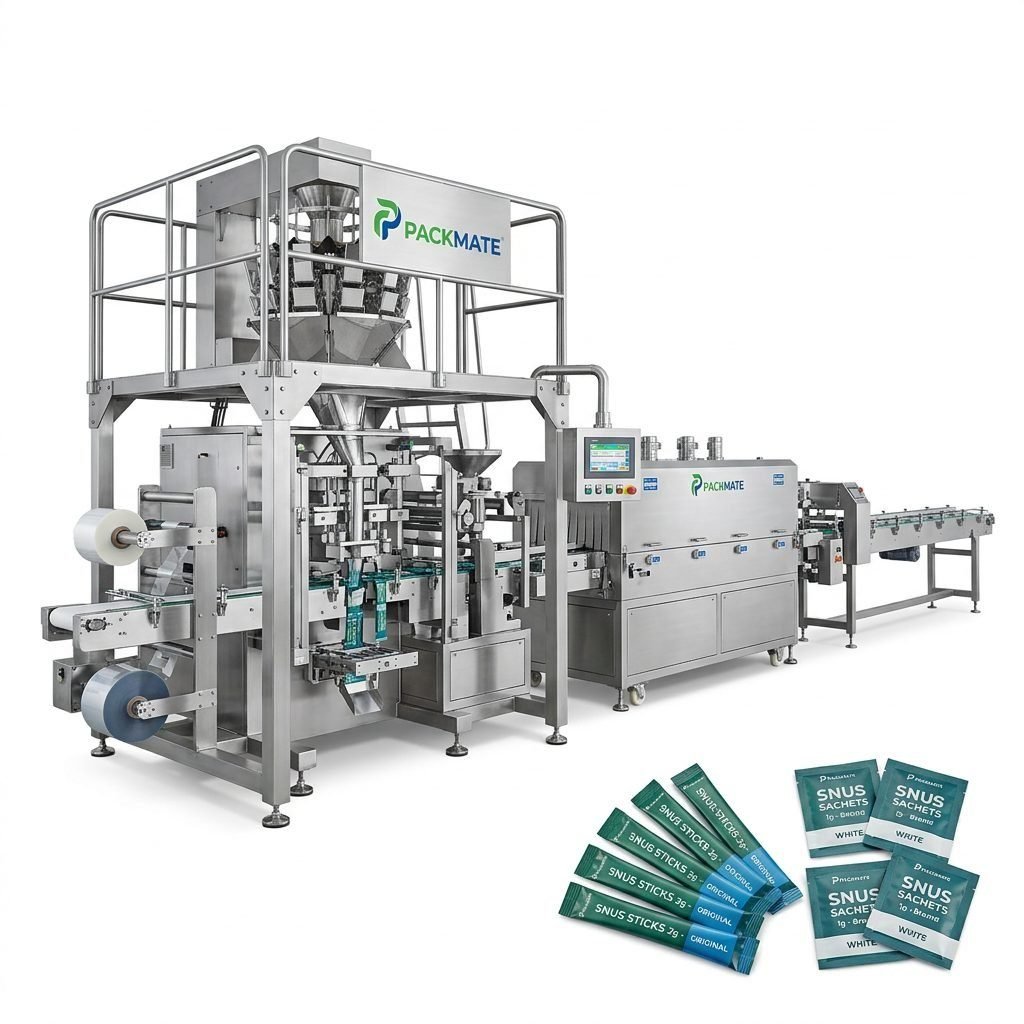
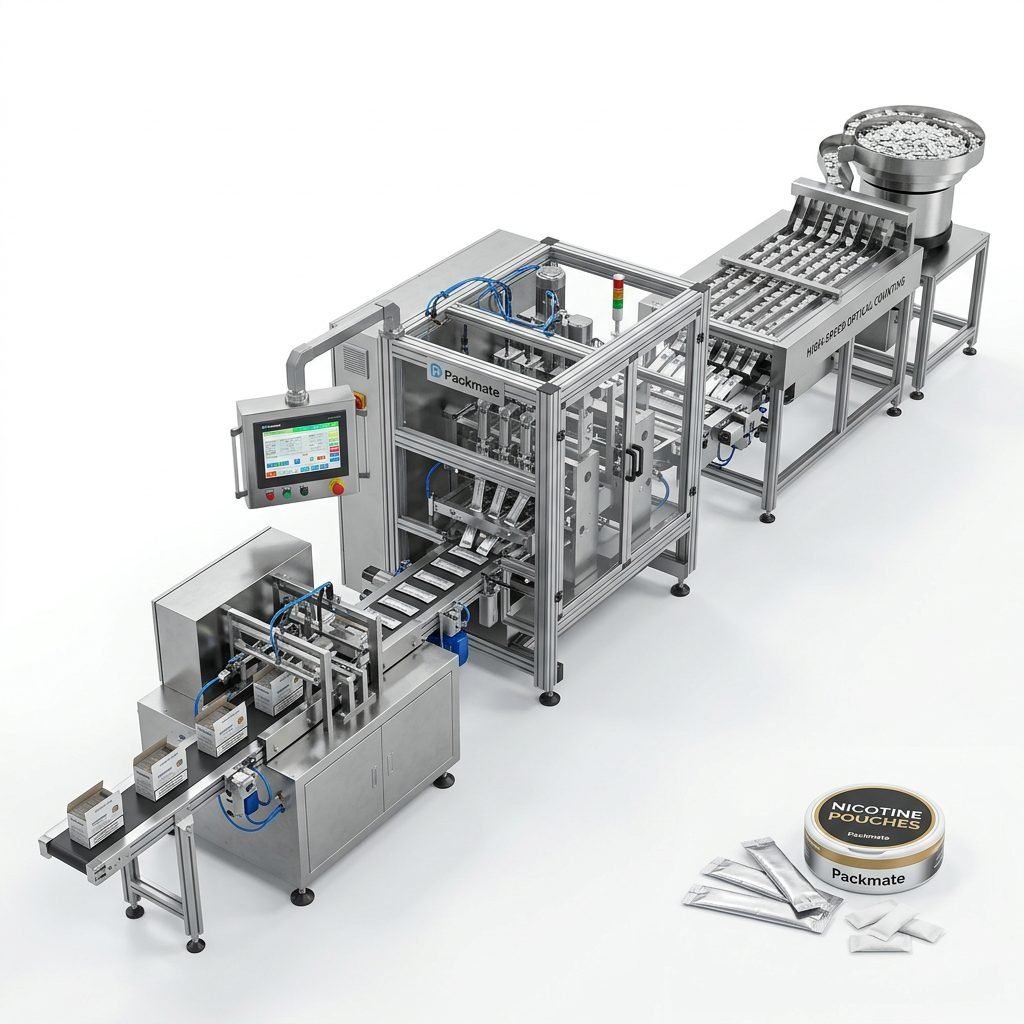
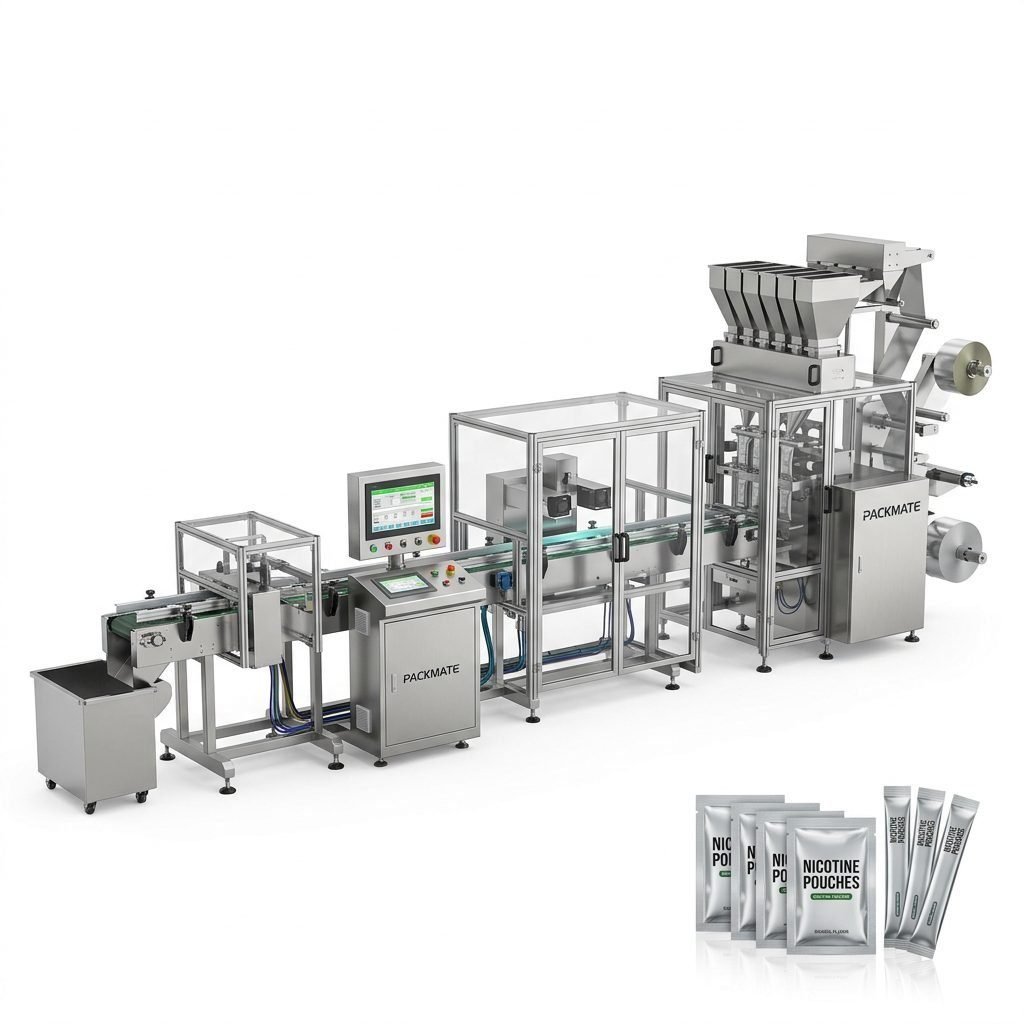
- Automation & integration: Can the supplier deliver turnkey lines including weighing, filling, sealing, and cartoning?
Certifications, Compliance & Documentation
Qatar imports must meet international safety and quality standards. Ask suppliers for CE, ISO, and other certificates. For nicotine products, local regulations and import permits can be strict — ensure the supplier can support documentation for customs clearance and will supply technical files, electrical schematics, and operation manuals in English and optionally Arabic.
CE & ISO certificates, Electrical compliance, Export documentation, Spare parts lists, Operation & maintenance manuals (English/Arabic).
Evaluate Supplier Reputation & Track Record
Proven experience in snus and nicotine packaging is a major advantage. Look for suppliers that can show long-term global customers, documented case studies, and exhibition participation. A manufacturer with a strong factory footprint and precision machining facilities typically offers better consistency and spare-part availability.
For example, a supplier that highlights over 30 years of engineering experience, a 20,000㎡ manufacturing facility, and a broad product lineup demonstrates scale and stability — factors that matter when you require reliable long-term support.
Questions to ask
- Can you provide customer references in the Middle East?
- Do you publish case studies or video demonstrations of similar lines?
- How many years has your engineering team worked on nicotine/snuss systems?
- What inspection and quality control steps are followed before shipment?
After-Sales Service & Local Support in Qatar
After-sales support is critical for minimizing downtime. Assess whether the supplier provides local agents, spare parts stocked regionally, remote support via PLC/SCADA access, and on-site commissioning teams. In Qatar, quick response times are valued since projects often aim to meet tight delivery windows for commercial launches or Expo-related demands.
spare parts availability, guaranteed response times, local training for operators, remote troubleshooting, and extended warranty options.
Logistics, Installation & Climate Considerations
Qatar’s climate is hot and dusty. Packaging machines must be robust against dust ingress and tolerate high ambient temperatures. Confirm the supplier’s packing methods for export — wooden crates, desiccant usage, and anti-corrosion treatments matter. Also confirm voltage compatibility and whether transformers or climate-controlled rooms are recommended for optimal performance.
Practical logistics steps
- Clarify CIF vs EXW delivery terms and who handles customs clearance in Qatar.
- Request a detailed installation plan: crane needs, foundation, power & compressed air specs.
- Plan a pre-shipment inspection (PSI) or witness test in the factory.
Financial Considerations & Total Cost of Ownership
Price is important but should be weighed against lifecycle costs. Consider energy consumption, spare-part pricing, mean time between failures (MTBF), and training costs. A supplier offering modular upgrades may reduce future capital needs. Request a detailed TCO breakdown rather than only up-front price quotes.
projected energy usage per 100k pouches, recommended spare parts list with prices, and sample ROI calculations based on your daily production plan.
Customization, Turnkey Solutions & Integration
If your factory requires a complete line — weighing, multi-lane pouch machines, sealing, and end-of-line packaging — prioritize suppliers that deliver turnkey production lines and handle system integration. This reduces coordination overhead. Suppliers with in-house CNC machining, precision assembly, and a suite of machine models are more likely to deliver well-matched components and customized solutions.
Look for suppliers offering modular options such as stick pack, sachet, multi-lane pouch systems, and auxiliary equipment to future-proof your investment.
Factory Visit & Factory Acceptance Test (FAT)
Whenever possible, schedule a factory visit and a Factory Acceptance Test. FAT demonstrates real machine performance and allows you to test your actual product on the line. Make FAT outcomes contractual so shipping only occurs after agreed performance metrics are met.
- Request video demos if on-site visits are not practical.
- Document acceptance criteria: speed, dosing accuracy, film sealing quality, and downtime metrics.
Training & Documentation
Operator and maintenance training is essential for smooth handover. Ask for on-site training at installation, plus access to training videos and manuals. If your staff prefer Arabic instruction, confirm whether the supplier can provide translations or bilingual trainers.
Why Choose an Experienced Manufacturer?
An experienced manufacturer brings predictable delivery schedules, mature quality control processes, and established spare-parts pipelines. Suppliers with decades of engineering background and large factories typically provide faster customizations and better documentation. In addition, manufacturers who actively participate in global exhibitions and maintain certification records suggest stronger global compliance and product maturity.
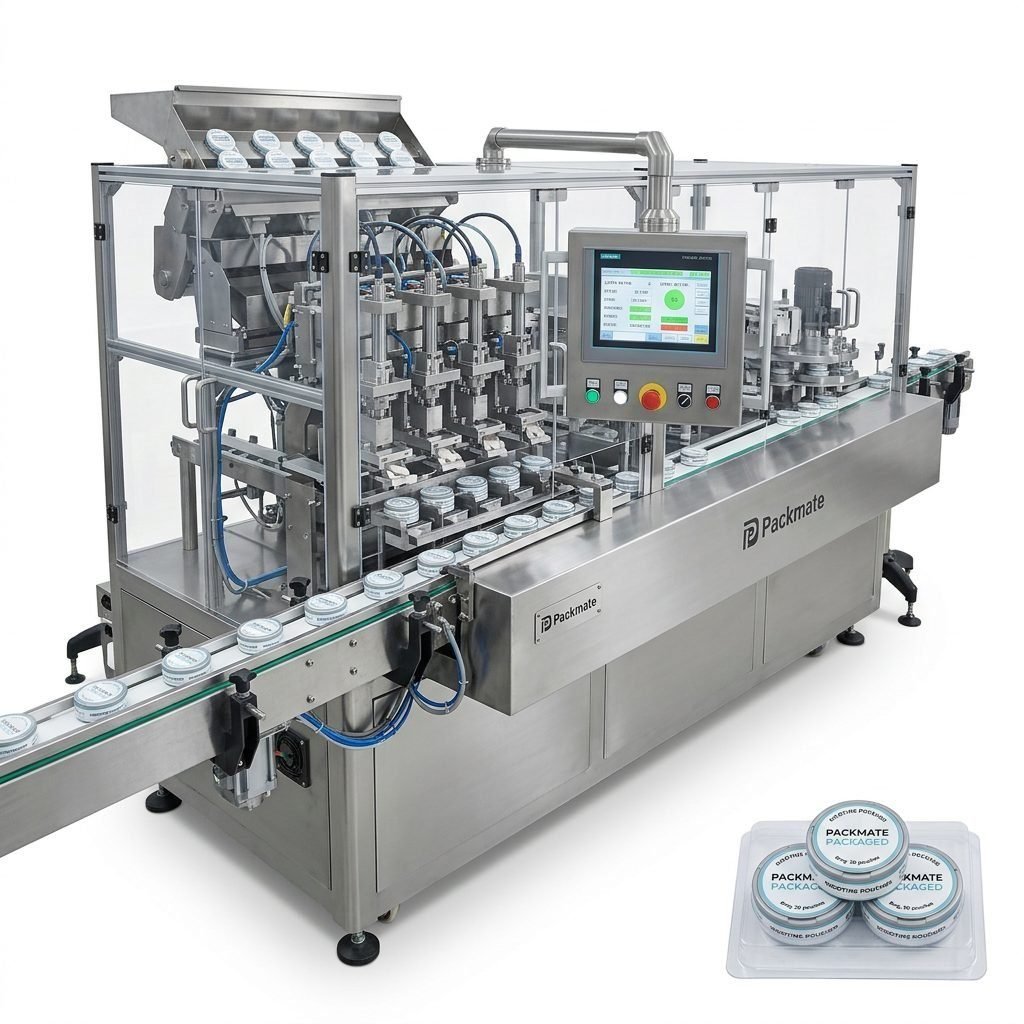
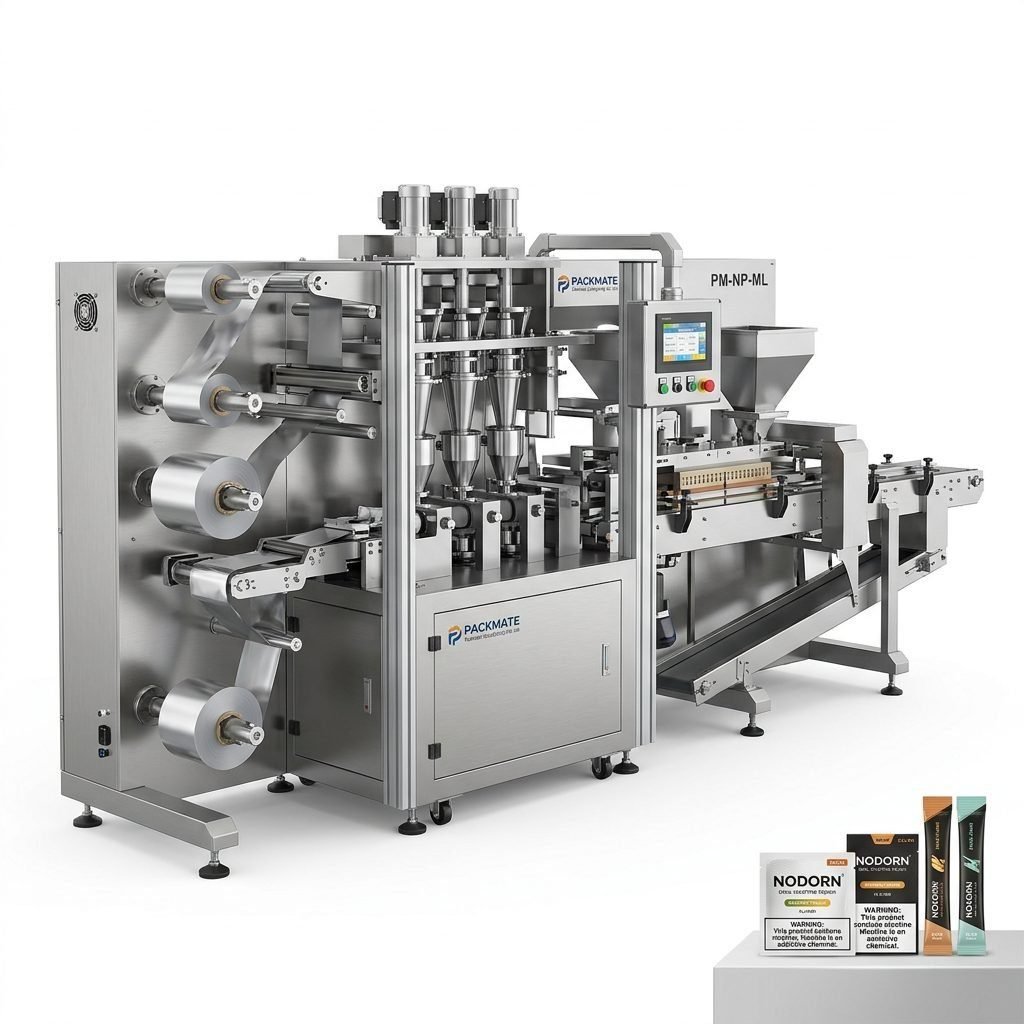
If you want to review a range of proven product families, check the supplier’s product listings such as Snus & Nicotine Packaging Machines and Sachet & Stick Pack Machines to compare technical offerings and model capabilities.
Selecting a Supplier: Step-by-Step Decision Flow
Follow a structured approach to reduce risk and ensure alignment with your Qatar factory requirements:
- Define production targets, formats, and environmental constraints.
- Shortlist suppliers with relevant nicotine/snuss experience and strong manufacturing footprints.
- Request technical proposals with TCO, FAT plan, and spare-parts strategy.
- Evaluate cultural fit: responsiveness, language support, and willingness to travel to Qatar.
- Negotiate warranty, commissioning, and local training obligations in the contract.
Score suppliers on Technology, Service, Compliance, Logistics, and Cost — weigh each factor according to your priorities.
Local Partnerships & Agents in Qatar
It is advantageous to work with suppliers that either have a local agent in Qatar or can recommend certified service partners in the region. Local partners help navigate import rules, handle customs paperwork, and provide faster on-site assistance when needed. Confirm whether the supplier supports authorized reseller relationships and training of local service teams.
Sample Contracts & Warranty Clauses
Ensure contracts spell out acceptance criteria, warranty coverage, spare parts lead times, and service-level agreements (SLAs). For Qatar operations, include terms for remote support response times and options for urgent spare-part shipments by air freight.
Essential contract items
- Detailed scope of supply and installation checklist
- Performance acceptance test (FAT/SAT) criteria
- Warranty duration and excluded consumables
- Agreed spare parts list and pricing validity
Choosing a Trusted Manufacturer: Example Resources
When researching potential manufacturers, evaluate their product lines and services. Example resource pages to review include manufacturers’ product suites and company profiles, which reveal capabilities across snus/nicotine lines and complementary equipment such as weighing and auxiliary systems. Useful references include product pages like Bag & Pouch Packaging Machines and company background pages such as About Packmate for factory strengths and certifications.
Final Checklist Before You Sign
Before finalizing, ensure you have:
- Written FAT results and acceptance criteria
- Detailed installation and commissioning timeline
- Training schedule for operators and maintenance staff
- Spare-part kit and guaranteed availability windows
- Clear warranty and service response clauses
A reliable packaging partner reduces long-term risk. Prioritize durability, local support, and clear contractual terms over the lowest initial price.
Conclusion
Selecting the right nicotine packaging machine supplier for your factory in Qatar requires a blend of technical assessment, cultural fit, logistic planning, and contractual clarity. Choose a supplier who demonstrates technical competence in snus/nicotine systems, provides clear certifications and FAT procedures, offers strong after-sales support, and understands the GCC business environment. With careful evaluation you can secure a packaging partner that delivers reliable performance, regulatory compliance, and long-term value for your Qatari operations.
Frequently Asked Questions
Q1: How important is local support in Qatar when choosing a supplier?
A1: Very important. Local or regional support shortens downtime and simplifies customs, installation, and maintenance coordination. Suppliers who can train local technicians and provide regional spare parts stocks are preferred.
Q2: What certifications should I insist on for nicotine pouch packaging machines?
A2: Request CE and ISO certificates as baseline international standards, plus any electrical or export certifications required for Qatar. Ensure the supplier supplies full technical documentation for customs and safety review.
Q3: Should I prioritize turnkey solutions or individual machines?
A3: If you need an integrated production line (weighing, filling, sealing, cartoning), turnkey solutions reduce integration risk. If you already have upstream/downstream equipment, modular machines may be sufficient.
Q4: How can I verify machine performance before shipment?
A4: Insist on a Factory Acceptance Test (FAT) witnessed in person or via live video. Define measurable acceptance criteria in the contract (speed, accuracy, sealing quality).
Q5: Where can I find sample machine models and company information?
A5: Review manufacturer product pages and company profiles online to compare models, certifications, and case studies. Useful links include product sections and company information pages on manufacturers’ websites.