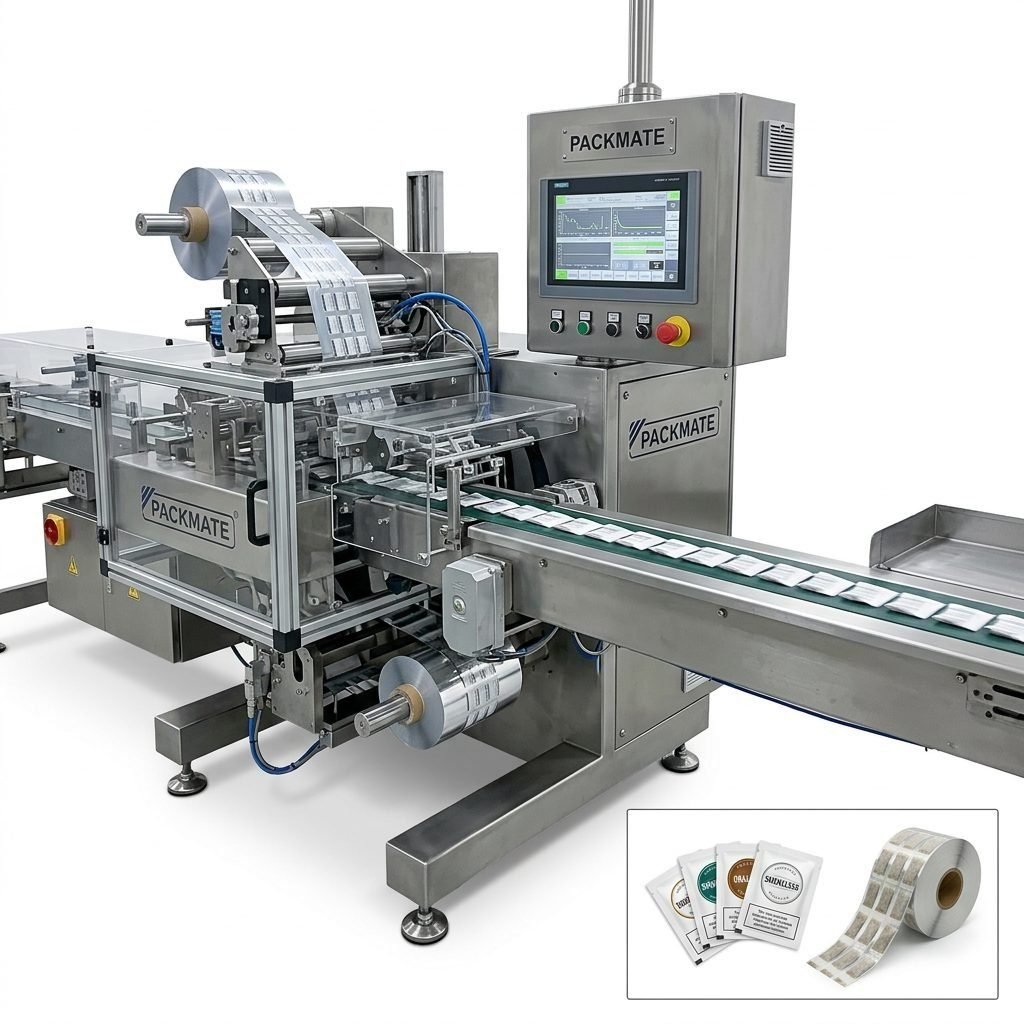
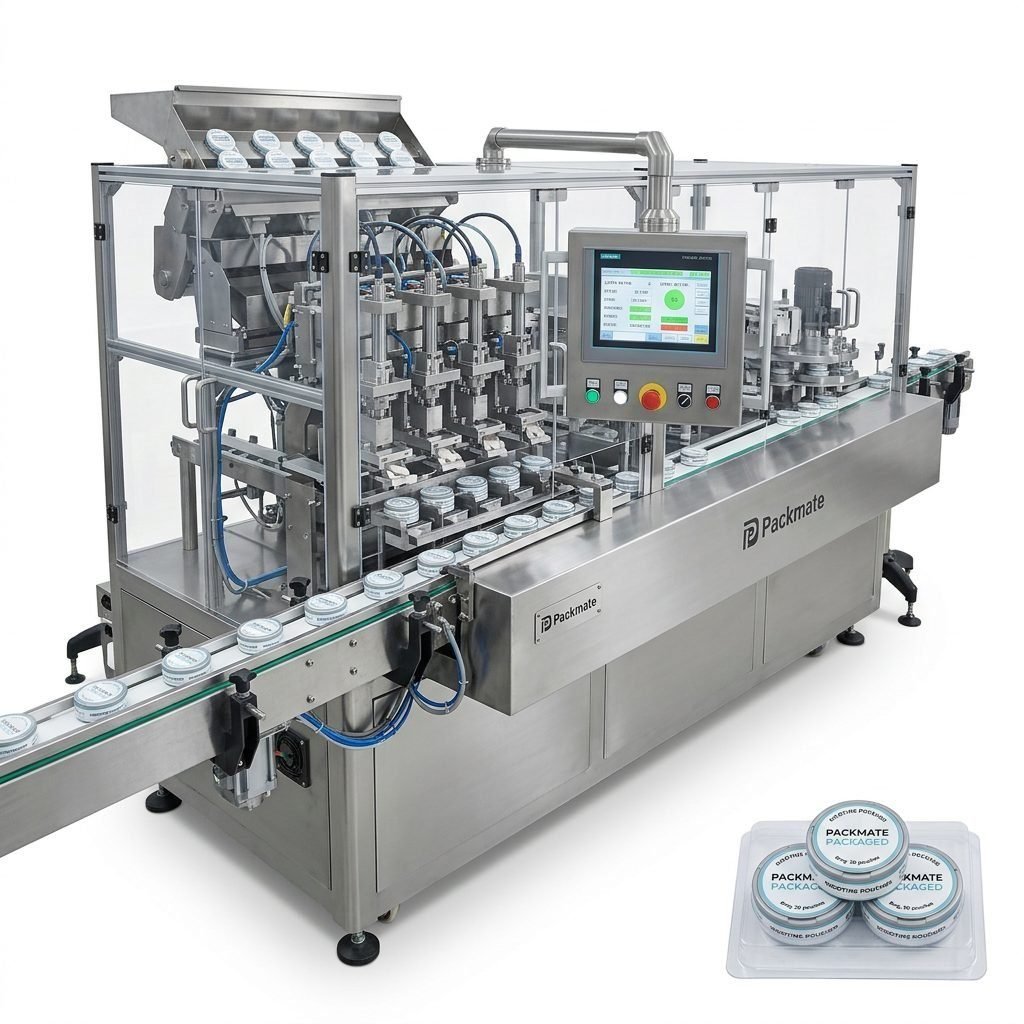
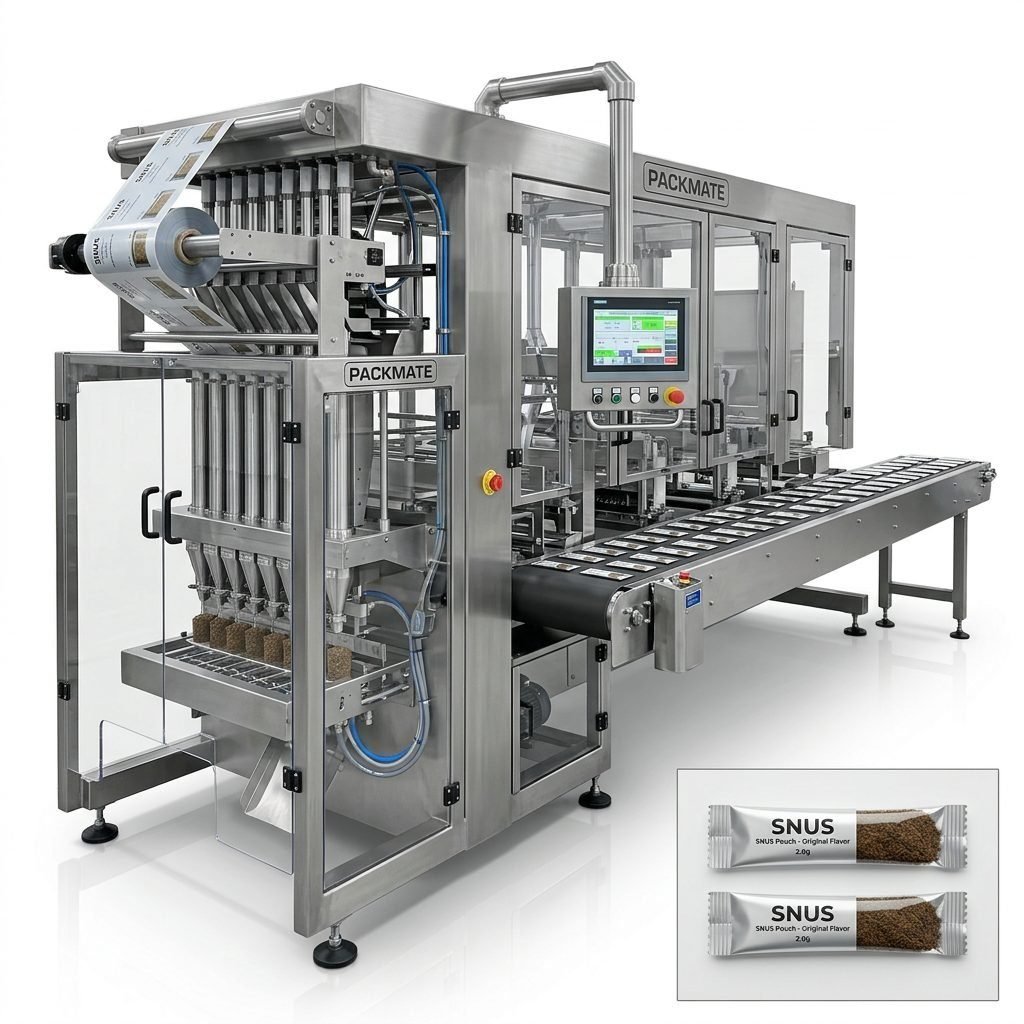
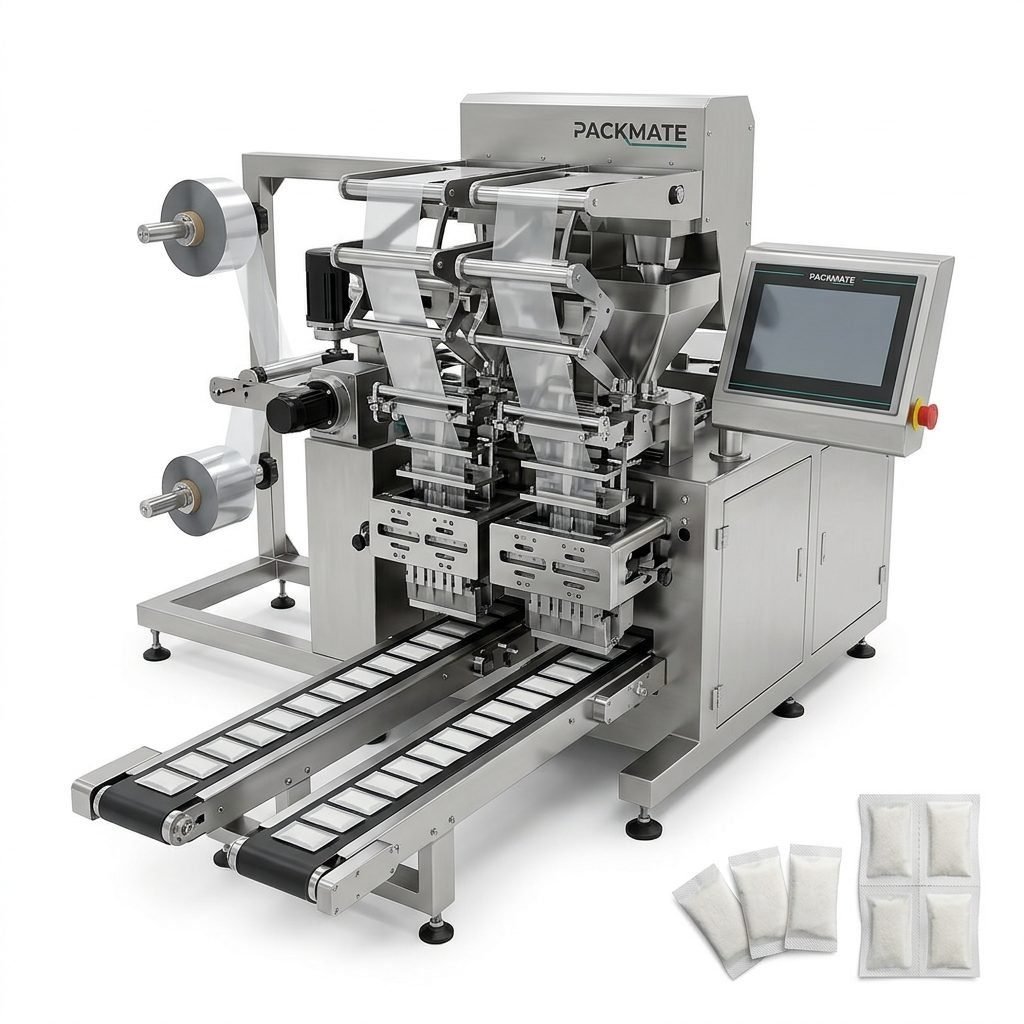
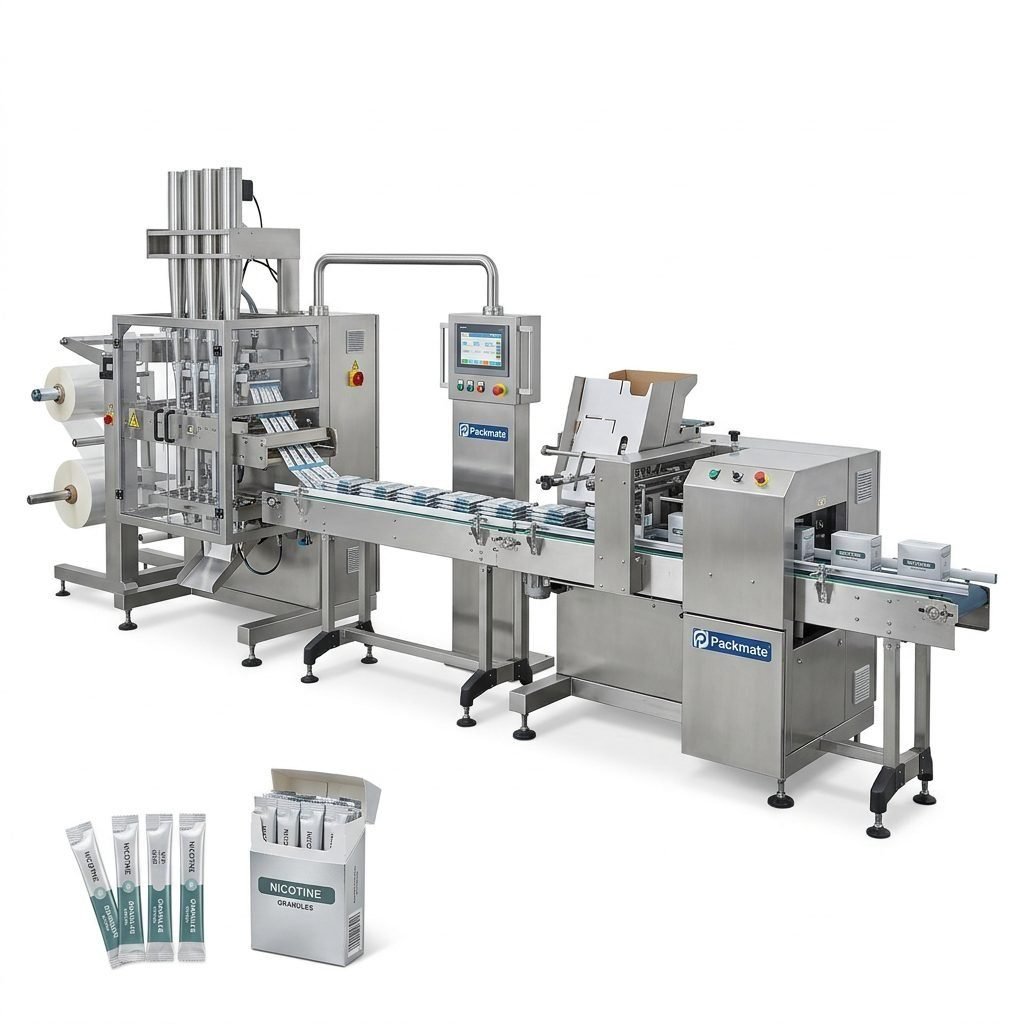
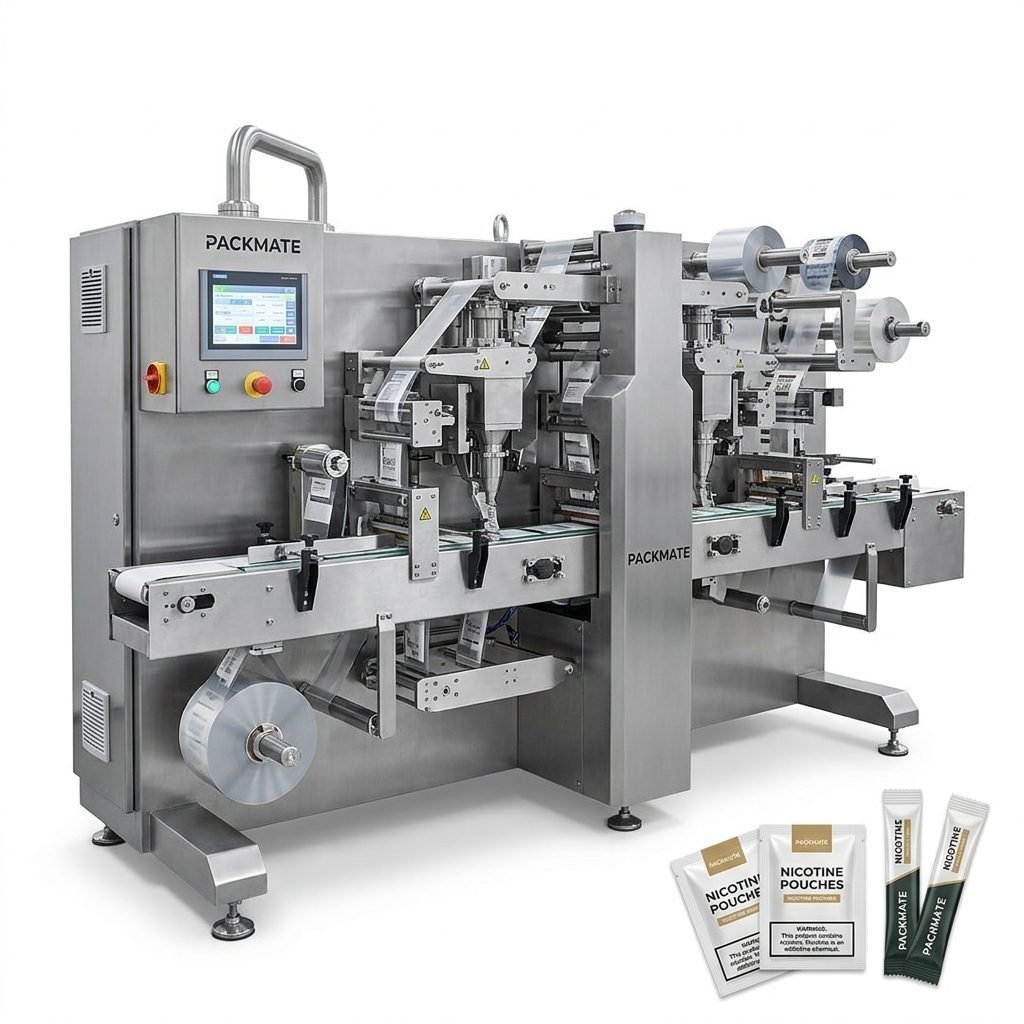
Choosing the right supplier for nicotine packaging machines is a strategic decision that affects product quality, regulatory compliance, production costs, and time-to-market. This guide walks you through the essential factors to evaluate when selecting a global supplier for snus and nicotine pouch packaging equipment, with practical checklists, regional considerations, and tips for negotiating contracts and after-sales support.
Why the Supplier Choice Matters Globally
A packaging machine is more than hardware: it is the backbone of your production line. A reliable supplier ensures consistent pouch sealing, accurate dosing, efficient multi-lane throughput, and compliance with local regulations. Selecting the wrong partner can result in downtime, product recalls, higher operational costs, and damaged brand reputation.
Key takeaway: invest time in supplier vetting — it pays off through better uptime, longer machine life, and faster ROI.
Core Factors to Evaluate
1. Industry Experience & Track Record
Experience matters. Look for suppliers with decades of engineering and manufacturing history in snus and nicotine pouch equipment. A supplier with 20–30 years in packaging machinery is more likely to have solved common production challenges. For example, Packmate’s long history (rooted in 1993 R&D and evolving to a full factory in 2003) illustrates how incremental improvements yield robust machine lines and tailored multi-lane solutions.
2. Machine Range & Technical Capabilities
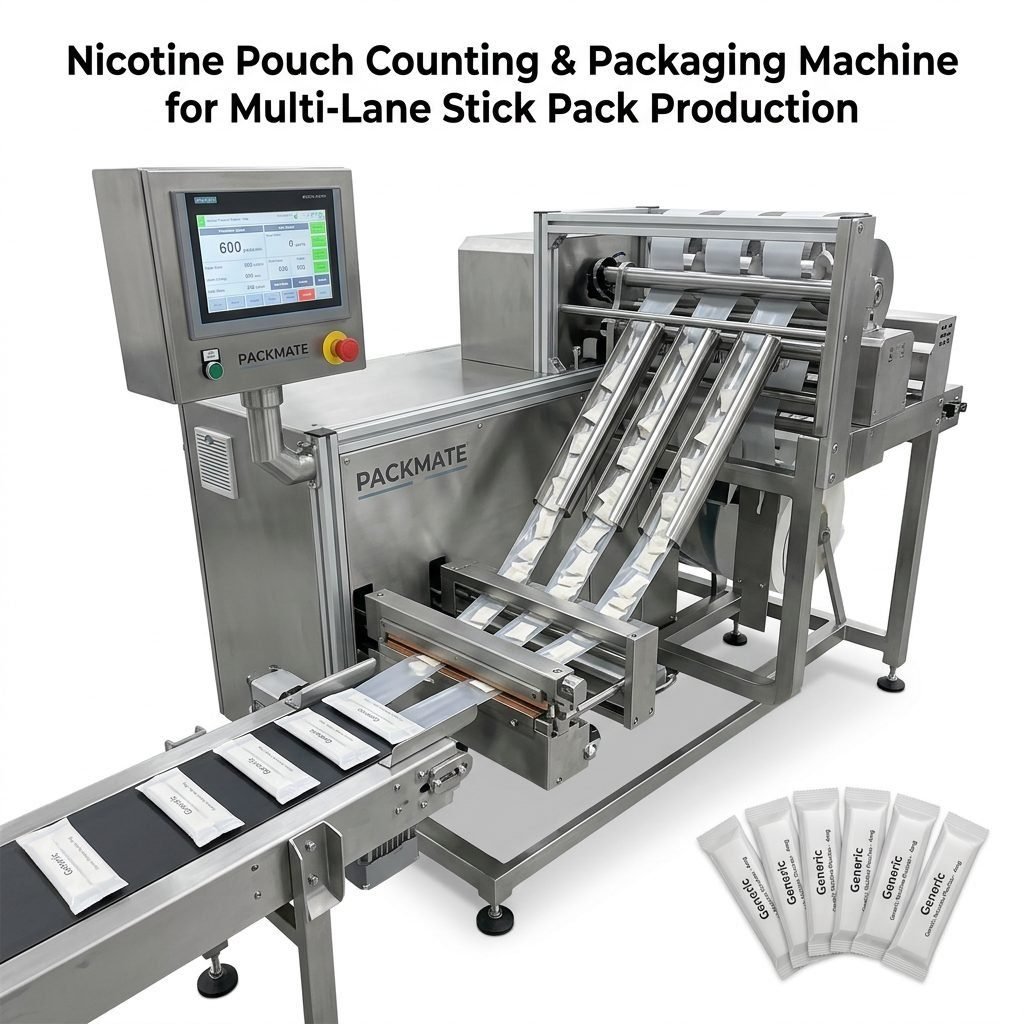
Assess whether the supplier offers a wide range of machines — from stick pack and sachet machines to dedicated snus/multi-lane pouch systems. Greater variety means easier scalability and options for specific product forms (pouch, stick, sachet, powder, granule, liquid). Refer to suppliers that publish product lines so you can match machine capabilities to intended SKUs.
Useful links:
Snus & Nicotine Packaging Machines,
Sachet & Stick Pack Machines,
Bag & Pouch Packaging Machines
3. Quality Control, Certifications & Compliance
Verify CE, ISO and other relevant certifications. Certified equipment indicates adherence to safety and manufacturing standards. For nicotine products sold in the EU, Nordic markets, or the US, machines must support hygiene, traceability, and labeling practices. Suppliers that publish certificates and compliance evidence demonstrate transparency.
4. Customization & Turnkey Solutions
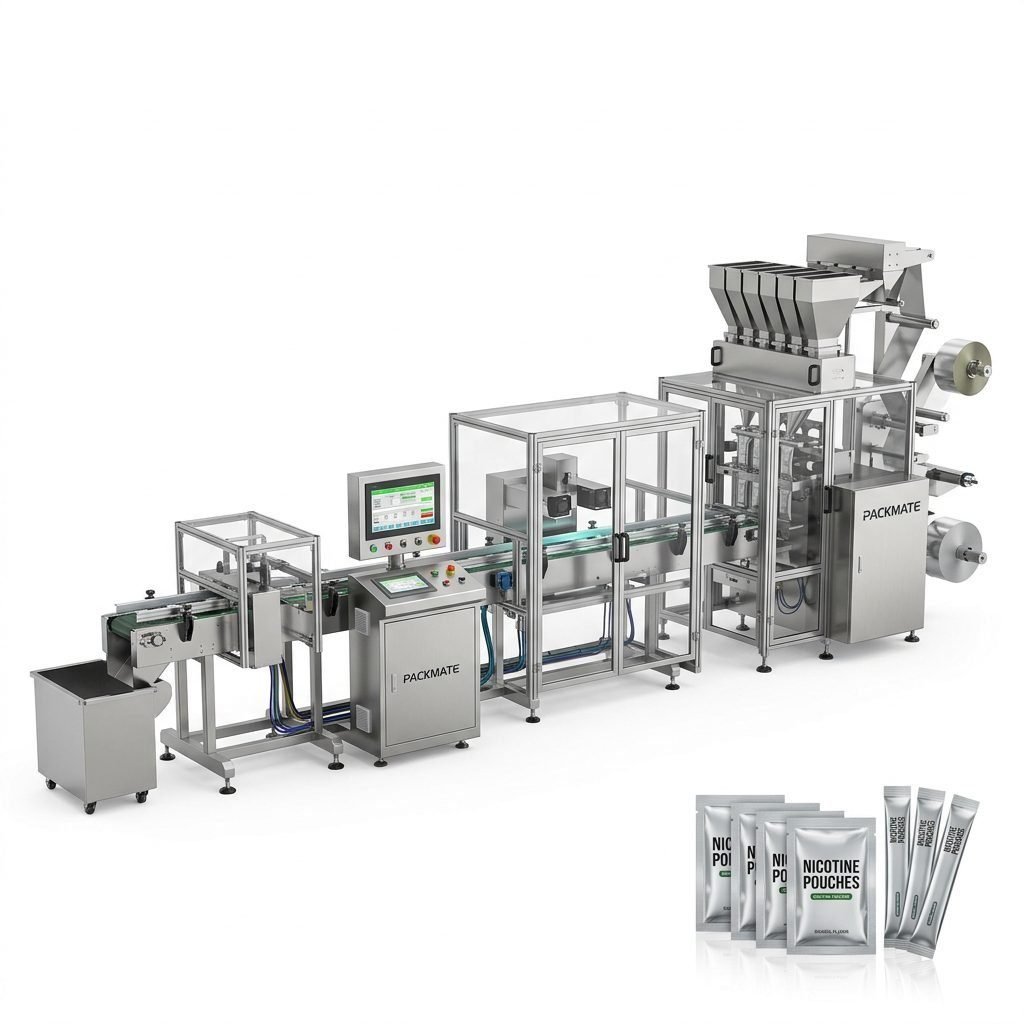
Every nicotine pouch product can differ by dose, pouch material, moisture content, and lane count. Choose a supplier offering customization and turnkey production lines — including filling, weighing, pouch forming, and end-of-line packaging — to reduce integration risk and speed deployment. Packmate, for instance, emphasizes turnkey solutions across snus lines and auxiliary systems.
5. Automation, Controls & Integration
Modern HMI interfaces, PLC controls, servo-driven dosing, and vision inspection reduce waste and improve throughput. Confirm the supplier’s control systems are compatible with your factory automation and remote monitoring needs. Ask about language support, data logging, and Industry 4.0 readiness.
6. After-Sales Support, Spare Parts & Training
Rapid access to spare parts and skilled technicians keeps lines moving. Evaluate warranty terms, service level agreements (SLAs), spare-part lead times, remote troubleshooting, and onsite commissioning. Prefer suppliers with global service footprints or established partner networks.
Checklist highlight: request a spare parts list with pricing and estimated delivery times as part of your RFQ.
Price vs Total Cost of Ownership (TCO)
The lowest purchase price rarely equals the lowest cost over time. Analyze TCO including energy consumption, spare-part frequency, preventive maintenance needs, and expected lifetime. Machines built with high-quality components and precision machining centers reduce long-term expenses. Ask for case-based ROI calculations from the supplier.
Factory Capacity, Lead Time & Scalability
Large, well-equipped factories with CNC machining centers and dedicated assembly lines are better positioned to meet lead times and produce repeatable quality. Confirm the supplier’s production capacity and typical lead times, and ask how they scale when you need additional lanes or second production lines.
Regional Considerations & Local Market Habits
Global suppliers must account for local preferences and regulations:
Nordic & EU Markets
Snus has deep cultural roots in Nordic countries. Consumers expect consistent pouch size and long shelf-life. For EU markets, prioritize machines that support high hygiene standards, tamper-evident seals, and strict traceability to satisfy regulators and distributors.
United States & Americas
US markets demand robust labeling integration and compliance with FDA-related requirements. Machines that integrate inline labeling and serialization can help meet traceability expectations in North America and Latin America.
Asia & Emerging Markets
Asian markets may emphasize price sensitivity and flexible production runs with multiple SKUs. Suppliers who can offer modular lines that switch quickly between SKUs add commercial advantage in dynamic markets.
Regional tip: ask suppliers for market-specific references — a supplier experienced in Nordic snus production will understand long-term shelf stability and portion consistency.
Factory Visits, Audits & References
A physical or virtual factory tour reveals production practices, assembly precision, and quality control. Request references and case studies with contactable customers. Real-world performance metrics — uptime percentages, OEE figures, and warranty claim stats — are invaluable.
Related reading:
Case,
About Packmate
Questions to Ask During the RFQ Stage
Use a structured questionnaire covering:
- Production speed and multi-lane capability (pouches/min per lane and max lanes)
- Precision and dosing tolerance (mg/pouch)
- Changeover time between SKUs
- Required utilities and energy consumption
- Warranty coverage and spare parts availability
- Lead time and delivery terms (EXW, FOB, CIF)
Evaluating Proposals — Scoring Matrix
Build a scoring matrix with weighted criteria: performance (30%), reliability & warranty (20%), support & spare parts (15%), TCO (20%), and lead time (15%). Use this to compare supplier bids objectively.
Negotiating Contracts & Protecting Your Investment
Ensure contracts include acceptance tests, performance guarantees, penalty clauses for missed lead times, spare part lead time commitments, and clear intellectual property terms for any custom tooling or recipes. Define service response times and include training for operators and maintenance personnel.
Shipping, Installation & Start-up
Confirm packaging for export, crating standards, and customs documentation. For complex lines, arrange for supplier technicians during installation and commissioning. A complete start-up package should include test runs using your actual materials, validation documents, and operator manuals.
Sourcing Spare Parts & Long-Term Service
Insist on a spare-parts catalogue and recommended inventory levels. Identify critical wear parts (sealing jaws, belts, cams, dosing nozzles) and their expected lifetimes. Establish an annual preventive maintenance plan with the supplier to maximize uptime.
Pro tip: ask about remote diagnostic tools and spare-part kits for first-line repairs to minimize downtime.
Real-World Example: What to Expect from a Reputable Supplier
A reputable supplier will:
- Provide detailed machine specs and demo videos.
- Offer CE/ISO certificates and market references.
- Support turnkey lines with weighing, filling, and packaging integration.
- Supply global service, spare parts, and training.
- Demonstrate factory testing and acceptance procedures prior to shipment.
For more on auxiliary systems and full production lines, explore:
Weighing & Packaging Systems,
Filling & Packaging Lines,
Auxiliary Packaging Equipment
Step-by-Step Buying Guide
Follow these steps to minimize risk:
- Define product specs and target output (pouches/min, SKUs, materials).
- Shortlist suppliers with relevant experience and certifications.
- Request detailed RFQs with spare-part lists, lead times, and warranty details.
- Perform factory visits or virtual audits and request live demos.
- Score proposals using a weighted matrix and schedule commercial negotiations.
- Finalize contract with clear acceptance tests and after-sales SLAs.
- Plan installation, training, and spare parts stocking before machine arrival.
Final Recommendations
Choose a supplier who blends deep packaging experience with transparent processes, strong after-sales service, and the ability to deliver turnkey solutions. Prioritize TCO and proven uptime over the lowest upfront price. A vendor that demonstrates engineering competence, global references, and clear compliance documentation will be a long-term production partner, not just a vendor.
To learn more about the manufacturer’s portfolio and certifications, check:
Certificate,
Our Exhibition,
Contact Us
Frequently Asked Questions
Q1: How quickly can a manufacturer ship a multi-lane snus line?
Answer: Typical lead times vary by complexity; consult the supplier for current production schedules. Large, well-equipped factories often have shorter and more reliable lead times.
Q2: What spare parts should I stock for a snus packaging line?
Answer: Keep a safety stock of wear parts such as belts, sealing jaws, cams, bearings, dosing nozzles, and critical sensors. Review the supplier’s recommended inventory list.
Q3: Are turnkey lines more expensive than buying individual machines?
Answer: Turnkey lines often require higher upfront investment but reduce integration risk, shorten commissioning time, and can lower TCO through optimized workflow and supplier accountability.
Q4: How important is supplier proximity to my market?
Answer: Local presence improves service response times and spare-part delivery. If your supplier is overseas, ensure clear logistics, customs handling, and local service partners.
Q5: What documentation should be provided on delivery?
Answer: Require operation manuals, spare-part lists, factory test records, compliance certificates, and acceptance test procedures to be included in shipment documentation.