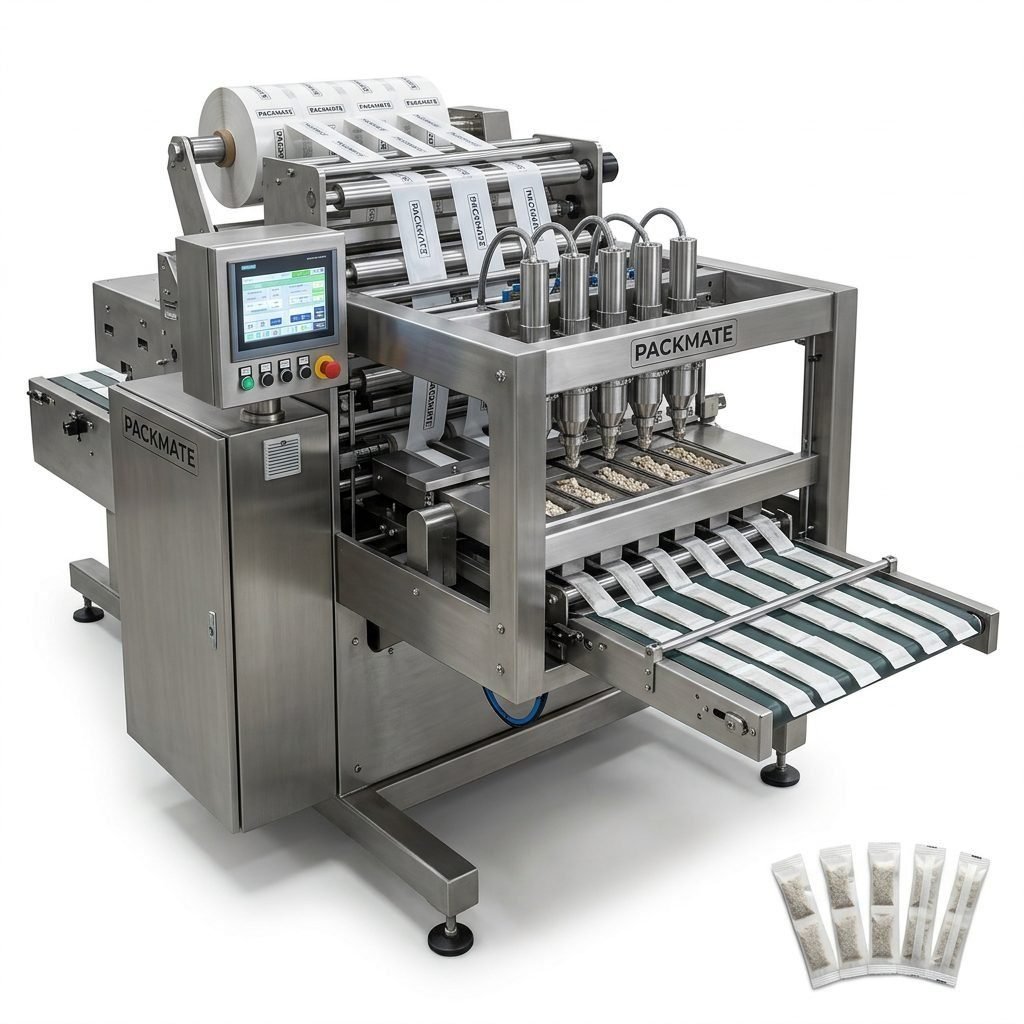
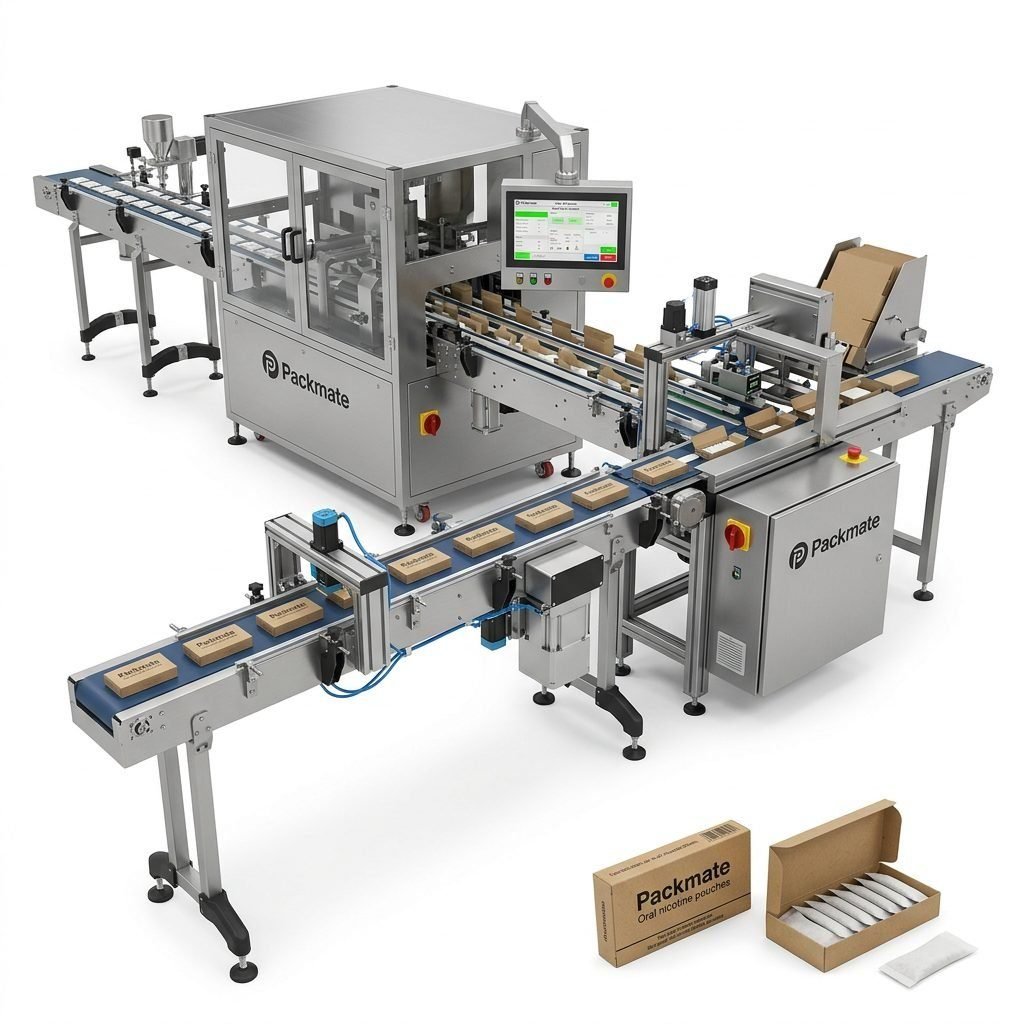
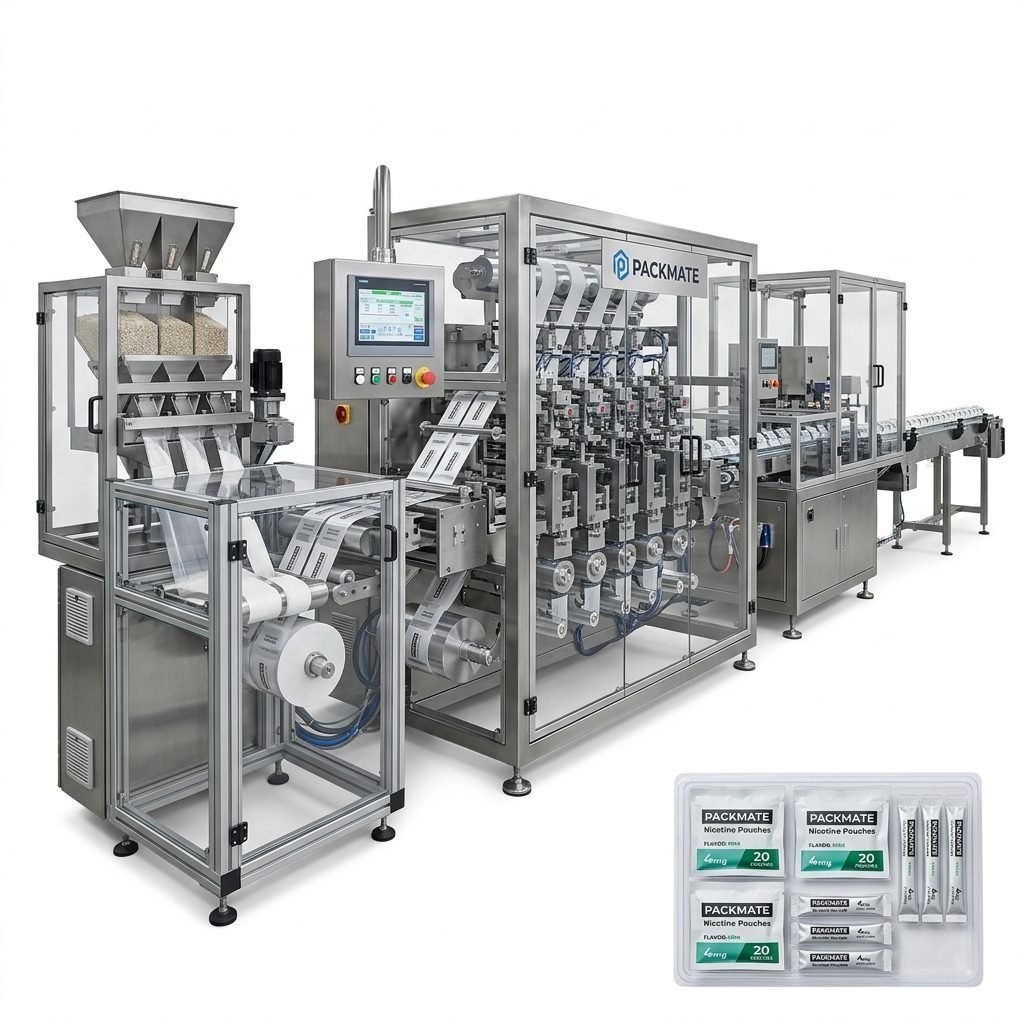
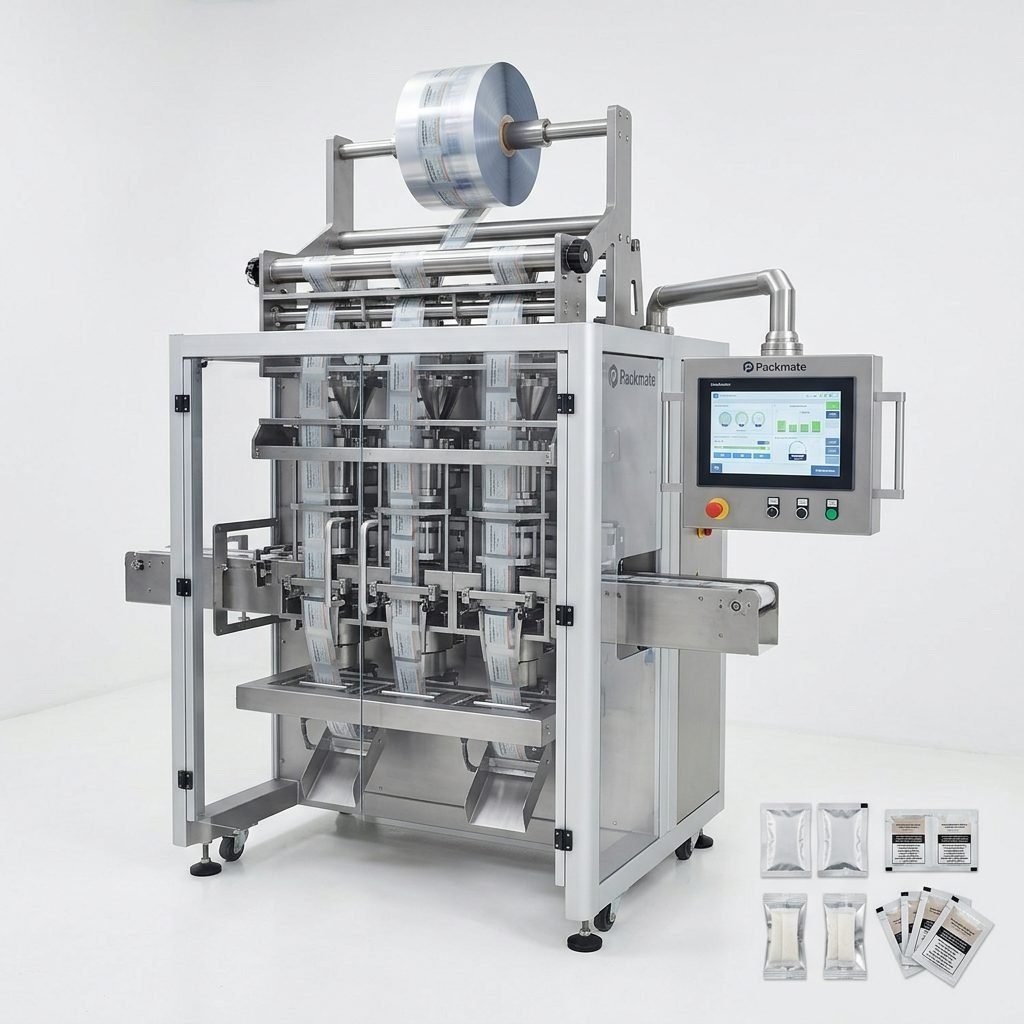
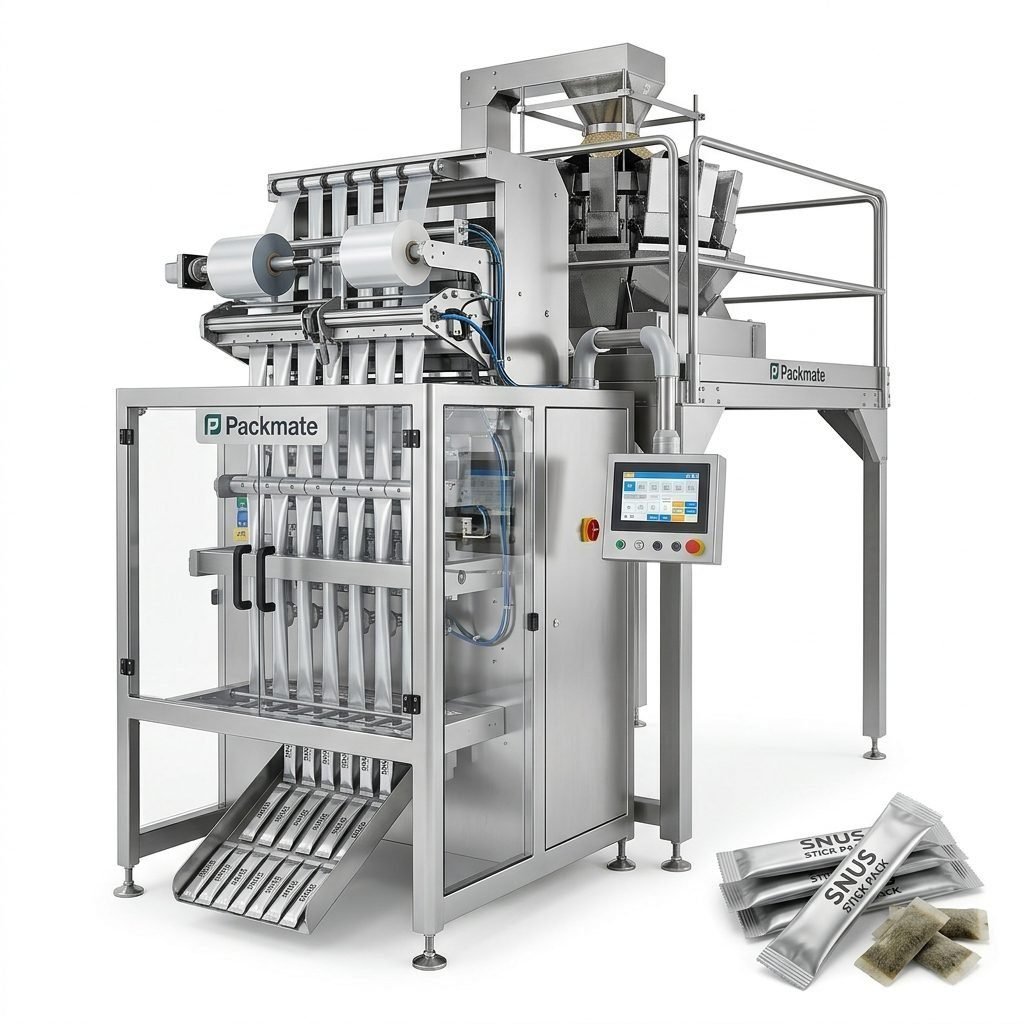
Choosing the right snus packaging machine supplier in Panama is a strategic decision that affects your product quality, regulatory compliance, and long-term costs. Whether you are launching a nicotine pouch brand in Panama City, serving duty-free customers through Colon Free Zone distribution, or exporting to nearby Latin American markets, the supplier you pick must understand local tastes, tropical climate challenges, and import rules. This guide will walk you through practical criteria, local considerations, machine features, and after-sales support essentials so you can confidently select the best partner for your business.
Understand Panama’s Market and Regulatory Context
Panama’s position as a logistics hub and its tropical climate shape the way snus and nicotine pouch products should be packaged and marketed. Consumers often prefer discreet, resealable formats and clear Spanish labeling. You must verify local regulations: nicotine-containing products face evolving rules in Latin America, so ensure compliance with customs, labeling, and health warnings. Many companies use bilingual packaging (Spanish & English) to serve both local shoppers and international travelers.
🔧 Key Panama considerations: humidity & heat resistance, resealable formats for convenience, Spanish-language labels, and awareness of duty-free distribution channels like the Colon Free Zone.
Why the supplier’s experience matters
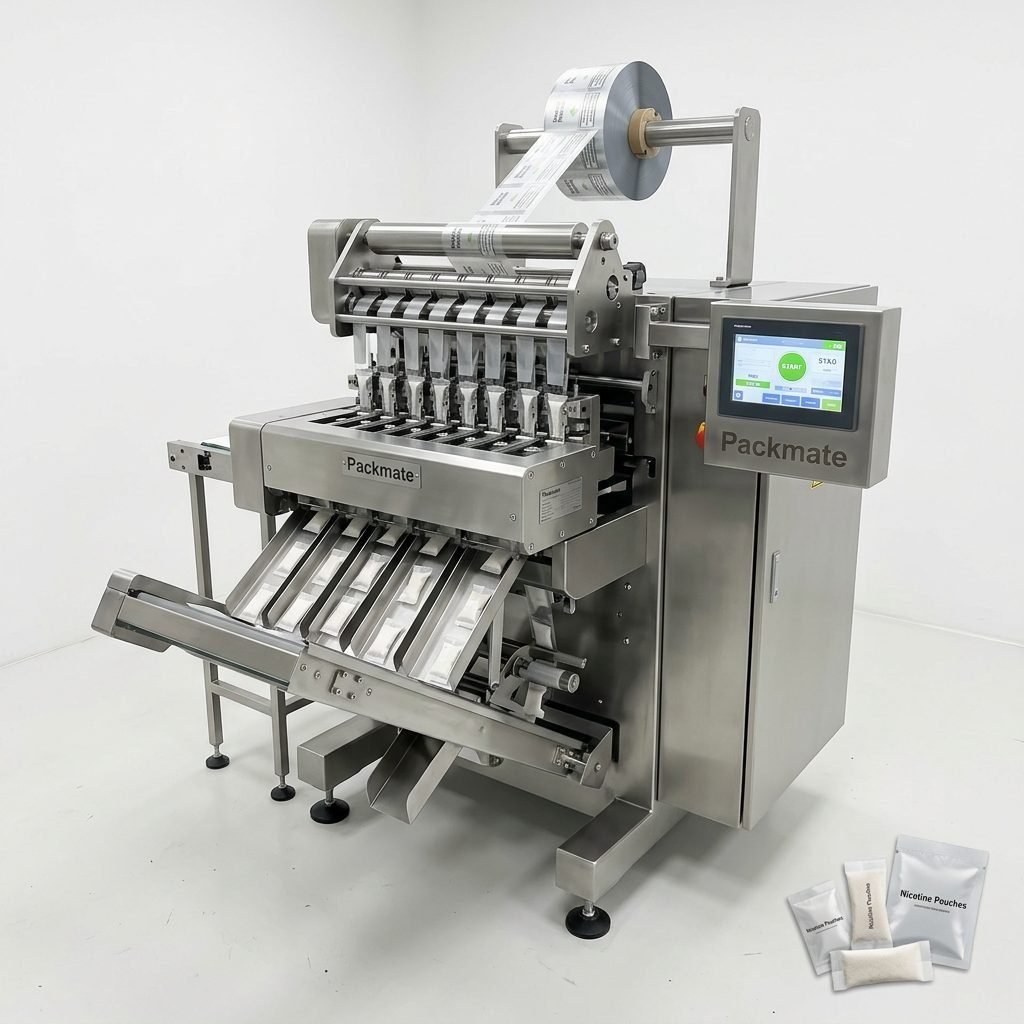
A supplier with deep experience in snus and nicotine pouch packaging brings refined engineering, process know-how, and troubleshooting ability. Look for manufacturers that provide tailored multi-lane systems for small-dose pouches, high-precision filling, and stable sealing performance under high-speed production. Suppliers with global case studies can better anticipate issues that arise when launching in humid climates such as Panama’s.
Checklist: Technical Features to Prioritize
When evaluating machines, focus on features that ensure consistent pouch quality, operational uptime, and flexibility:
✔️ Multi-lane capability — to scale output efficiently for small-dose pouch production.
✔️ Precise dosing & weighing — essential for nicotine pouches to ensure dosage consistency and regulatory compliance.
✔️ Moisture-proof sealing — robust sealing and barrier materials to protect product integrity in Panama’s humid environment.
✔️ User-friendly HMI & quick format changeover — reduces downtime and training needs for local operators.
✔️ CE/ISO certifications — a marker of safety and international compliance for export possibilities.
Machine types and when to choose them
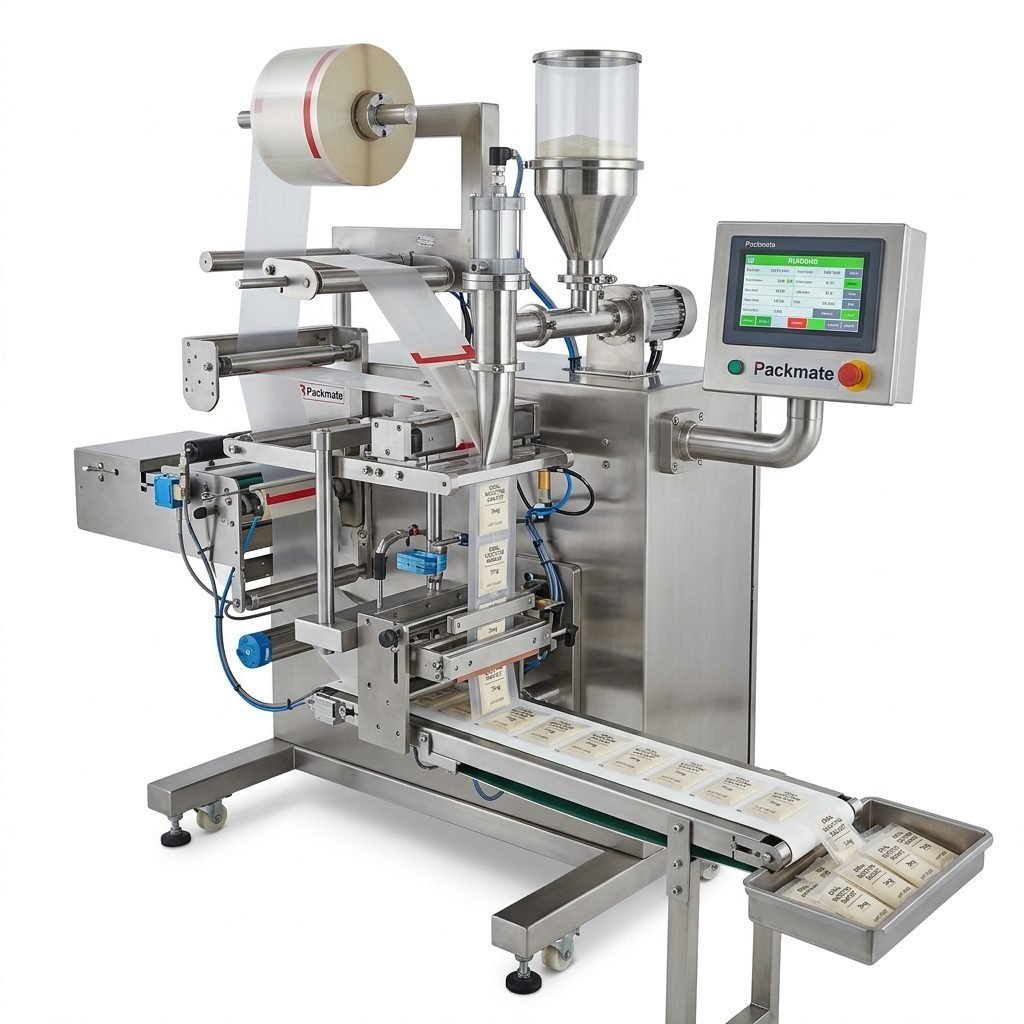
Different machine classes suit different business models. For a startup testing Panama’s market, a compact single-lane sachet or stick pack unit may be sufficient. For established brands targeting airport shops or mass retail, multi-lane snus pouch lines and fully automated filling & packaging lines offer better throughput and lower per-unit costs.
Suggested product links for reference
Explore machine portfolios and systems to match your needs: Snus & Nicotine Packaging Machines, Sachet & Stick Pack Machines, and Filling & Packaging Lines are typical starting points when shortlisting suppliers.
Reference:
Snus & Nicotine Packaging Machines,
Sachet & Stick Pack Machines,
Filling & Packaging Lines
Supplier Evaluation: Questions to Ask
Use a consistent set of questions when engaging suppliers. Request documented evidence and real-world cases to validate claims.
📌 Production capacity: Can the supplier scale from pilot runs to full-volume lines?
📌 Customization: Do they support custom pouch sizes, resealable features, and barrier materials suited for humid climates?
📌 Quality control: What testing, inspection, and calibration processes are in place to guarantee dosing accuracy and seal integrity?
📌 After-sales support: Is local installation, training, spare parts supply, and remote troubleshooting offered?
📌 References & cases: Ask for case studies in tropical or Latin American markets.
Why factory strength and certifications matter
Supplier credibility often shows through manufacturing scale and certifications. A supplier with a large manufacturing facility, advanced CNC and assembly systems, and CE/ISO approvals is better equipped to deliver consistent machines and provide reliable spare parts for years. For businesses in Panama, importing from certified factories can simplify customs clearance and reassure local regulators and retailers.
Service, Warranty, and Local Support Considerations
Even the best machines need competent support. Clarify warranty terms, preventive maintenance schedules, and the availability of trained technicians. For faster response times in Panama, verify whether the supplier has local partners, regional service hubs, or can provide fast shipping of critical spare parts.
⚠️ Tip: Ask for remote monitoring options and software support to reduce downtime and accelerate troubleshooting across time zones.
Total Cost of Ownership (TCO) – Beyond the Purchase Price
When comparing suppliers, don’t focus only on initial machine price. Calculate TCO including installation, training, spare parts, consumables, energy use, expected yield, and the cost of planned upgrades. A slightly higher upfront cost for a robust machine with lower downtime and better energy efficiency often translates to lower unit cost and faster ROI in the long run.
Financing and turnkey solutions
Some suppliers offer turnkey packaging lines, project management, and even financing options that help you ramp up production faster. This is especially useful in Panama where quick time-to-market can capture travel retail and duty-free opportunities.
Factory Visits, Trials, and Acceptance Tests
Whenever possible, schedule a factory visit or remote demonstration. Insist on factory acceptance tests (FAT) that simulate your product, pouch materials, and production speed. A supplier that offers thorough FAT and can demonstrate consistent performance with your specific formulation and packaging film reduces commissioning risks.
Packmate profile and why they’re relevant
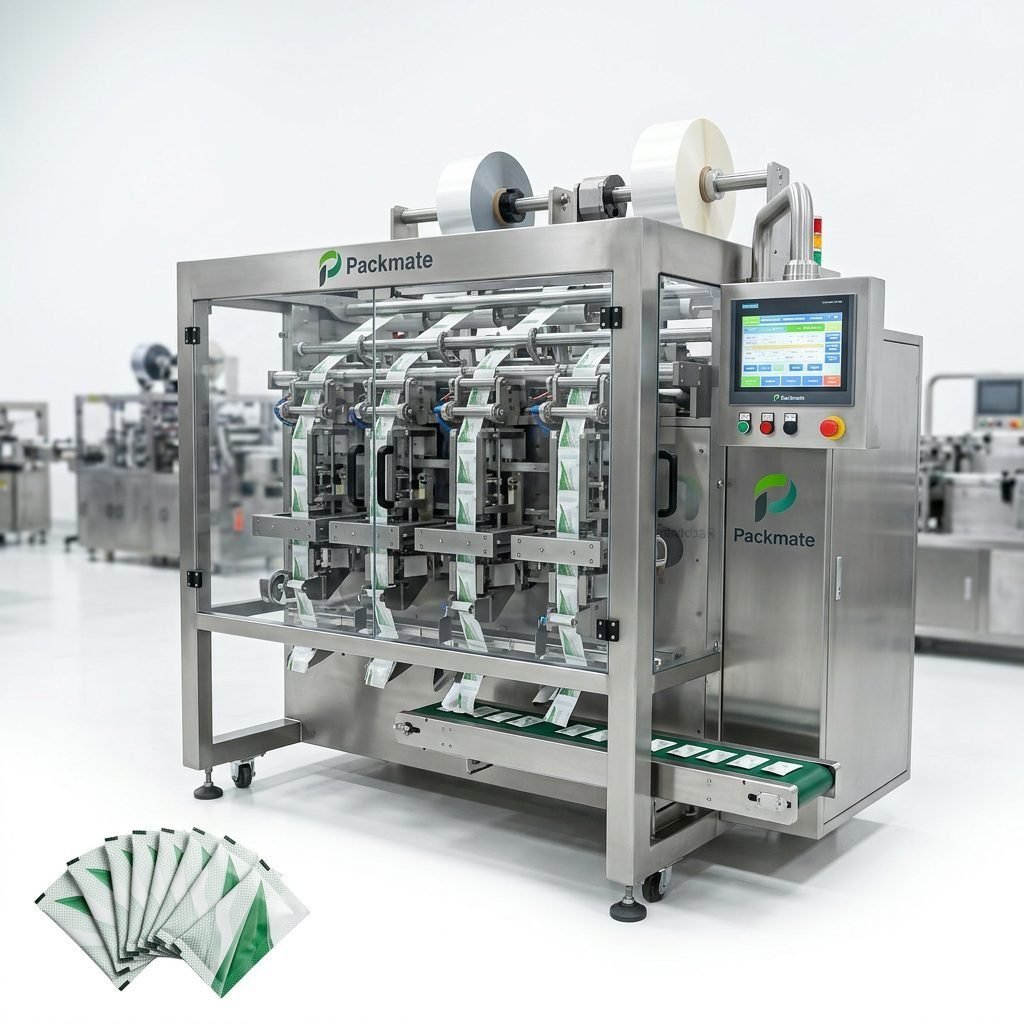
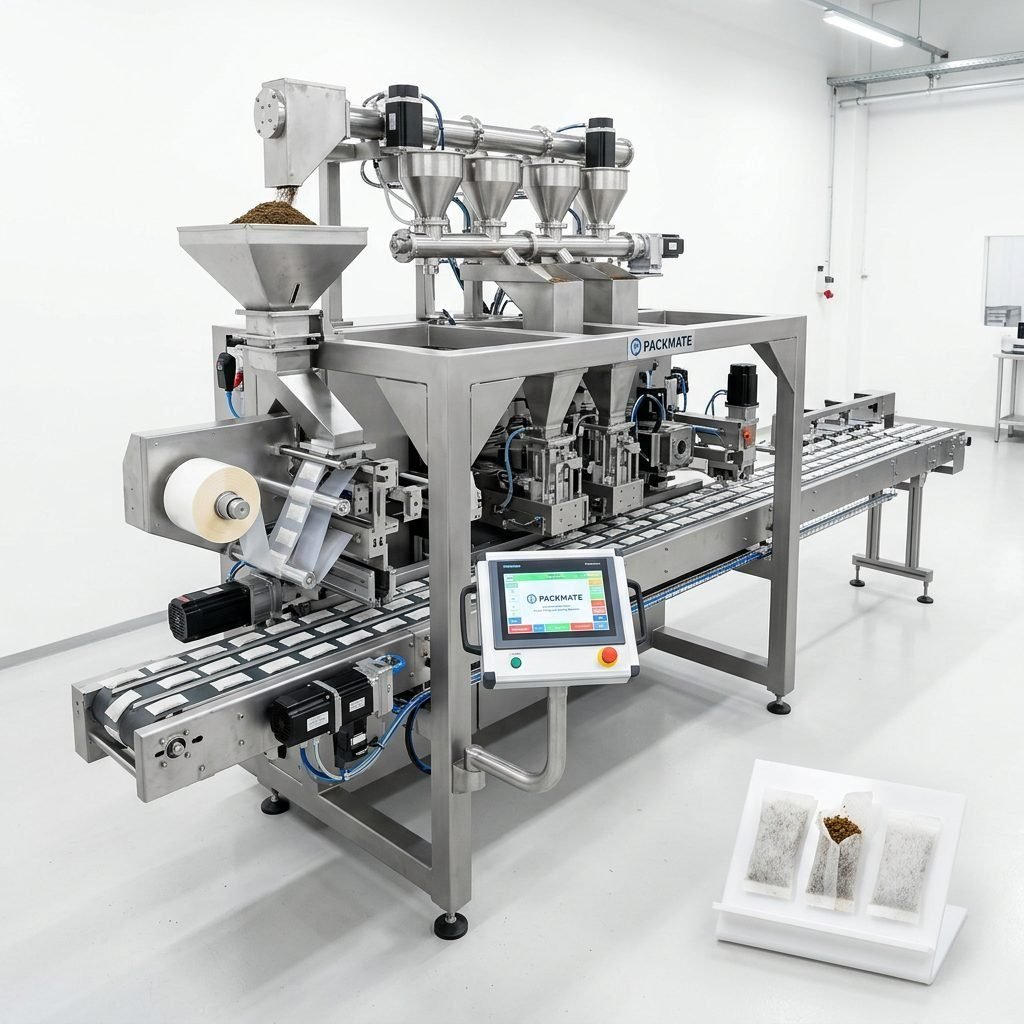
Packmate Snus Machine brings over 30 years of packaging engineering experience, a 20,000㎡ manufacturing facility, and a portfolio spanning snus/nicotine pouch machines, stick pack machines, and full filling & packaging lines. Their multi-lane systems are particularly relevant for businesses scaling production of small-dose pouches. To learn more about the company background and certifications, you can view the company profile and their certifications pages.
Helpful links:
About Packmate,
Certificate,
Case
Practical Steps to Finalize Your Supplier
Follow a structured procurement process:
1. Define product specs (pouch size, fill weight, barrier needs, reseal).
2. Shortlist suppliers with relevant snus/nicotine experience.
3. Request FAT and factory references in similar climates/markets.
4. Compare TCO, warranty, spare parts availability, and training packages.
5. Negotiate lead times, installation, and acceptance criteria before purchase.
Negotiation and logistics tips for Panama
Negotiate clear delivery terms (Incoterms), spare parts kits, and commissioning timelines. Consider port logistics to Panama (Balboa, Cristóbal) and the Colon Free Zone if you plan duty-free distribution. Confirm whether the supplier will assist with documentation for customs and installation.
Making the Most of a Long-Term Supplier Relationship
A strong supplier relationship delivers ongoing improvements and faster response times. Establish SLAs for service response, scheduled maintenance visits, and parts logistics. Share product feedback to co-develop packaging formats or process optimizations that reduce waste and improve throughput.
🔁 Pro tip: Start with a pilot order and a clear path for upgrades. This reduces risk and lets you validate consumer preferences in Panama before committing to larger multi-lane lines.
Final Checklist Before Signing
Ensure these items are contractually confirmed:
– Performance guarantees from FAT that match your target speeds and yield.
– Clear warranty coverage and spare parts lead times.
– Training schedule for local operators and documentation in Spanish if needed.
– Support plan for remote diagnostics and software updates.
– Confirmation of export documentation and customs assistance for Panama.
Contact & next steps
When you’re ready, request detailed quotations and FAT plans from shortlisted suppliers. If you want to check references or see tailored solutions, suppliers like Packmate often provide comprehensive product pages and service overviews to help with evaluation.
Useful resources:
Snus & Nicotine Packaging Machines,
Service,
Contact Us
Frequently Asked Questions
Q1: What machine features are essential for Panama’s climate? — Ensure machines support moisture-proof sealing, robust barrier films, and controlled dosing to preserve product stability in humid and warm conditions.
Q2: How important are certifications like CE and ISO? — Certifications demonstrate compliance with international safety and quality standards, simplifying export and reassuring retailers and regulators.
Q3: Should I choose single-lane or multi-lane systems? — Start with single-lane for pilots and scale to multi-lane for mass retail or airport distribution; multi-lane systems reduce unit cost at higher volumes.
Q4: What after-sales support should I expect? — Aim for suppliers that offer training, spare parts availability, remote diagnostics, and scheduled maintenance to minimize downtime.
Q5: How can I verify a supplier’s real-world performance? — Request factory acceptance tests (FAT), customer case studies, and references from similar climatic regions or product types.