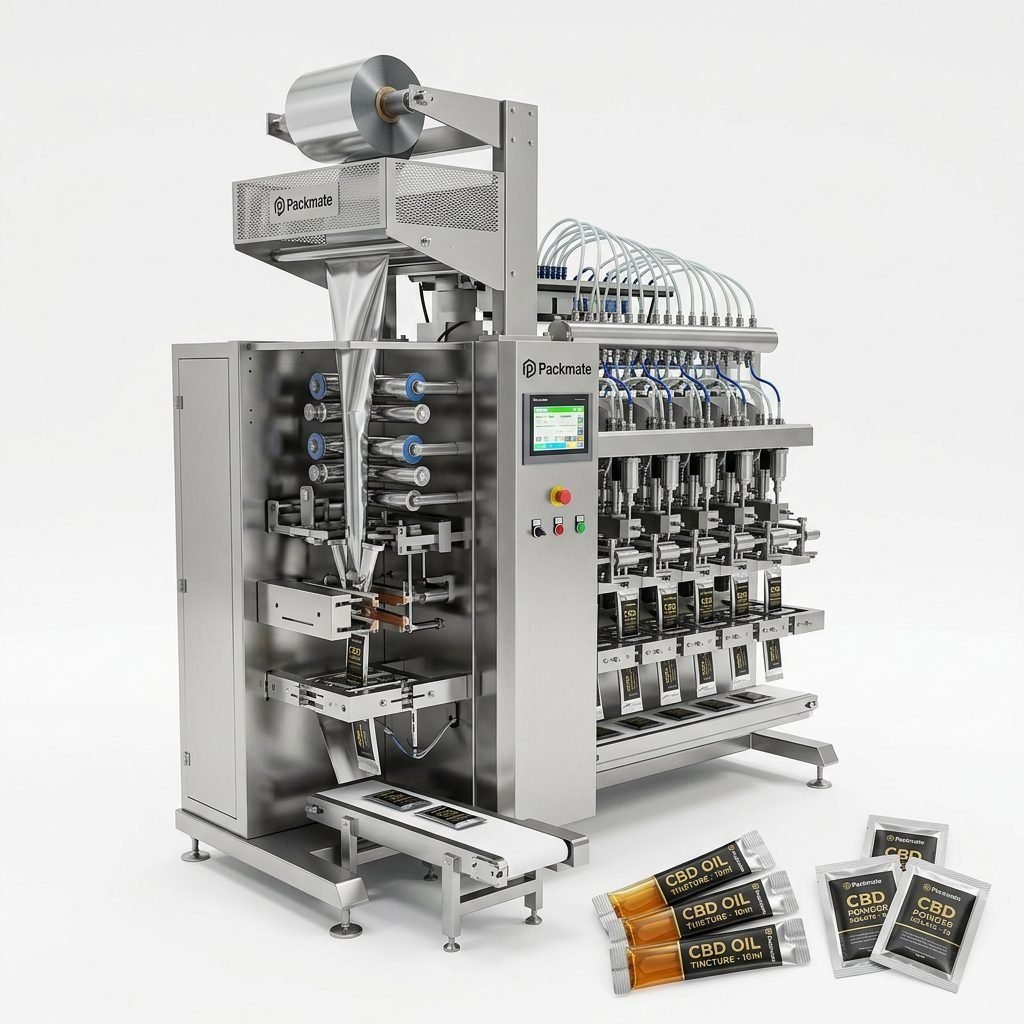
Choosing the right nicotine packaging machinery in Vietnam is a critical decision for manufacturers who want to scale production, ensure regulatory compliance, and protect product consistency. This guide walks you through practical steps, technology options, and commercial considerations to help you select the best snus and nicotine pouch packaging equipment for your operations.
Understand Your Product and Output Requirements
The first step is to clearly define what you will package. Nicotine pouches and snus can vary by size, weight, moisture content, and inner/outer packaging format. Ask these questions before evaluating machines:
✅ What pouch formats do you need (single-dose sachets, stick packs, multi-lane pouches)?
✅ What is your target throughput (pouches per minute or per hour)?
✅ Do you require integrated filling (powder, granule, liquid) or separate weighing systems?
Key tip: Match machine type to product: multi-lane lines are ideal for high-volume small-dose pouches, while single-lane stick pack machines suit niche or low-volume runs.
Common Machine Types for Nicotine Pouch Packaging
In Vietnam and global markets, the following packaging solutions are commonly used for nicotine pouches:
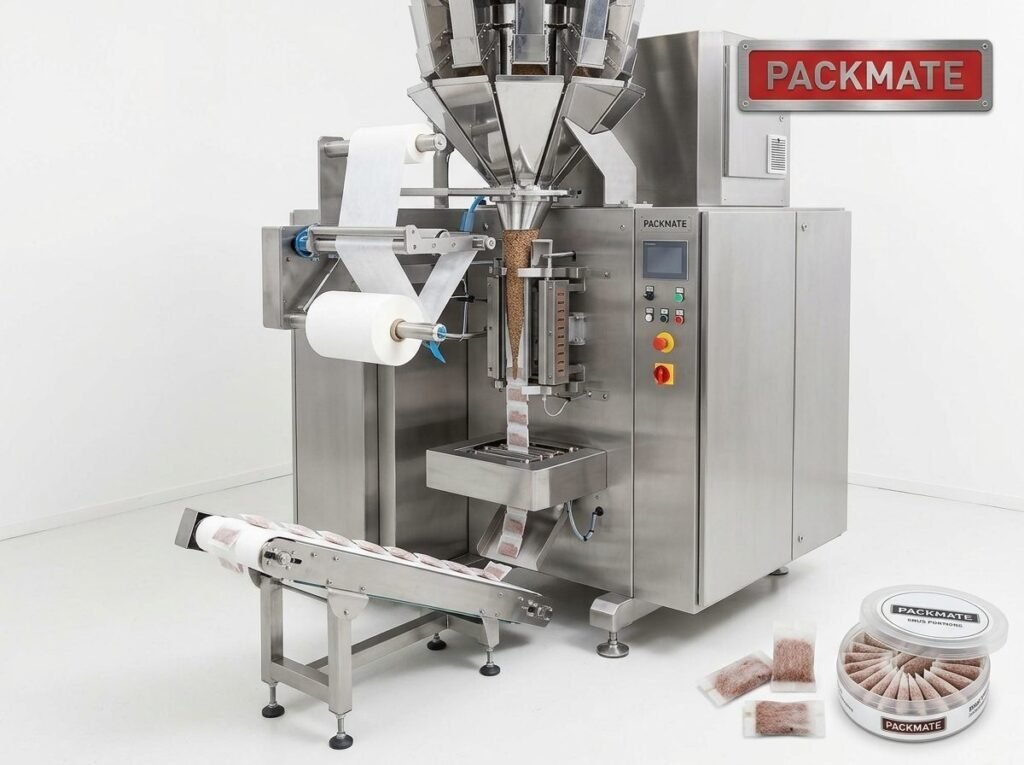
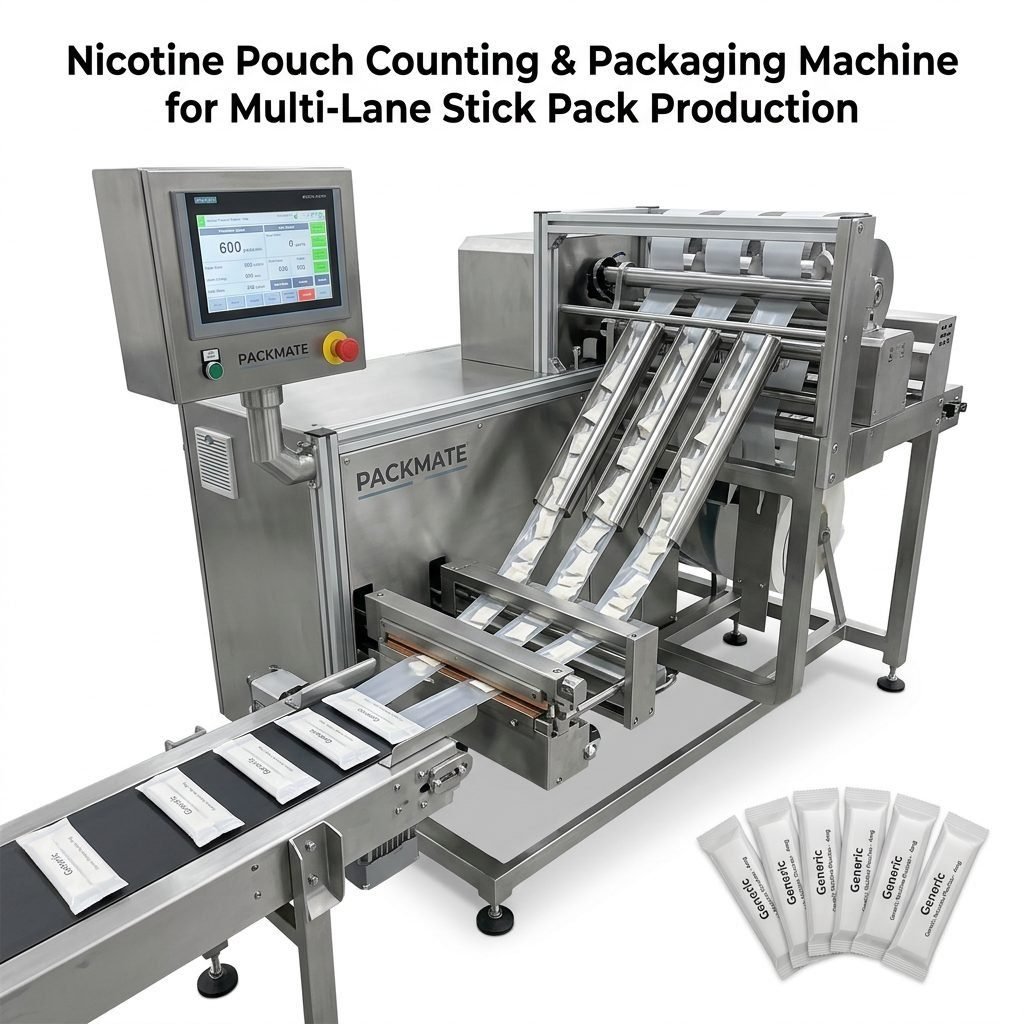
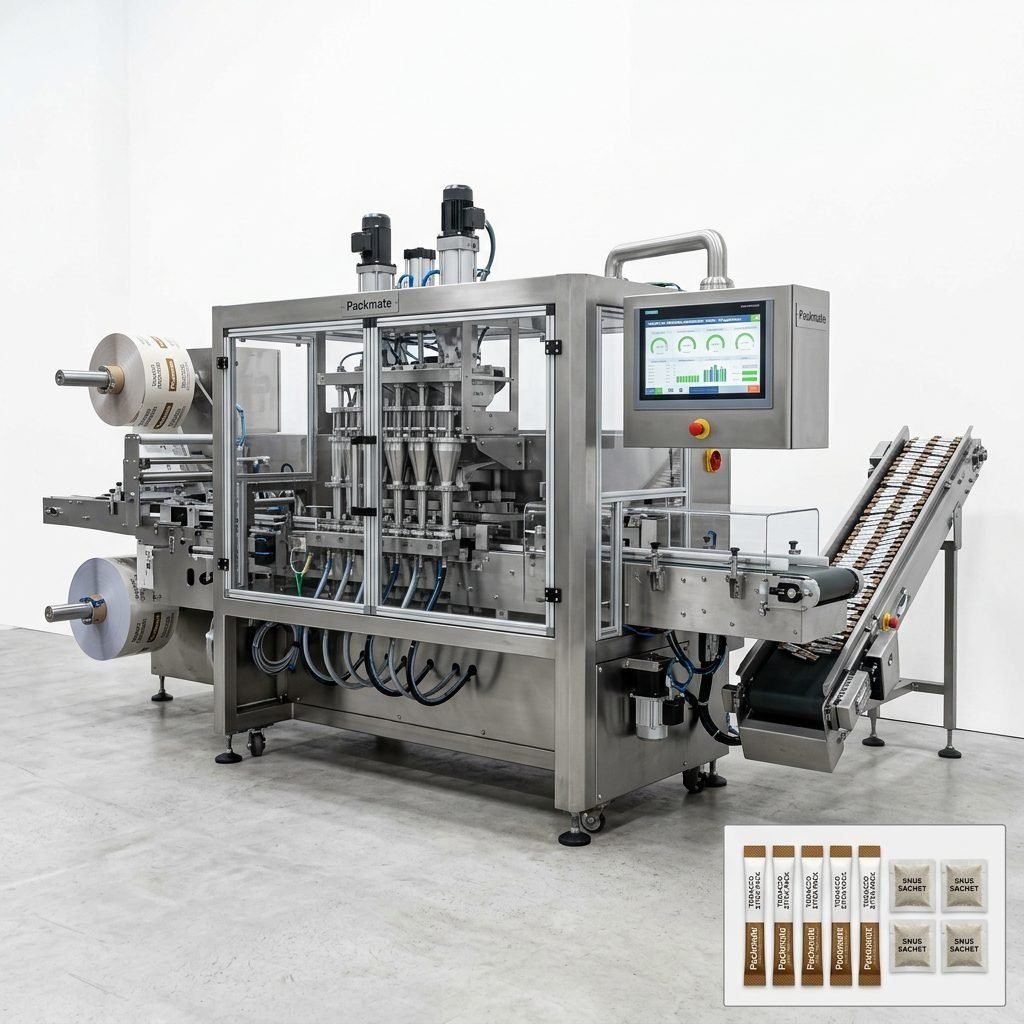
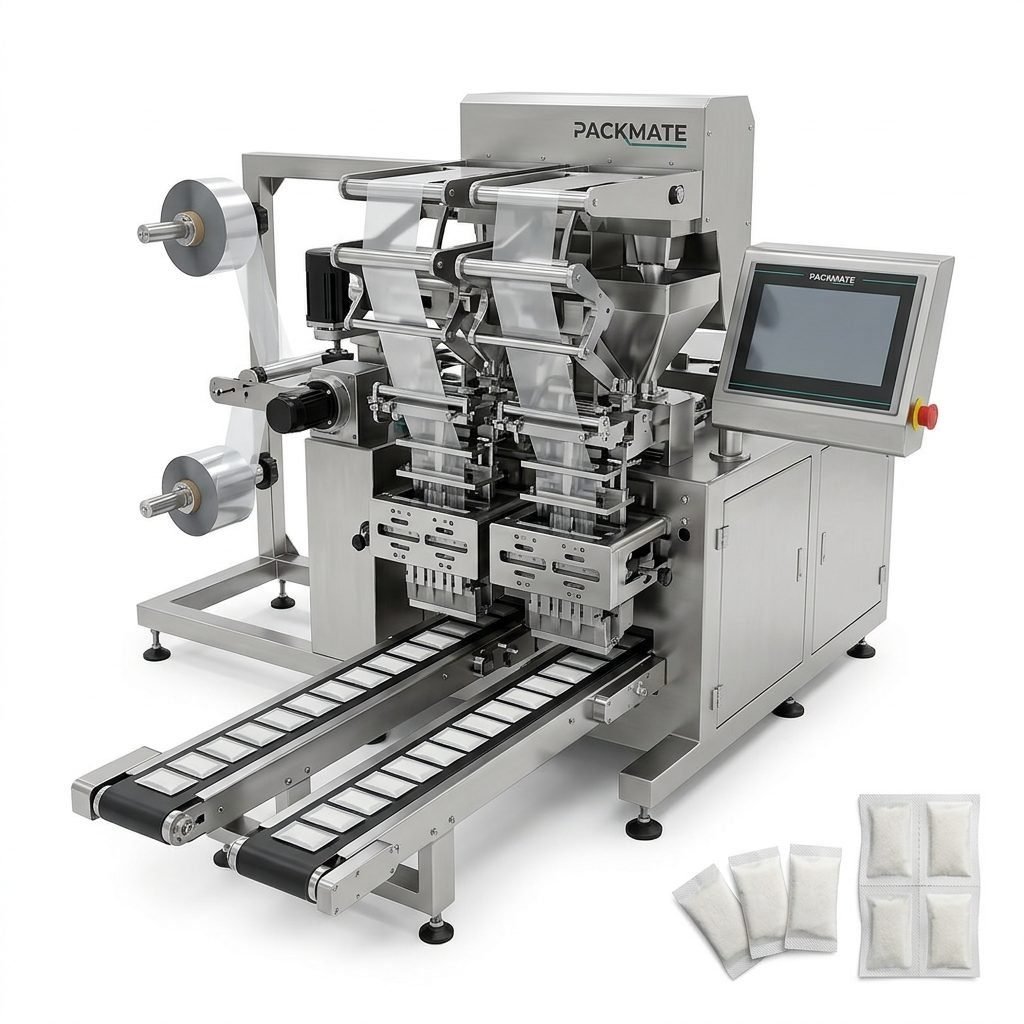
⚙️ Sachet and Stick Pack Machines — suitable for single-dose pouch packaging and flexible formats. Explore options in sachet & stick pack families for compact single-dose lines.
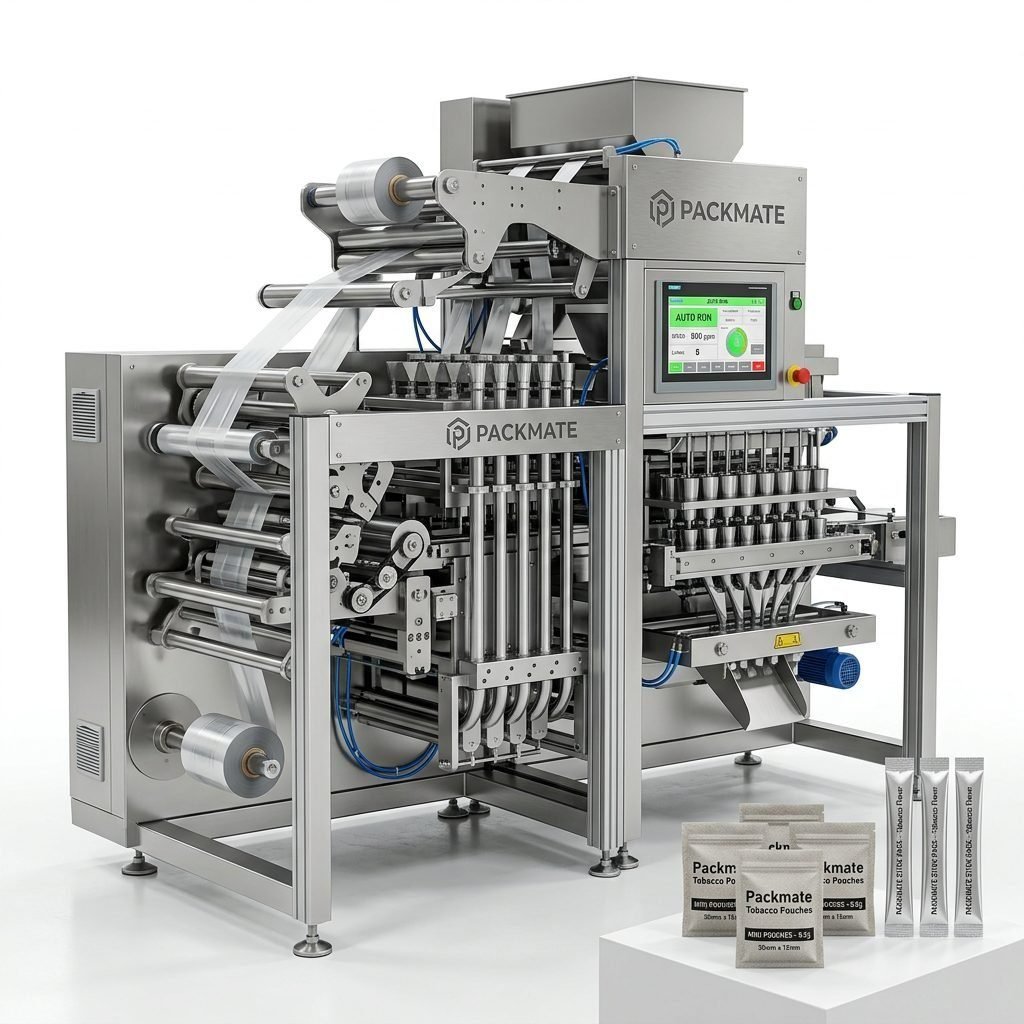
🧩 Multi-lane Snus Packaging Systems — designed for high-speed small-dose pouches across multiple lanes for maximum throughput.
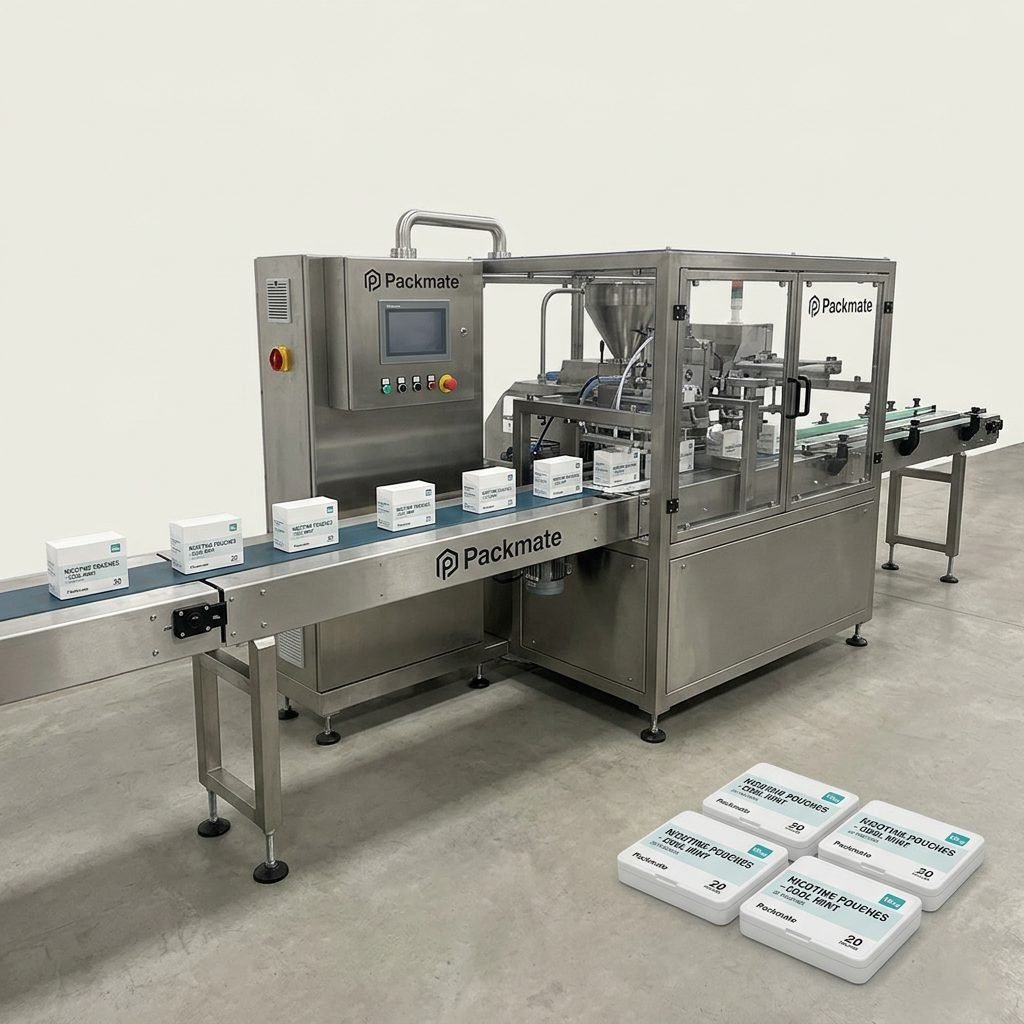
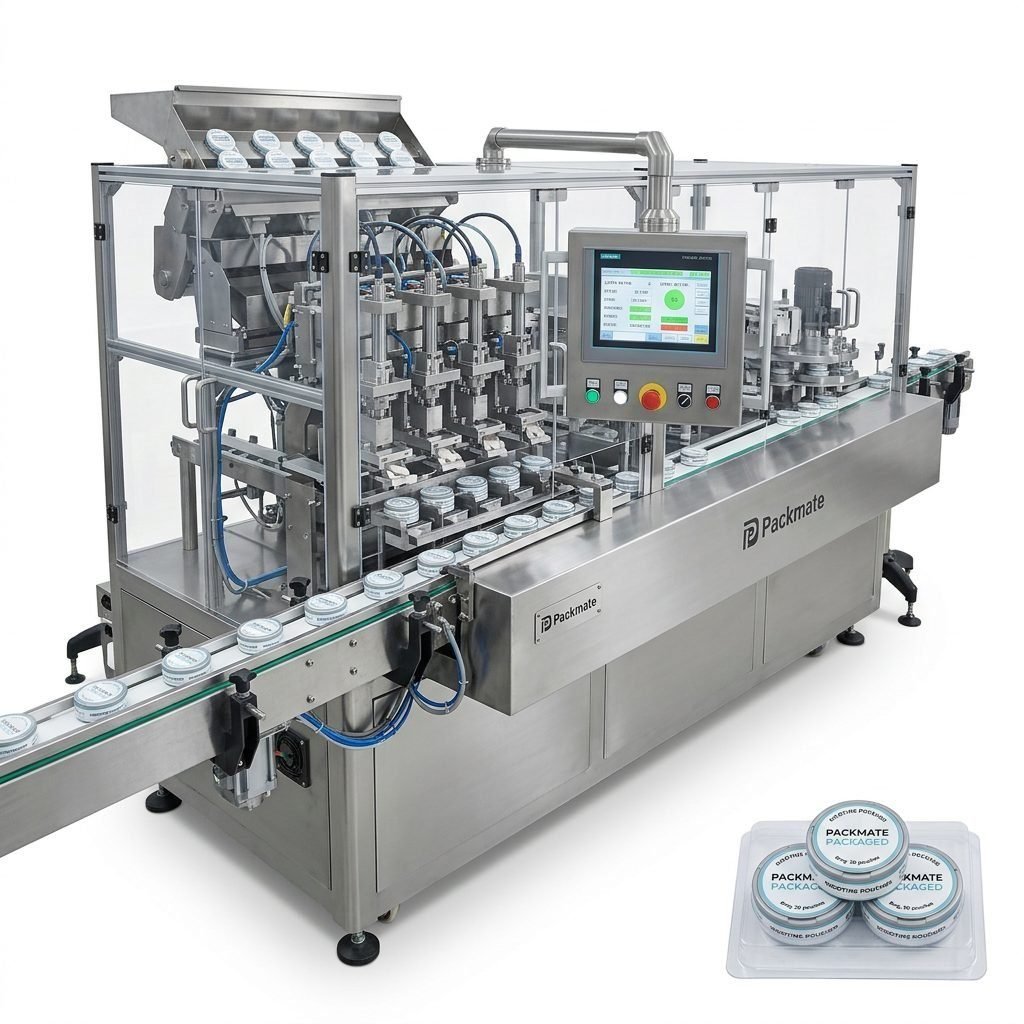
🧪 Filling & Weighing Integrated Lines — necessary when precise dosing (milligram accuracy) and automated filling are required.
See product examples and machine families such as
Snus & Nicotine Packaging Machines,
Sachet & Stick Pack Machines, and
Weighing & Packaging Systems.
Key Selection Criteria
1. Throughput and Scalability
Throughput is often the primary driver. Consider current needs and future growth. Choose a machine with modular options or multi-lane capability so you can scale by adding lanes or supplementary equipment instead of replacing the entire line.
2. Dosing Accuracy & Product Handling
Nicotine pouch dosing tolerances can be strict. Evaluate the machine’s dosing system (volumetric, auger, electronic piston, or gravimetric) and the supplier’s validation data for accuracy and repeatability.
Must-have: Proof of dosing performance and sample test results for your product type before purchase.
3. Regulatory Compliance & Materials
Ensure the equipment meets CE, ISO, or other relevant certifications and is built from appropriate materials (food-grade stainless steel, CIP-ready components). Verification of compliance helps with sourcing, export, and local approvals.
4. Automation & Integration
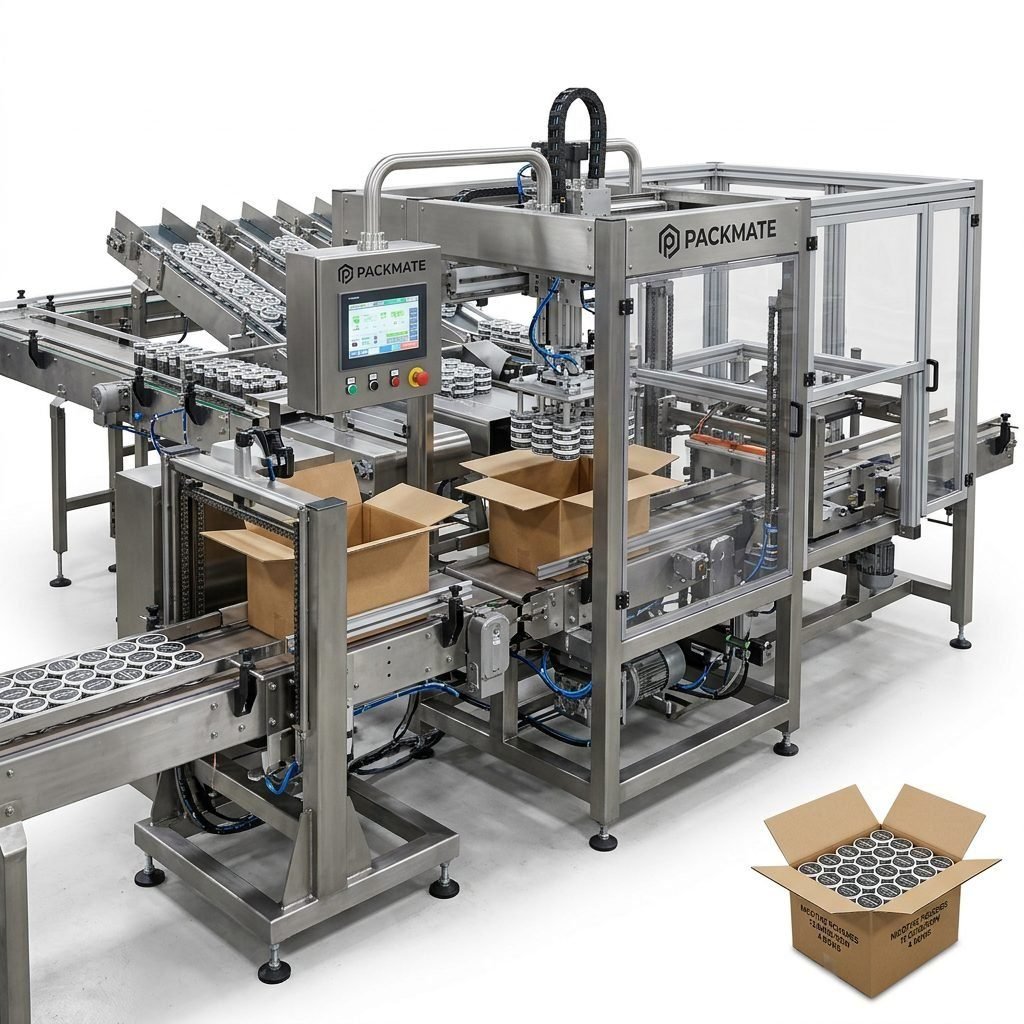
Look for machines that integrate with upstream and downstream systems (filling, conveying, case packing, labeling). Reduced manual intervention improves consistency and reduces contamination risk.
5. Maintenance, Spare Parts & Local Service
Choose manufacturers with clear after-sales service plans and readily available spare parts. Local or regional service partners in Vietnam will significantly reduce downtime.
Evaluating Suppliers: What to Ask
When you contact suppliers, prepare the following checklist to evaluate their capabilities and fit for your project:
ℹ️ Can you provide machine performance data with similar products?
ℹ️ What is the warranty and scope of after-sales support?
ℹ️ Are spare parts stocked locally or shipped quickly to Vietnam?
ℹ️ Can the machine be customized for unique pouch formats or regulatory labels?
Supplier credibility: Review factory capabilities and certifications. For example, Packmate Snus Machine highlights 30+ years of engineering experience, a 20,000㎡ factory, and CE/ISO compliance — key signals of manufacturing capacity and quality control.
Budgeting & Total Cost of Ownership (TCO)
Purchase price is only part of the cost. Factor in:
✅ Installation and commissioning costs
✅ Operator training and documentation
✅ Spare parts inventory and mean time to repair (MTTR)
✅ Energy consumption and consumables (film, pouches, seals)
✅ Ongoing service contracts and upgrades
A slightly higher-capacity or more modular machine can reduce unit costs over time through improved uptime and flexibility.
Factory Footprint & Utilities Planning
Measure available floor space and plan utilities: power (voltage, phase), compressed air, vacuum, and drainage. Machines with larger infeed and accumulation zones require additional space. Plan for maintenance access on all sides.
Factory Acceptance Test (FAT) and Site Acceptance Test (SAT)
Request a FAT before shipment to witness performance using your product or a representative substitute. After installation, conduct a SAT to validate the machine under real production conditions.
Pro tip: Include acceptance criteria in your purchase agreement — agreed throughput, reject rate, and dosing accuracy limits.
Case Studies and Proven Lines
Examine supplier case studies to understand real-world performance. Packmate’s global installations across Europe, Asia, and the Americas can be referenced for reliability and customization examples. Visit supplier case pages to review actual deployments.
Discover more examples at Case.
Project Timeline & Implementation Steps
A typical procurement and implementation timeline includes:
1. Requirements and budgeting (2–4 weeks)
2. Supplier evaluation and FAT scheduling (4–8 weeks)
3. Purchase order and manufacturing (8–16 weeks depending on customization)
4. FAT, shipping, installation, and SAT (4–6 weeks)
5. Training and ramp-up (2–6 weeks)
Why Localized Support in Vietnam Matters
Local support reduces downtime and increases confidence when ramping up production. Look for partners offering:
⚡ On-site commissioning teams
🔧 Trained maintenance technicians or partner networks in Vietnam
📦 Local spare parts availability or expedited shipping options
For further details about services, see supplier support pages such as Service and Contact Us.
Making the Final Decision
Balance technical fit, supplier reliability, and total cost of ownership. Prioritize machines that:
✅ Meet dosing tolerance and throughput needs
✅ Offer modular scalability and integration capability
✅ Provide clear service, spare parts, and training pathways
✅ Are backed by verifiable FAT/SAT results and factory certifications
Final checklist: Technical specs, FAT evidence, lead time, warranty, spare parts plan, on-site support, and training commitments.
Next Steps & Resources
Start by preparing a concise technical brief and reaching out to shortlisted suppliers for quotations and FAT schedules. Review product families including Bag & Pouch Packaging Machines and Filling & Packaging Lines for complementary solutions.
Summary — Key Takeaways
– Understand your product and scaling needs.
– Evaluate dosing accuracy, throughput, and modularity.
– Verify certifications and request FAT/SAT evidence.
– Plan for maintenance, spare parts, and local service in Vietnam.
– Consider TCO rather than purchase price alone.
Common Questions (FAQs)
Q1: What machine type is best for high-speed nicotine pouch production?
A: Multi-lane snus packaging systems are optimal for high-speed, high-volume small-dose pouch production because they run multiple lanes simultaneously and achieve high throughput with consistent dosing.
Q2: How important is FAT before purchasing?
A: Extremely important — FAT provides objective evidence of machine capability using representative product or simulants. Include acceptance criteria in your contract to avoid disputes after installation.
Q3: How do I ensure dosing accuracy for nicotine pouches?
A: Specify the dosing technology (gravimetric or electronic dosing is preferred for high precision), request performance data, and require validation tests during FAT/SAT.
Q4: Are local spare parts and service available in Vietnam?
A: Check supplier networks and ask for local partners. Many global suppliers work with regional distributors to stock critical spare parts and provide on-site support.
Q5: Who should I contact to get started?
A: Prepare your product brief and contact reputable manufacturers with snus packaging expertise. For more information on supplier capabilities and product lines, visit their About and Product pages such as About Packmate and the main Snus & Nicotine Packaging Machines catalog.