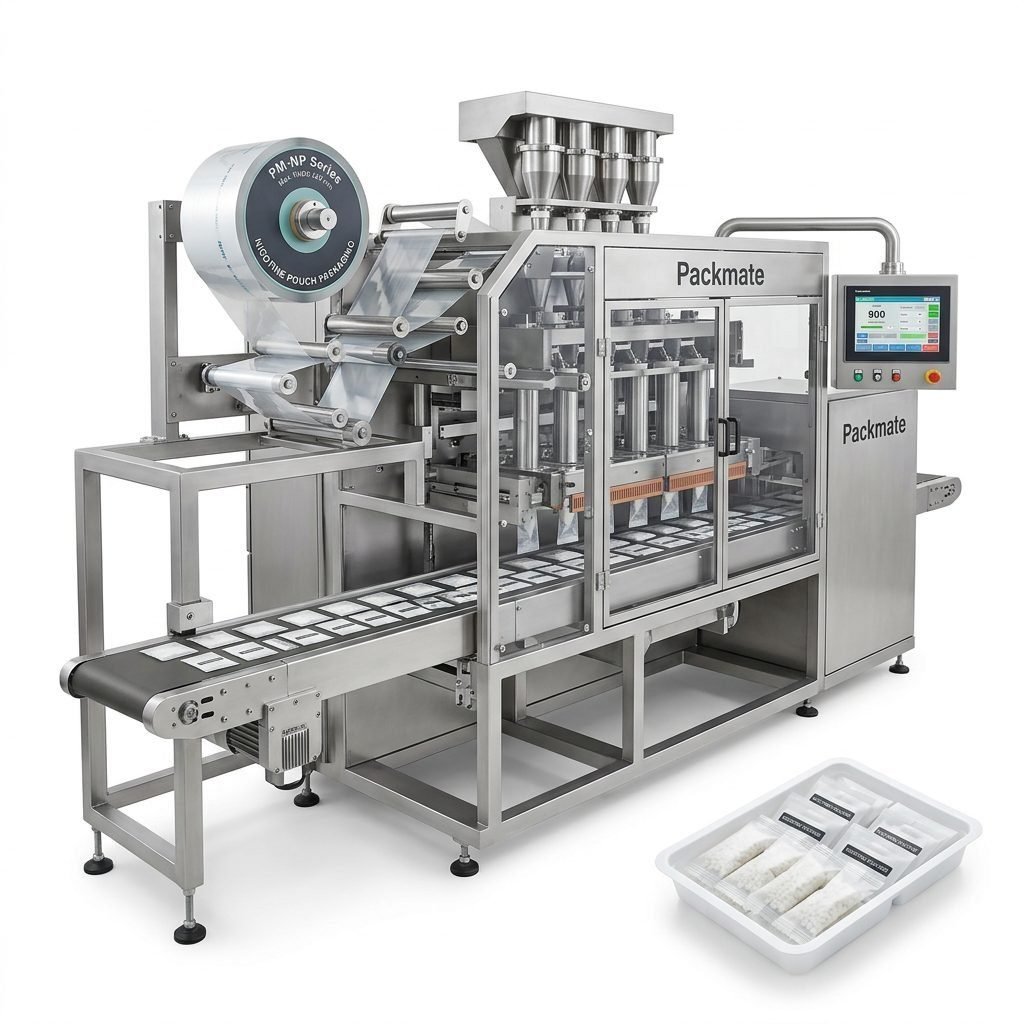
Choosing the right snus packaging machinery supplier for your production line in Greece is a strategic decision that affects product quality, regulatory compliance, and long‑term operational costs. This guide will walk you through practical evaluation steps, local considerations for the Greek market, and a clear checklist to help you select a reliable partner who can deliver consistent performance and service.
Understand the Greek Market Context
Greece is part of the EU single market, so EU tobacco and consumer regulations heavily influence how snus and nicotine pouch products are packaged and labeled. Local consumer preferences lean toward clear, compliant labeling in Greek and English, high hygiene standards, and packaging that protects product freshness in the Mediterranean climate. When vetting suppliers, consider their experience delivering equipment that meets EU safety and CE certification requirements and that can adapt packaging formats for seasonal storage and local distribution channels.
Tip: If you plan to distribute across Greece and the EU, prioritize suppliers with CE and ISO certificates and experience in multi‑lane systems for high throughput and consistent pouch weight.
Local business culture & logistics
Greek buyers value clear communication, dependable delivery timelines, and practical after‑sales support. Because Greece is geographically diverse (mainland plus islands), consider suppliers who can coordinate international shipping, customs paperwork, and local installation support. A supplier familiar with European distribution channels and Greek import processes will reduce lead times and headaches.
Key Machine Features to Prioritize
When assessing snus packaging machinery, inspect these critical areas closely:
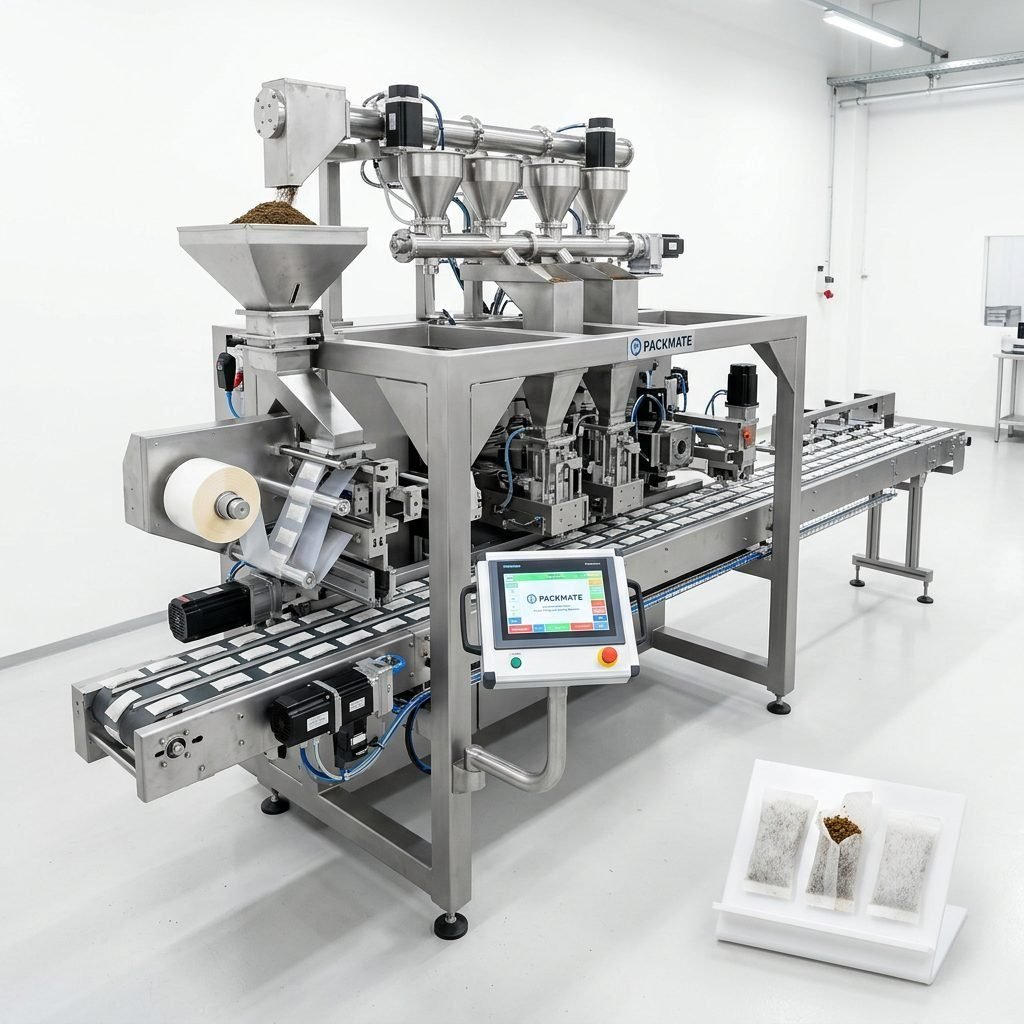
🔶 Filling accuracy and consistency — Accurate micro‑dose filling is essential for nicotine pouches. Machines should have proven multi‑head or precision auger weighers with minimal deviation.
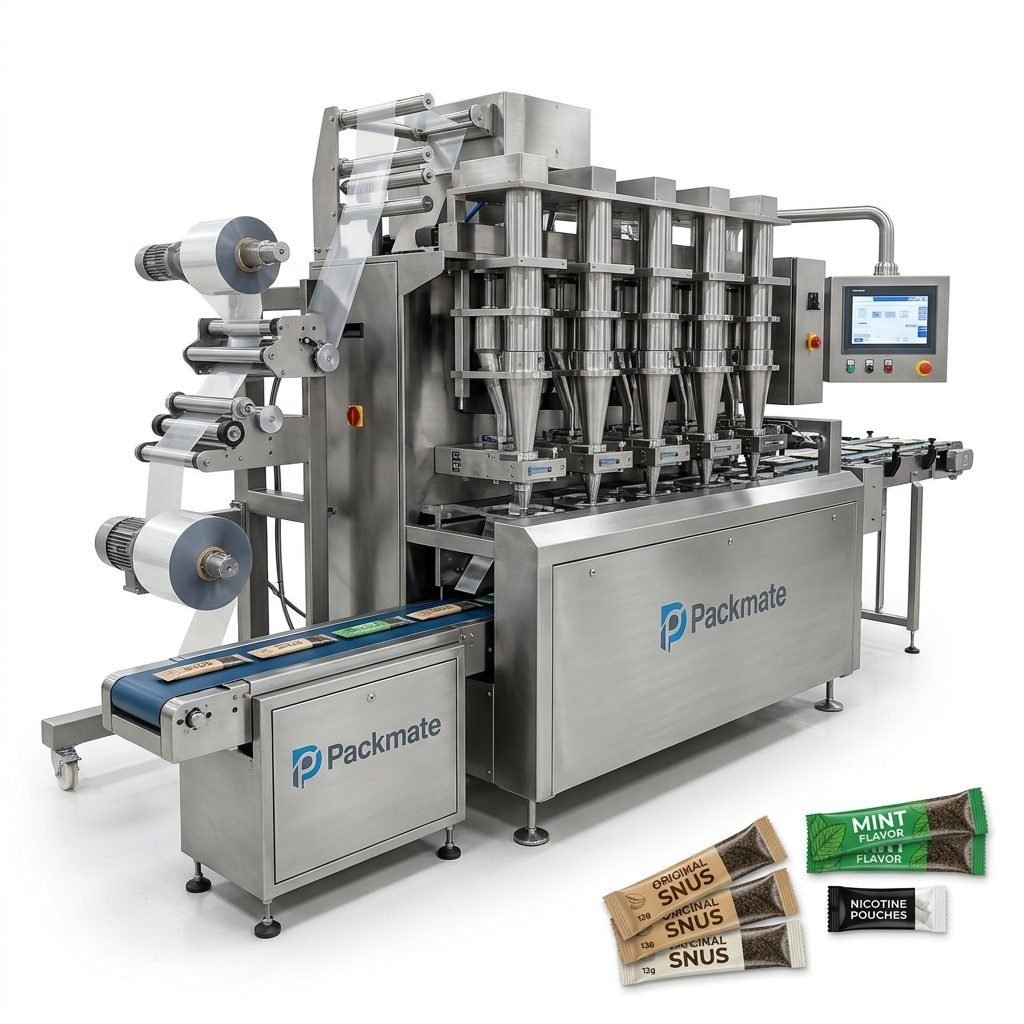
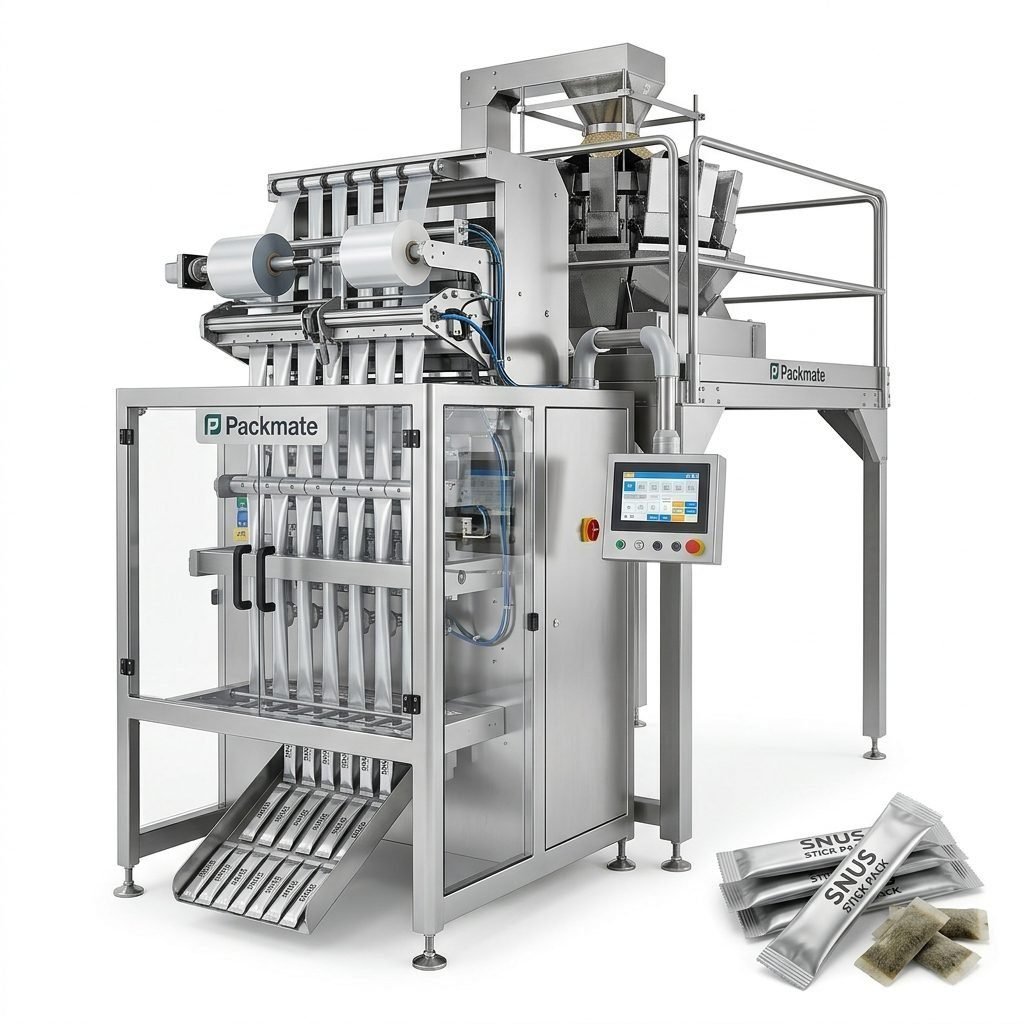
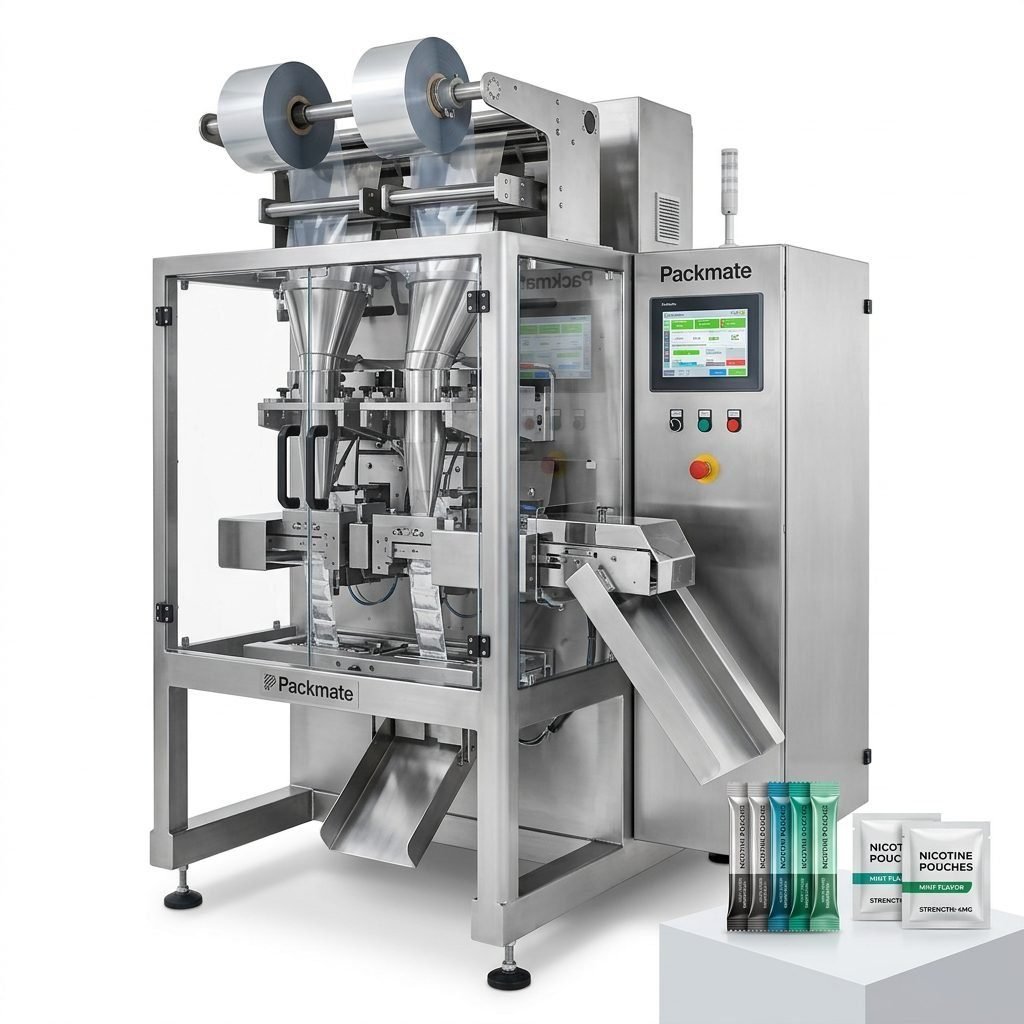
🔶 Multi‑lane capability — If your production requires high throughput, multi‑lane sachet or stick pack lines reduce unit costs and are standard in modern snus production.
🔶 Material compatibility and packaging formats — Confirm support for paper, foil, laminated films, and special barrier laminates suitable for humid Mediterranean environments.
Technical reliability & ease of maintenance
Machinery uptime is a direct profit driver. Ask about Mean Time Between Failures (MTBF), common spare parts lists, and on‑site service availability in Europe. A supplier that provides remote diagnostics, video support, and fast parts dispatch to Greece will minimize downtime.
How to Evaluate a Supplier: A Practical Checklist
Use this step‑by‑step checklist during vendor selection and site visits:
✅ Factory visit or virtual tour — Inspect production lines, assembly stations, CNC capabilities, and testing areas. Look for a disciplined final inspection and traceability.
✅ Certifications and standards — Verify CE, ISO, and machine‑safety documentation. Ask for factory audit records and export compliance certificates.
✅ Reference projects & case studies — Request references in the EU or similar markets. Real case studies show how machines perform over time.
Questions to ask during supplier meetings
– What is the average delivery lead time for a custom snus line?
– Can you provide performance data (pouch weight variance, throughput in pouches/min) from existing installations?
– What warranty and service packages are available for European customers, and what is response time to Greek locations?
Evaluate After‑Sales Service & Spare Parts Strategy
Good after‑sales support often outweighs small price advantages. Confirm:
🔶 Spare parts availability — Does the supplier maintain a European spare parts warehouse or express delivery channels to Greece?
🔶 Remote support — Can technicians remotely access the PLC/HMI for diagnostics? Modern suppliers provide secure remote support to speed troubleshooting.
🔶 Training and commissioning — Ensure on‑site commissioning in your facility and operator training in Greek or English, with clear machine manuals and maintenance guides.
Regulatory & Labeling Considerations for Greece
Packaging for nicotine pouches is tightly regulated in the EU. For Greece specifically:
⚠️ Language requirements — While English is common, consumer information often needs to be available in Greek. Ensure your packaging workflow can integrate multilingual labels or insert leaflets.
⚠️ Health warnings & barcodes — Machines should support flexible label application and print‑apply modules for variable data printing (batch codes, best‑before dates, and EU compliant PHI text).
⚠️ Material selection — Choose barrier films and seals that keep products stable in humid and warm summers typical of Greece.
Cost vs. Value: What to Compare
Price is important but don’t let it overshadow long‑term value. Compare:
🔶 Total cost of ownership (TCO) — Factor in downtime risk, spare parts cost, energy consumption, and training expenses.
🔶 Upgrade paths — Will the machine allow future upgrades (additional lanes, higher speed modules, automation interfaces)?
🔶 Financing and payment terms — European buyers often negotiate payment milestones tied to FAT (Factory Acceptance Test) and SAT (Site Acceptance Test).
Important: Ask for a Factory Acceptance Test report and video of your exact machine running your product before shipment. This is the best guarantee of delivered performance.
Why Packmate Snus Machine Is a Strong Candidate
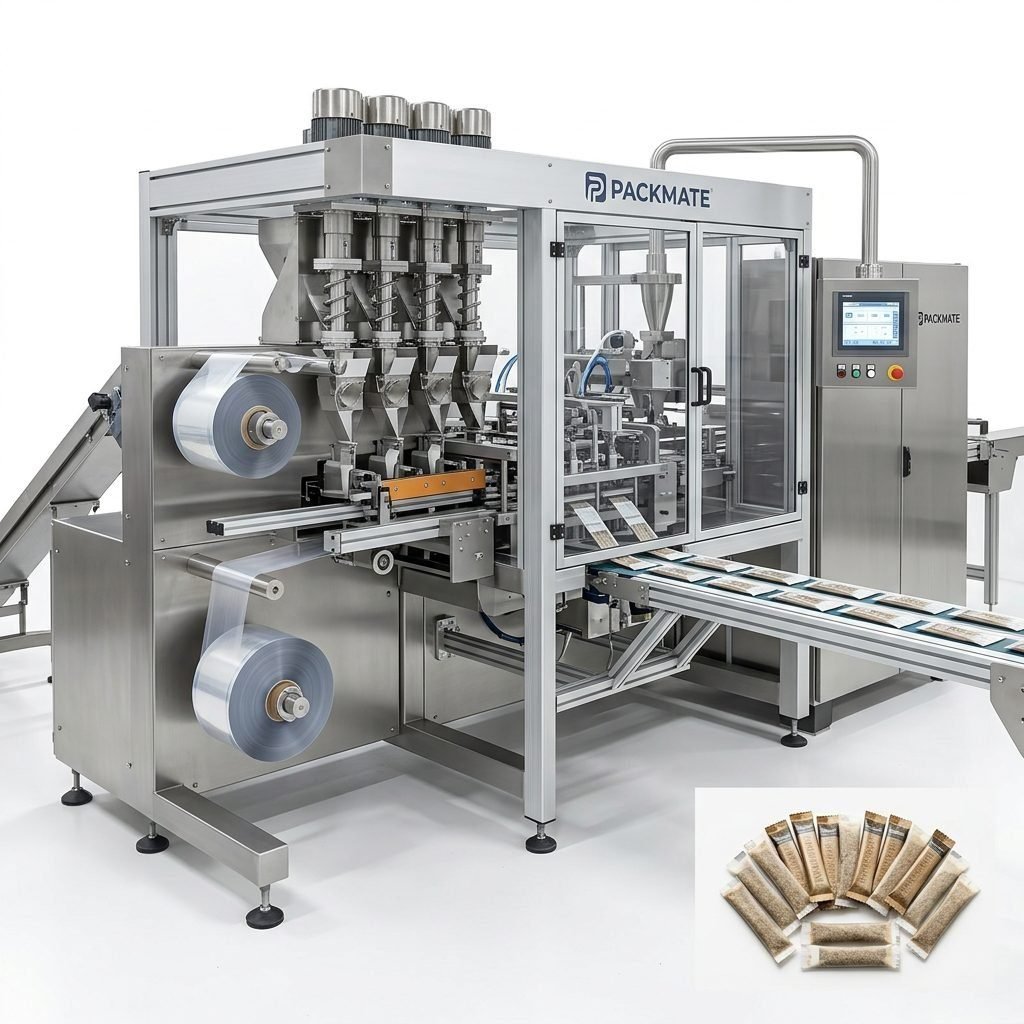
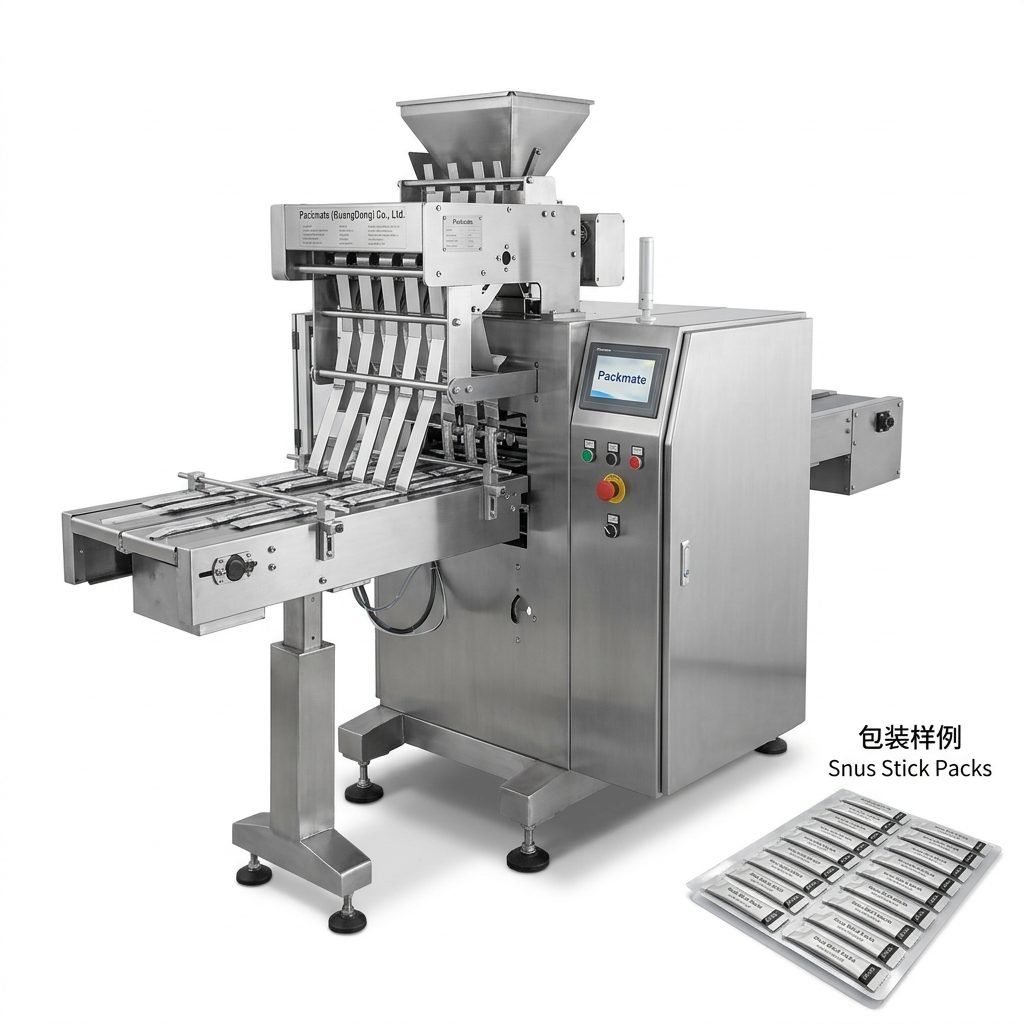
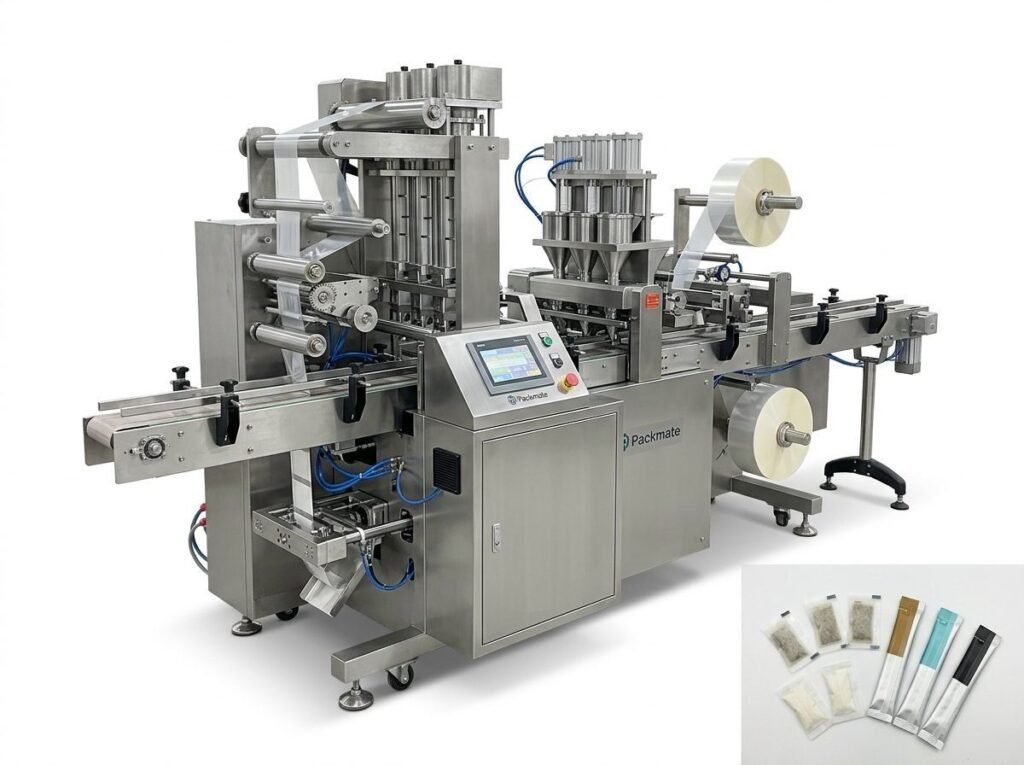
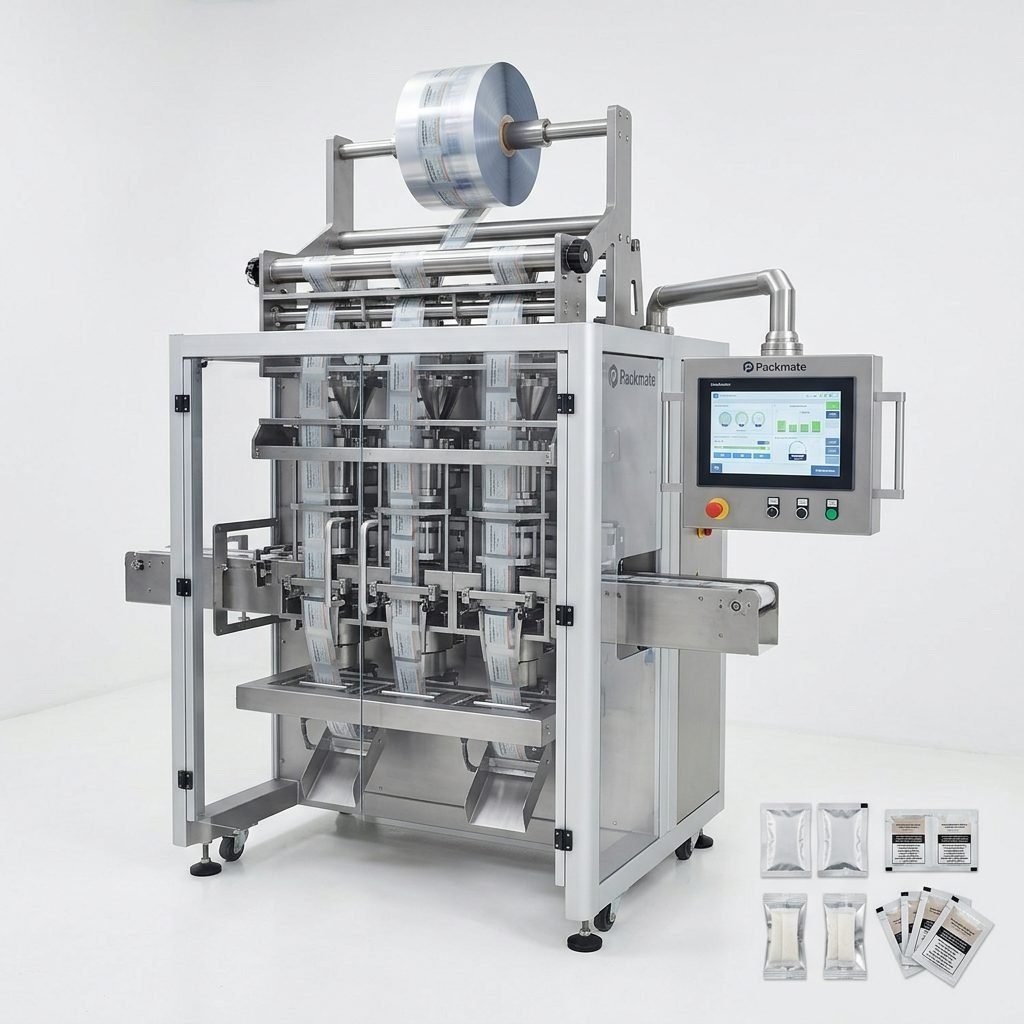
Packmate Snus Machine brings over 30 years of engineering experience, a 20,000㎡ manufacturing facility, and 50+ machine models tailored for snus and nicotine pouch applications. Their expertise in multi‑lane systems, precision filling, and turnkey lines makes them a practical option for Greek producers seeking European‑compliant equipment. Explore product lines and case histories to validate performance:
🔗 Snus & Nicotine Packaging Machines
🔗 Case studies — real installations and performance reports that help you benchmark expected results.
🔗 About Packmate — company profile and manufacturing capabilities.
Factory strengths to look for
– Advanced CNC machining centers and precision assembly lines.
– Strict quality testing systems and CE/ISO compliance.
– Capability to deliver full packaging lines (weighing, filling, sealing, secondary packing).
Installation, Commissioning & Local Support in Greece
A good supplier will offer a clear installation and commissioning plan:
🔶 Pre‑installation checklist — electrical specs, compressed air quality, floor load, and layout plan.
🔶 On‑site commissioning — machine set‑up, calibration, and first production runs supervised by factory engineers.
🔶 Local partners — Ideally the supplier has authorized service partners in Europe or Greece for faster on‑site repairs.
Practical Selection Roadmap (30‑60‑90 Days)
30 days: shortlist suppliers, review technical specs, and request quotes and FAT videos.
60 days: negotiate terms, confirm certifications, visit factory (or virtual tour), and finalize contract.
90 days: start FAT, pay agreed deposit, and prepare your facility for installation.
Checklist highlight: Ensure spare parts list, operator manuals (preferably in English and Greek), and training schedules are included in the contract.
Where to Find More Information & Next Steps
Start by reviewing detailed product pages and contacting the supplier for a tailored quote and virtual demo. Useful links for deeper research and contact:
🔗 Sachet & Stick Pack Machines
🔗 Contact Packmate to request a product demo tailored to nicotine pouch dimensions, fill weights, and Greek labeling needs.
🔗 Service & support — review available warranty and spare parts policies.
Final Recommendations
– Prioritize suppliers with European certification and multi‑lane pouch experience.
– Insist on FAT evidence and a clear spare parts strategy.
– Factor in local language labeling and climate‑adapted packaging materials for Greece.
– Value strong after‑sales service and on‑site commissioning options in Europe.
Useful links for quick reference
– Weighing & Packaging Systems
– Catalog
– FAQs
Common Questions (FAQ)
Q1: How long does delivery and installation typically take for a custom snus line to Greece?
A1: Typical lead time ranges from 12 to 20 weeks depending on customization and production schedule; add 2–6 weeks for shipping, customs, and on‑site commissioning depending on port and island logistics.
Q2: What certifications should I insist on for EU/Greece market compliance?
A2: CE declaration, ISO quality standards, and documentation proving electrical and machine safety compliance. Verify material safety data for packaging films as needed.
Q3: Can I request machines preconfigured for Greek labeling and languages?
A3: Yes. Reputable suppliers offer configurable HMI languages and print‑apply tools to support Greek and English labels and can help integrate variable data printing into your packaging workflow.
Q4: How do I ensure minimal downtime after installation?
A4: Secure a spare parts agreement, remote diagnostic access, and local technician training. Ensure the supplier includes on‑site commissioning and operator training in the contract.
Q5: Where can I see real examples of these machines in operation?
A5: Request FAT videos and case studies from the supplier (see Case studies link above) or arrange to observe an installation at a nearby European customer site.