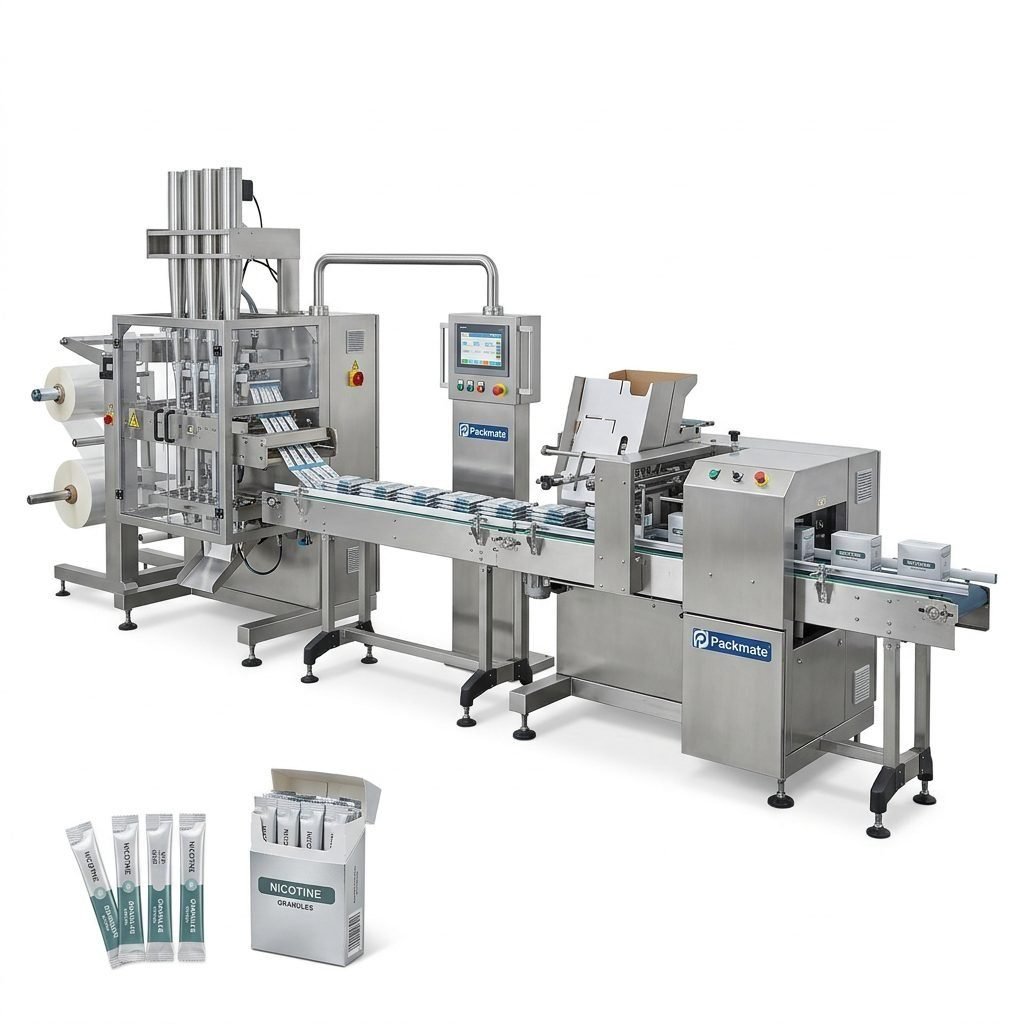
Choosing the right snus packaging machine in Colombia requires technical knowledge, regulatory awareness, and a clear understanding of your production goals. This guide walks you through every major decision point—from machine type and capacity to after-sales support and ROI—so you can confidently select a high-performance, compliant packaging solution tailored to your snus or nicotine pouch production needs.
Understand the Market and Regulatory Landscape in Colombia
Colombia’s regulatory requirements for tobacco, nicotine pouches, and related products can affect packaging materials, labeling, and sealing standards. Before investing in equipment, verify local regulations and customs rules for both raw materials and finished products. Engage with local legal counsel or compliance experts to confirm packaging label elements, language requirements, and import restrictions that may apply to nicotine products.
Key compliance checklist
• Obtain clarity on labeling rules and health warnings.
• Confirm permissible packaging materials and product claims.
• Ensure machinery and electrical standards meet Colombian import requirements.
⚠️ Important: Machine selection and packaging design must comply with national regulations. Non-compliant packaging can lead to customs seizures, fines, or forced product recalls.
Determine Your Product Requirements
The product type determines the ideal packing technology. Are you producing portioned snus, nicotine pouches, or other tobacco-free pouches? Consider pouch size, moisture content, fill weight accuracy, and whether you need additional features such as desiccant placement, nitrogen flushing, or multi-layer film compatibility.
Machine types to consider
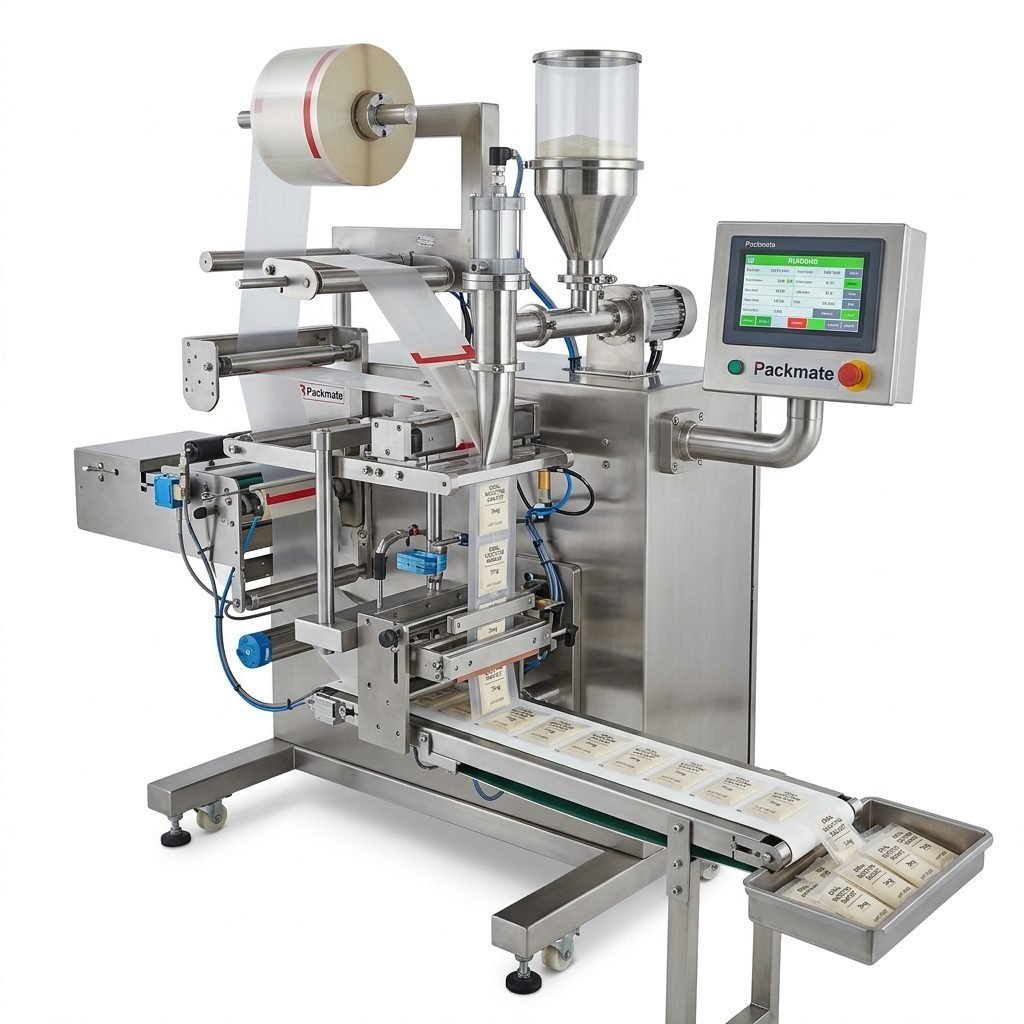
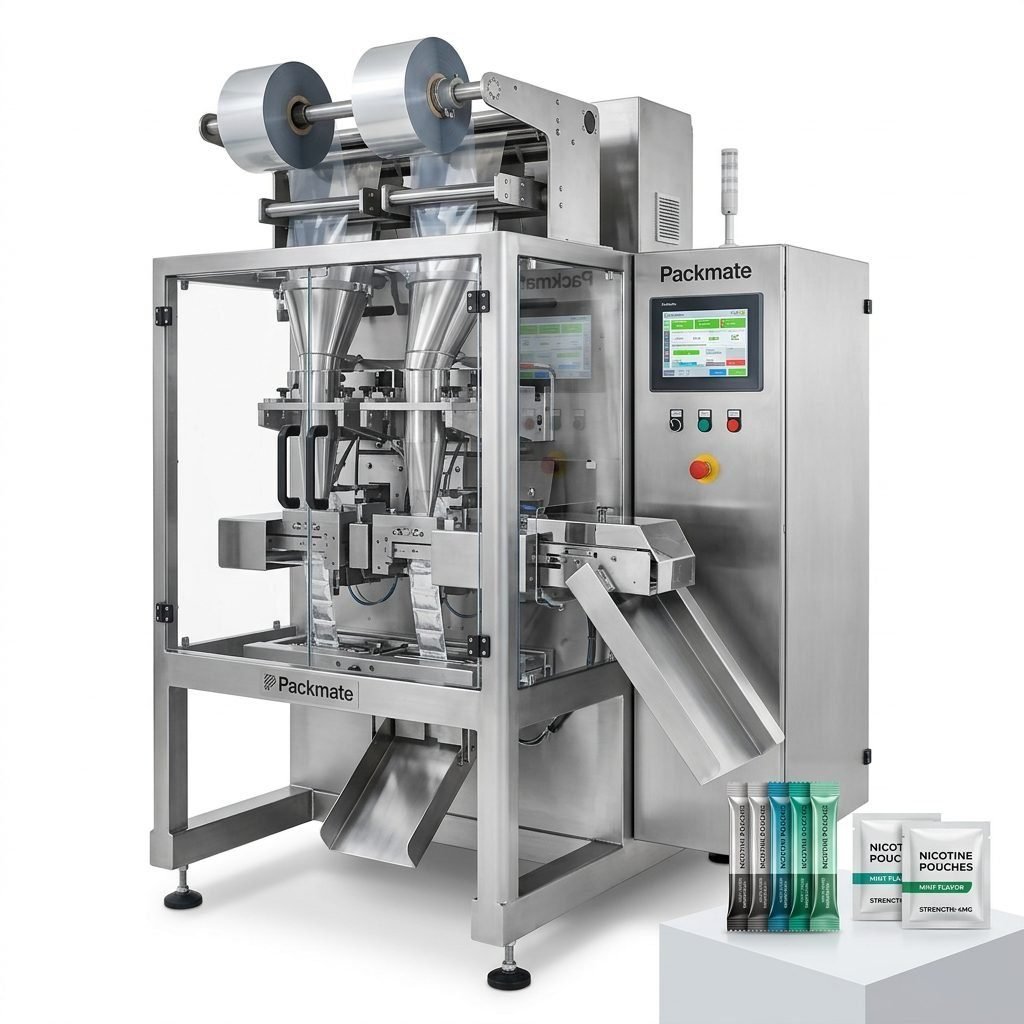
• Stick pack & sachet machines: Great for single-dose, low-waste, high-speed packaging.
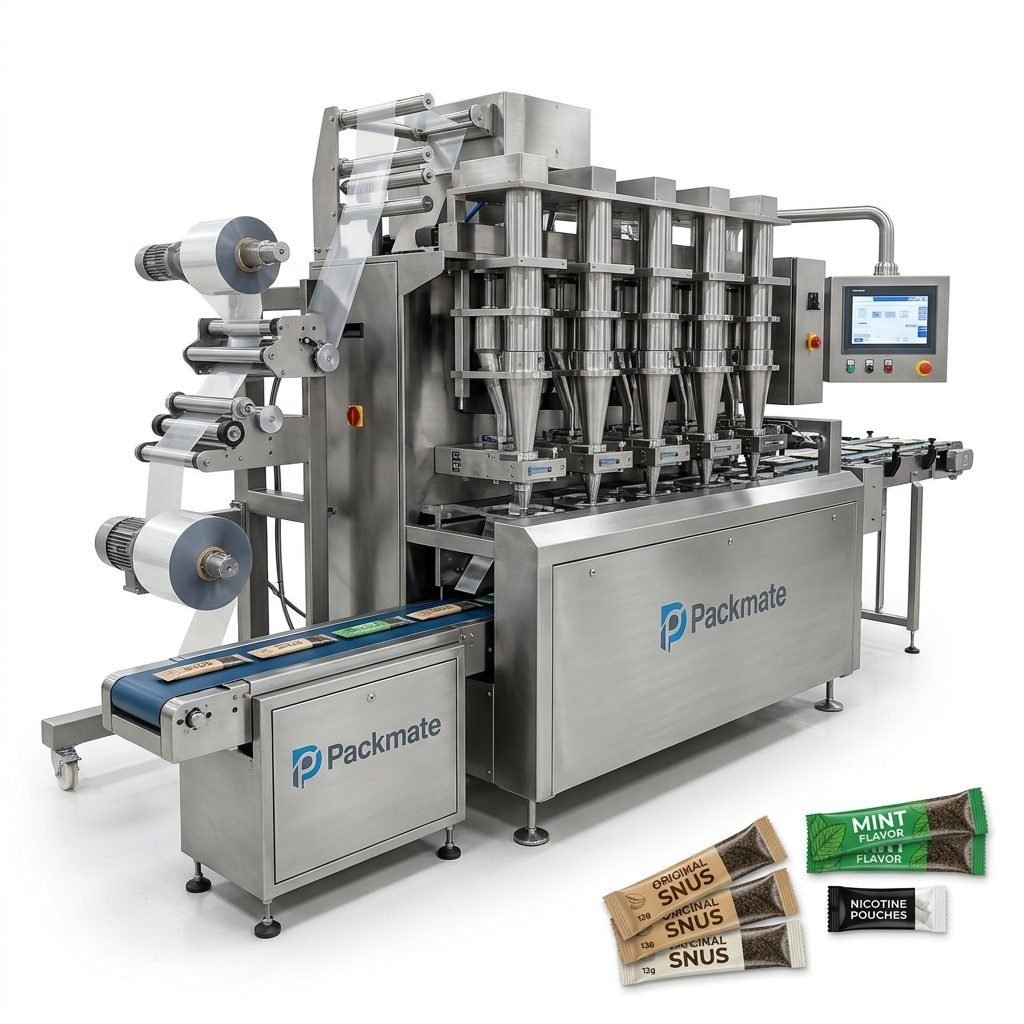
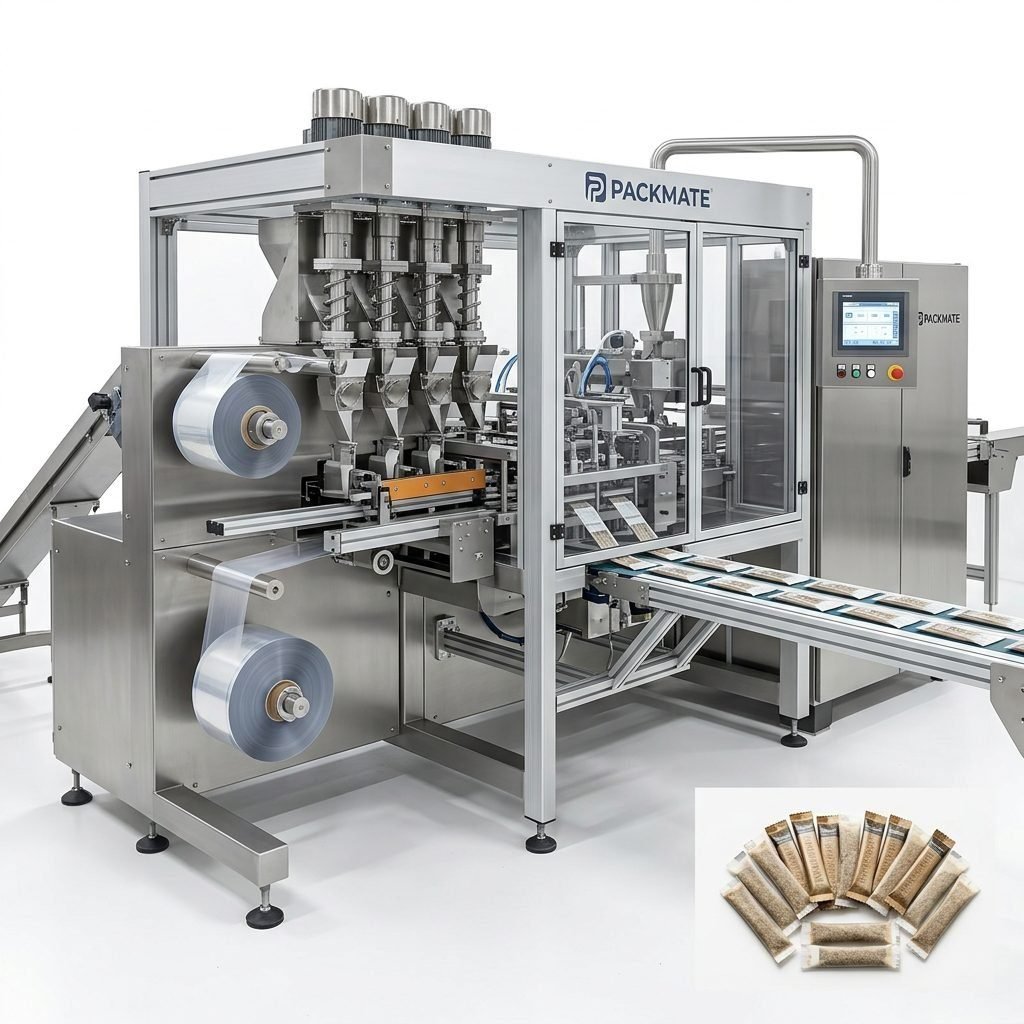
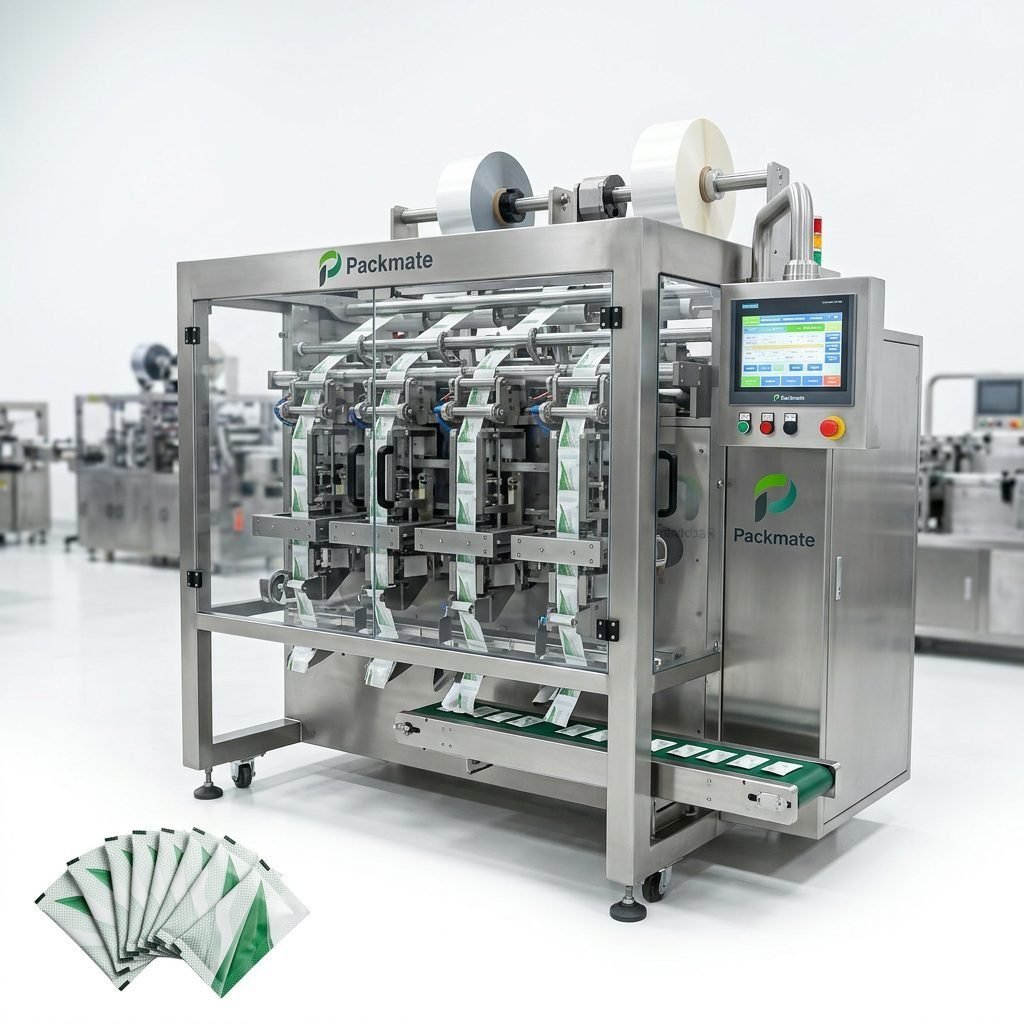
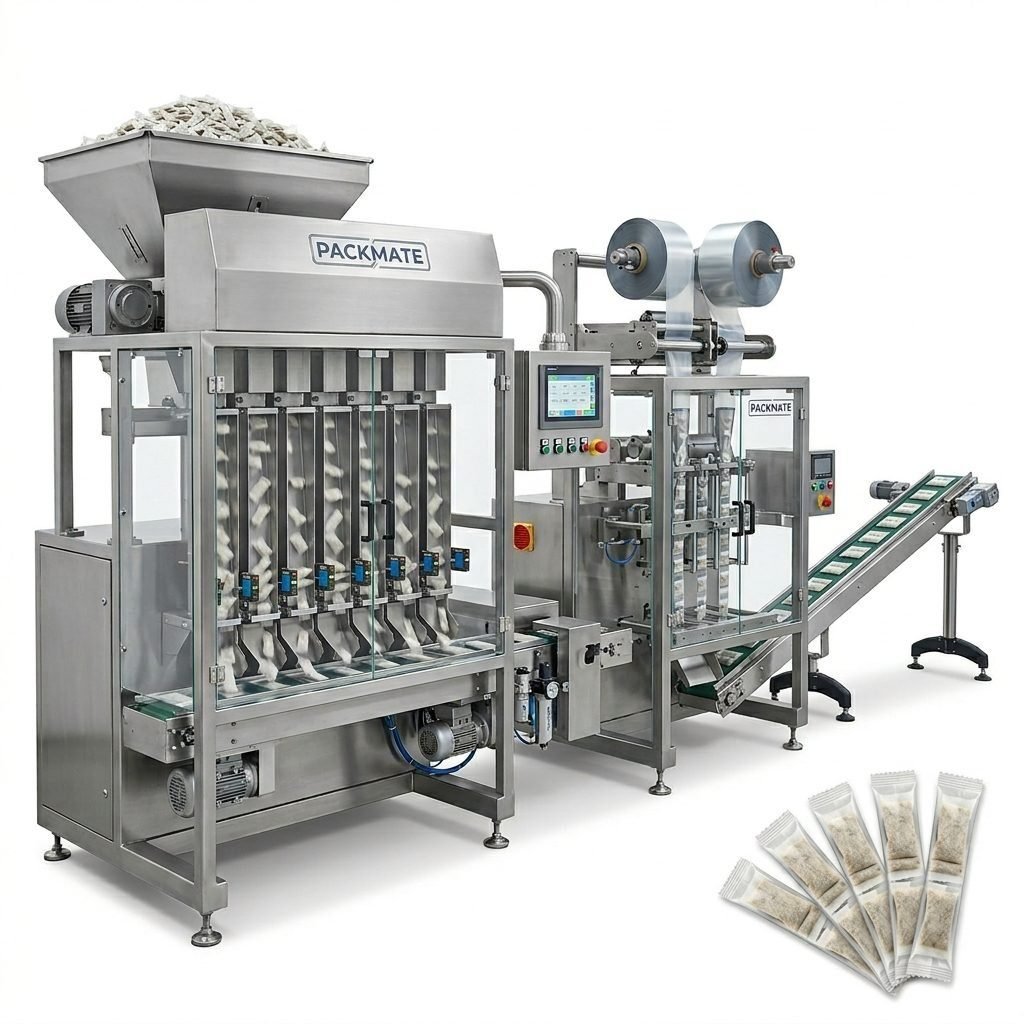
• Multi-lane systems: Ideal for small-dose, high-volume production—multiple lanes multiply output without expanding floor footprint.
• Pouch & bag machines: For resealable or stand-up pouches with box or tray infeed.
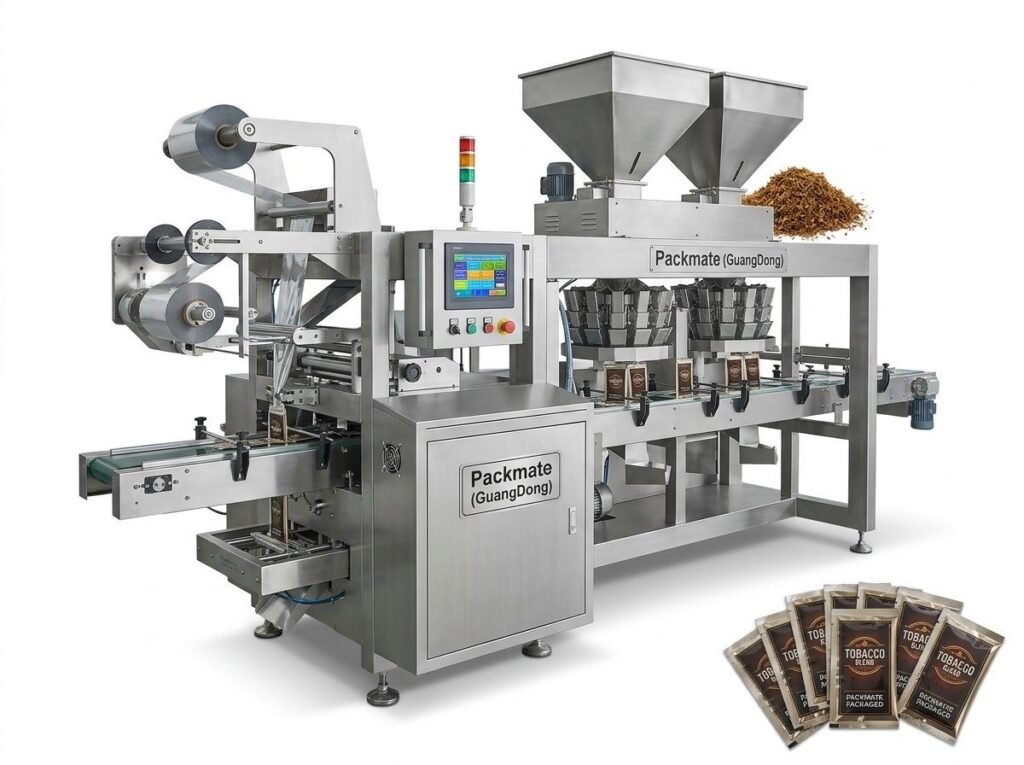
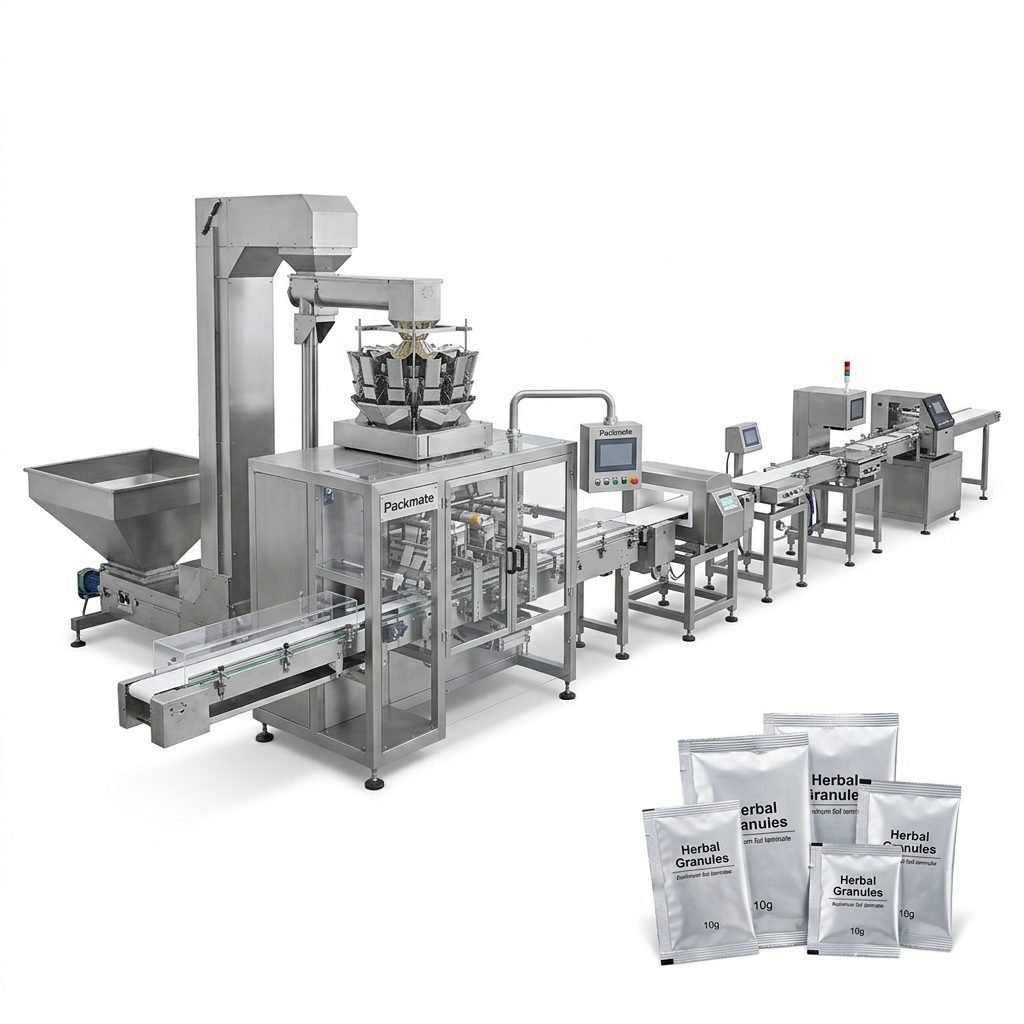
• Integrated filling lines: For powder, granule or paste filling combined with sealing and secondary packaging.
Explore practical machine examples and configurations at Snus & Nicotine Packaging Machines and broader solutions at Bag & Pouch Packaging Machines.
Evaluate Throughput, Accuracy and Flexibility
Production capacity is one of the first technical specs you should match to your business plan. Check hourly and daily output figures, but also verify fill-weight accuracy and pouch consistency—these directly affect material costs and customer satisfaction.
🎯 Tip: Choose a machine whose nominal capacity is 10–30% higher than your peak production forecast to allow room for growth and maintenance downtime.
Key performance indicators (KPI)
• Production speed (packages per minute / per lane)
• Fill weight tolerance and repeatability
• Film roll compatibility (width, core diameter)
• Downtime metrics and ease of changeover for different SKUs
Assess Automation Level and Integration
Decide how much automation you need. Fully automated turnkey lines reduce labor costs and improve consistency, while semi-automatic machines have lower upfront costs and are easier to maintain with limited technical staff.
Automation features to evaluate
• Servo-driven film handling for precise film control
• Auto-adjust recipes/HMI touchscreen for fast SKU changeover
• In-line weighing and rejection systems to ensure product accuracy (see Weighing & Packaging Systems)
• Integration with upstream fillers and downstream cartoners
Materials, Sealing, and Barrier Requirements
Packaging materials affect shelf life. For nicotine pouches and snus, oxygen and moisture barriers are critical. Confirm that your chosen machine can handle laminated films, foil layers, and any special heat-seal requirements. Machines with controlled heat zones and adjustable sealing pressure are a must for delicate films.
Quality, Certifications and Manufacturer Credibility
Choose equipment from a reputable manufacturer with strong quality control and international certifications such as CE and ISO. These certifications indicate compliance with safety and quality standards and ease global exports.
Packmate Snus Machine has over 30 years of experience and a large manufacturing facility backed by CNC machining centers and rigorous testing—attributes that matter when you need reliable, consistent machines and spare parts availability.
For more company background and certifications, review the About Packmate page and see certificates at Certificate.
✅ Quality Check: Confirm CE/ISO compliance, factory inspection options, and sample runs before finalizing the purchase.
Service, Spare Parts and Local Support in Colombia
After-sales service is as important as machine specs. Ensure the supplier offers: installation supervision, operator training, short lead times for spare parts, and remote diagnostics. If the supplier doesn’t have a local branch in Colombia, confirm the logistics plan for parts and technical support.
Questions to ask your supplier
• What’s the lead time for key spare parts?
• Do you offer on-site installation and commissioning?
• Is operator training included in the purchase?
• What warranty and extended support packages are available?
Total Cost of Ownership and Financing Options
Initial machine price is only part of the cost. Consider installation, training, spare parts, consumables, energy consumption, and expected maintenance. Ask the supplier for an estimated Total Cost of Ownership (TCO) and typical uptime metrics based on similar customers.
Many manufacturers offer financing or leasing arrangements—discuss payment terms to preserve cash flow while scaling up production.
Factory Acceptance Test (FAT) and Site Acceptance Test (SAT)
A FAT allows you to verify machine performance and product quality before shipment. Request sample production runs with your actual packaging films and product. After installation, a SAT should confirm the machine is fully integrated, calibrated, and meeting agreed KPIs.
🔍 Pro Tip: Insist on FAT videos or live demonstrations and documented KPI verification before shipment.
Customization, Upgrades and Future-Proofing
Your production needs will evolve. Choose a modular system that allows retrofitting of additional lanes, sensors, or robotic pack handlers. Discuss firmware and software update policies, and whether the control system supports recipe storage and Industry 4.0 connectivity for data-driven production monitoring.
Logistics, Packaging Lines and Turnkey Solutions
Confirm the supplier’s ability to deliver a full packaging line if required: filling, dosing, pouch forming, sealing, cartoning, and palletizing. A turnkey supplier simplifies project management and ensures component compatibility. Review past projects and case studies to assess delivery reliability and integration experience; see example projects and success stories in the Case section.
Checklist for turnkey projects
• Single point project management and timeline milestones
• Mechanical, electrical, and software integration plan
• On-site training schedule and acceptance criteria
• Spare parts list and maintenance plan
Practical Buying Tips for Colombian Buyers
• Ask for references from customers in similar climates and product categories.
• Request a site visit or virtual factory tour to review production capabilities.
• Negotiate clear delivery and installation timelines, and include penalty clauses for late delivery if necessary.
• Confirm export documentation, customs clearance support, and local partner recommendations for quicker service.
📌 Quick Decision Framework: Match product specs → Confirm compliance → Validate supplier credibility → Verify service & spare parts → Ensure TCO & ROI.
Why Choose an Experienced Manufacturer?
Manufacturers with deep experience in snus and nicotine packaging bring practical advantages: optimized machine recipes, reliable multi-lane designs, and proven sealing solutions for delicate films. A manufacturer with a large facility and CNC capabilities can ensure fast spare parts production and better quality control.
If you want to explore specific machine families, check the Sachet & Stick Pack Machines and the Filling & Packaging Lines to find configurations that meet both small-dose production and large-scale throughput needs.
Final Selection and Procurement Steps
1. Define product specs, target capacity, and budget.
2. Shortlist reputable manufacturers and request technical proposals.
3. Compare KPIs, warranty terms, and included services.
4. Perform FAT with your materials and approve before shipment.
5. Plan SAT, training, and spare parts stocking prior to startup.
Remember
A successful purchase balances performance, compliance, service, and long-term costs. Investing time in technical validation and supplier due diligence pays off in uptime, product quality, and predictable operations.
Final reminder: Visit manufacturer pages for detailed machine specs and to request quotes: Auxiliary Packaging Equipment and Service.
Frequently Asked Questions
Q1: How do I know which machine capacity I need?
A1: Calculate daily or monthly production targets, then divide by working hours to get required packages per minute. Factor in 10–30% capacity buffer for growth and downtime.
Q2: Are turnkey lines better than buying standalone machines?
A2: Turnkey lines reduce integration risk and simplify project management, but standalone machines can be cost-effective if you have experienced in-house integration capabilities.
Q3: What certifications should the machine have for export and safety?
A3: International buyers typically look for CE and ISO certifications; also confirm electrical standards and any country-specific approvals.
Q4: How do I ensure fast spare parts supply in Colombia?
A4: Choose a manufacturer with global logistics experience, ask for recommended local distributors, and stock critical wear parts onsite.
Q5: What is the usual lead time and installation timeline?
A5: Lead times vary by customization level; standard machines may ship sooner, while bespoke multi-lane lines require longer. Plan for FAT, shipping, customs clearance, and SAT—total project time can range from a few weeks to several months.