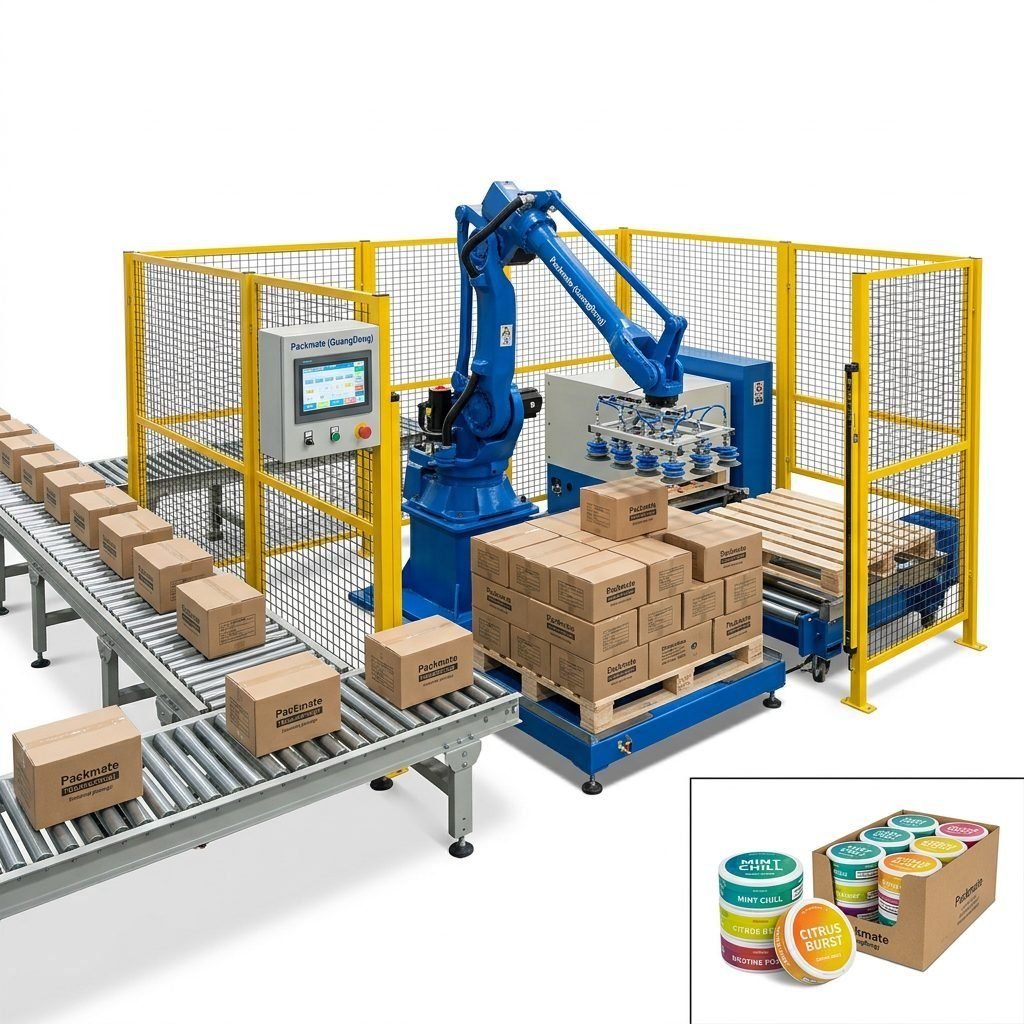
Choosing the right nicotine packaging machine in Australia is a critical decision for manufacturers looking to balance compliance, productivity, and cost. Whether you produce snus, nicotine pouches, sachets, or stick packs, the right equipment affects product consistency, labor needs, and long-term profitability. This guide walks you through the most important technical, operational, and commercial considerations so you can make an informed purchase decision.
Understand Your Product and Packaging Format
The first step is to define the exact product and pouch format you plan to package. Nicotine pouches, snus, powder blends and stick packs each present unique handling, filling and sealing requirements. Key variables include moisture sensitivity, pouch material, desired portion size, and if an inner film or outer sachet is required.
🔍
Tip:
Selecting equipment designed specifically for snus and nicotine pouches ensures better portioning accuracy and less product wastage than using general pouch machines.
Match Machine Type to Production Needs
There are several mainstream machine types used in nicotine packaging lines:
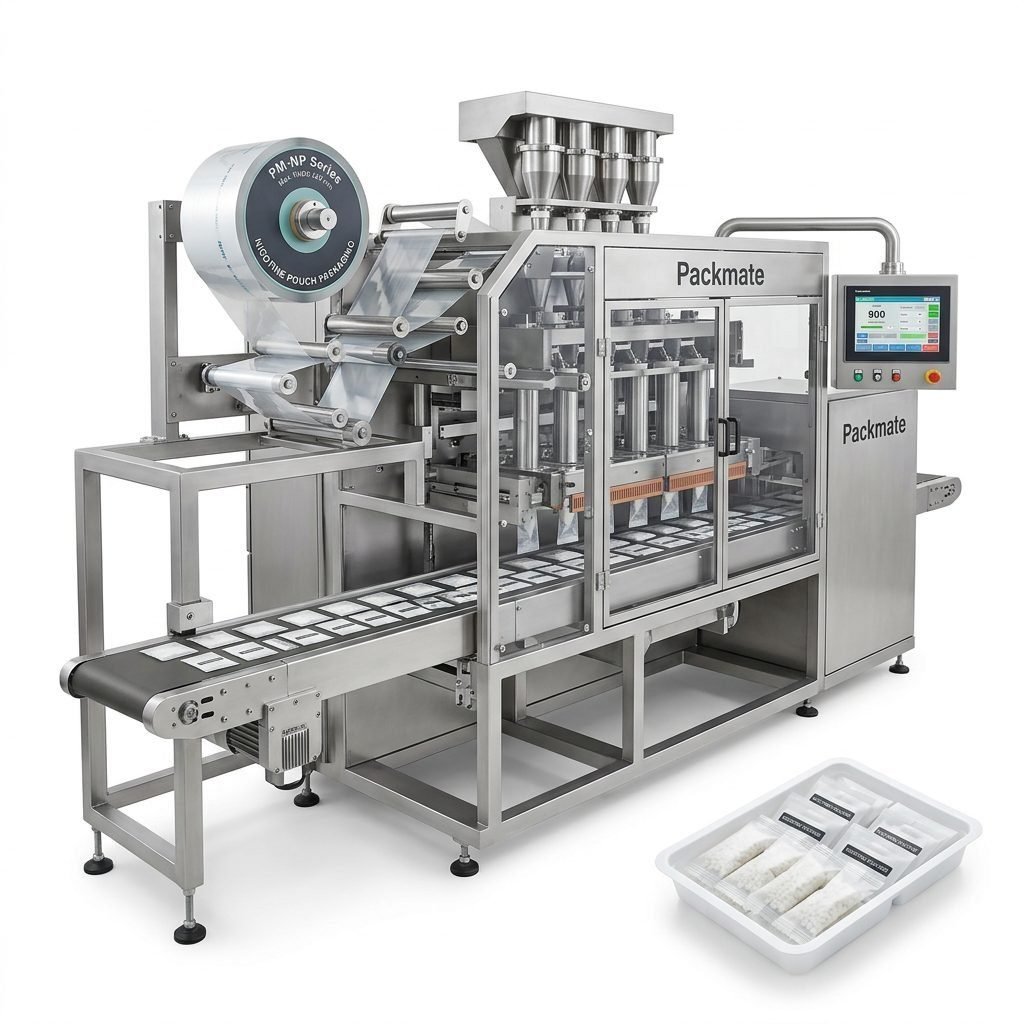
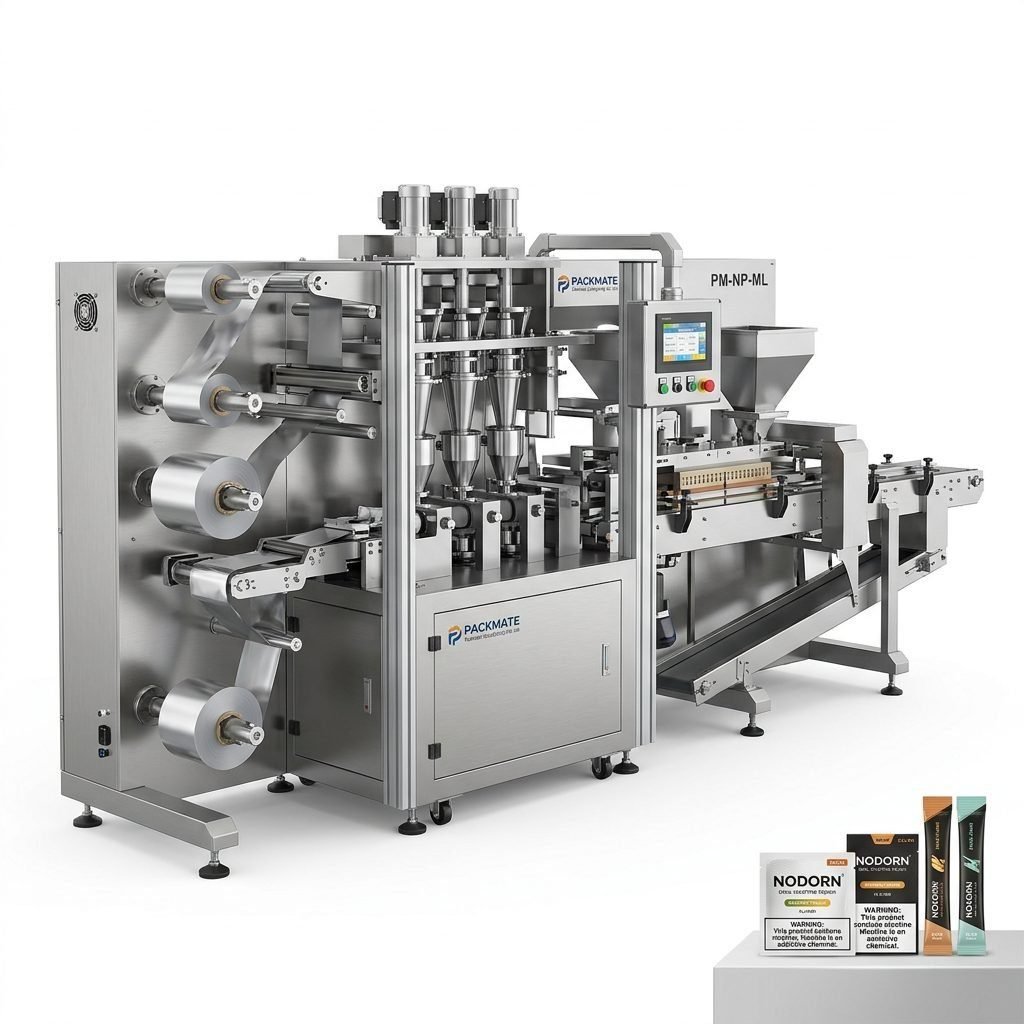
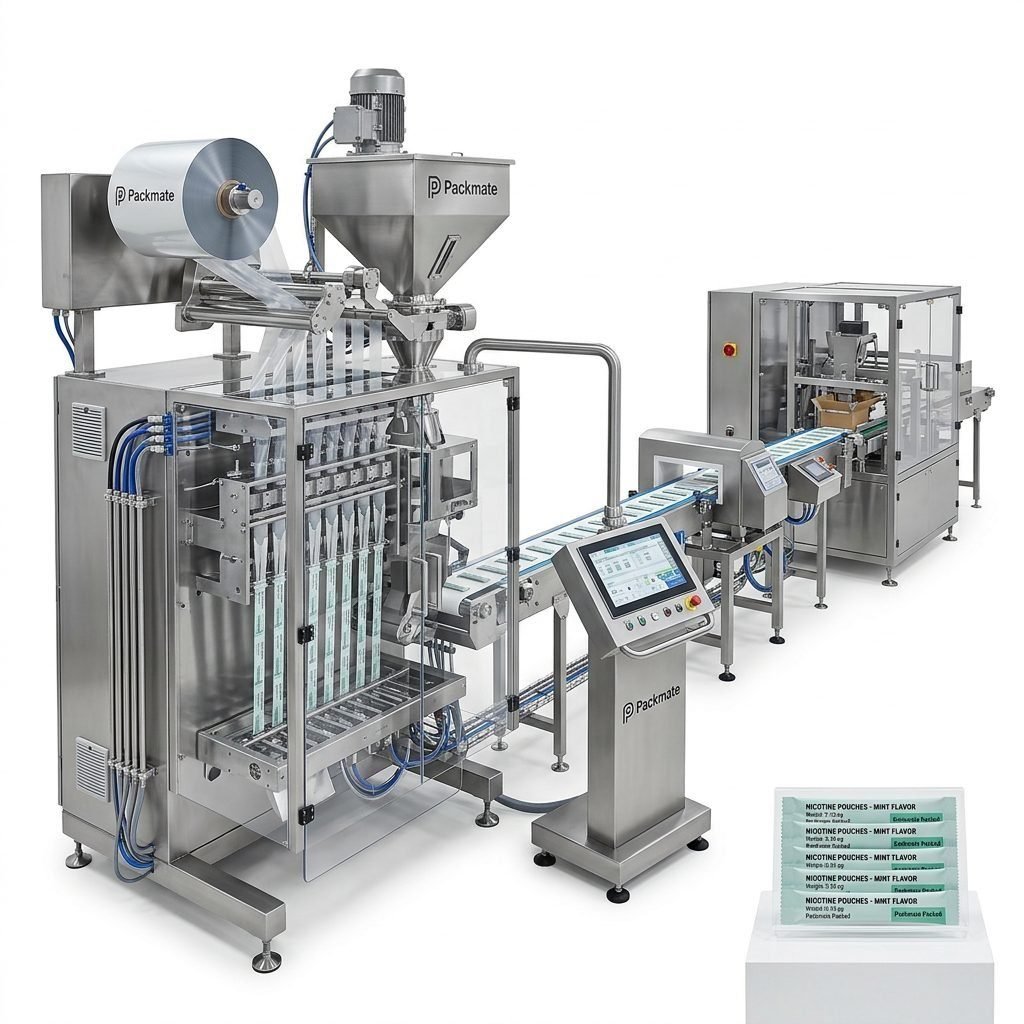
• Multi-lane snus pouch machines for high-throughput small-dose pouches.
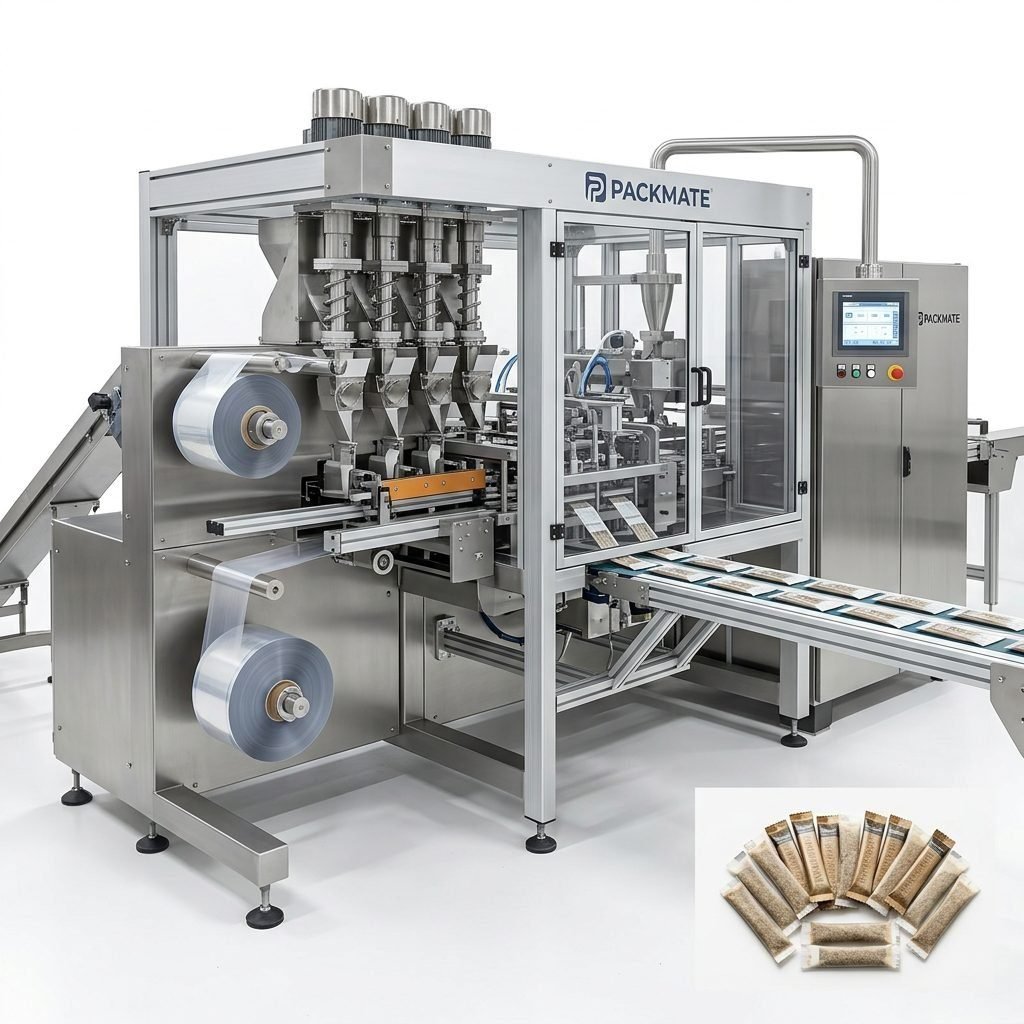
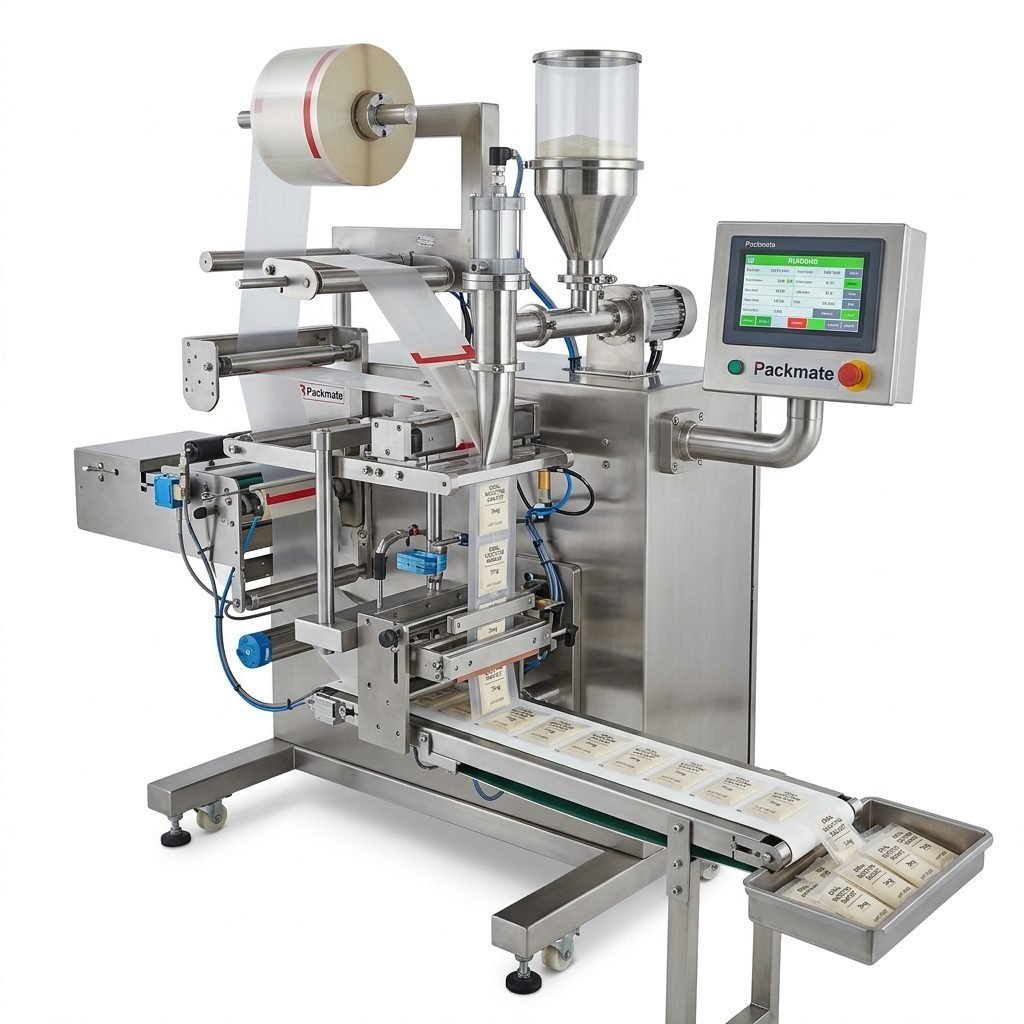
• Sachet & stick pack machines for single-portion products and retail-ready formats. See examples of Sachet & Stick Pack Machines.
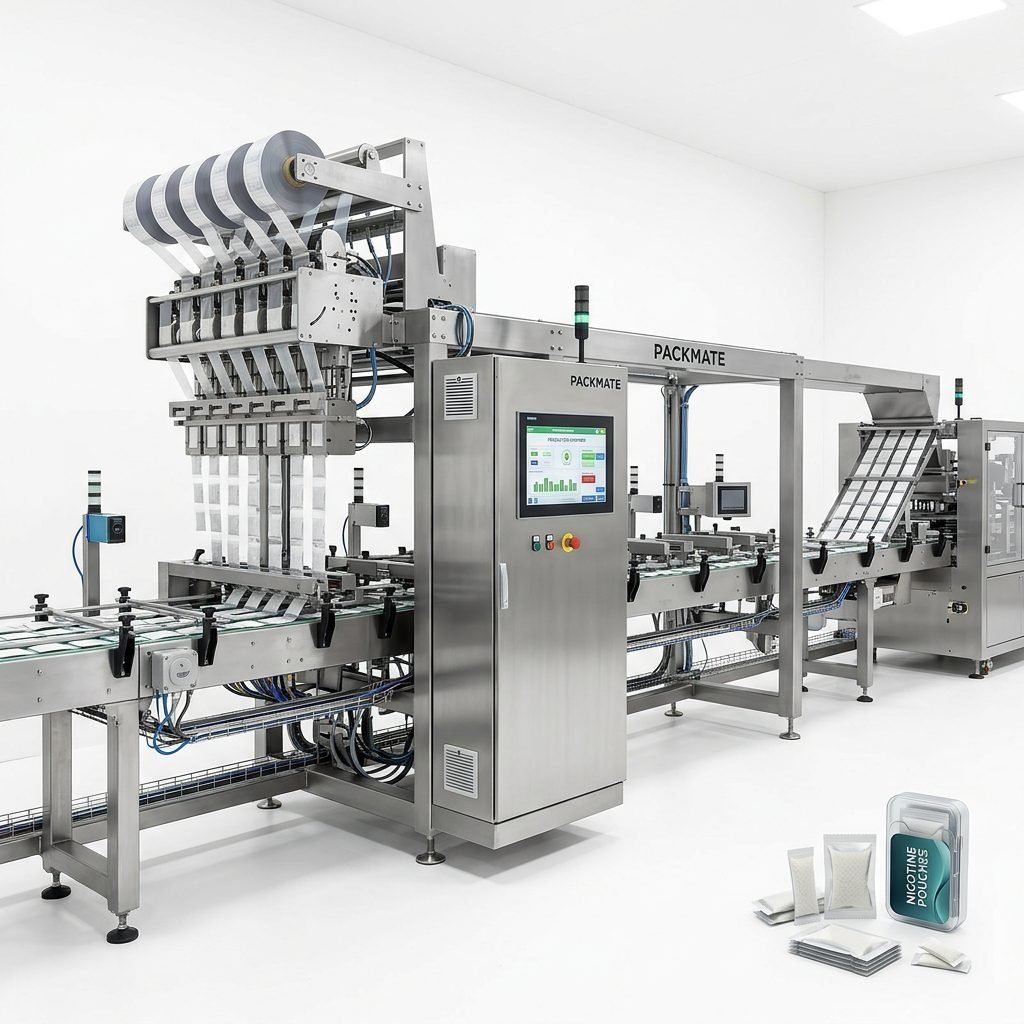
• Standalone pouch filling machines or integrated turnkey lines that include weighing, dosing, and secondary packaging.
Capacity & Speed
Determine your target output in pouches per minute and daily throughput. A machine rated for high lane counts (e.g., 4–8 lanes) may offer the throughput you need with lower footprint compared to multiple single-lane units. Keep in mind that rated speed is often optimal speed; actual output depends on product characteristics and operator skill.
Integration: Weighing, Filling and Secondary Packaging
Full automation often requires seamless integration between dosing/weighing systems and the pouch or stick pack machine. Integrating weighing and filling systems reduces manual handling and improves consistency. Explore compatible solutions under Weighing & Packaging Systems and Filling & Packaging Lines.
✅
Advantage:
Integrated systems cut down on footprint, reduce product contamination risk, and simplify quality control.
Material Compatibility and Pouch Design
Check that your chosen machine supports the pouch materials (paper, laminated films, cellulose, or compostable materials) and sealing types (fin seal, three-side seal, or sachet) required. Machines optimized for nicotine pouches usually include gentle handling systems to avoid product damage and ensure stable portion integrity.
Packaging Material Considerations
Barrier properties, oxygen and moisture transmission rates, and heat-sealability should all be validated. Ask suppliers for trial runs with your specific film to confirm seal quality and appearance.
Regulatory & Hygiene Requirements in Australia
Nicotine products face strict regulatory controls. Ensure machines are built to hygienic standards and can be cleaned easily. Stainless steel contact parts, quick-release components, and CIP-friendly designs help meet food/pharma hygiene expectations. Confirm the supplier can provide documentation for CE, ISO and material traceability when necessary.
Automation Level and Control Systems
Modern packaging lines use PLCs, HMI touch screens, and recipe management to speed changeovers and reduce human error. If you need remote diagnostics or Industry 4.0 features, confirm the machine supports data logging, Ethernet connectivity, and vendor support for firmware updates.
💡
Pro tip:
Machines with recipe recall and auto-adjustment minimize downtime during flavor or size changes.
Evaluate Supplier Capabilities and After-Sales Service
Supplier selection is as important as machine selection. Look for manufacturers with:
• Established engineering experience in snus/nicotine equipment (30+ years is a strong indicator).
• A manufacturing facility with CNC and precision assembly capabilities to ensure consistent quality.
• Global references and exhibition presence so you can see machines running—check the supplier’s Our Exhibition and Case pages for proof of performance.
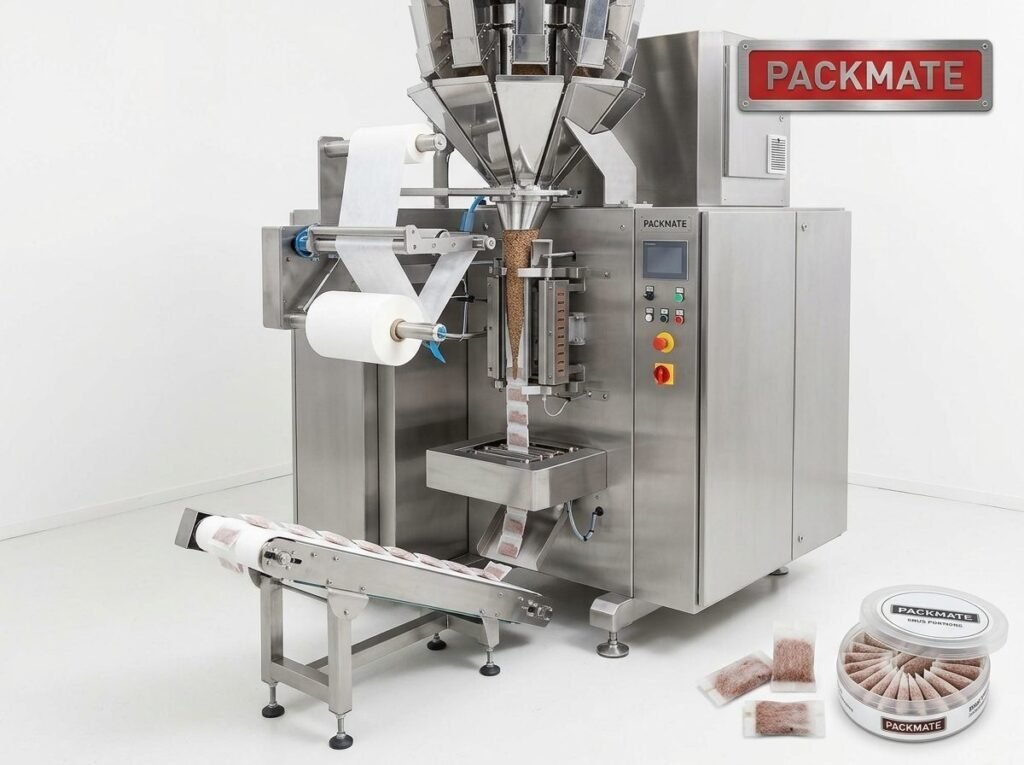
Packmate Snus Machine is an example of a supplier with deep experience, turnkey capability, and global delivery capacity. Learn more About Packmate.
Certifications, Testing and Quality Assurance
Ensure the supplier provides CE/ISO certificates and that the machine has undergone FAT (Factory Acceptance Test) and SAT (Site Acceptance Test). Request video demonstrations and reference visits where possible. Documented acceptance criteria and test results should be part of the purchase agreement.
Service, Spare Parts and Local Support in Australia
Fast access to spare parts and responsive technical support will minimize downtime. Ask the supplier about:
• Typical spare parts lead times.
• Availability of remote troubleshooting and training.
If you plan multiple lines, negotiate spare parts packages and preventive maintenance contracts to keep OEE high.
Total Cost of Ownership and ROI
Purchase price is only part of the story. Calculate the machine’s Total Cost of Ownership (TCO) including installation, commissioning, training, spare parts, utilities, footprint, and expected maintenance. Higher initial investment in robust, automated equipment often pays back through reduced labor and lower scrap rates.
ROI Factors to Consider
Production speed, yield, downtime, ease of changeover, and labor reduction all feed into ROI. Ask potential suppliers for case studies or references with similar production profiles to gauge realistic payback periods.
Installation, Commissioning and Operator Training
A clear plan for installation, commissioning and operator training is essential. Confirm what the supplier includes in the scope—onsite installation, calibration, validation, and standard operating procedures—so your team can run and maintain the line safely and efficiently.
⚠️
Common pitfall:
Underestimating training time. Allocate sufficient time for operators to become proficient to avoid early quality issues.
Customization and Turnkey Solutions
Some manufacturers require custom features like unusual pouch sizes, special printing or inline metal detection. Choose a supplier that offers engineering customization and turnkey project management so the line is delivered fully tested and ready for production.
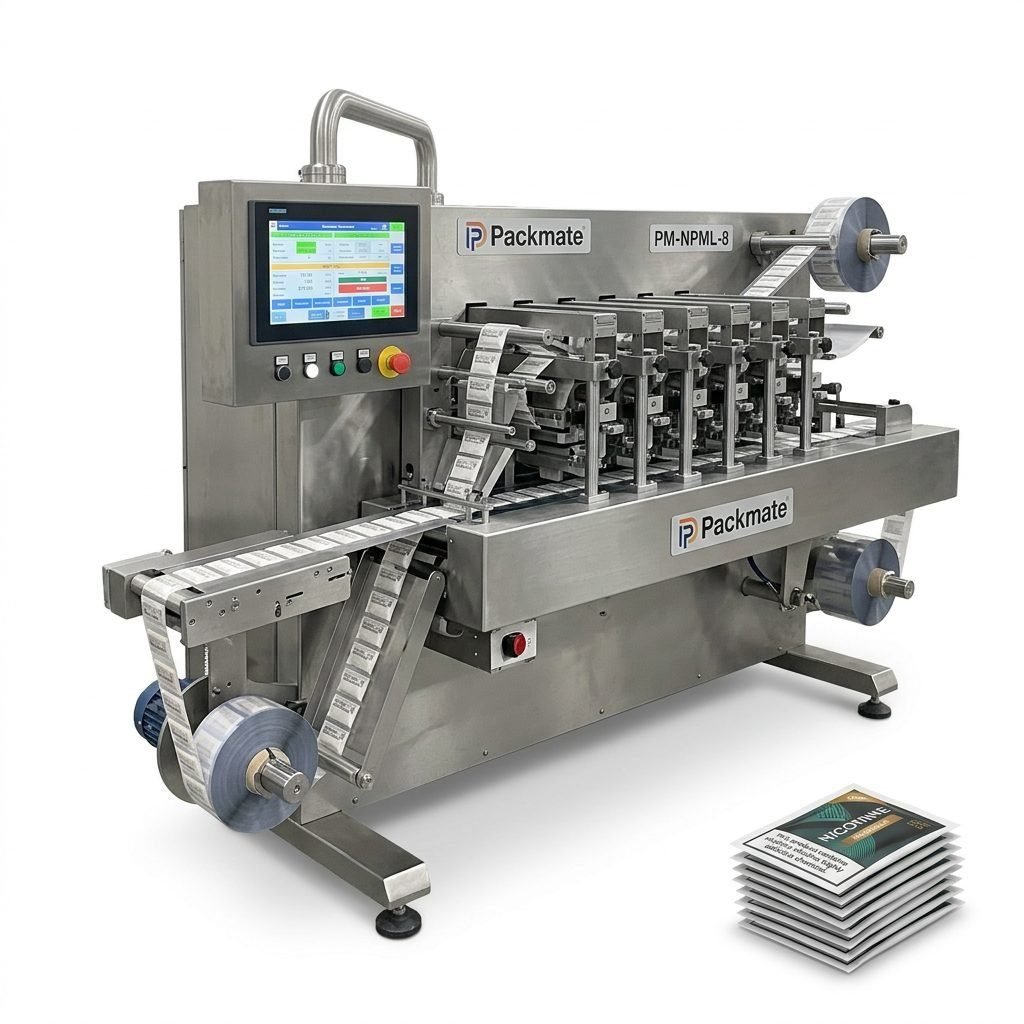
Packmate provides multi-lane snus packing machines and complete lines that include auxiliary equipment and customizations—review relevant machines at Snus & Nicotine Packaging Machines.
Factory Acceptance & Pre-Delivery Checks
Before shipment, perform a Factory Acceptance Test (FAT) with documented criteria for performance, sealing quality, speed and electronics. This reduces surprises on site and ensures acceptance criteria are met before your machine leaves the factory.
Practical Buying Checklist
Use a checklist when comparing offers. Important items include:
• Speed, lane count, and verified throughput.
• Material compatibility and sealing tests with your films.
• Documentation: manuals, electrical diagrams, CE/ISO certificates.
• Spare parts list, local lead times, and service agreements.
• Training scope, FAT/SAT protocol and warranty coverage.
Real-World Case Examples and References
Look for vendors with global case studies in nicotine pouch lines and multi-lane snus equipment. Request reference sites and video demonstrations. Packmate publishes project cases and machine galleries that can serve as objective references—visit their Case page for examples.
Negotiation Tips and Contract Essentials
When negotiating, be clear about delivery schedules, payment milestones, training, and what constitutes acceptance. Include penalty clauses for late delivery and clearly defined testing parameters for FAT and SAT. Ensure spare parts and tooling lists are attached to the contract.
📌
Checklist reminder:
Include documentation for electrical specifications, site utilities, and local voltage requirements before finalizing the purchase.
Sustainability and Energy Efficiency
Energy-efficient drives, smart standby modes, and optimized material usage lower operational costs and help meet corporate sustainability targets. Evaluate the machine’s energy consumption per 1,000 pouches as part of your TCO calculations.
Final Decision Framework
Weigh technical fit, supplier capability, TCO, and regulatory compliance. The best choice balances throughput with reliability, offers strong after-sales support, and demonstrates validated performance with products similar to yours.
Where to Go Next
If you are evaluating suppliers, review product lines and request customized proposals. You may find it helpful to compare multi-lane snus machines and turnkey filling solutions: Snus & Nicotine Packaging Machines, Sachet & Stick Pack Machines, and complete Filling & Packaging Lines. For any commercial or technical inquiries, contact the manufacturer directly via their Contact Us page.
Summary: Key Takeaways
Selecting a nicotine packaging machine in Australia involves a careful assessment of product requirements, machine type, integration needs, supplier experience, and TCO. Prioritize machines designed for nicotine/snUS pouches, confirm material compatibility, and insist on FAT/SAT documentation and local support to ensure successful long-term operation.
Frequently Asked Questions
Q1: What machine type is best for low-dose nicotine pouches?
Machines designed specifically for snus and nicotine pouches—often multi-lane systems—are the best choice for low-dose pouches due to their precise portioning, gentle handling, and high-speed multi-lane capability.
Q2: How important is after-sales support for packaging machines?
After-sales support is critical. Rapid access to spare parts, remote diagnostics, and training minimize downtime and protect your production investment. Check supplier response times and spare parts logistics for Australia.
Q3: Can I test my pouch material before purchase?
Yes. Reputable suppliers will run trials using your actual pouch materials and formulations to validate sealing, appearance and speed. Always request sample runs and documented test results as part of the buying process.
Q4: Are turnkey packaging lines worth the investment?
Turnkey lines reduce integration risk and speed commissioning. They are often worth the investment for medium-to-large manufacturers who need a single-contract solution for weighing, filling, pouching and secondary packaging.
Q5: Where can I find reliable machine models and more product information?
Explore manufacturer catalogs and product pages, such as Snus & Nicotine Packaging Machines and related product lines to compare models and request quotes. Contact suppliers for case histories and FAT videos before committing.