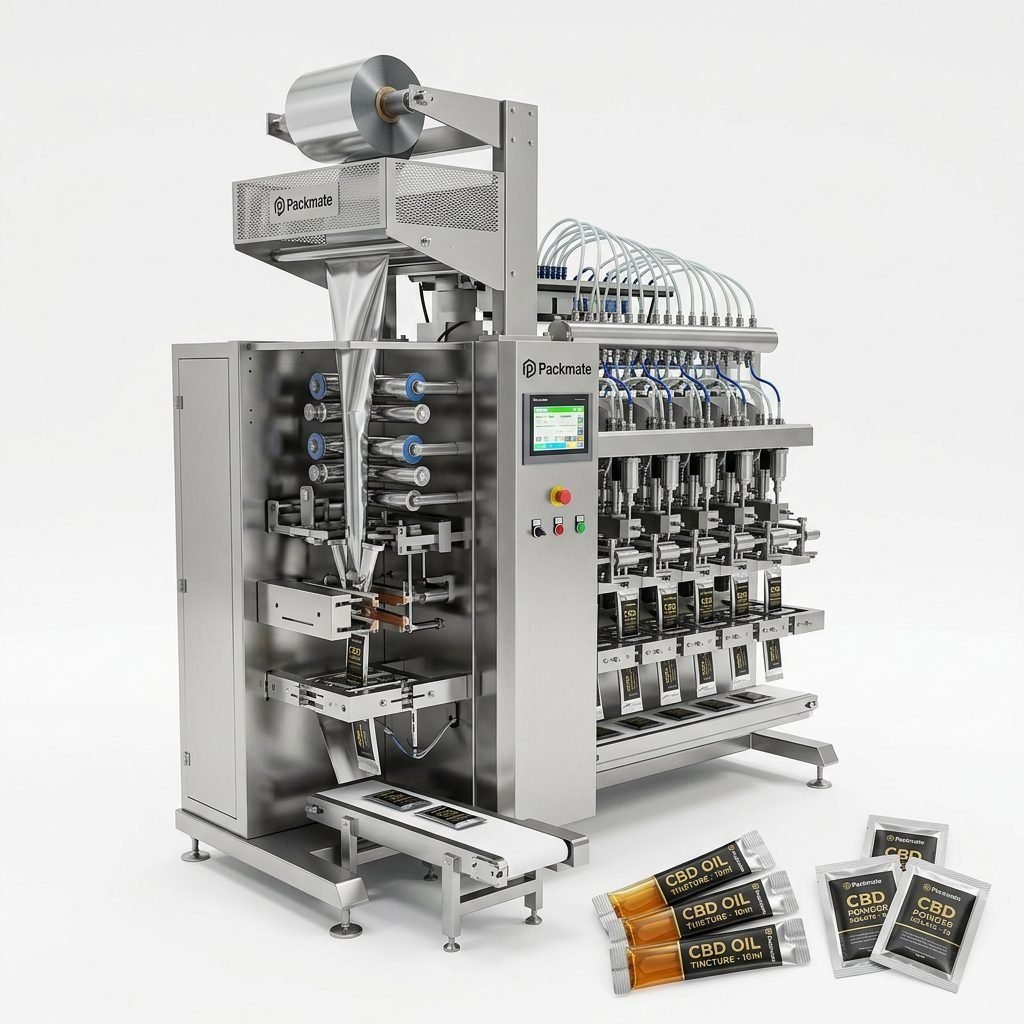
Choosing the right snus packaging machinery in the Netherlands requires a clear understanding of your production goals, regulatory landscape, and long-term operational strategy. This guide walks through the key factors to evaluate — from machine type and throughput to maintenance support and compliance — so you can select equipment that delivers consistent quality, uptime, and return on investment.
Understand Your Production Needs 🔍
Every packaging line starts with a clear definition of daily output targets, product formats, and flexibility requirements. Are you producing multiple snus pouch sizes, single-dose nicotine pouches, or a mix of formats? Do you expect seasonal demand spikes or steady year-round volumes? Answering these questions shapes the choice between a compact single-lane machine and a robust multi-lane system.
Throughput and Lane Configuration
Throughput is measured in pouches per minute (ppm) or packs per hour. For small-batch artisan producers, a lower-speed single or twin-lane machine may suffice. For contract manufacturers and large brands, multi-lane high-speed machines provide economies of scale. Consider a scalable solution: start with a lower lane count but choose a platform that allows future expansion.
Format Flexibility and Changeover
Quick and simple changeovers reduce downtime and increase profitability. Machines that support modular tooling and intuitive recipe management help operators switch between sachets, stick packs, and nicotine pouches with minimal effort. If you plan diverse SKUs, prioritize flexible tooling and automated format settings.
⚠️ Tip: Map a realistic production day including startup, maintenance, and changeovers. Many companies overestimate effective run time — plan conservatively.
Select the Right Machine Type ⚙️
Different machine architectures suit different products. Refer to these common types:
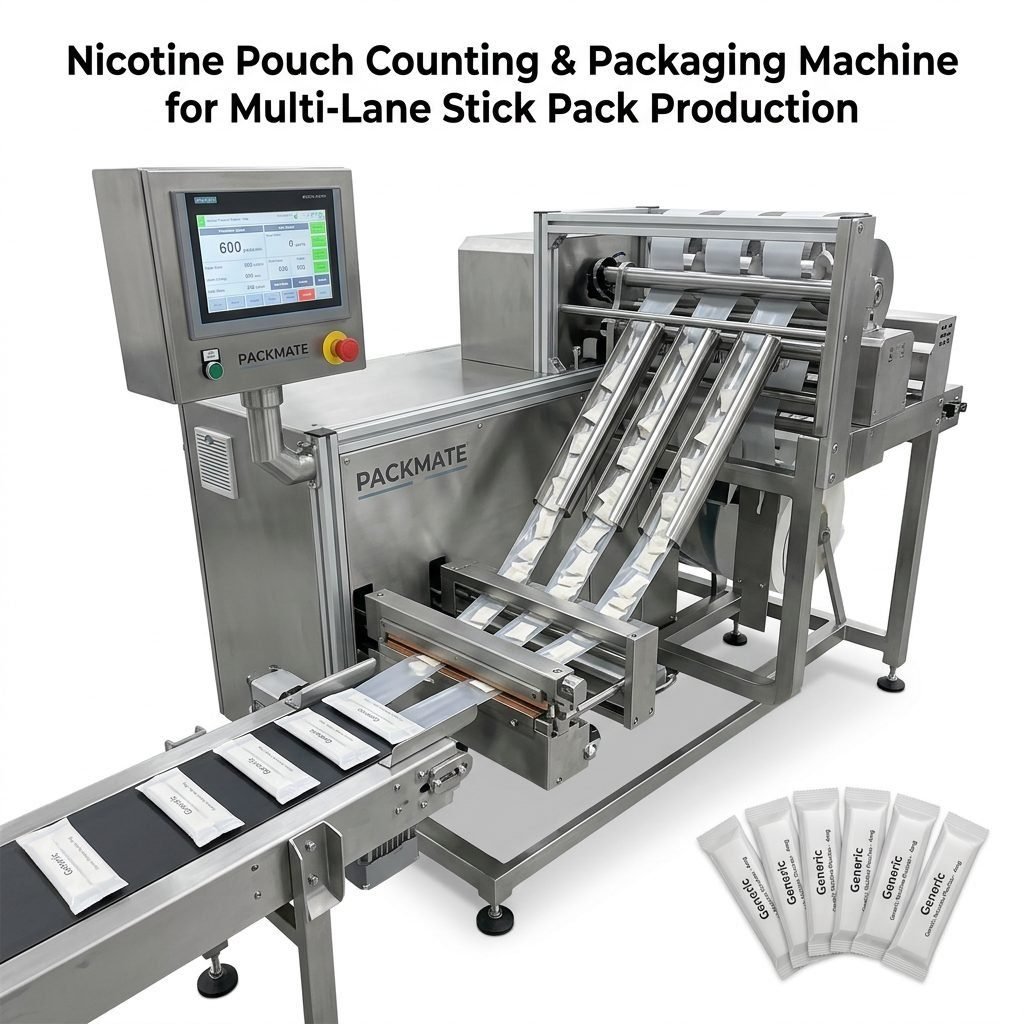
• Single-lane stick pack machines for compact stick formats.
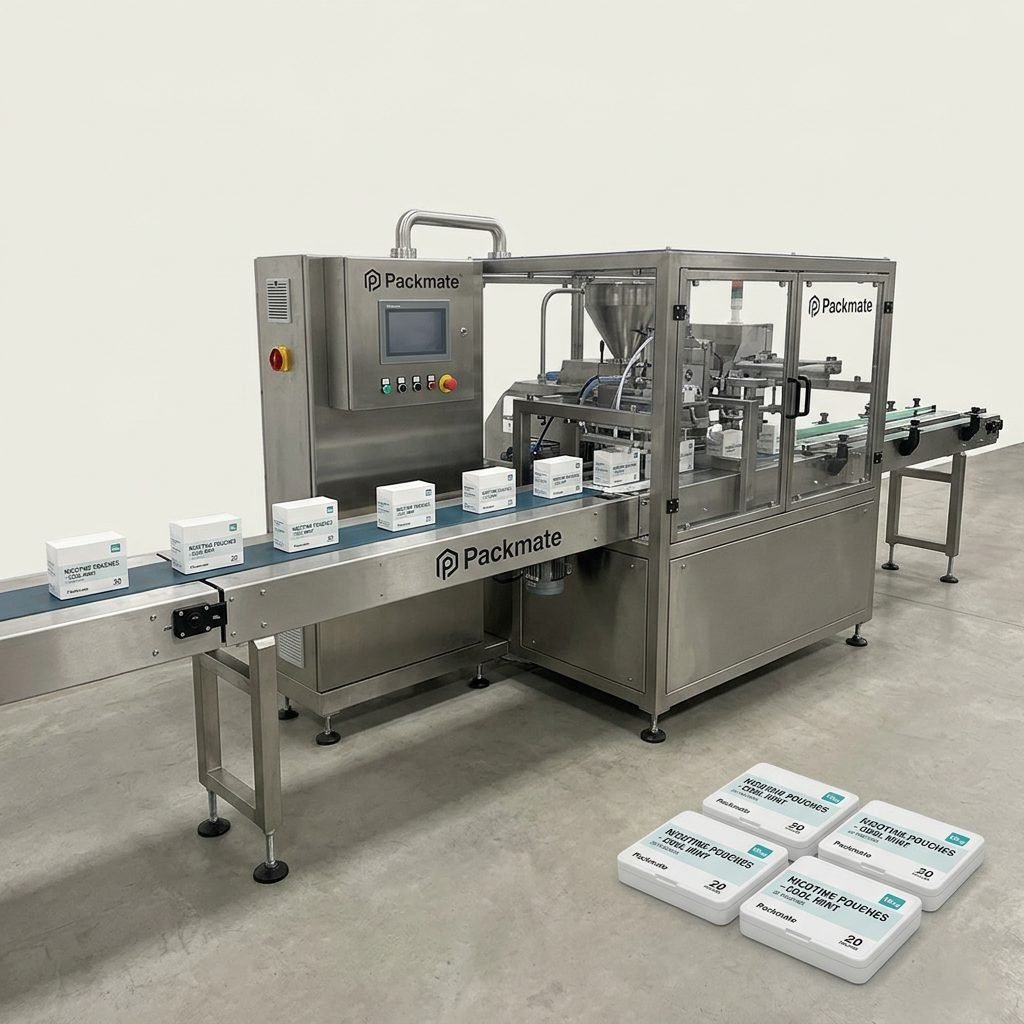
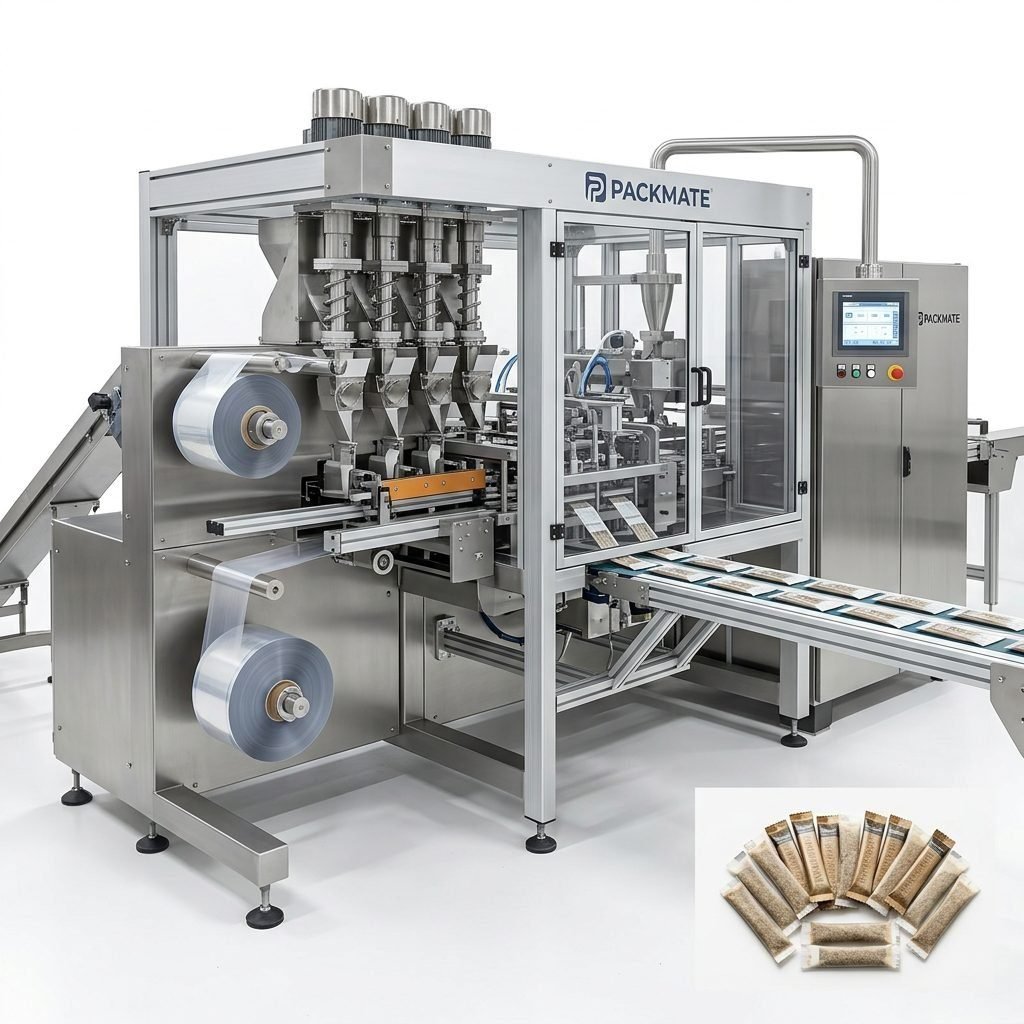
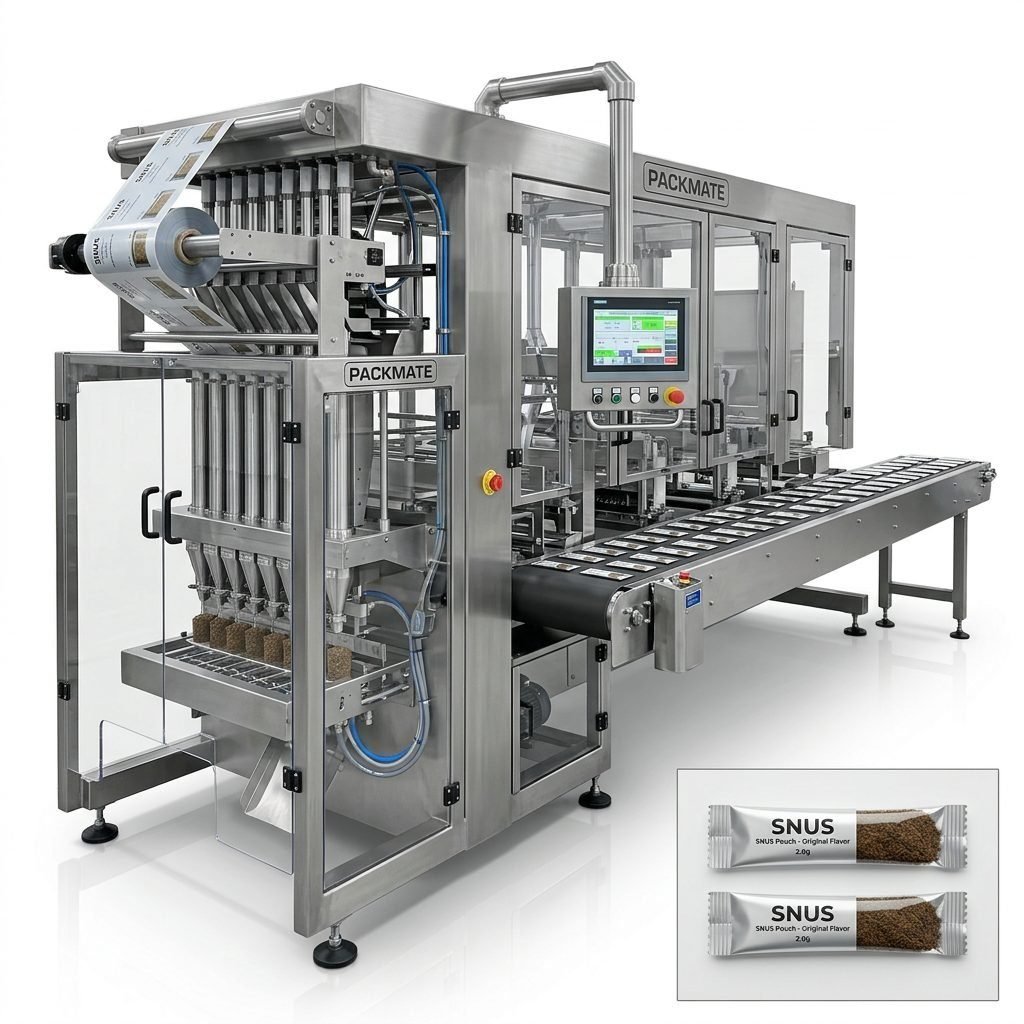
• Multi-lane snus & nicotine pouch machines for small-dose pouches and high throughput. (See Snus & Nicotine Packaging Machines)
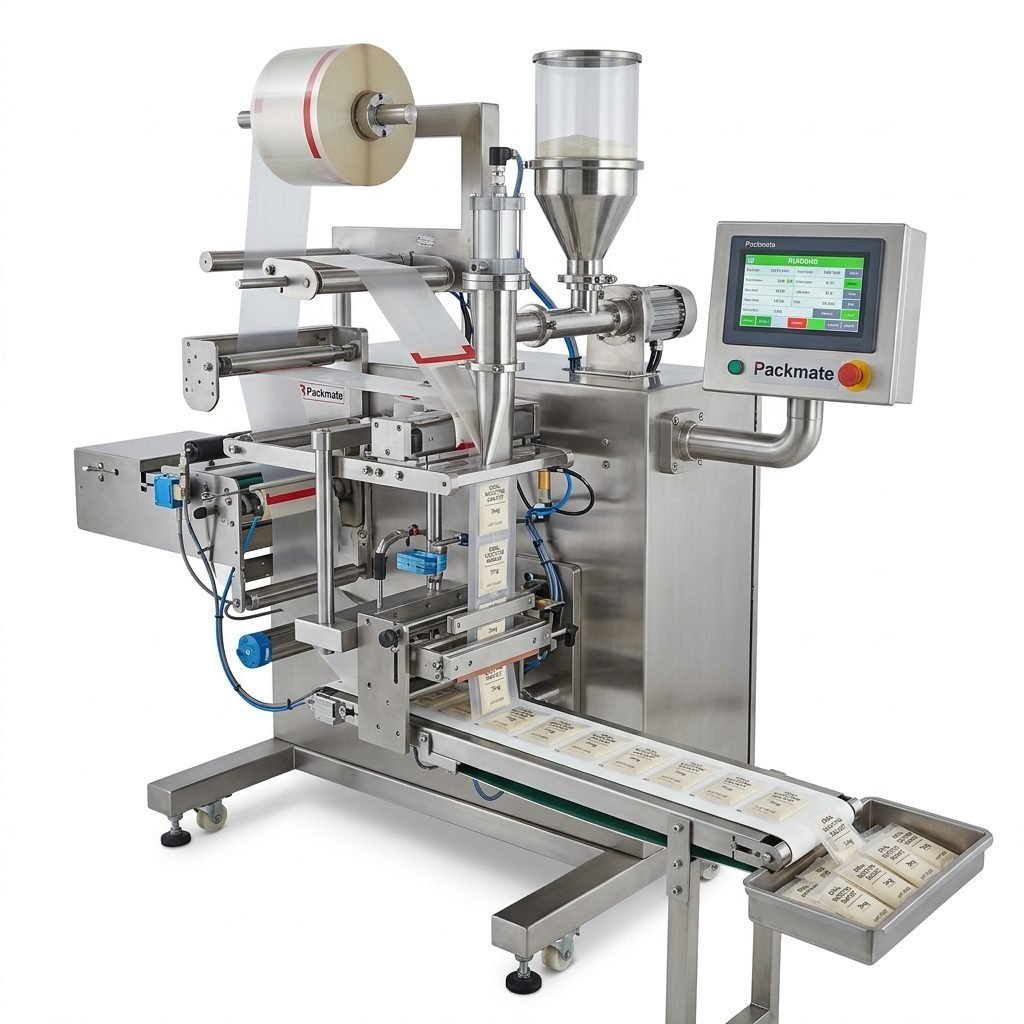
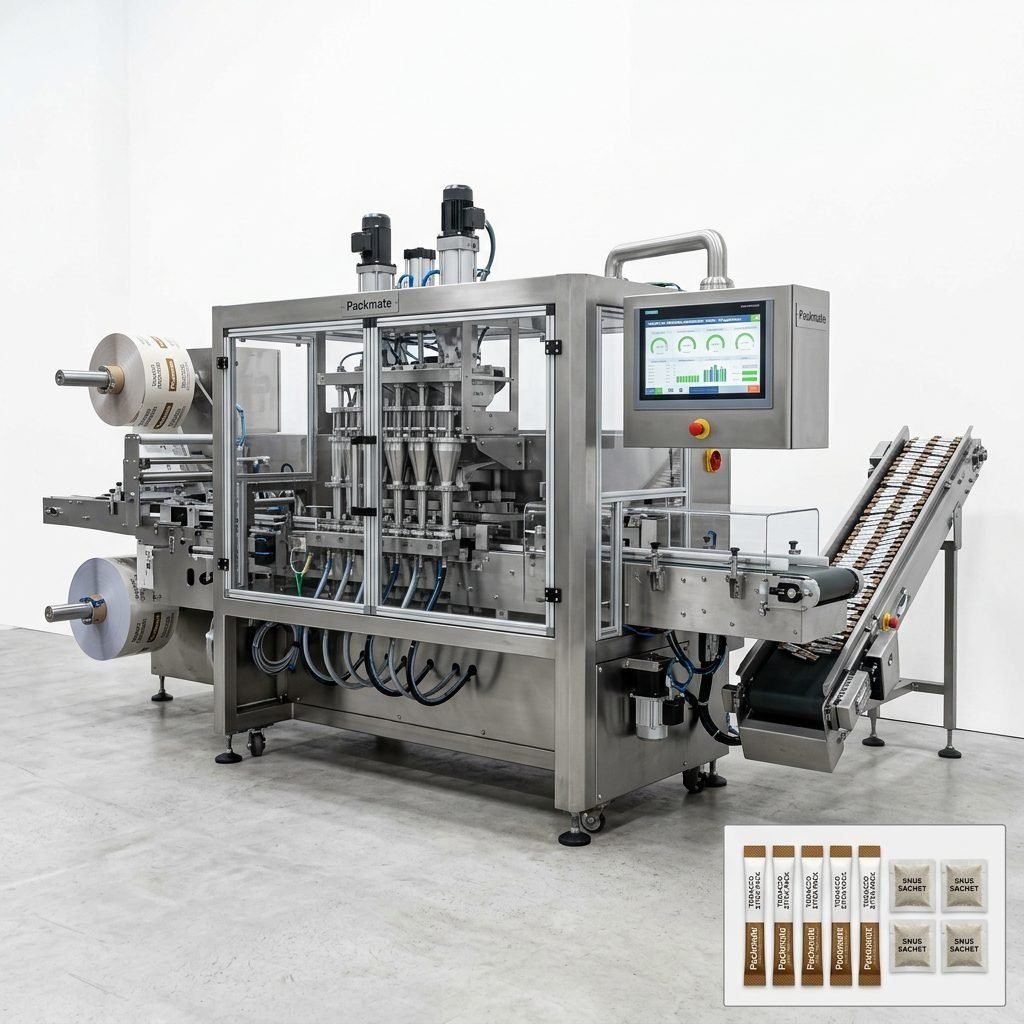
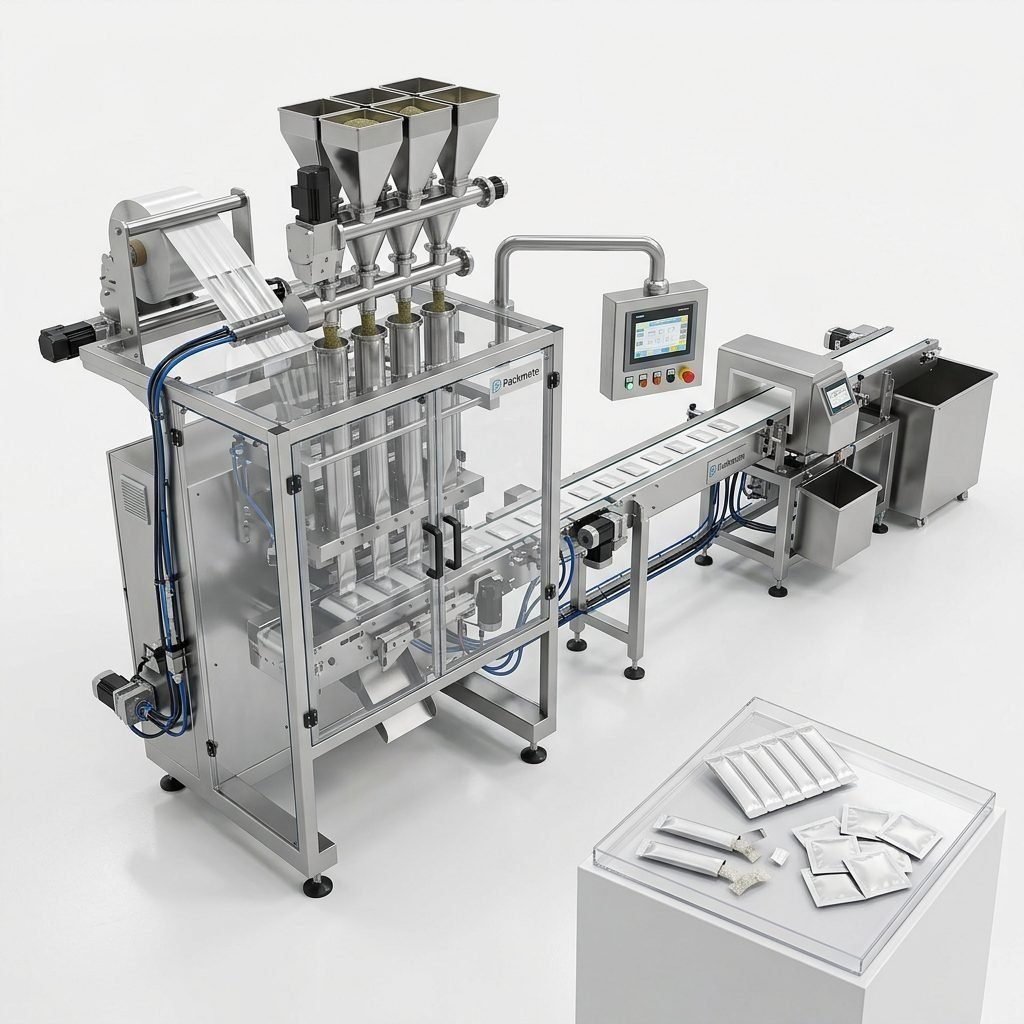
• Sachet & stick pack models for single-dose sachets and promotional stick packs. (See Sachet & Stick Pack Machines)
Integrated Lines vs. Standalone Machines
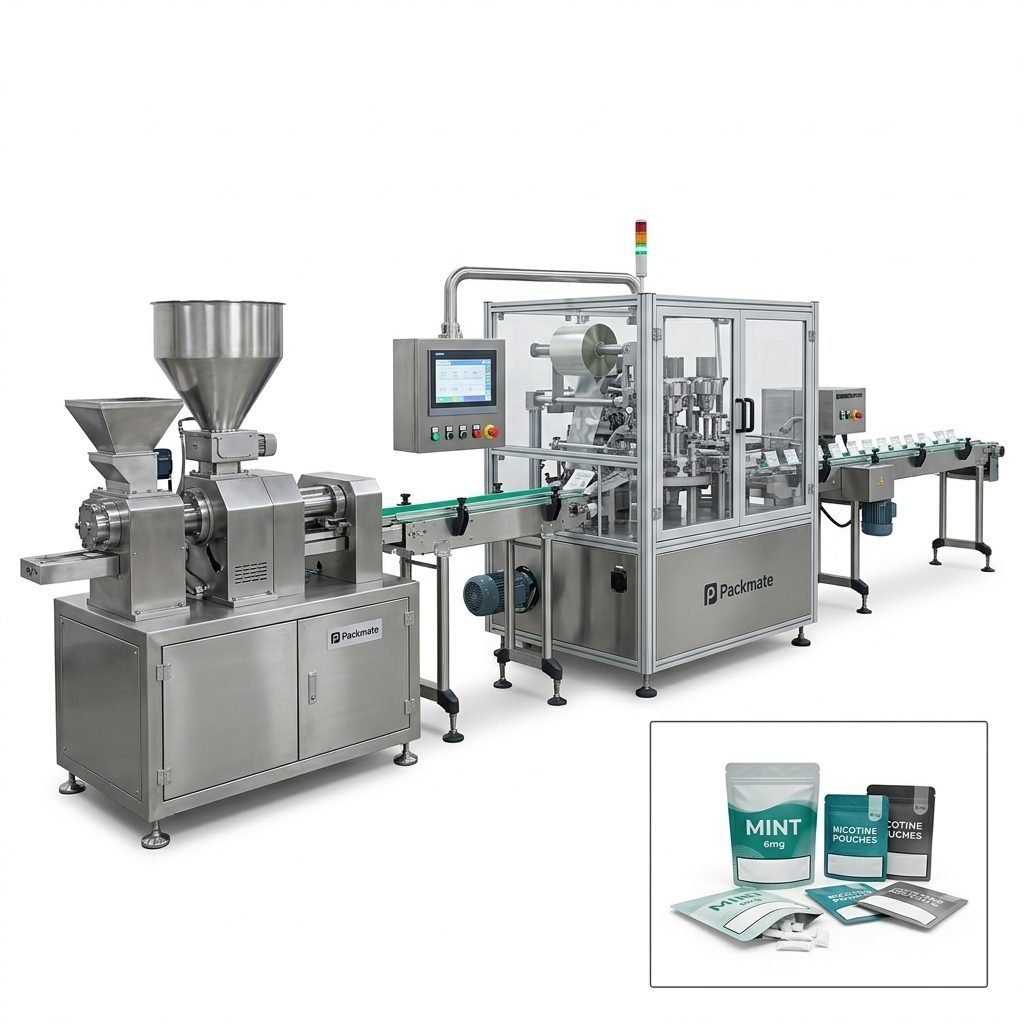
Decide whether you need a complete turnkey line — including weighing, dosing, filling, and secondary packaging — or individual machines. Integrated lines reduce integration risk and are often optimized for consistency. If you prefer step-by-step investment, choose standalone machines with standard interfaces for future line upgrades. Packmate offers both integrated solutions and modular equipment: Filling & Packaging Lines.
✅ Manufacturing Strength: Look for manufacturers with robust CNC capabilities and assembly lines. Packmate’s 20,000㎡ factory and advanced CNC centers support precision production and consistent machine quality.
Quality, Reliability and Compliance
For regulated products like nicotine pouches, consistency and hygiene are critical. Machines must meet international standards (CE, ISO) and be built for easy cleaning and GMP compliance. Check the supplier’s certification pages and ask for test reports and traceability documentation. Packmate equipment complies with global standards — learn more on their Certificate page.
Material Compatibility and Sealing Technology
Pouch material, barrier requirements, and sealing methods affect shelf life. Evaluate heat-seal quality, hermetic sealing options, and compatibility with laminated films or compostable substrates. Machines with precise temperature control and servo-driven film handling produce higher-quality seals with fewer rejects.
Evaluate Operational Costs and ROI
Initial purchase price is only one part of the total cost. Consider energy consumption, spare parts pricing, maintenance intervals, and expected uptime. Calculate cost per pouch including labor, consumables, and depreciation. Machines with higher automation and better uptime often deliver superior long-term ROI even if their initial cost is higher.
Spare Parts and Local Support
Fast access to spare parts and local technical support in the Netherlands reduces downtime. Ask the supplier about regional service networks, remote diagnostics, and training programs. Packmate provides global support and service options — check their Service and Contact Us pages for details.
⚙️ Maintenance Plan: Request a recommended preventive maintenance schedule and an estimate for yearly spare parts consumption to forecast costs accurately.
Automation, Controls and Data Integration
Modern machines include PLCs, HMI touchscreens, and options for Industry 4.0 connectivity. Evaluate the control system’s user interface, recipe management, and ability to export production data for traceability. Remote monitoring reduces travel time for service engineers and enables faster troubleshooting.
Safety and Ergonomics
Ensure guards, emergency stops, and access panels meet European safety standards. Ergonomic design minimizes operator fatigue during feeding, inspection, and changeovers — a subtle factor that affects throughput and quality over time.
Vendor Selection and Due Diligence
Choose a vendor with proven experience in the snus and nicotine pouch market. Evaluate references, factory capabilities, and the ability to deliver turnkey lines. Packmate’s history since 1993 and its range of models showcase deep domain knowledge — explore their profile: About Packmate.
Factory Acceptance Test (FAT) and Site Acceptance Test (SAT)
A FAT demonstrates machine performance before shipment. Require video documentation, production runs with your materials, and agreed acceptance criteria. A thorough SAT verifies integration and performance at your facility — don’t skip these steps.
📦 Case Studies: Review similar installations and ask for references in the Netherlands or nearby EU countries to validate performance under comparable regulations and conditions. See global cases at Case.
Sustainability and Material Trends
Consumer demand for recyclable and compostable packaging impacts machine compatibility. Discuss material handling for alternative films and the sealing parameters required. Machines that accommodate a wider range of films future-proof your investment.
Budgeting, Lead Times and Logistics
Lead times can range from a few weeks for standard machines to several months for custom turnkey lines. Factor shipping, customs clearance, installation, and commissioning into your project timeline. Ask the manufacturer for a clear delivery schedule and contingency plans.
Financing and Total Cost of Ownership
Explore financing options and calculate TCO including energy use, labor, maintenance, and consumables. Higher initial investment in automation often reduces per-unit costs and labor requirements over the machine lifecycle.
📅 Planning Hint: Align machine delivery with workforce training and raw material availability to avoid idle time after installation.
Where to Start: Practical Steps
1. Define product SKUs, output targets, and acceptable scrap rates.
2. Shortlist machines by format and throughput.
3. Request FAT with your materials and documented acceptance criteria.
4. Evaluate service agreements and spare parts logistics.
5. Finalize contract with clear delivery, installation, and training milestones.
Recommended Resource Links
• Explore product ranges: Bag & Pouch Packaging Machines and Weighing & Packaging Systems.
• Browse catalogs and technical sheets at Catalog.
🌍 Proven Partner: When selecting a supplier, value experience, factory capability, and post-sale service equally. Packmate’s multi-decade history and manufacturing capacity help de-risk large investments.
Final Checklist Before Purchase
• Confirm throughput and acceptable reject rates with real product tests.
• Verify regulatory compliance and documentation.
• Get a detailed list of included spare parts and tooling.
• Ensure training, commissioning, and guaranteed performance terms are in the contract.
• Plan spare parts inventory for the first 12 months.
Getting Local Support in the Netherlands
Confirm the supplier’s ability to provide timely on-site support, spare parts shipment to Europe, and remote troubleshooting. Consider working with vendors who exhibit transparent communication and have references in nearby markets.
Next Steps
Start by documenting production requirements and contacting a few reputable suppliers for machine demos and FAT proposals. Visit exhibitions or schedule virtual demonstrations to compare real-world performance. Packmate often showcases solutions at events — check Our Exhibition for upcoming shows.
Frequently Asked Questions
Q1: How do I decide between a single-lane and multi-lane machine?
A1: Choose based on current throughput needs, growth projections, and budget. Multi-lane systems are best for high volumes and lower per-unit cost, while single-lane machines are flexible for smaller runs.
Q2: What tests should be included in a Factory Acceptance Test (FAT)?
A2: FAT should include production runs with your exact materials, sealing and leak tests, speed verification, and full documentation of machine parameters and acceptance criteria.
Q3: How important is local service and spare parts availability?
A3: Extremely important — rapid spare parts delivery and local support minimize downtime. Verify lead times for critical components before purchase.
Q4: Can machines handle eco-friendly films and new packaging materials?
A4: Many modern machines support a variety of films, but confirm material compatibility and perform trials for sealing integrity with intended substrates.
Q5: Where can I find more information and view product models?
A5: Explore model lines and technical information for snus and nicotine pouch equipment at Snus & Nicotine Packaging Machines and review service and contact details on the Contact Us page.