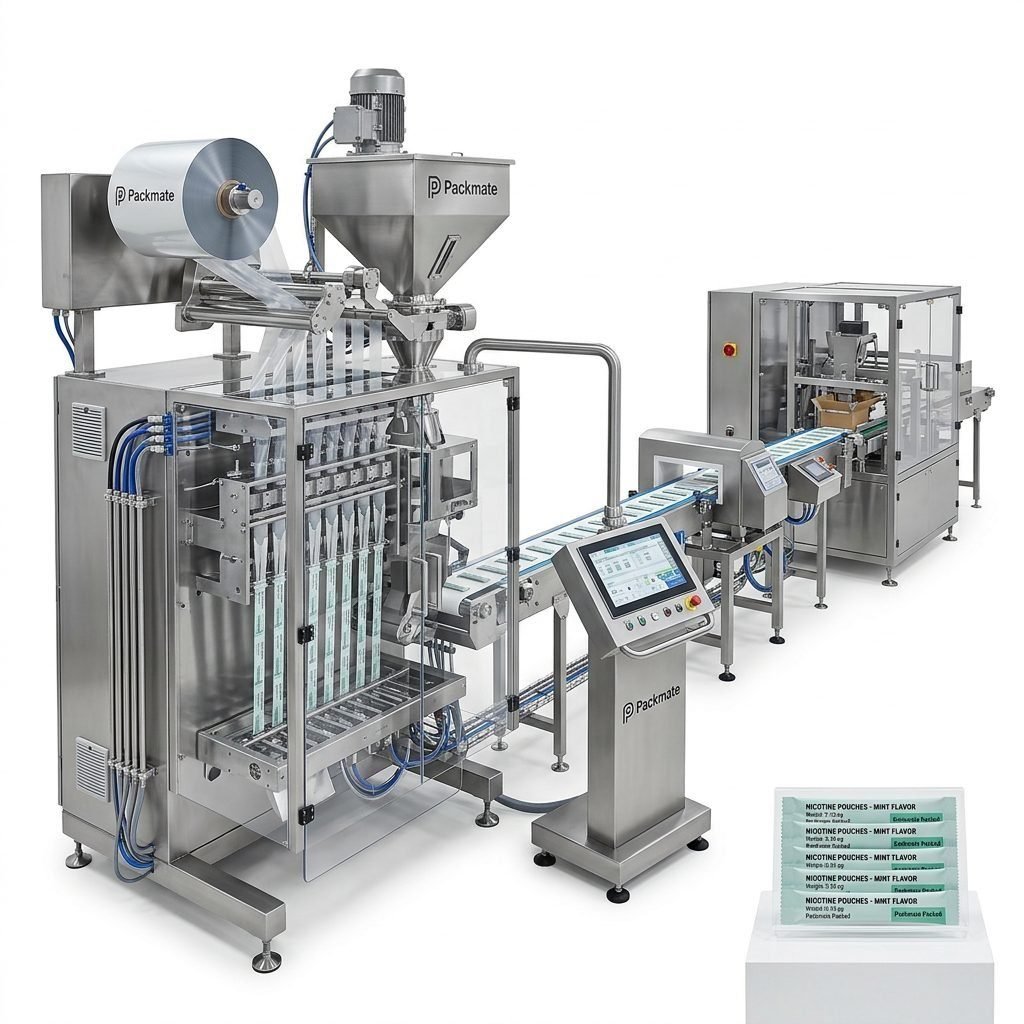
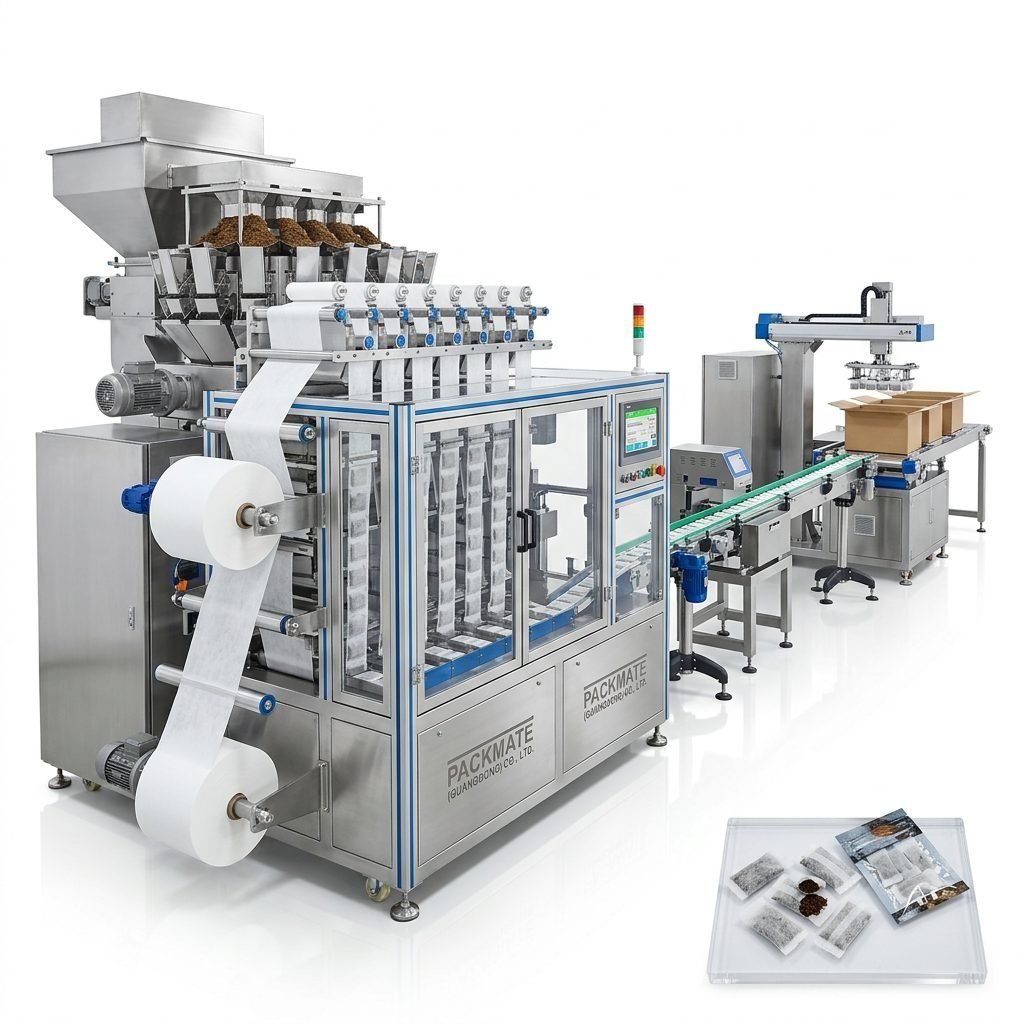
Choosing the right nicotine packaging machinery for a production line in Oceania requires balancing regulatory compliance, compact and hygienic design, and long‑term serviceability. This guide walks production managers, plant engineers, and procurement teams through the practical steps and local considerations for Australia, New Zealand, and Pacific Island markets so you can select equipment that fits capacity, quality, and compliance needs.
🔎 Market snapshot and regulatory context in Oceania
Oceania is not a single regulatory market. Australia and New Zealand have distinct rules around nicotine and tobacco-related products. Australia treats nicotine under strict prescription or approved import regimes, while New Zealand has a comparatively permissive approach to nicotine products and active public health policies that encourage reduced-harm alternatives. Pacific Island nations have varied frameworks and often defer to international standards.
Because legal frameworks differ, one of the first steps is to confirm local regulatory requirements for nicotine pouches or snus. Work with legal counsel or local distributors, and plan to meet CE/ISO standards and local food/pharmaceutical GMP rules where applicable.
⚙️ Core machine categories and when to choose each
Packaging solutions for nicotine pouches and snus generally fall into several types. Choose based on product form, dosing, and downstream packing:
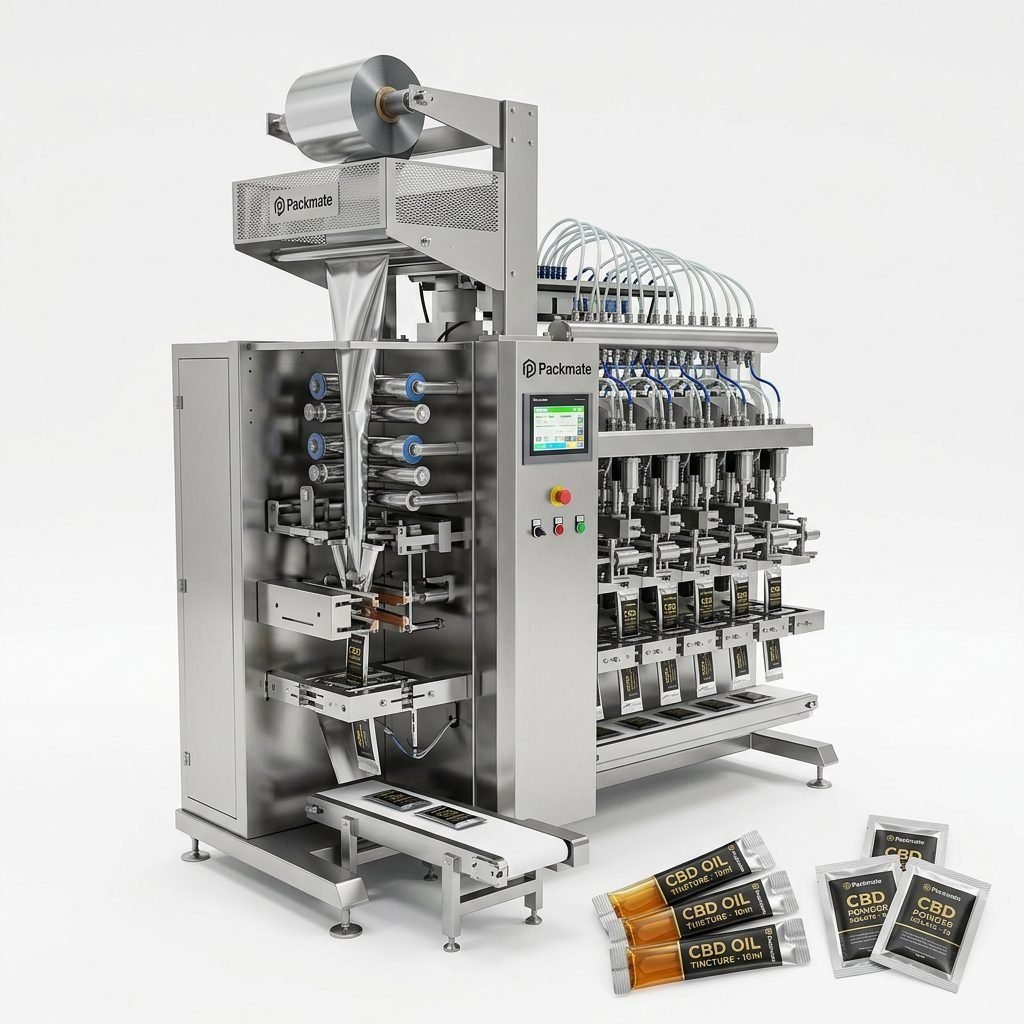
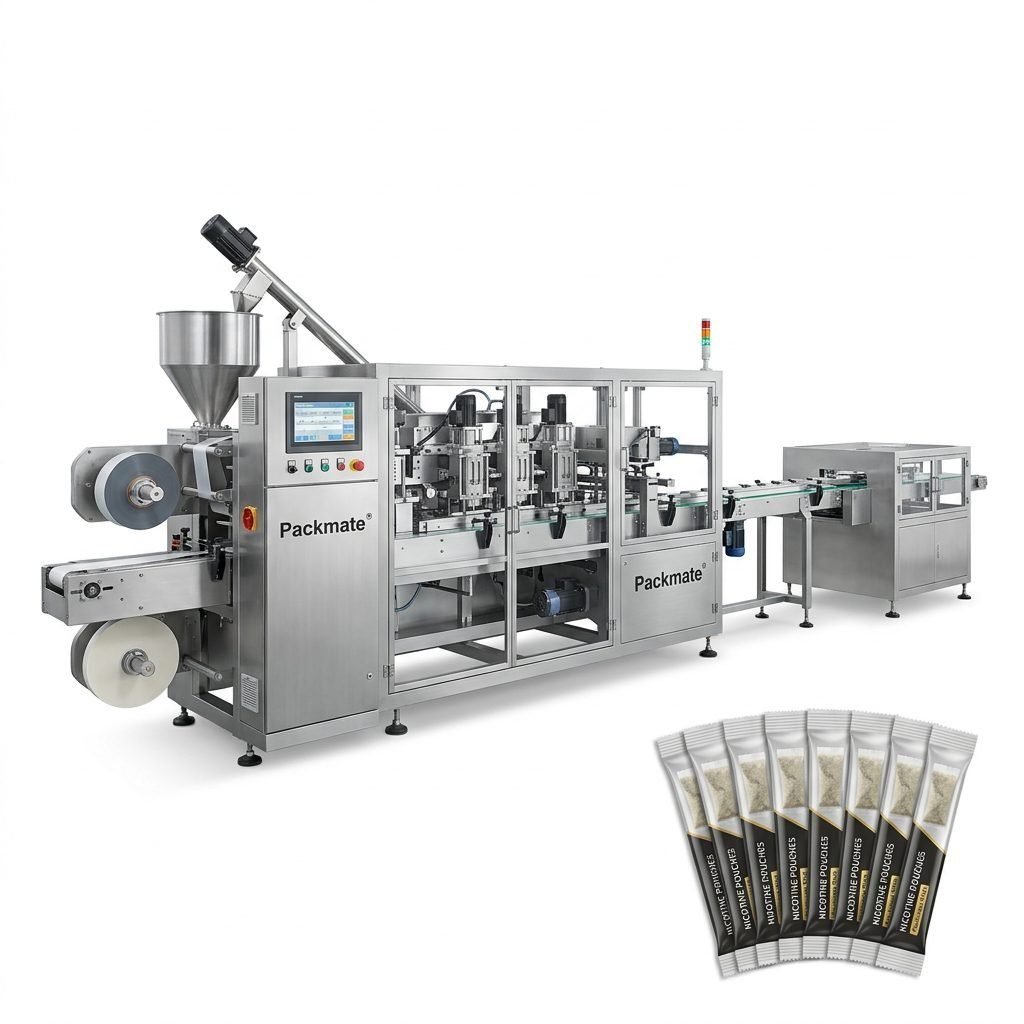
Sachet & stick pack machines
Ideal for single-dose pouches and stick portions. These machines are compact and can be the right entry point for startups or contract packers. They support fast changeovers and are often the most cost-effective for lower-volume lines.
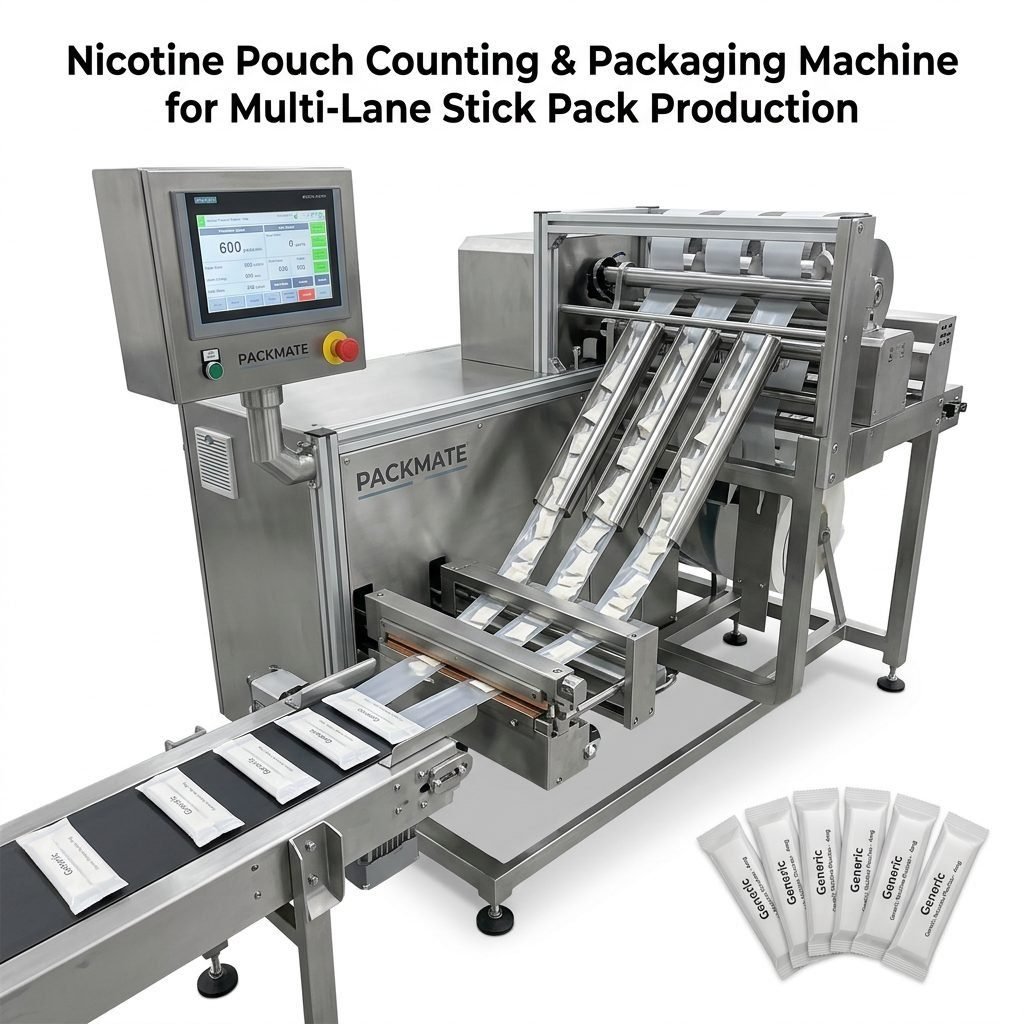
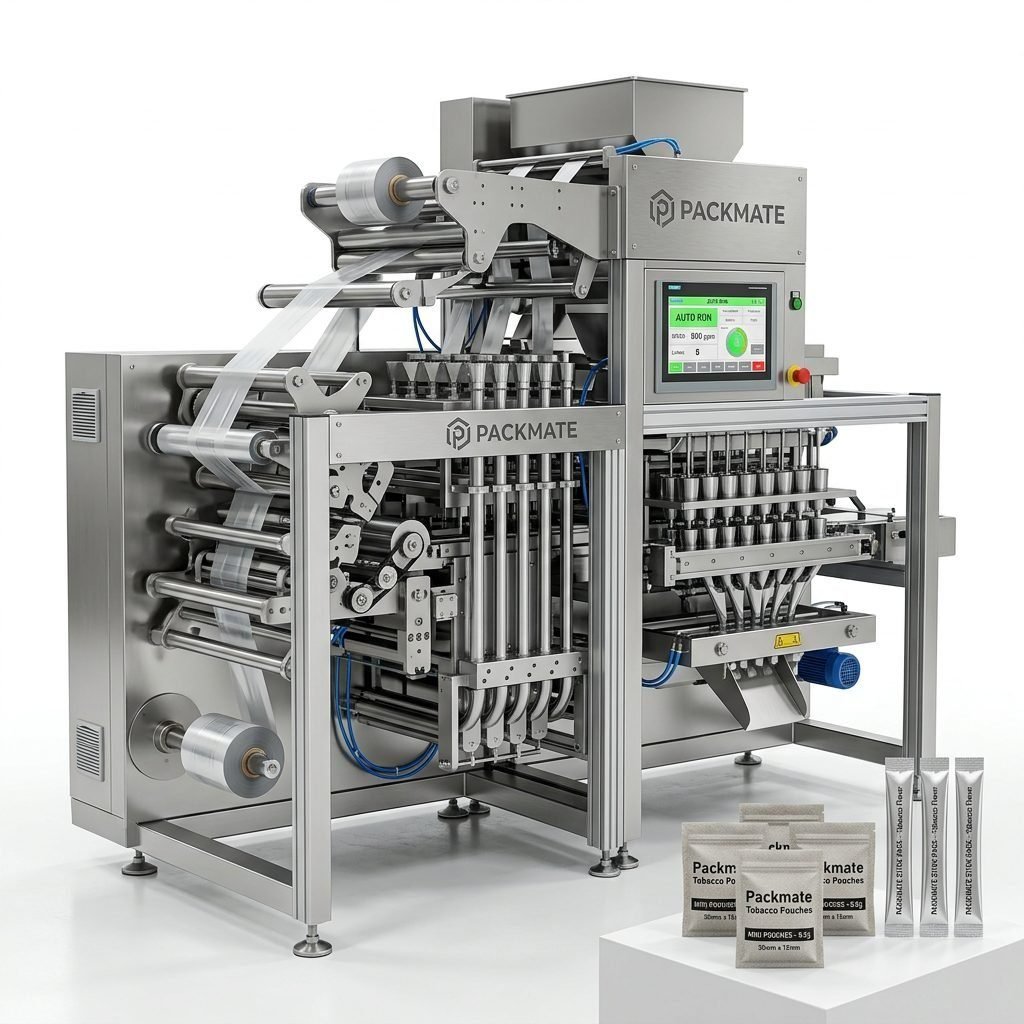
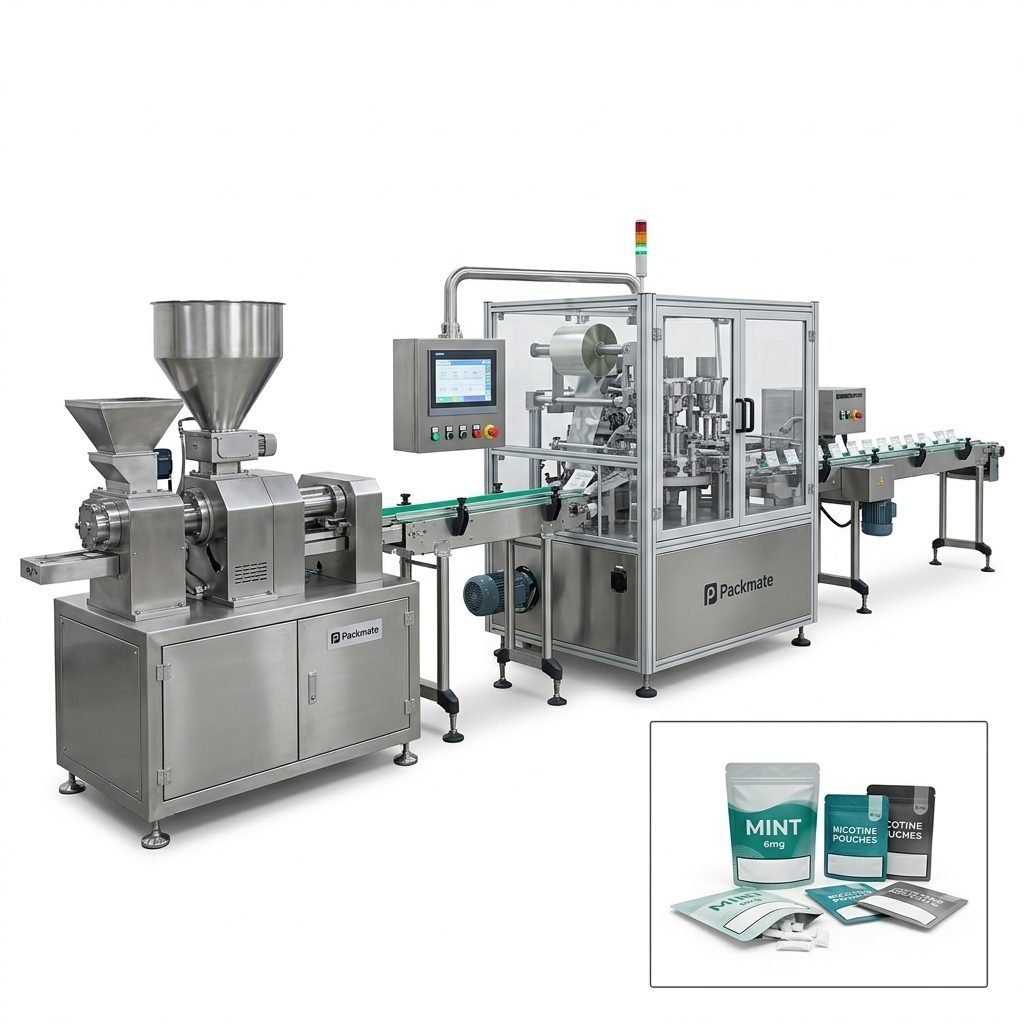
Multi-lane snus / nicotine pouch machines
For higher throughput and small-dose pouches, multi-lane systems increase output without occupying the same linear footprint as multiple single-lane machines. Choose multi-lane if you expect volume growth or contract production demands.
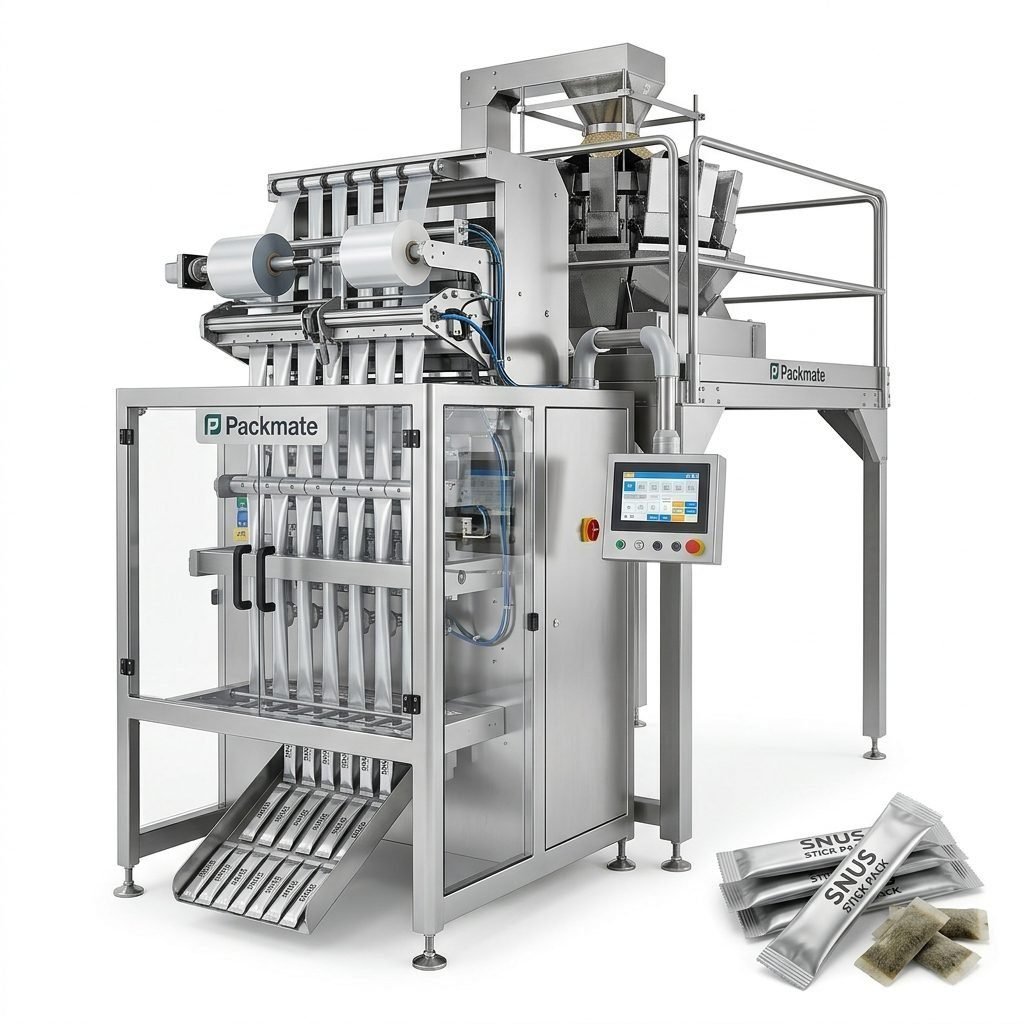
Integrated weighing & filling lines
When product weight precision is critical, combine high-precision weighers with pouch/form-fill-seal machines. These systems reduce giveaway and ensure consistent dose accuracy, essential for nicotine products.
📐 Key selection factors: throughput, footprint, and flexibility
Evaluate these technical and operational factors before deciding:
Production target: Determine daily and peak outputs. A machine that just meets current demand may bottleneck expansion—aim for 20–30% capacity headroom if space and budget allow.
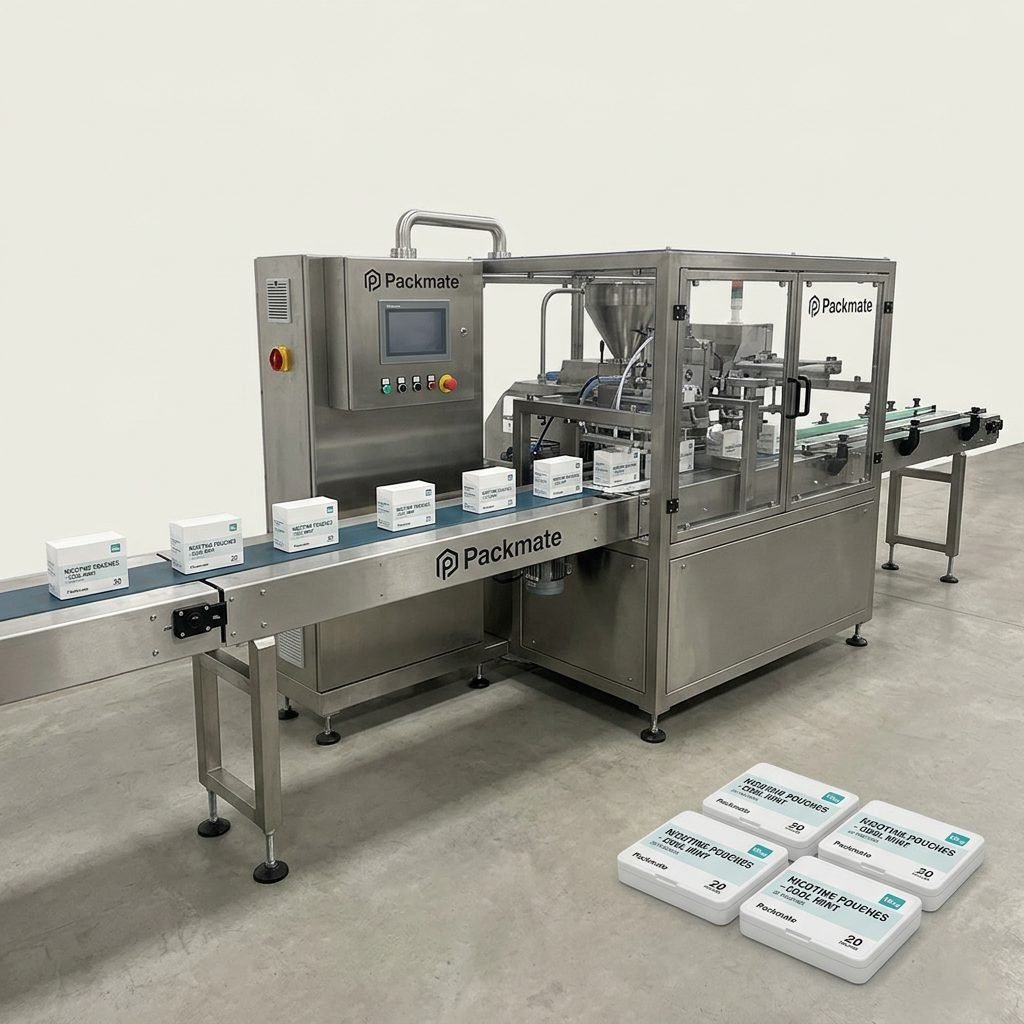
Footprint & plant layout: Oceania facilities often prioritize compact, hygienic cells. A multi-lane machine can be more space-efficient than parallel single-lane lines.
Changeover speed: If you produce multiple SKUs or flavors, choose machines with tool-less or quick-change features to minimize downtime.
🧰 Materials, sealing, and product protection
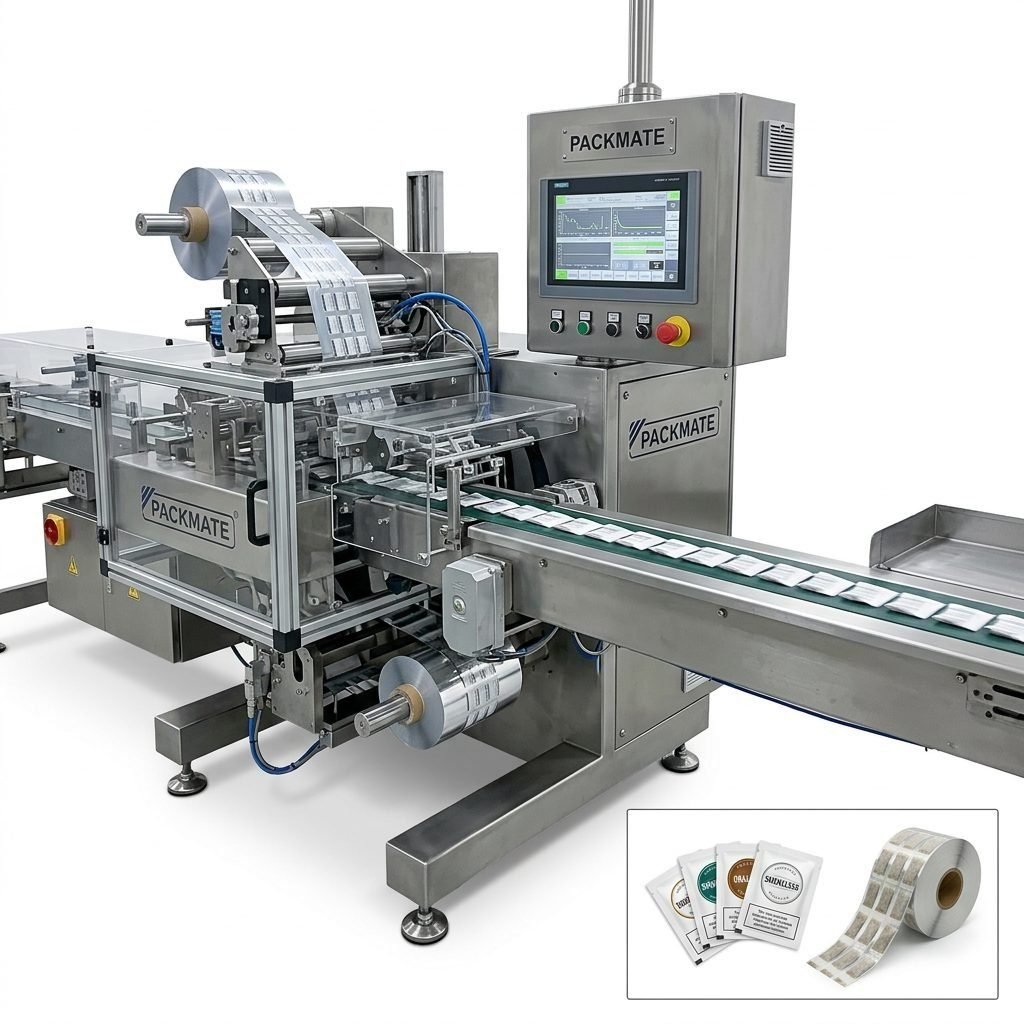
Nicotine pouches require consistent sealing integrity and barrier performance. Aluminium laminates or multi-layer PET/PE films are common to protect aroma and moisture. Ensure the machine supports:
Controlled sealing temperature and pressure, reliable pouch cutting, and material handling designed to prevent contamination. For hygroscopic formulas, integrated nitrogen flushing or desiccant options might be necessary.
🔒 Compliance, certification, and documentation
For Oceania customers, emphasize machines with international certifications (CE, ISO) and factory testing documentation. Vendors should provide:
IQ/OQ/PQ support for validation, machine performance records, and traceability documentation—especially if packaging products fall under pharmaceutical or regulated nicotine categories.
🇦🇺 Localized considerations: Australia
In Australia, nicotine products are tightly regulated. Many businesses prefer to focus on compliant alternatives or export-focused production for international markets. If you aim to operate within Australia, ensure that your supply chain, labeling, and distribution conform to therapeutic goods regulations and seek expert legal advice before manufacturing nicotine-containing products.
🇳🇿 Localized considerations: New Zealand
New Zealand supports harm-reduction policies and has a growing nicotine product sector. Local consumers value quality, traceability, and sustainability. Machines that minimize waste, offer energy-efficient operation, and produce consistent product weight are advantageous for brand reputation and cost control.
🔗 Integration, automation and Industry 4.0 readiness
Modern lines benefit from digital controls, recipe management, and remote diagnostics. When evaluating vendors, look for PLC/HMI systems that support data logging, Ethernet connectivity, and optional cloud monitoring to enable predictive maintenance and line optimization.
🔍 Vendor selection: what to verify
Choose a supplier who offers:
Proven performance on nicotine or similar small-dose products, evidence of multi-lane experience, and reference installations. Ask for production videos and case studies.
After-sales support including spare parts availability in Oceania or fast shipping, local service partners, and remote troubleshooting. A local contact or rapid-response plan is valuable given long shipping times to many Pacific regions.
💡 Practical checklist before purchase
✅ Define SKU mix, production target, and expansion plans.
✅ Confirm local regulatory obligations for nicotine-containing products.
✅ Request CE/ISO certificates, IQ/OQ/PQ documentation, and FAT video of the actual machine model.
✅ Check spare parts lead times and local service coverage in Oceania.
✅ Validate energy, compressed air, and footprint requirements for your plant.
💷 Cost considerations and ROI
Initial machine cost is only part of total cost of ownership. Include installation, training, customs duties, local certification costs, consumables (films, inks), and expected maintenance. For Oceania operations, shipping and duty can materially affect budget—plan for longer lead times and freight insurance.
ROI is driven by output reliability, yield (reduced giveaway), and low scrap. Precision weighing and consistent sealing reduce rework and regulatory risk, improving payback timeline.
🚚 Logistics, installation, and commissioning in Oceania
Plan for customs clearance, certification checks, and local electrical/air standards. Some vendors provide on-site commissioning teams or remote commissioning support; choose a supplier who can adapt to Oceania time zones for effective support. Ensure spare parts kits ship together with equipment for the first 6–12 months of operation.
🛠 Maintenance, upgrades and lifecycle support
Regular preventive maintenance, access to consumables, and software update pathways extend machine life. Ask vendors about upgrade options (additional lanes, higher-speed modules) to protect your investment as demand changes.
📎 Useful vendor resources and references
Review machine families and product details on the supplier site. Examples of helpful pages (for specification and case references):
Snus & Nicotine Packaging Machines
About Packmate — company background, manufacturing capability and certifications.
Case studies and production examples help validate vendor claims and real-world performance.
🎯 Final recommendations
Prioritize machines with a track record for nicotine or similar small-dose pouch products, strong after-sales support in Oceania, and documentation for compliance. If you plan to distribute within Australia, ensure legal clearance before production. For New Zealand and export-focused operations, select energy-efficient, modular systems that support rapid SKU changeover and provide precision dosing to protect margins.
📌 Quick vendor verification questions
• Can you provide FAT videos and performance data for the exact model?
• Do you support IQ/OQ/PQ documentation and on-site commissioning in Oceania?
• What is the lead time for critical spares shipped to Australia/New Zealand?
• Do you offer remote diagnostics and software updates to optimize uptime?
📞 Contact and next steps
When you are ready to evaluate equipment, gather a concise specification pack (target output, SKU details, packaging materials, power/air availability) and contact suppliers for tailored proposals. For reference materials and supplier profiles visit the supplier’s product pages and service information:
❓ Frequently Asked Questions
Q1: Are nicotine pouch machines legal to operate in Australia?
A1: Regulatory status depends on product composition and distribution plans. Australia has strict controls on nicotine—consult legal counsel and local regulators before producing nicotine-containing products intended for the Australian market.
Q2: What is the recommended throughput for a small contract packer in New Zealand?
A2: A multi-lane machine with modular lanes that can be scaled is often recommended. Typical starter throughputs range from 5,000 to 30,000 pouches per hour depending on lane count and pouch size—match the machine to your SKU mix and growth plan.
Q3: How important are sealing and film compatibility?
A3: Critical. Proper film selection and sealing control preserve shelf life and ensure product integrity. Confirm the machine supports your chosen laminate and provides stable temperature/pressure control.
Q4: What after-sales support should I demand from a supplier?
A4: On-site commissioning, local spare parts availability, remote diagnostics, training, and clear maintenance schedules are essential. Verify lead times for consumables to avoid production downtime in Oceania.
Q5: Where can I see real examples of nicotine packaging lines?
A5: Review vendor case studies and FAT videos; the supplier’s case page provides real-world installations and performance data: Case.