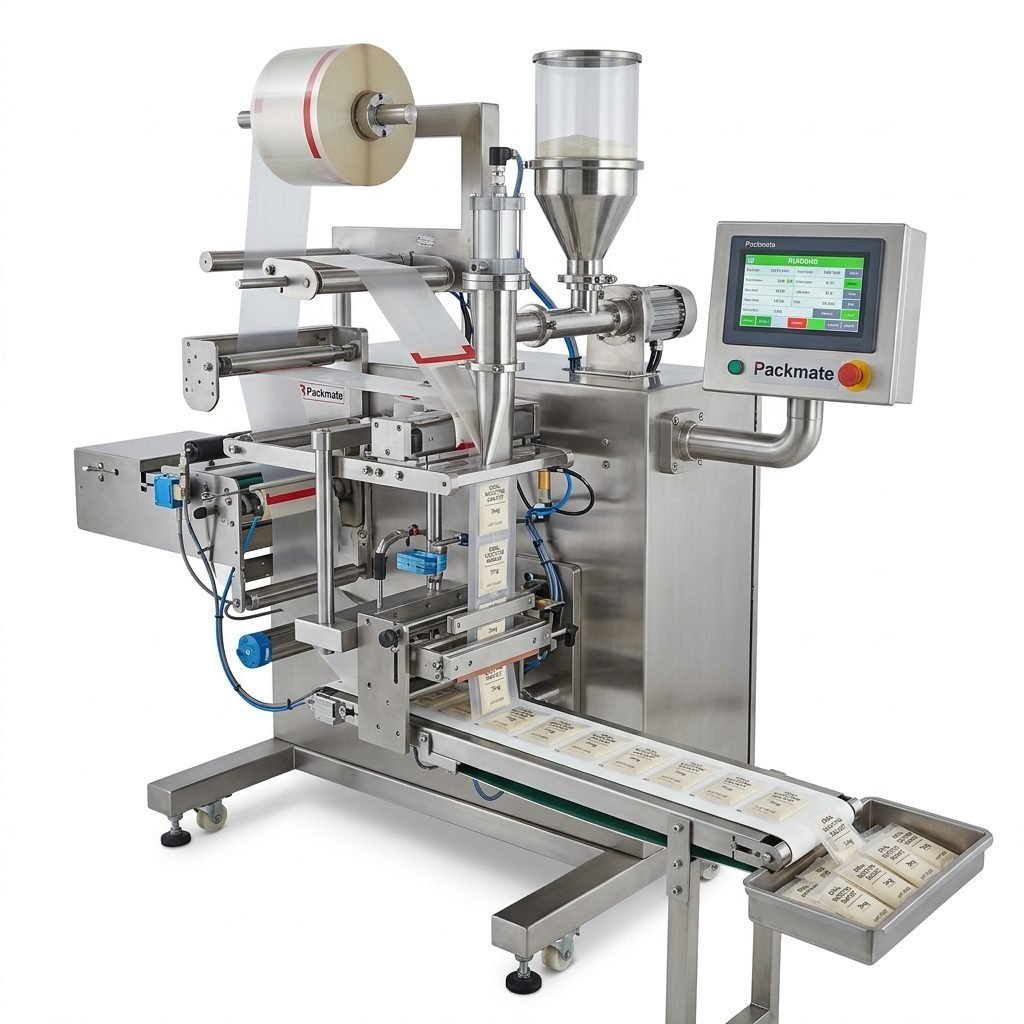
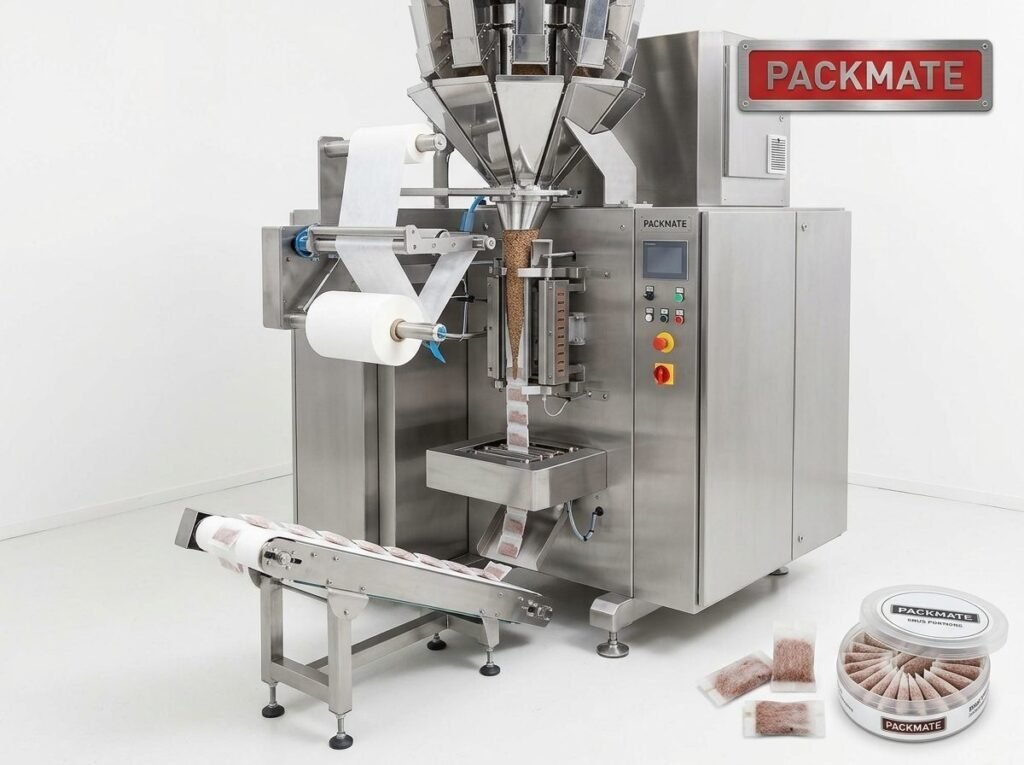
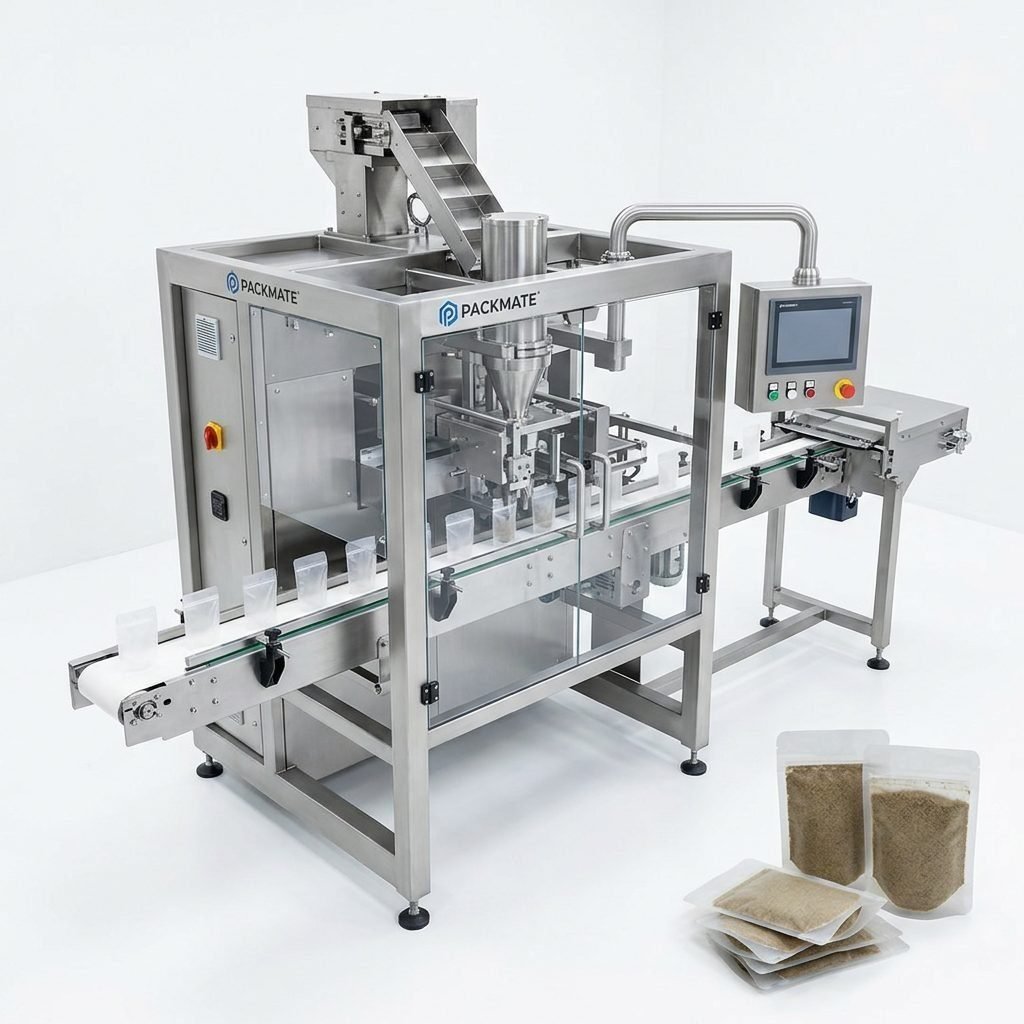
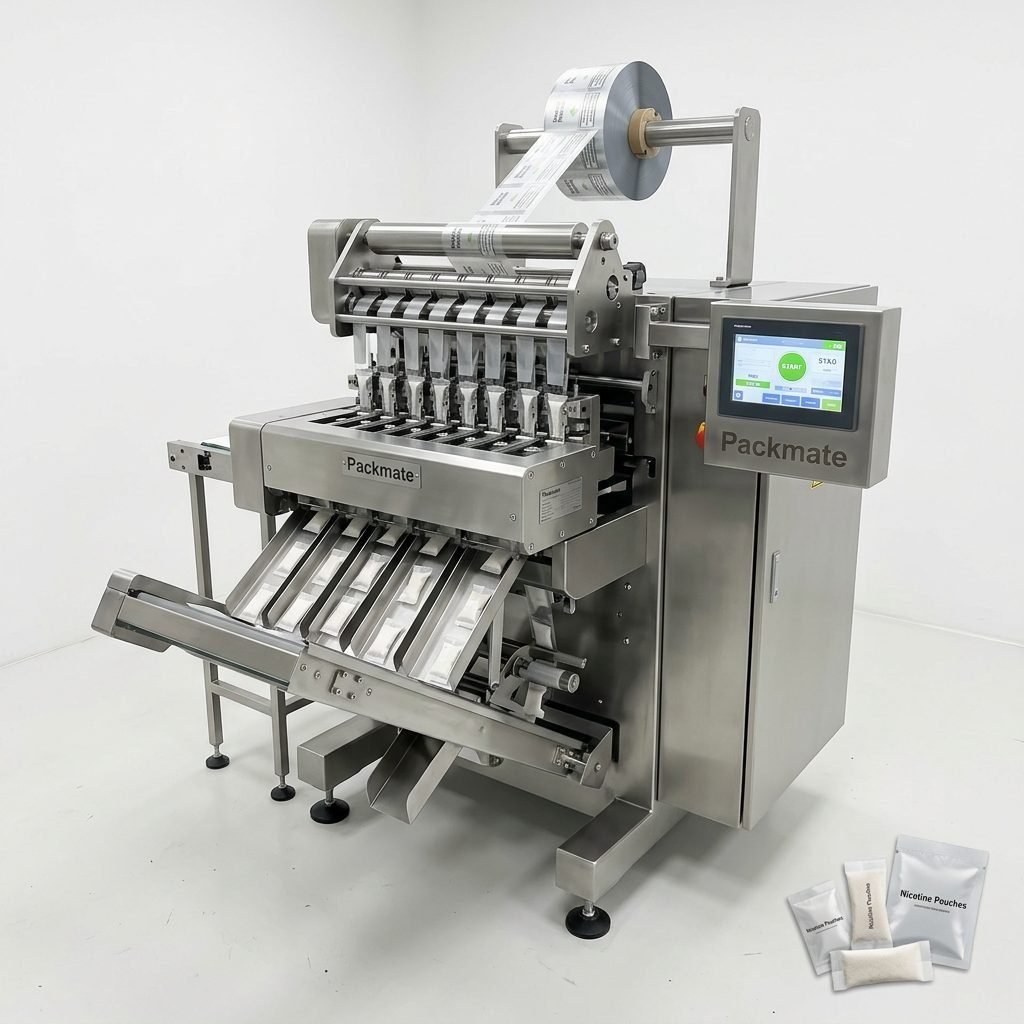
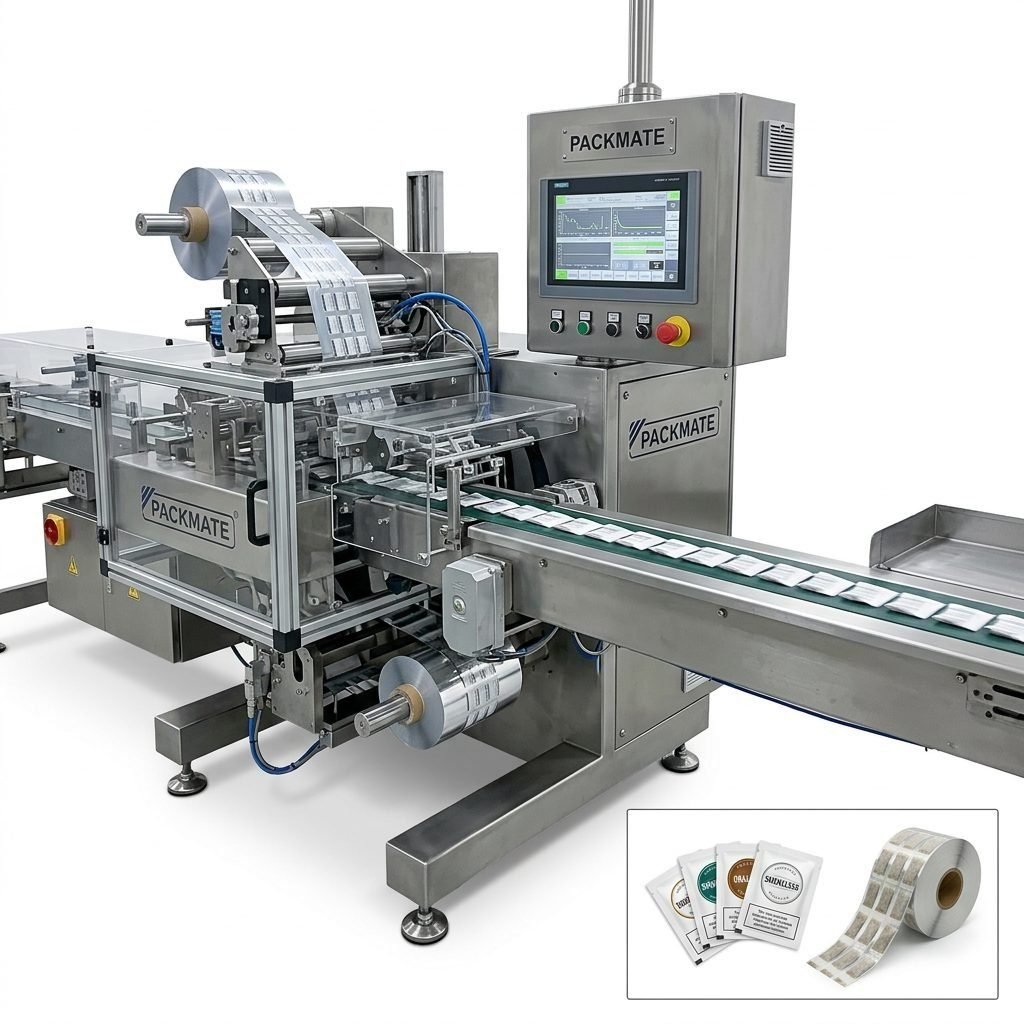
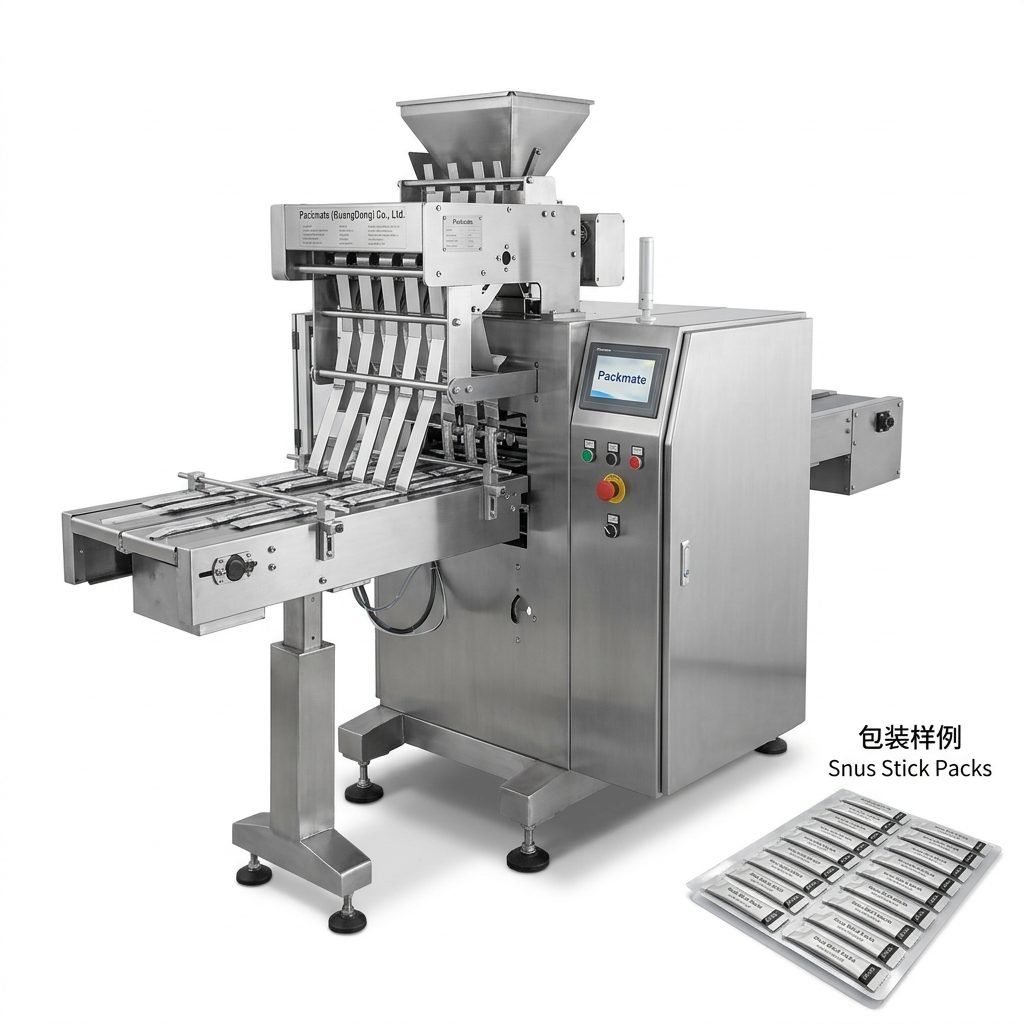
Choosing the right nicotine packaging machine for your business in Costa Rica takes more than price comparison. You need to match product format, production capacity, local regulations, and long-term service support to protect margins and ensure consistent quality. This guide walks you through practical, actionable steps to help you select the best snus or nicotine pouch packing solution for your operation.
Why packaging matters in the Costa Rica nicotine market
Costa Rica’s market presents unique opportunities and constraints: tropical climate, strict import and labeling rules, and a growing consumer base that values product consistency and discreet formats. Investing in the right machine is an investment in compliance, brand reputation, and operational efficiency.
Understand your product specifications
Key variables — pouch size and materials, nicotine dose per pouch, moisture sensitivity, and particulate vs. paste formulations — determine the machine family you should consider. For example, multi-lane stick pack or sachet systems differ significantly from pouch-specific lines in feed mechanisms and sealing technology.
Production capacity & operating speed
Evaluate both peak throughput and realistic operating throughput. A machine rated at high cycles per minute may require optimized upstream feeding and trained operators. Factor in planned growth: selecting a modular machine allows capacity expansion without complete replacement.
Match packaging formats to machine types
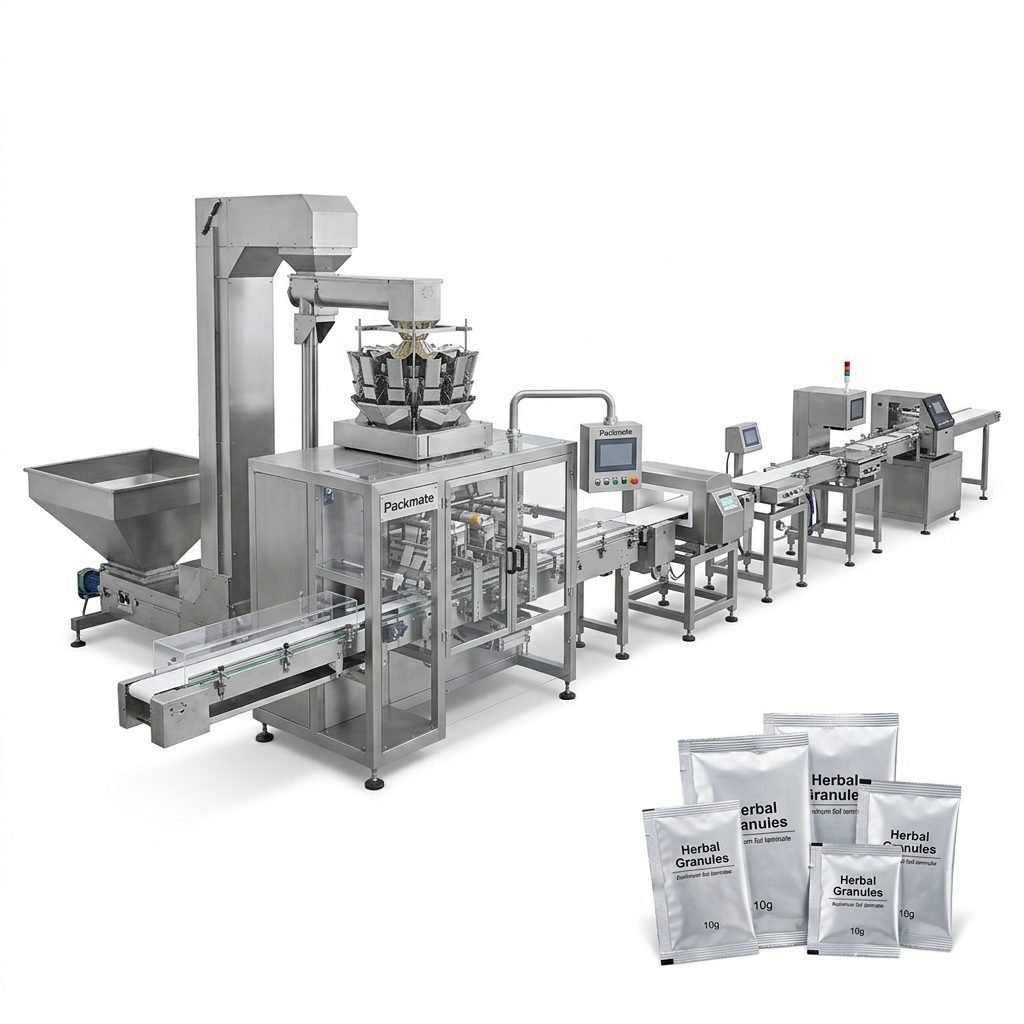
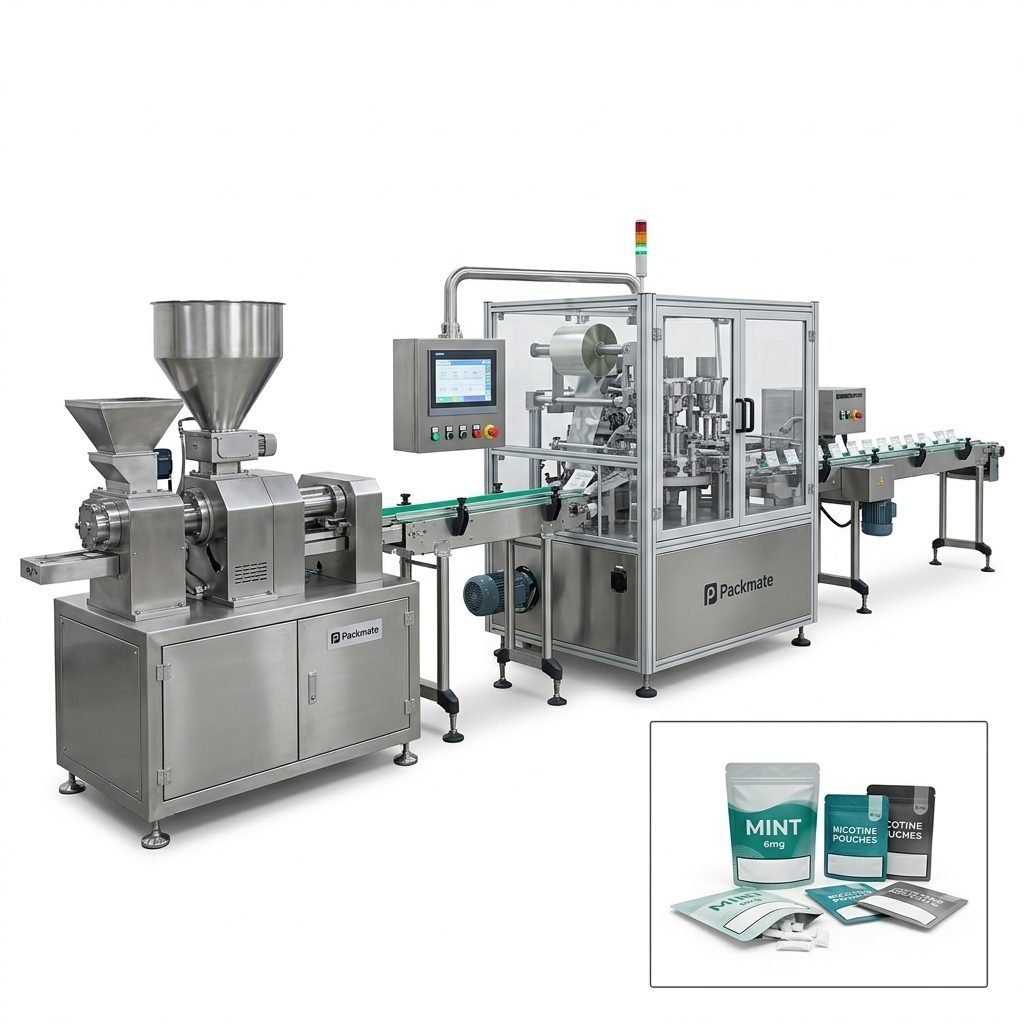
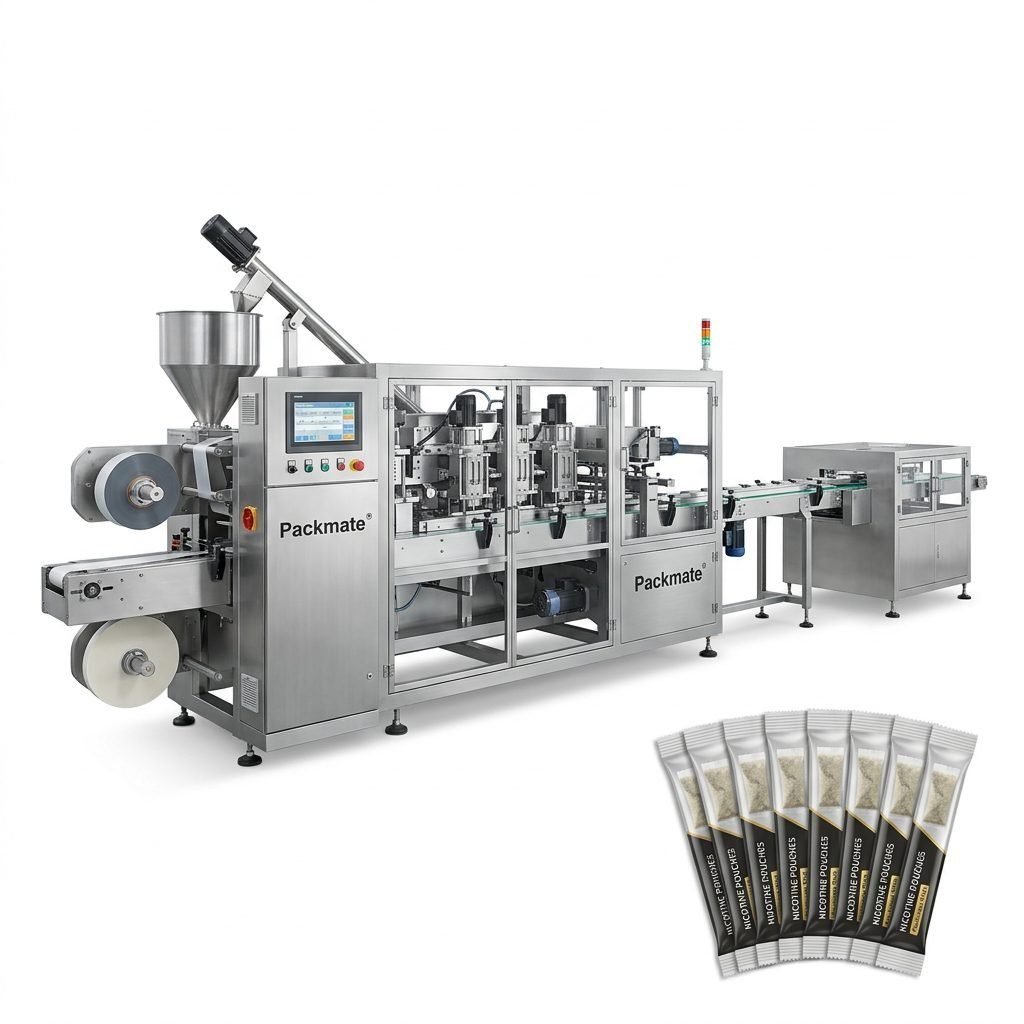
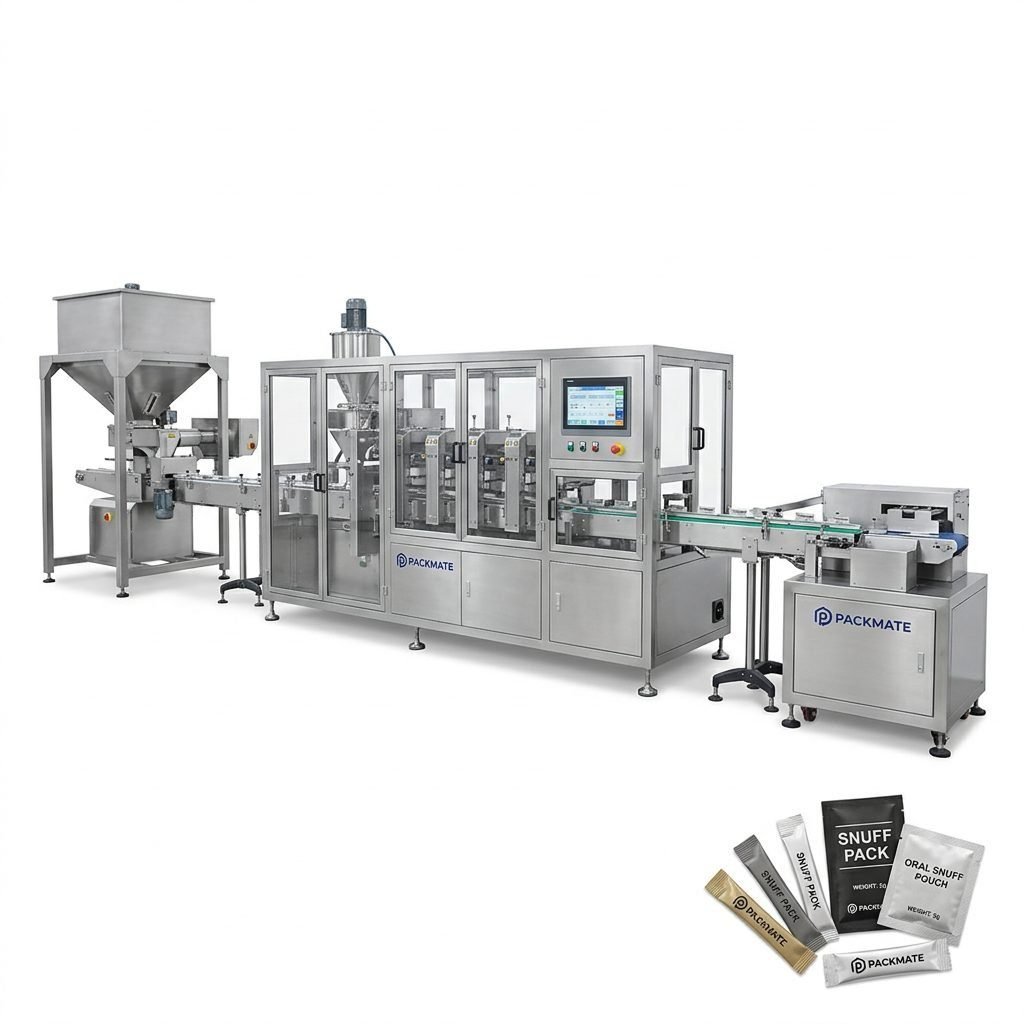
Different machines serve different output formats. If you make nicotine pouches or snus, look at specialized lines. See product categories and machine families here: Snus & Nicotine Packaging Machines and broader options here: Bag & Pouch Packaging Machines.
Automation, integration & line architecture
Consider how the machine integrates with feeders, weighers, date coders, and case packers. A fully integrated solution reduces manual handling and improves hygiene and traceability. Explore combined solutions for filling and end-of-line integration: Filling & Packaging Lines.
Top reasons this matters
⚙️ Reliability — Machine uptime affects your monthly output and delivery reliability.
📦 Format flexibility — Support multiple pouch sizes or SKUs with minimal changeover time.
🔧 Local serviceability — Easy access to spare parts and trained technicians in or near Costa Rica is essential.
Machine features to prioritize
When comparing models, evaluate these features. Items marked in red indicate high-priority considerations that directly impact product quality and long-term cost.
- Servo-driven motion control for precise dosing and repeatable sealing — reduces variation.
- High-precision filling heads or vibrating feeders for small-dose pouches — critical for nicotine accuracy.
- HMI with recipe storage and diagnostics for rapid changeovers and less downtime.
- Sanitary design and easy-to-clean components to control humidity and microbial risk in Costa Rica’s climate.
- Spare parts availability and local training programs to shorten repair times.
Quick technical checklist
✅ Dose accuracy: ± acceptable range per pouch
✅ Sealing quality: leak-free, tamper-evident seals
✅ Changeover time: minutes, not hours
Regulatory & environmental considerations in Costa Rica
Costa Rica enforces strict labeling and import rules for nicotine products. Confirm the machine can print or integrate labelers and coding systems that meet local government requirements. Also address packaging material storage and climate control: high humidity can affect seal integrity and powder flow.
Power, footprint & workshop requirements
Match the electrical specs (voltage, phase) and check for compressed air requirements. Measure available floor space and plan for service access. Modular lines may reduce initial footprint while allowing future growth.
After-sales service, training & documentation
Prioritize suppliers who offer local or regional service partners, remote diagnostics, and complete spare parts lists. Manufacturer training on installation and operator best practices shortens ramp-up time. Learn more about the manufacturer’s background and support capabilities here: About Packmate.
Cost considerations & calculating ROI
Consider total cost of ownership (TCO), not just purchase price. TCO includes installation, installation accessories, training, spare parts inventory, utility consumption, maintenance labor, and downtime costs. Calculate expected throughput and gross margin uplift from improved yield and reduced waste to estimate payback period.
Hidden cost drivers
– Frequent part replacements due to poor sealing or abrasive materials
– Long changeover times that reduce effective uptime
– Import duties and logistics for replacement parts shipped from overseas
How to evaluate suppliers and request quotes
When you request quotes, give suppliers a detailed specification: product photos, sample weights, target cycles per minute, packaging materials, and required integrations. Ask for references, machine videos, and factory acceptance testing (FAT) options. If possible, visit exhibitions or the supplier’s demos — Packmate exhibits globally and hosts live demos: Our Exhibition.
Suggested RFQ checklist (copy/paste)
• Product name, weight per pouch, moisture sensitivity
• Target output (pouches per minute, daily throughput)
• Packaging material type and film specs
• Integration requirements: coding, weighing, cartoning
Case snapshot: why an experienced manufacturer matters
Suppliers with decades of engineering experience deliver machines with higher finish, better tolerance control, and mature spare-part ecosystems. Packmate Snus Machine, with over 30 years of expertise and a 20,000㎡ production facility, provides specialized solutions in snus and nicotine pouch packaging and supports global turnkey lines. Learn about specific product lines and machine models here: Snus & Nicotine Packaging Machines and view complementary systems at Weighing & Packaging Systems.
Practical steps to buy and install in Costa Rica
1) Compile a detailed RFQ and ask for FAT video proof of performance.
2) Confirm electrical, air, and footprint requirements with your facilities team.
3) Plan for a local partner for spare parts and service or set up a parts consignment.
4) Negotiate training and acceptance criteria: test runs, yield targets, and downtime clauses.
Buyer’s quick checklist
- Is the machine proven for nicotine pouch formats?
- Are spare parts stocked regionally or quickly shipped?
- Does the supplier offer installation and operator training?
- Are warranty and SLAs clearly documented?
If you need supplier contact and next steps, you can request service or discuss customization directly: Contact Us.
Final recommendations
– Prioritize dose accuracy, sealing integrity, and local serviceability.
– Choose modular, field-serviceable machines that allow capacity scaling.
– Validate supplier track record and request FAT demonstrations or customer references.
– Factor TCO and hidden costs into your ROI calculation rather than only upfront price.
Further reading & resources
Explore machine families, case studies, and technical documentation to refine your decision: Case · Catalog · Service.
Frequently Asked Questions
Q1: What format is best for nicotine pouches — stick pack, sachet, or multi-lane pouches?
A: It depends on your product design and target market. Multi-lane pouch machines are ideal for high-volume, small-dose products; stick packs suit single-dose flowable materials. Discuss sample product specs with the supplier to identify the right family.
Q2: How do I verify a machine’s real output before purchase?
A: Request a Factory Acceptance Test (FAT) video showing your product running at target speed, ask for a witnessed FAT if feasible, and request customer references who use similar SKUs.
Q3: What about spare parts and service in Costa Rica?
A: Confirm lead times for critical spare parts and whether the manufacturer has a regional service partner. Establish a spare-parts plan for common wear items to minimize downtime.
Q4: How to handle climate-related issues like humidity?
A: Use dehumidified storage for film and finished goods, select machines with appropriate sealing temperature ranges, and maintain controlled environments for powder handling to prevent clumping.
Q5: Where can I see proven nicotine pouch packaging solutions?
A: Visit manufacturer pages and case studies to view machine lines and applications. Packmate provides product lines, case references, and support resources to help Costa Rica buyers evaluate options: Snus & Nicotine Packaging Machines.