Entering the Bhutanese market with snus or nicotine pouch products requires more than just a good recipe and a distinctive brand: it requires the right packaging partner. Choosing the best snus packaging machine supplier for your business in Bhutan means balancing technical capability, regulatory compliance, after-sale support, and cultural sensitivity. This guide walks you through practical steps and industry-proven criteria to select a supplier who can deliver reliable machines, tailored solutions, and long-term partnership.
Understand Bhutan’s Regulatory and Cultural Context
Before evaluating suppliers, start with a clear understanding of the local environment. Bhutan is known for its conservative approach to public health and strong tobacco-control emphasis. While specific import or sales rules can change, the practical takeaway is to prioritize regulatory compliance and transparent documentation. Work with local legal counsel or a trusted distributor in Bhutan to verify whether nicotine pouch products are permitted for sale, whether there are labeling or ingredient restrictions, and how customs clearance is handled.
Key cultural points: Bhutan’s population is small and community-driven, and many consumers value natural or low-impact products. Emphasize discreet, compact packaging and consider environmentally friendlier materials where possible. These values can influence packaging formats, labeling, and marketing tone.
Why the Right Machine Matters
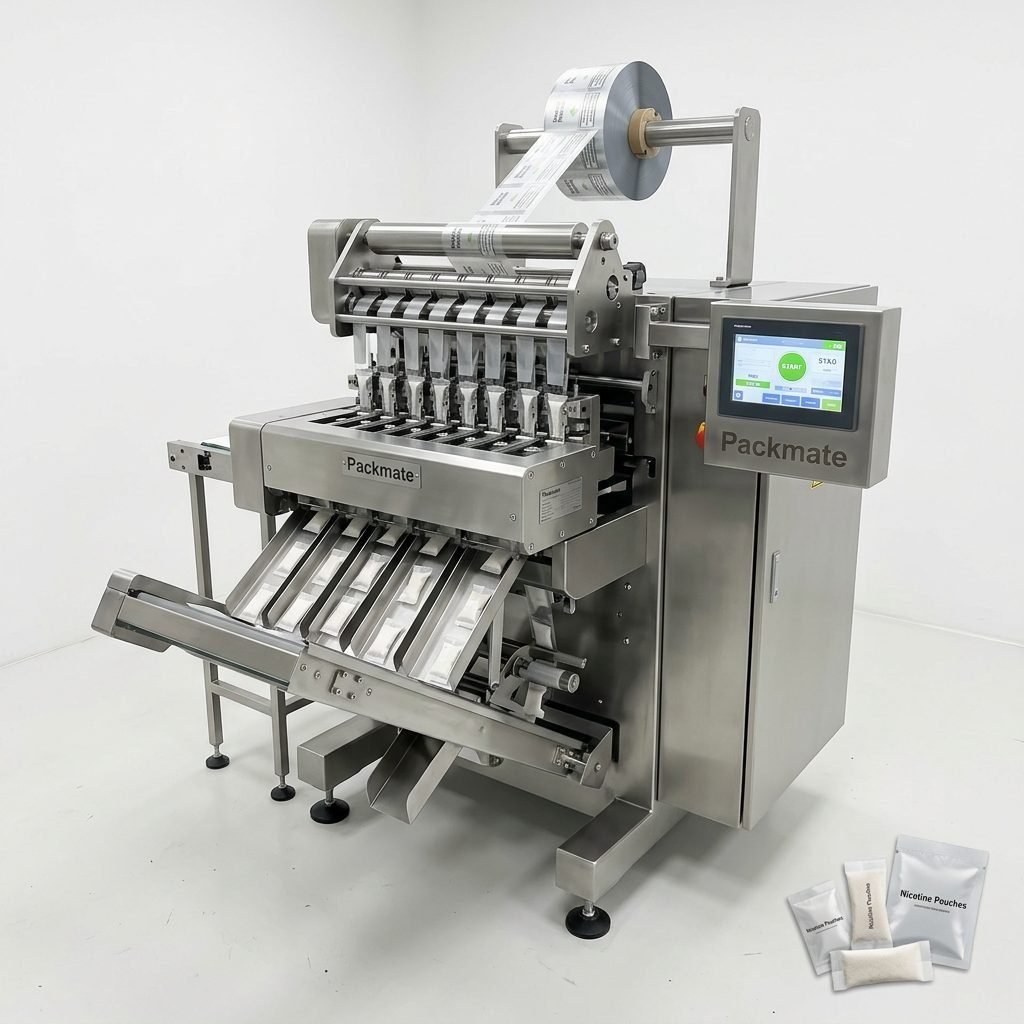
Choosing the right packaging machine affects product quality, cost-per-unit, and speed-to-market. A suboptimal machine can create inconsistent pouch weight, defective seals, or downtime that kills margins—especially in a market with limited distribution channels like Bhutan. Look for suppliers who understand small-dose, multi-lane snus production and offer flexible models for trials and scale-up.
Top Criteria to Evaluate Potential Suppliers
Use the following checklist to shortlist and evaluate suppliers. Each item is critical to long-term operational stability.
1. Industry Experience & Track Record
Prefer suppliers with proven experience in snus and nicotine pouch packaging. Companies with decades of engineering background and multiple machine models demonstrate maturity. For example, manufacturers with 20+ years and a range of machines—multi-lane snus systems, stick packs, sachets, and full filling lines—are better positioned to solve production issues quickly.
2. Machine Models & Customization Options
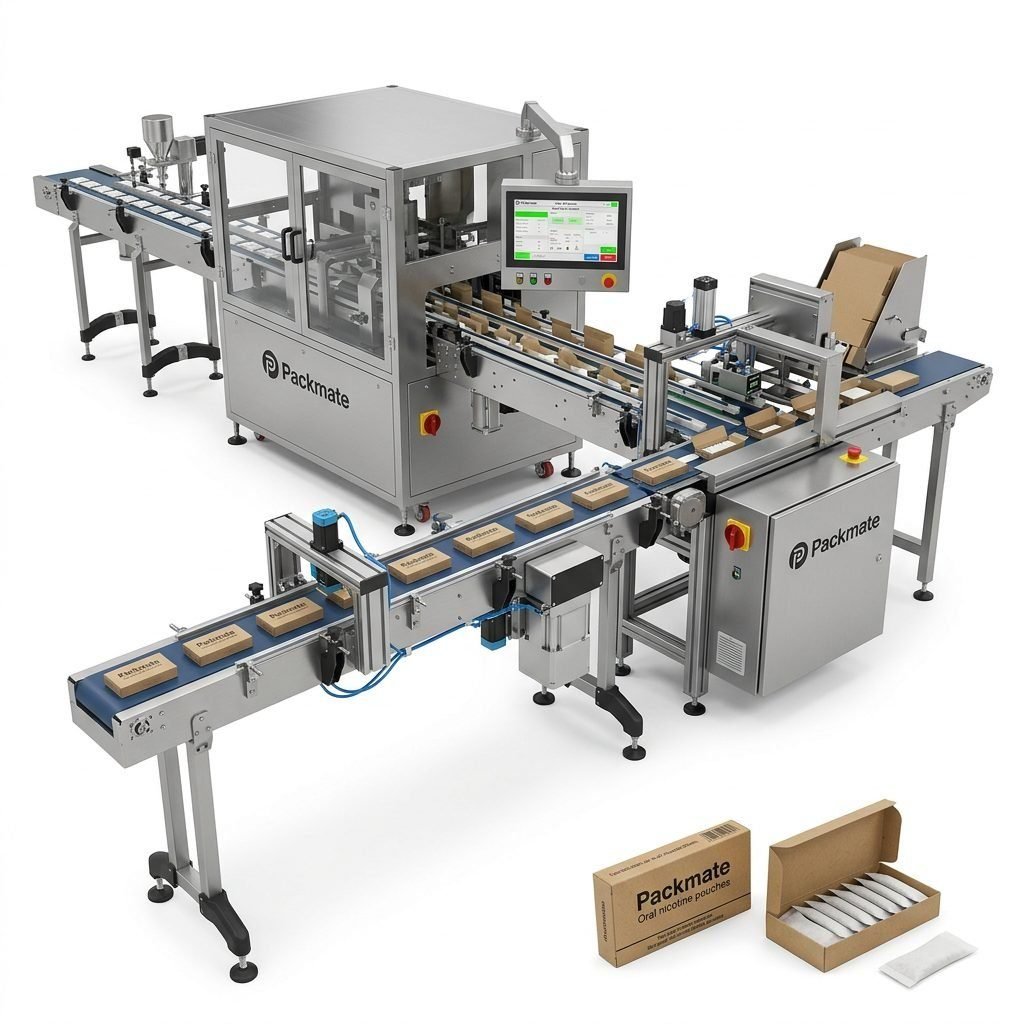
Your ideal supplier should offer several machine types: single-lane trial machines, multi-lane high-output lines, sachet/stick pack models, and integrated weighing/filling systems. The ability to customize pouch dimensions, material handling, and labeling options is essential when developing products for niche markets such as Bhutan.
✔️ Tip: Ask suppliers whether they can deliver small-batch pilot runs and then scale to multi-lane production. This flexibility reduces risk during product-market fit testing.
3. Certifications & Quality Assurance
Look for CE, ISO, and other relevant certifications. Reliable suppliers perform strict quality control and can provide test documentation for machinery. Certification implies that electrical, mechanical, and safety systems are built to international standards—vital when importing equipment into sensitive jurisdictions.
4. Factory Capacity & Technical Strength
A manufacturer with an advanced workshop—CNC machining centers, precision assembly lines, and rigorous testing—ensures machine parts are accurate and durable. Manufacturing scale (e.g., a 20,000㎡ facility) and a broad product catalog (50+ models) can indicate readiness for custom projects and consistent spare parts supply.
After-Sales Support, Training & Spare Parts
Remote locations like Bhutan make after-sales service a central concern. Evaluate:
Responsive Support Channels
Does the supplier offer fast remote troubleshooting, video support, or local partners? Suppliers that provide online troubleshooting, on-site commissioning, and operation training shorten downtime.
Spare Parts Availability
Ask about spare parts lists, lead times, and whether parts are stocked in regional warehouses. Guaranteed fast delivery of critical components preserves production continuity.
Training & Documentation
On-site training for operators and detailed maintenance manuals in English are essential. Ensure that the supplier offers training sessions for different teams: operators, technicians, and quality control staff.
🔒 Warranty & Service Promise: Confirm warranty duration, what it covers, and any service-level agreements (SLA) for urgent repairs.
Practical Questions to Ask Every Potential Supplier
When you contact suppliers, bring this checklist to the conversation to compare answers objectively:
Production & Performance
• What is the machine’s throughput in pouches per minute per lane?
• Can the machine handle the specific pouch format and materials you plan to use?
• What is the typical yield (percentage of good pouches at full speed)?
Customization & Trials
• Are pilot runs available at the factory?
• Can the supplier modify sealing temperature, filling systems, or pouch guides for special materials?
• What are the costs and lead times for customized molds or changes?
Logistics & Documentation
• Does the supplier provide export documentation, packing lists, and machine manuals for customs clearance?
• Can they organize door-to-door shipping to Bhutan or to a neighboring port and assist with customs brokerage?
Logistics & Local Deployment Tips for Bhutan
Transport to Bhutan may require moving equipment through India or Nepal; plan shipments carefully and allow buffer time for customs. Considering Bhutan’s inland geography, coordinate with experienced freight forwarders who regularly service the region. A local distributor or partner can help clear imports and navigate any local licensing or documentation requirements.
✅ Logistics Checklist: packaging machine serials, CE/ISO certificates, machine manuals, spare parts list, electrical requirements, and an agreed installation schedule.
Cost Considerations: Value over Lowest Price
Low upfront cost can be tempting, but unexpected downtime or quality problems can erode margins. Evaluate total cost of ownership: initial price, shipping, installation, spare parts, consumables, and expected uptime. Suppliers who provide strong after-sales support and local training often save you money over the life of the machine.
Negotiation Tips
• Request a detailed quotation with optional items separated.
• Ask for references and case studies from similar markets.
• Negotiate warranty terms, spare parts kits included with shipment, and a trial period if possible.
Supplier Red Flags to Avoid
Be cautious of suppliers who cannot provide machine references, refuse factory visits, or lack clear documentation. Long lead times without explanation and unclear spare parts channels are also warning signs. Reliable suppliers will welcome site visits and provide clear answers about production flow, testing, and quality control.
Who to Consider: Example Capabilities to Look For
A strong candidate will typically offer:
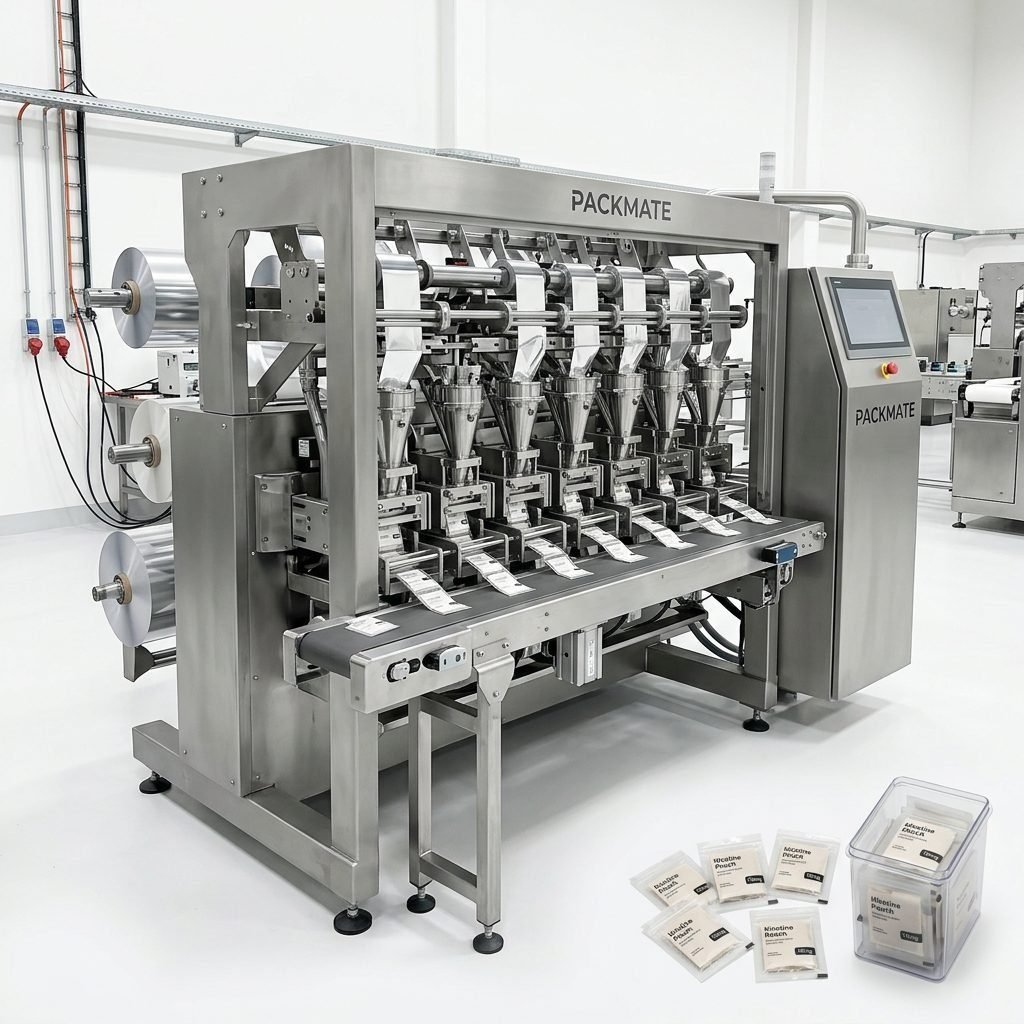
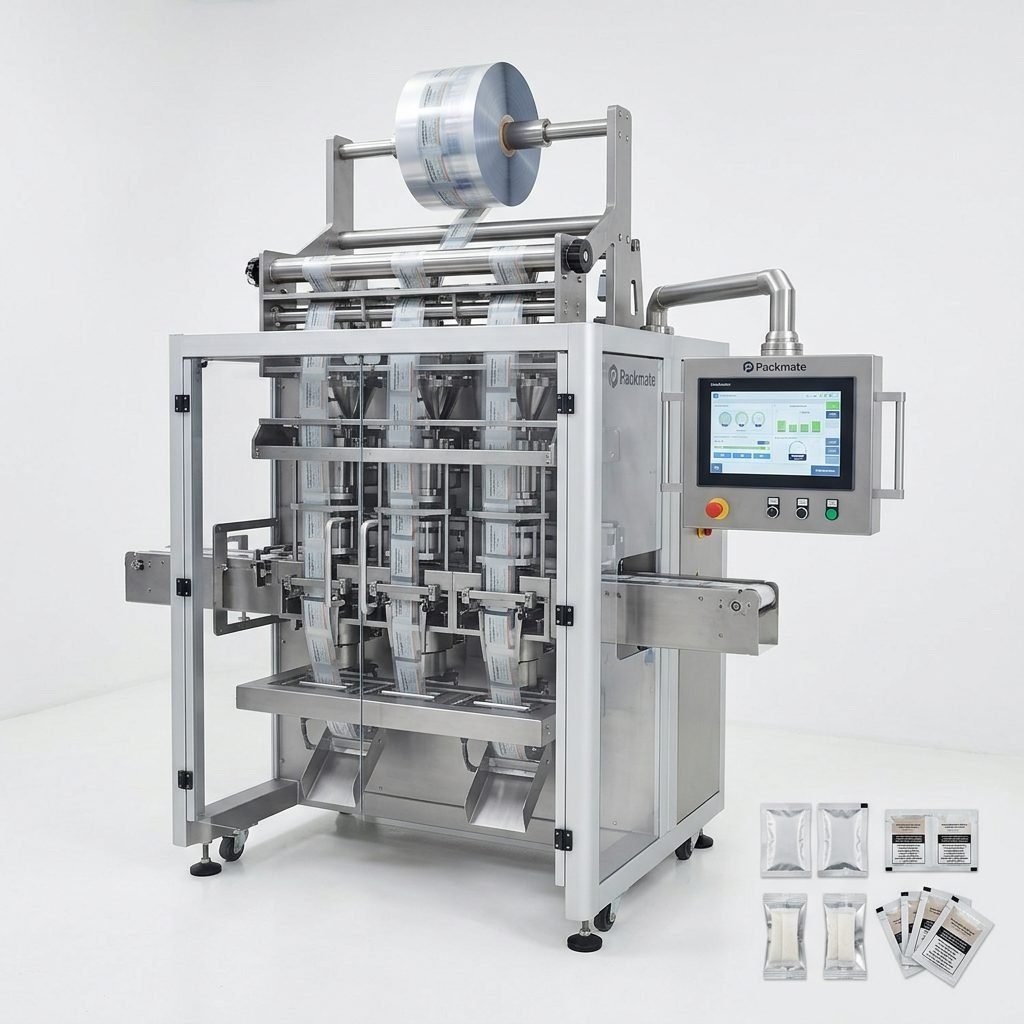
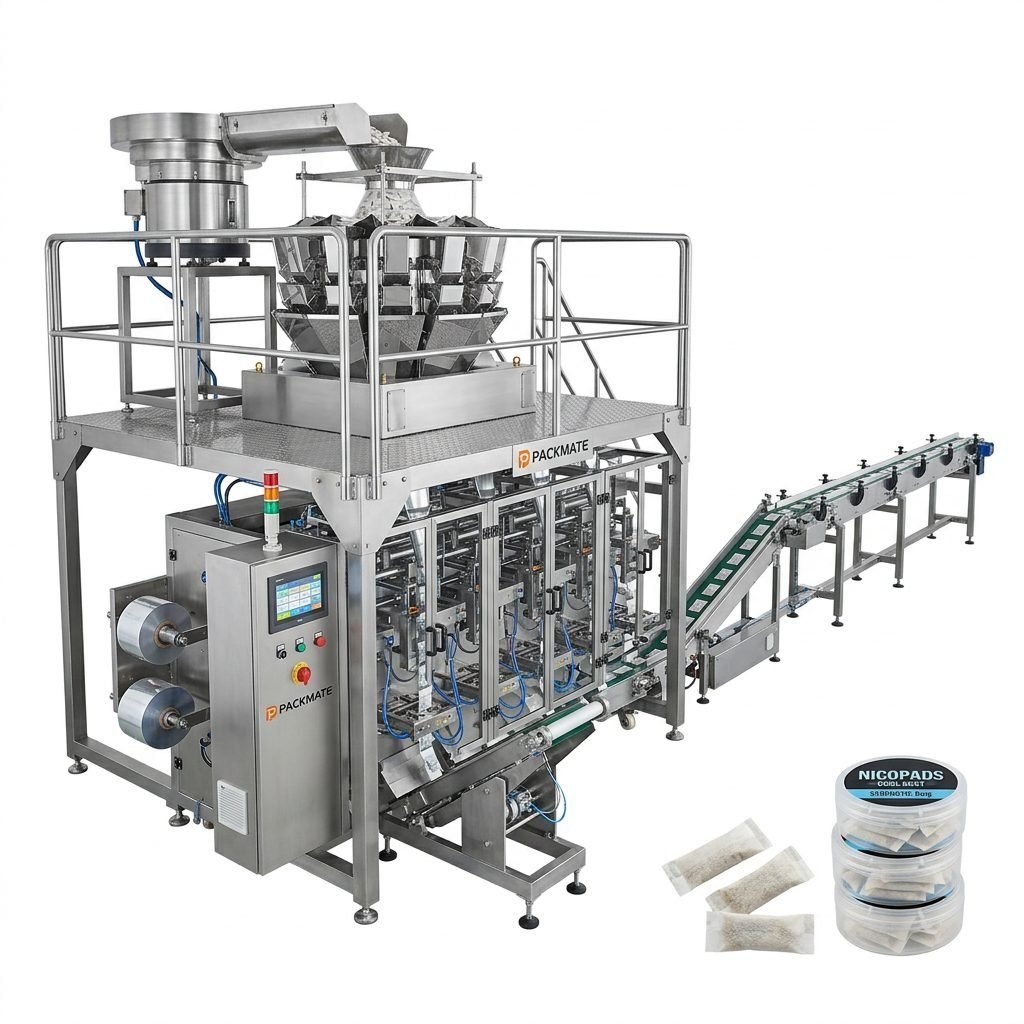
• Multi-lane snus pouch machines with precise dose control.
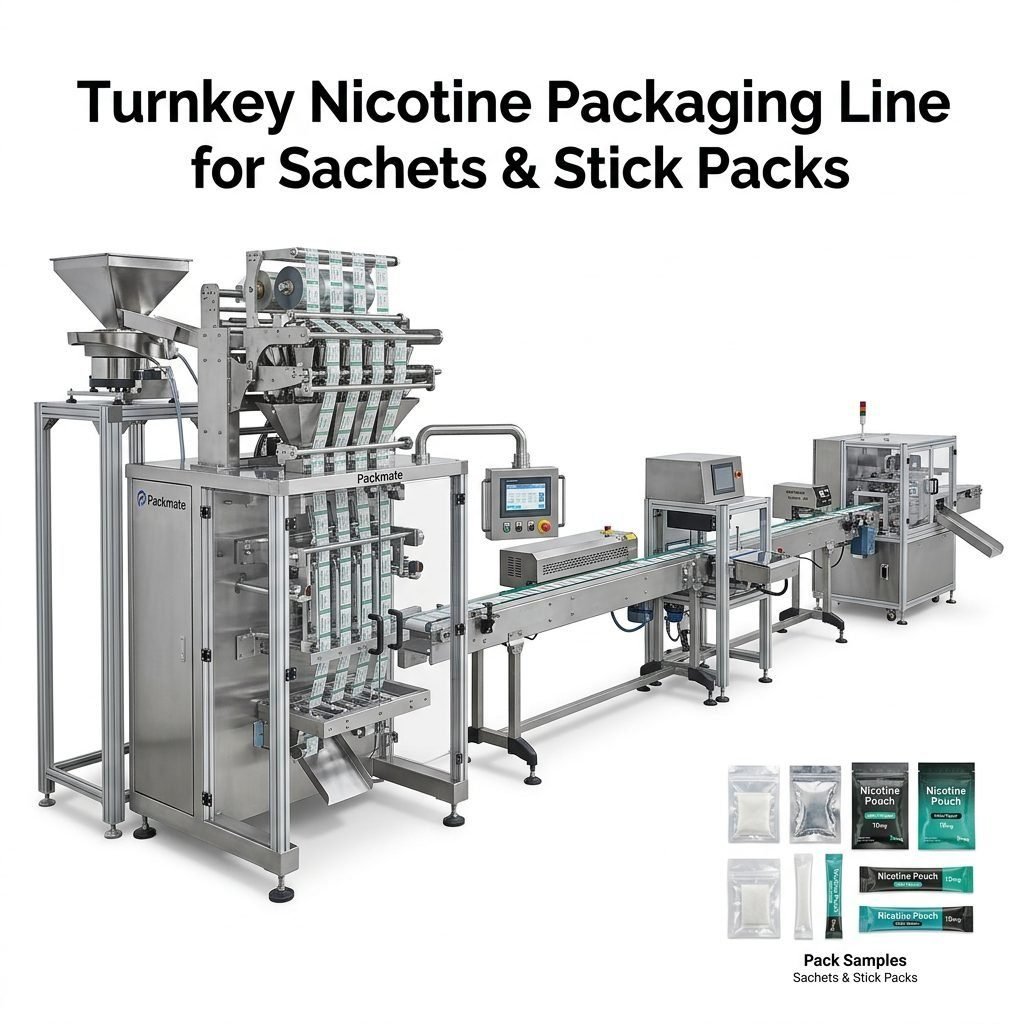
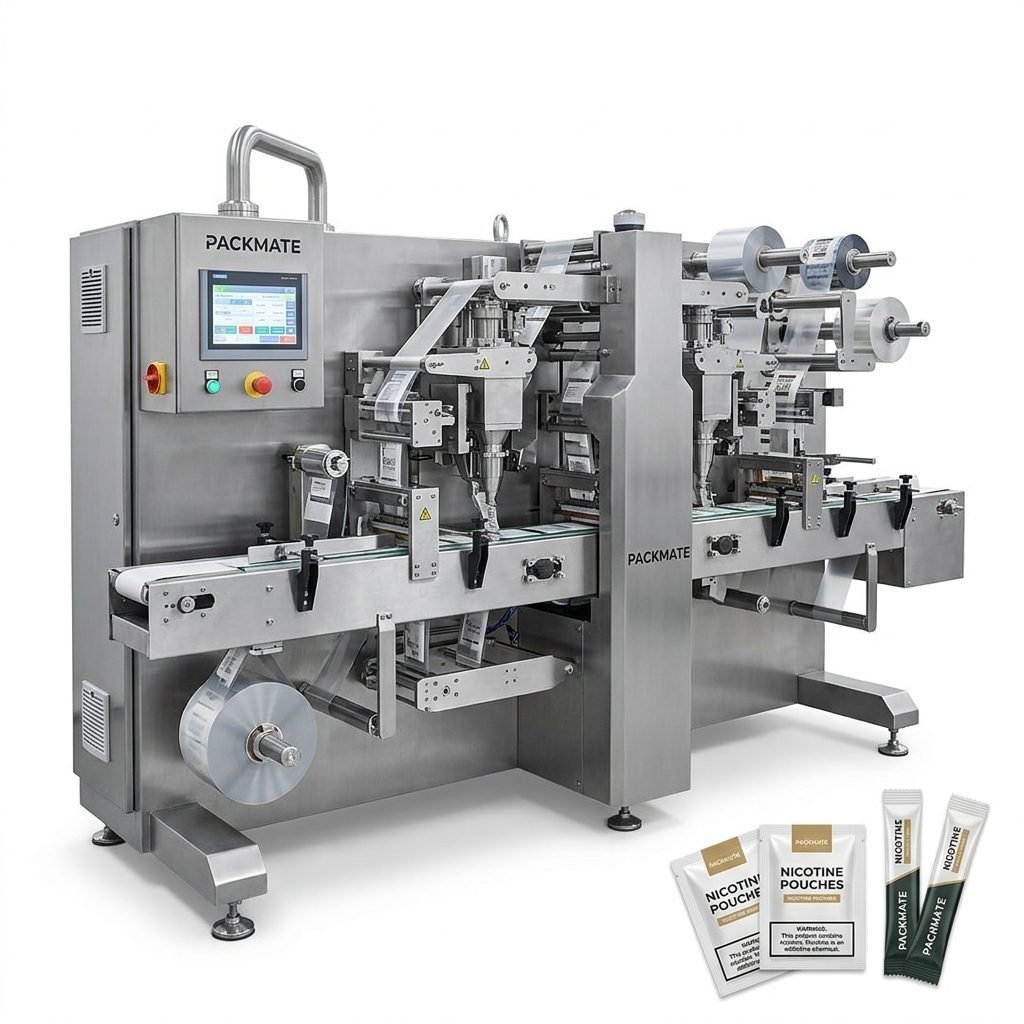
• Stick pack and sachet machines for alternative formats.
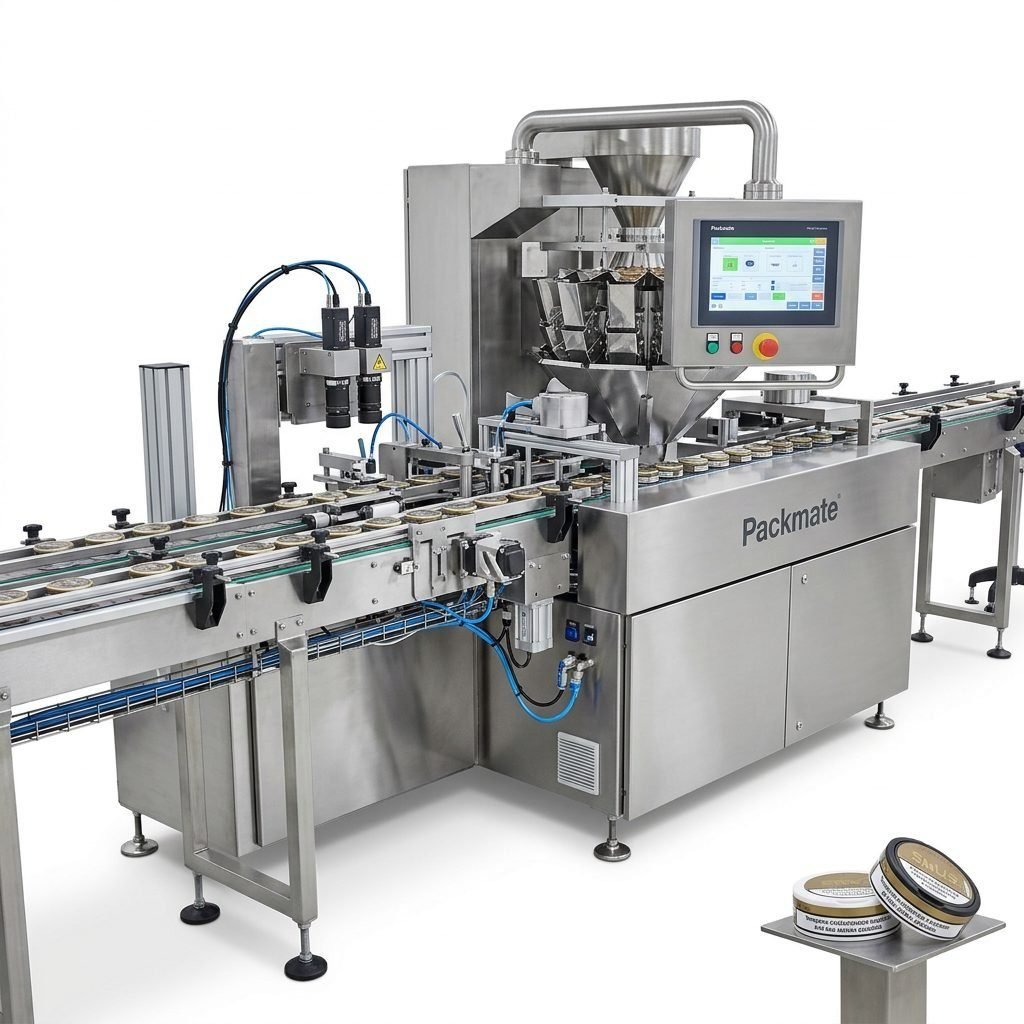
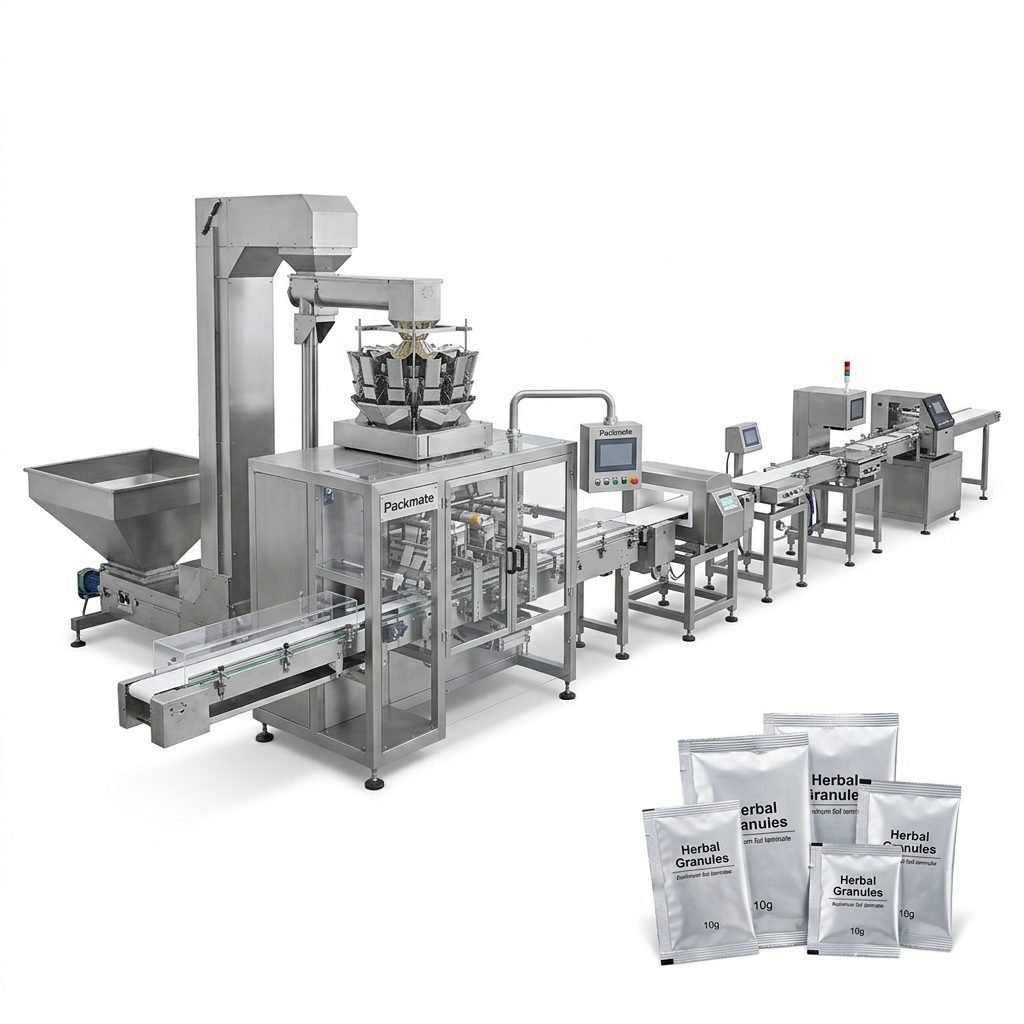
• Integrated weighing and filling systems for consistent pouch weight.
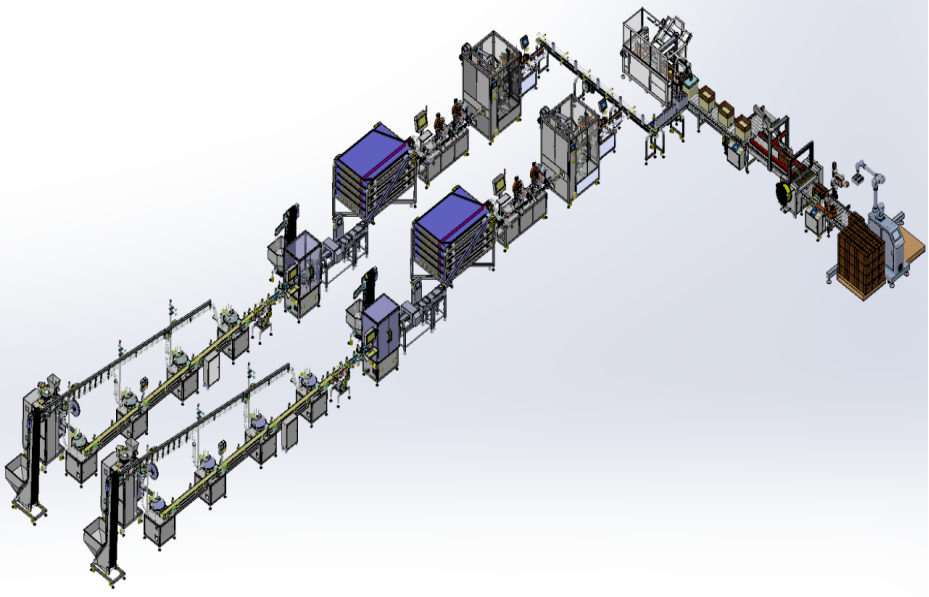
• Auxiliary equipment such as desiccant inserters, labeling, and secondary packaging.
For more details on machine categories and capabilities, review manufacturer catalogs and product pages such as Snus & Nicotine Packaging Machines, Sachet & Stick Pack Machines, and integrated line solutions on the Filling & Packaging Lines page.
Validating the Supplier: Factory Visits & References
Whenever possible, visit the supplier’s factory or attend an industry exhibition where they demonstrate machines. A visit allows you to inspect machining centers, assembly lines, and test runs. If travel is not feasible, ask for live video demos and references from existing customers in similar markets—exports to other Asian or remote markets demonstrate capability.
🔎 Verify these during your evaluation: production floor photos, QC documentation, CE/ISO certificates, machine test videos, and a list of installed machines (case studies).
Final Steps: Contracting & Installation
Draft clear contracts that specify acceptance criteria, installation responsibilities, training schedules, spare parts lists, and warranty coverage. Confirm electrical specifications and any required adapters for local power. Schedule commissioning and training close to the machine arrival date to minimize idle time.
Local Partner Strategy
Because Bhutan’s distribution channels are unique, consider partnering with a local importer or distributor who understands market nuances. A local partner can assist with compliance, retail relationships, and after-sales logistics.
Useful Resources & Next Actions
If you want to explore suppliers with strong technical backgrounds and turnkey solutions, review manufacturer profiles and product pages for machine specs and case examples. See an overview of manufacturer credentials at About Packmate and learn about their exhibition presence at Our Exhibition. For specific machine catalogs and services, check the Catalog and Service pages.
Conclusion: Make a Balanced, Informed Choice
Selecting the best snus packaging machine supplier for Bhutan involves evaluating technical capability, compliance readiness, after-sales support, and cultural fit. Prioritize suppliers that combine strong engineering, certified manufacturing practices, transparent logistics support, and a willingness to customize for your unique market needs. The right partner helps you launch with confidence, scale efficiently, and maintain consistent product quality for Bhutanese consumers.
Frequently Asked Questions (FAQs)
Q1: How do I confirm a supplier’s machine performance before purchase?
A1: Request live machine demonstrations, pilot runs, and references. Ask for production videos at the requested specifications and request a factory acceptance test (FAT) before shipping.
Q2: What documentation is essential for importing packaging machines into Bhutan?
A2: Essential documents often include commercial invoice, packing list, machine serial numbers, CE/ISO certificates, user manuals, and any export permits. Confirm with your freight forwarder and local customs agent for precise requirements.
Q3: How important are spare parts and regional stock for Bhutan deployments?
A3: Extremely important. Fast access to critical spare parts reduces downtime. Favor suppliers who maintain regional parts stock or who include a comprehensive spare parts kit with initial shipment.
Q4: Can I start with a small machine and scale later?
A4: Yes. Many suppliers offer small-batch single-lane machines for testing and pilot production, then multi-lane options for scale. Confirm compatibility and upgrade paths before purchase.
Q5: Where can I get more information about reliable snus packaging solutions and case studies?
A5: Manufacturer websites often publish detailed product pages and case studies. For example, explore product lines and cases at Case and machine categories for technical details.