Choosing the right snus packaging machinery supplier in San Marino is a crucial step for any business planning to enter or expand in the nicotine pouch and snus market. This guide walks you through practical, industry-proven steps to evaluate suppliers, understand machine types, comply with local expectations, and secure long-term value. The focus is on real-world decision factors — technology, compliance, after-sales support, and local market nuances — so you can make a confident purchase that matches your production goals.
Understanding the San Marino Context
San Marino is a small independent republic surrounded by Italy with a population that values quality, tradition, and compliance. As a buyer, consider that:
🔶 Language & Labeling: Italian is the working language — labels and instructions should be Italian-friendly and compliant with local rules.
🔶 Small Market, High Standards: The San Marino market can be niche and tourism-influenced. Invest in packaging quality and branding to stand out in duty-free shops and local retailers.
🔶 Regulatory Awareness: San Marino is not in the EU, but cross-border trade with Italy and differing duties can affect labeling and distribution. Confirm local compliance early.
Step 1 — Define Your Production Needs
Before contacting suppliers, write a clear specification: annual volumes, target pouch sizes, lanes required, target OEE (overall equipment effectiveness), product types (dry powder, granule, liquid, nicotine pouch), and required packaging formats (stick pack, sachet, pillow pouch, tin or can). This will filter suppliers quickly and save time during evaluation.
Key production variables to list
- Target output per minute/hour/day
- Pouch formats and materials (foil laminate, PE, biodegradable films)
- Fill accuracy/weight tolerances (mg level for small-dose nicotine pouches)
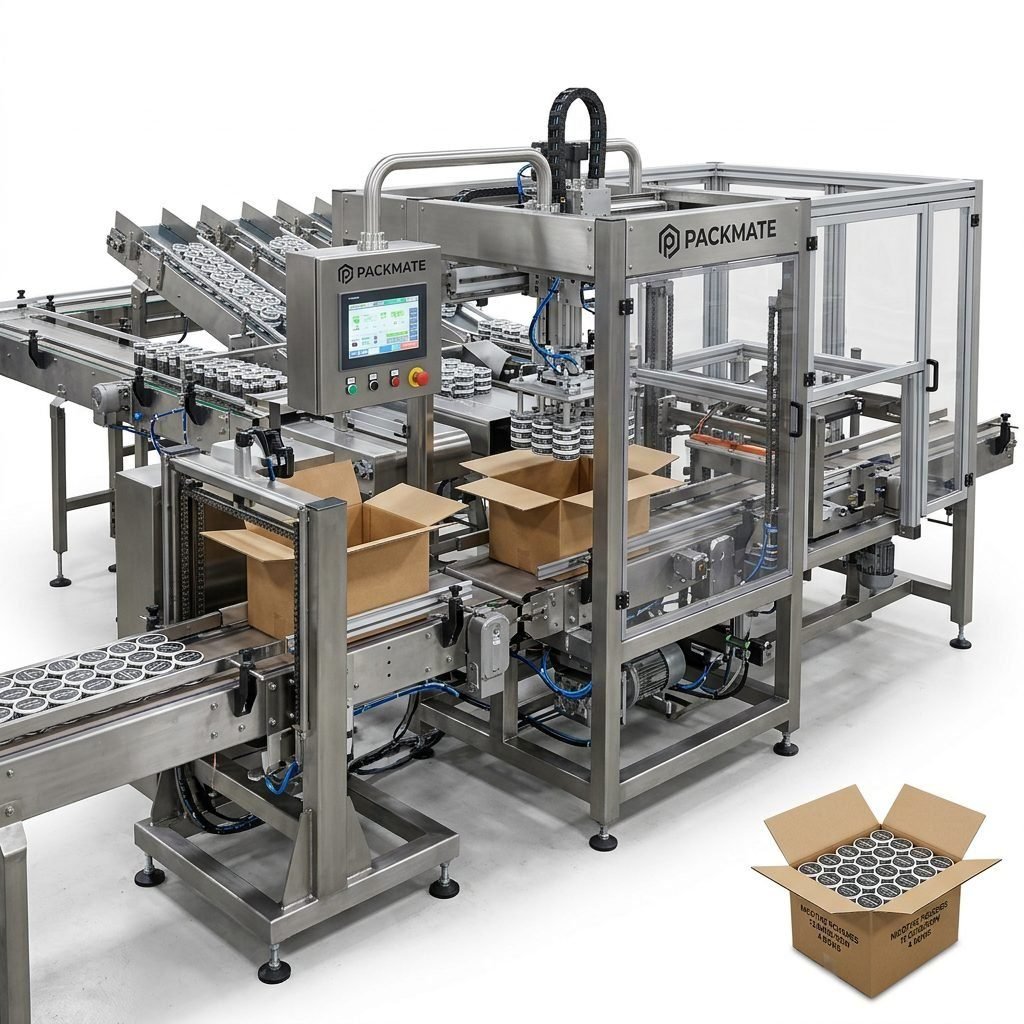
- Integration needs (weighing, metal detection, cartoning, case packing)
- Hygiene and cleaning cycles (CIP capability if needed)
Step 2 — Know the Machine Types and When to Choose Them
Understanding machine families helps match technology to product and future growth.
Snus & Nicotine Pouch Machines
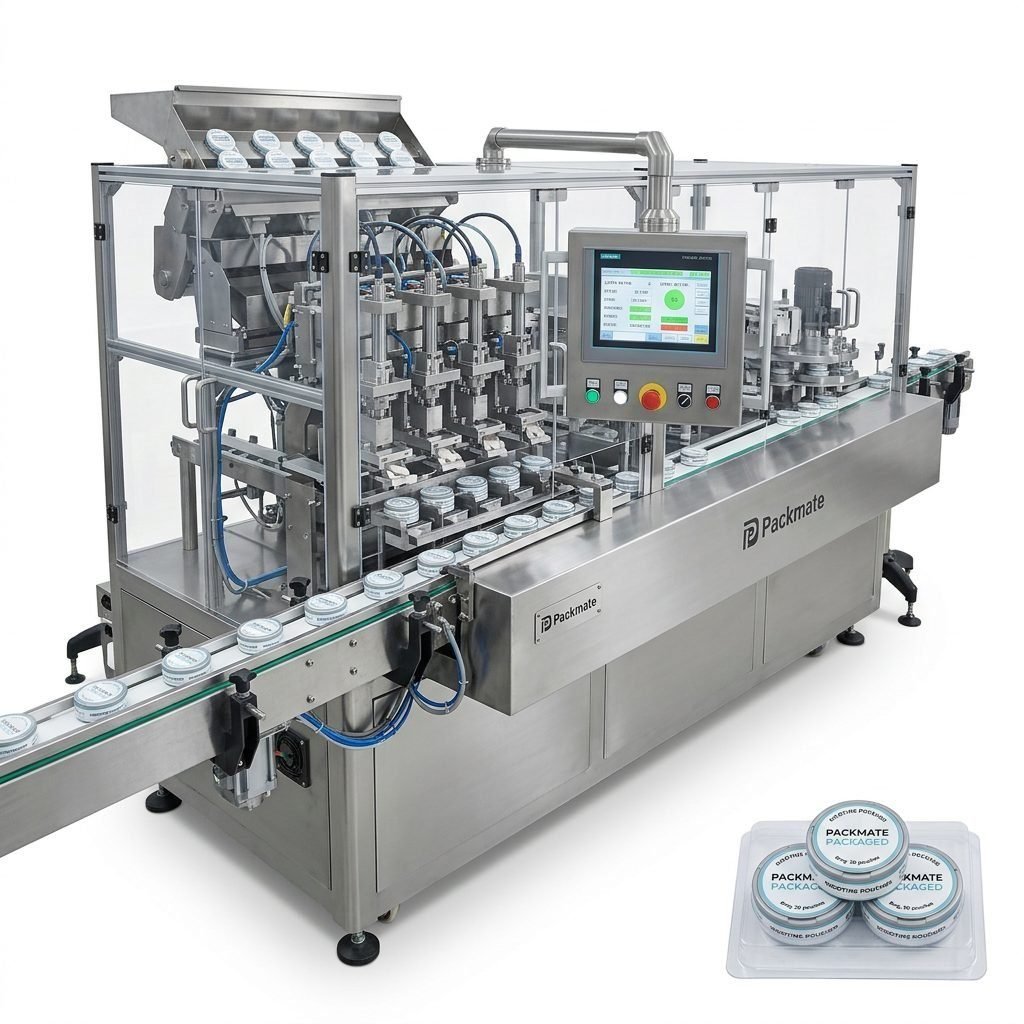
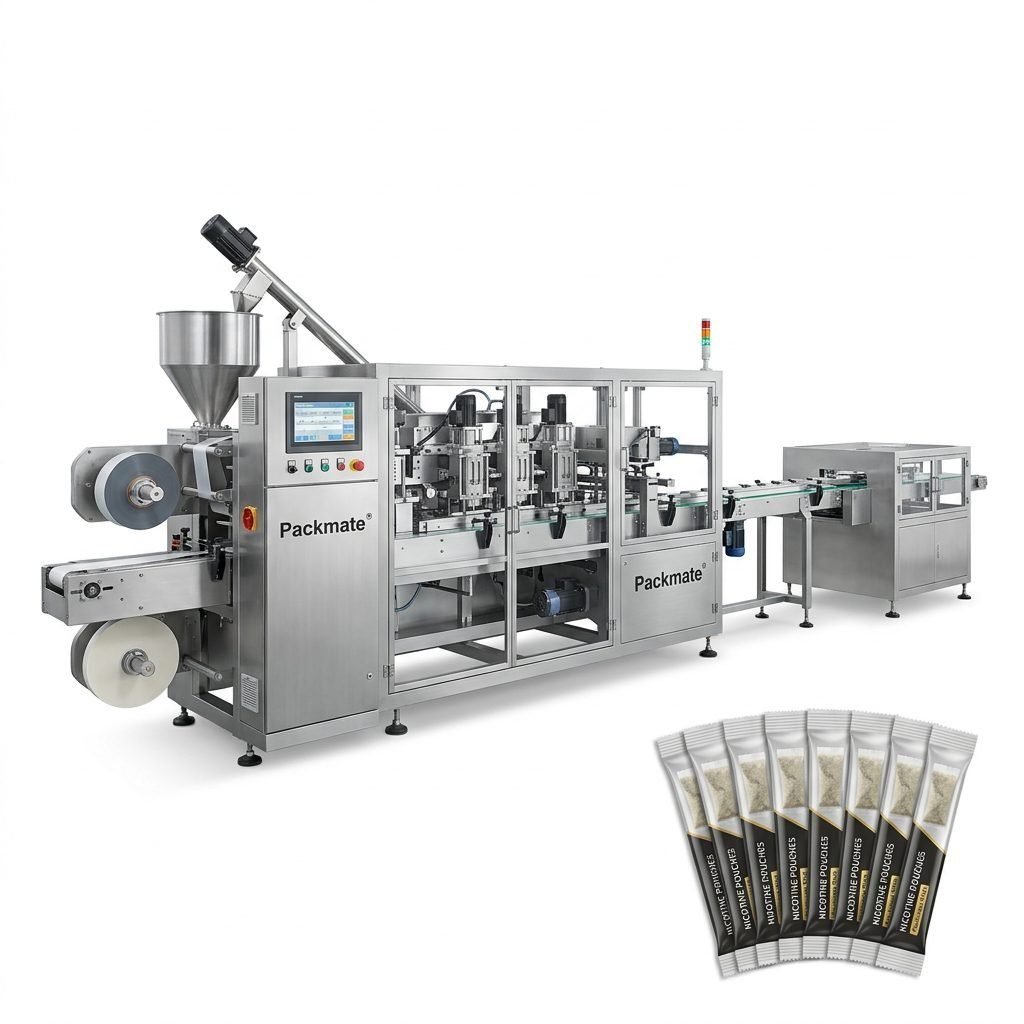
Ideal for sachet-like pouches and small-dose pouches with high dosing accuracy. These machines typically include precise dosing systems and options for multi-lane outputs. See examples of specialized lines for nicotine pouches for configuration ideas.
Stick Pack & Sachet Machines
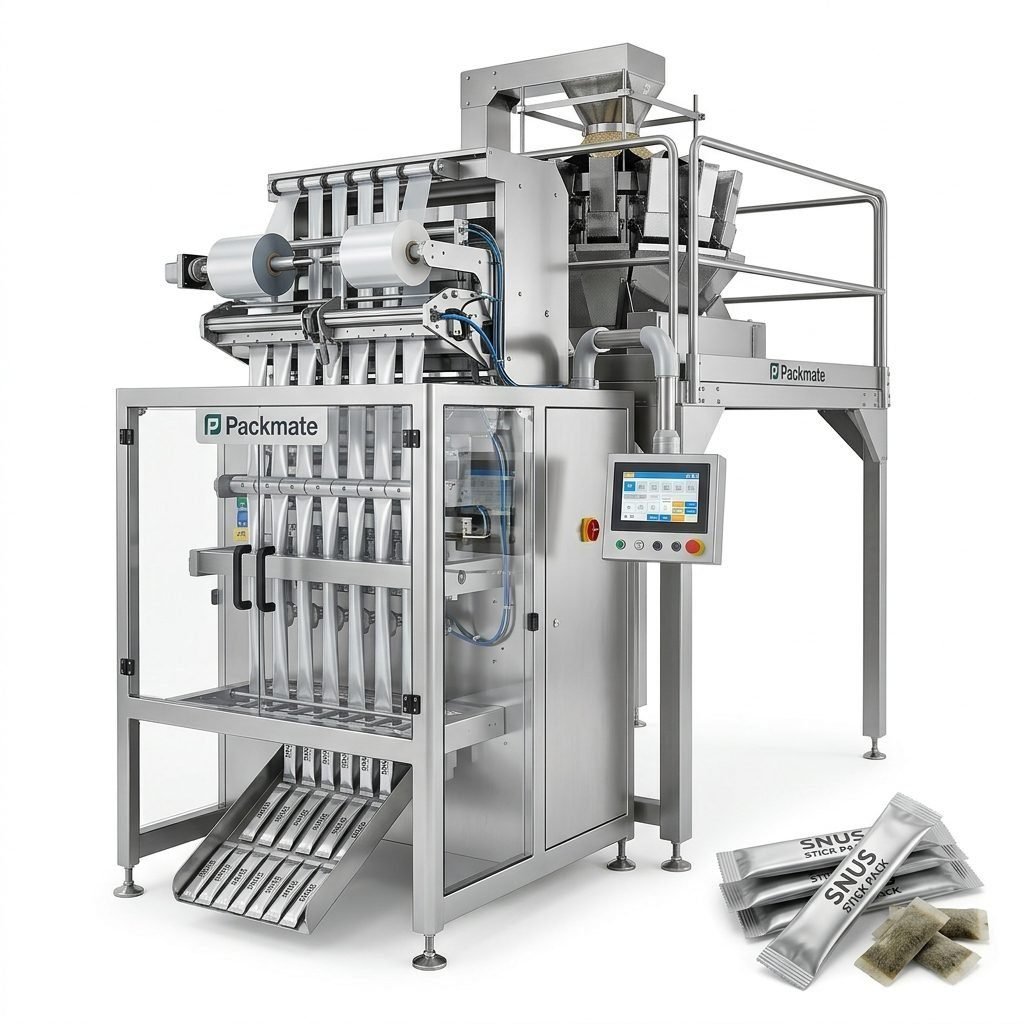
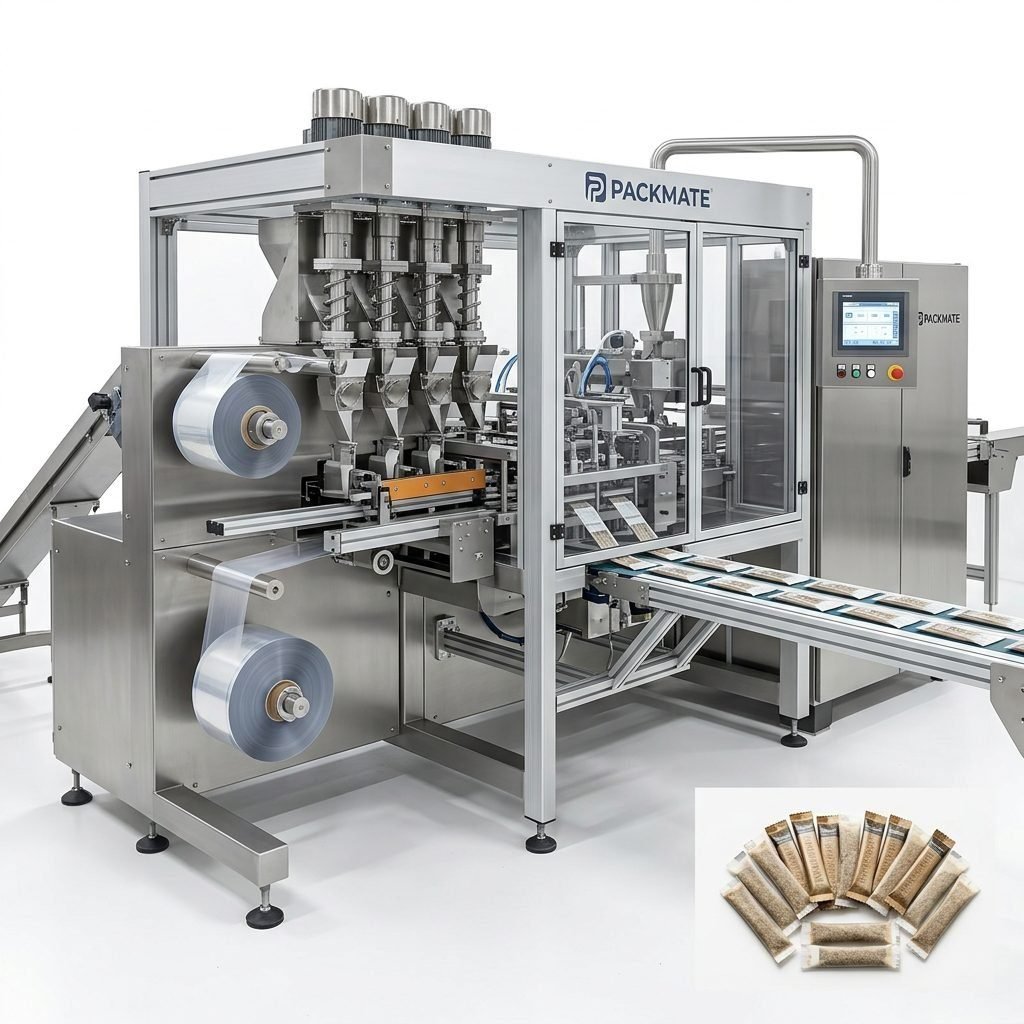
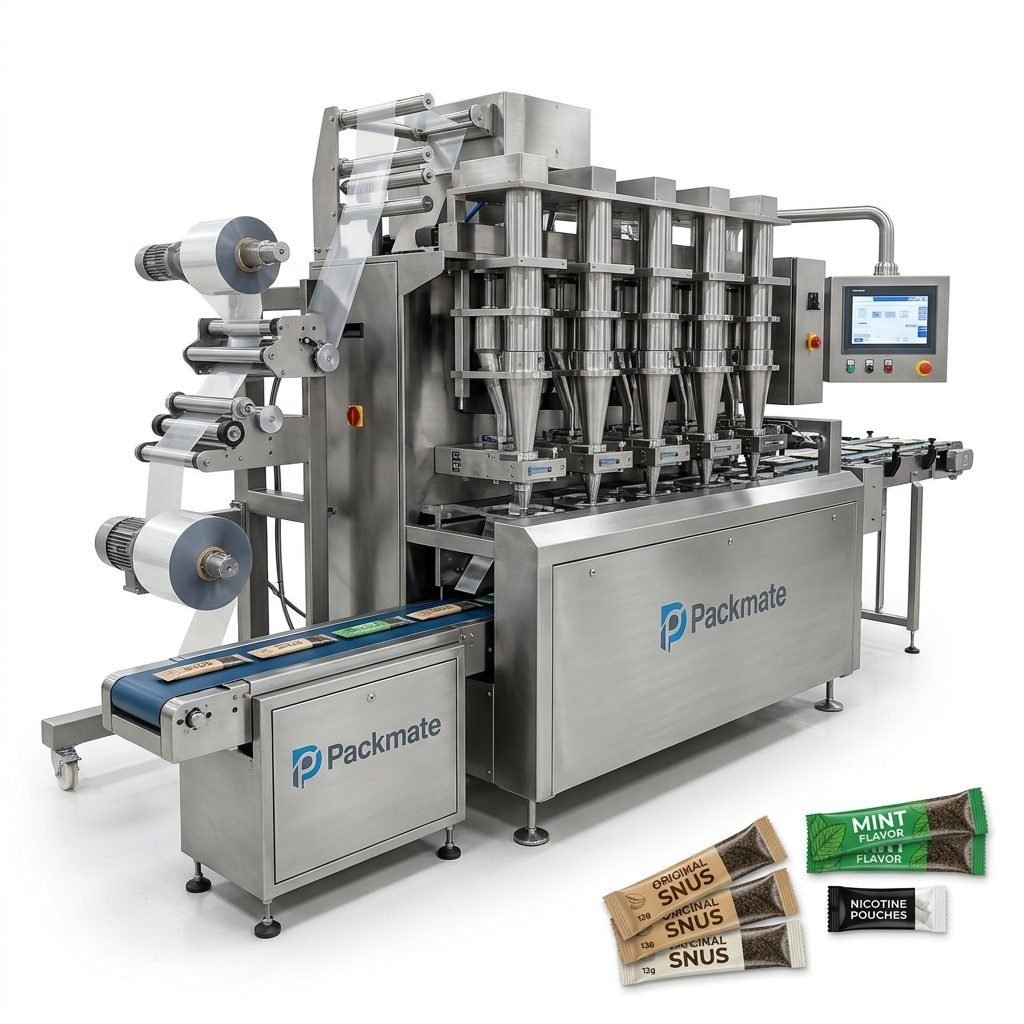
Good for single-serve sachets and stick packs used in sampling or retail. If you plan flexible SKUs or promotional single-dose packs, consider modular stick/sachet machines that allow quick changeover.
Multi-Lane High-Speed Systems
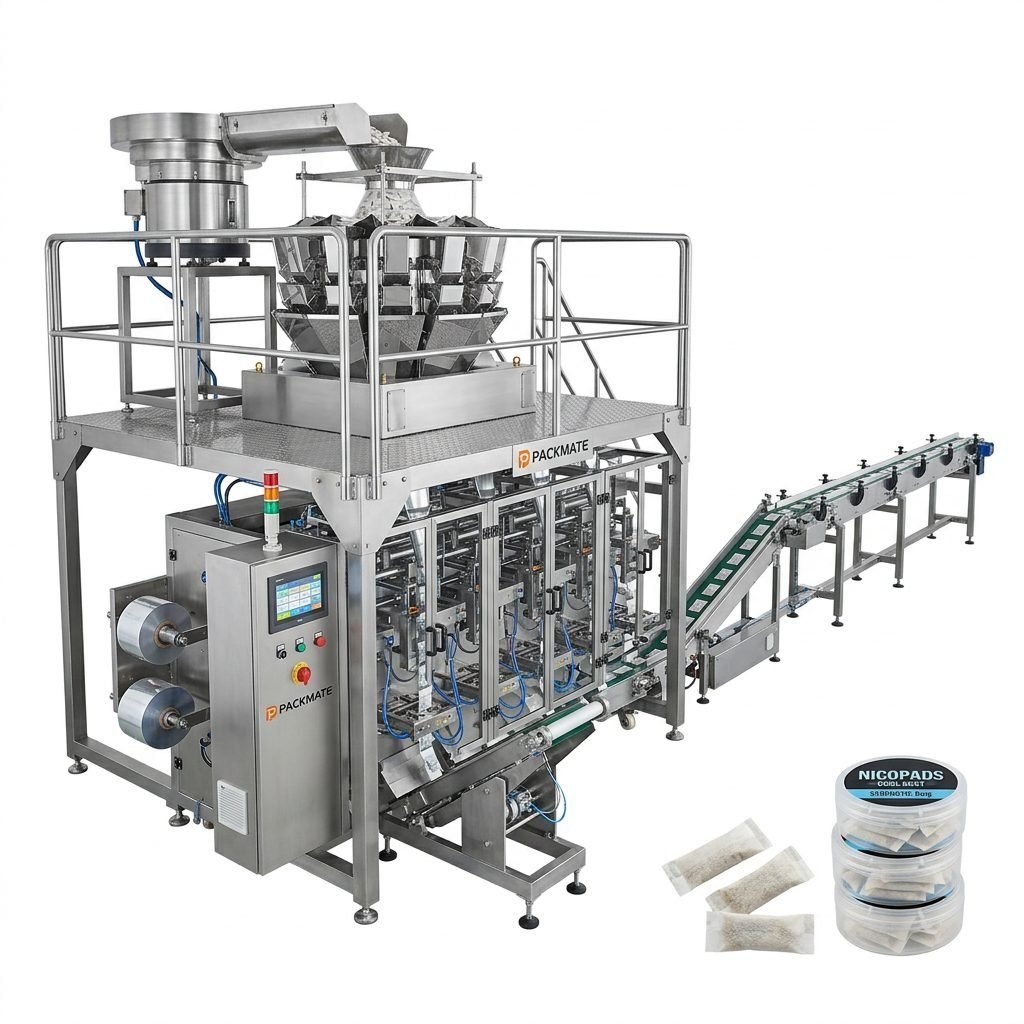
When volumes scale, multi-lane systems deliver more throughput in a smaller footprint. Evaluate lane balancing, servo control accuracy, and maintenance access when reviewing these models.
If you want to review trusted product categories while researching suppliers, start with suppliers’ product pages such as Snus & Nicotine Packaging Machines and Sachet & Stick Pack Machines.
Step 3 — Evaluate Technical Capabilities and Quality
During supplier assessment, dig into engineering, tolerances, and reliability metrics. A few technical checkpoints:
✅ Dosing accuracy: especially critical for nicotine pouches — ask for test data and variance numbers.
✅ Changeover time: request live demo or video showing how long a lane or SKU change takes.
✅ Material compatibility: confirm machine sealing temperature ranges and film handling for common laminates and eco-films.
✅ Spare parts and wear items: get a recommended spare parts list and lead times.
Step 4 — Factory & Manufacturing Strength
Check manufacturer’s production footprint, quality systems, and certifications. A supplier with advanced CNC machining, precision assembly lines, and ISO/CE certification shows strong capability to deliver reliable machines.
Packmate (GuangDong) Co., Ltd., for example, highlights 30+ years of experience, a 20,000㎡ factory, and CE/ISO compliance — all useful signals when verifying manufacturing strength. Learn more about a manufacturer’s background and mission on their about page.
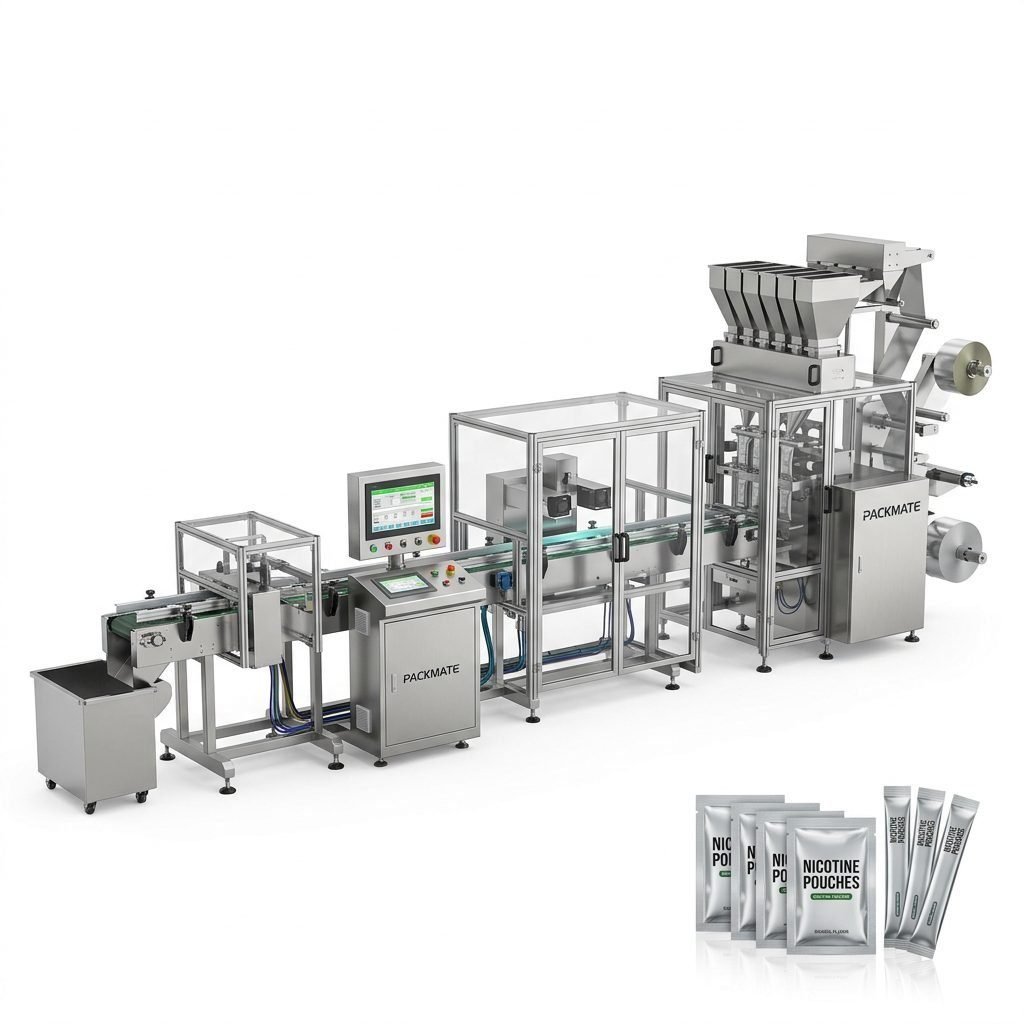
Explore specific product lines and factory case studies to confirm they have built similar turnkey lines: Filling & Packaging Lines and Case.
Step 5 — After-sales, Service & Spare Parts
Reliable service is as important as the machine itself. Prioritize suppliers that offer:
- Installation and commissioning support (onsite or remote)
- Operator and maintenance training in Italian or with translated manuals
- Guaranteed spare parts availability with clear lead times
- Service packages and response SLAs for Europe / San Marino region
⚠️ Tip: Ask for a service contact or local partner who can act quickly when you are in San Marino or northern Italy — this reduces downtime risk.
Step 6 — Compliance, Documentation and Certification
Confirm the machine and documentation meet hygiene and safety standards applicable to your market. Important documents include CE/ISO certificates, electrical schematics, material declarations for contact parts, and FAT (Factory Acceptance Test) reports with measured performance.
If you plan to export to Italy or EU markets, ensure the supplier can support the necessary declarations and provide translated manuals and labels as required.
Step 7 — Factory Visits, References & FAT
Whenever possible, visit the supplier’s factory or ask for a live-streamed tour. Inspect assembly quality, CNC capabilities, and test runs. A robust FAT showing the exact format, output, and dosing accuracy you expect is non-negotiable before shipment.
Questions to ask during a factory visit
- Can you demonstrate the exact pouch format and target throughput?
- What is your acceptance criteria for weight variation and rejects?
- How do you handle preventive maintenance and spare parts logistics?
- Do you have customer references in Europe or similar regulated markets?
Step 8 — Total Cost of Ownership (TCO) vs. Upfront Price
Don’t focus only on the machine price. Consider installation, shipping, customs, training, spare parts consumption, energy use, and potential yield loss. A cheaper machine with slow changeovers or high reject rates may cost more in the long term.
🔶 Calculate: annualized cost = (machine cost + installation + training + spare parts + energy + expected downtime) / useful years. This gives a clearer investment picture.
Step 9 — Logistics, Installation & Site Preparation
Plan for receiving, lifting, and installing the machine in San Marino. Coordinate customs clearance, local power supply standards, and floor loading. If the site serves hospitality or retail channels (common in San Marino due to tourism), plan compact layouts and safe operator access.
Step 10 — Negotiation Tips & Contract Essentials
When negotiating, secure the following in writing:
- Performance guarantees and acceptance criteria (FAT results)
- Warranty period and what it covers
- Spare parts lead times and pricing structure
- Training and documentation in the required language
- After-sales response times for your region
For full-service offerings and after-sales policies, review the supplier service page and contact channels: Service and Contact Us.
Practical Checklist Before You Buy
✅ Specification match: Machine matches your pouch type, dosage and speed targets.
✅ FAT report: Approved performance documented and signed off.
✅ Spare parts plan: Mandatory turbopacks for wear items and agreed lead times.
✅ After-sales SLA: Response time and escalation matrix confirmed for San Marino / Italy region.
Supplier Red Flags to Avoid
- Lack of independent performance data or refusal to perform a FAT with your format.
- No local references or customers in similar markets.
- Unclear spare parts pricing and long replacement lead times.
- Vague warranty terms or limited after-sales support.
Final Thoughts
Selecting the best snus packaging machinery supplier for San Marino combines technical due diligence, an understanding of local distribution and labeling preferences, and a strong service agreement. Prioritize suppliers with proven manufacturing strength, transparent testing, and clear support for European and microstate markets. A thoughtful purchase decision will minimize downtime, protect product quality, and give your brand the presentation needed to capture both local residents and tourists.
Common Questions (FAQs)
Q1: How important is Factory Acceptance Testing (FAT)?
FAT is critical — it proves the machine can meet your speed, weight accuracy and format requirements before shipment. Require documented FAT results and samples as part of the contract.
Q2: Can suppliers help with labeling and regulatory compliance for San Marino?
Many reputable suppliers provide documentation and can assist with labeling formats, but you should consult local legal counsel or regulatory bodies in San Marino to confirm specific labeling and duty requirements.
Q3: What spare parts should I stock for snus packaging machines?
Stock common wear items: sealing jaws, cutting blades, dosing nozzles, belts, and sensors. Request a recommended spare parts kit from the supplier and agree on minimum stock levels to avoid long downtimes.
Q4: Are turnkey lines available if I need filling, weighing and packaging?
Yes — many manufacturers offer integrated filling & packaging lines. Review turnkey solutions and see sample lines on the supplier website to confirm compatibility: Weighing & Packaging Systems.
Q5: How can I verify a supplier’s credibility remotely?
Ask for a virtual factory tour, customer references in similar markets, recent FAT videos, and certifications like CE/ISO. Review company history and exhibition participation to gauge reputation: About Packmate and Our Exhibition.