Introduction: Why Choosing the Right Snus Packaging Machine Matters in Tunisia
Tunisia’s manufacturing landscape is evolving and small-dose nicotine pouches and snus-style products are gaining interest among niche consumers and export-oriented producers. Selecting the right packaging machine for your production line is not only about speed and cost — it impacts regulatory compliance, product presentation to Tunisian and Maghreb markets, and long-term return on investment. This guide walks Tunisian producers and international suppliers through practical considerations, machine types, and supplier qualifications to make a confident equipment choice.
Understand Local Market & Cultural Considerations
Tunisia is primarily Arabic- and French-speaking, with a market culture that values clear labeling, quality, and compliance with public health regulations. While tobacco smoking rates vary, smokeless nicotine pouches face different social perceptions. If you plan to sell domestically or export from Tunisia, consider these points:
Labeling and language: packaging should include Arabic and French translations for ingredients, warnings, and manufacturer information to address both local consumers and regional distributors.
Cultural sensitivity: use neutral, professional designs; avoid imagery or phrasing that could conflict with local norms. When targeting export markets in Europe or Africa, ensure your packaging design aligns with target countries’ expectations.
Regulatory Checklist for Tunisia and Regional Trade
Before buying equipment, verify regulatory requirements: product classification (tobacco vs nicotine product), permitted ingredients, label claims, and import/export documentation. Work with local legal counsel or a regulatory consultant to ensure compliance with Tunisian authorities and any intended export markets.
🔒 Must-check items: local registration, health warnings in Arabic/French, nicotine concentration limits, packaging waste directives, and customs documentation for equipment import.
Define Production Requirements: Capacity, Speed and Formats
Start with clear production targets. Are you making pilot runs for local distribution or planning high-volume export? Key metrics include daily output (pouches per minute/hour), number of SKUs, and pouch formats (single-dose sachets, multi-pouch sticks, or multi-lane pouches).
Typical options: low-volume single-lane machines for product development, multi-lane high-speed systems for mature lines. Consider machines that can scale from 50,000 to 500,000 pouches per day depending on demand.
Machine Types and When to Choose Each
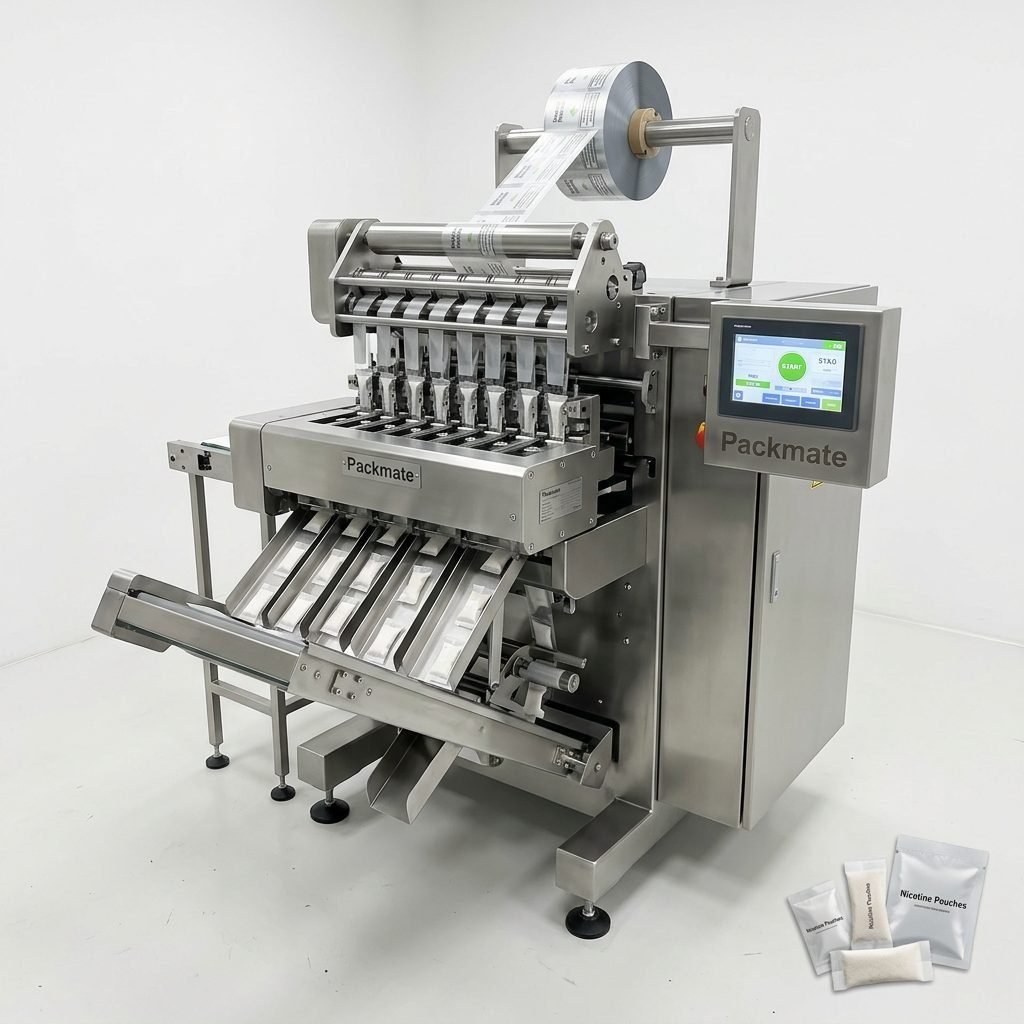
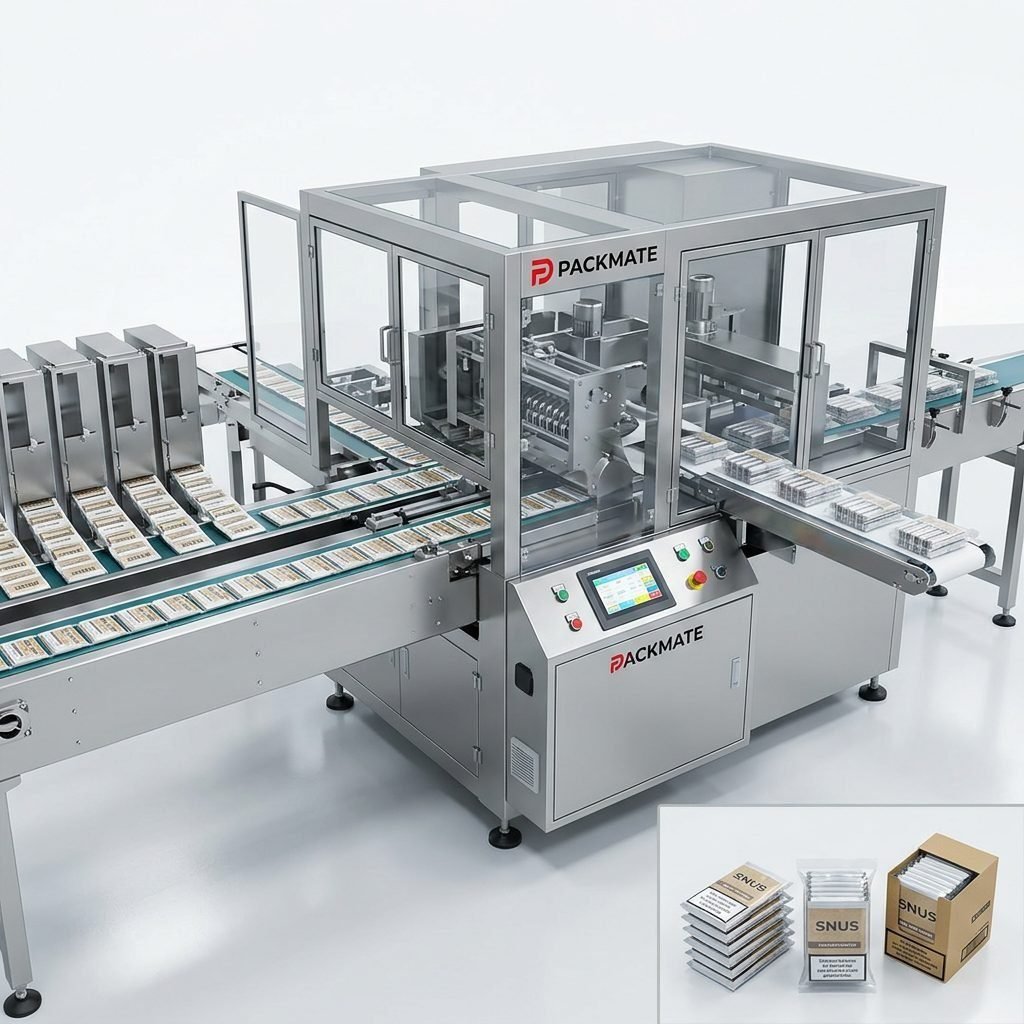
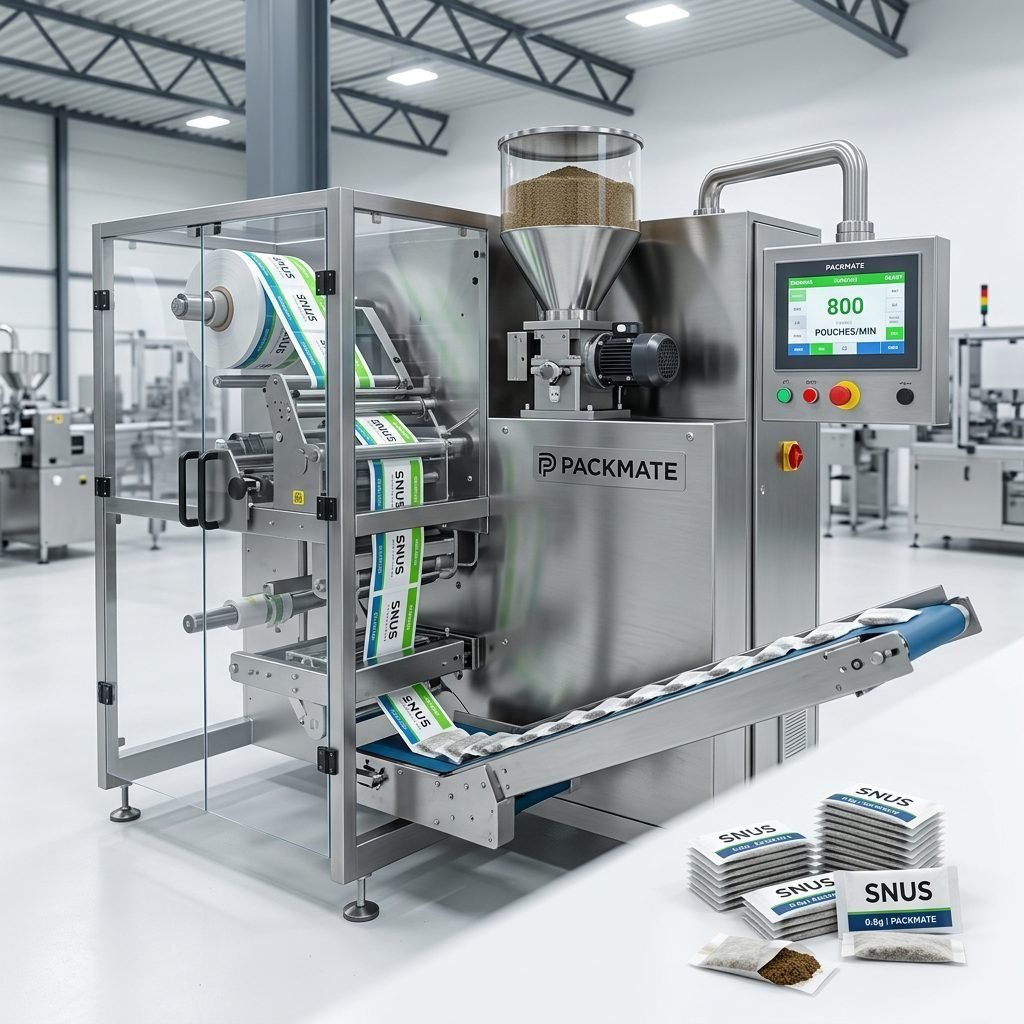
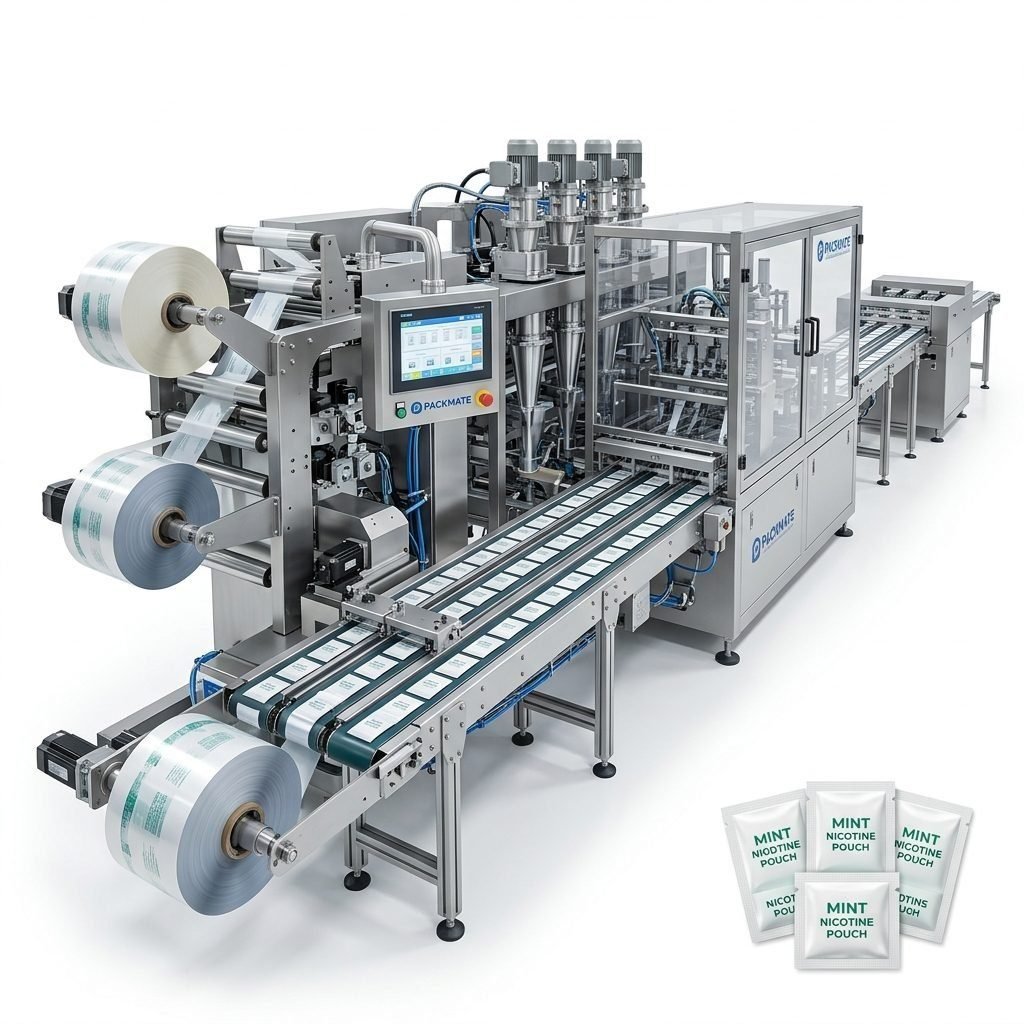
– Snus & Nicotine Pouch Packaging Machines: specialized for small-dose pouches with precise filling and sealing; ideal when product consistency and low powder loss are critical. See certified models here: Snus & Nicotine Packaging Machines.
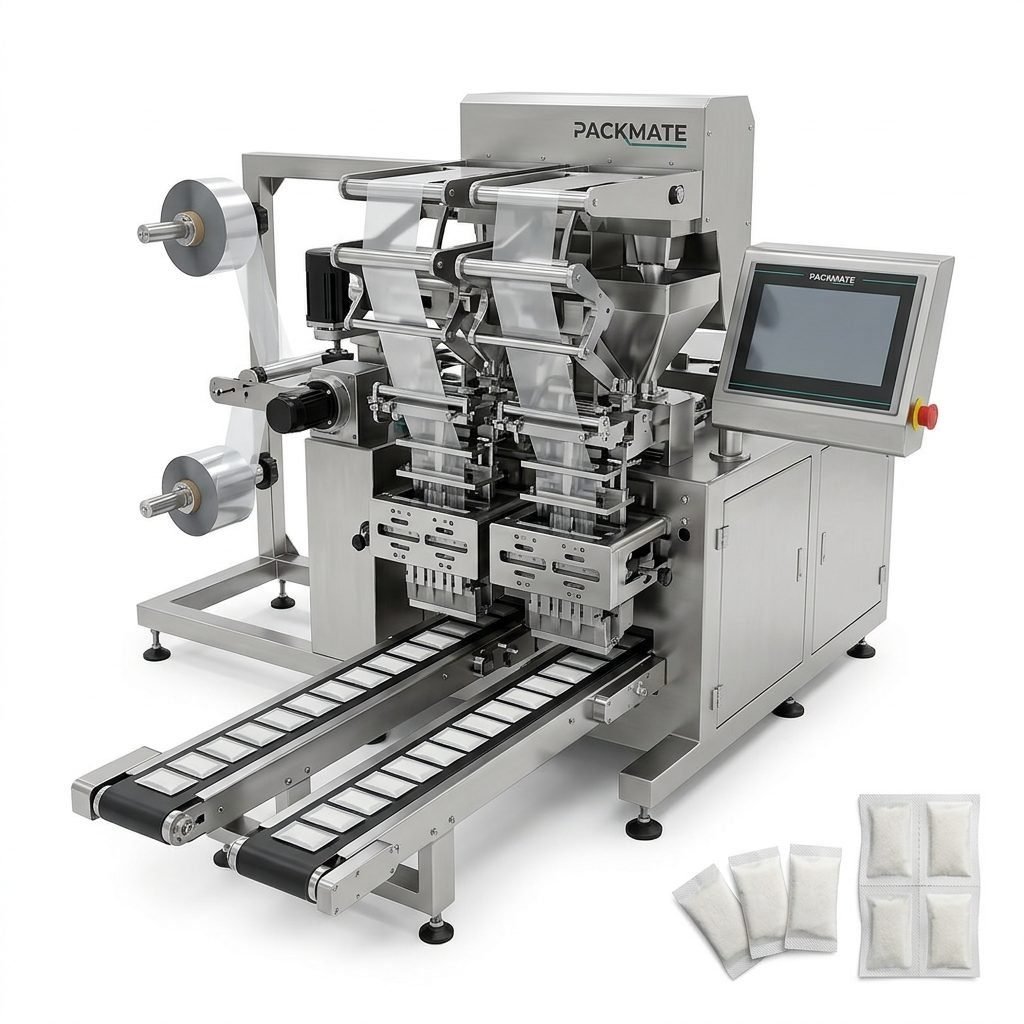
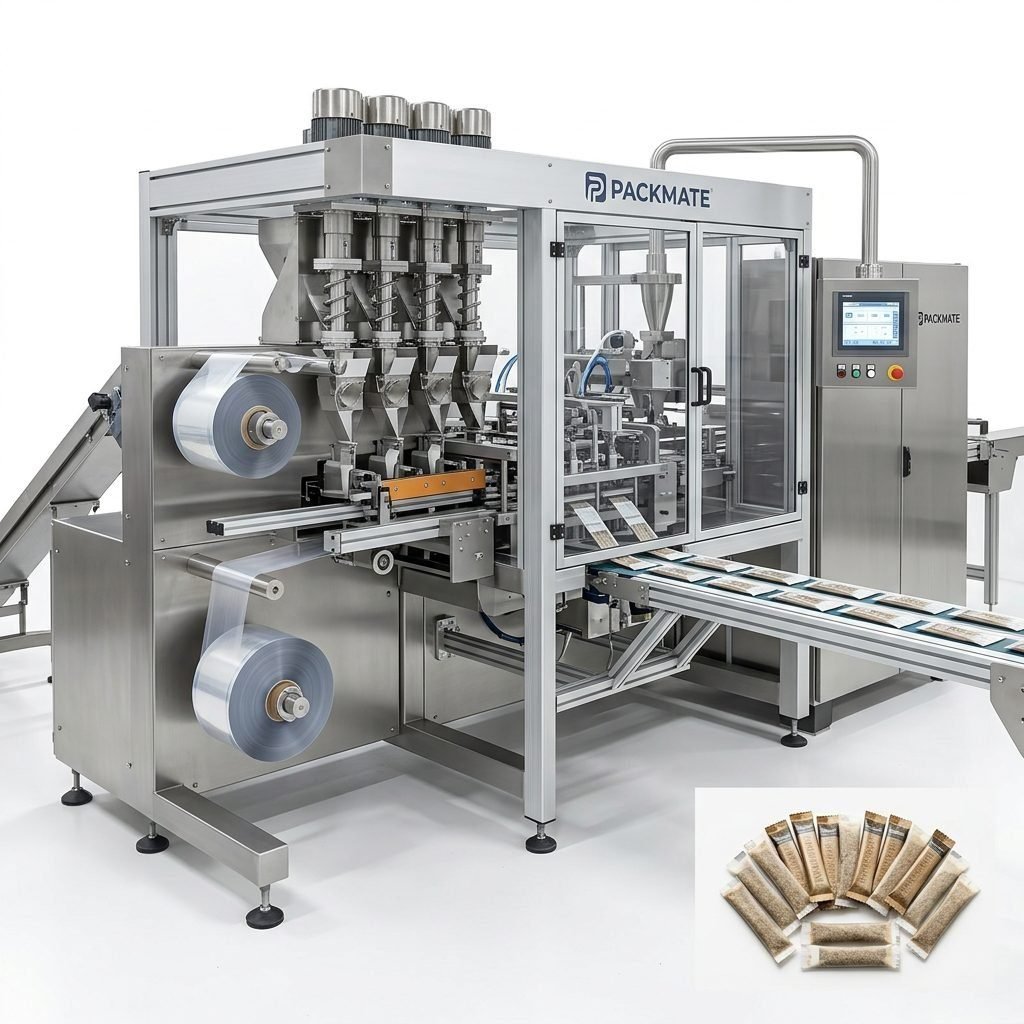
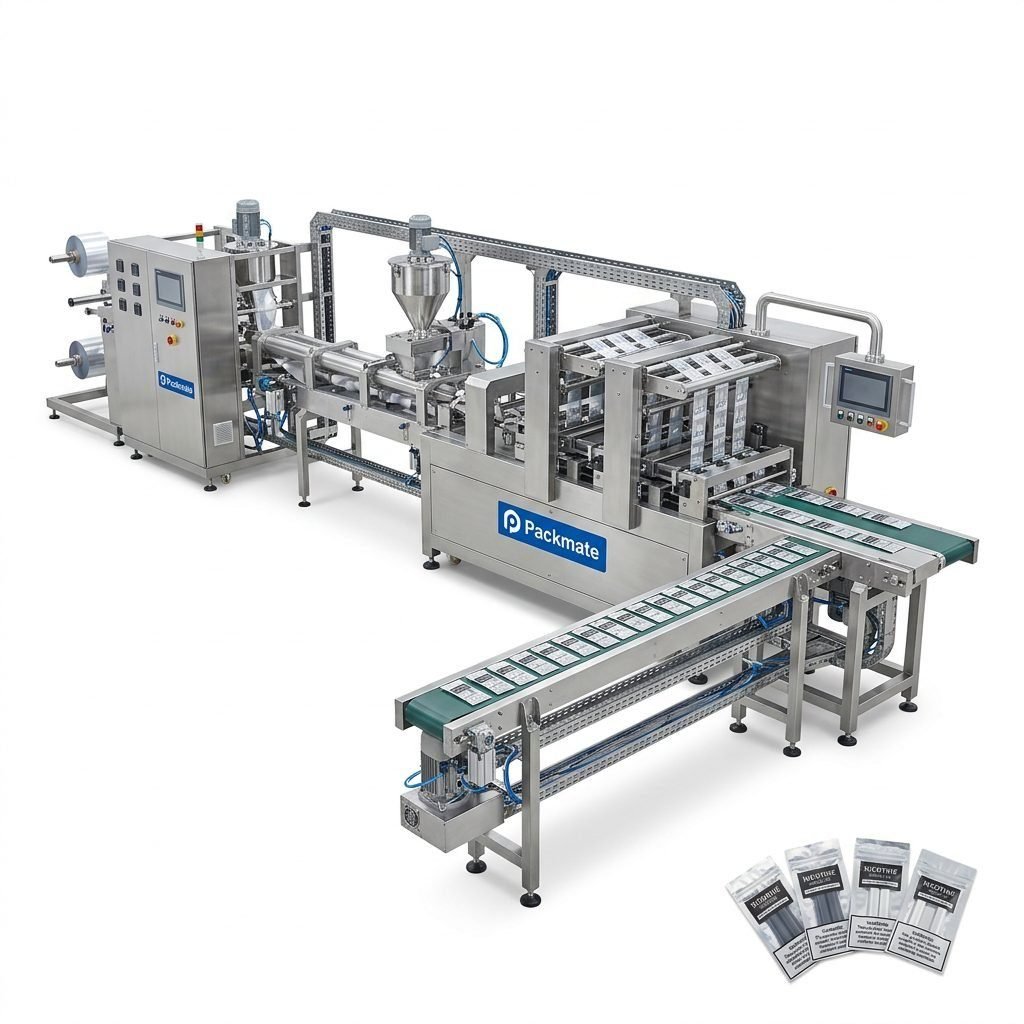
– Sachet & Stick Pack Machines: suitable if you plan to offer stick packs or tear-open sachets for single-use servings. They offer rapid changeovers for multiple flavors and sizes: Sachet & Stick Pack Machines.
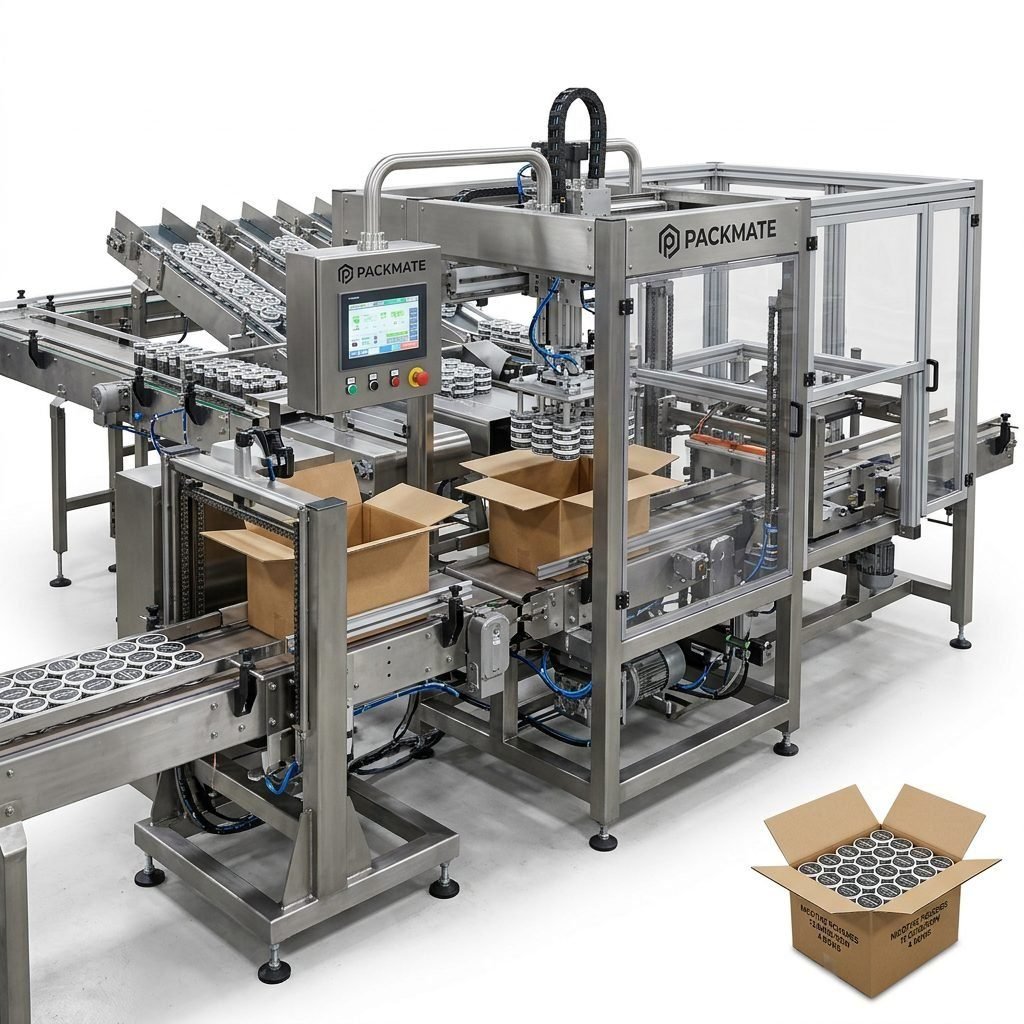
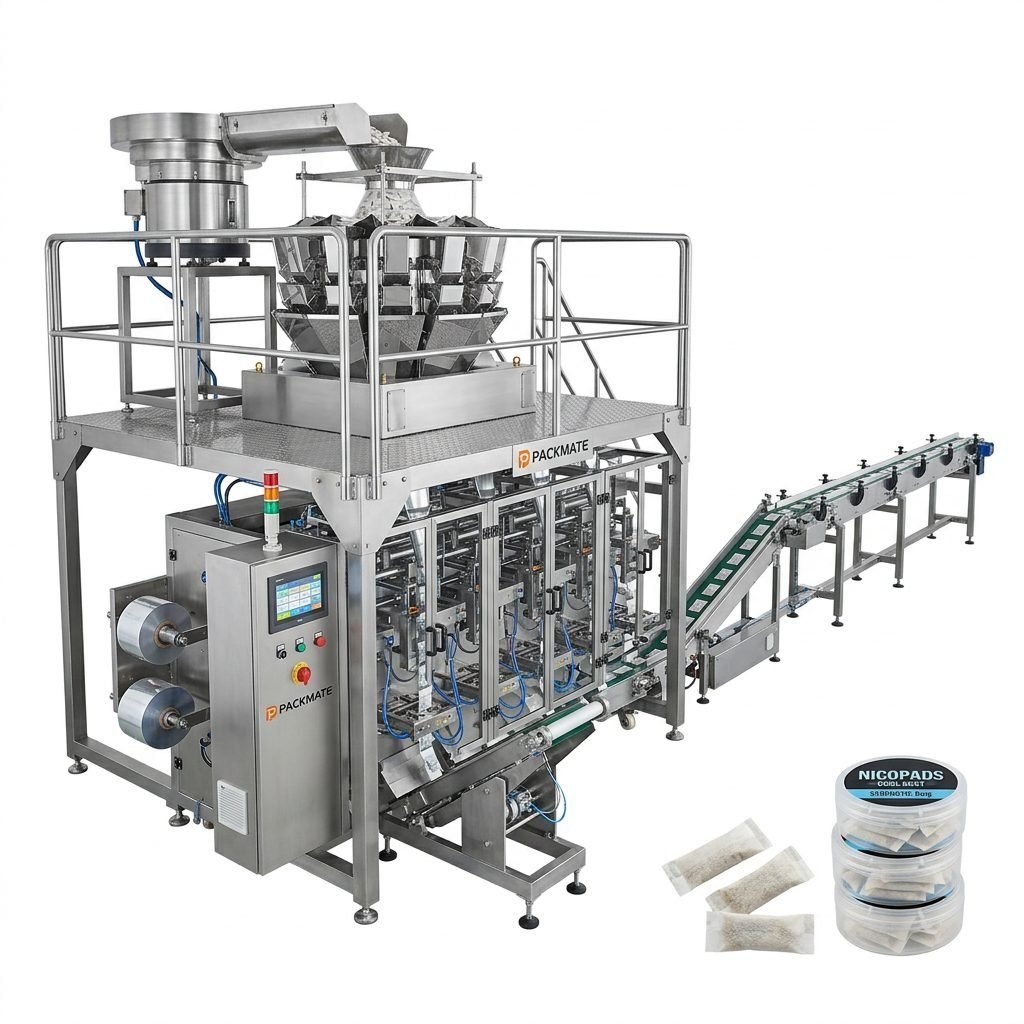
– Bag & Pouch Machines: for outer packaging — do you need pre-made pouches, zipper bags, or pillow packs? Look to integrate these with your snus line: Bag & Pouch Packaging Machines.
Critical Technical Features to Evaluate
When comparing suppliers, inspect machine capabilities against these technical requirements:
⚙️ Filling precision: Gravimetric or volumetric systems with repeatability suitable for small-dose nicotine pouches to minimize product waste and ensure legal compliance on nicotine content.
Sealing and pouch integrity: temperature-controlled sealers, quality vision systems to detect faulty seals, and gas flushing options (if required).
Multi-lane synchronization: for higher throughput, ensure lane-to-lane balance to prevent product mismatch and maintain uniform dosing across lanes.
Changeover speed and flexibility: quick change parts for different pouch sizes and easy-adjust controls reduce downtime for small-batch production.
Integration: Weighing, Filling and Upstream/Downstream Equipment
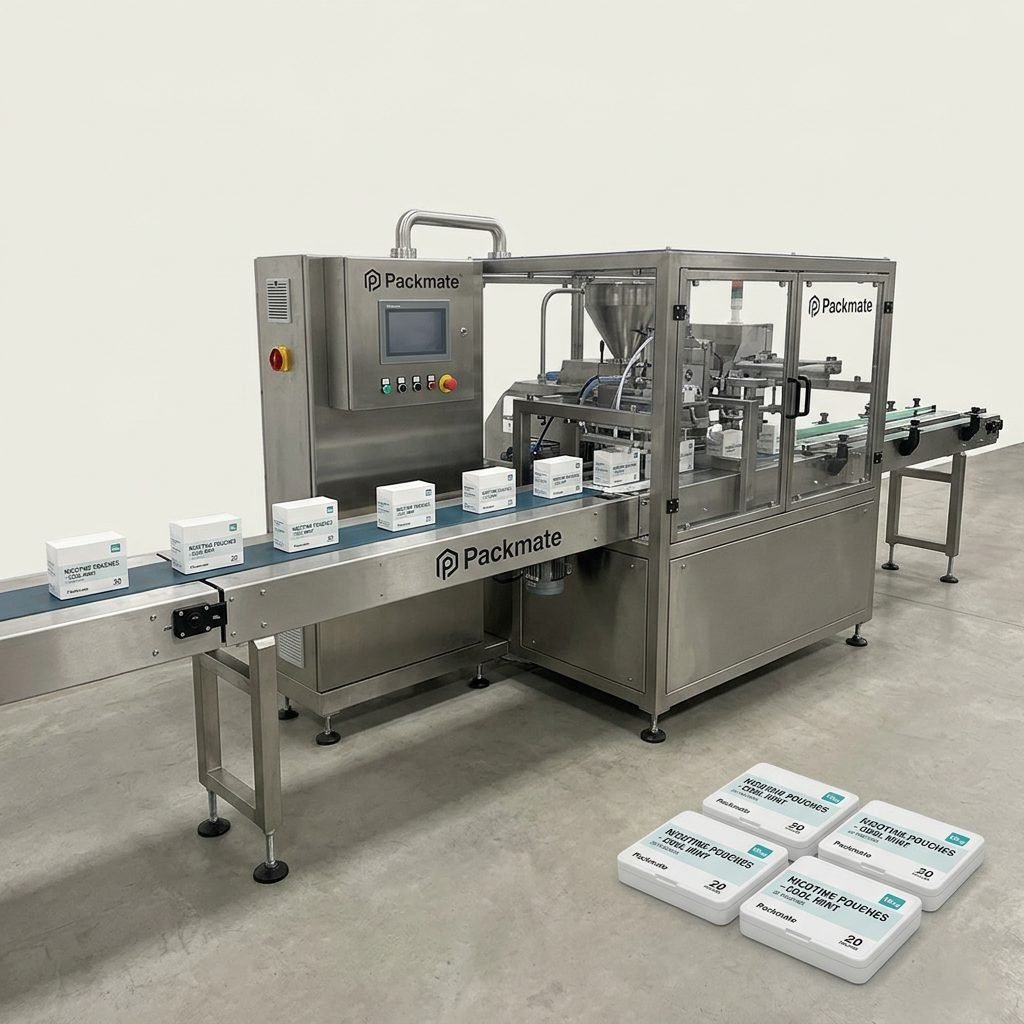
A robust production line includes more than the pouch machine. Integrate reliable weighing systems, feeders, and packing conveyors for a turnkey solution. Packmate offers full lines including weighing and filling solutions that streamline the entire process. Explore additional systems: Weighing & Packaging Systems and Filling & Packaging Lines.
Materials Compatibility and Packaging Media
Ensure the machine supports the film materials and pouch substrates you plan to use (paper, composite films, heat-sealable laminates). Confirm the machine’s sealing temperature range and compatibility with biodegradable or recyclable films if environmental claims matter to your customers.
Tip: run compatibility tests to confirm no sticking, sticking residue, or unacceptable seal appearance before final procurement.
Hygiene, Cleaning and Occupational Safety
Food- and pharma-grade design features reduce contamination risks. Look for stainless-steel contact parts, smooth welds, and quick-release components for cleaning. Consider dust-control systems and enclosed hoppers when working with powdered or granular nicotine formulations.
Safety features: interlocked guards, emergency stops, and CE-compliant electrical systems are essential, particularly for machines installed in Tunisia where safety audits may be requested by partners or authorities.
Supplier Evaluation: What to Ask Your Vendor
Choosing the right vendor reduces risk. Ask for:
– Factory visits or high-resolution video demos showing real production runs.
– Clear specifications on output, accuracy, and electrical/air requirements.
– References and case studies from similar projects. See examples and cases here: Case.
Check certifications (CE, ISO) and after-sales service capabilities. A manufacturer with a 20,000㎡ factory, CNC equipment, and 30+ years of experience tends to offer more reliable long-term support — consider suppliers who present a full company profile and service pages like About Packmate.
After-Sales Support and Spare Parts
Prioritize vendors that provide remote troubleshooting, spare part kits, installation supervision, and operator training. In Tunisia, consider lead times for spare parts import and whether the supplier can ship critical components quickly.
Cost Considerations and Return on Investment
Budget beyond machine purchase: include installation, training, tooling, spare parts, and potential modification costs to meet local regulations. Evaluate ROI based on product margin improvements, waste reduction, and increased throughput. A machine that offers precision dosing and low downtime often delivers faster ROI even if initial cost is higher.
📌 Budget planning tip: request a total cost of ownership (TCO) breakdown for at least 3 years including estimated spare parts, routine maintenance, and energy consumption.
Installation, Validation and Staff Training in Tunisia
Plan for onsite installation and a validation period. Ensure training covers operators, maintenance personnel, and quality staff. If you export machines or parts, verify customs clearance and local logistics in Tunis or your regional city.
Why a Turnkey Supplier Can Be Advantageous
Turnkey suppliers deliver integrated solutions — from filling and weighing to primary and secondary packaging. This reduces integration risk and shortens ramp-up time. For a full suite of solutions, review turnkey lines and auxiliary equipment options: Auxiliary Packaging Equipment.
Checklist Before Placing an Order
Use this checklist to finalize your decision:
– Confirm required output and scalability.
– Verify film and pouch compatibility.
– Check dosing accuracy and lane synchronization.
– Ensure CE/ISO certifications and safety features.
– Agree on lead times, warranty, spare parts, and training schedules.
– Get a clear quote including installation, shipping, and customs handling.
Local Partnerships and Exhibition Visits
Attend relevant trade shows or request live demos. Suppliers who participate in international exhibitions often offer visible proof of capability. For more information on events and demonstrations, check exhibition details and planned showcases: Our Exhibition.
Final Practical Advice for Tunisian Producers
– Start with a pilot run to validate recipes, pouch materials, and label designs in Arabic and French.
– Insist on a performance acceptance test (FAT) and site acceptance test (SAT) with agreed KPIs.
– Plan for environmental controls if humidity or dust can affect dosing precision.
– Negotiate spare parts packages and remote support for fast troubleshooting.
Contact & Next Steps
When you are ready to evaluate machines, request detailed specifications, trial videos, and pilot production data from vendors. If you want to review manufacturer credentials, certifications and service offerings, visit their About, Certificate and Service pages: About Packmate, Certificate, Service.
Common Questions
Q1: How do I ensure the machine meets Tunisian labeling requirements?
A1: Work with local regulatory experts to define label language and mandatory warnings, then ask the supplier to demonstrate label printing or integration with label applicators during FAT.
Q2: What lead time should I expect for delivery and installation?
A2: Typical lead times vary by model and customization level; standard machines may ship in 8–16 weeks, while turnkey lines and heavy customization can extend to 20+ weeks. Confirm shipping and customs arrangements to Tunisia in your purchase agreement.
Q3: Are spare parts and technical support available locally in Tunisia?
A3: Many global suppliers ship parts internationally. Ask your vendor about local partners, recommended spare kits, and remote support options to minimize downtime.
Q4: Can a single machine handle multiple pouch formats and recipes?
A4: Many modern machines offer flexible change parts and programmable recipes. Confirm the scope of flexibility and the expected downtime for changeovers before purchase.
Q5: Where can I see references or live demos before buying?
A5: Request case studies, live demo videos, or arrange a factory visit. Check the vendor’s case pages and FAQ for examples and references: FAQs and Case.