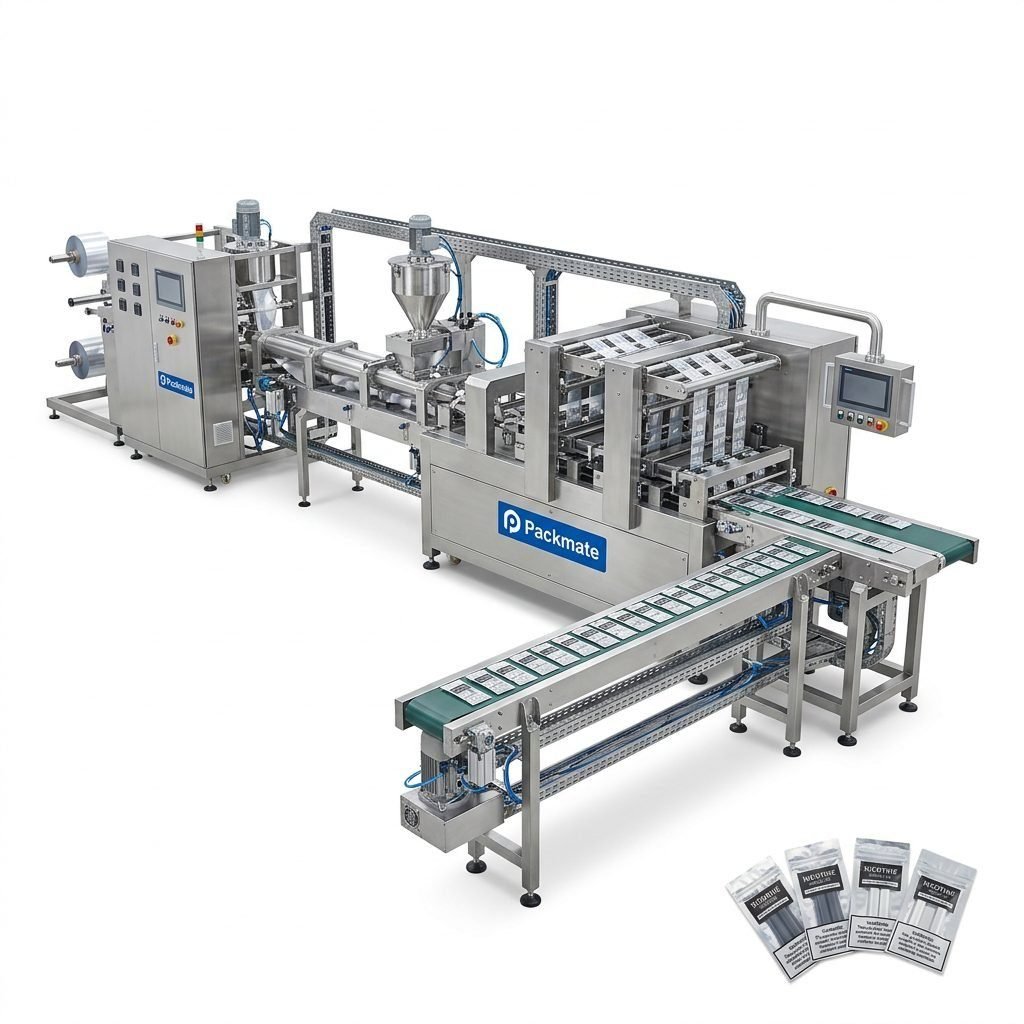
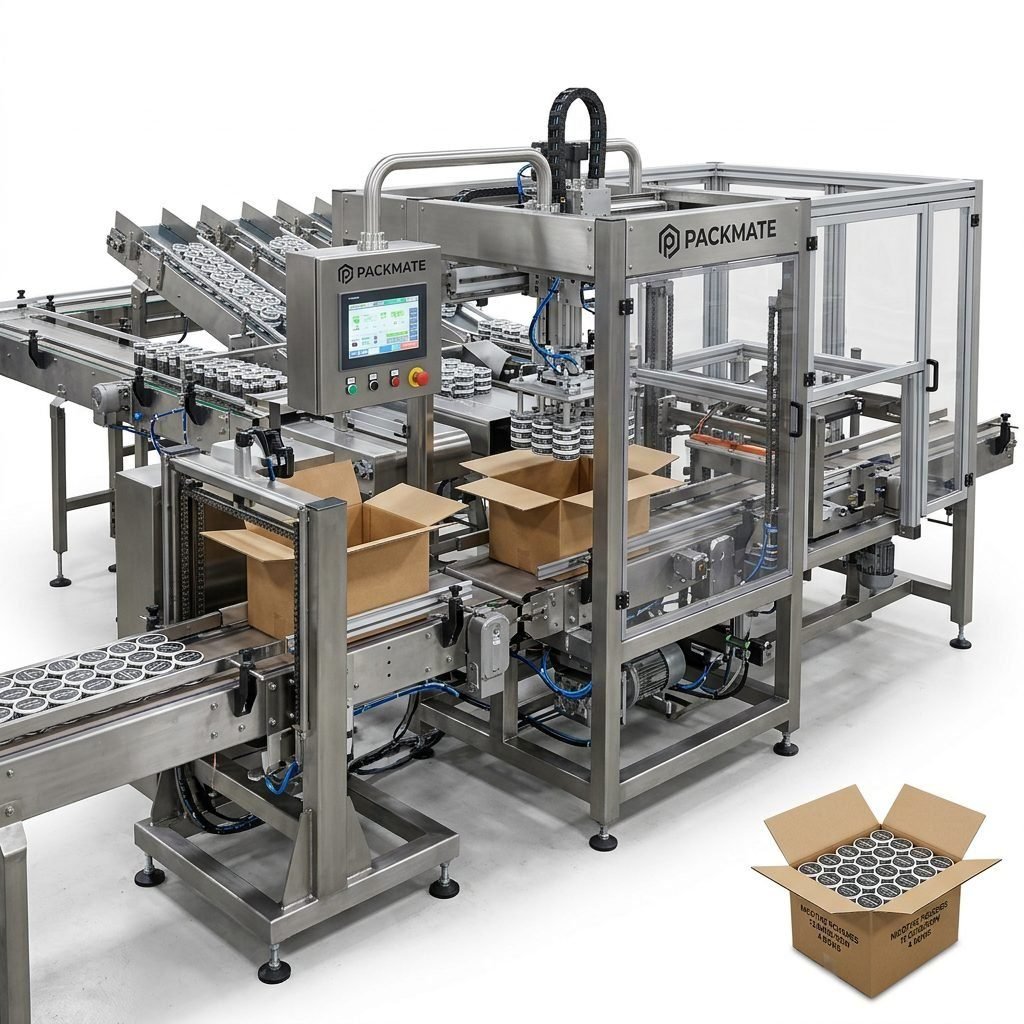
The snus and nicotine pouch market is growing rapidly, and investing in a modern, efficient snus production line can deliver significant returns — but only if you design and operate that line with ROI in mind. This guide walks packaging managers, operations directors, and production engineers through practical strategies to maximize return on investment for snus production: from capital cost breakdowns to efficiency levers, yield improvement, regulatory considerations, and real-world tactics that protect margin.
Understand the True Cost Structure
Before optimizing anything, build a clear picture of Total Cost of Ownership (TCO). TCO is more than the purchase price — it includes installation, tooling, spare parts, utilities, labor, maintenance, downtime risk, and compliance costs. Use a multi-year horizon (3–7 years) when evaluating ROI; snus packaging lines are long-term assets.
Key cost buckets: equipment CAPEX, installation & commissioning, OPEX (labor + energy), consumables (pouches, labels), quality control, and service contracts. Accurate allocation of these lets you forecast payback and prioritize investments.
CAPEX vs. OPEX: Prioritize What Moves the Needle
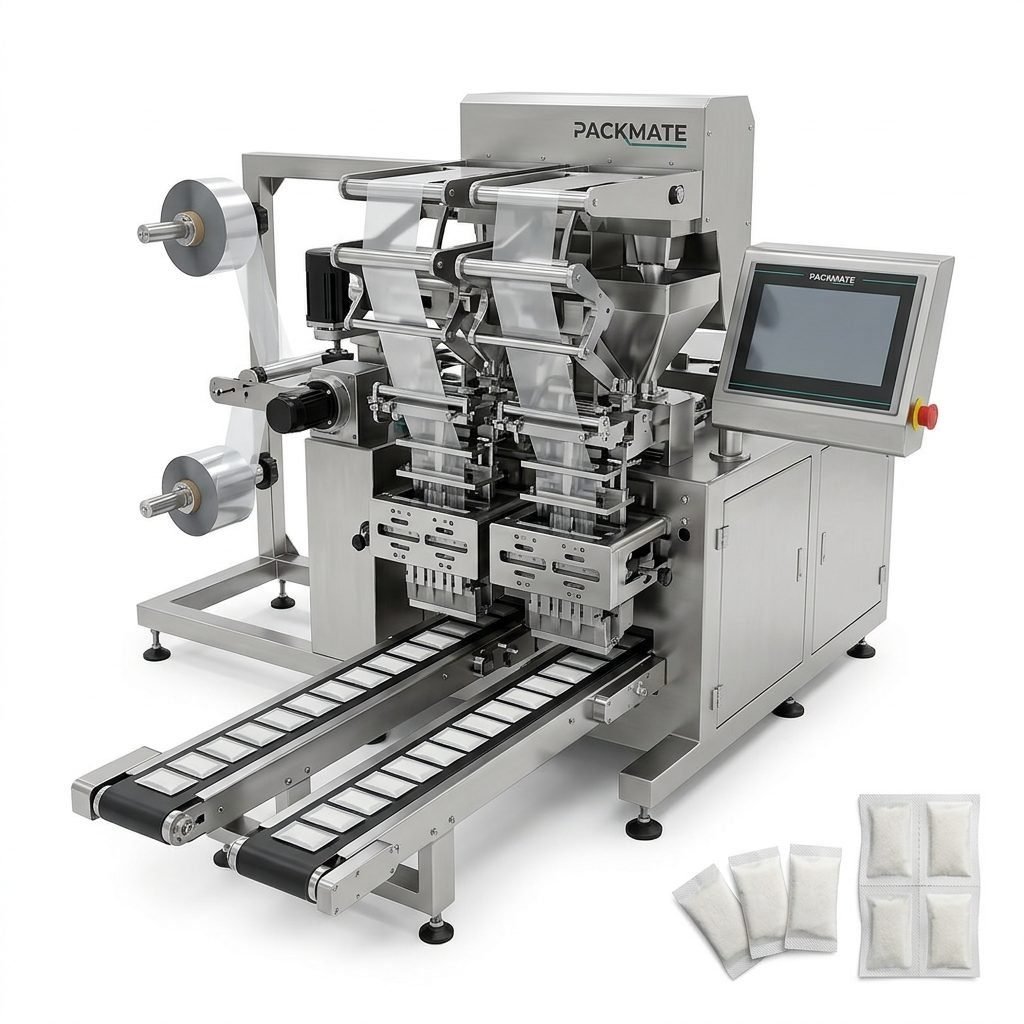
High initial cost can be justified if it delivers lower OPEX and higher output. For example, investing in multi-lane snus packaging machines increases throughput per square meter and reduces per-unit labor. When comparing vendors, calculate cost per pouch at target production volumes rather than simply the sticker price.
Boost Throughput with Smart Equipment Choices
Throughput is the most direct lever on revenue. When designing a line, consider:
- Lane count and modularity — multi-lane systems scale output without a linear increase in footprint.
- Hygiene and changeover speed — faster changeovers increase effective run time for multiple SKUs.
- Integrated weighing and dosing — consistent fill reduces giveaway and boosts yield.
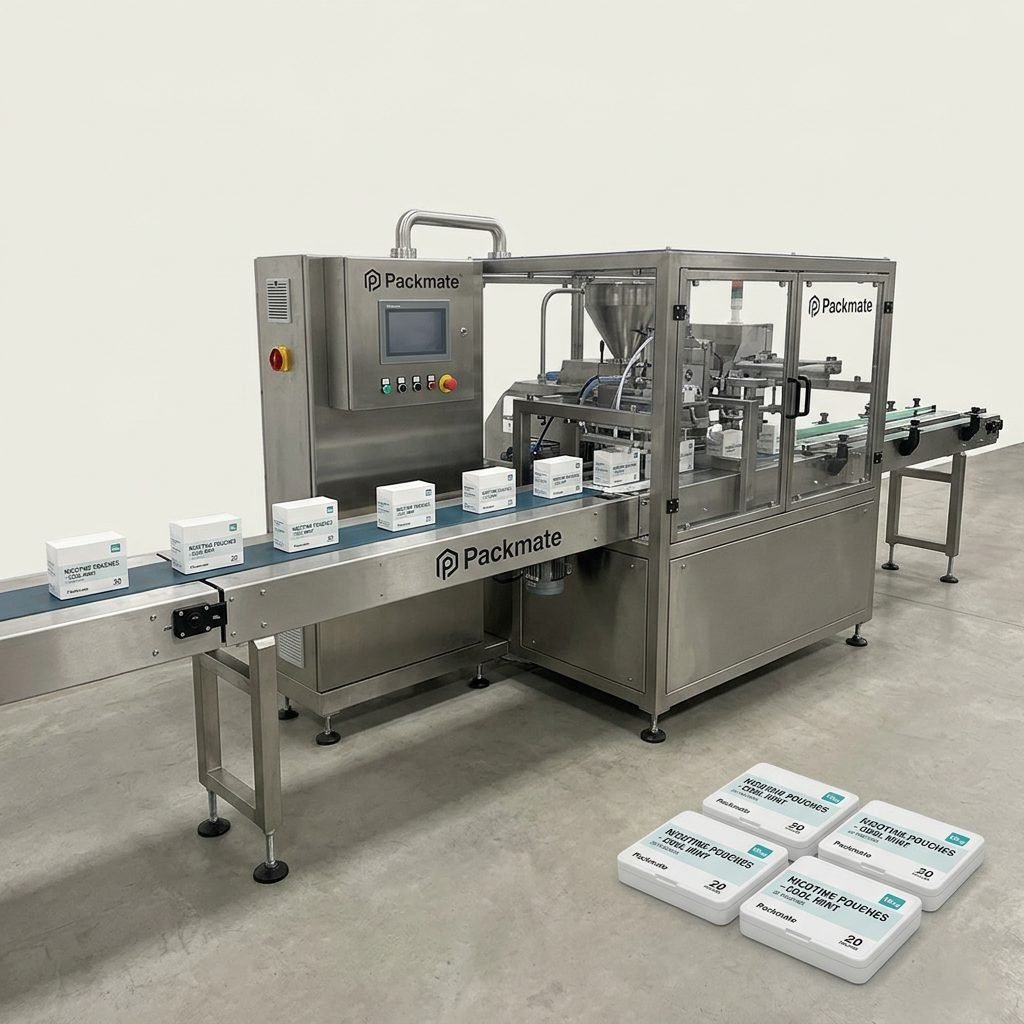
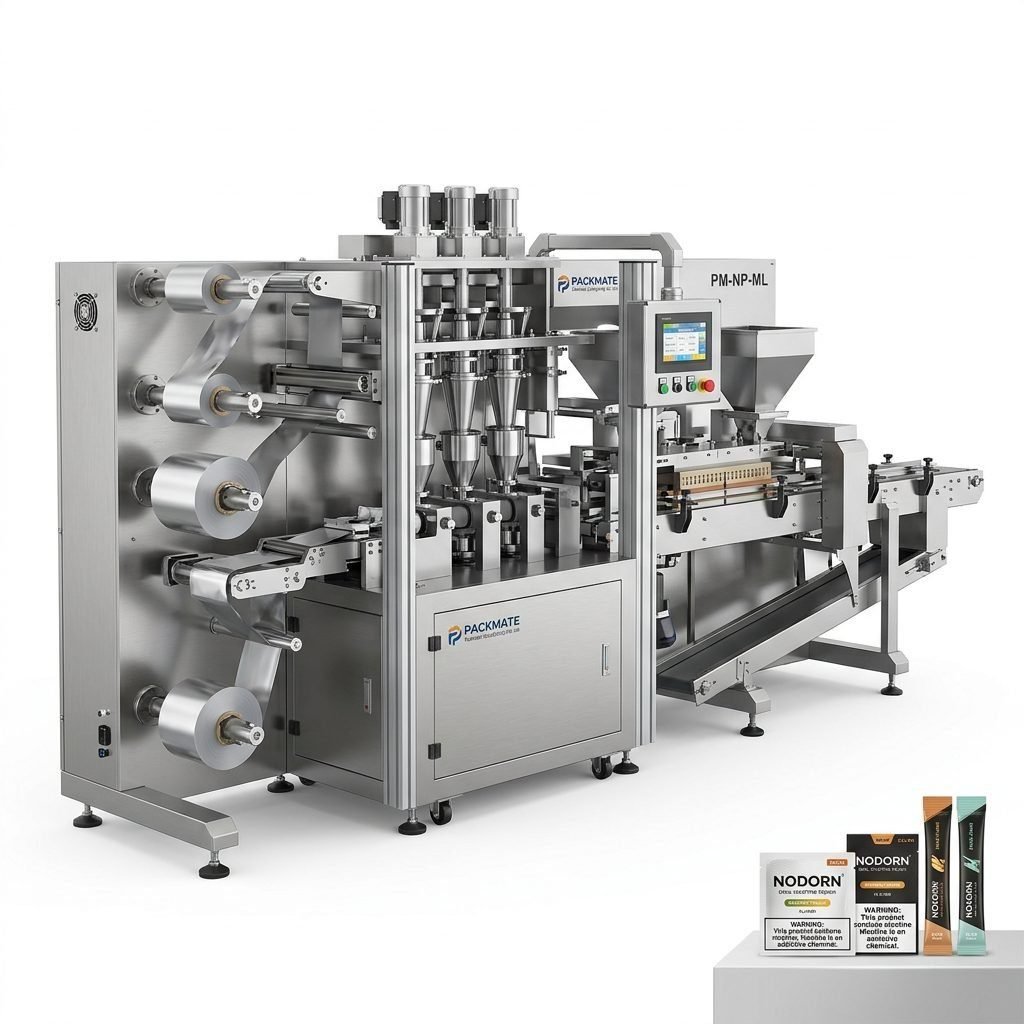
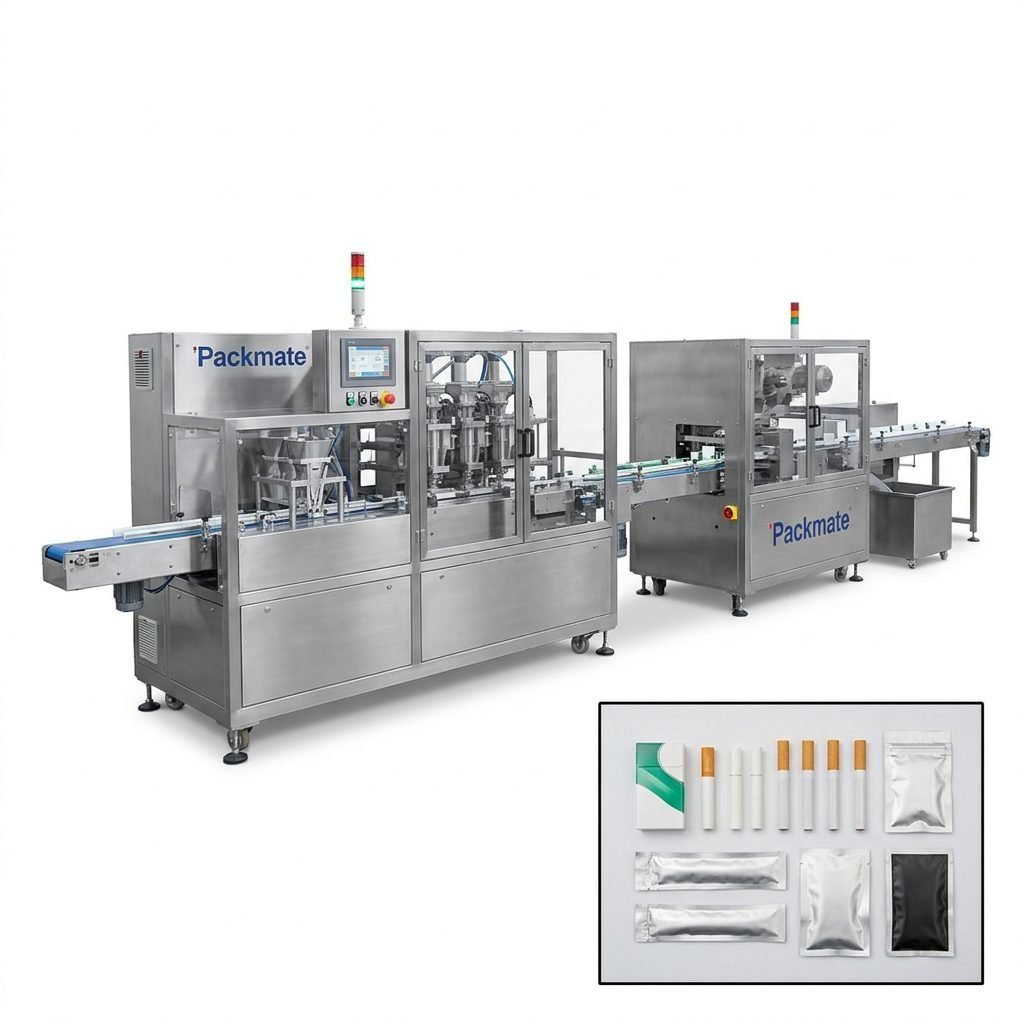
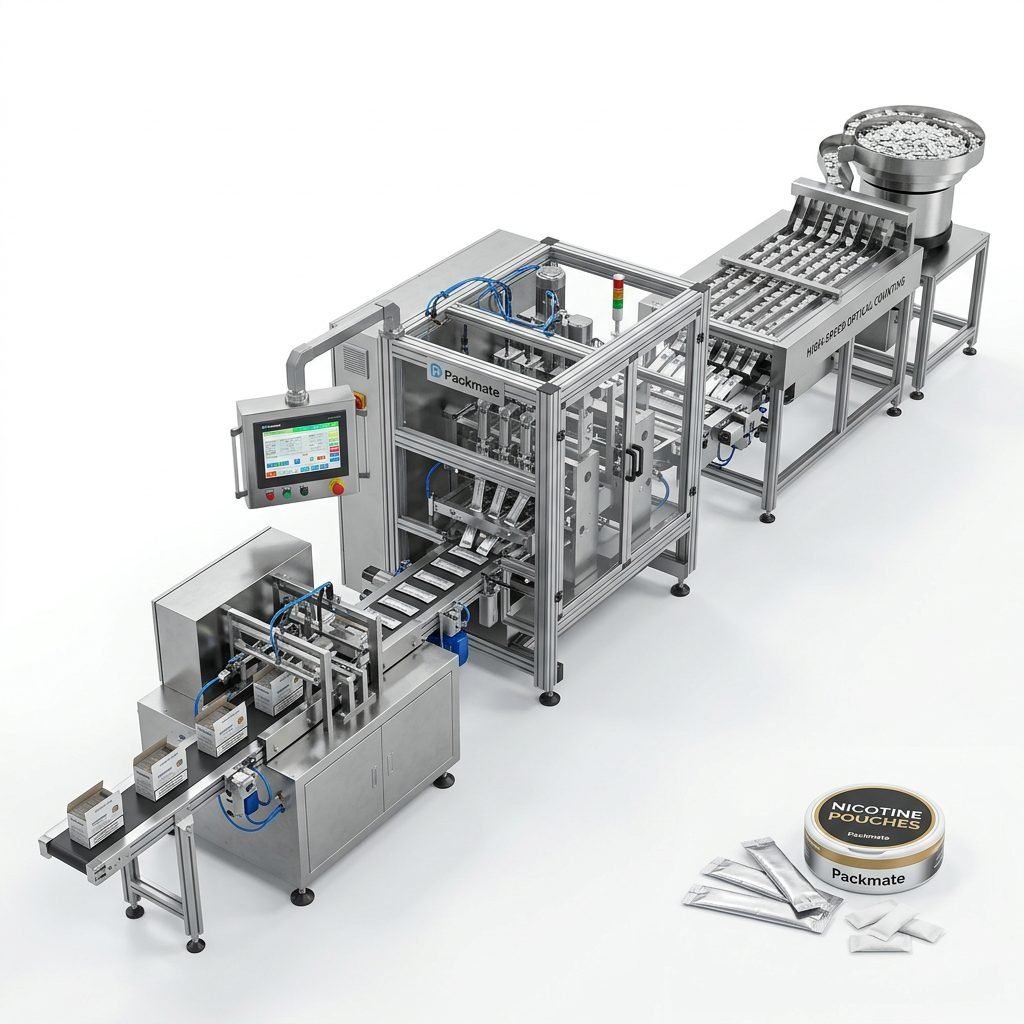
Tip: evaluate machines like multi-lane snus packing solutions that support small-dose pouches to multiply output without multiplying operator headcount.
Recommended equipment references
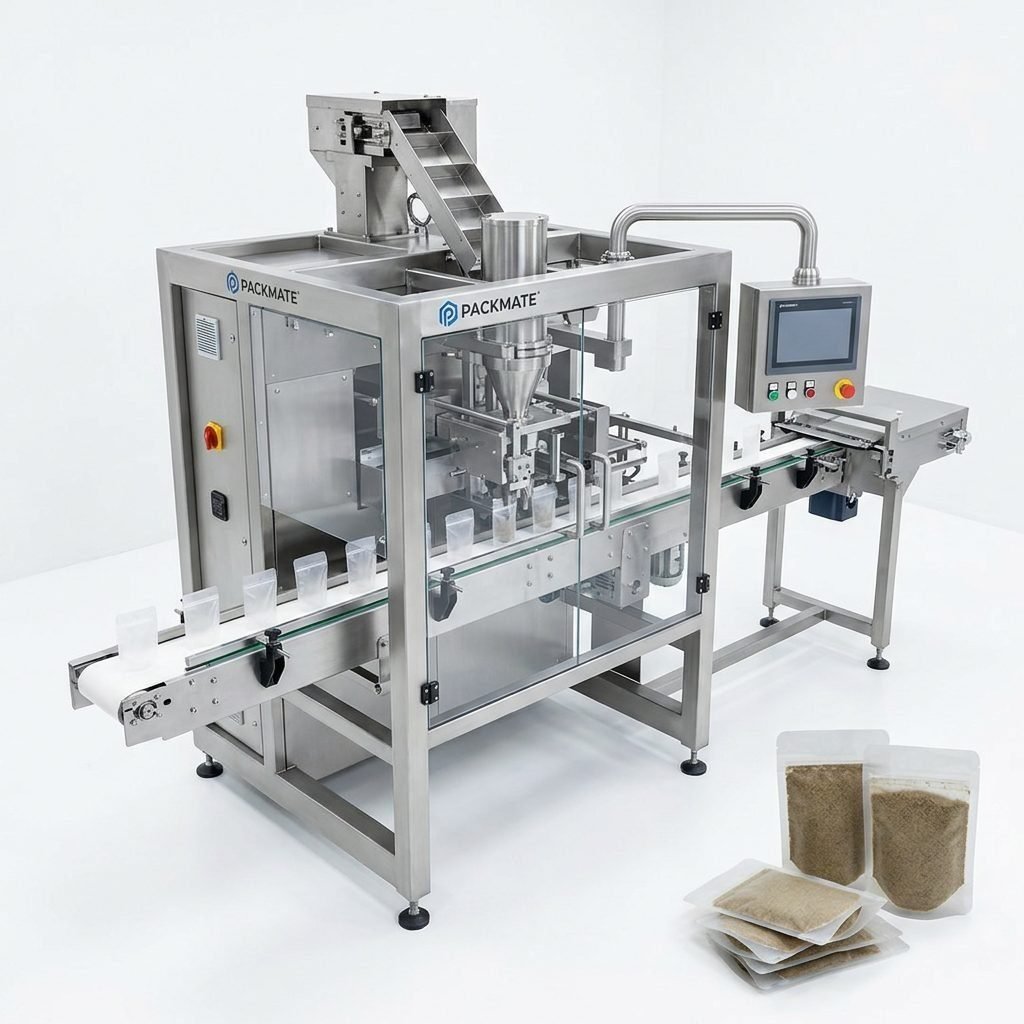
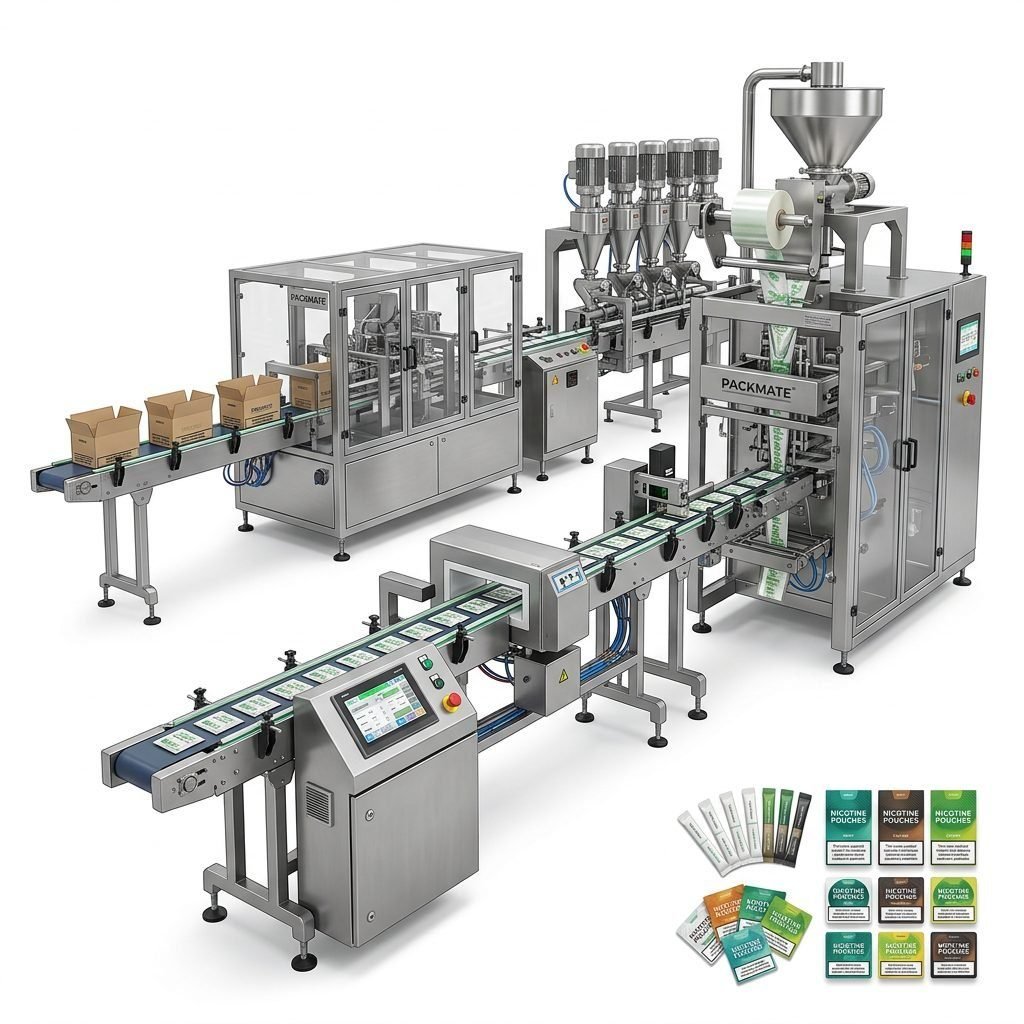
Explore proven categories to match capacity and flexibility: Snus & Nicotine Packaging Machines, Sachet & Stick Pack Machines, and integrated Filling & Packaging Lines.
Improve OEE: Availability, Performance, and Quality
Overall Equipment Effectiveness (OEE) combines availability, performance, and quality. A small increase in each area compounds into significantly higher output and lower per-unit cost.
- Availability: invest in preventative maintenance, remote diagnostics, and critical spares on-site.
- Performance: optimize changeovers, train operators on lean setups, and reduce micro-stops through sensors and feedback loops.
- Quality: implement inline QC (vision systems, weight checks) to reduce rework and product waste.
Impact example: boosting OEE from 60% to 75% can reduce unit cost by 20–30% due to higher effective output without new capital.
Reduce Material & Labor Costs Without Compromising Quality
Materials and labor are recurring costs. Small optimizations here yield steady margin improvements.
- Negotiate long-term contracts for pouches and packaging film to lock pricing and quality.
- Work with suppliers to reduce material weight or optimize film layout — fewer grams per pouch = direct savings.
- Cross-train operators and use simple HMI templates to reduce skill bottlenecks.
Automation & Labor
Automation reduces labor variance and enables 24/7 operation. Investing in integrated systems (robotic pick-and-place, automated case packing) lowers per-unit labor while enhancing hygiene — a crucial point for nicotine products with strict handling guidelines.
Design for Changeover and SKU Flexibility
Market demand often requires multiple SKUs. Long changeovers are wasted time; design your line for quick format changes:
- Use quick-release fixtures and pre-set recipes in the machine HMI.
- Store tooling sets and maintain a changeover checklist to reduce mistakes.
- Consider modular machines that let you add capacity lanes as demand increases.
Quick metric: reducing average changeover time by 30% typically increases productive run time by 5–10% across a week.
Maximize Yield and Minimize Giveaway
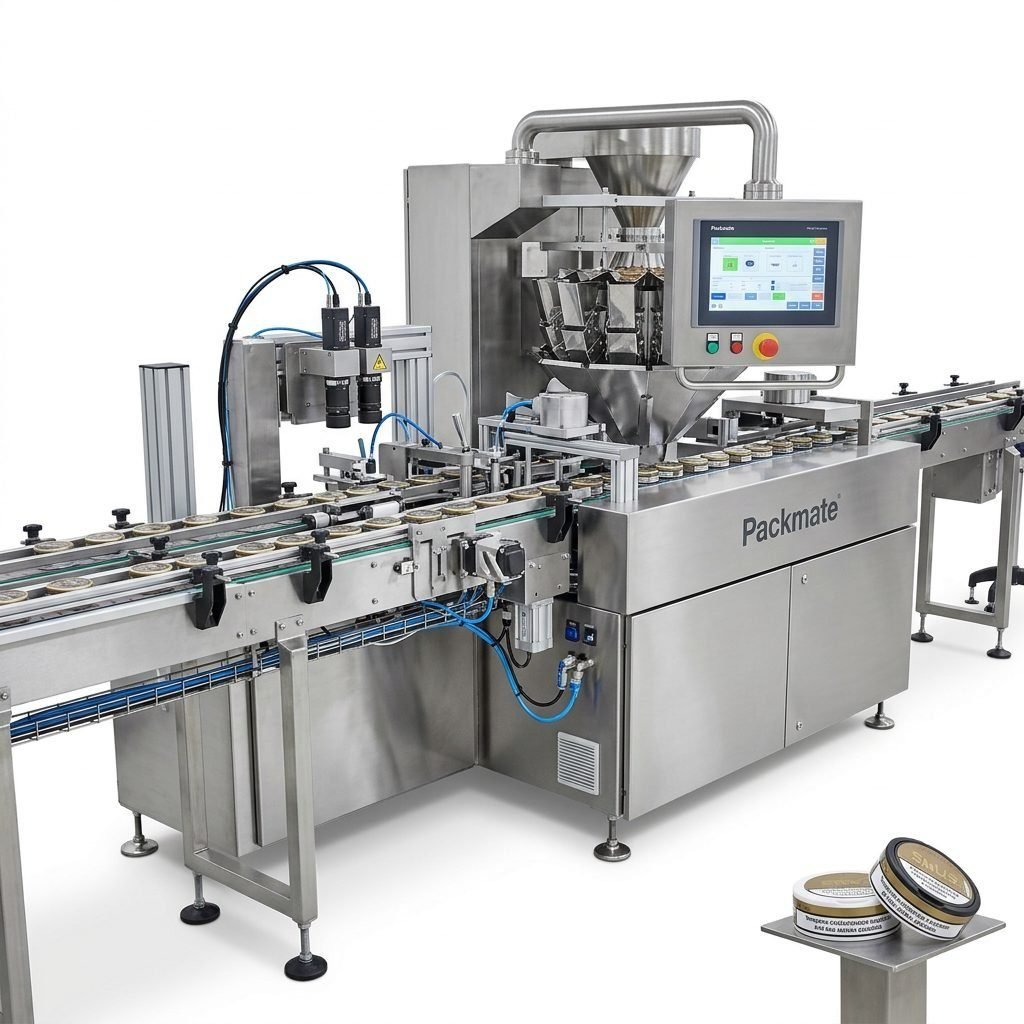
Precise dosing, accurate weighing, and real-time feedback are essential to control giveaway (overfilling). Modern weighing and dosing systems deliver sub-gram accuracy for small-dose pouches, preserving product margin.
Invest in inline check-weighers, load-cell dosing, and data logging to spot trends early. Use SPC (statistical process control) dashboards to identify drifts before they become losses.
Maintenance & Service Strategy
Reactive maintenance kills uptime. Adopt a balanced maintenance plan:
- Planned preventative maintenance (PPM) with documented intervals.
- Condition-based monitoring for critical bearings and servos.
- Service agreements with guaranteed response times and access to spare parts.
Vendor selection matters: choose suppliers with global service networks and ample spare parts inventory — downtime risk is a major ROI killer.
Layout, Utilities, and Footprint Efficiency
Floor layout affects material flow, labor travel time, and maintenance access. Optimize for linear flow from raw material to finished pallet. Shorter conveyors, proper ergonomic zones, and utility placement reduce wasted motion and minimize contamination risk.
Utilities
Monitor and optimize compressed air, vacuum, and power usage. Efficient servo-driven machines can significantly reduce energy consumption compared to legacy pneumatic equipment.
Regulatory Compliance & Product Safety
Nicotine products are heavily regulated in many markets. Non-compliance leads to recalls, fines, and lost market access. Build compliance costs into your ROI model and choose equipment that supports traceability, allergen control, and GMP-friendly cleaning.
Consider implementing batch-level serialization and digital records for audits — these protect revenue and reduce risk premium applied by distributors.
Data and Industry 4.0: Turn Metrics into Margin
Real-time data from the line is one of the most powerful tools to increase ROI. Connect machines to a central MES or lightweight IIoT dashboard to monitor OEE, alarms, and quality metrics. Use the data to prioritize improvements with the highest ROI.
Quick win: start with a single KPI (e.g., runtime %) and drive a targeted project; measurable gains on one line often replicate across the plant.
Case Example: Multi-Lane Upgrade
A mid-size manufacturer replaced two single-lane machines with a single multi-lane snus packaging system. Results within 12 months:
- Throughput increase: 2.8x
- Labor reduction: 35% fewer operators for same net output
- Material giveaway reduction: 4% savings in pouch material due to precise dosing
- Payback: under 30 months including installation and commissioning
Procurement Checklist: What to Ask Before Buying
When evaluating vendors, include:
- References and uptime history (ask for OEE data on comparable lines).
- Spare parts list and recommended spares inventory.
- Service SLA and local support availability.
- Integration capability with your MES and existing conveyors.
- Compliance documentation (CE, ISO) and material contact certificates.
Packmate Snus Machine demonstrates the kind of manufacturer you should evaluate — with multi-lane systems, specialized snus equipment, and a global service footprint. Learn more about their solutions at About Packmate and review product lines like Auxiliary Packaging Equipment to complete your turnkey solution.
Practical Steps to Improve ROI in the First 6 Months
If you’ve recently installed new equipment or are preparing to, focus on quick-impact activities:
- Implement operator training on setup and changeover procedures.
- Install basic IIoT monitoring on the line to capture OEE and alarm data.
- Standardize spare parts storage for top 10 failure items.
- Schedule the first preventive maintenance visit within 30–60 days to confirm baselines.
- Run an SKU rationalization workshop to focus production on the most profitable SKUs.
Operational KPI targets (example): OEE > 70%, changeover < 15 min, giveaway < 1.5% – use these to measure early success.
Final Thoughts: ROI Is About Systems, Not Just Machines
Maximizing ROI on a snus production line requires aligning equipment choice with processes, people, and data. The smartest investments are those that lower repeatable costs (giveaway, labor, downtime) and increase reliable throughput. Treat equipment as part of a system — integrate weighing, filling, packaging, and data — and you’ll protect margins in a competitive and highly regulated market.
Where to Learn More
For concrete machine options and turnkey line designs, review product catalogs and case studies such as Snus & Nicotine Packaging Machines and real-world examples at the Case page.
Frequently Asked Questions
Q1: How quickly can I expect payback after installing a multi-lane snus machine?
A1: Payback depends on baseline capacity and efficiency gains. Typical payback for a well-sized multi-lane upgrade ranges from 18–36 months when accounting for increased throughput, labor savings, and material giveaway reductions.
Q2: What maintenance strategy provides the best ROI?
A2: A mix of preventative and condition-based maintenance, supported by vendor service agreements for critical parts, minimizes downtime and extends machine life for the best long-term ROI.
Q3: Is automation worth it for small-volume snus producers?
A3: Yes — automation pays off when it improves consistency, reduces labor variance, and enables scale. For small-volume operations, focus on modular automation that can scale as demand grows.
Q4: Which KPIs should I track first to improve ROI?
A4: Start with OEE, changeover time, giveaway percentage, and yield. These directly relate to output and cost per pouch and are actionable.
Q5: Who can help design a turnkey snus packaging line?
A5: Look for experienced suppliers with global turnkey experience, integrated weighing/filling options, and strong service networks — review manufacturers such as Packmate and their product range when planning turnkey solutions.