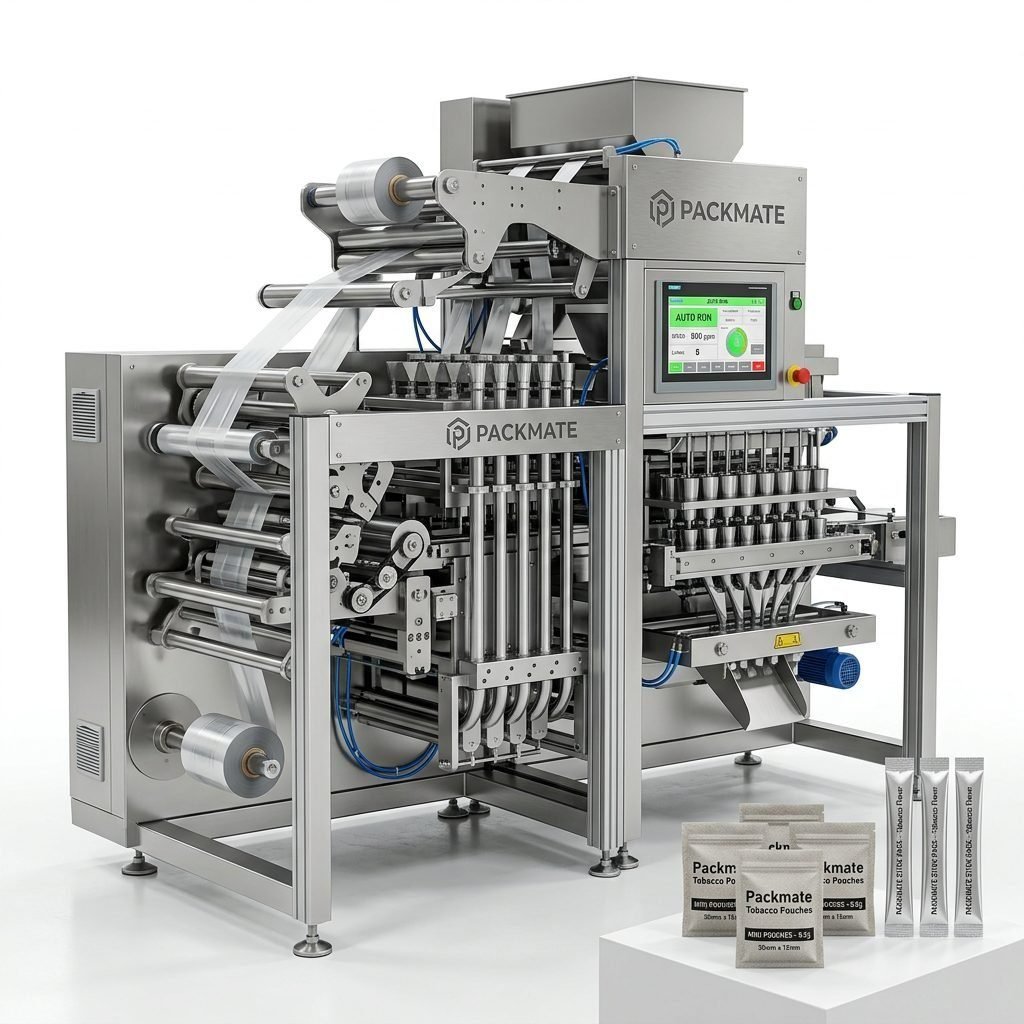
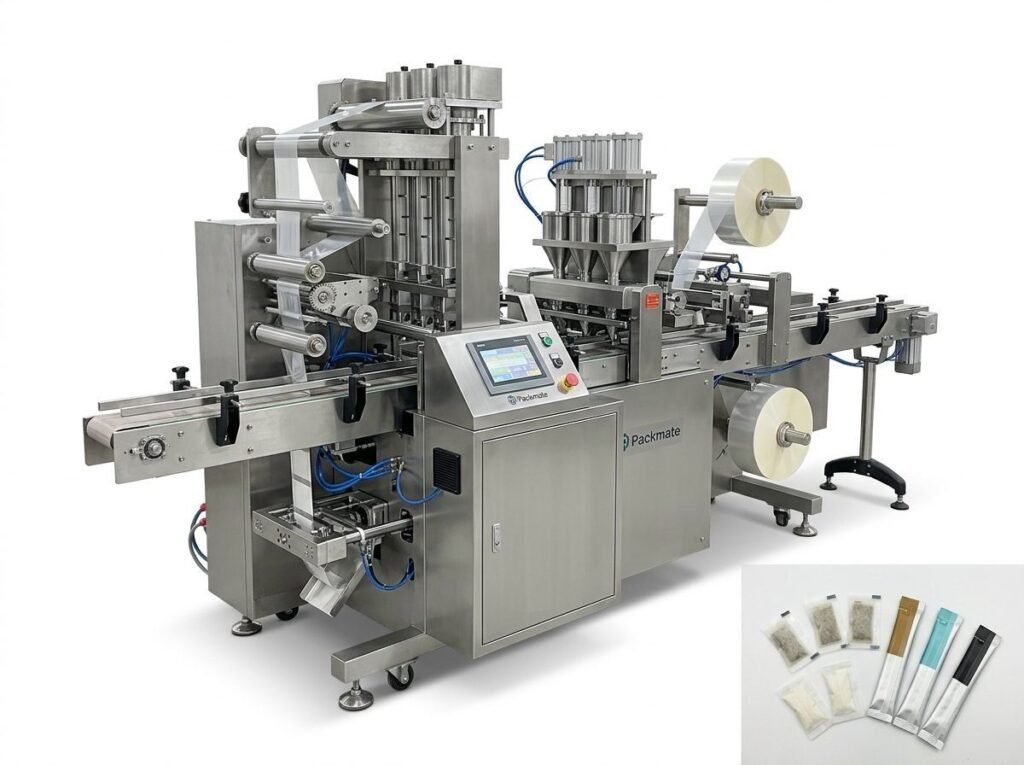
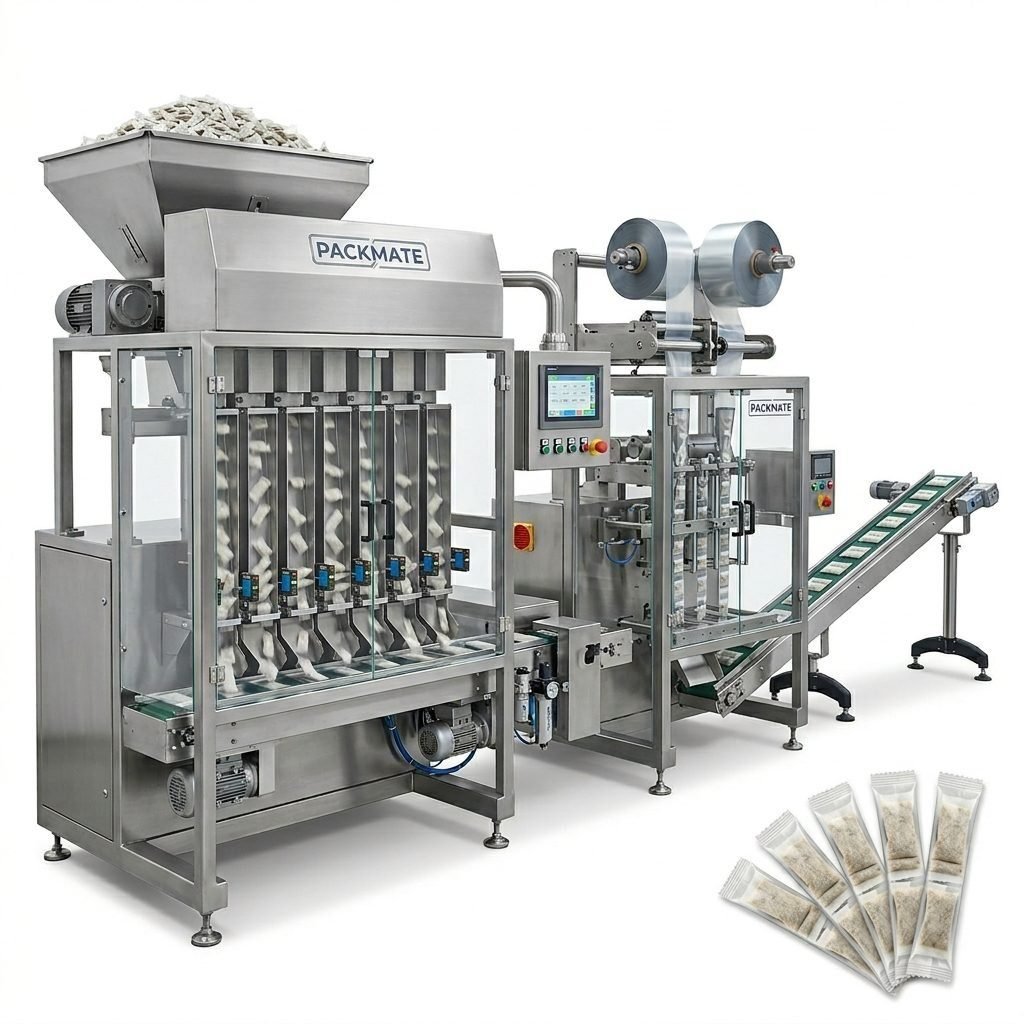
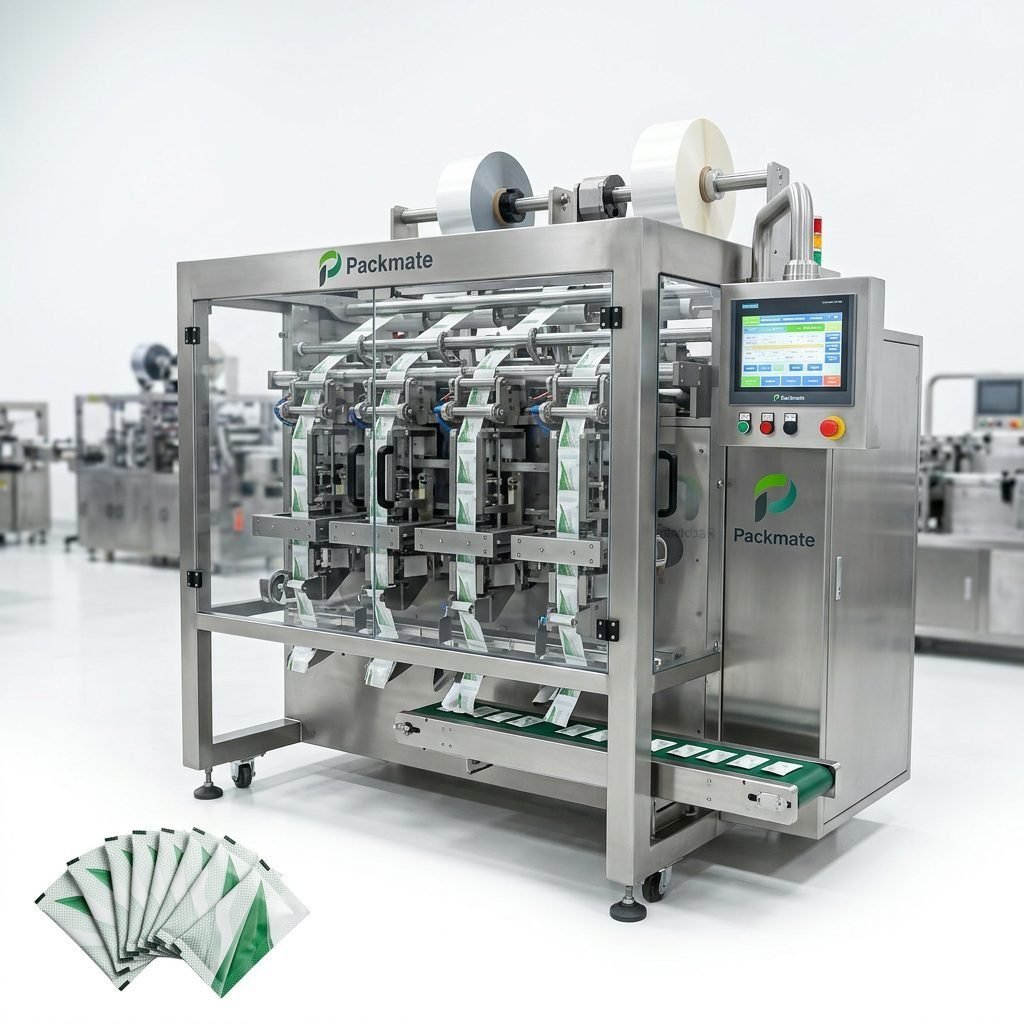
Choosing the right nicotine packaging machine for production in Brazil requires a balance of technical performance, regulatory compliance, local market understanding, and reliable after-sales support. This guide will walk you through the practical factors to evaluate — from machine types and production capacity to materials, climate considerations, and supplier qualifications — so you can select a system that fits Brazilian consumer preferences and your business goals.
Understand Brazil’s Market, Regulations, and Consumer Habits
Brazil’s regulatory landscape and consumer behaviors play a major role in packaging choices. Make sure your packaging lines and finished products meet local labeling requirements (Portuguese-language labels, ingredient declarations, and any nicotine-related warnings) and customs/import rules. Consult local legal counsel or regulatory agencies early in project planning to avoid delays.
From a consumer standpoint, Brazilian buyers often favor vibrant branding and practical formats. Compact, resealable pouches and clear instructions in Portuguese are important for acceptance across retail channels such as kiosks, supermarkets, and e-commerce. Consider regional climate diversity (tropical humidity in the North and coastal areas vs. drier inland), which impacts barrier film choice and sealing quality.
Select the Right Machine Type for Your Product
There are several mainstream packaging machine types for nicotine pouches and snus products. Match the machine to your format and production goals:
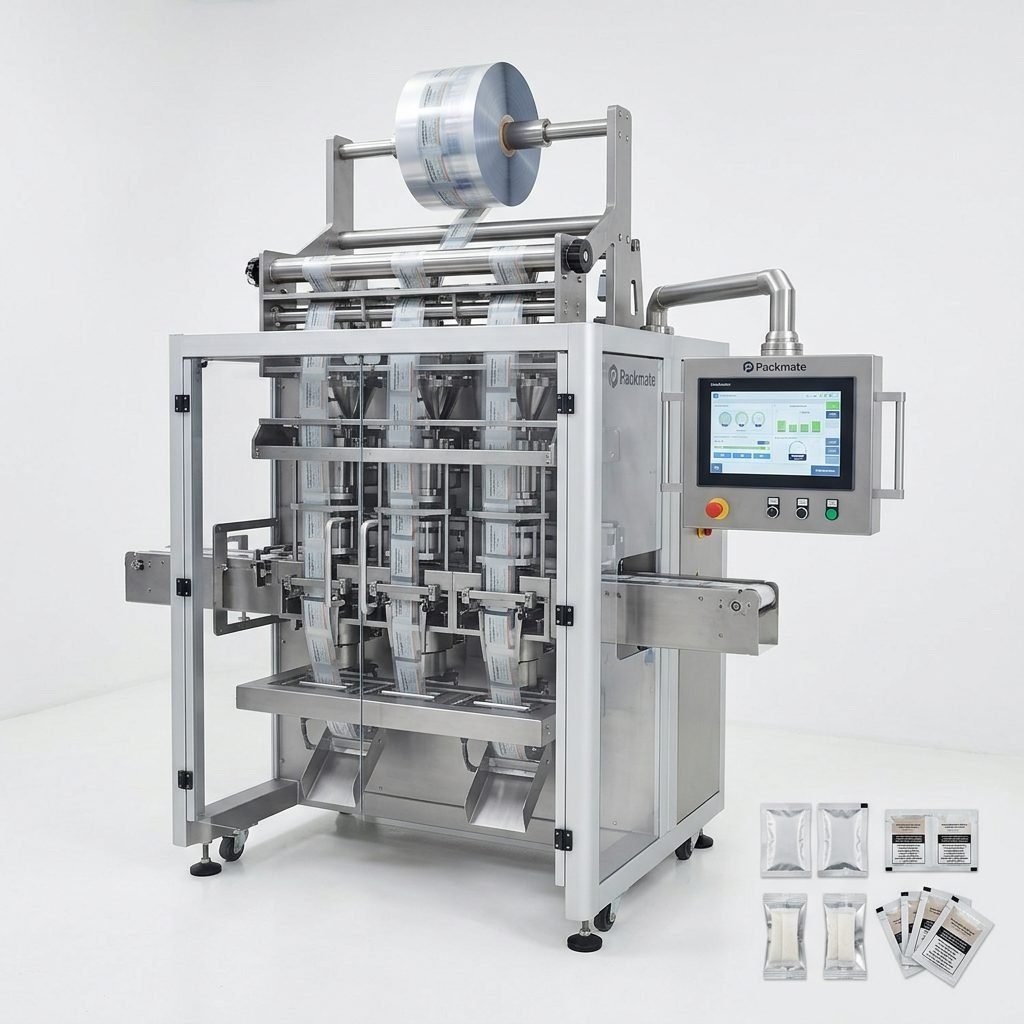
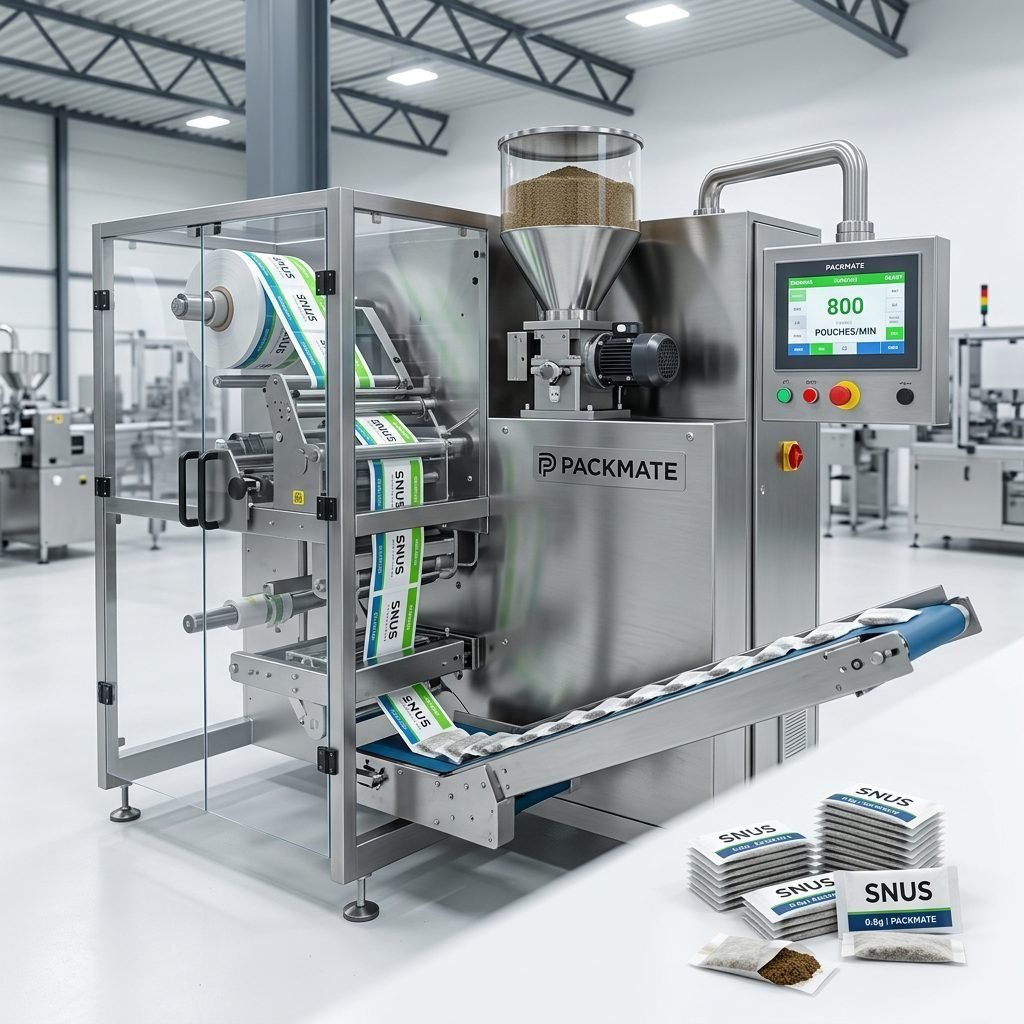
📌 Multi-lane snus/nicotine pouch lines — Ideal for small-dose pouches and high throughput; a single machine can produce multiple lanes of pouches simultaneously.
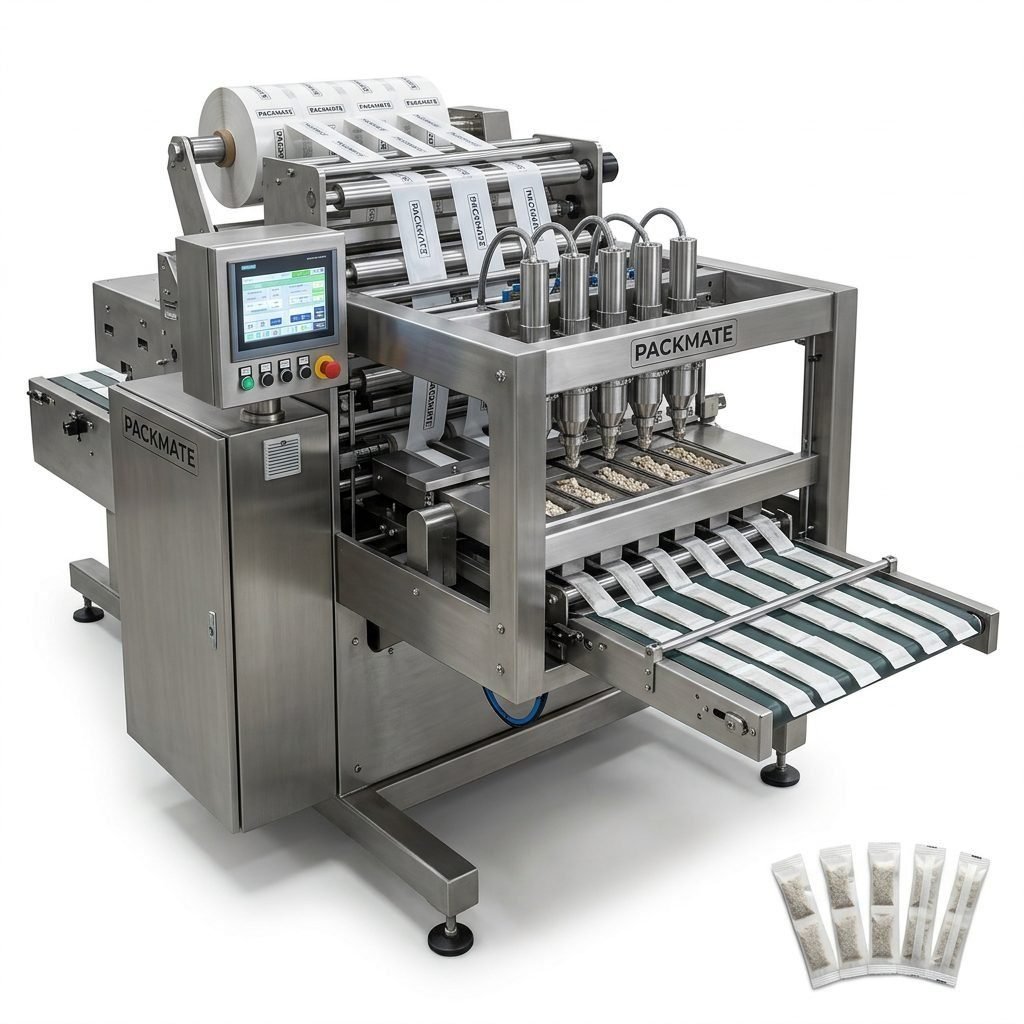
📌 Sachet and stick pack machines — Useful for single-dose stick formats, sugar-free mints-style designs, or promotional sachets. These machines often provide flexible format changeovers. See examples at Sachet & Stick Pack Machines.
📌 Bag & pouch packaging machines — For resealable pouches and consumer retail packaging; important when offering larger multi-dose packs. Explore options at Bag & Pouch Packaging Machines.
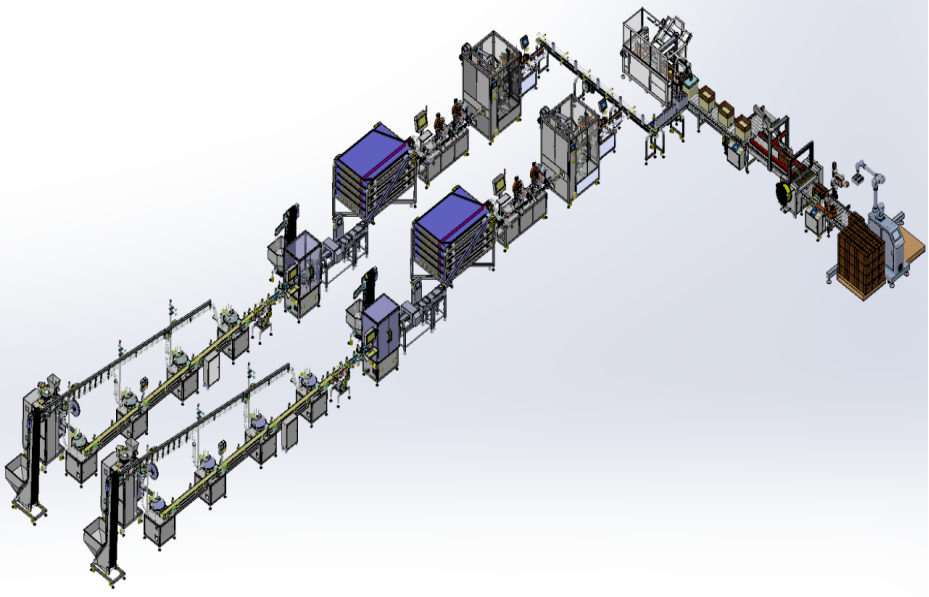
For full turnkey lines, you’ll often integrate weighing and dosing systems. Check integrated solutions and add-ons at Weighing & Packaging Systems and Filling & Packaging Lines.
Production Capacity & Line Speed
Evaluate required output in pieces per minute (ppm) or packs per hour and select a machine that meets peak demand while allowing future expansion. Machines with modular multi-lane designs let you increase capacity by adding lanes rather than buying a completely new unit. When calculating needs, account for downtime for maintenance, format changeovers, and quality control sampling.
Packaging Materials, Barrier Properties & Climate
Brazil’s warm, humid regions require robust barrier films and strong seal integrity to prevent moisture ingress and preserve product stability. Look for machines that support high-barrier laminates and precise heat-seal control. Consider resealable zipper options for multi-dose packs and tamper-evident features for consumer trust.
Automation, Integration & Line Flexibility
Decide how much automation you need: manual loading vs. automated feeding systems, robotic handling, in-line metal detection, or vision inspection. Highly automated lines increase consistency and reduce labor but require investment in training and maintenance. Prioritize machines that offer straightforward integration with upstream and downstream equipment for weighing, cartoning, and case-packing.
Technical Specifications to Prioritize
When comparing equipment, focus on key technical specs that affect performance and long-term cost:
✅ Accuracy and repeatability — Dosers and fillers should maintain tight tolerances to reduce waste and complaints.
✅ Servo-driven motion control — For faster changeovers and precise registration, choose systems with modern servo controls and PLC-based HMI.
✅ Hygiene and cleanability — Smooth surfaces, easy-to-disassemble modules, and food-grade materials reduce contamination risk and accelerate cleaning cycles.
✅ Spare parts availability and local support — Short lead times for critical parts and nearby technical support minimize downtime, especially given Brazil’s vast geography.
Supplier & Factory Evaluation: Why It Matters
A trusted supplier with proven manufacturing strength and global references reduces project risk. Look for companies with strong engineering history, CE/ISO certifications, and real-world case studies. Packmate Snus Machine, for example, emphasizes over 30 years of experience, a 20,000㎡ manufacturing facility, and 50+ machine models — attributes that indicate production capacity and quality control systems. Learn more about the company background at About Packmate and quality credentials at Certificate.
Verify reference installations and ask for client contacts or case studies similar to your product and market. Visiting a factory or attending live exhibitions where machines are demonstrated can clarify real-world performance — check upcoming events at Our Exhibition.
⚠️ Key reminder: ensure the supplier provides clear documentation for machine validation, spare part lists, electrical and pneumatic diagrams, and training programs in Portuguese or with translation support for smoother commissioning in Brazil.
Cost Considerations & Return on Investment (ROI)
Total cost of ownership includes the initial equipment price, installation, tooling and format kits, spare parts, consumables (films, inks), power consumption, maintenance labor, and downtime. Factor in logistic costs to ship spare parts to Brazil, potential tariffs, and customs clearance. A more automated machine may cost more upfront but typically lowers labor costs and reduces variability, improving ROI over time.
Consider phased investments: start with a modular line that meets current demand and add lanes or auxiliary equipment (such as cartoners) as volume grows. Discuss local service contracts and preventive maintenance plans with the manufacturer or authorized Brazilian service partners to keep life-cycle costs predictable.
Installation, Commissioning, and Training
Proper installation and operator training are essential. Ensure the supplier provides:
✅ On-site or remote commissioning support in Portuguese or with clear translation.
✅ Comprehensive operator and maintenance training for local teams, and clear manuals for routine troubleshooting and preventive care.
✅ A plan for spare parts stocking strategy — critical parts should be available locally or shipped with priority to avoid extended downtimes across Brazil’s large territory.
Designing Packaging for Brazilian Consumers
Marketing and packaging design must resonate locally. Use Portuguese copy, clear usage instructions, and culturally relevant imagery or colors — vibrant palettes often perform well in Brazil. Durable, easy-to-open, resealable pouches are appreciated by consumers who store products in humid environments or carry them in bags. Consider special promotions aligned with local events (Carnaval, regional festivals) when planning seasonal packaging runs.
Practical Checklist: How to Choose — Quick Reference
📌 Define formats and throughput: lanes, pouch sizes, ppm targets.
📌 Confirm climate-appropriate packaging materials: high-barrier films and seal quality for humid regions.
📌 Prioritize supplier support: installation, spare parts, Portuguese documentation, and training.
📌 Check certifications and references: CE/ISO compliance and client case studies similar to your operation. See real-world applications at Case.
Why Work with an Experienced Manufacturer?
A seasoned manufacturer offers mature engineering, robust quality control, and an array of machine models to match different scales of production. Companies that have invested in CNC machining, precision assembly, and strict factory testing reduce the risk of early-life failures and improve long-term uptime. If you need help choosing the right configuration for Brazil, reach out to the supplier’s local contact or service team for tailored advice: Contact Us and explore available services at Service.
Final Recommendations
Bottom line: choose a flexible, modular packaging line that supports Brazilian labeling and climate needs, verifies spare-part logistics, and comes with strong on-site or remote commissioning and training. Investing in quality control and local language documentation will accelerate market entry and build consumer trust.
Common Questions
Q: Do I need special permits to import nicotine packaging machines into Brazil?
A: Import rules and permits vary by product class and local customs. It is recommended to engage a customs broker and consult local regulatory guidance early in the procurement process to confirm documentation and taxes.
Q: What machine type offers the best long-term flexibility?
A: Modular multi-lane systems and machines with interchangeable format kits tend to offer the best flexibility for evolving product ranges and volumes.
Q: How important is local service and spare parts availability?
A: Extremely important. Brazil’s size can extend spare-part lead times; choose suppliers with regional warehouses or reliable expedited shipping and clear maintenance agreements.
Q: Can the same packaging line handle multiple pouch sizes?
A: Many modern lines are designed for format changeovers using quick-change tooling or adjustable modules, but the complexity and time required depend on the specific machine. Confirm changeover times with the manufacturer and request demonstration videos or test runs.
Q: Where can I view machine models and get more information?
A: Explore product categories and contact the manufacturer for tailored recommendations: Snus & Nicotine Packaging Machines, Bag & Pouch Packaging Machines, and request direct assistance via Contact Us.