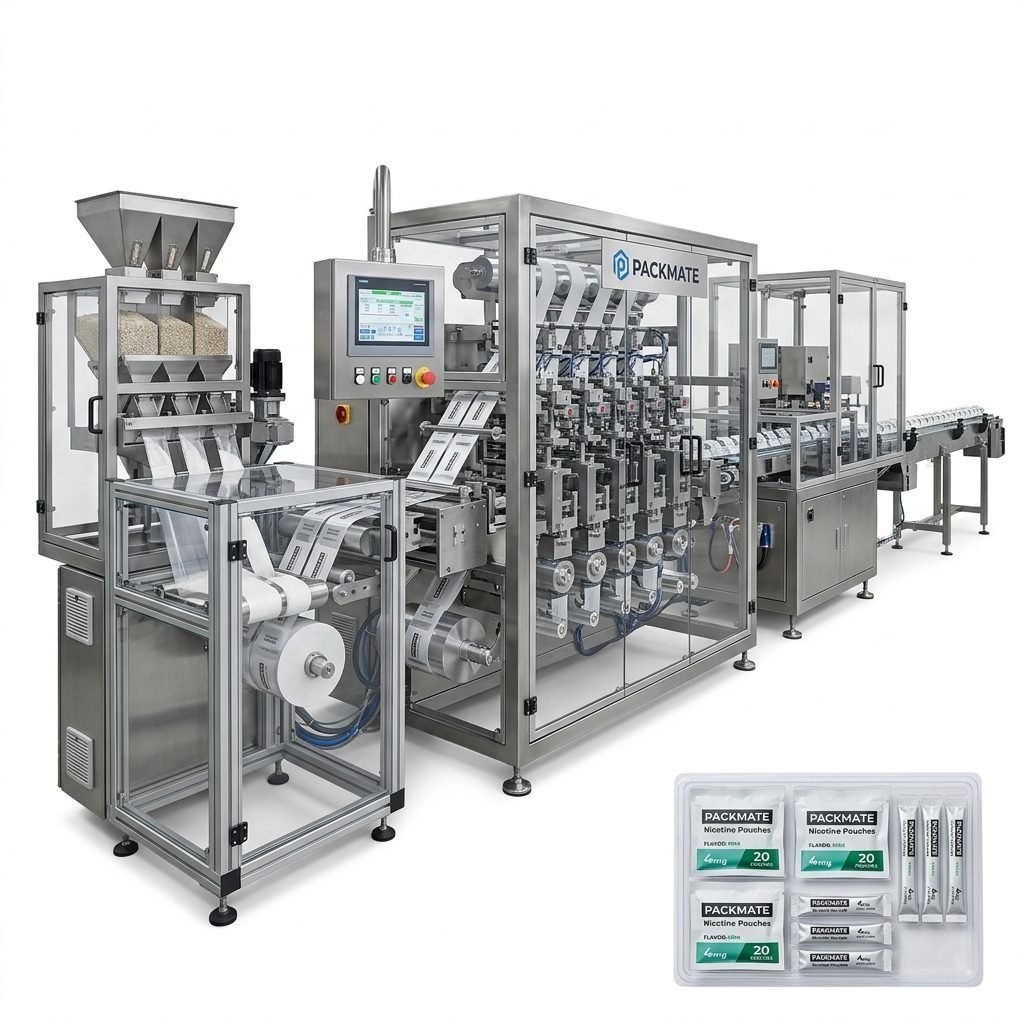
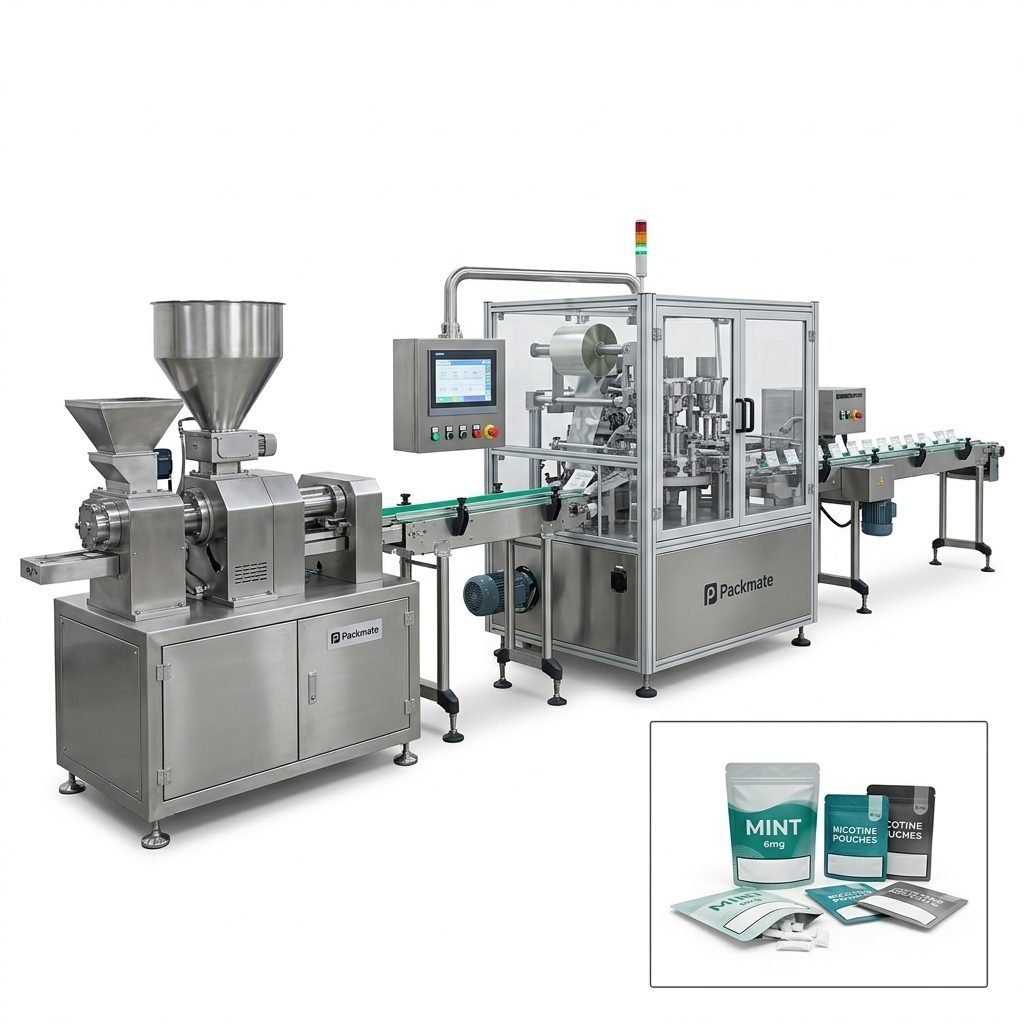
Choosing the right snus packaging machine in Belgium requires a clear understanding of your product, production goals, regulatory environment, and long-term service needs. This guide walks you through the practical steps, technical considerations, and supplier evaluation criteria to help you select a machine that delivers consistent quality, compliance, and return on investment. Whether you are scaling a nicotine pouch brand or launching a premium snus line, the right equipment choice can make the difference between operational success and costly downtime.
1. Understand the Belgian Market and Regulatory Landscape
Belgium follows strict EU and national regulations on tobacco and nicotine product packaging. Before you buy any snus or nicotine pouch packaging machine, confirm your legal obligations regarding labeling, child-resistant packaging, and product traceability. Non-compliant packaging can lead to fines or product recalls. Work with legal advisors familiar with EU Tobacco Products Directive (TPD) and local Belgian updates.
🔎 Quick tip: Ensure your chosen packaging line supports variable printing and serialization for batch codes, manufacture dates, and traceability data.
Why regulation matters for machine selection
Machines that can integrate printers, labelers, and verification sensors will help you meet Belgian labeling standards. Additionally, consider machines with CIP (clean-in-place) friendly designs if required for hygiene and cross-contamination prevention.
2. Match Machine Type to Your Product Format
Snus and nicotine pouches come in many formats: single pouch sachets, stick packs, sealed tins, or multi-lane small-dose pouches. Select a machine type that aligns with your packaging format and consumer expectations.
Common machine types and uses
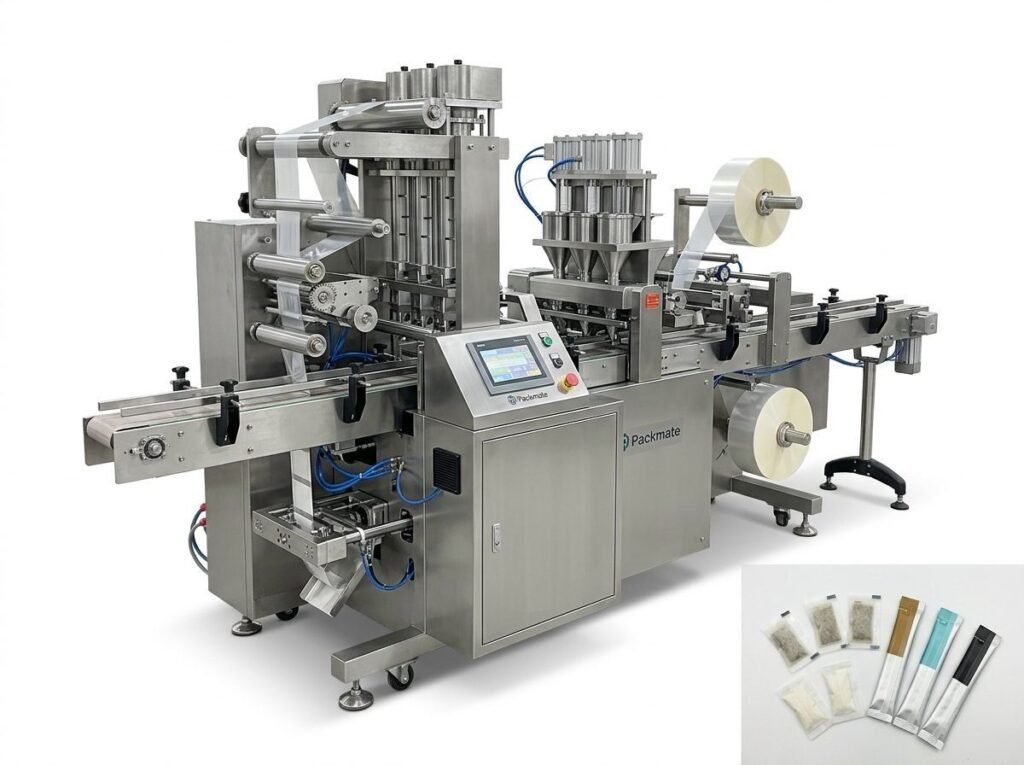
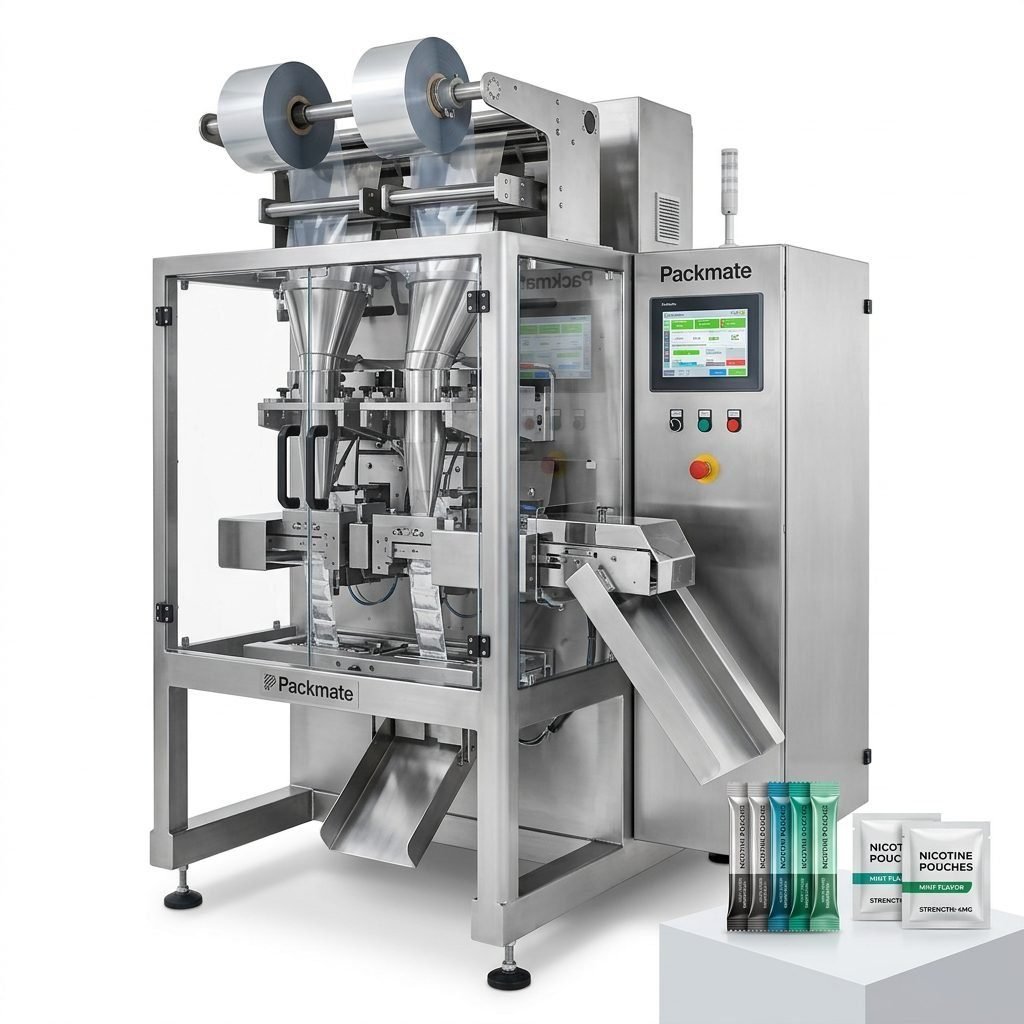
– Sachet & Stick Pack Machines: Ideal for single-portion pouches and stick formats. Fast, accurate, and flexible for varied pouch sizes. See product examples: Sachet & Stick Pack Machines.
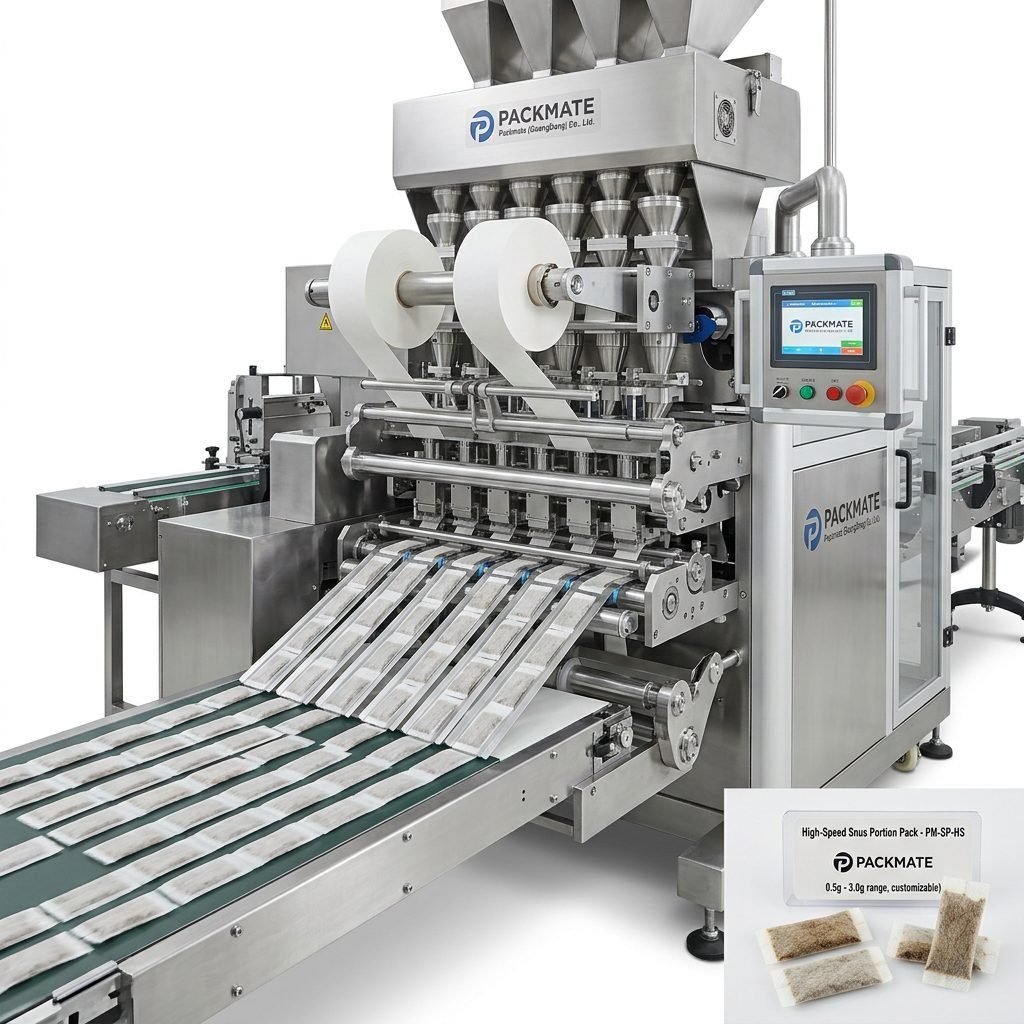
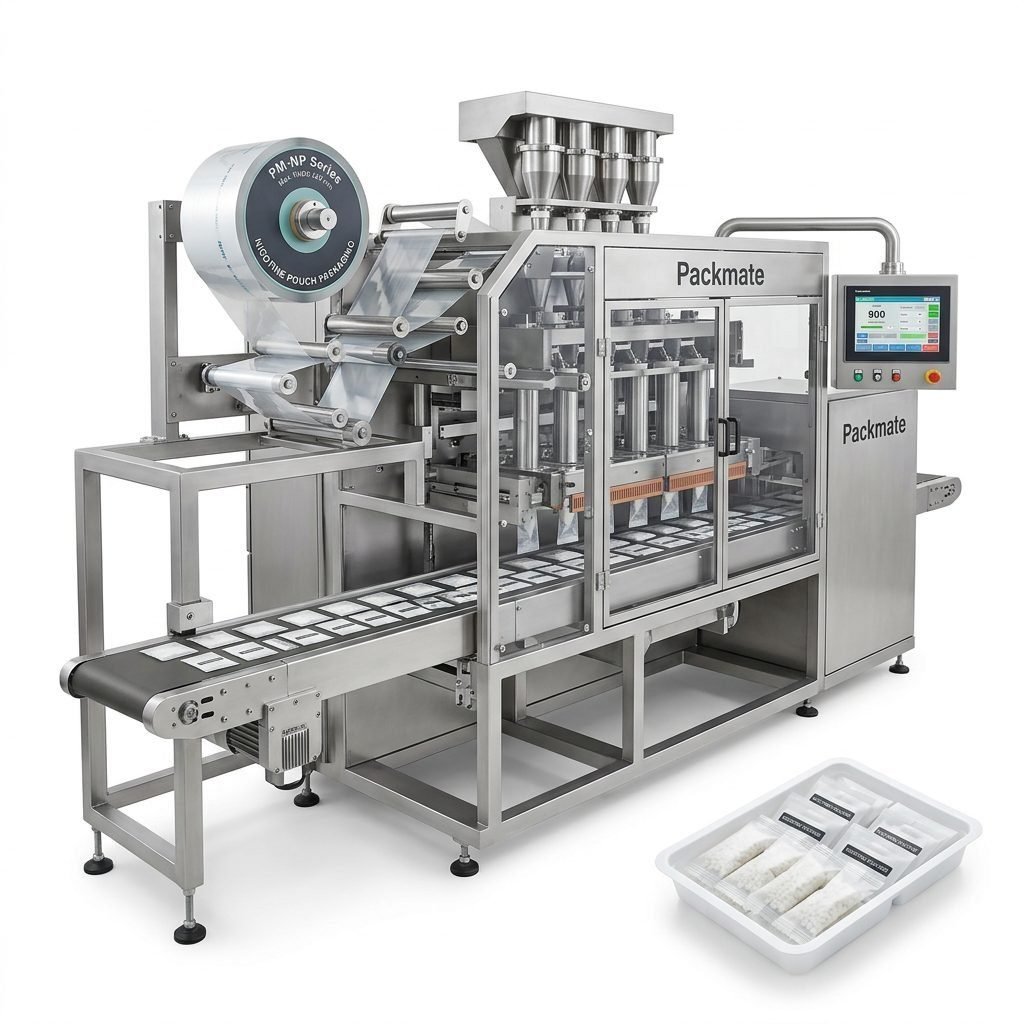
– Snus & Nicotine Packaging Machines: Specifically designed for nicotine pouch handling, dosing, and high-precision pouch formation. Explore: Snus & Nicotine Packaging Machines.
– Multi-lane Systems: For high throughput of small-dose pouches; critical when scaling production volumes.
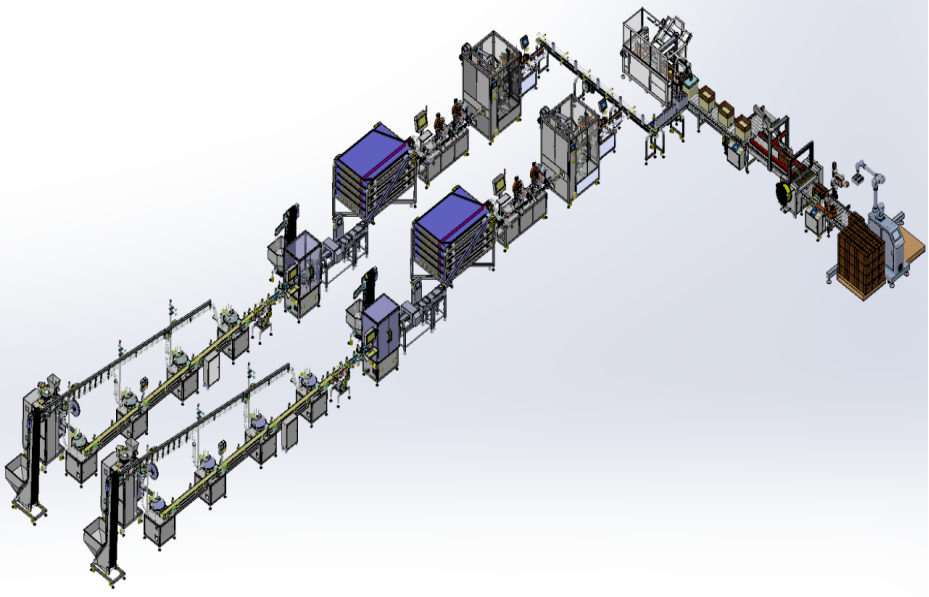
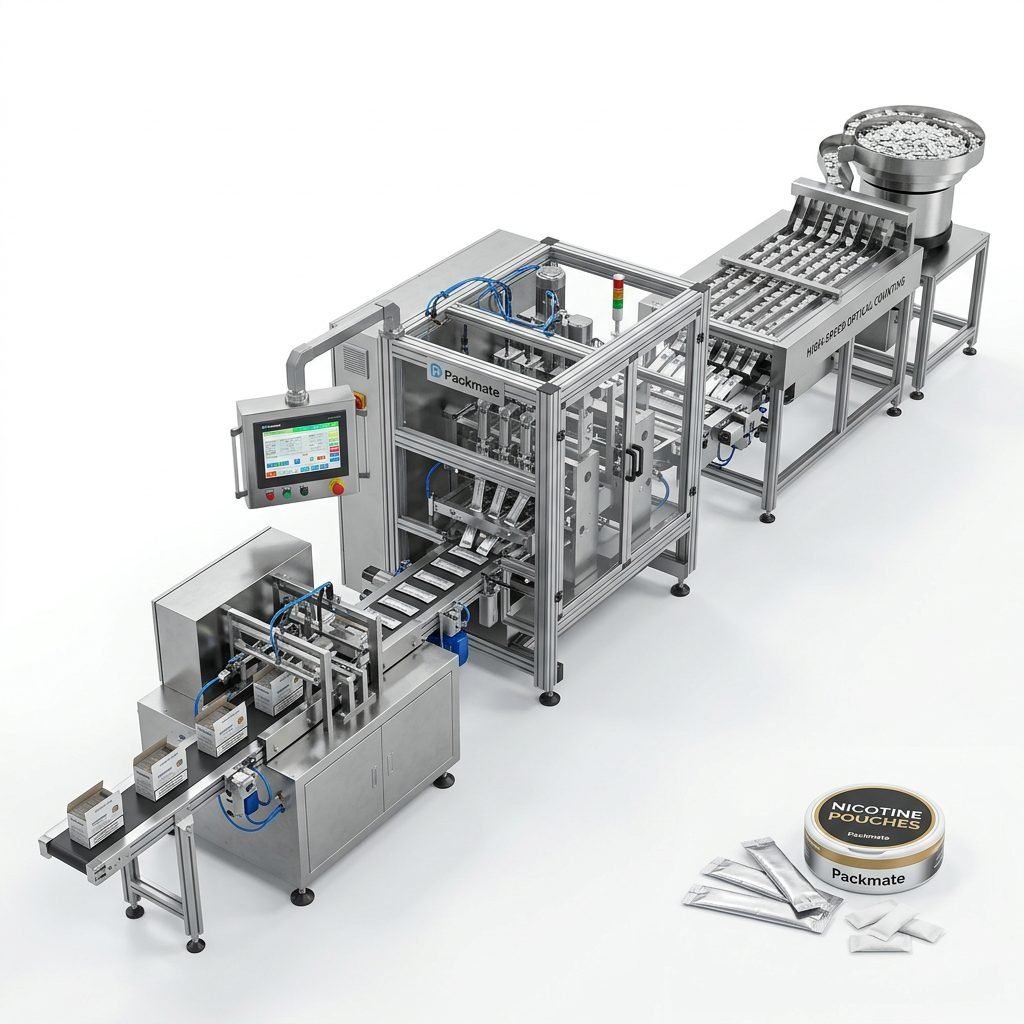
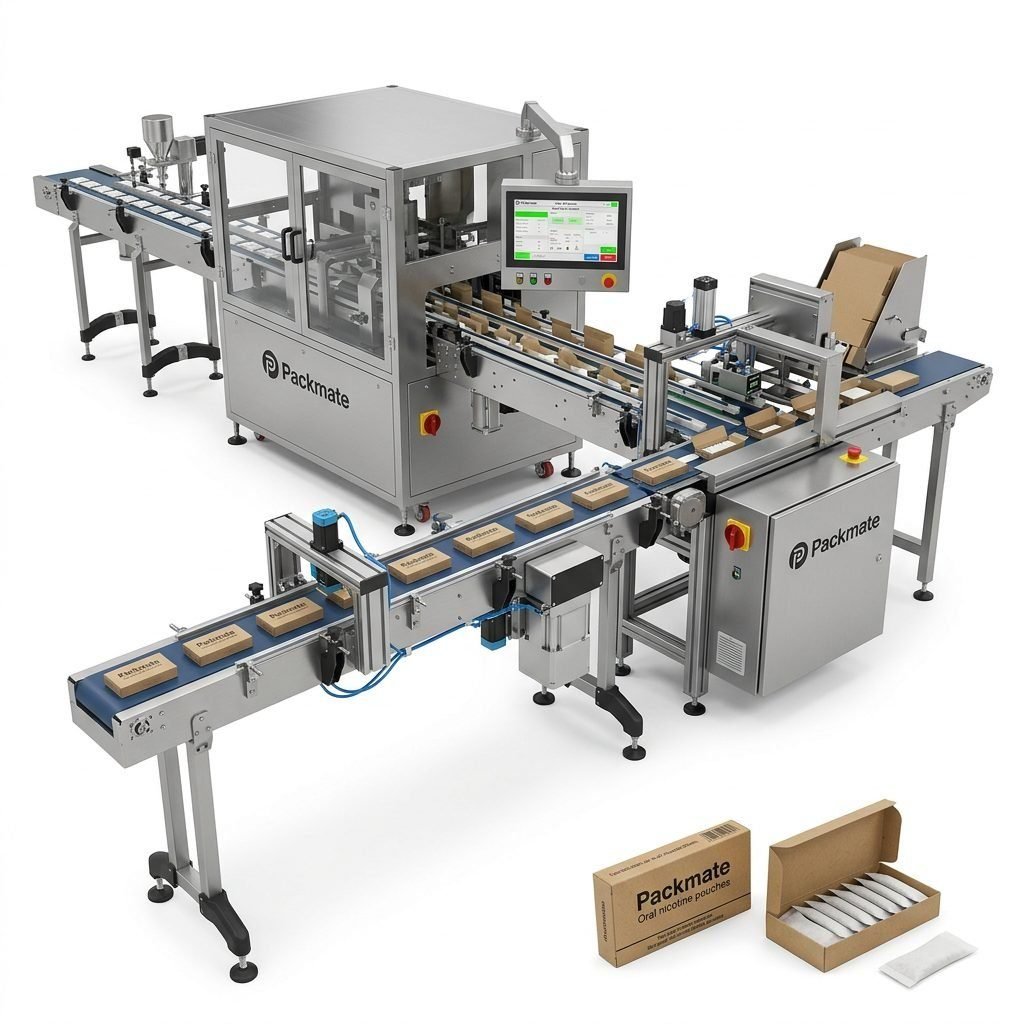
– Filling & Packaging Lines: Integrated solutions combining dosing, filling, and pouch sealing for complete automation: Filling & Packaging Lines.
✅ Selection rule: If you plan multiple SKUs or pouch sizes, prioritize machines with quick-change tooling and easy recipe recall to reduce downtime.
3. Key Technical Specifications to Evaluate
Evaluate specifications beyond the headline speed. Focus on throughput, accuracy, compatibility with materials, and expandability.
Throughput & lanes
– Production speed (pouches/minute) and the number of lanes determine your hourly output. Define your target annual capacity and pick a machine that meets peak demand while leaving room for growth.
Filling accuracy & dosing system
Accurate dosing systems (vibratory, loss-in-weight, piston fillers) are crucial for nicotine pouches to ensure consistent nicotine content and compliance. Check tolerance specs and calibration ease.
Material compatibility
Ensure the machine supports your chosen pouch films (laminates, mono-films, biodegradable options). Material handling features like film tracking, web tension control, and sealed jaw designs affect final seal strength.
4. Quality, Safety, and Compliance Features
Safety guards, CE compliance, electrical protections, and hygienic machine design are non-negotiable. Look for models with easy-to-clean surfaces, guarded moving parts, and built-in interlocks.
⚠️ Must-have: CE and ISO certifications validate manufacturer quality systems. Confirm documentation and test reports before purchase. Packmate provides certificates and ongoing support: Certificate.
5. Service, Spare Parts, and Local Support in Belgium
Fast technical support and spare part availability reduce downtime. Ask prospective suppliers about:
– Local agents or service partners in Europe/Belgium.
– Mean time to repair (MTTR) for common failures.
– Availability of critical spare parts and recommended spare kits.
– Remote diagnostics and PLC/HMI access for quick troubleshooting.
Why warranty and training matter
Comprehensive warranty terms and operator/maintenance training ensure your team can run and maintain the line safely and efficiently. Consider supplier-provided installation, commissioning, and on-site start-up training as part of the purchase package.
6. Factory Capabilities & Manufacturer Credibility
Evaluate the manufacturer’s engineering depth, factory size, and experience. A supplier with a large, well-equipped facility, advanced CNC machining, and assembly lines is better positioned to deliver consistent quality and custom solutions.
For example, Packmate Snus Machine brings 30+ years of experience, a 20,000 m² factory, and over 50 models covering snus and nicotine pouch packaging. Their turnkey solutions often include multi-lane systems, integrated weighing, and packing automation. Learn more about their profile: About Packmate.
7. Total Cost of Ownership (TCO) and Return on Investment (ROI)
Purchase price is only part of the story. Calculate TCO including energy consumption, consumables, spare parts, operator labor, maintenance, and expected life span. A slightly higher upfront cost can be justified if the machine reduces scrap, increases uptime, or improves yield.
💡 ROI checklist: compute hourly output × selling price × uptime improvement over current process to estimate payback timeframe.
8. Customization, Scalability, and Turnkey Solutions
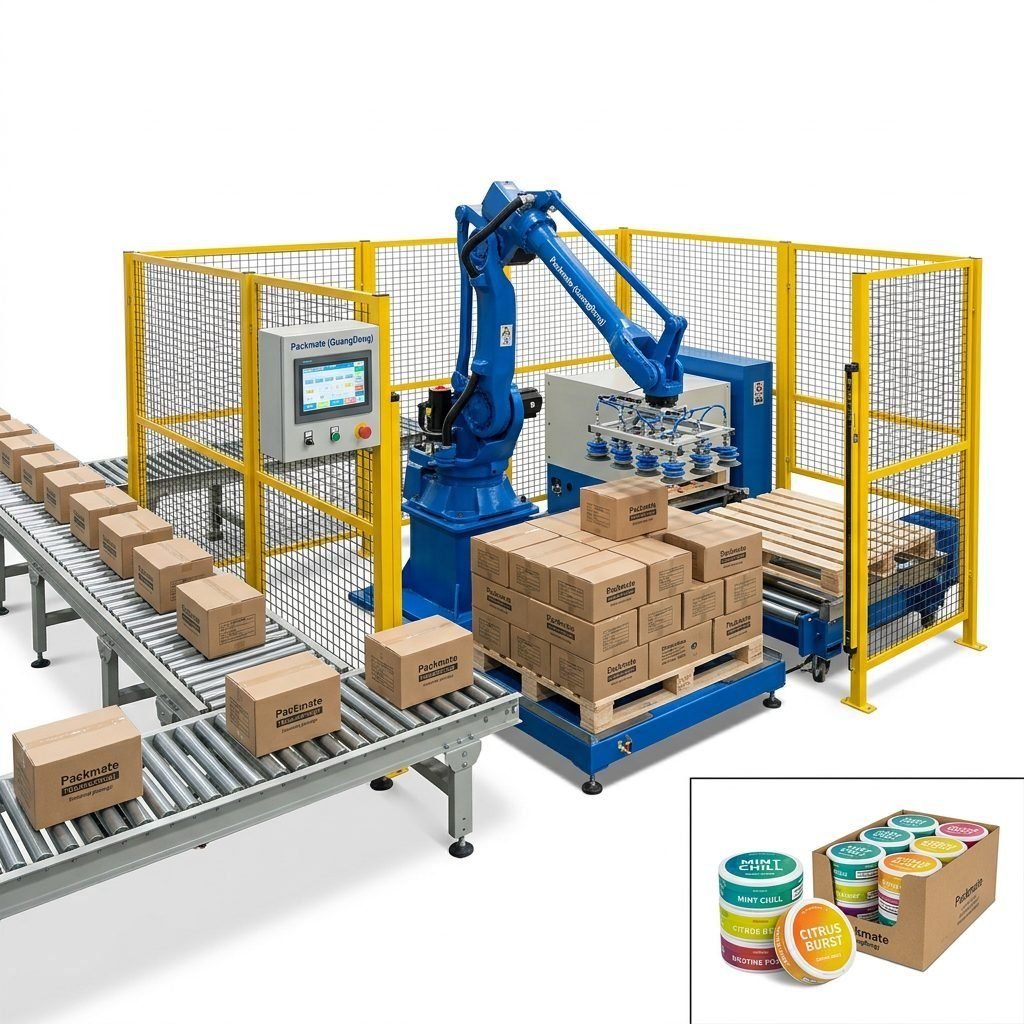
If your business roadmap includes new SKUs, packaging upgrades, or higher throughput, choose a supplier that offers modular and scalable solutions. Turnkey lines that integrate filling, sealing, weighing, and secondary packaging reduce integration risks and accelerate time-to-market.
Packmate’s turnkey offerings and multi-lane capabilities support rapid scaling—review real-world examples in their case studies to understand delivery timelines and deployment outcomes: Case.
9. Factory Acceptance Test (FAT) and Site Acceptance Test (SAT)
Require a Factory Acceptance Test (FAT) before shipping and a Site Acceptance Test (SAT) after installation. FAT demonstrates machine performance in controlled conditions; SAT verifies integration in your facility. Document acceptance criteria clearly in the purchase agreement.
10. Practical Buying Checklist
Use this checklist when evaluating quotes and suppliers:
– Production capacity and targets (pouches/minute & lanes).
– Material compatibility and pouch size range.
– Dose accuracy and filler type.
– Ease of changeover and tooling cost.
– Safety standards, CE and ISO certificates.
– Warranty, training, and spare parts policy.
– Local support availability in Belgium/EU.
– FAT/SAT procedures and acceptance criteria.
– Energy consumption and footprint requirements.
– References and live demo availability.
📌 Pro tip: Visit exhibitions or request video demos to see machines running your specific product and film materials. Check upcoming shows: Our Exhibition.
11. After-Sales and Long-Term Partnership
A reliable manufacturer will be a long-term partner—offering spare parts, upgrades, and process optimization. Evaluate the supplier’s global footprint, response SLA, and commitment to continuous improvement.
Contact channels and ongoing services should be clear; for direct inquiries and service options, use the manufacturer contact page: Contact Us.
Summary Checklist Before You Buy
– Define product SKUs and annual capacity.
– Verify material and pouch format compatibility.
– Confirm dosing accuracy and printing/serialization needs.
– Validate CE/ISO certificates and FAT/SAT plans.
– Check spare parts availability and local support for Belgium.
– Calculate TCO and expected ROI.
– Ensure clear training, warranty, and after-sales commitments.
Useful Resources
Additional machine categories and supporting equipment you may need: Bag & Pouch Packaging Machines, Weighing & Packaging Systems, and Auxiliary Packaging Equipment.
Frequently Asked Questions (FAQs)
Q1: How do I ensure a snus packaging machine meets EU regulations?
A1: Request CE and ISO certificates, test reports, and confirmation that the machine supports required labeling/serialization systems. Ask for a compliance checklist specific to nicotine products.
Q2: What throughput should I choose for my first production line?
A2: Base the decision on your projected monthly volume with a buffer for peak demand. Consider multi-lane configurations if you expect rapid scale-up or multiple SKUs.
Q3: How important is local service presence in Belgium?
A3: Very important. Local or regional service partners significantly reduce downtime and shipping delays for spare parts. Confirm the supplier’s European service network and typical SLA.
Q4: Can I see live demos or factory tests before buying?
A4: Yes — request a Factory Acceptance Test (FAT) with your product and film material. Many suppliers offer video demos or on-site demos at exhibitions; check their case studies for references.
Q5: Where can I find reputable snus packaging machine models and supplier information?
A5: Start with specialized manufacturers that provide snus/nicotine-specific lines and turnkey options. For model references and company background, explore manufacturer catalogs and content pages: Catalog and Mission & Vision.