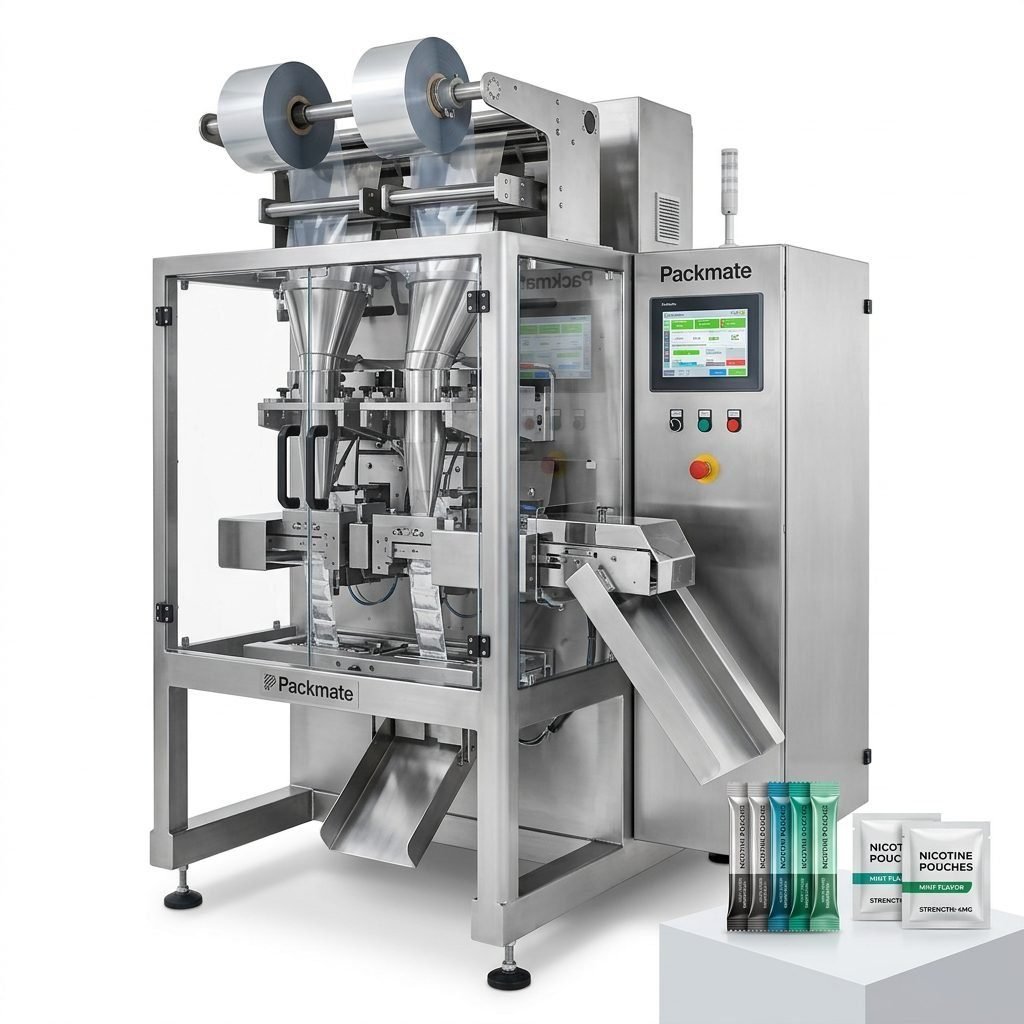
Choosing the right nicotine packaging machine in Micronesia requires more than just matching technical specifications — it demands an understanding of local logistics, climate, market preferences, and regulatory nuances. This guide helps manufacturers, importers, and entrepreneurs in Micronesia evaluate packaging machinery options, compare designs, and select a solution that balances reliability, cost-efficiency, and local operational realities.
Understand Your Production Needs First
Before comparing brands or models, define your production targets: daily pouch output, product formats (loose snus, nicotine pouches, sachets, stick packs), and package sizes. Micronesian businesses often start with modest batch sizes that scale seasonally due to tourism patterns and island-specific demand. A clear production plan prevents overspending on overly large equipment or under-investing in capacity that causes production bottlenecks.
Key question: Do you need a multi-lane high-speed line for export markets, or a compact, flexible machine for domestic retail and tourism-driven demand?
Match Machine Type to Product Format
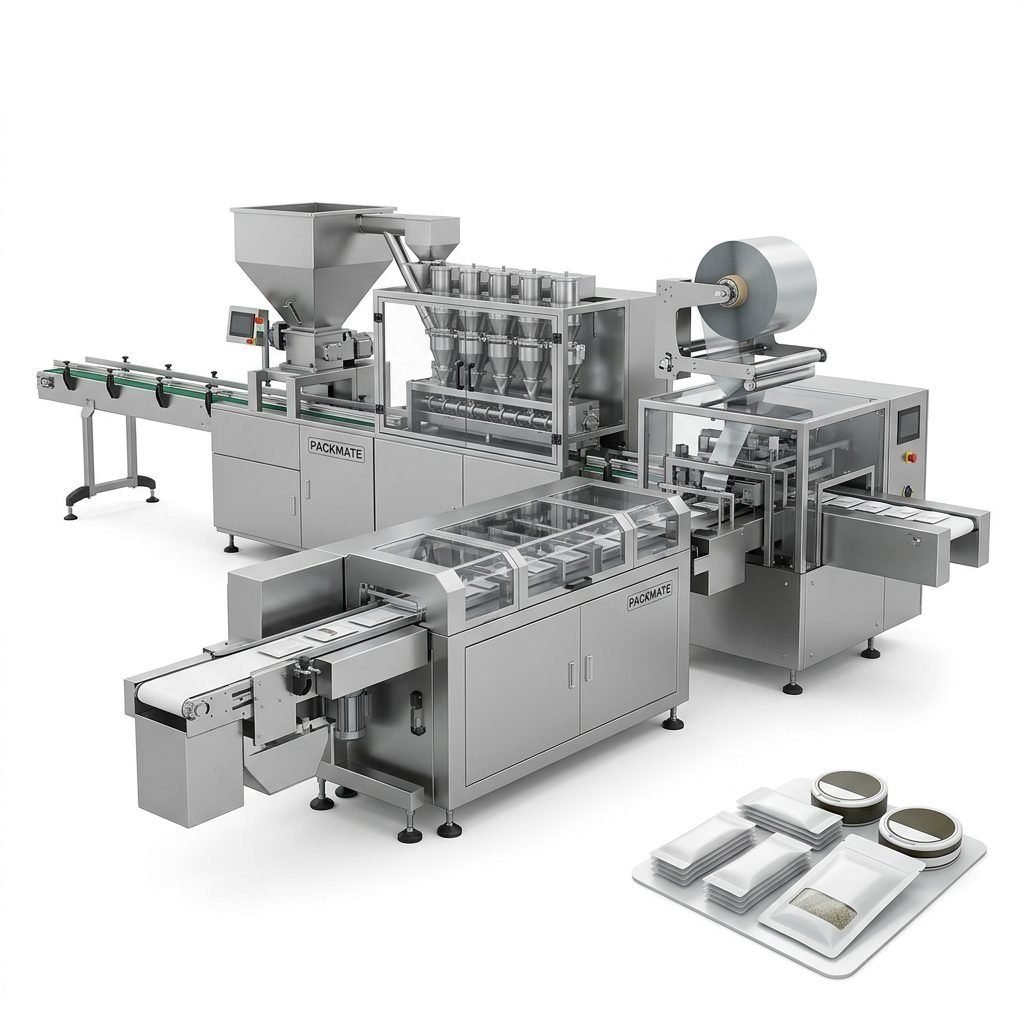
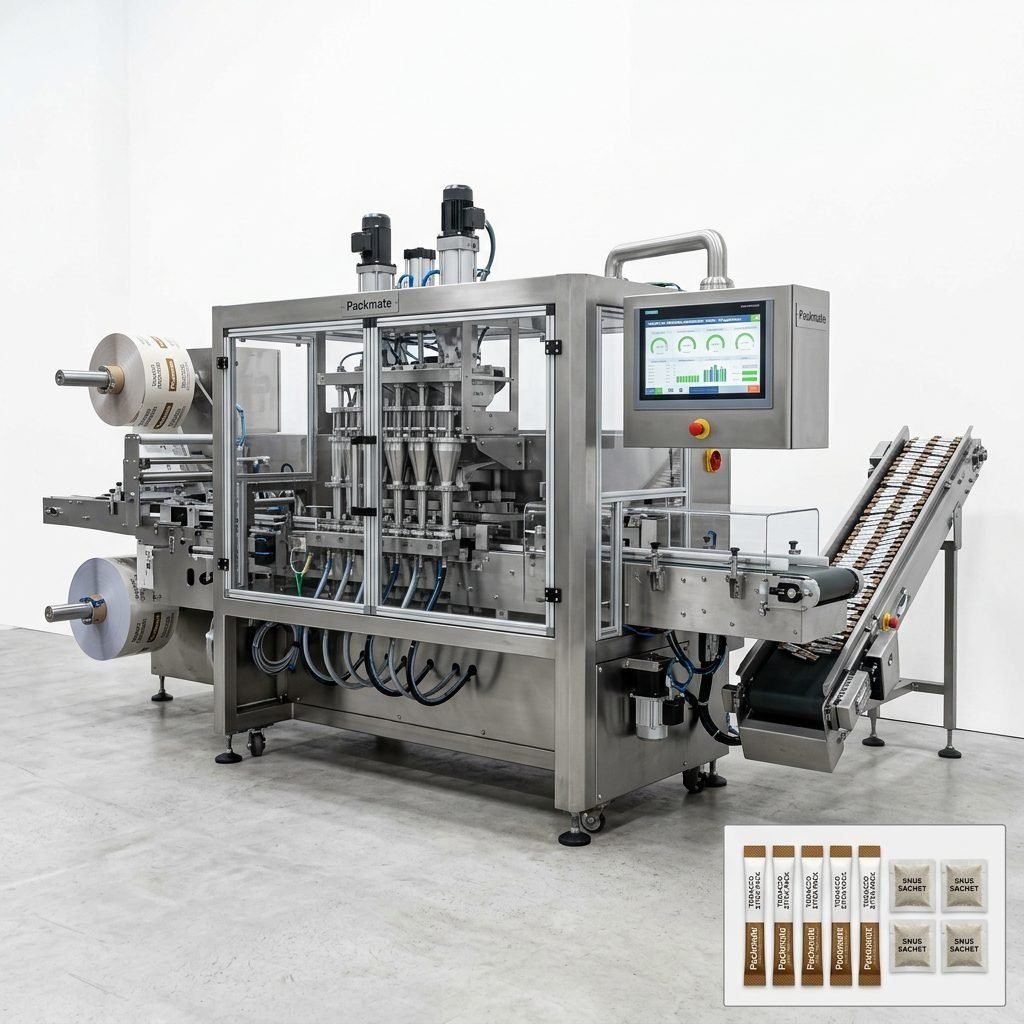
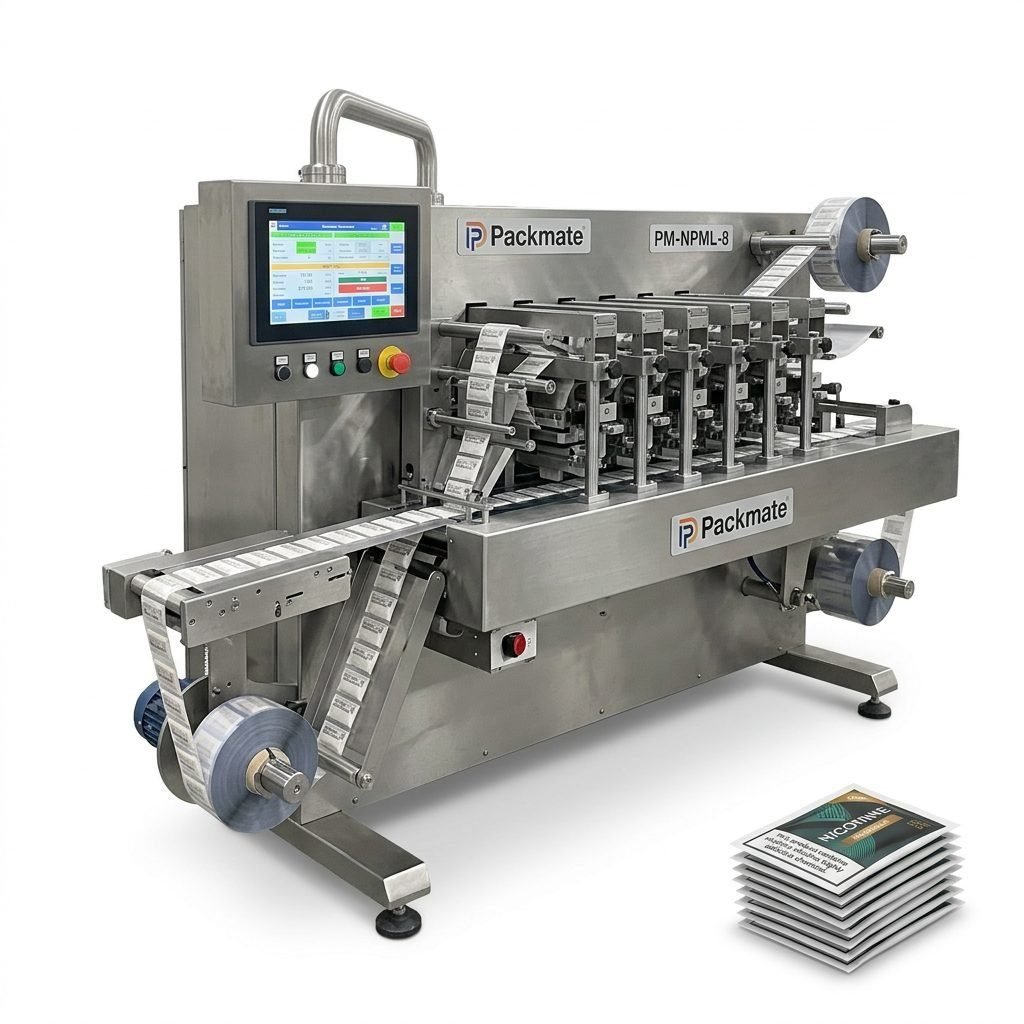
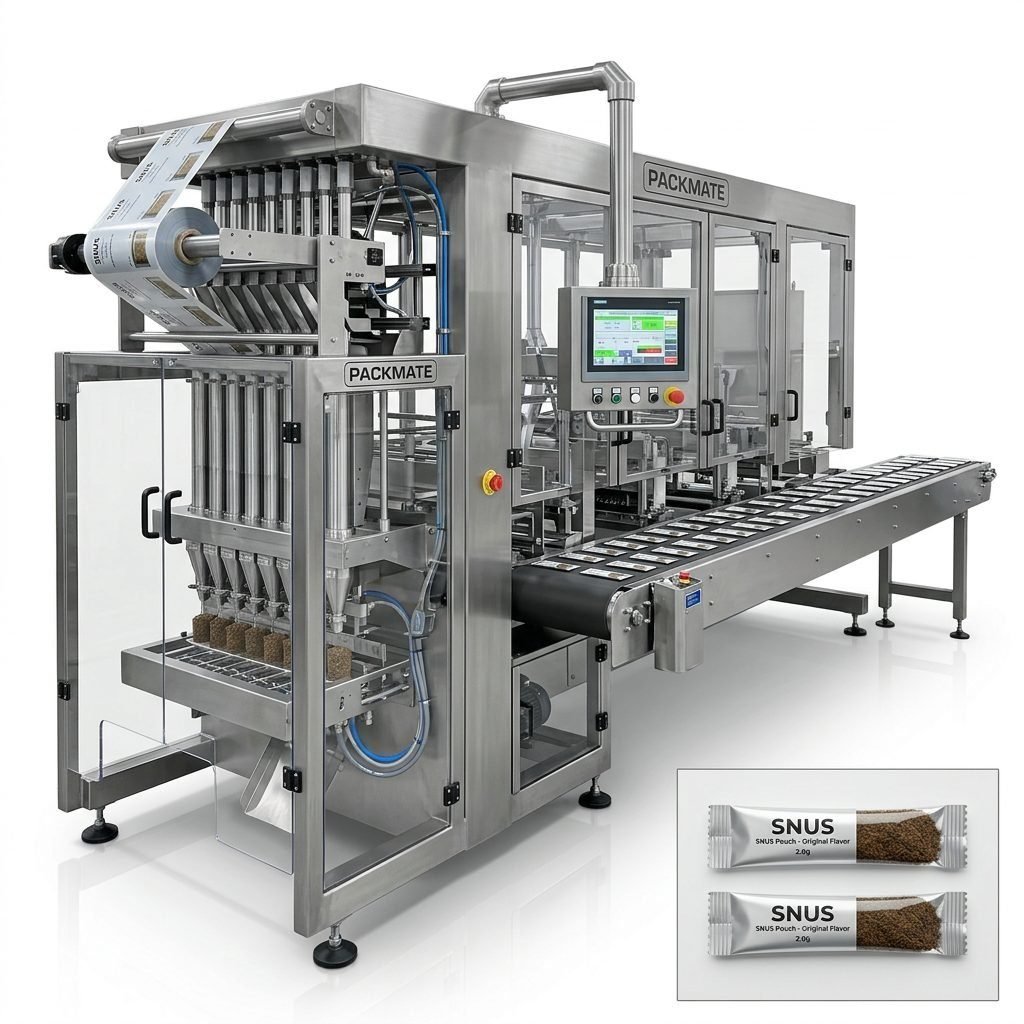
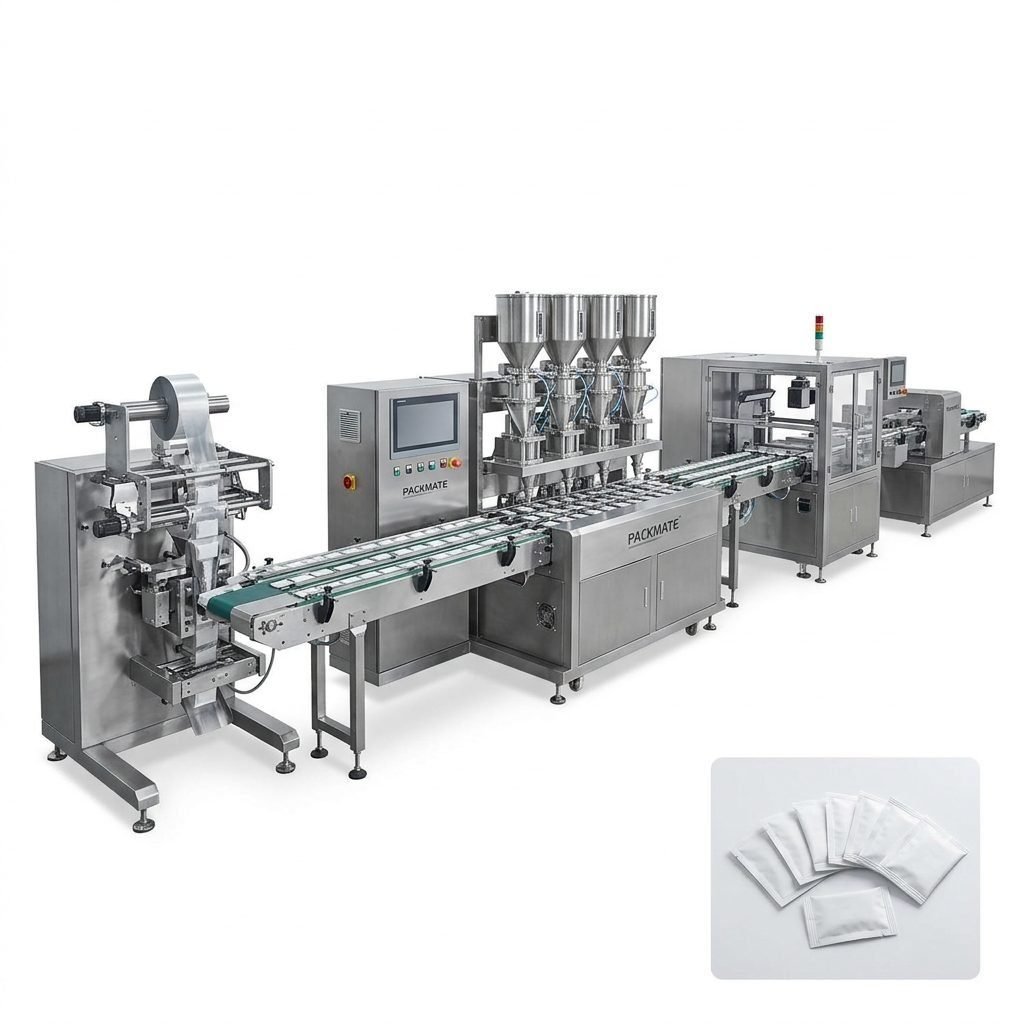
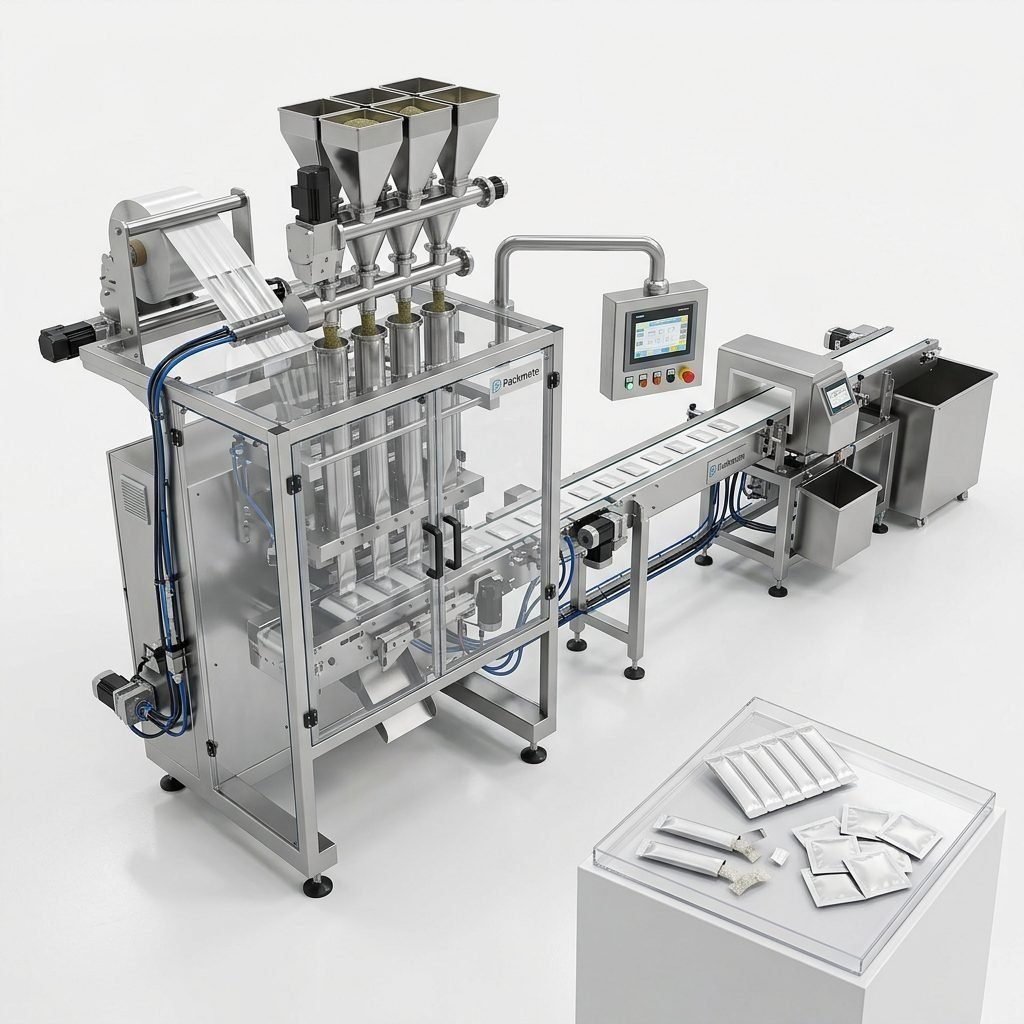
Common packaging machine types for nicotine products include stick pack machines, sachet machines, and multi-lane pouch systems. Each has trade-offs in speed, footprint, and flexibility:
🔹 Stick pack machines: Ideal for single-dose formats and retail sampling; compact footprint and efficient for low-to-medium volumes.
🔹 Sachet & stick pack hybrids: Offer versatility for flavors and sizes without a major line changeover.
🔹 Multi-lane pouch systems: High throughput for export-focused operations; best when continuous supply to larger markets is planned.
Consider Climate & Material Compatibility in Micronesia
Micronesia’s tropical, humid environment affects both machine longevity and packaging material performance. Salt air can accelerate corrosion if machines are not built with corrosion-resistant components. Likewise, humidity can compromise pouch seals and nicotine stability if packaging materials and sealing temperatures are not optimized.
Practical tip: Choose machines with stainless steel contact parts, protective electrical enclosures with IP ratings, and adjustable heat-seal profiles to handle high humidity and sea-spray exposure.
Packaging Materials—Sealing & Barrier Needs
Barrier films that protect against moisture and oxygen are essential in island climates. Evaluate film compatibility with the machine’s sealing system; some high-barrier laminates require higher sealing temperatures or specific dwell times. Confirm your supplier can source films locally or provide reliable import channels to avoid production interruptions.
Regulatory, Cultural & Market Factors in Micronesia
Local regulatory frameworks and cultural expectations in Micronesia can differ from larger markets. While nicotine product rules vary between islands and administrative districts, general considerations include labeling language preferences, health warnings, and allowable nicotine strengths. Respecting local consumer habits — such as smaller pack sizes preferred by tourists or younger islanders — helps tailor your packaging choices.
🔍 Micronesian retailers often favor discreet, easy-to-transport packs and clear local labeling. Work with local partners or distributors to ensure compliance with each island’s import and retail rules.
Production Capacity & Line Configuration
Plan capacity for both immediate needs and near-term growth. Key configuration choices:
⚙️ Single-lane vs multi-lane: Single-lane systems are flexible and cost-effective for smaller batches; multi-lane lines multiply output but require more space and stable material supply.
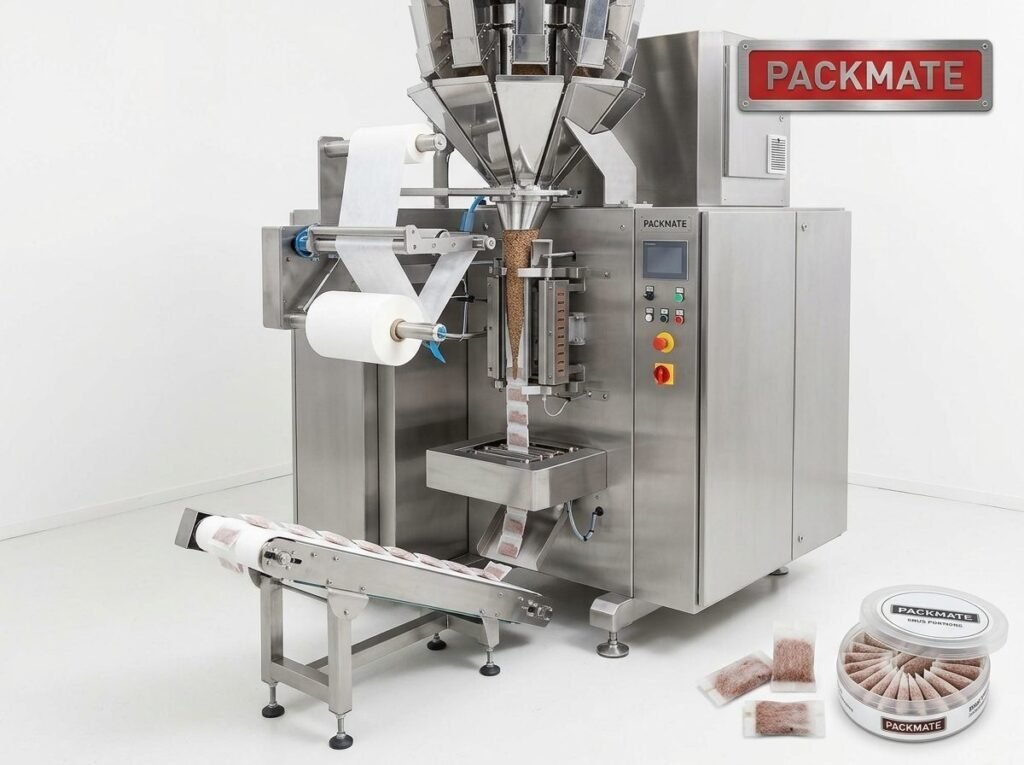
⚙️ Inline weighing and filling: Essential for consistency with nicotine pouches, especially when precise doses are critical. Consider integrated weighing systems to reduce manual intervention.
Automation Level & Labor Availability
Labor availability and skills in Micronesia influence automation decisions. A higher degree of automation reduces dependency on specialized operators but increases initial capital. Conversely, simpler semi-automatic lines may suit islands with limited technical staff but require more day-to-day manual effort.
Operator note: Plan for on-site training and local documentation in English (and any local dialects when needed) to accelerate operator competence and reduce downtime.
Supply Chain & After-Sales Support
In Micronesia, logistics can add lead time and cost. Choose manufacturers that provide clear spare parts programs, remote diagnostics, and timely shipping options. Evaluate whether the supplier offers installation, commissioning, and remote troubleshooting to reduce the impact of distance.
🔧 Look for vendors with global service footprints and documented case histories. A manufacturer with strong documentation and remote support minimizes risks of long production stoppages.
Why Manufacturer Reputation Matters
Manufacturers with decades of experience in snus and nicotine pouch equipment typically deliver robust, well-engineered machines. A partner who understands small-dose pouch manufacturing and offers turnkey solutions can help with customization, line design, and validation.
Consider exploring product and service portfolios from established suppliers like Snus & Nicotine Packaging Machines and reviewing real-world implementations under Case.
Total Cost of Ownership & ROI
Look beyond purchase price. Calculate Total Cost of Ownership (TCO) including installation, training, spare parts, consumables (films, adhesives), shipping, customs, and projected downtime. Determine break-even point based on realistic yield and market pricing in Micronesia.
Red flag: Very low-cost machines may lack durable parts, leading to higher repair costs and production losses in the long term.
Financing & Local Incentives
Investigate local financing options, grants, or business incentives for manufacturing and tourism-driven packaging operations. Some islands may encourage local value-add manufacturing, which can improve ROI when combined with tax or logistical advantages.
Customization & Flexibility
Flexibility to change pouch sizes, flavors, or pack counts without major retooling is valuable in markets like Micronesia where product mixes shift. Choose machines with quick-change tooling, PLC-controlled recipes, and modular add-ons for future upgrades.
Note: Modular systems allow you to start with a compact configuration and expand lanes or automation as demand grows.
Installation, Validation & Training
On-site installation and operator training are essential. For nicotine pouches, accuracy and hygiene are paramount. Ensure your supplier provides FAT (Factory Acceptance Test) reports, commissioning on arrival, and documented SOPs. Remote commissioning support is a plus where travel is limited.
Maintenance Planning
Plan preventive maintenance schedules and maintain an inventory of critical wear parts locally (belts, knives, sensors). In Micronesia, rapid access to spare parts is often limited — stocking essentials minimizes production interruptions.
Choosing the Right Vendor — What to Ask
When contacting a vendor, include questions that reflect Micronesian operational realities:
✅ What corrosion-resistant materials and IP-rated electrical protections do you offer?
✅ Can you provide references for island or tropical-climate installations and service records?
✅ Are spare parts available for direct shipment to Micronesia, and what are typical lead times?
✅ Do you provide training documentation and remote commissioning support?
✅ Can the machine handle the specific film laminates I plan to use?
Why Packmate Can Be a Strategic Partner
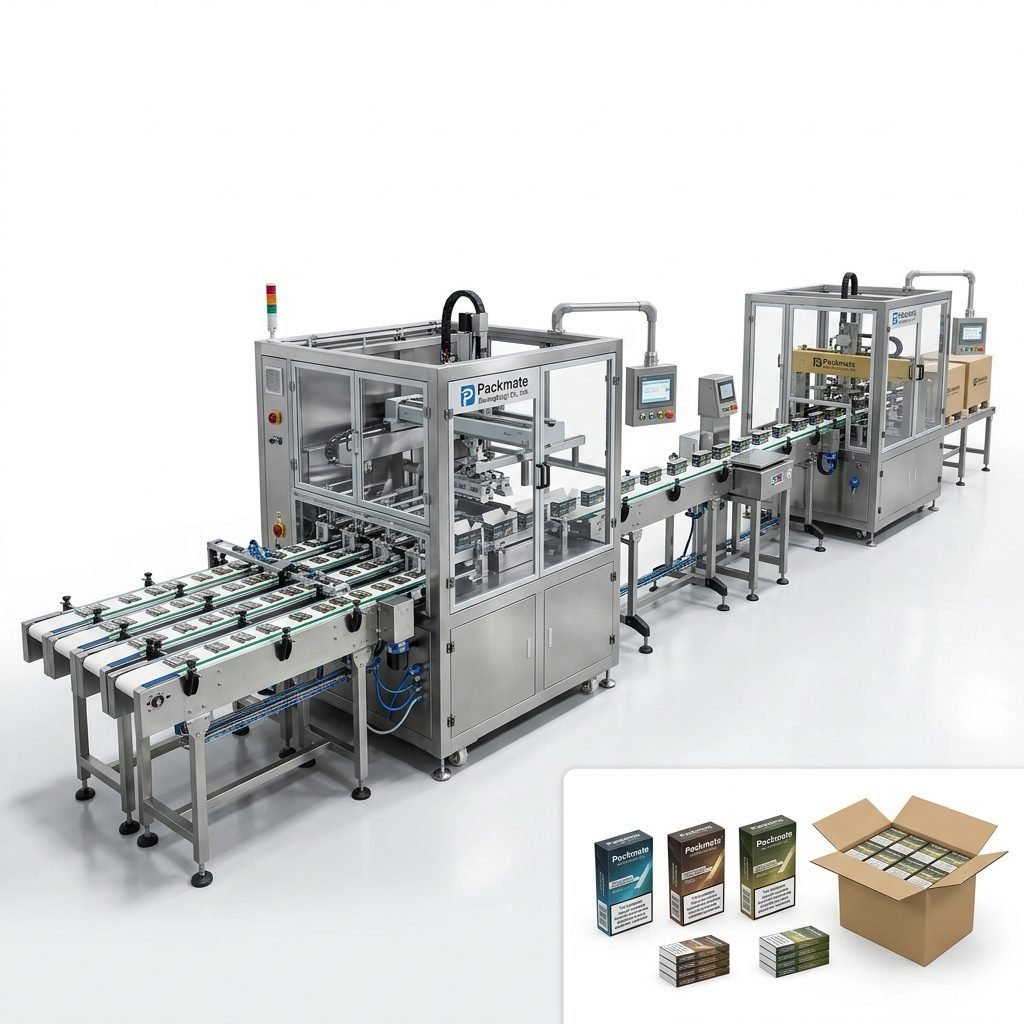
Packmate Snus Machine brings 30+ years of experience in snus and nicotine pouch solutions, offering multi-lane and turnkey systems that suit both small-scale island manufacturing and export-oriented lines. Their manufacturing facility and quality processes support CE and ISO compliance, and their product range includes specialized pouch and stick pack systems designed for small-dose nicotine products.
Learn more about product lines and supporting systems: Bag & Pouch Packaging Machines, Sachet & Stick Pack Machines, and integrated Weighing & Packaging Systems.
Practical Selection Checklist
🔹 Production capacity (current vs future)
🔹 Machine compatibility with barrier films and sealing needs
🔹 Corrosion resistance and IP-rated components
🔹 Availability of spare parts and remote support
🔹 Compliance documentation (CE/ISO) and FAT reports
Getting Started: Practical Steps for Micronesian Buyers
1) Define product formats and realistic monthly volumes. 2) Choose between flexible single-lane or higher-output multi-lane machines. 3) Confirm film suppliers and sealing parameters. 4) Request references and FAT documentation. 5) Plan spare parts inventory and training schedules before commissioning.
For more detailed product specs and project conversations, check Packmate’s company profile and support pages such as About Packmate and their Contact Us page to arrange consultations.
Final considerations
Packaging nicotine products in Micronesia combines technical machine selection with local logistics, cultural preferences, and regulation awareness. Prioritize machine reliability, corrosion protection, and strong supplier support. With thoughtful planning, you can build a compact and efficient production line that serves both domestic customers and regional export opportunities.
Frequently Asked Questions (FAQs)
Q1: How does Micronesia’s climate affect machine choice? — High humidity and salt-laden air increase corrosion risk and can compromise seals. Choose stainless-steel contact parts, IP-rated electronics, and films with strong moisture barriers.
Q2: What is the optimal machine type for small island markets? — For variable demand and small batches, compact stick pack or sachet machines with modular add-ons offer flexibility and lower upfront costs.
Q3: How important is supplier after-sales support? — Critical. Fast spare parts delivery, remote diagnostics, and training drastically reduce downtime in island environments where local repair options may be limited.
Q4: Are high-speed multi-lane systems suitable for Micronesia? — Yes, if you have consistent material supply and export plans. Otherwise, start with a single-lane system and scale up modularly.
Q5: Where can I find examples of successful installations? — Review documented projects and case studies to confirm real-world performance: Case.