Choosing the right nicotine packaging machinery in Hungary is a strategic decision that affects product safety, compliance, production efficiency, and long-term profitability. This guide walks production managers, engineers, and procurement teams through practical evaluation criteria, technical options, supplier considerations, and after-sales support to help you select the best solution for snus and nicotine pouch manufacturing.
Understand the Hungarian Market and Regulation
Hungary’s regulatory environment for nicotine products aligns with broader EU rules and local health regulations. Before investing in equipment, confirm the specific labeling, material, and traceability standards that apply to nicotine pouches and snus in your target markets. Non-compliance can lead to recalls, fines, and reputational damage.
Key point: ensure your packaging line supports serialization, tamper-evident features, and traceability data capture if required by your distribution channels.
Why machine selection matters
Packaging machinery defines production capacity, product integrity, and operational flexibility. Selecting the right machine type reduces waste, minimizes downtime, and ensures consistent pouch quality — essential for nicotine products where dosing and hygiene are critical.
Identify the Right Machine Type for Your Product
Nicotine pouch packaging can be performed by different machine classes depending on product format, throughput needs, and packaging style.
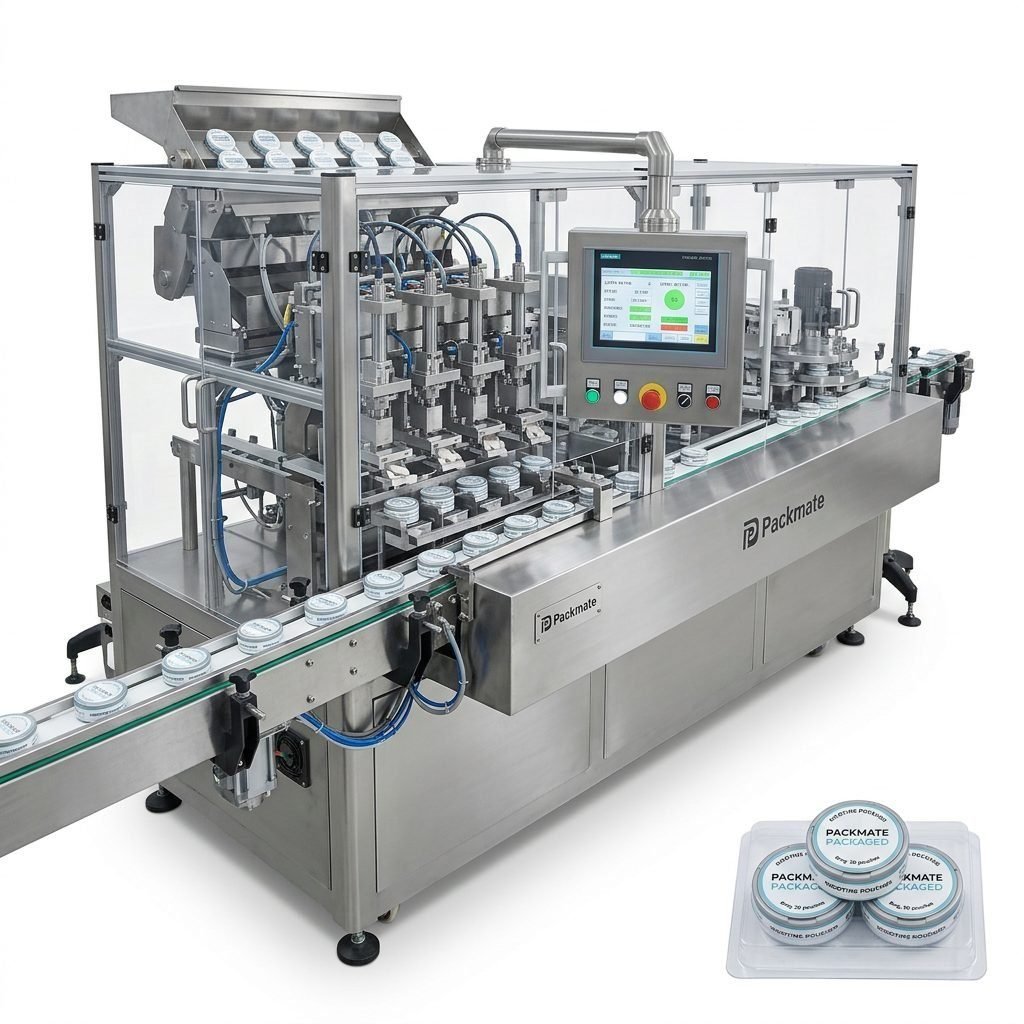
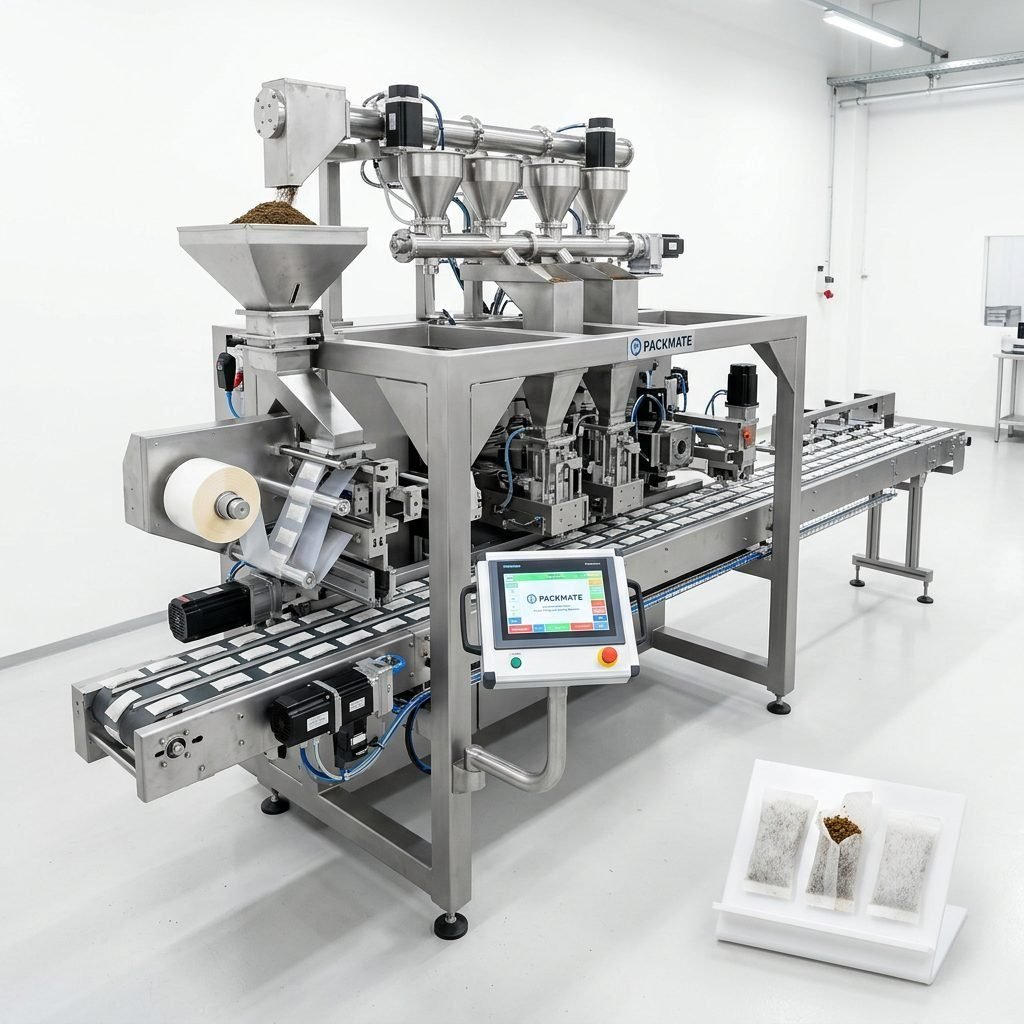
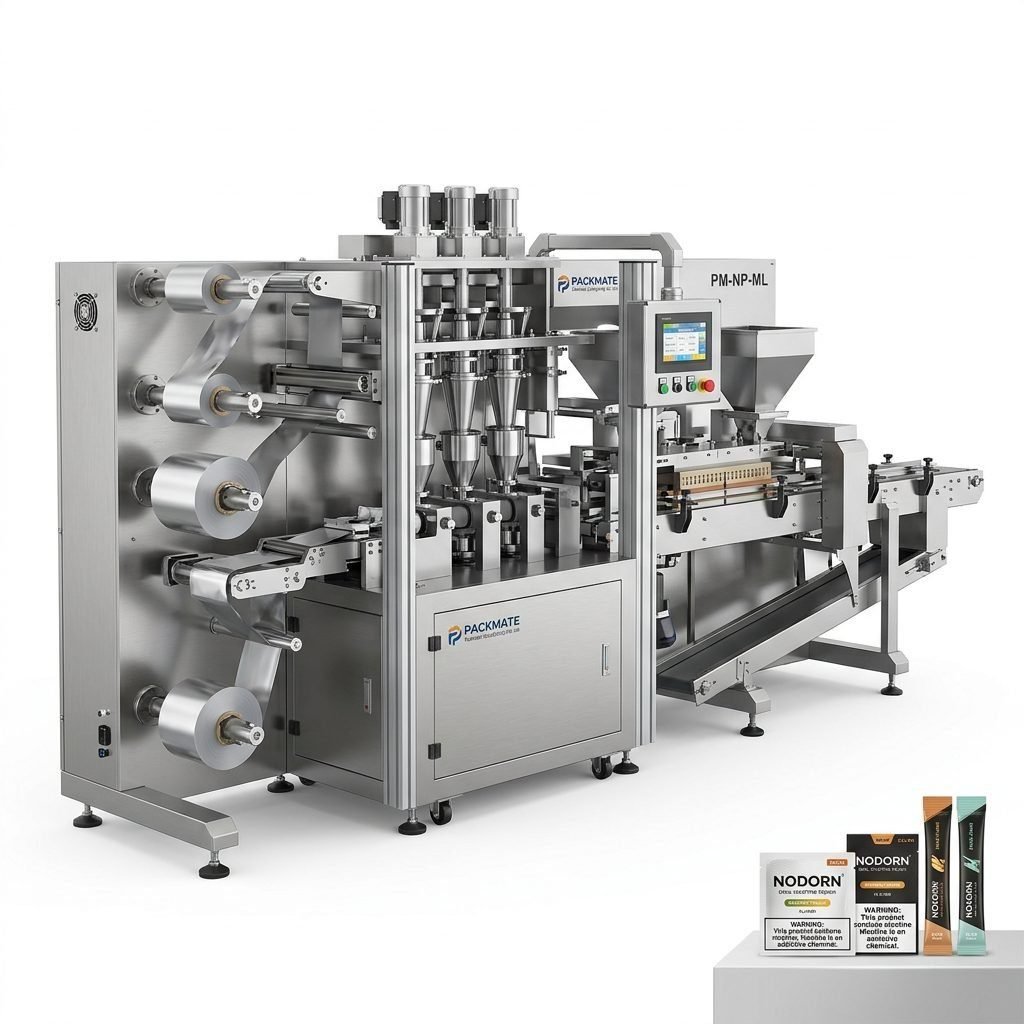
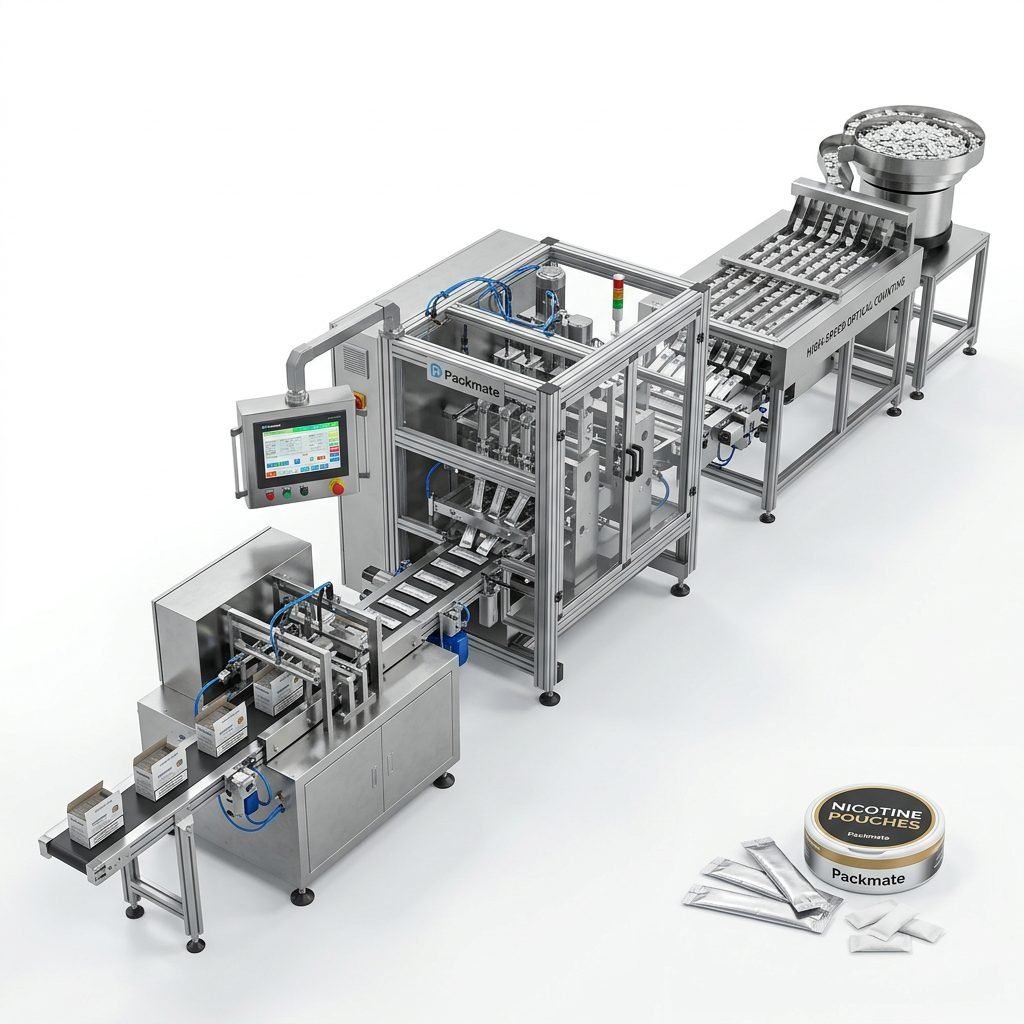
📌 Snus & Nicotine Pouch Packaging Machines — specialized for small-dose pouches, multi-lane systems, and precise dosing. These lines often include pouch forming, filling, dosing, sealing, and date/lot coding.
Explore specialized options: Snus & Nicotine Packaging Machines
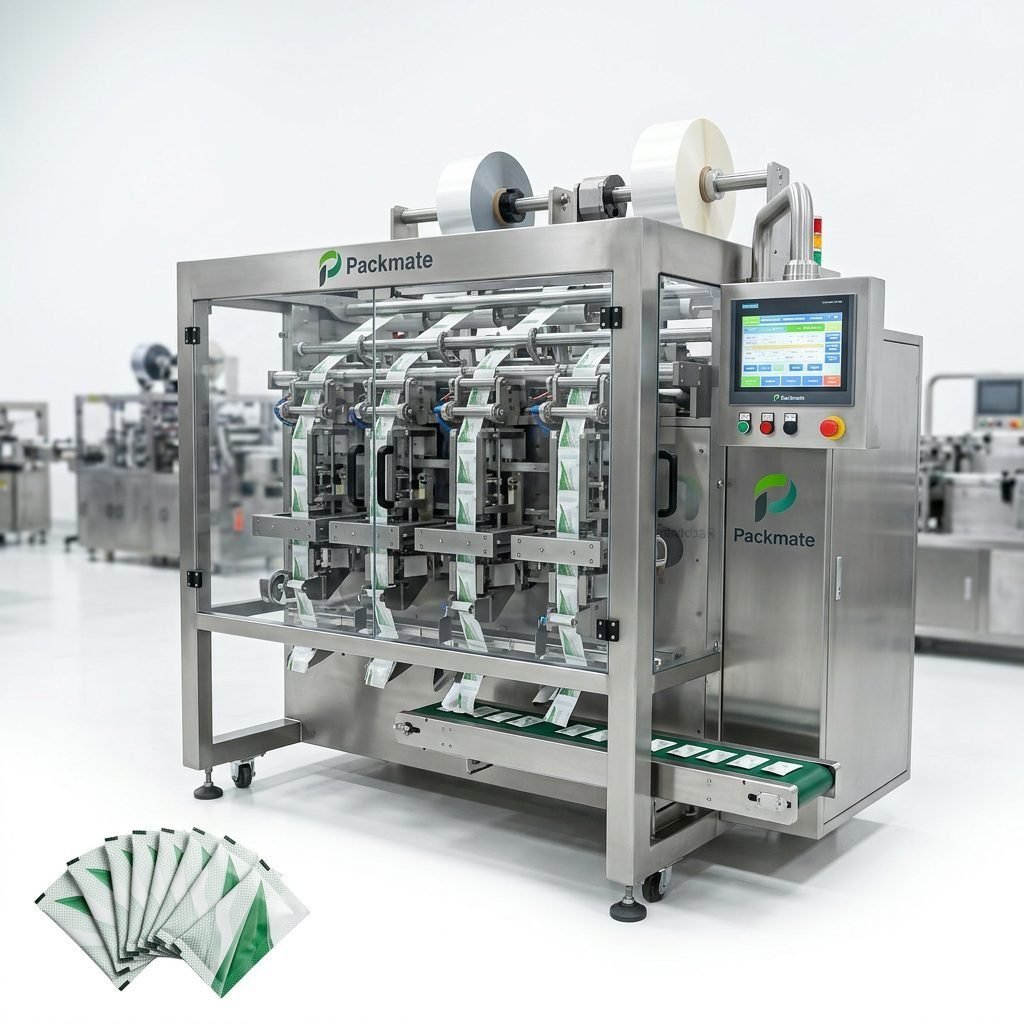
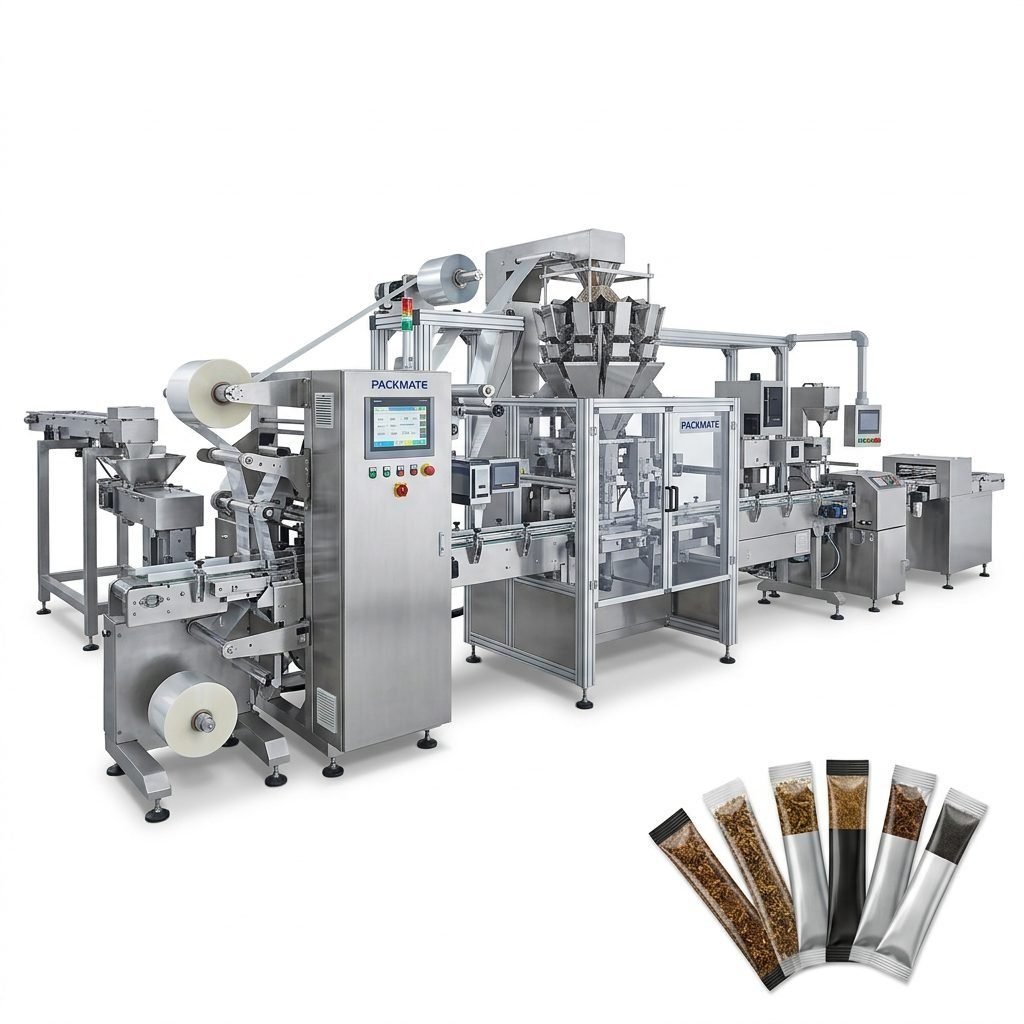
Other useful formats include stick packs or sachets for single-serving pouches and multi-lane sachet systems for high throughput. If your product line includes powders or liquids for separate SKUs, consider modular systems that integrate filling & packaging lines.
Important machine categories
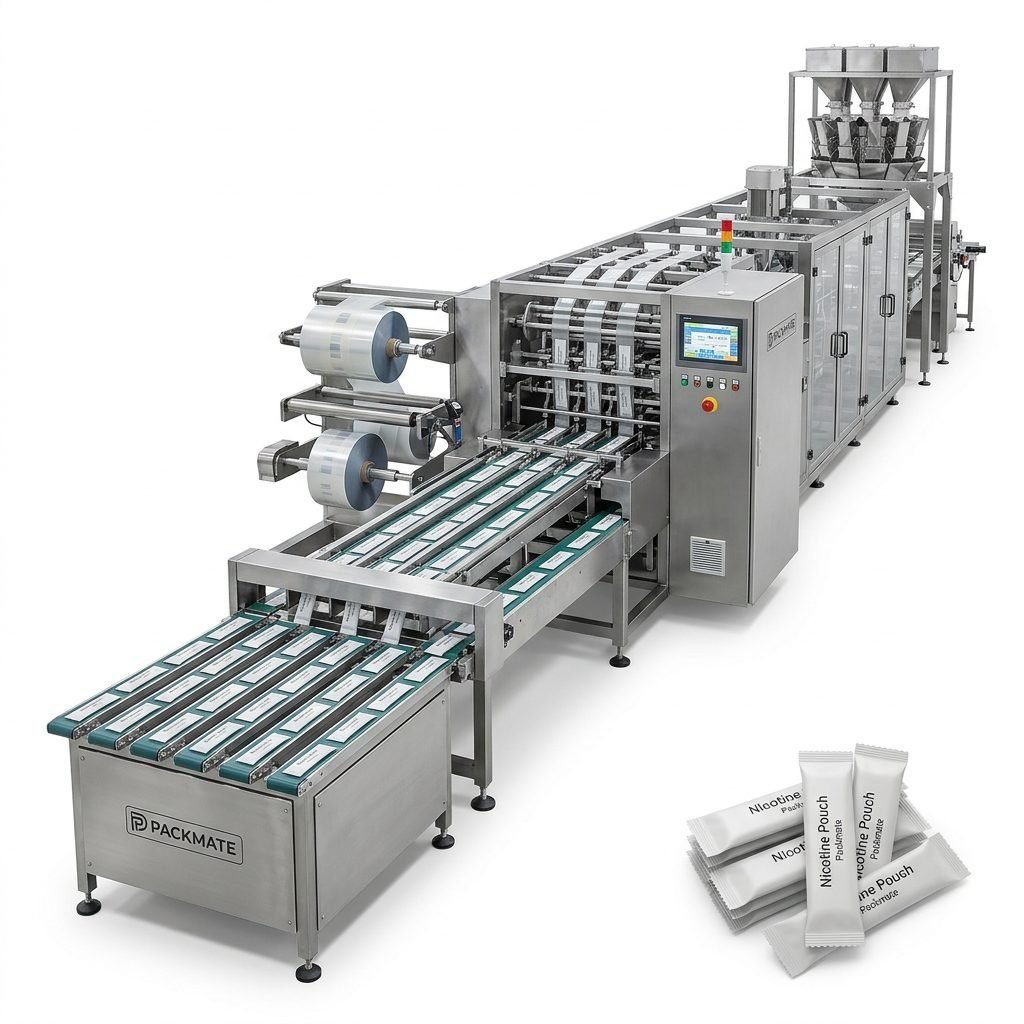
– Form-fill-seal pouch machines (multi-lane) for high-volume snus pouches.
– Sachet & stick pack machines for single-dose formats (Sachet & Stick Pack Machines).
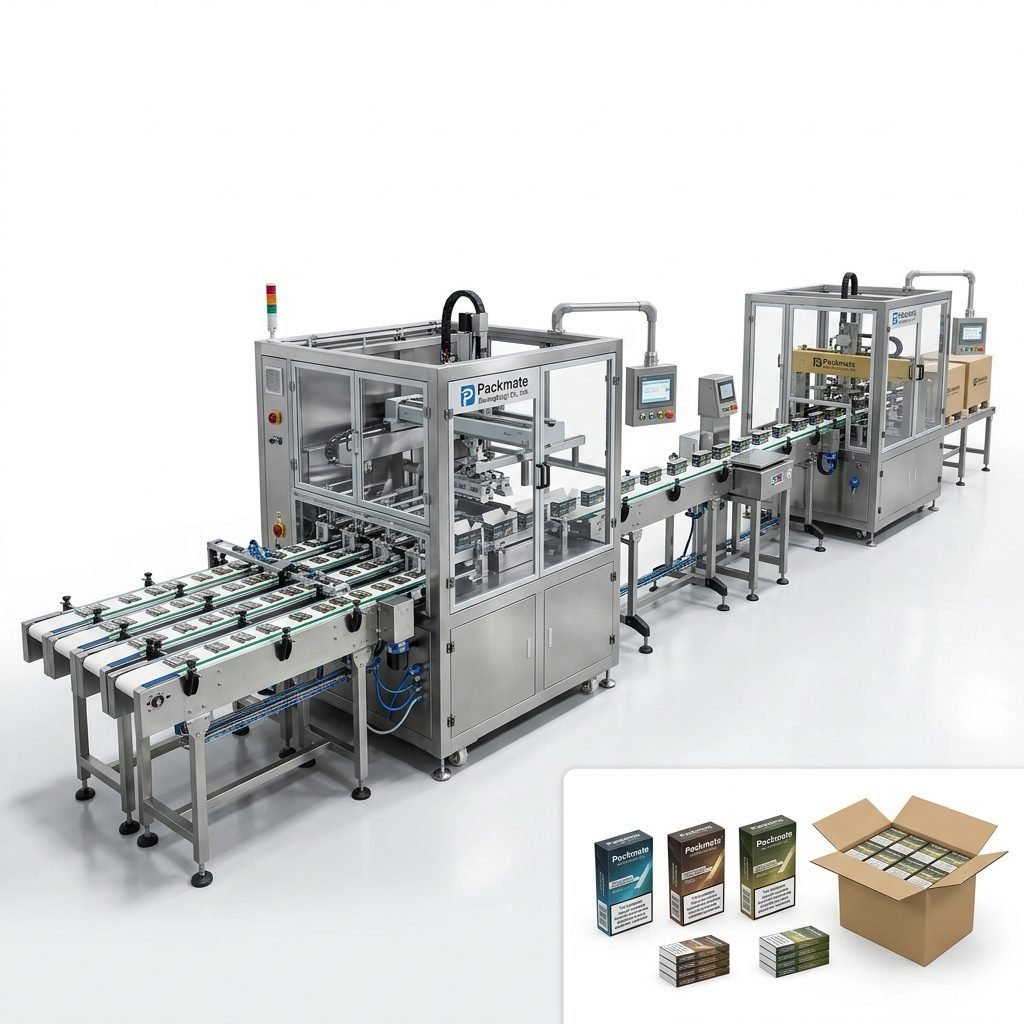
– Auxiliary equipment: feeders, conveyors, checkweighers, metal detectors, and secondary packaging units.
Technical Criteria: What to Inspect Before Purchase
When evaluating machines, focus on features that directly impact safety, quality, and uptime.
Precision dosing and repeatability
Accurate dosing ensures consistent nicotine content per pouch. Check dosing system tolerance, calibration routines, and how the machine handles small-dose variations. Machines with multi-head dosing or advanced weighing systems yield better repeatability.
Hygienic design and cleanability
Look for stainless steel construction, sealed electrical components, and tool-less disassembly for cleaning. For nicotine products, choose materials and seals that resist residue buildup and allow safe cleaning without contaminating product.
Controls, automation and Industry 4.0 readiness
Modern packaging lines should support PLC control, HMI touchscreens, remote diagnostics, and data logging. These features reduce troubleshooting time and help maintain consistent production records.
✅ Tip: request a demo that includes stress testing (start/stop cycles, lane balancing, and longest run simulation).
Capacity & Scalability: Plan for Growth
Define current and projected throughput (pouches/min or sachets/min). Machines should match your peak demand with margin for future expansion. Multi-lane systems are ideal for scaling output with minimal footprint increases.
Evaluate modularity: can you add lanes, integrate an automatic feeder, or upgrade weighing modules without replacing the entire line? A scalable approach reduces capital expenditure over time.
Supplier Due Diligence: What to Ask
Choosing a reputable manufacturer is as important as choosing machine features.
- Factory audits and certifications (CE, ISO).
- Track record with nicotine/snuse packaging lines — request case studies and references. See examples at Case.
- Spare parts availability and warranty terms.
- Availability of local service engineers or fast remote support.
⚠️ Red flag: long lead times for spare parts or vendors without documented international references.
Factory & Manufacturing Strength
Prefer manufacturers with dedicated facilities, advanced CNC machining, and robust quality control. A large-scale shop with experienced assembly lines tends to produce more consistent machines and offers better customization options.
Packmate Snus Machine, for example, emphasizes 30+ years of engineering experience, a 20,000㎡ manufacturing facility, and 50+ machine models — traits that reduce technical risk and improve delivery predictability. Learn more About Packmate.
Quality Control, Testing & Acceptance
Insist on factory acceptance tests (FAT) and site acceptance tests (SAT) that simulate your actual product and packaging materials. FAT should include run trials, dosing accuracy verification, sealing integrity tests, and integration checks with auxiliary equipment.
Documentation and training
Ask for full documentation: electrical diagrams, mechanical drawings, spare parts lists, and SOPs. Comprehensive operator and maintenance training at installation reduces early-life failures and improves uptime.
Installation, Commissioning & Local Support in Hungary
Plan the installation timeline, utility requirements (power, compressed air), and cleanroom or hygiene zone needs. Local support options or regional service partners are critical for fast response. Vendors with established global service networks can dispatch engineers quickly.
Include acceptance criteria in the contract and agree on spare parts packages for the first 12 months of operation.
Total Cost of Ownership (TCO) — Beyond Purchase Price
Evaluate service intervals, spare parts costs, energy consumption, format changeover times, and expected mean time between failures (MTBF). Higher initial cost equipment with better uptime and lower scrap rates often has superior TCO.
Calculate ROI
Model ROI using realistic production availability, scrap rates, and labor savings from automation. Factor in quality improvements that may open premium market opportunities.
Sustainability & Material Compatibility
Consider recyclable or lower-impact packaging materials. Confirm the sealing, forming, and dosing modules are compatible with your chosen laminates or pouch materials. Machines that handle a wide range of film properties increase long-term flexibility.
Checklist: Quick Vendor Evaluation
📋 Pre-purchase checklist
- FAT data and live demo with your product.
- References from customers in nicotine/snuse markets.
- Spare parts lead times and local stocking options.
- Contract terms for warranty and preventive maintenance.
- Service SLA for Hungary or nearby regions.
Real-World Case & Custom Solutions
Many manufacturers prefer turnkey solutions that include feeders, checkweighers, and secondary packaging conveyors. If you need tailored formats or unique dosing requirements, select a vendor experienced in custom development and iterative prototyping. See real global projects and custom lines at Case.
Partnering with a Trusted Manufacturer
A strong manufacturer relationship provides technical collaboration, faster issue resolution, and co-development opportunities. Look for vendors that offer:
- Field service and spare parts inventory.
- Application engineering support for format trials.
- Long-term upgrades and retrofits.
If you want to review the full equipment range, check categories like Bag & Pouch Packaging Machines and Weighing & Packaging Systems.
Final Steps Before Purchase
– Conduct on-site capability evaluation and production layout validation.
– Define acceptance tests, KPIs for line performance, and penalties for missed delivery or performance guarantees.
– Negotiate spare part kits and initial training as part of the purchase contract.
🚀 Next step: request a tailored proposal and a factory demo with your formulation and pouch materials to validate production targets and dosing accuracy.
Contact & Support
For more detailed inquiries or to schedule a demonstration, reach out to the manufacturer directly. Reliable companies provide sales, engineering support, and after-sales service to ensure smooth commissioning. See contact details at Contact Us.
Frequently Asked Questions
Q1: How do I verify dosing accuracy on a snus pouch line?
A: Run FAT with your exact product and material; measure dose samples at different speeds and analyze variance. Ask the vendor for dosing tolerance charts and on-site calibration procedures.
Q2: What spare parts should I stock locally?
A: Critical spare parts include dosing blades/nozzles, sealing jaws, belts, bearings, and PLC/servo modules if recommended by the vendor. Negotiate a spare parts kit for the first 12 months.
Q3: Can one line handle multiple pouch formats?
A: Many modern machines are modular and support format changes with quick-change tooling. Confirm changeover times and whether the vendor supplies format kits for each size.
Q4: What documentation and certifications should I request?
A: Ask for CE declaration, ISO certificates, mechanical and electrical drawings, FAT reports, and compliance statements regarding materials in contact with product.
Q5: How do I ensure quick service support in Hungary?
A: Choose vendors with regional partners, local stocking options, or remote diagnostic capabilities. Confirm SLAs and escalation paths before signing the contract.