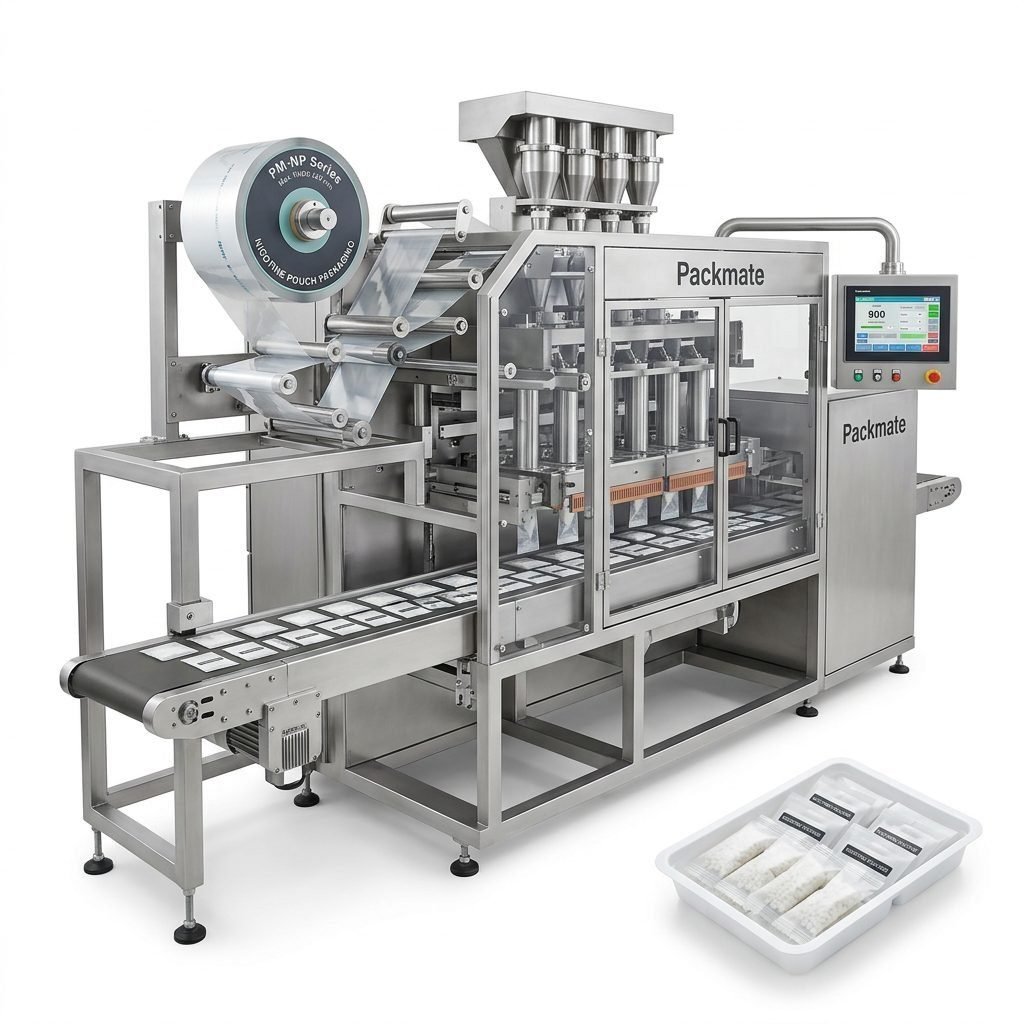
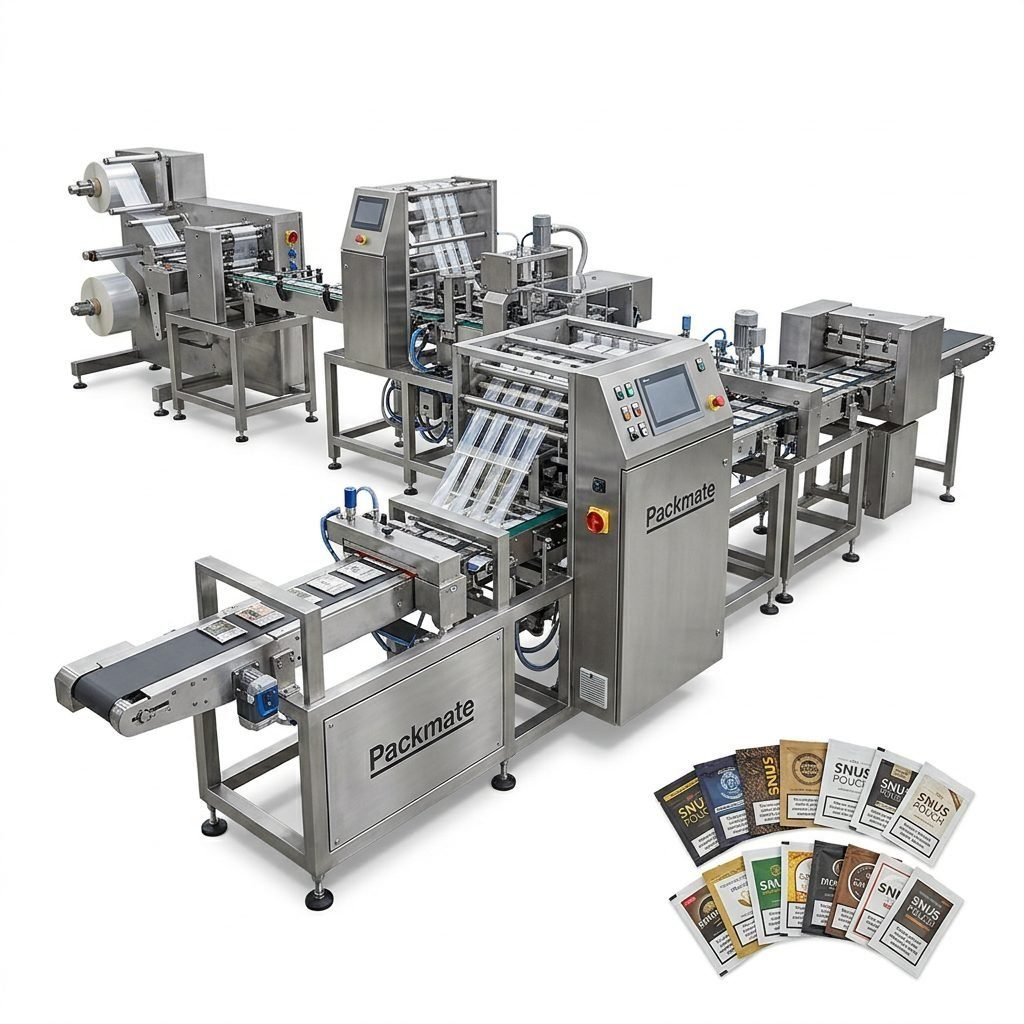
Choosing the right snus packaging machinery for operations in Nicaragua requires a balanced view of production targets, product specifics, local regulations, and long-term serviceability. This practical buyer’s guide walks you through the critical considerations, compares machine types, and offers procurement and installation tips so you can make a confident, cost-effective decision.
🔍 Understand the Nicaraguan Market and Your Product
Nicaragua’s market for snus and nicotine pouches is still developing. You should first define your product format (loose snus, nicotine pouches, stick packs, sachets) and target packaging format (single-dose pouch, multi-pouch trays, retail-ready packs). These choices directly determine machine type, lane count, and peripheral equipment.
Key product questions to answer
– What is the typical pouch weight and tolerance?
– Will you run powder, granules, or moist snus?
– Are you planning several SKUs or frequent changeovers?
– Do you need portion control or special sealing (cold-seal/heat-seal)?
Tip: If you produce multiple SKUs, prioritize machines with easy, fast changeovers and recipe storage—this reduces downtime for small-batch runs common in emerging markets.
⚙️ Types of Snus Packaging Machinery
There are specialized systems you should consider depending on the format:
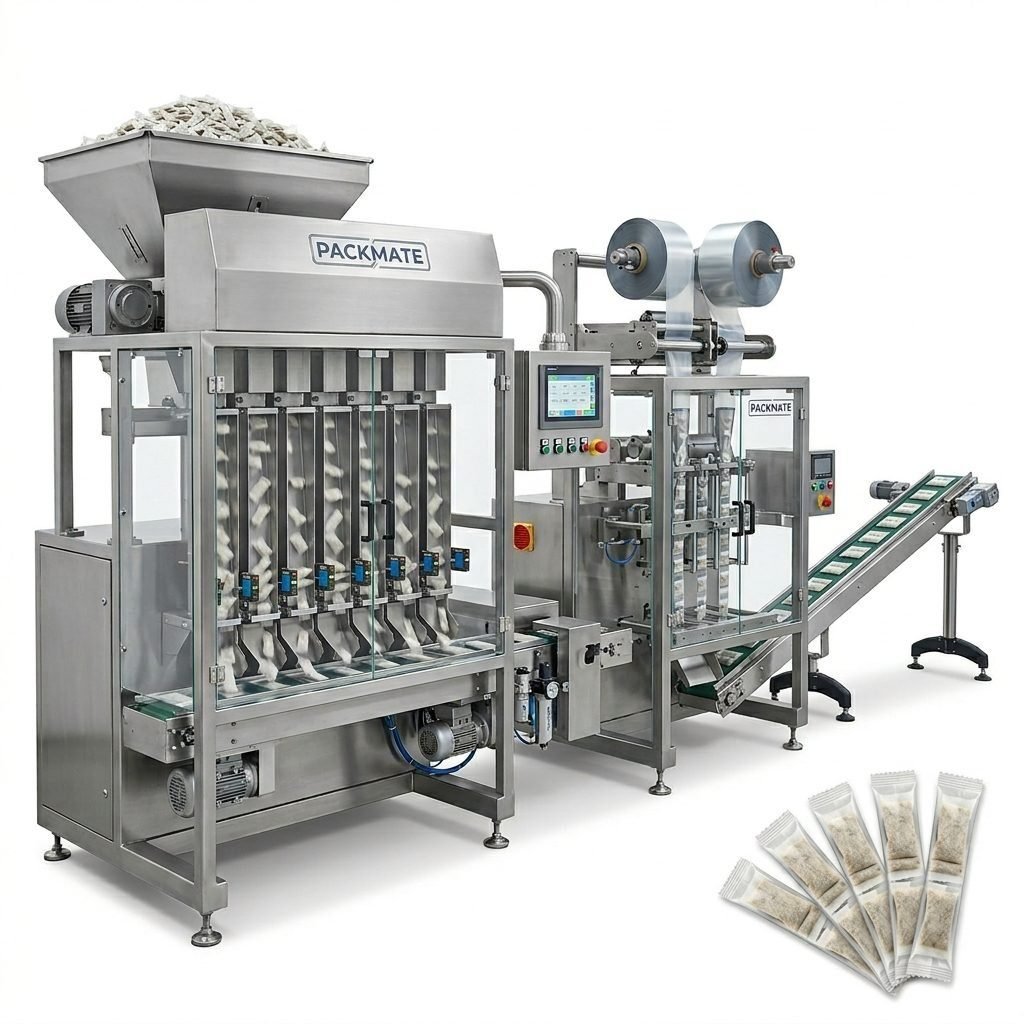
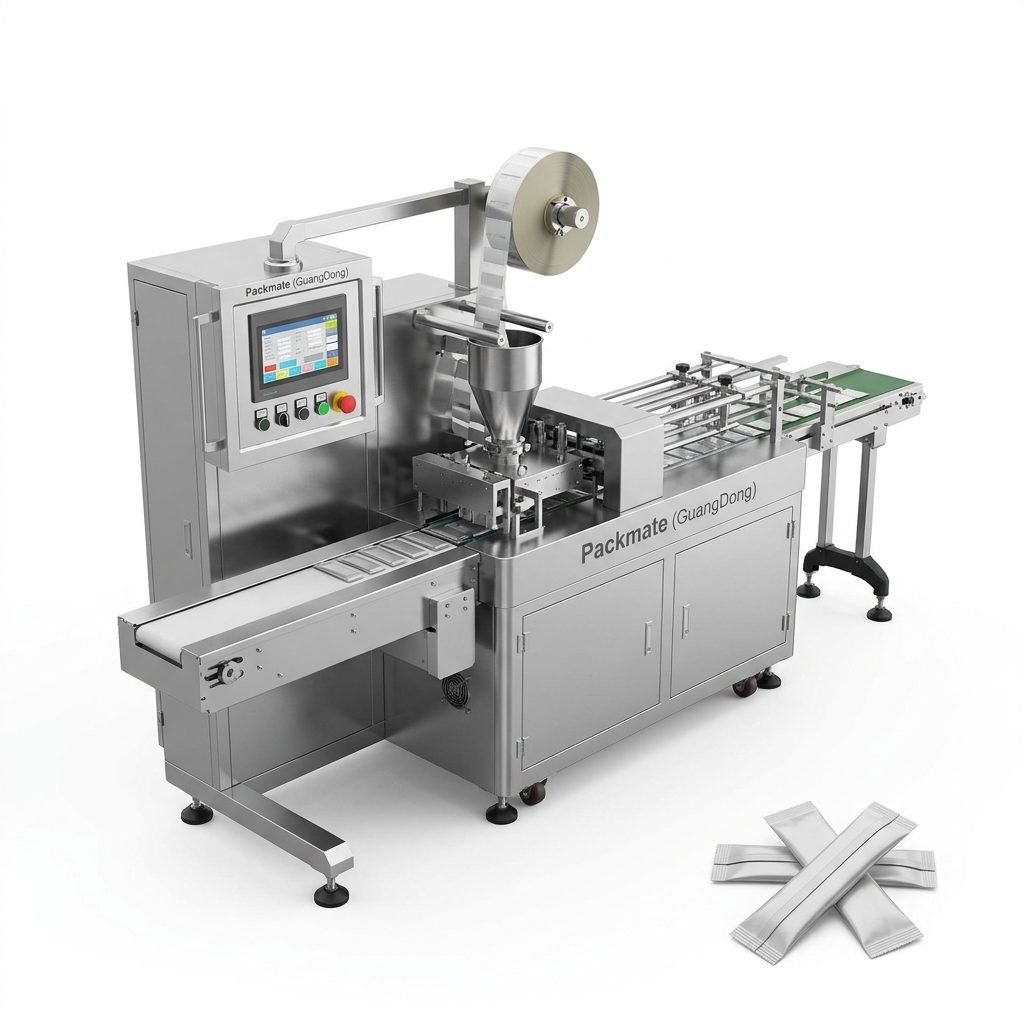
Sachet & Stick Pack Machines
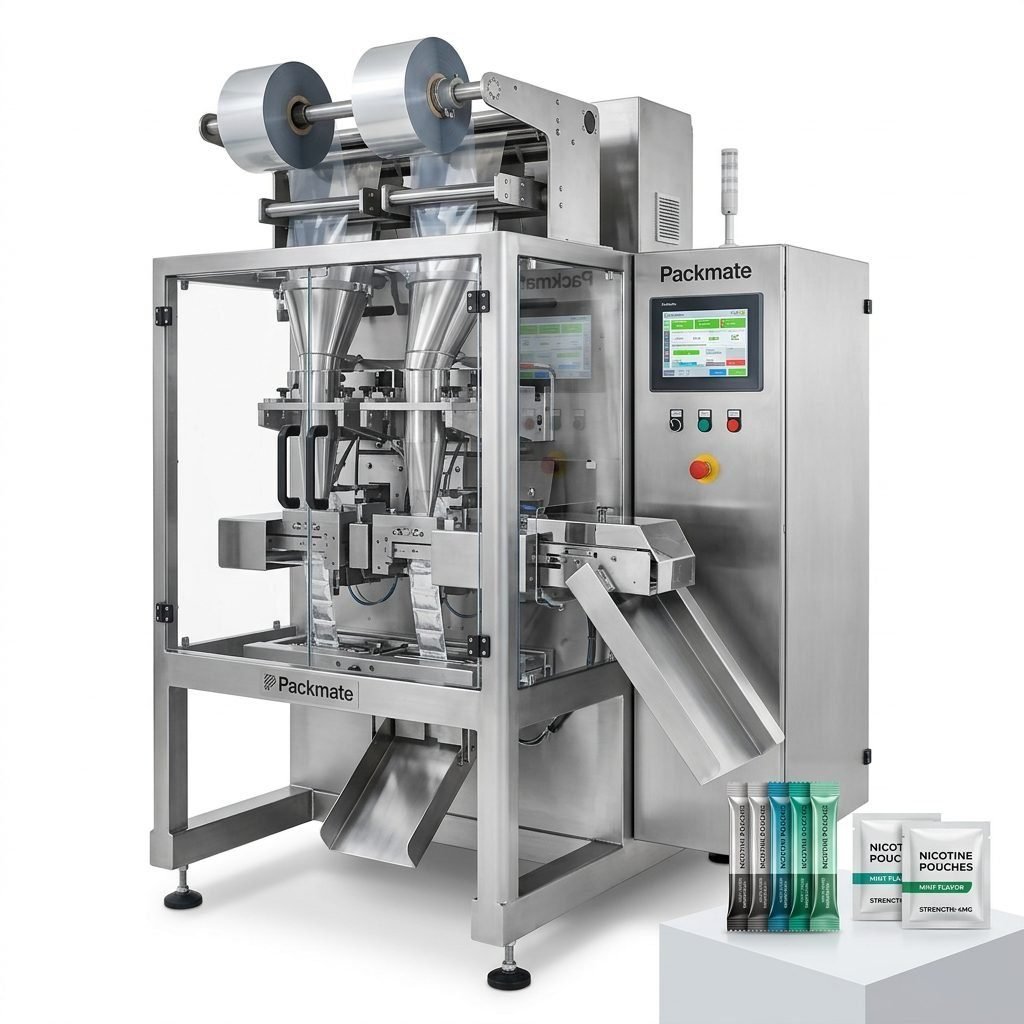
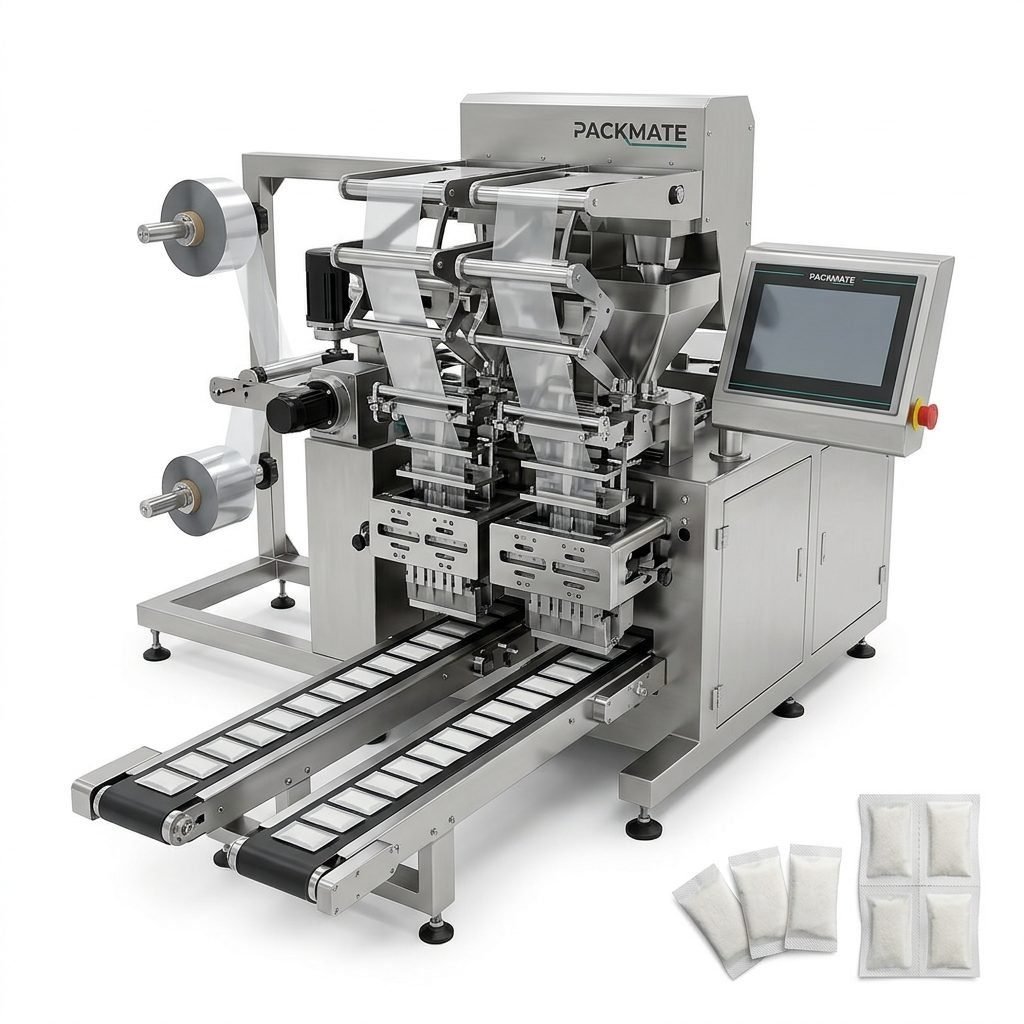
Ideal for single-portion nicotine pouches and stick-style formats. These machines are compact, fairly affordable, and can be designed for multi-lane operation to increase throughput.
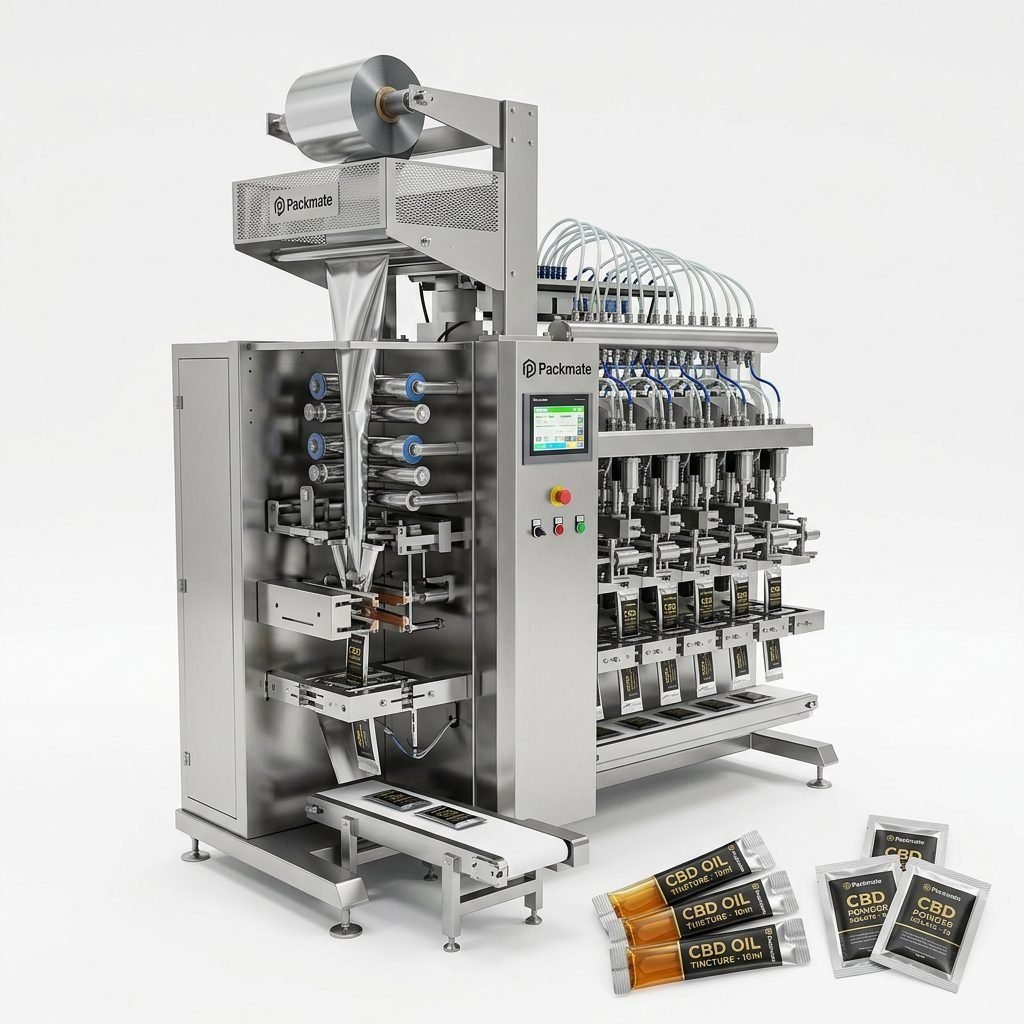
Multi-lane Snus / Nicotine Pouch Machines
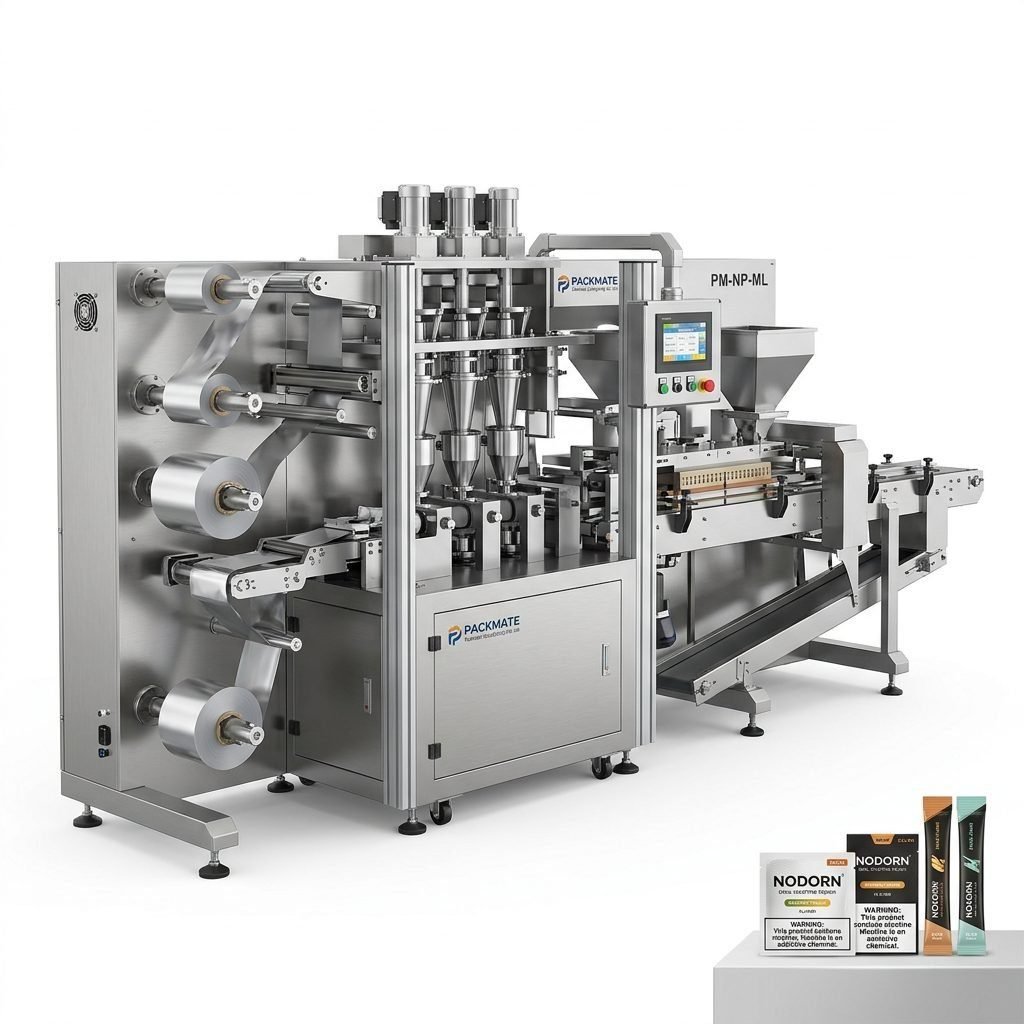
Best for high-volume production. Multi-lane systems offer synchronized dosing across several lanes and improve output without proportionally increasing footprint.
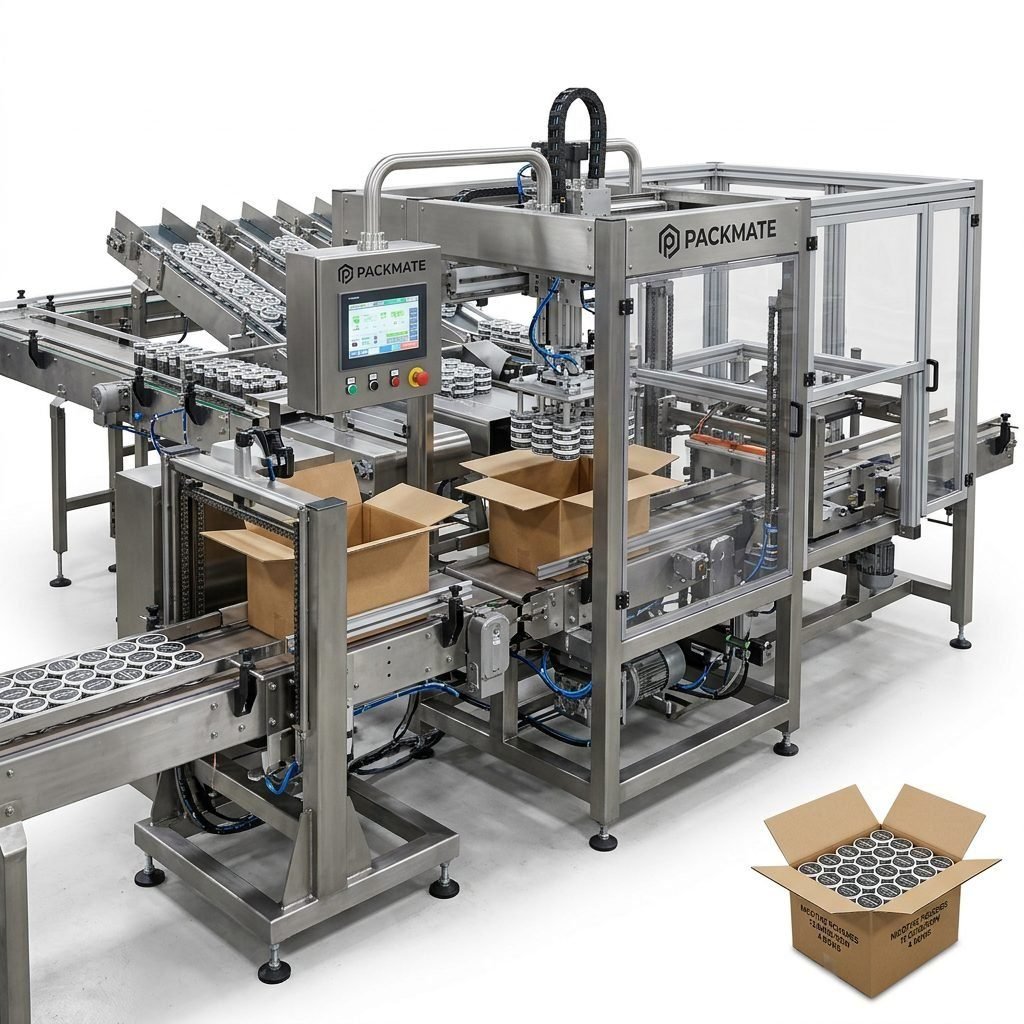
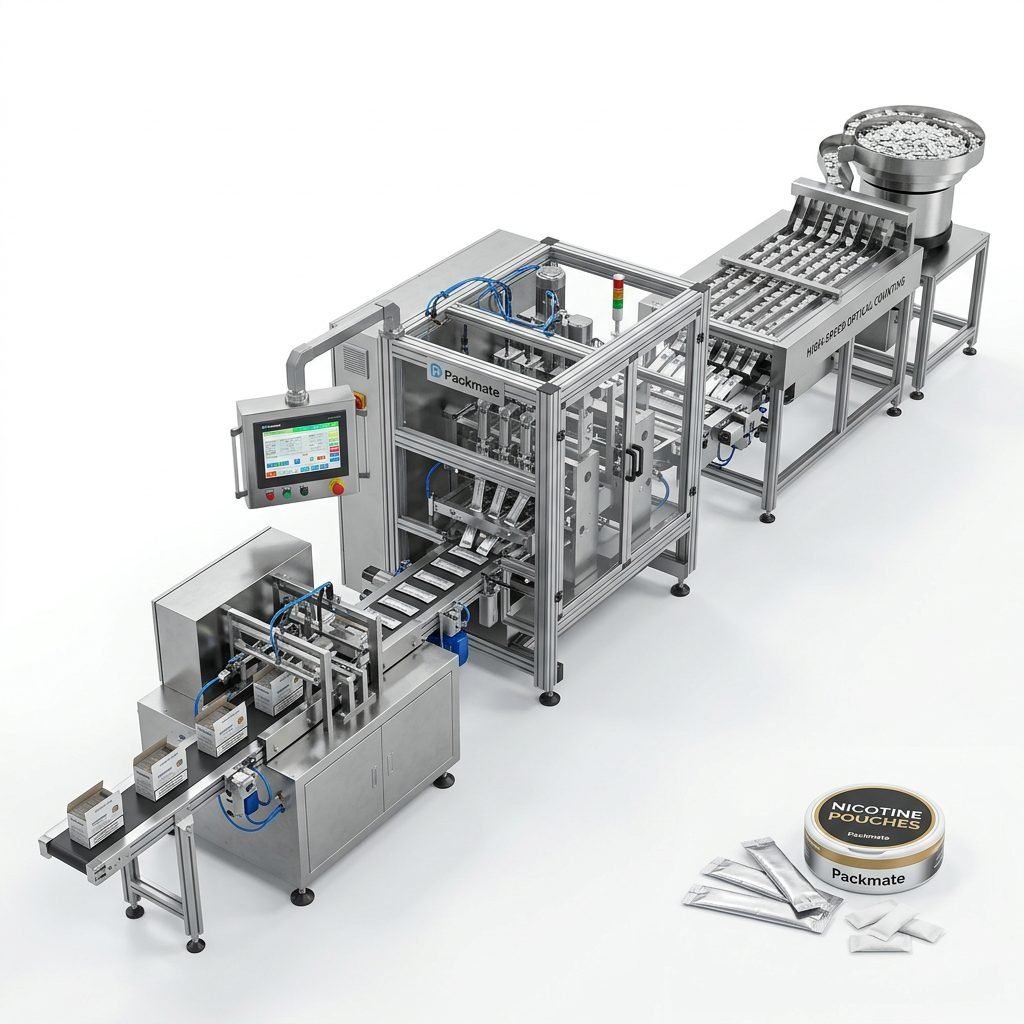
Complete Filling & Packaging Lines
These turnkey lines combine dosing/weighing, pouch forming, sealing, and secondary packaging. They are the right choice if you want minimal integration work and fast ramp to production.
For product and machine examples visit Snus & Nicotine Packaging Machines and Sachet & Stick Pack Machines.
📈 Capacity, Accuracy and Throughput
Define target output per shift and expected OEE (Overall Equipment Effectiveness). Throughput is influenced by lane count, dosing speed, and upstream feeding systems. Accuracy matters for nicotine pouches—tolerances must meet regulatory and customer expectations.
Must-have: A dosing and weighing system with feedback control. Look for machines that support electronic recipe control to preserve weight accuracy across runs.
🧼 Hygiene, Materials and Build Quality
Snus products often require strict hygiene. Stainless steel (304 or 316 in critical areas), sanitary seals, and easy-to-clean design are non-negotiable. Corrosion-resistant parts extend machine life in humid climates like Nicaragua.
Surface finish & accessibility
Low crevice design, minimal horizontal surfaces where product can accumulate, and hinged guards for quick access speed cleaning and maintenance.
🔌 Automation, Controls and Connectivity
Modern HMI with recipe storage, PLC control, remote diagnostics, and data logging will reduce downtime and facilitate quality control. Look for Ethernet/IP or industrial communication options for future factory integration.
🛠️ Maintenance, Spare Parts and Local Support
In Nicaragua, local support and spare parts availability are major considerations. Machines with globally common electrical components and modular mechanical parts are easier to service. Confirm warranty terms, spare-part lead times, and whether the supplier offers on-site commissioning.
Ask suppliers: Do you offer remote troubleshooting and parts kits? Is there a recommended spare parts list for 12 months of operation?
📜 Compliance & Certifications
Verify CE and ISO compliance, especially for electrical safety, machine guarding, and hygiene. A certified machine simplifies customs clearance and helps meet buyer expectations in export markets.
See the manufacturer credentials at About Packmate and confirm certificates via Certificate.
💰 Total Cost of Ownership & ROI
Compare upfront cost with projected savings: labor reduction, material yield improvement, and reduced rejects. Include shipping, installation, training, spare parts, and expected maintenance in your TCO calculations. Machines designed for uptime and easy servicing often produce the best long-term value.
🤝 Choosing the Right Supplier
Prioritize suppliers with specific experience in snus/nicotine pouch equipment, machine references, and turnkey capability. Ask for references and case studies showing installations similar to your scale and product type.
Explore product portfolios and case studies at Snus & Nicotine Packaging Machines, Filling & Packaging Lines, and review live examples under Case.
Supplier evaluation checklist
– Relevant industry experience (snus/nicotine pouch systems)
– On-site commissioning & operator training included
– Spare-part promise and typical lead times
– Warranty & service SLA
– Local or regional service partner network
Red flag: Suppliers who cannot provide customer references or who avoid sharing a bill of materials for critical wear parts.
🚚 Logistics, Installation and Local Requirements in Nicaragua
Plan for customs clearance, import duties, and local electrical standards. Confirm that the supplier offers detailed packing lists and installation drawings. Consider shipping as a project line item—large multi-lane systems may need special handling.
🔧 Installation, Training and Start-Up
On-site commissioning and operator training are crucial. Ensure training covers routine cleaning, changeovers, troubleshooting, and preventive maintenance. Ask for a recommended spare parts kit to cover 3–6 months of production.
✅ Practical Procurement Tips
1) Request a Video Demo: Seeing a machine run your product reduces risk.
2) Test Runs: If possible, arrange sample runs at the supplier factory.
3) Evaluate Documentation: Operation manuals, wiring diagrams, and parts lists are essential.
4) Negotiate a Training & Spare Parts Package: Include these in the contract to avoid surprises.
Quick win: Choose a supplier offering modular upgrades—this lets you increase capacity or automation later without replacing the whole line.
📞 After-Sales: Service, Spare Parts & Remote Support
After-sales service is critical in Nicaragua. Confirm support channels, typical response time, and whether remote diagnostics are available. A good supplier will include a service roadmap and list of local partners.
For service offerings and contacts consider visiting Service and Contact Us.
📌 Final Checklist Before You Buy
– Product compatibility confirmed with supplier
– Throughput & lane configuration match production plan
– Hygiene & material specs meet local regulations
– Spare parts list and lead times agreed
– Warranty, training, and commissioning included in contract
– Budget includes shipping, installation, and initial spares
Remember: A slightly higher initial investment in a well-engineered machine often pays back through reliability, reduced waste, and lower maintenance costs.
📚 Where to See Real Machines & Learn More
Attend regional exhibitions or request factory visits for live demonstrations. Packmate exhibits globally and offers machine demos and case studies you can review to validate performance claims.
Check upcoming events and exhibition history at Our Exhibition and learn more about their product catalog at Catalog.
Frequently Asked Questions
Q1: What machine type is best for small-batch snus production?
A: Multi-function sachet or stick pack machines with quick-change tooling are ideal for small-batch flexibility. Choose models supporting recipe memory and fast changeovers.
Q2: How important is multi-lane design?
A: Multi-lane machines increase capacity without a proportional increase in footprint. They are essential when you need high throughput with limited factory space.
Q3: What after-sales services should I require?
A: Require on-site commissioning, operator training, a spare parts kit, remote support, and a clear SLA for response times. Verify parts availability for at least 12 months.
Q4: Are turnkey lines worth the cost?
A: Turnkey lines reduce integration risk and speed time-to-market. They are a good investment if you prefer a single point of responsibility for performance guarantees.
Q5: Where can I view reliable snus packaging solutions?
A: Review specialized product pages and contact reputable manufacturers for demos. Useful resources include the Packmate product pages and case studies linked above.