Choosing the right nicotine packaging machinery supplier for your business in Cabo Verde requires more than comparing price tags. It demands an understanding of local market dynamics, island logistics, machine resistance to humid and saline air, reliable after-sales service, and compliance with both international and Cape Verdean rules. The following guide walks you through practical, actionable steps to select a supplier who can deliver reliable, durable, and compliant snus and nicotine pouch packaging solutions that suit the unique needs of Cabo Verdean operators.
Understand Cabo Verde’s Market Conditions and Customs
Cabo Verde is an archipelago with limited local manufacturing and heavy reliance on imports. When evaluating suppliers, factor in:
- Shipping frequency to Mindelo (São Vicente) or Praia (Santiago) and associated transit times.
- Customs clearance procedures and import duties—plan lead times to avoid downtime.
- Climate considerations: high humidity and salt-laden air accelerate corrosion, so choose machines with appropriate surface treatments and stainless components.
- Local labour skills and language: Portuguese is the official language—ensure supplier can provide technical manuals and training in Portuguese or English.
Prioritize Technical Experience and Product Fit
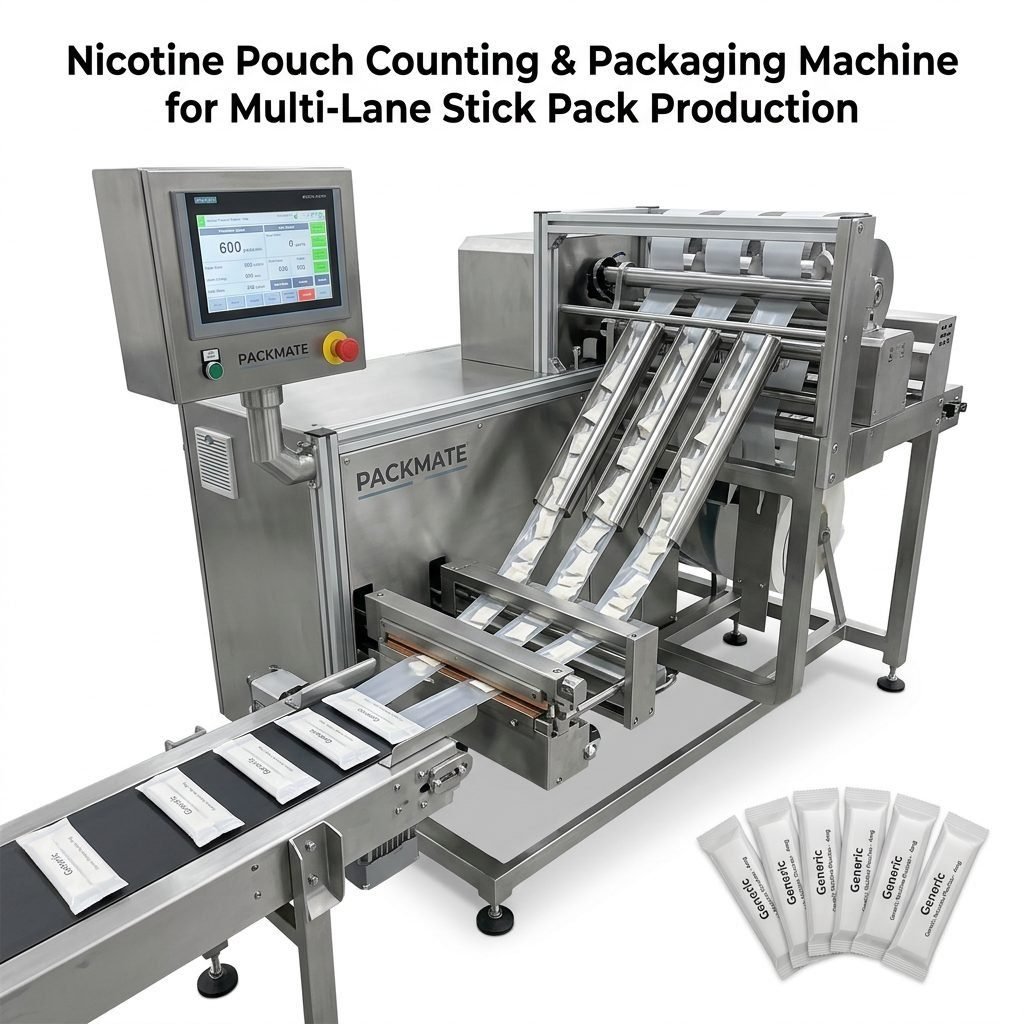
Look for suppliers who specialize in nicotine pouch and snus equipment rather than general packaging vendors. Key indicators:
Assess Manufacturer Credentials and Factory Strength
A supplier with decades of engineering experience and a modern factory indicates stability and production capability. Confirm:
- Years in industry and product specialization (e.g., 30+ years is a strong signal).
- Factory size, CNC capacity, and quality testing procedures for repeatable performance.
- Certifications such as CE and ISO that support international compliance and safer operation.
Model Variety and Customization Options
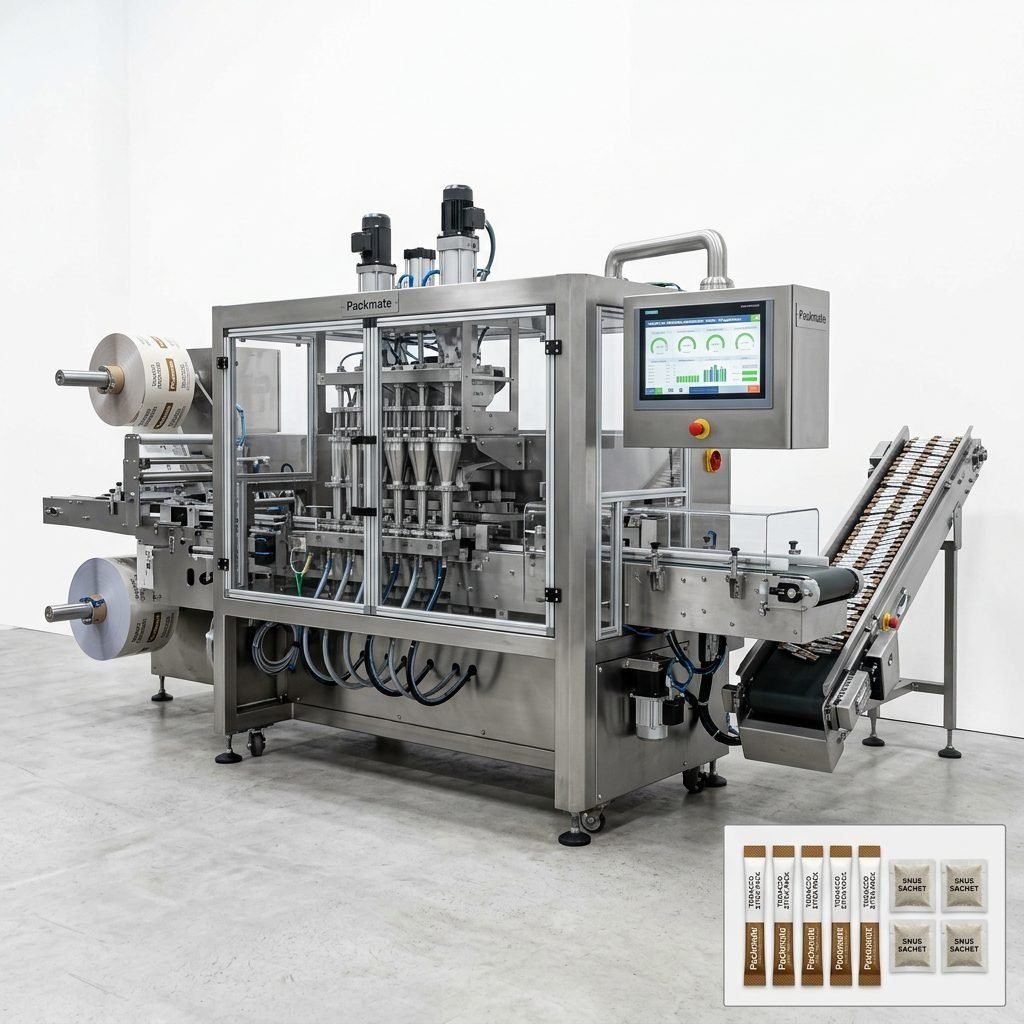
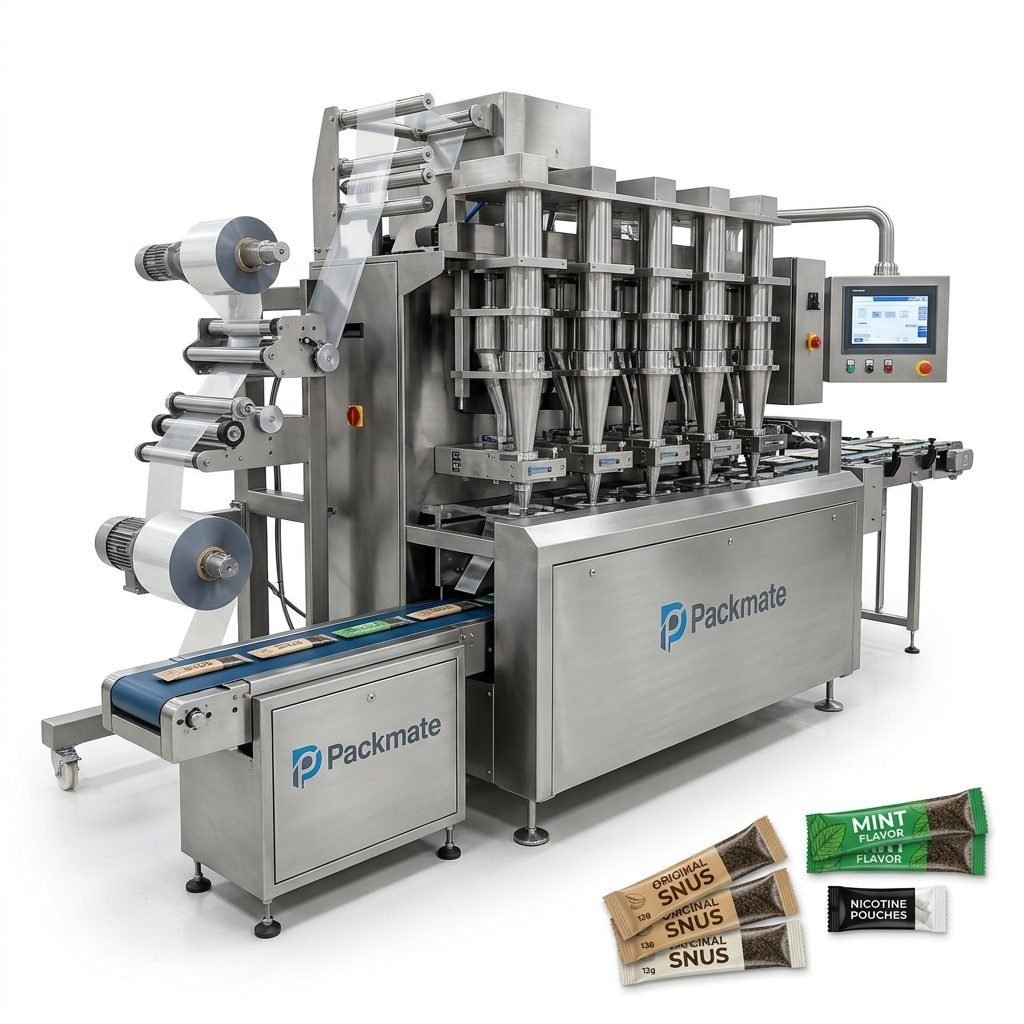
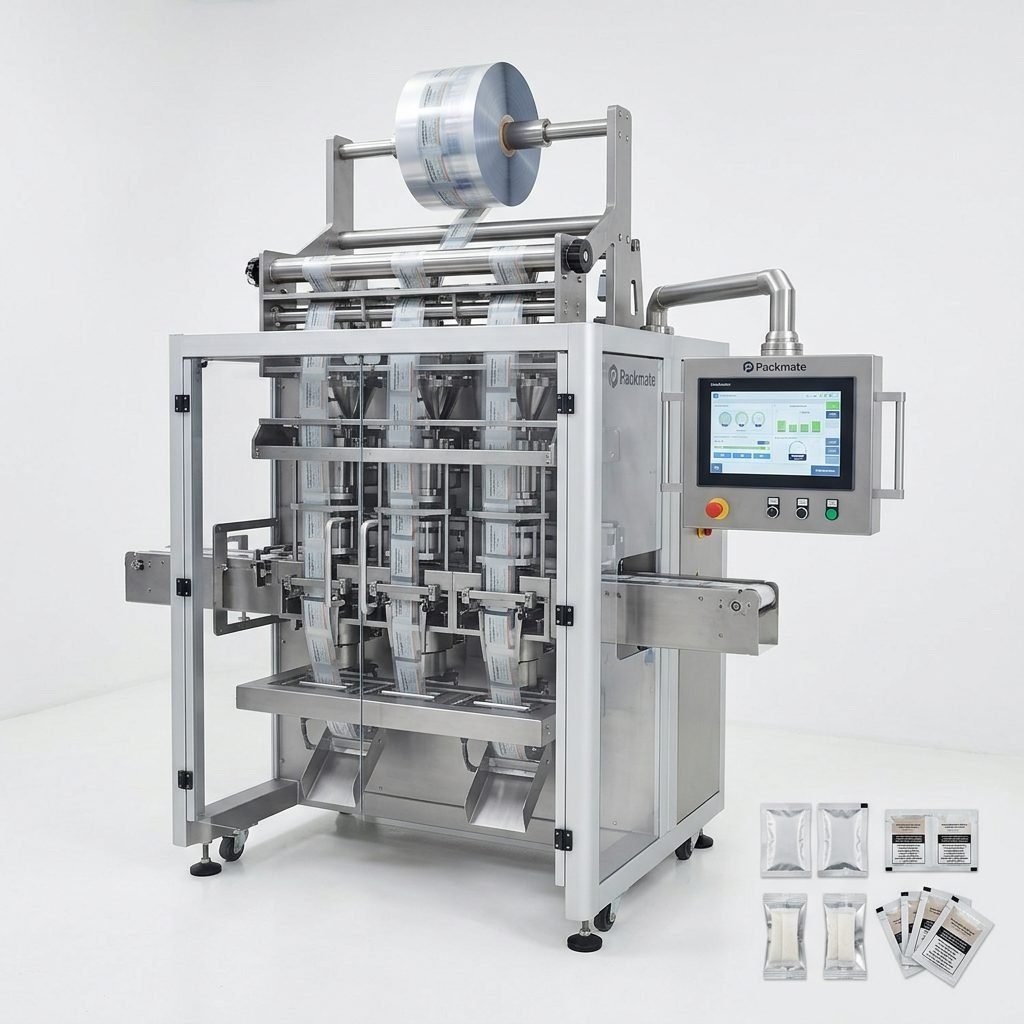
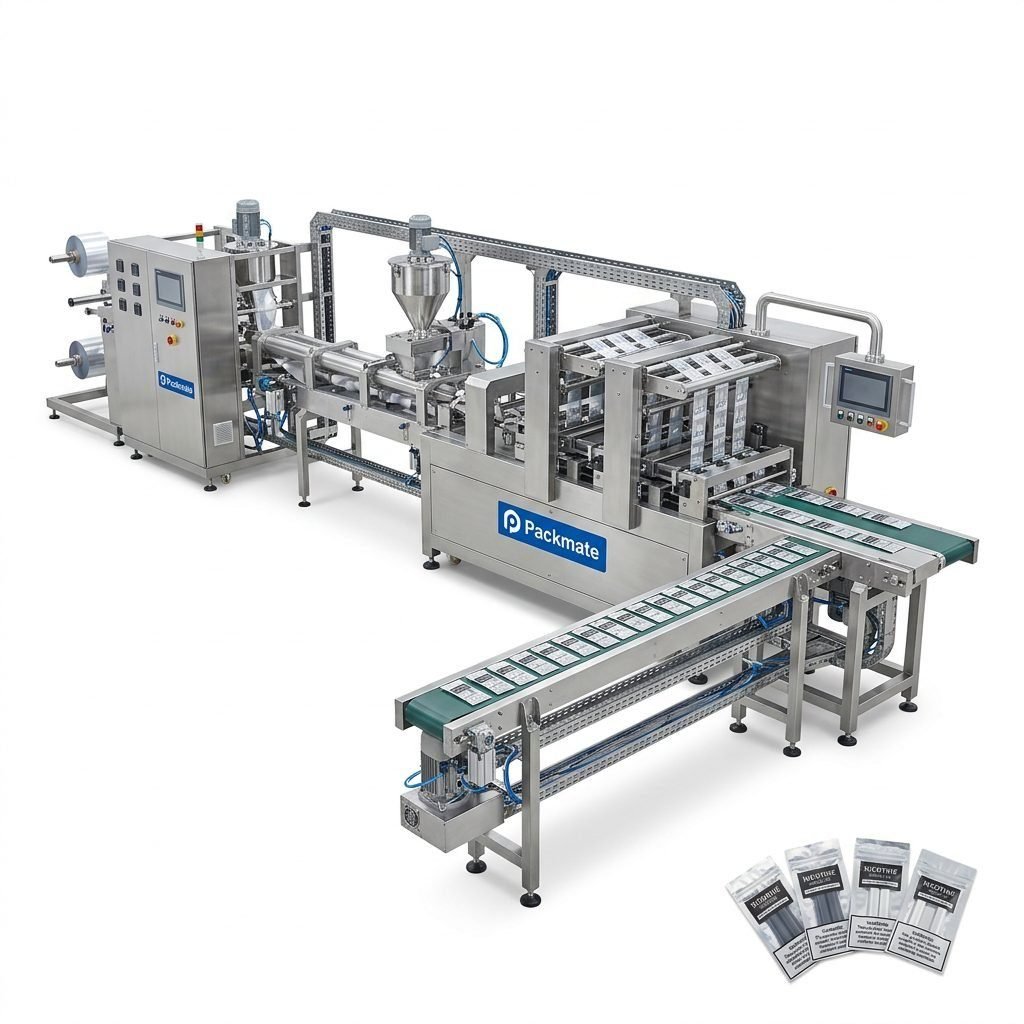
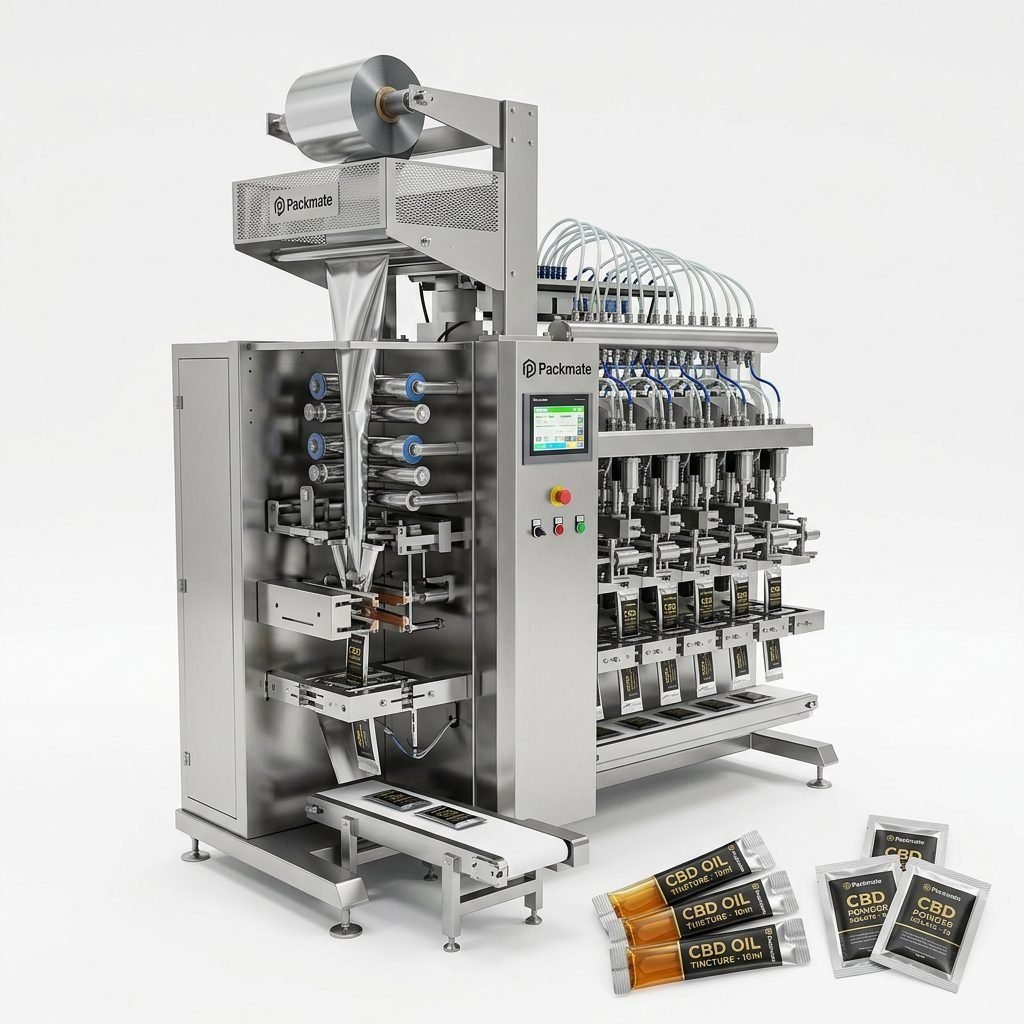
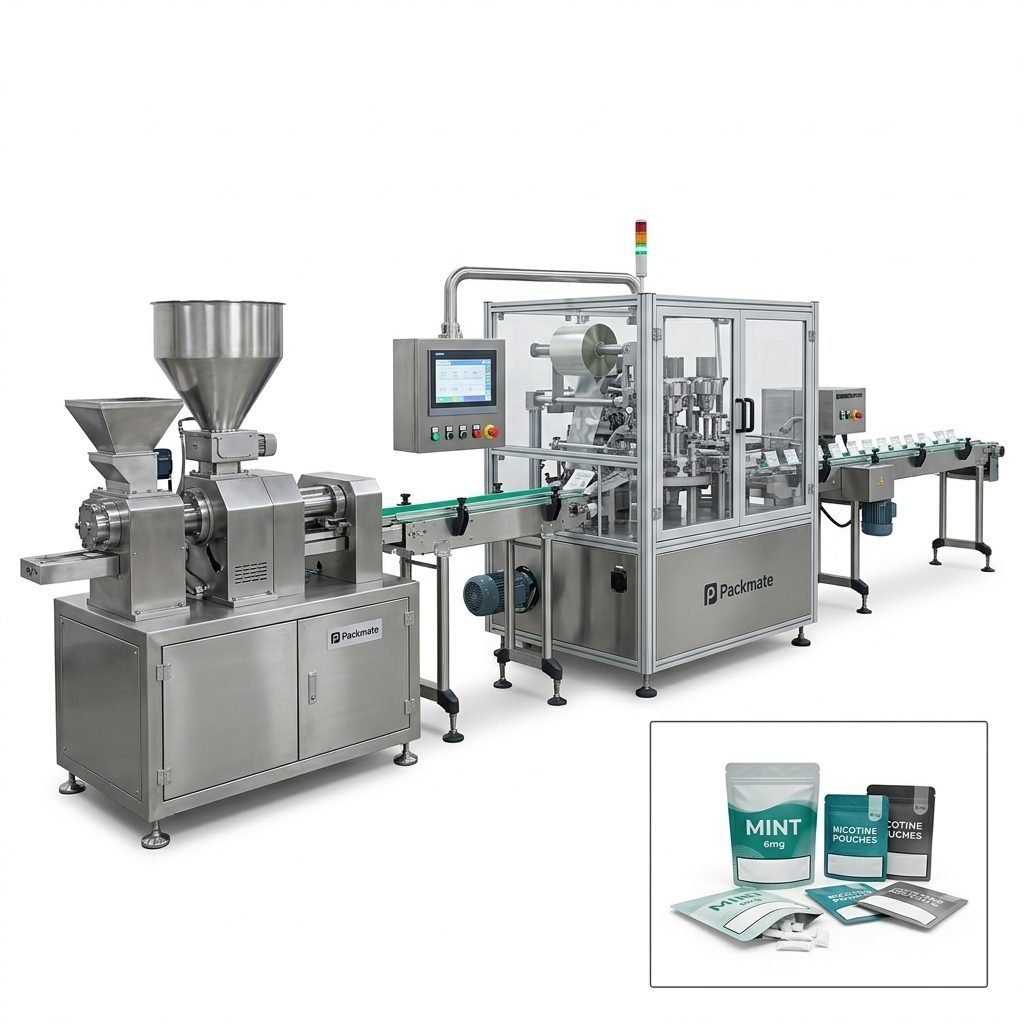
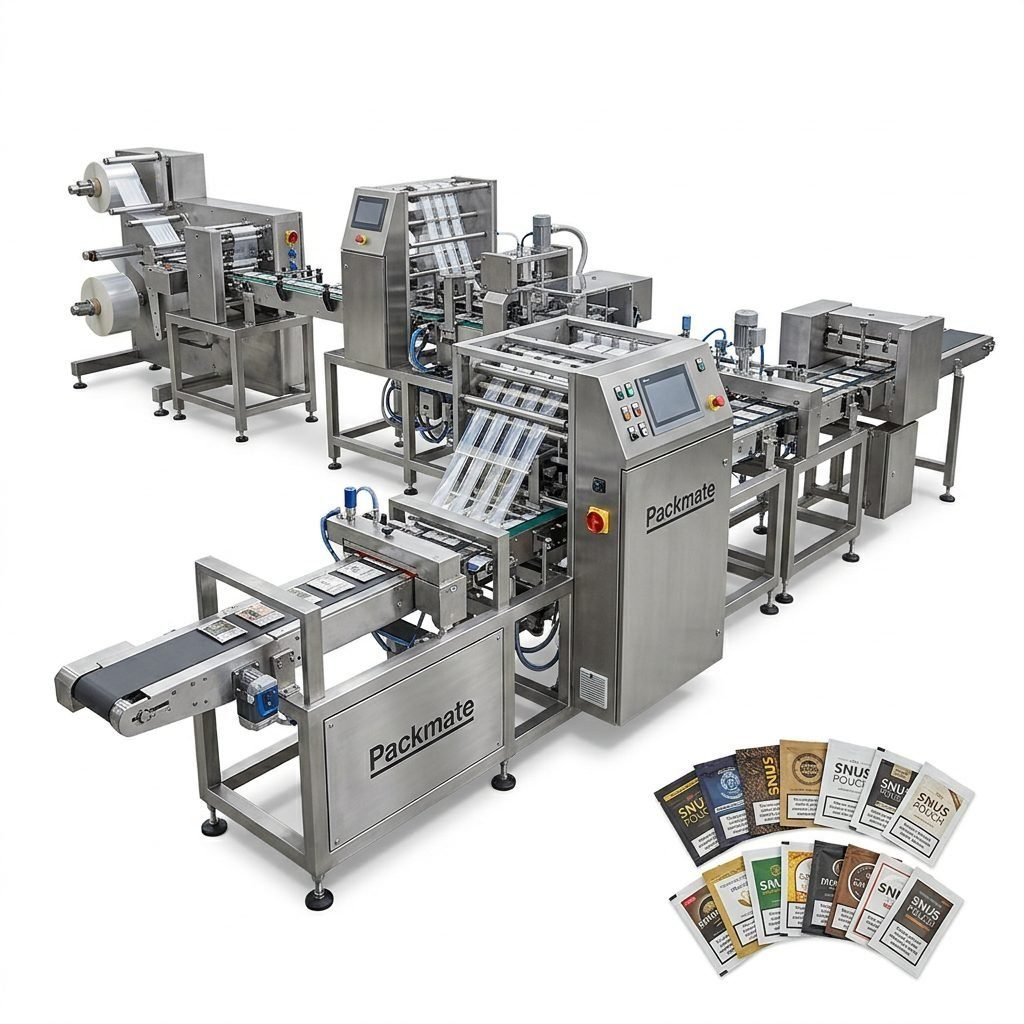
Your supplier should offer a range of models and the ability to customize: lane counts, filling technologies, humidity controls, and packaging formats. If you need turnkey lines (weighing, filling, packaging), check the supplier’s integrated systems like Filling & Packaging Lines and Weighing & Packaging Systems.
Durability for Island Environments: Materials & Surface Treatments
Cabo Verde’s maritime climate demands equipment built to resist corrosion and moisture ingress. Pay attention to:
- Stainless steel grades in contact parts (e.g., SUS304/SUS316 where appropriate).
- Sealed electrical enclosures with appropriate IP ratings.
- Protective coatings on frames and mechanical parts, and use of marine-grade fasteners where possible.
Energy Efficiency and Power Compatibility
Due to occasional grid variability on islands, machines with stable drive systems, power surge protection, and low-energy footprints perform better. Discuss voltage compatibility and any need for stabilizers or UPS during commissioning.
After-Sales Support: The Most Critical Factor
Strong after-sales service can be the difference between a long productive line and costly downtime. Evaluate:
Training & Documentation
Ensure the supplier provides comprehensive manuals, electrical and pneumatic diagrams, and on-site or virtual training sessions in Portuguese or English. Remote diagnostics, video calls, and spare parts kits are particularly valuable for island customers.
Warranty and Performance Guarantees
Ask for clear warranty terms, uptime guarantees, and acceptance tests (FAT/SAT). A strong vendor will offer factory acceptance testing, pre-shipment video checks, and commissioning support upon arrival in Cabo Verde.
Logistics, Import, and Local Installation
Plan the end-to-end journey: from factory to port, customs, inland transport to your site, and assembly. Important steps:
- Obtain HS codes and correct documentation to avoid delays at customs.
- Choose shipment methods that minimize salt exposure—containerized sea freight with desiccants can help.
- Confirm local rigging capacity and ensure the supplier provides detailed installation drawings and on-site supervision if required.
Local Partnerships and Authorized Agents
Having a regional partner or certified agent can expedite spare part delivery and provide faster technical response. Ask the supplier for references or partner contacts near West Africa or Europe with quick shipping routes to Cabo Verde.
Assess Total Cost of Ownership, Not Just Purchase Price
To make a sound investment, consider:
- Operating costs (energy, compressed air, maintenance parts).
- Downtime risk and mean time to repair (MTTR).
- Resale value and modular upgrades to accommodate product variation.
Financing, Leasing and Payment Terms
Negotiate payment milestones tied to factory acceptance and delivery, and explore financing or leasing to smooth cash flow. Confirm currency and transfer methods to avoid exchange issues.
Verify References, Factory Visits and Demonstrations
Demand references from similar projects and onsite demos or machine videos. If possible, visit the manufacturer or attend an exhibition where the machines run. Packmate exhibits globally—checking exhibitions can give real-world insights: Our Exhibition.
Factory Capabilities Example
A factory with 20,000㎡ manufacturing area, advanced CNC centers and a track record of 50+ machine models suggests the ability to handle custom requests and scale production when needed. Read more about company background here: About Packmate.
Contract Terms, Compliance and Documentation
A good contract should include delivery timelines, warranty specifics, spare parts lists, acceptance tests, training commitments, and intellectual property protections. Ensure the supplier provides full technical documentation for maintenance and regulatory audits.
Regulatory Compliance & Certificates
For export and local registration, CE and ISO certificates reduce friction with banks and customs. Verify certificates and request copies to be included with the machine documentation. See example certificates: Certificate.
Decision-Making Checklist (Quick Reference)
✔️ Local environment readiness: corrosion-resistant materials and IP-rated enclosures.
✔️ After-sales & spare parts: stock, shipping lead times, and regional partners.
✔️ Documentation & training: Portuguese/English manuals and commissioning support.
✔️ FAT/SAT & performance guarantees: measurable acceptance criteria.
Practical Next Steps for Cabo Verde Buyers
1. Compile a technical brief for your intended product (pouch size, dose, lane count, target output per hour). 2. Request machine datasheets, FAT videos, and spare parts lists from shortlisted suppliers. 3. Ask for Portuguese-language materials and confirm training arrangements. 4. Obtain shipping, installation, and customs cost estimates. 5. Negotiate warranty and response SLA.
How Packmate-style Suppliers Help
Suppliers with deep snus and nicotine pouch expertise offer tailored multi-lane systems, turnkey solutions, and global support networks. Reviewing case examples and service offerings can clarify expectations—see project case studies here: Case.
Contact and Follow-Up
When you’re ready, request formal quotes with clear lead times and payment milestones. Contact the supplier’s sales and technical teams to confirm language support and after-sales logistics: Contact Us.
Final Thoughts
Selecting the best nicotine packaging machinery supplier for a Cabo Verde business blends technical evaluation with practical logistics planning. Prioritize suppliers who demonstrate industry-specific experience, robust factory capabilities, corrosion-aware designs, solid after-sales support, and clear documentation in Portuguese or English. This balanced approach reduces long-term risk and ensures your production line stays productive even in an island environment.
Common Questions
Q: How long does shipping and installation typically take for machines sent to Cabo Verde?
A: Timeline varies, but expect 8–14 weeks from factory dispatch to site commissioning depending on vessel schedules, customs clearance, and whether on-site commissioning support is required.
Q: What spare parts should be stocked locally to reduce downtime?
A: Keep critical wear parts (seals, cutters, belts), common electrical components (sensors, drives), and a small kit of pneumatic parts. Verify supplier-recommended spare parts lists.
Q: Is local training necessary, and in which language should manuals be provided?
A: Yes—on-site or virtual training is essential. Provide manuals and training in Portuguese and English whenever possible for better knowledge transfer.
Q: How do I ensure machines withstand salty, humid air?
A: Specify stainless contact parts, sealed electrical enclosures, protective coatings, and regular maintenance schedules including anti-corrosion checks.
Q: Where can I find reputable suppliers with snus experience and turnkey options?
A: Look for specialized manufacturers with long-term industry presence, CE/ISO certifications, and turnkey solutions—see product ranges like Snus & Nicotine Packaging Machines and related packaging systems.