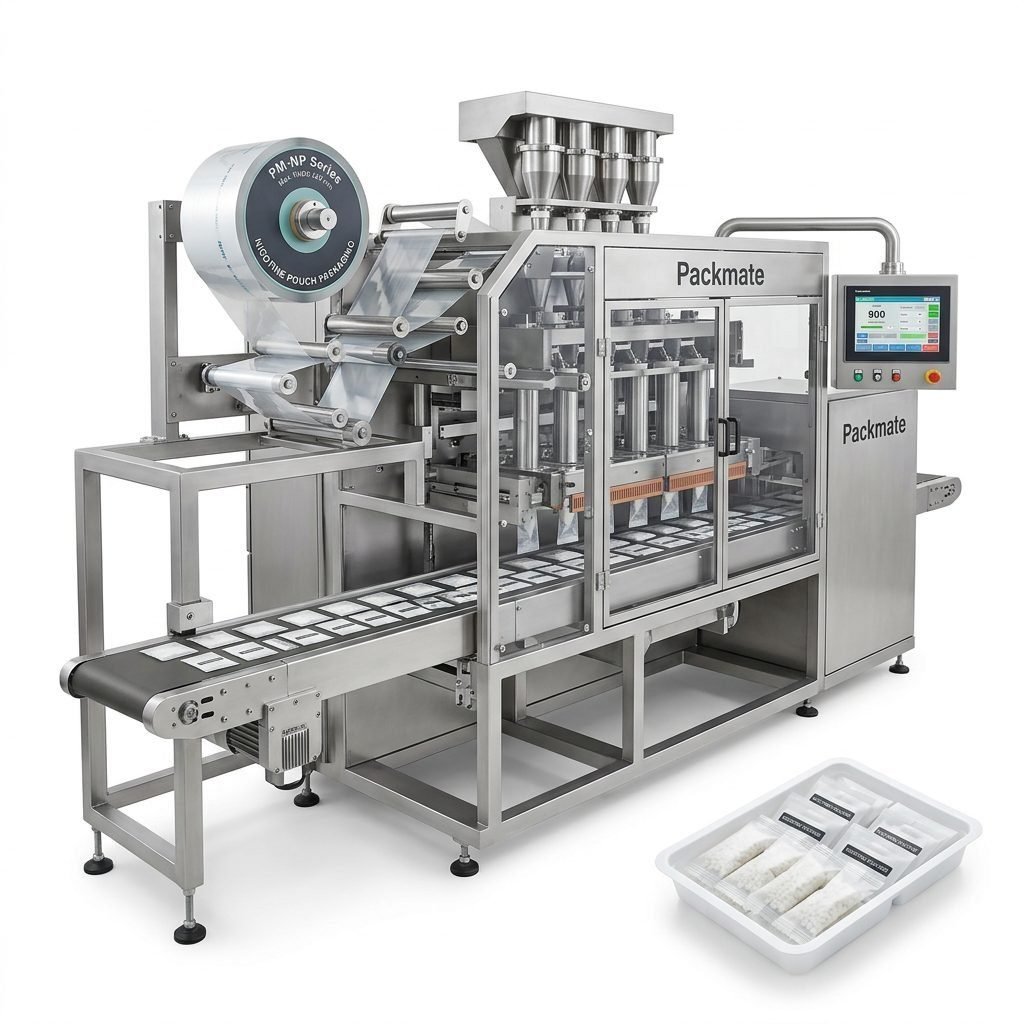
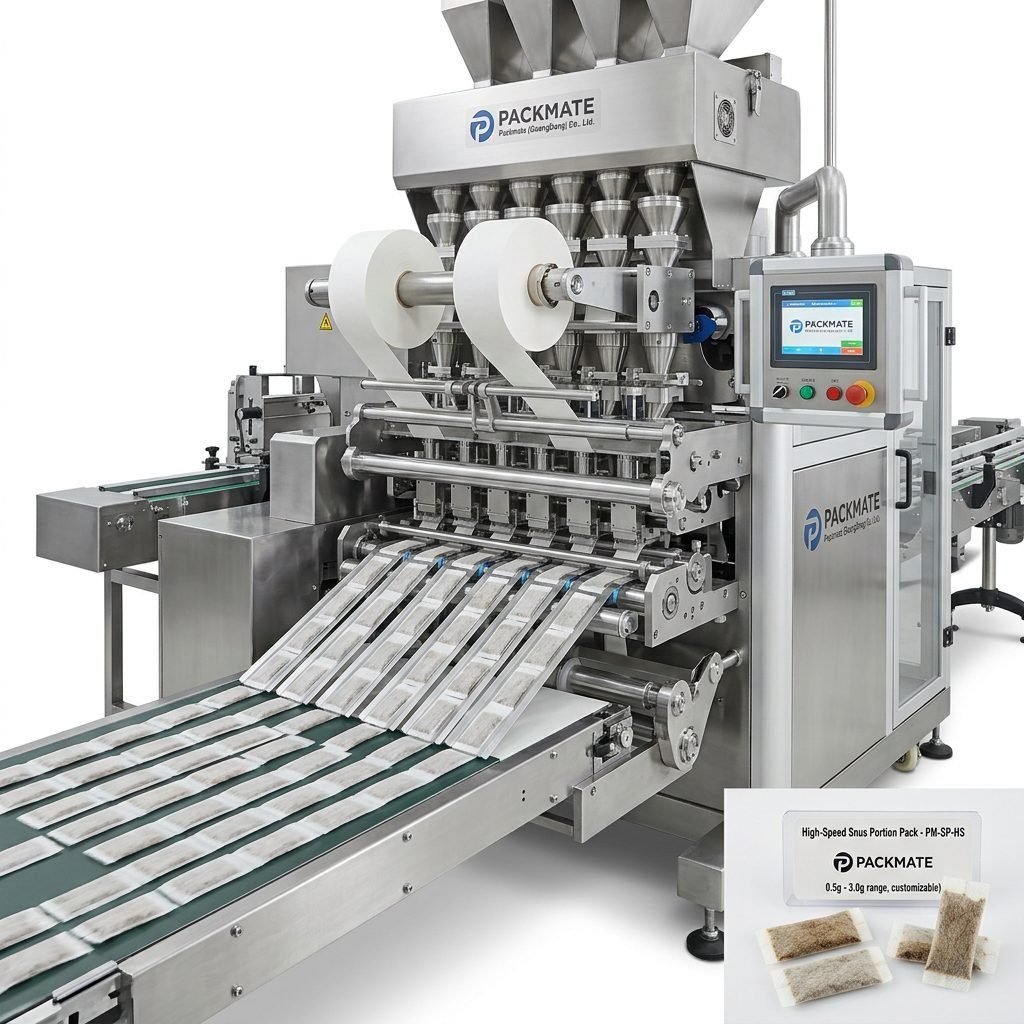
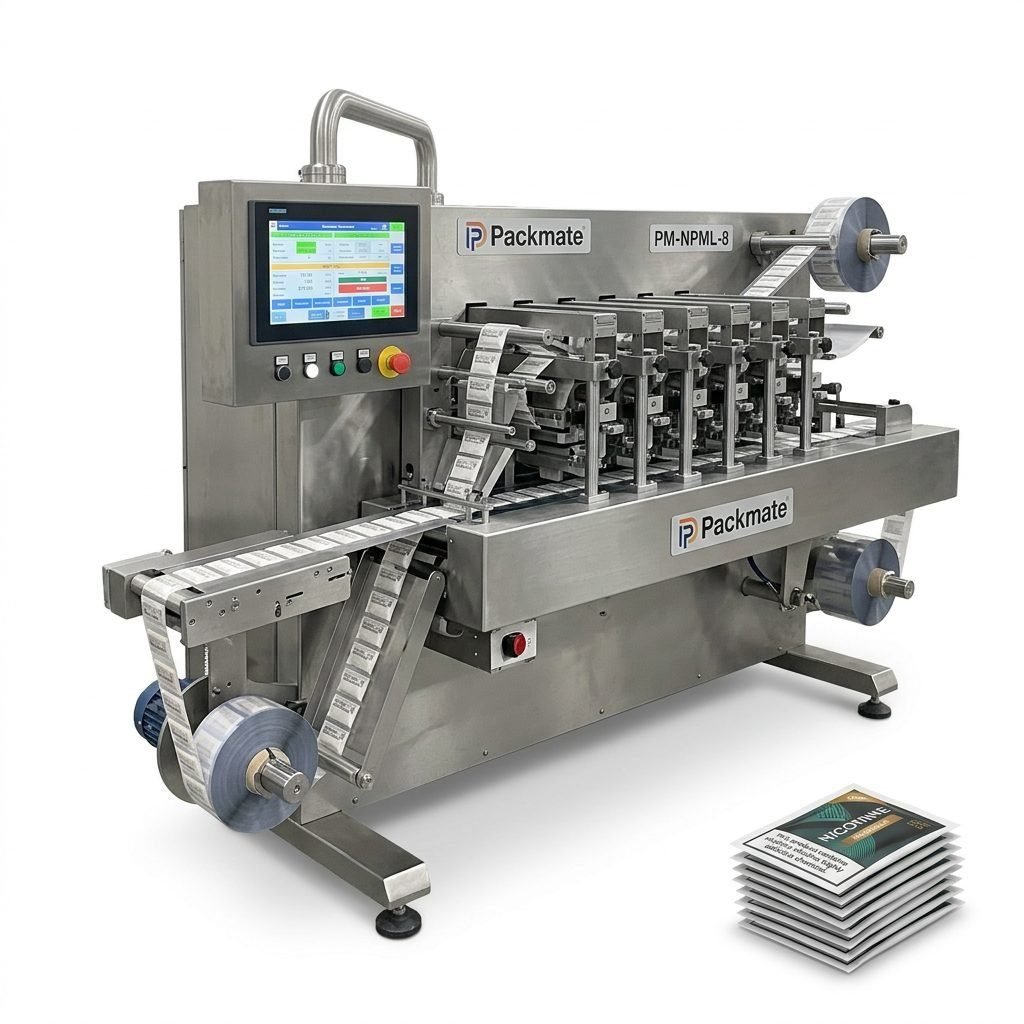
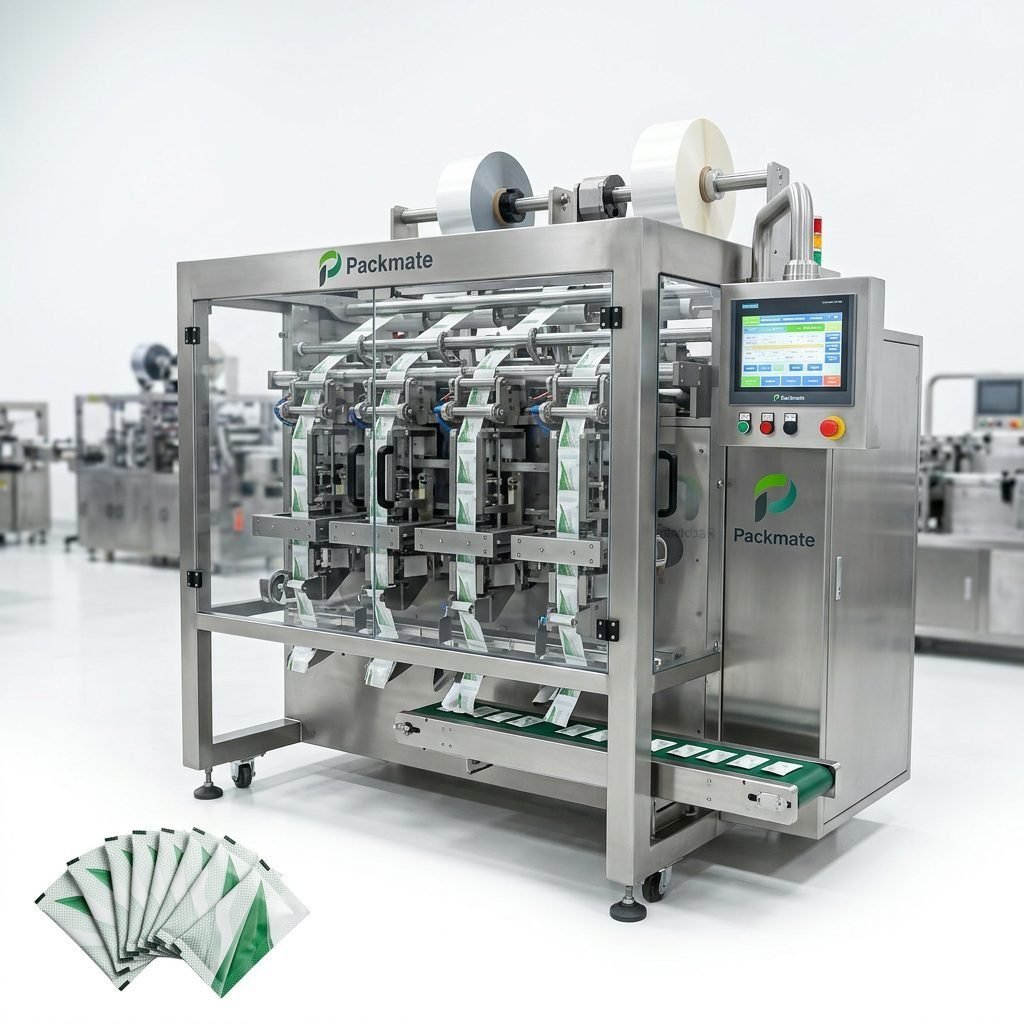
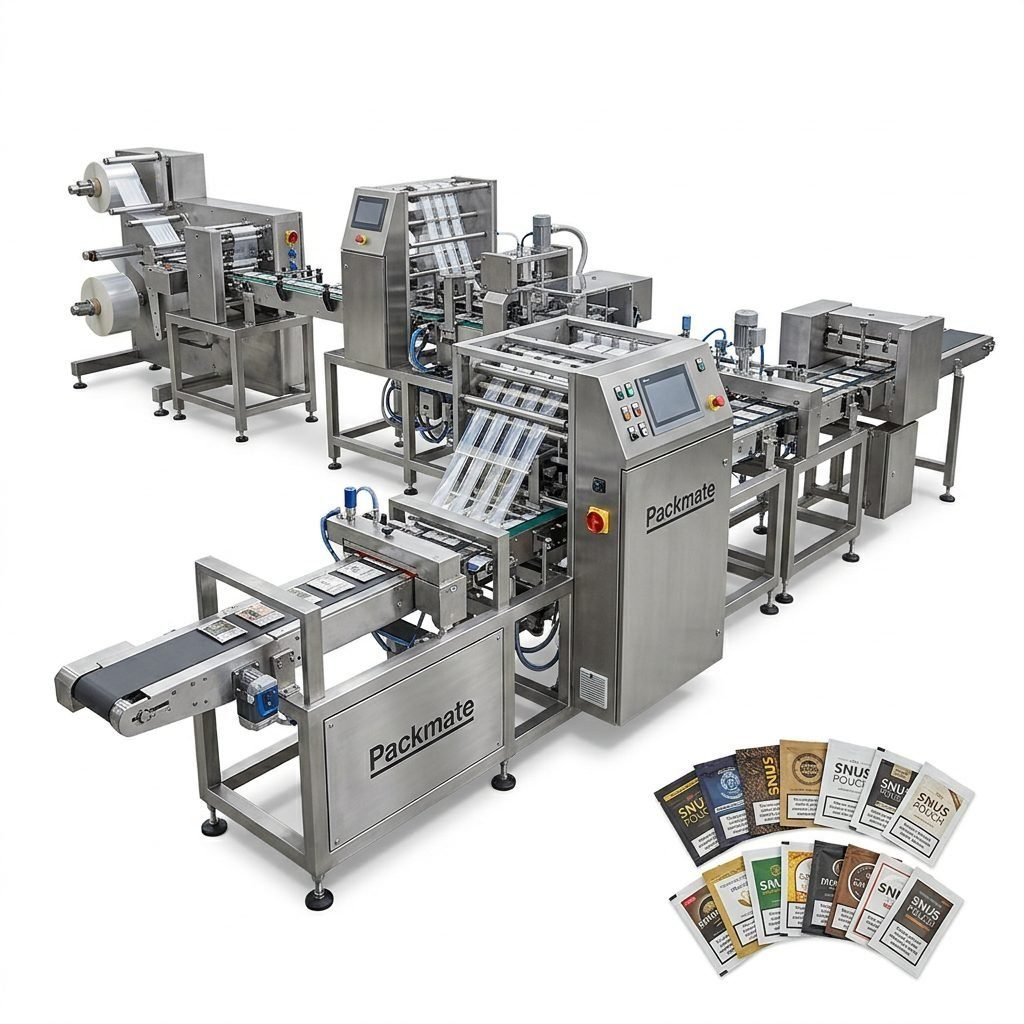
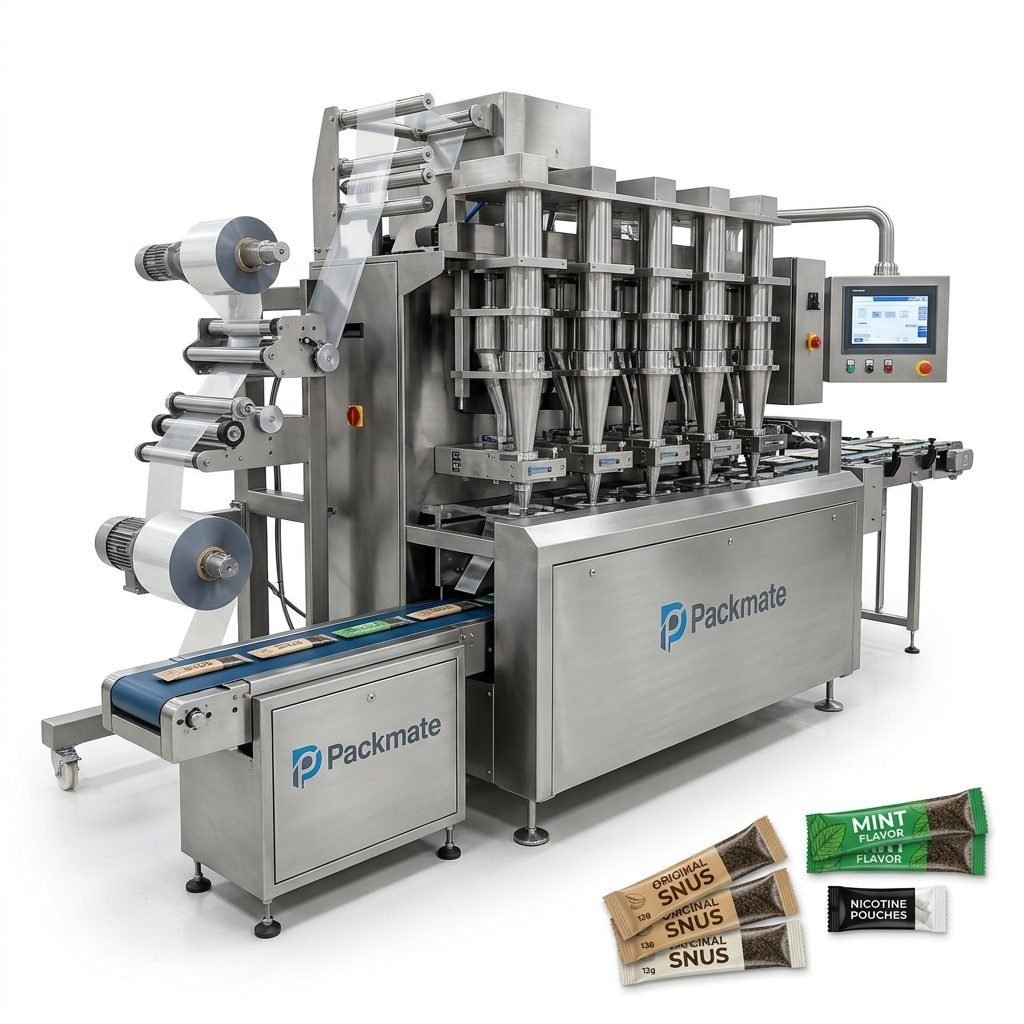
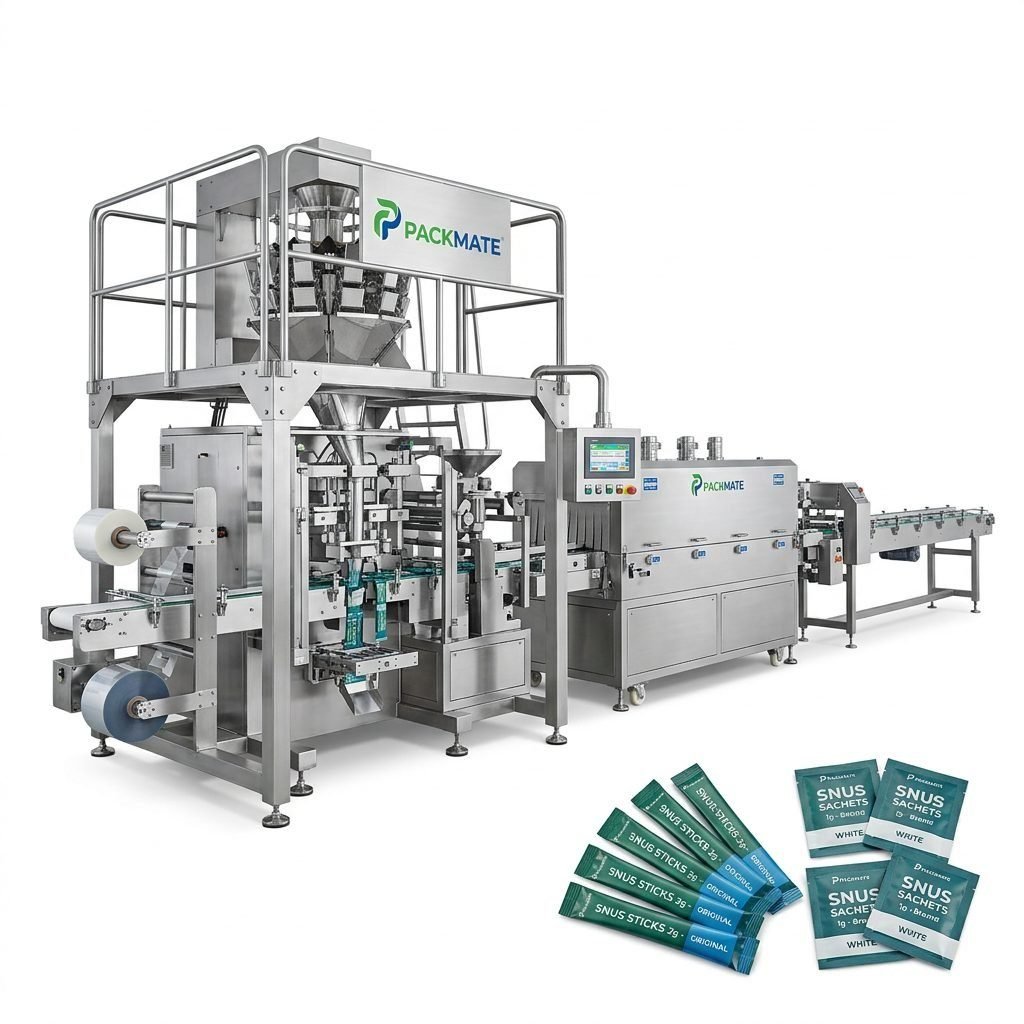
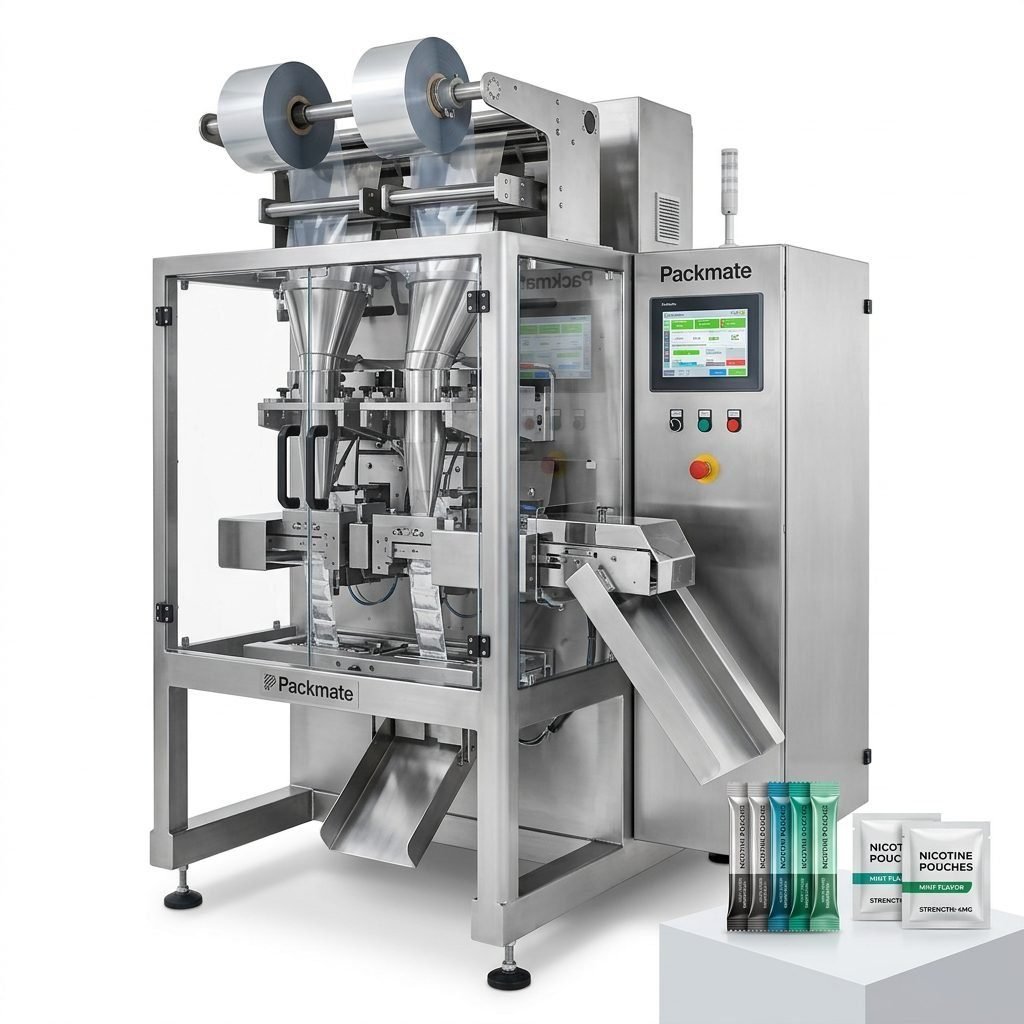
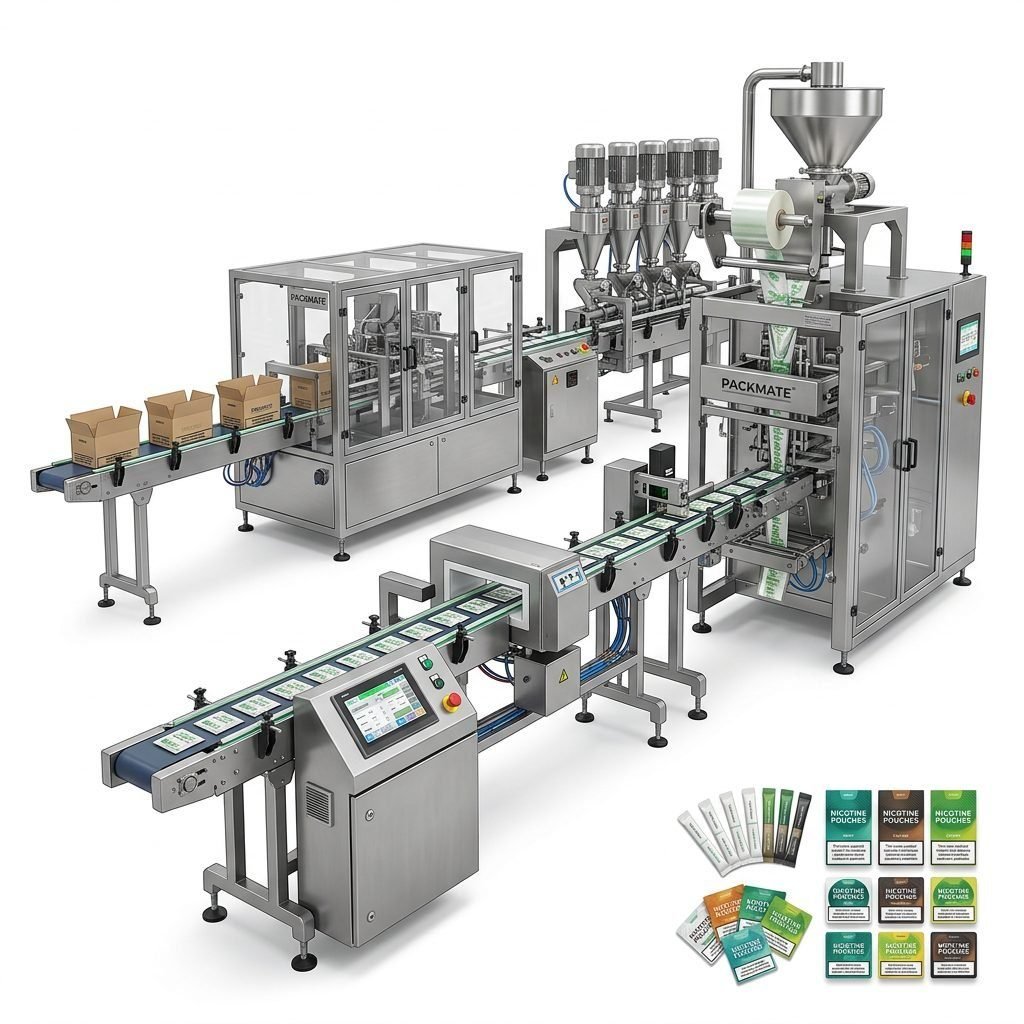
Choosing a reliable snus (nicotine pouch) packaging machine supplier in France requires a mix of technical knowledge, local-market insight, and careful supplier vetting. This guide walks you through what matters most — from regulatory considerations in France and technical specifications to factory audits, after-sales support, and packaging trends that resonate with French consumers.
Understand the French market, local habits and regulatory context
France values product safety, clear labeling and elegant design. Many French consumers prefer discreet, premium-looking nicotine pouches with concise French-language health information and recyclable or premium-feel packaging. Note: snus sales are restricted in many European countries, and national rules on nicotine pouches vary — always confirm local compliance with French authorities or a legal advisor before importing production equipment or launching a product.
Tip: Ensure your packaging design supports French-language warnings, ingredient lists and any required regulatory codes. French consumers expect neat, minimalist design with clear regulatory text.
Core technical features to evaluate
Not all packaging machines are built the same. For snus and nicotine pouches, prioritize machines that deliver precise dosing, high sealing quality and low product loss. Look for multi-lane capability if you need high throughput on small-dose pouches, plus flexible packaging formats like stick pack, sachet and resealable pouches.
Key specifications to request from suppliers:
● Production speed (packs/min) and multi-lane configuration.
● Dosing accuracy (mg tolerance) and weighing/integration options.
● Changeover time between sizes and ease of format parts replacement.
● Materials in contact with product (stainless steel quality, surface finish) and CIP compatibility.
● Quality control integration: metal detectors, vision inspection, seal testing.
For detailed machine categories and specs, see supplier product pages such as Snus & Nicotine Packaging Machines and their Weighing & Packaging Systems.
Factory capability & quality audit checklist
When evaluating a supplier, conduct (or request) a factory audit and review these indicators of reliability:
Factory strength — check years in business, factory area and manufacturing equipment. A mature supplier will typically have CNC machining centers, precision assembly lines and a structured QC process.
Certifications — verify CE, ISO and any other relevant certifications for export to Europe. Request copies of certificates and test reports.
References & cases — ask for installation references in Europe, photos or videos of production lines in operation and any FAT (Factory Acceptance Test) records.
After-sales support, spare parts and training
After-sales service can make or break your production uptime. Confirm the supplier provides:
✔ Clear warranty terms and reachable technical support.
✔ Availability of spare parts and lead times for replacements.
✔ On-site installation, commissioning and operator training in English or French where possible.
✔ Remote support capabilities (video calls, PLC remote access) to diagnose issues quickly.
Pro checklist: Request a spare parts list with item numbers and stock locations. Confirm whether English-speaking or French-speaking engineers are available for commissioning in France.
Packaging, design and sustainability — what French buyers expect
French packaging preferences often emphasize refined visuals and environmental responsibility. Consider these features when choosing a machine and supplier:
• Support for high-resolution printing and laminated films for premium looks.
• Compatibility with recyclable film materials and resealable zipper integration.
• Small-format flexibility — many French users prefer compact daily doses and sleek canister-style pouches.
• Ability to incorporate tamper-evident or child-resistant features if required by regulation.
Explore machines for specific pouch types at Bag & Pouch Packaging Machines and Sachet & Stick Pack Machines.
Procurement steps: from RFQ to acceptance in France
Follow a structured procurement process to reduce risk and ensure alignment:
Step 1: Detailed RFQ
Provide expected capacities, pouch types, dosing tolerances, film materials and any regulatory or labeling needs in French. Ask for technical datasheets, electrical and air consumption, and CE/ISO documentation.
Step 2: Technical proposal & FAT
Request a site FAT or video FAT showing the exact format, sample packages and performance metrics. Confirm acceptance criteria for packaging integrity and dosing accuracy.
Step 3: Installation & commissioning
Arrange for supplier engineers to perform on-site commissioning, staff training and final acceptance testing. Ensure documentation in your preferred language (French/English).
Total cost of ownership vs initial price
Don’t buy on price alone. Consider:
• Energy consumption and air use.
• Predicted spare parts consumption and MTBF (mean time between failures).
• Ease of maintenance and availability of local engineers.
• Software upgrade policy and PLC/controller standards (important for future integration).
Value indicator: A slightly higher initial investment can pay off through reduced downtime, lower energy use and simpler maintenance.
Real-world evidence: cases and exhibitions
Ask suppliers for European case studies and request videos of machines running your specific product. Attend trade shows and exhibitions in Europe to watch live demos and speak with other buyers. See supplier examples and past projects at Case and check upcoming events at Our Exhibition.
Selecting a partner: red flags and green flags
Green flags:
✔ Transparent documentation, verifiable factory and references.
✔ Demonstrable CE/ISO compliance and FAT records.
✔ Clear after-sales plan with spare parts and training.
Red flags:
✖ Vague technical specs, no FAT or refusal to run product samples.
✖ No formal warranty or unclear spare parts availability.
✖ Poorly documented CE/ISO claims or inability to provide references.
Supplier snapshot: what to expect from an experienced manufacturer
A reliable manufacturer typically shows these strengths: decades of R&D and manufacturing experience, a large workshop with precision machining and assembly, a broad model range and turnkey solutions. Suppliers with a global footprint provide better compliance support and have experience adapting machines for export markets like France. For supplier background, see About Packmate.
Practical checklist before signing a contract
1) Confirm CE/ISO certificates and request copies of test reports.
2) Ask for a full spare parts list and pricing.
3) Schedule FAT with your product samples and acceptance criteria.
4) Confirm training language and documentation language (French or English).
5) Agree on warranty, response time and escalation path.
Next steps: getting quotes and contacting suppliers in France
Prepare a detailed RFQ with your product specs, target throughput and any French regulatory or labeling requirements. Request a formal proposal showing lead time, warranty, spare parts, FAT plan and shipping terms. For catalogs, services and direct contact, refer to supplier resources such as Catalog, Service and Contact Us.
Common Questions
Q: Are snus machines legal for production in France?
A: Regulations vary by product and classification. Snus (traditional tobacco snus) faces EU-level restrictions, while nicotine pouches may be regulated differently. Always consult French regulatory authorities or a legal expert before production.
Q: How important is CE/ISO certification when buying from overseas?
A: Very important — CE and ISO demonstrate compliance with European safety and quality standards. Request full documentation and validate certificates directly with issuing bodies when necessary.
Q: What lead times should I expect for a custom snus line?
A: Lead times depend on customization and spare parts. A standard machine might ship faster, while highly customized multi-lane lines often require 8–20 weeks plus FAT and shipping time.
Q: Do suppliers offer training in French?
A: Many global suppliers provide training in English and offer translation or local engineers for French-language support. Confirm language support during contract negotiations.
Q: Where can I see real machine cases and demos?
A: Request FAT videos and customer references. Visit supplier case pages or their exhibitions listings to watch demos — for example, review Case and Our Exhibition.