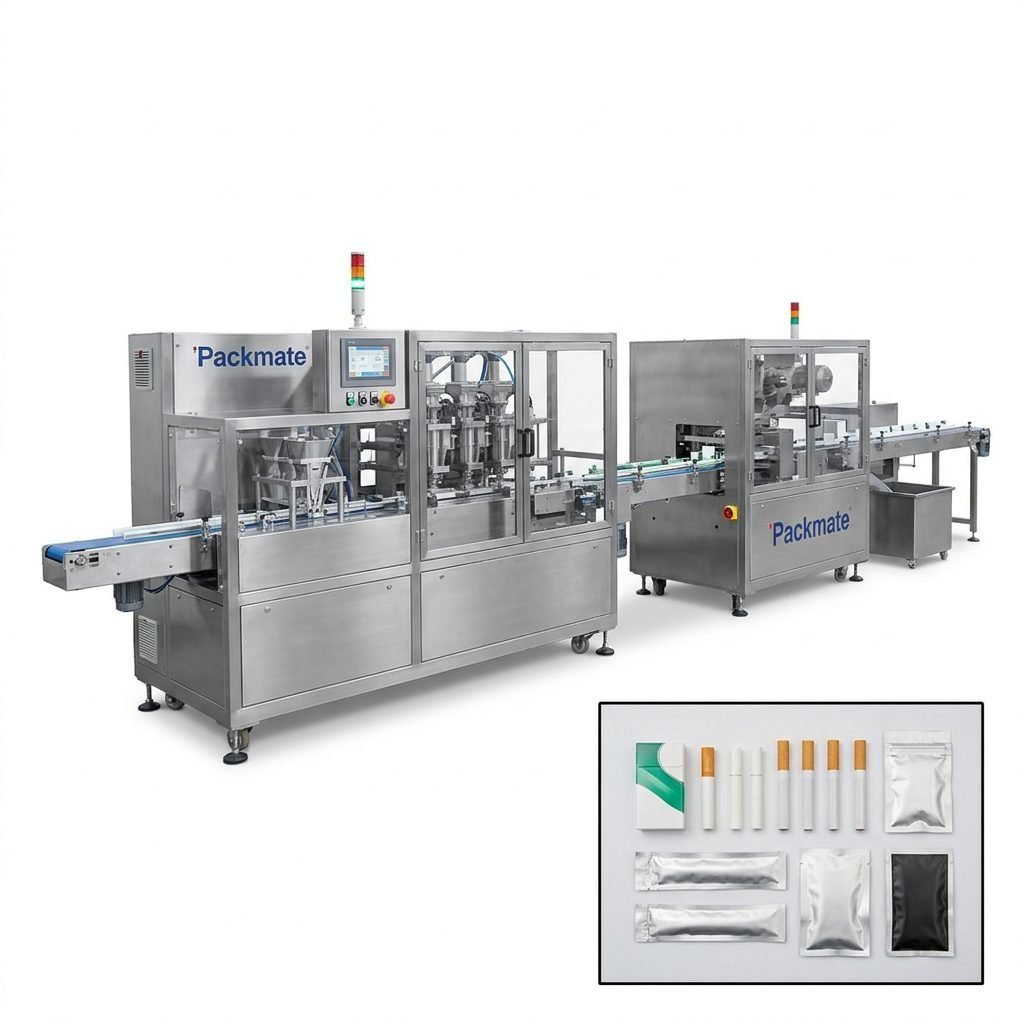
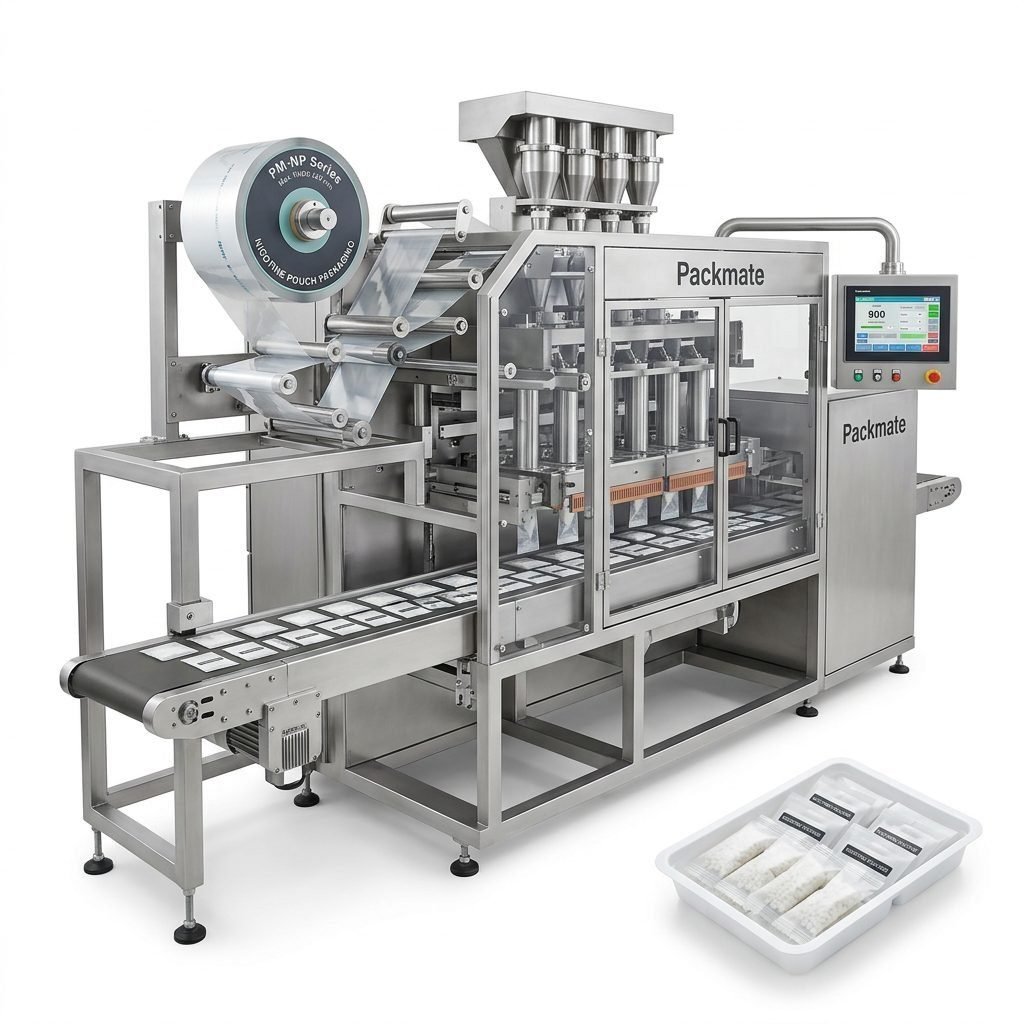
Choosing the right nicotine packaging machinery for a safe, efficient production line in Tonga requires a careful balance of technical performance, local compliance, cultural sensitivity, and after-sales support. This guide walks you through practical selection criteria — from machine types and capacity planning to humidity-proofing and supplier evaluation — so you can make an informed decision for producing nicotine pouches or snus in the Tongan market.
Why the right machine choice matters in Tonga
Tonga’s warm, humid climate and island logistics influence both production reliability and packaging longevity. Selecting a machine that maintains consistent pouch weight, seals effectively in high humidity, and is robust against corrosion from salty air will improve product safety and reduce downtime. Beyond technical considerations, local customs and conservative social expectations mean compliant labeling, discreet packaging, and responsible distribution are essential to market acceptance.
Match product format with machine type
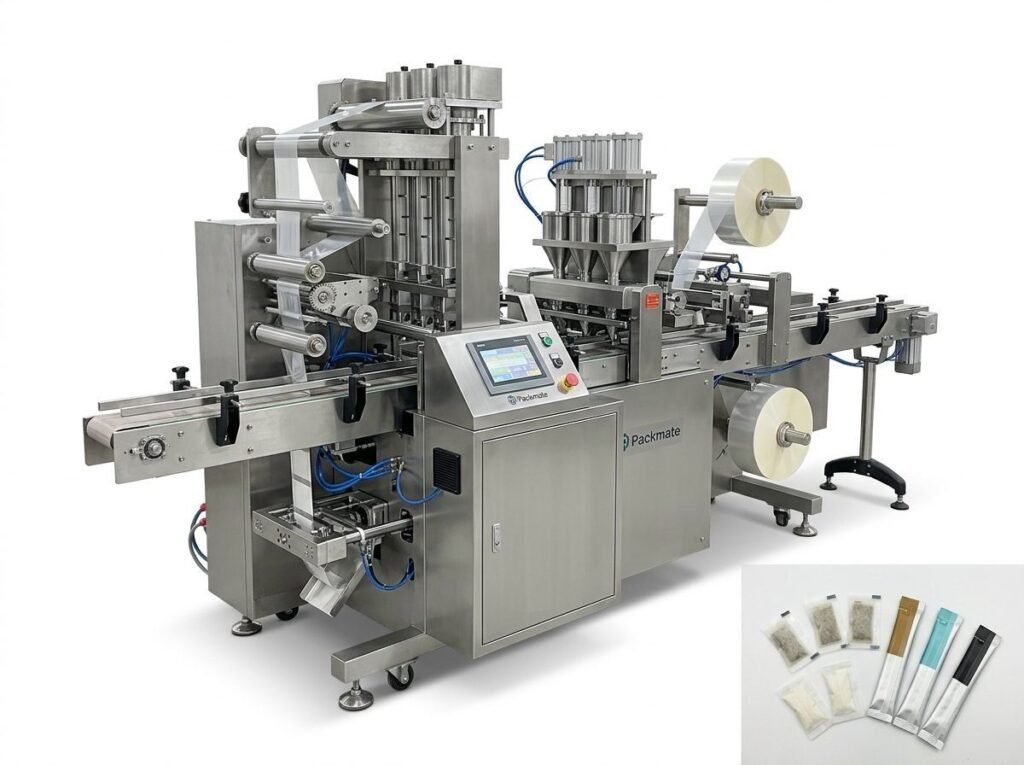
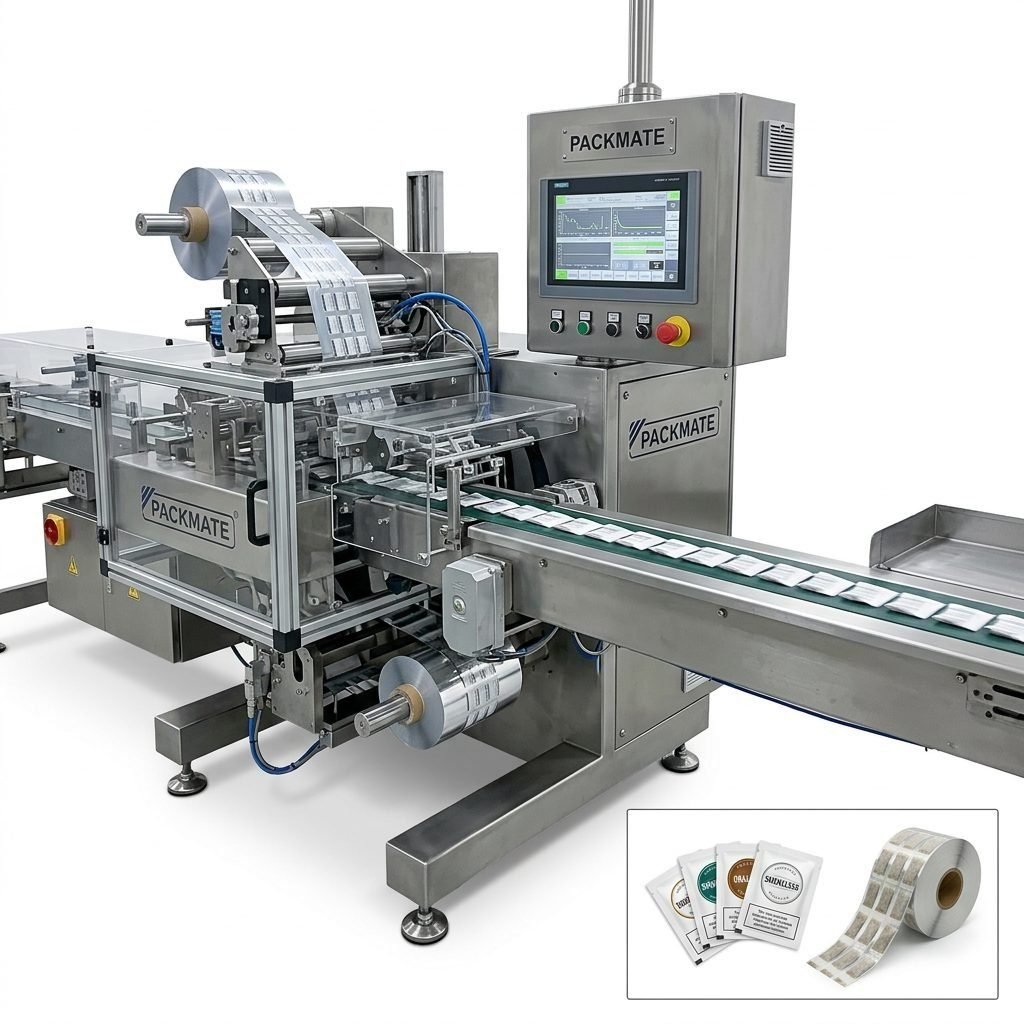
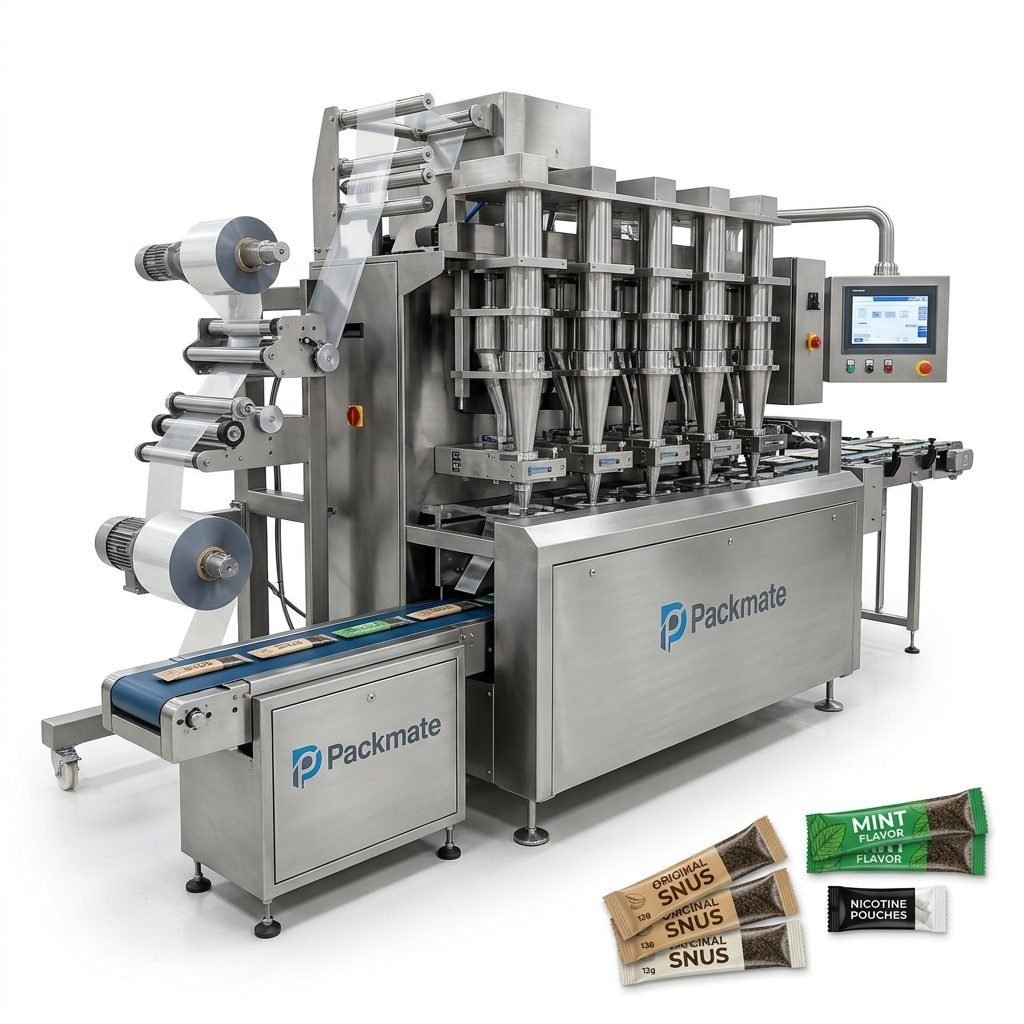
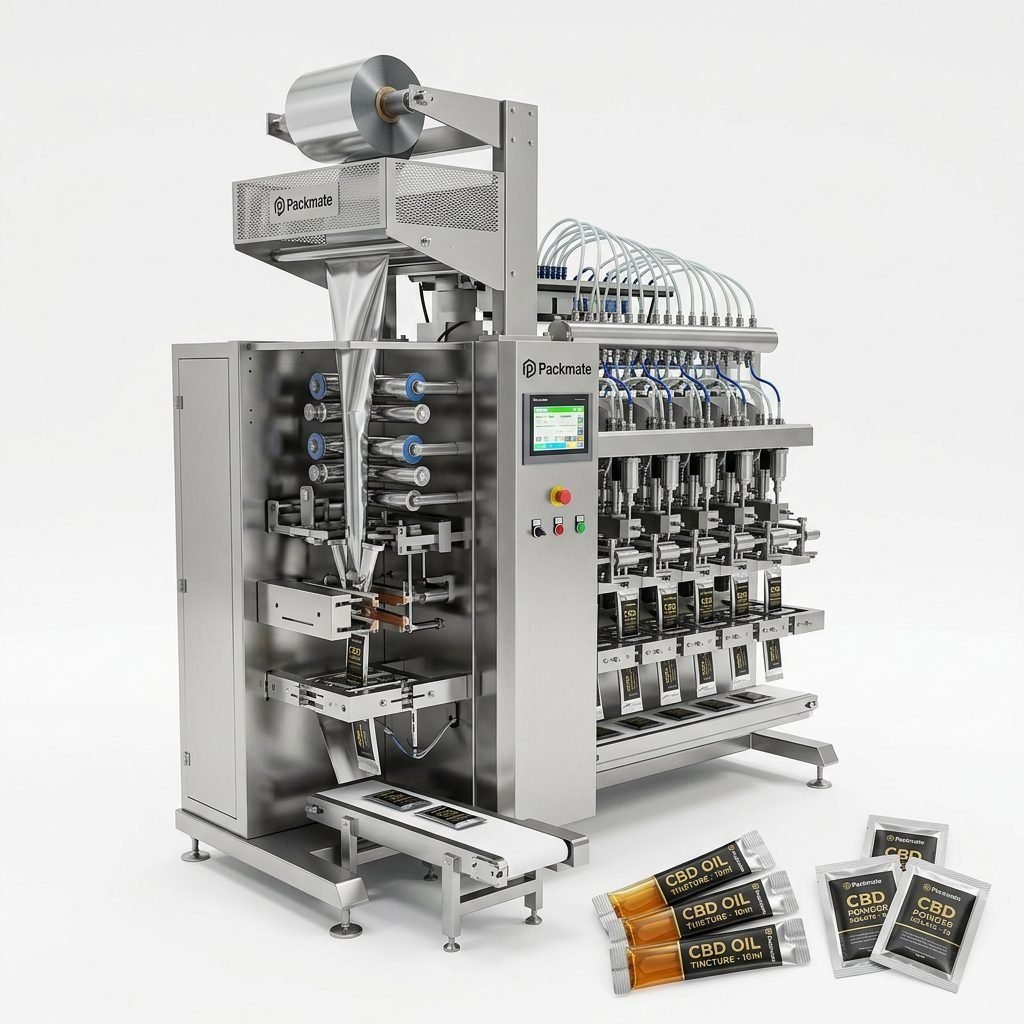
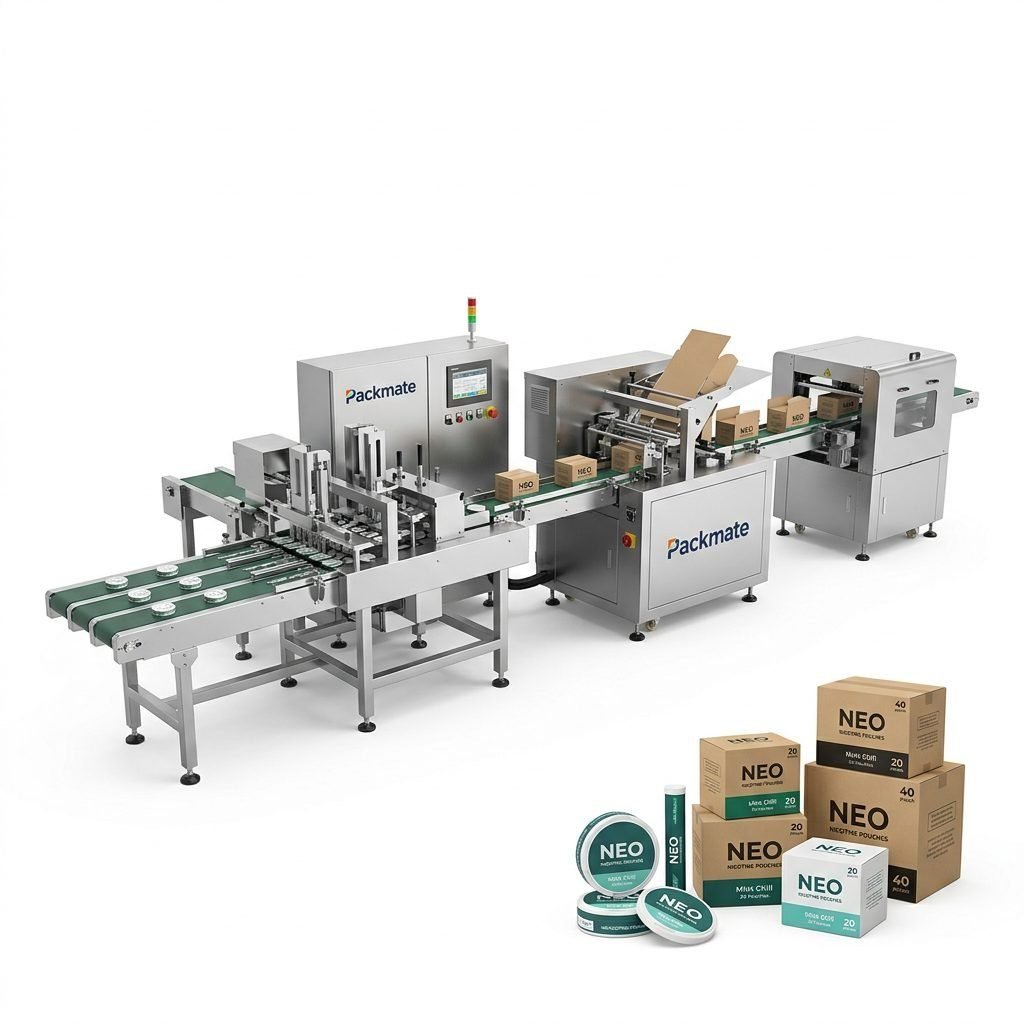
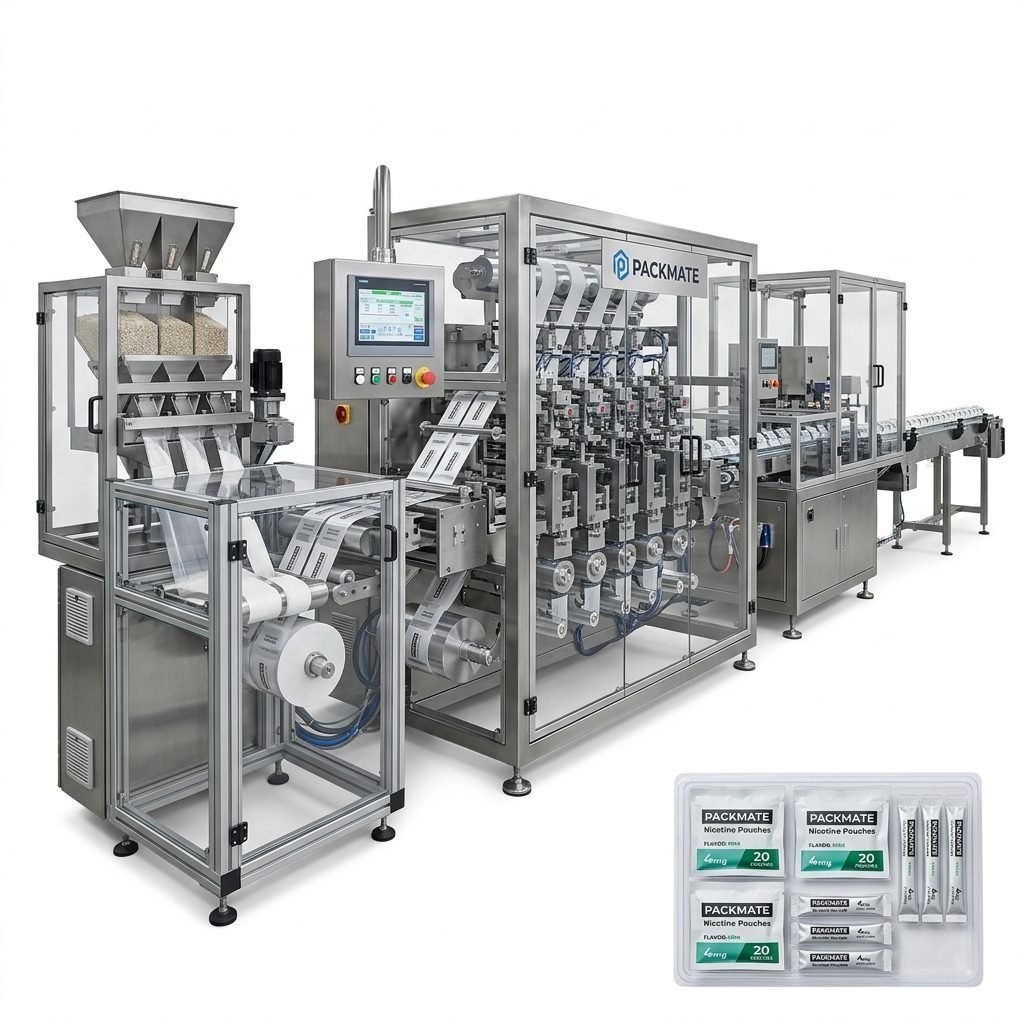
Start by defining the product format and dose size you plan to manufacture. Popular options include single-dose nicotine pouches, sachets, stick packs, and multi-lane small-dose pouches. Each format requires different filling, sealing, and cutting systems. For manufacturers focused on snus or nicotine pouches, consider high-precision pouch systems optimized for consistent low-dose filling.
Explore machine categories like Snus & Nicotine Packaging Machines and Sachet & Stick Pack Machines to understand which solutions fit your product line:
Snus & Nicotine Packaging Machines,
Sachet & Stick Pack Machines.
✓ Key quick checklist:
Select by format, speed, accuracy, lane count, and hygienic design.
Capacity, speed and lane configuration
Capacity planning begins with desired output per hour/day. Machines vary from single-lane lines for craft or pilot production to high-speed multi-lane systems for commercial volumes. Multi-lane machines can multiply throughput without increasing footprint, but demand precise synchronization. Assess machine speed in pouches per minute (ppm), and calculate realistic productivity including changeovers, cleaning, and maintenance windows.
Accuracy, weigh systems and consistency
For nicotine pouches, consistency of dose is critical for consumer safety and regulatory compliance. Consider integrated weighing & packaging systems or precise volumetric/auger fillers depending on product characteristics. If your product is powdery or hygroscopic, choose dosing systems with minimal air entrapment and stable feed control. See Weighing & Packaging Systems for details.
To review auxiliary solutions, including feeders and conveyors that improve uptime and accuracy, visit
Auxiliary Packaging Equipment.
Safety, compliance and quality assurance
Safety and compliance are non-negotiable. Machines that meet international standards (CE, ISO) simplify regulatory approval and create trust with distributors. Ensure materials in contact with product are food-grade and corrosion resistant. Child-resistant packaging options and tamper-evident seals can be crucial for consumer safety and adherence to local rules.
Hygienic design and cleanability
Machines with quick-release parts, smooth surfaces, and minimal crevices reduce contamination risk and shorten cleaning cycles. In tropical Tonga, microbial growth can be accelerated by warmth and humidity — prioritize equipment that supports routine sanitation and fast changeovers.
⚖️ Regulatory tip:
Keep labeling discreet and compliant; include ingredient lists and warnings per local laws while respecting Tongan cultural norms around marketing nicotine products.
Durability in Tonga’s environment: corrosion & humidity protection
Salt-laden air and high humidity accelerate wear. Seek machines with corrosion-resistant frames, stainless steel contact parts, and protective coatings. Climate-controlled production areas and dehumidification can dramatically improve seal quality and product shelf life in tropical islands.
Power stability and energy considerations
Island facilities may face intermittent power. Choose equipment tolerant of voltage fluctuations or include power conditioning and UPS options. Energy-efficient drives and servo systems reduce operating costs and heat generation — important when air conditioning is needed for product stability.
Supplier selection, service and local support
A reliable supplier reduces long-term risk. Evaluate suppliers on engineering experience, factory capacity, spare parts availability, and training services. Companies with global turnkey experience can advise on layout, regulatory documentation, and commissioning. Packmate (GuangDong) Co., Ltd. offers decades of expertise in snus and nicotine pouch lines and can supply multi-lane, high-precision systems tailored to small-dose products. Learn more About Packmate.
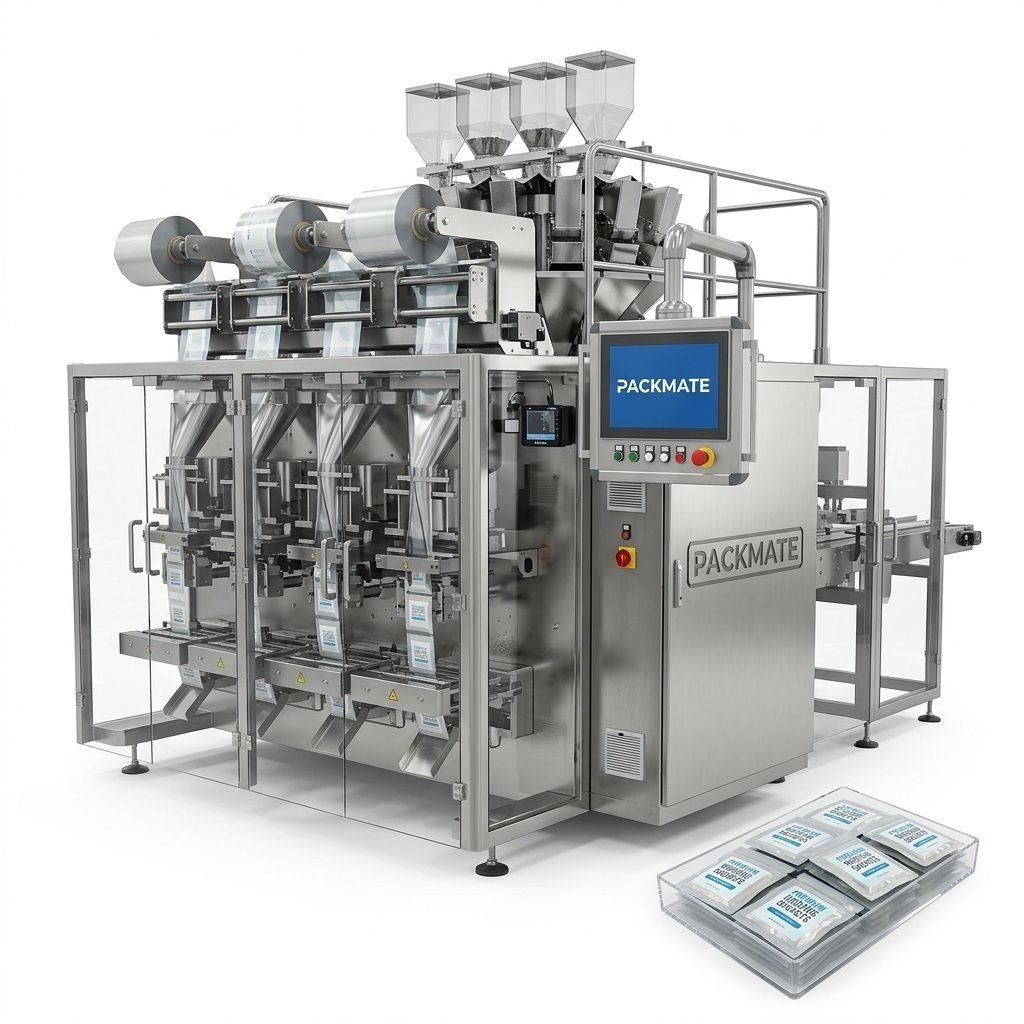
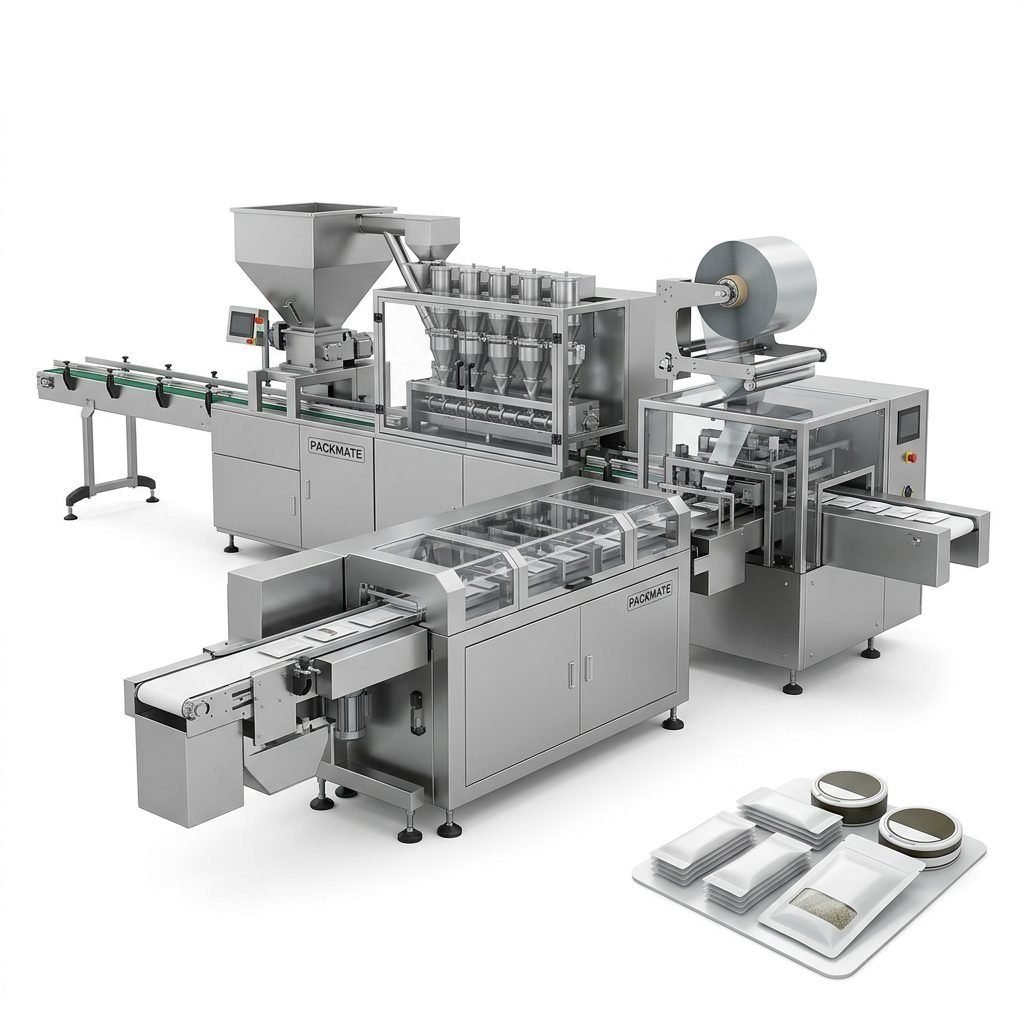
For turnkey options spanning filling to packaging, explore Filling & Packaging Lines and Bag & Pouch Packaging Machines:
Filling & Packaging Lines,
Bag & Pouch Packaging Machines.
🔧 After-sales checklist:
Ensure spare parts stock, remote diagnostics, and local technician training are included in the proposal.
Customization and scalability
As demand grows, modular and scalable machines allow incremental investment. Look for configurable multi-lane options, interchangeable tooling, and software-controlled recipe management so you can switch SKUs with minimal downtime.
Cost, ROI and total cost of ownership
Initial machine price is only part of the equation. Include maintenance, spare parts, energy, and expected uptime in ROI calculations. A slightly higher initial investment in robust equipment often yields lower long-term cost through reduced downtime and higher first-pass quality.
📈 ROI quick guide:
Calculate expected throughput, reject rate improvement, and reduced labor costs to estimate payback period.
Installation, commissioning and operator training
Professional installation and commissioning ensure the line reaches design performance. Confirm the supplier provides onsite or remote commissioning and hands-on operator training. For Tonga, consider arranging spare part kits and remote support agreements to minimize delays caused by long shipping times.
Logistics and local acceptance
Shipping heavy machinery to Tonga can require special planning — port handling, customs clearance, and last-mile transport should be coordinated in advance. Engage a supplier experienced with international exports and island logistics to reduce surprises.
Respecting Tongan culture and regulations
Tonga has close-knit communities and conservative values. When marketing nicotine products, err on the side of restraint: avoid aggressive promotion, ensure packaging is not attractive to minors, and include responsible use messaging. Partner with local distributors who understand cultural norms and regulatory expectations.
Practical procurement steps
1) Define your SKU family and target daily output. 2) Request specification sheets and performance videos from multiple suppliers. 3) Compare warranties, spare part lead times, and training packages. 4) Ask for factory acceptance tests (FAT) and remote demonstrations. 5) Verify CE/ISO certificates and relevant export documentation.
If you need practical examples or case studies for similar lines, review global implementations at Packmate’s case library:
Case.
🔎 Final selection summary:
Choose a corrosion-resistant, high-accuracy machine with strong after-sales support and modular scalability. Ensure compliance with local rules and adopt packaging that respects Tongan cultural norms.
When you’re ready to request quotes or technical proposals, contact experienced suppliers who provide turnkey solutions and clear documentation. For direct inquiries about machine models and services, visit the manufacturer’s contact page:
Contact Us.
Frequently Asked Questions
Q1: What machine type is best for small-batch nicotine pouches in Tonga?
A1: For small-batch production, a single- or dual-lane snus/nicotine pouch machine with quick-change tooling is ideal. It balances flexibility and cost while allowing you to test the market before scaling to multi-lane systems.
Q2: How do I protect equipment from Tonga’s humid and salty environment?
A2: Choose machines with stainless steel contact parts, protective coatings, and sealed electrical cabinets. Use dehumidifiers in the production area, schedule frequent maintenance checks, and store spare parts in climate-controlled storage.
Q3: What certifications should I request from suppliers?
A3: Request CE and ISO certificates, material compliance declarations for product-contact parts, and documentation of factory acceptance tests (FAT). These certificates ease regulatory review and confirm manufacturing standards.
Q4: Can I get turnkey support including filling and packaging lines?
A4: Yes. Many suppliers provide turnkey lines that include filling, weighing, packaging, and auxiliary equipment. Check the supplier’s end-to-end capabilities and request references or case studies for similar installations.
Q5: How long is the typical lead time for delivery to Tonga?
A5: Lead times vary by model and customization, but expect shipping and customs to add extra weeks for island destinations. Plan for 8–20 weeks including production, testing, packing, and sea freight; confirm timelines with your supplier and arrange for spare parts to be shipped with the first delivery.