Choosing the right nicotine packaging machine manufacturer in Guinea is a strategic decision that affects product quality, regulatory compliance, production costs, and your brand reputation. This guide walks you through every practical consideration — from machine types and production capacity to factory credentials, after-sales service, and local logistics — so you can make an informed investment that scales with market demand.
Understanding the Guinea Market and Regulatory Context
Before selecting a supplier, you need a clear view of local market dynamics. Guinea’s tobacco and nicotine market has unique distribution channels and regulatory requirements. Import duties, packaging labeling rules, health warnings, and permitted product formulations vary. Talk with local regulatory advisors early and confirm that prospective equipment can produce compliant packaging formats and label layouts.
Key reminder: Confirm machine output formats support local labeling, multi-language printing, and variable data (batch numbers, manufacturing dates, QR codes) required by Guinea authorities.
Which Nicotine Packaging Machine Types Should You Consider?
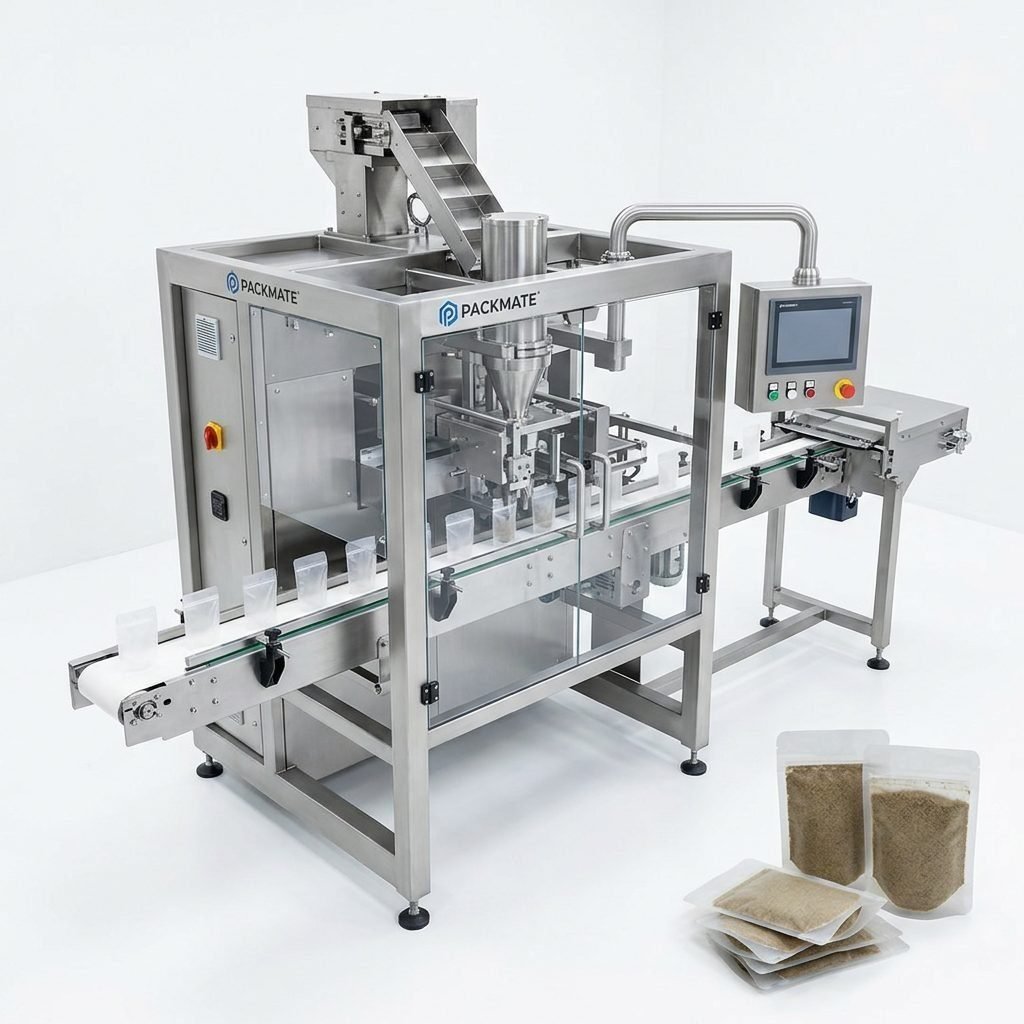
Nicotine products come in diverse formats. Your choice of equipment must match product type and business model:
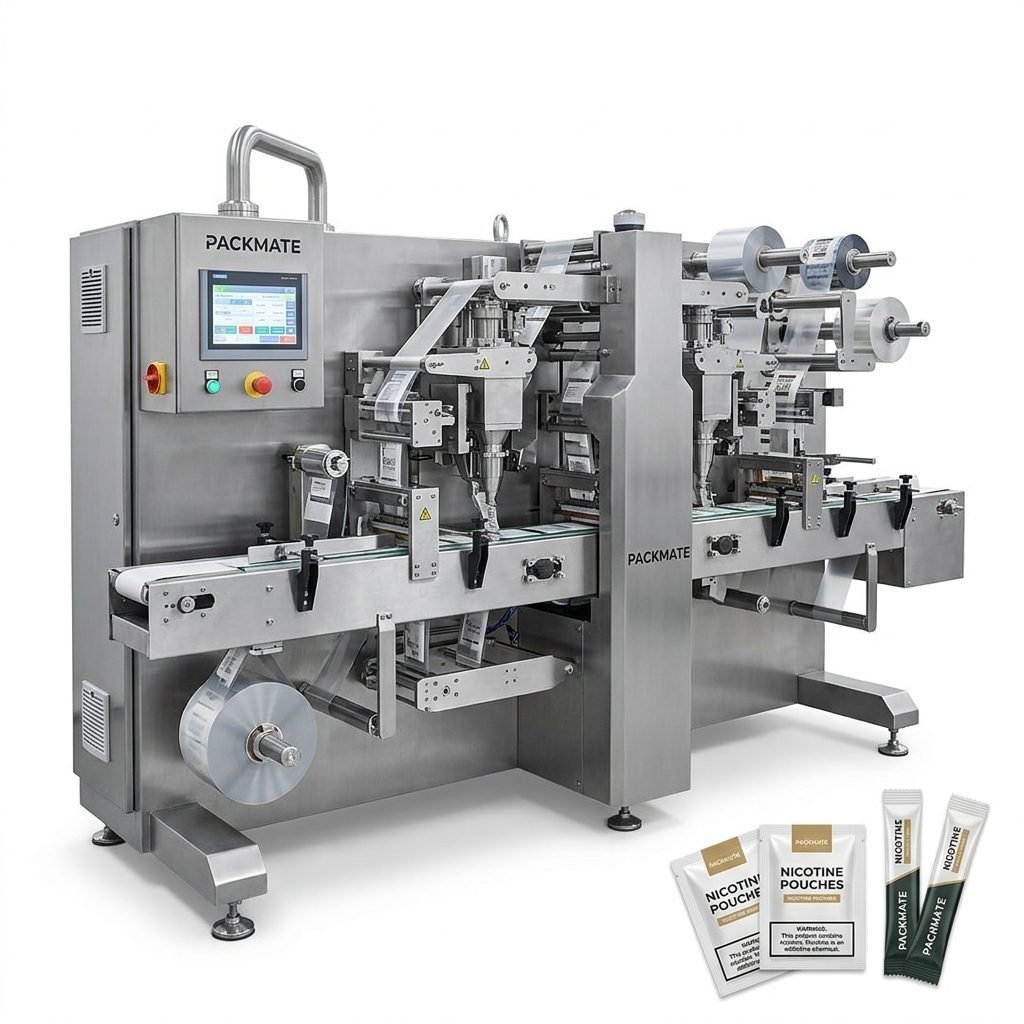
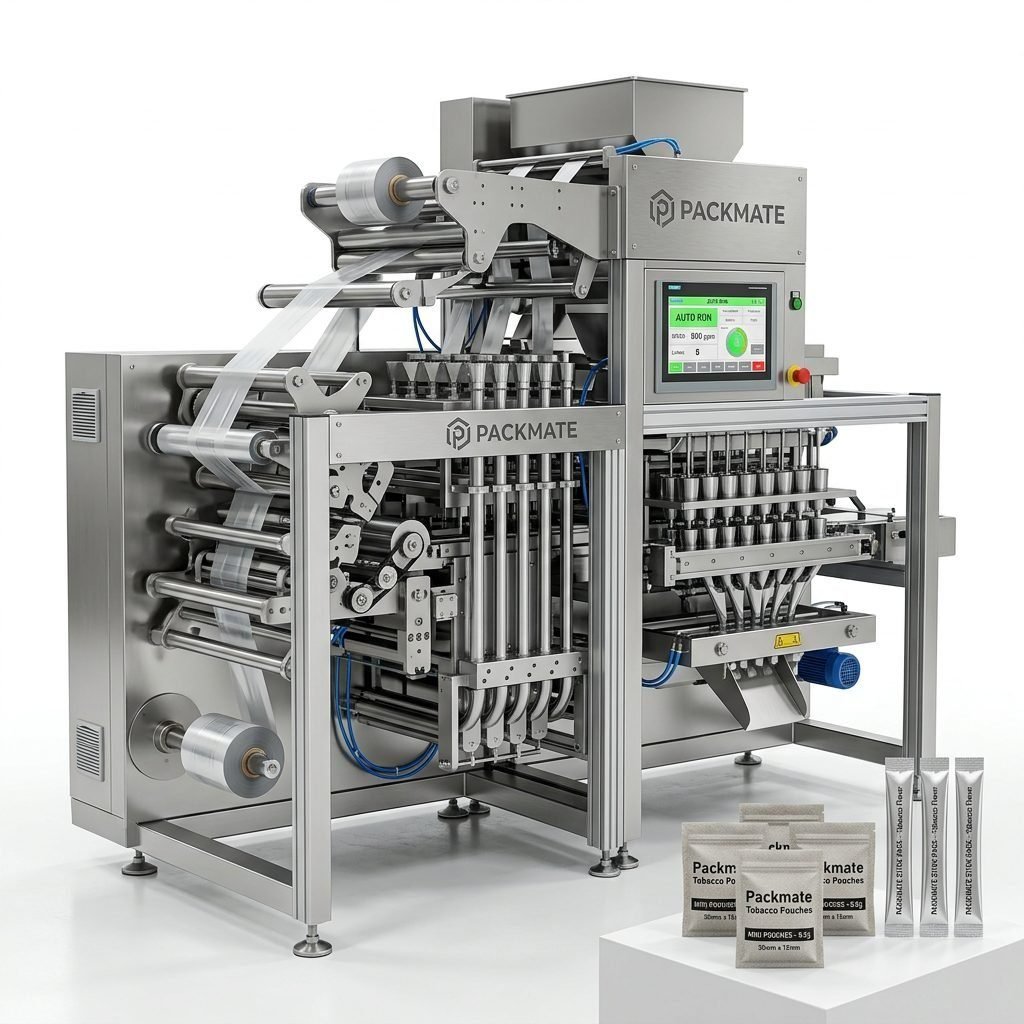
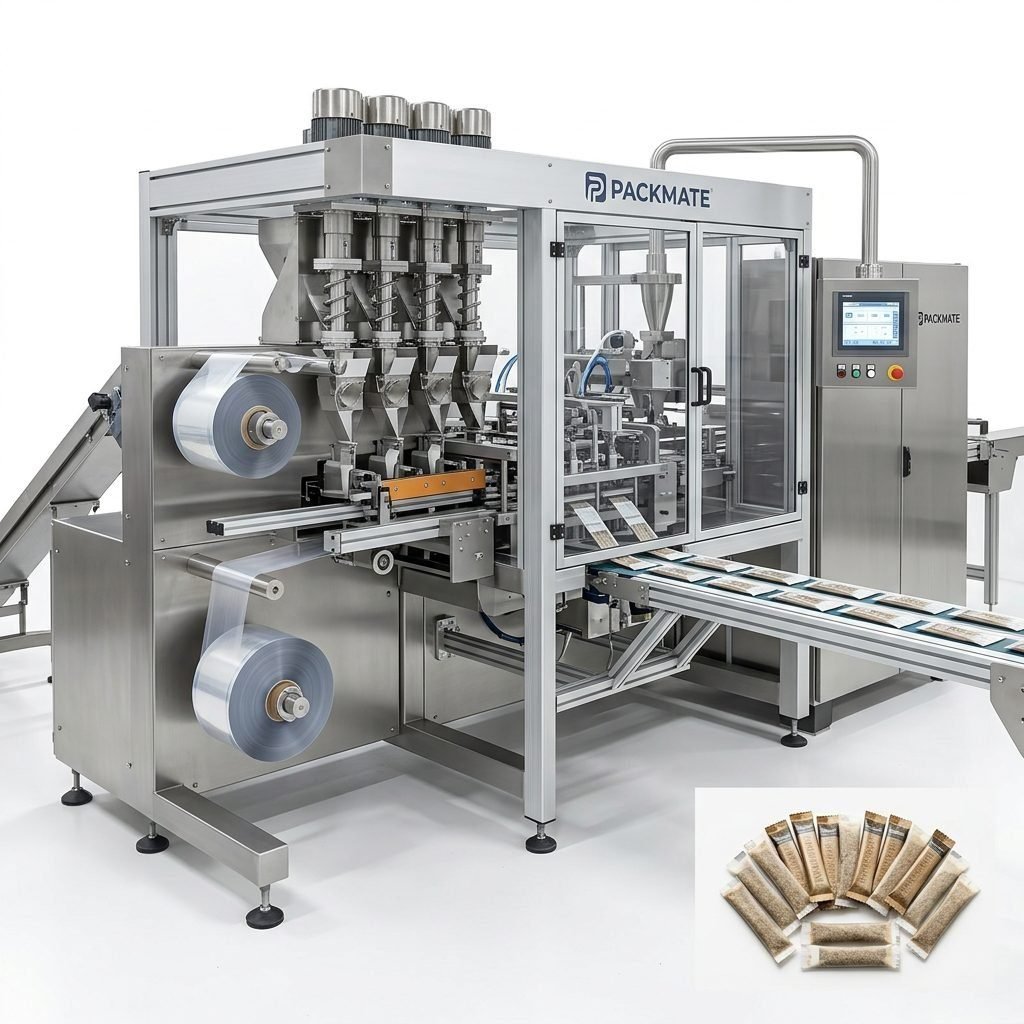
- Stick pack machines — suitable for single-dose formats and high-speed production lines.
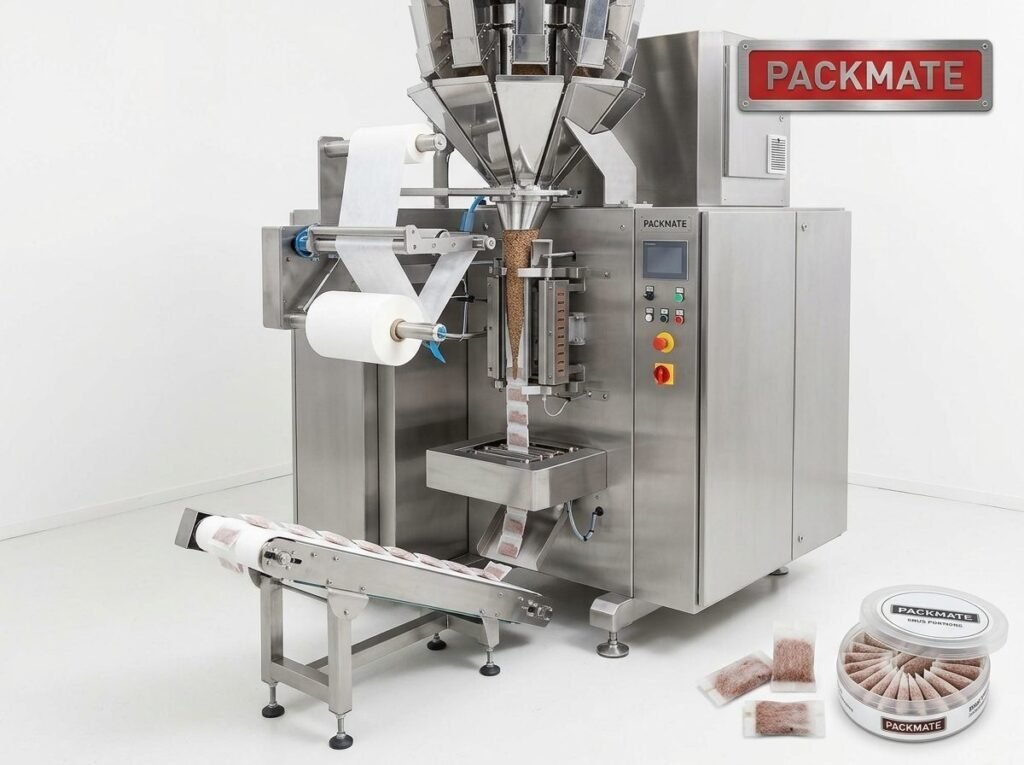
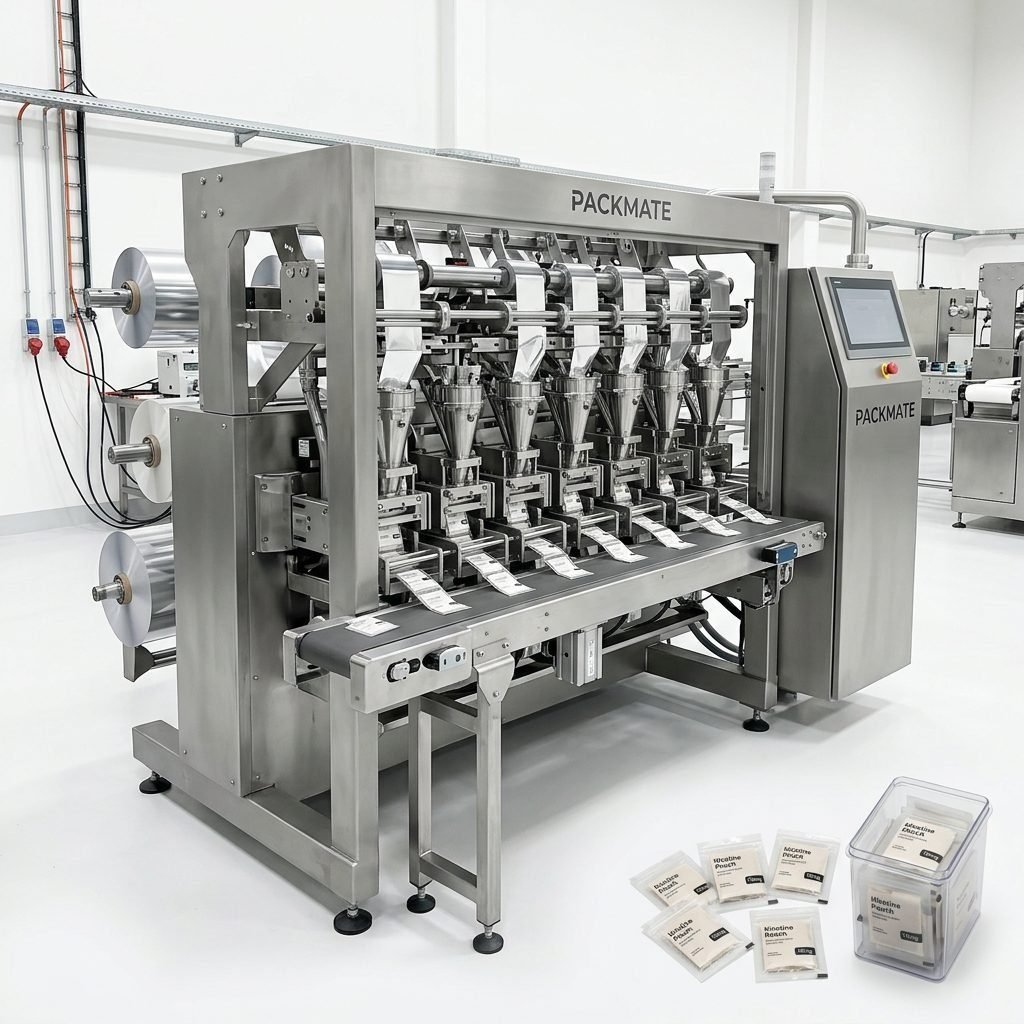
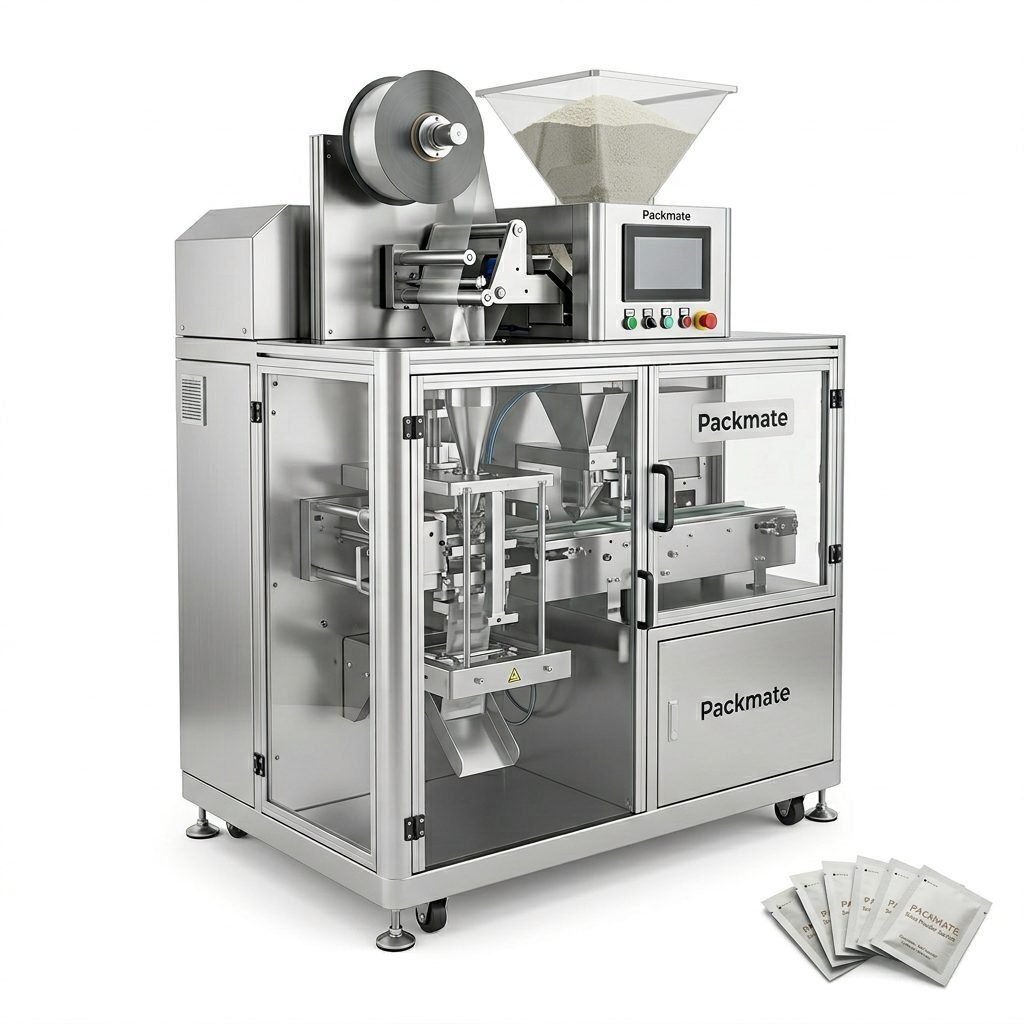
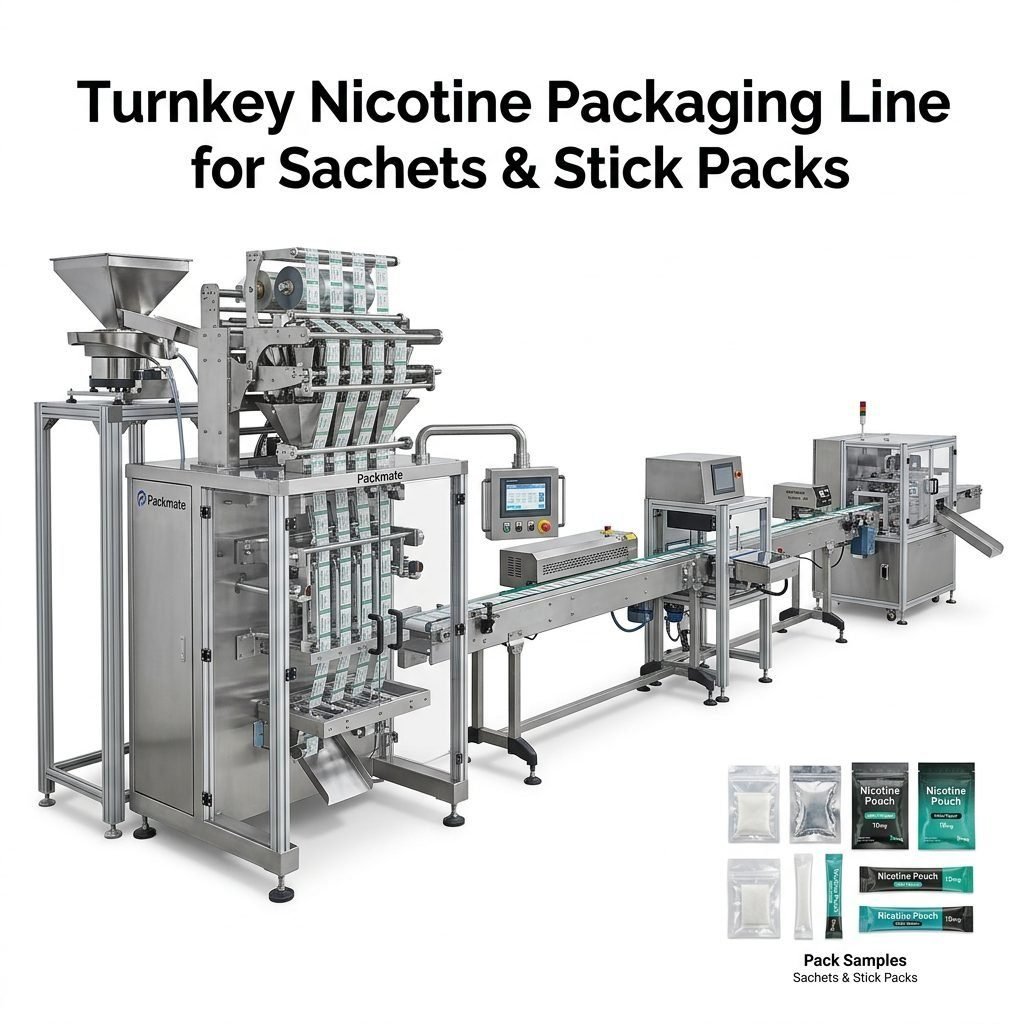
- Sachet & multi-lane pouch machines — ideal for sachets and multi-lane nicotine pouches to increase throughput.
- Stand-up pouch and bag systems — for larger retail packs or multi-unit bottles.
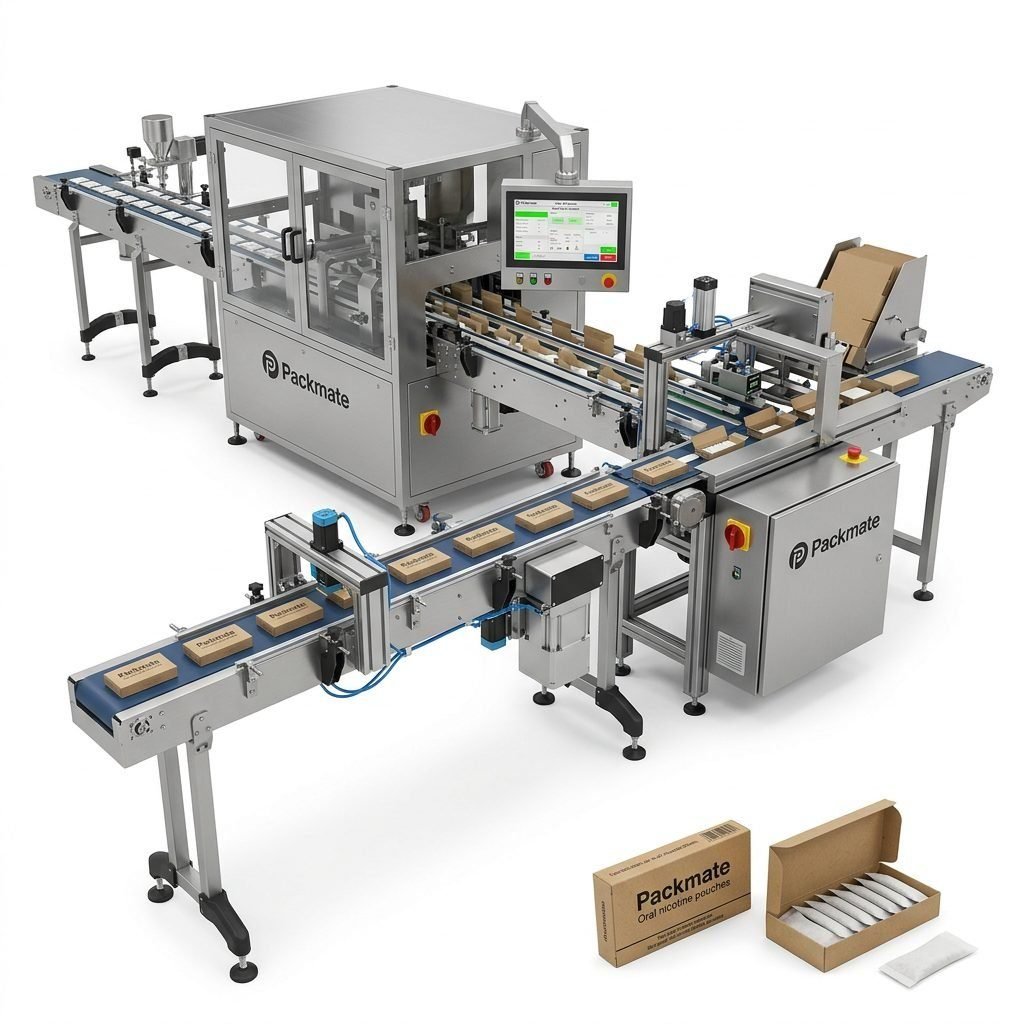
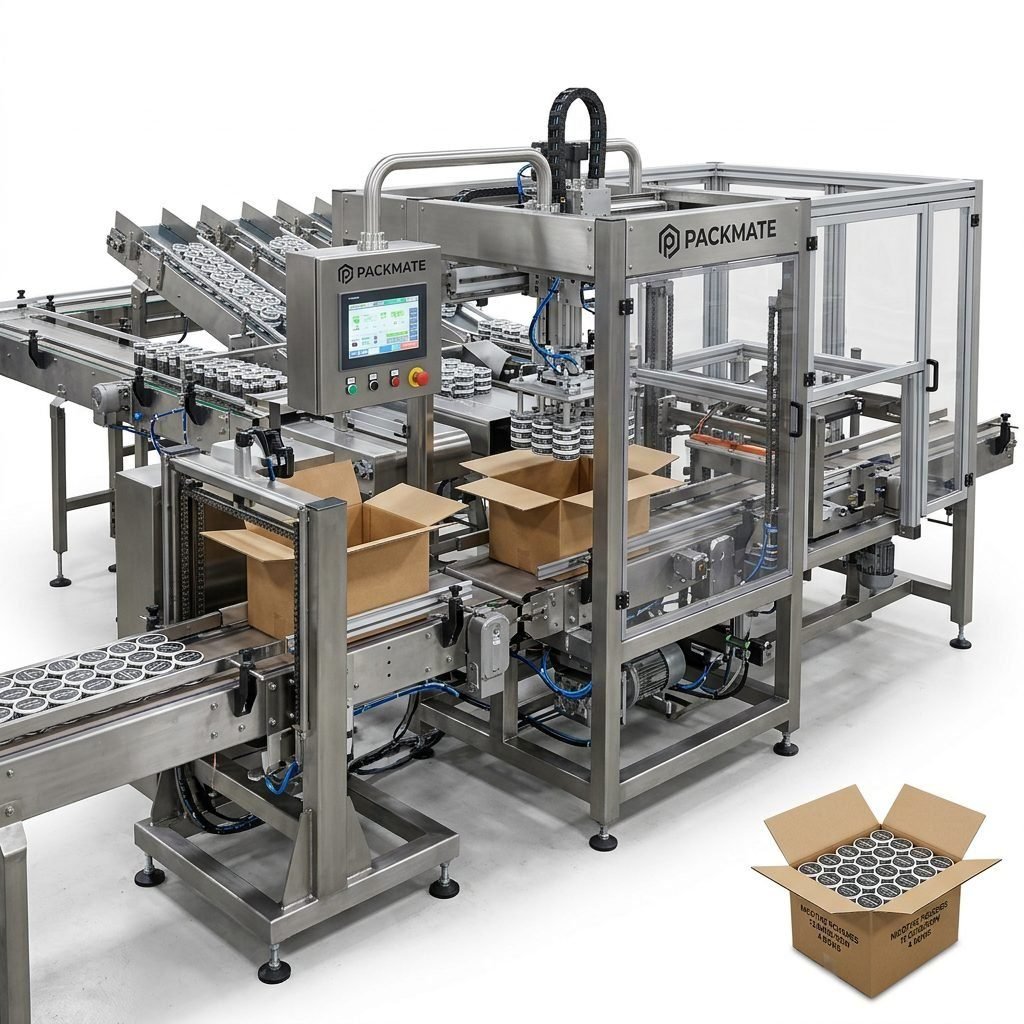
- Auxiliary systems — weighing, feeding, sealing, and check-weighing modules that integrate into turnkey lines.
If you want to review machine portfolios before contacting suppliers, explore the manufacturer’s product pages like
Snus & Nicotine Packaging Machines
and
Sachet & Stick Pack Machines.
Evaluate Manufacturer Experience and Factory Strength
Manufacturing quality is driven by experience, tooling capability, and quality control. Look for manufacturers with a solid engineering history, modern machining centers, and a defined quality assurance process.
What to verify: factory area, CNC equipment, number of machine models, custom engineering capacity, and sample machine test reports.
Manufacturers with decades of R&D in packaging technology tend to accelerate customization and offer more robust turnkey solutions. For example, companies that began in the 1990s and evolved into specialized snus packaging OEMs will likely provide refined multi-lane and small-dose systems tailored to nicotine pouches.
Technical Criteria: Precision, Speed, and Flexibility
Compare machine technical specifications carefully:
- Production speed: measured in packs per minute or lanes per minute. Ensure rated speed meets your peak demand with margin.
- Accuracy: dosing and sealing precision affect yield and compliance; check tolerances for weight variation and seal integrity.
- Multi-format capability: ability to switch between sachets, sticks, and nicotine pouches quickly.
- Automation & integration: PLC controls, HMI interfaces, and compatibility with weighing/feeding systems.
- Sanitation & material contact: stainless steel 304/316 where required for hygiene and corrosion resistance.
Certifications and Compliance
Reputable manufacturers provide international certifications such as CE and ISO for equipment quality and safety. These certifications streamline customs clearance and demonstrate adherence to manufacturing standards.
Important: Request copies of certificates and any inspection reports. Machines that meet CE and ISO standards reduce legal and operational risks in export markets.
Customization & Turnkey Solutions
Your supplier should offer customization to match nicotine pouch sizes, sealing types, and secondary packaging needs. Turnkey suppliers deliver something beyond a single machine: they design production lines that include feeding systems, bulk handling, labeling, and packaging.
If you plan to scale quickly, prioritize manufacturers who provide full lines and have documented case studies. See examples and references on the manufacturer’s Case page.
Quality Assurance: Factory Testing and FAT
Factory Acceptance Tests (FAT) and pre-shipment trials are essential. Check that machines are fully tested with your product or a technical equivalent before leaving the factory. FAT should include speed tests, sealing integrity checks, and sample packs for your records.
FAT checklist: production speed, uptime stability, dosing accuracy, sealing strength, print quality, and electrical/test reports.
After-sales Service, Spare Parts, and Local Support
For overseas buyers in Guinea, after-sales service is a top priority. Confirm response times for technical support, availability of spare parts, and whether the manufacturer offers remote troubleshooting or local field engineers.
Ask about spare parts kits, recommended inventory levels, and typical lead times. A well-prepared supplier will provide documentation, training, and installation support.
Service & Maintenance Packages
Choose suppliers that offer structured maintenance contracts, preventive maintenance schedules, and optional on-site commissioning. Also verify whether the vendor provides remote monitoring capabilities for real-time diagnostics.
Cost Considerations: Price vs Total Cost of Ownership (TCO)
Purchase price is only one component of cost. Factor in installation, shipping, customs duties, spare parts, consumables, downtime, and required operator training. Machines with lower initial cost but poor reliability can raise your TCO dramatically.
Tip: Ask suppliers for reference operations in similar geographies and request an estimated TCO breakdown for 3–5 years.
Logistics, Installation, and Training in Guinea
Shipping heavy machinery to Guinea involves careful planning: sea freight, port handling, customs clearance, inland transport, and local installation. Confirm the supplier’s experience exporting to West Africa and whether they provide DDP, FOB, or EXW shipping options.
Installation and operator training should be covered in your contract. Ideally, the manufacturer or a certified local partner will provide on-site commissioning and hands-on training for operators and maintenance staff.
Reference Projects and Reputation
Ask for references and case studies; reliable manufacturers can share customer testimonials, photos (not required here), and performance metrics from completed lines. A global presence and trade show participation indicate serious commitment to international service — check their Our Exhibition entries for recent demonstrations.
Checklist: Questions to Ask Potential Manufacturers
Use this checklist during supplier evaluation:
- How many years of experience do you have in snus/nicotine pouch machines?
- Can you provide FAT and test reports with my product?
- What certifications do you hold (CE, ISO)?
- What spare parts are recommended and how quickly can they be shipped to Guinea?
- Do you offer turnkey lines including weighing, feeding, and secondary packaging? — explore options like Weighing & Packaging Systems and Filling & Packaging Lines.
- What are standard warranty terms and on-site support options?
Decision Matrix: Practical Scoring
Create a simple scoring matrix weighting factors like price (20%), reliability (25%), service (20%), certifications (15%), and customization (20%). Score each manufacturer objectively and prioritize those with proven field data and local support capabilities.
Working with a Manufacturer: Best Practices
Once you select a supplier, follow these best practices:
- Document all technical requirements in a purchase specification and sign off on a FAT plan.
- Schedule factory visits or remote video tests if travel is not possible.
- Negotiate clear spare parts packages and lead-time commitments.
- Agree on training scope, installation timeline, and acceptance criteria before shipment.
Pro tip: Keep a back-up parts list and request a preventive maintenance schedule from the supplier to extend uptime.
Why Choose a Specialist Snus & Nicotine Machine Manufacturer?
Specialist manufacturers understand the nuances of nicotine pouch production: small-dose handling, moisture sensitivity, and precise sealing. A focused supplier will have relevant machine models, like multi-lane snus machines, and experience integrating sensors and quality inspection systems.
To view a comprehensive manufacturer profile and product portfolio, visit their About Packmate page and product categories.
Negotiation Tips and Contract Considerations
When negotiating, clarify lead times, payment terms, warranty scope, penalty clauses for missed deadlines, and spare part pricing. Include acceptance criteria and FAT signatures in the contract to avoid disputes.
Final Selection: Balancing Risk and Opportunity
The optimal supplier balances technical competence, proven field results, and reliable after-sales support. Prioritize manufacturers with strong documentation, transparent processes, and a willingness to validate performance with your product during FAT.
Useful Links
Explore the manufacturer’s product range and services to compare models and request quotations:
– Snus & Nicotine Packaging Machines
– Sachet & Stick Pack Machines
– Auxiliary Packaging Equipment
– Case
– Contact Us
Summary Checklist Before You Buy
Final checklist:
confirm regulatory compatibility, validate FAT with your product, secure spare parts and service agreements, agree on installation and training, and ensure the supplier has relevant industry certifications.
Frequently Asked Questions (FAQs)
Q1: How long does it typically take to deliver and install a nicotine pouch packaging line in Guinea?
A1: Delivery time varies by machine complexity and production backlog. Standard single-machine orders may ship in 8–12 weeks; turnkey lines with customization can take 12–20 weeks. Allow extra time for shipping and customs clearance to Guinea.
Q2: What ongoing costs should I expect besides the machine purchase price?
A2: Budget for spare parts, consumables (sealing films, printing materials), routine maintenance, trained personnel, and potential software updates. Factor these into a 3–5 year total cost of ownership estimate.
Q3: Can manufacturers provide training and on-site commissioning in West Africa?
A3: Many experienced manufacturers offer on-site commissioning and training, either directly or through certified local partners. Confirm these services and associated costs in your contract.
Q4: Are nicotine packaging machines easily modified for new pack formats?
A4: Most modern machines offer modular design for format changeovers, but extensive format changes may require additional tooling or parts. Ask for changeover times and required parts in advance.
Q5: What certifications should I request from the manufacturer?
A5: Request CE and ISO certificates, electrical safety reports, and FAT documentation. These items help with import, regulatory review, and ensuring machine safety.