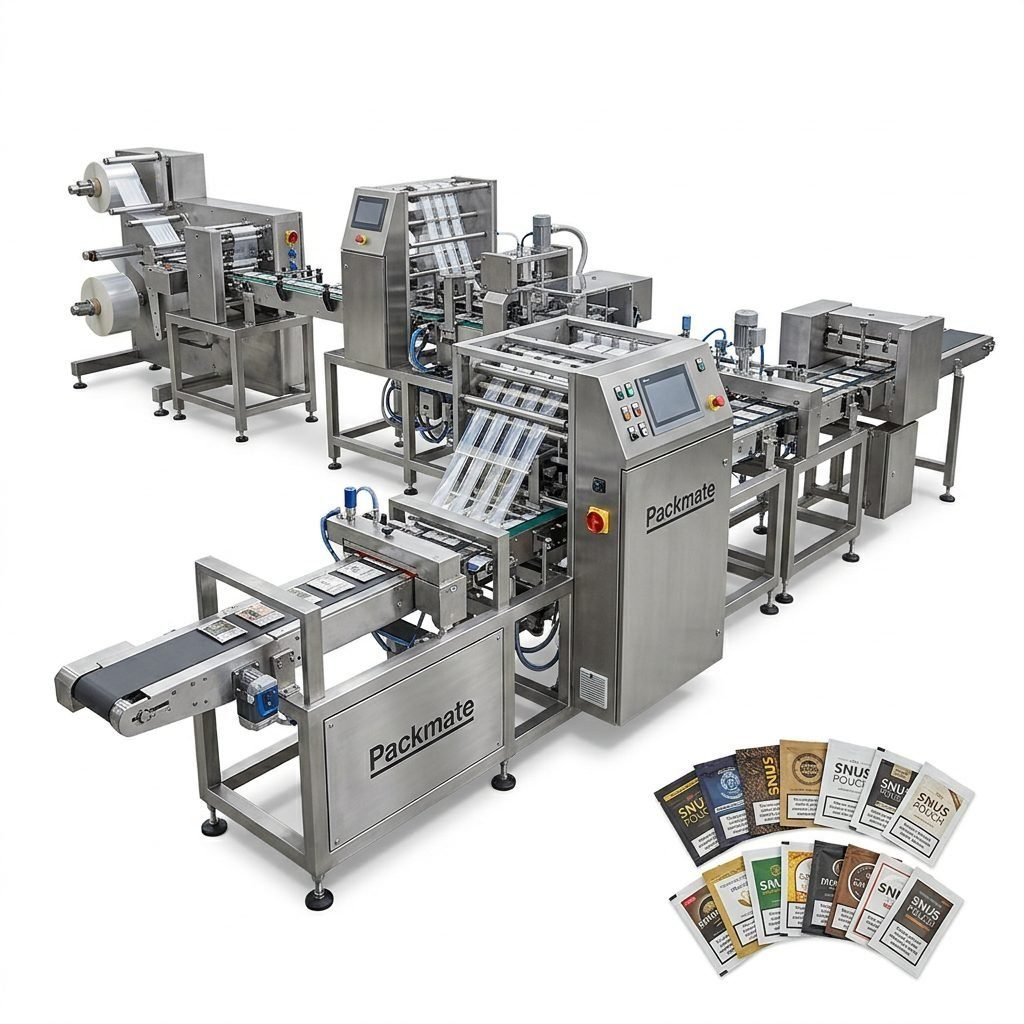
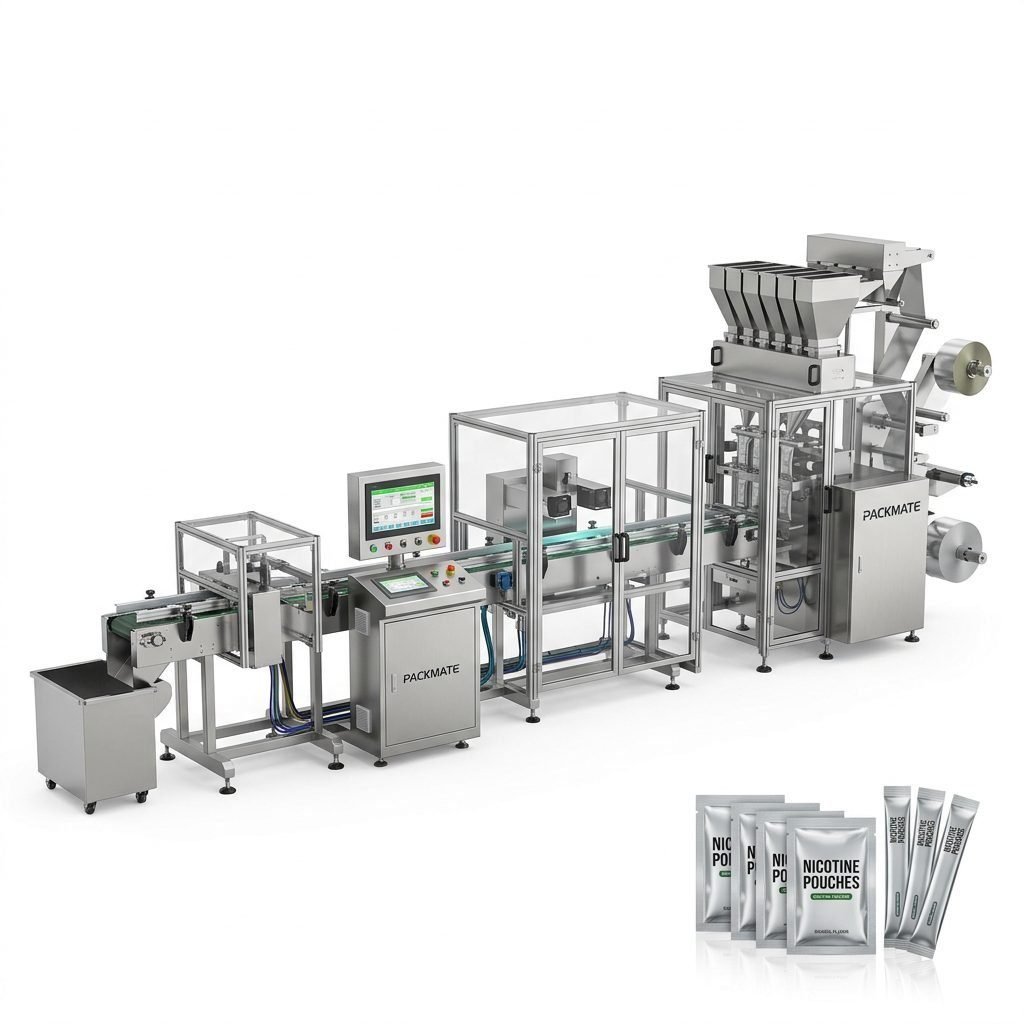
Choosing the right snus packaging machine supplier in Mexico is a strategic decision that affects product quality, production efficiency, compliance, and long-term business growth. This practical buyer’s guide walks you through vital considerations—from machine type and technical specs to local market habits, regulatory awareness, supplier audits, and after-sales support—so you can select a partner who delivers reliable snus and nicotine pouch packaging solutions for the Mexican market.
Understand the Mexican Market & Local Considerations
Mexico presents a unique combination of opportunities and challenges for snus and nicotine pouch businesses. While consumer preferences in larger urban centers lean toward innovative, discreet nicotine alternatives, regional regulations and retail practices vary. It’s important to:
-
Verify local legal status and labeling requirements—regulations around nicotine products can change, so always confirm with Mexican authorities or legal counsel.
-
Consider Spanish-language labeling and user instructions for packaging machines that print batch codes or expiration dates.
-
Plan for distribution patterns: convenience stores, pharmacies, and specialty retailers have different packaging size preferences and compliance expectations.
Cultural & Operational Tips for Mexico
📌 Local language support and documentation in Spanish significantly reduce onboarding time and avoid operational mistakes.
✅ Train operators in Spanish, and ensure spare parts lists and maintenance manuals are bilingual where possible.
Identify the Right Machine Type for Your Product
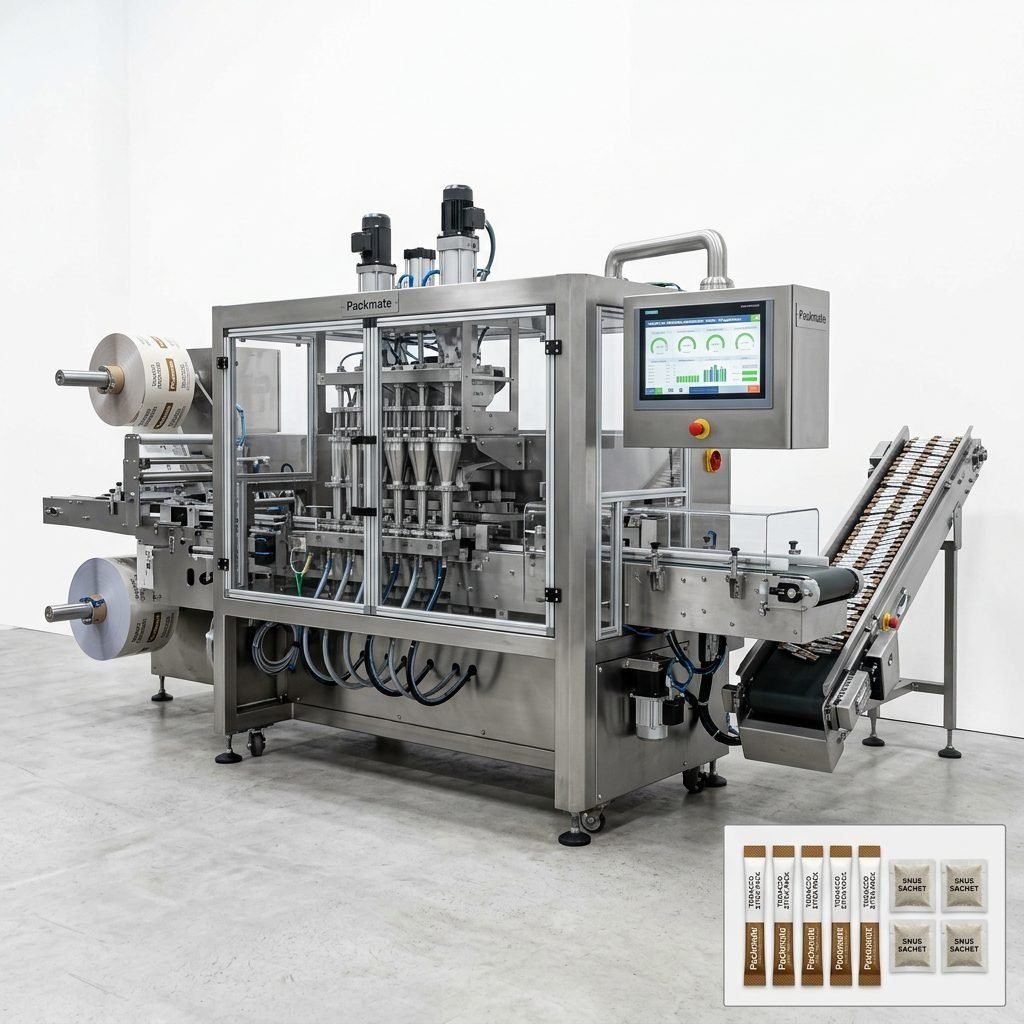
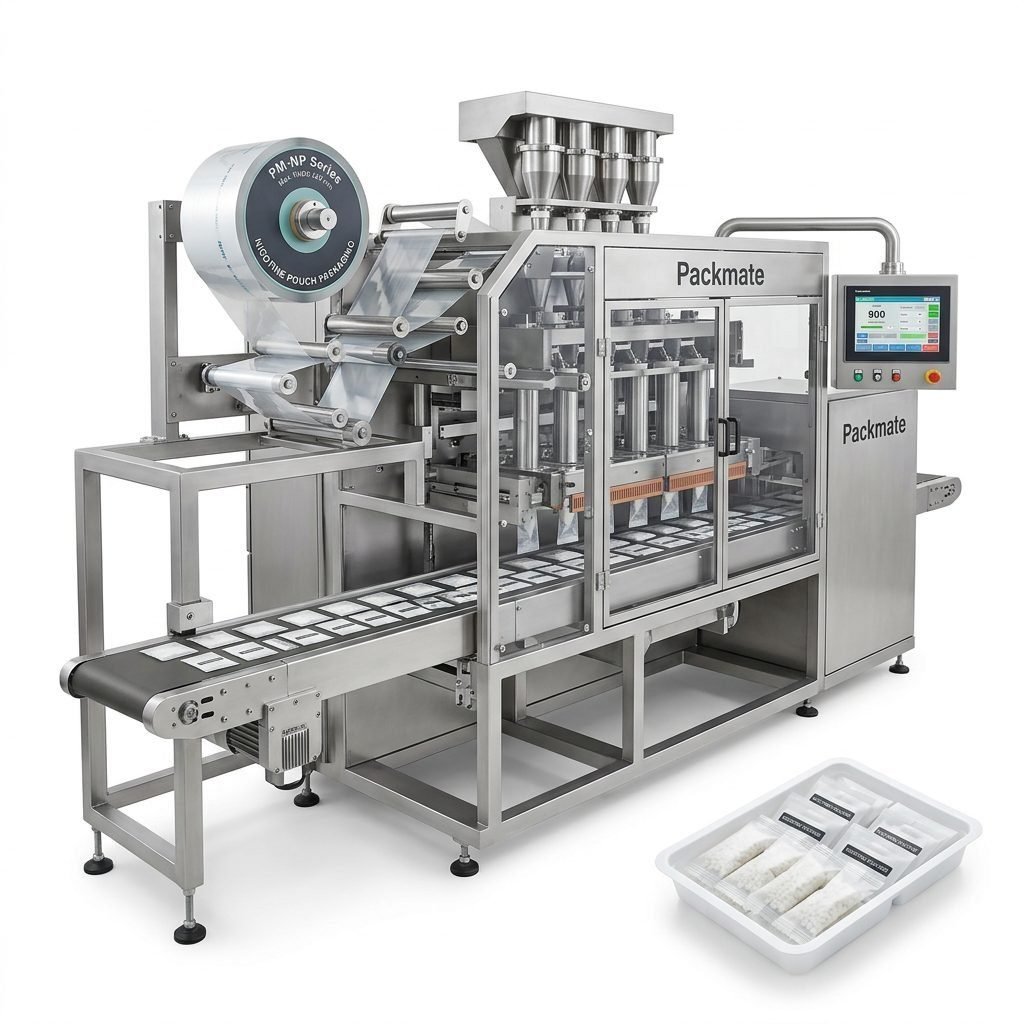
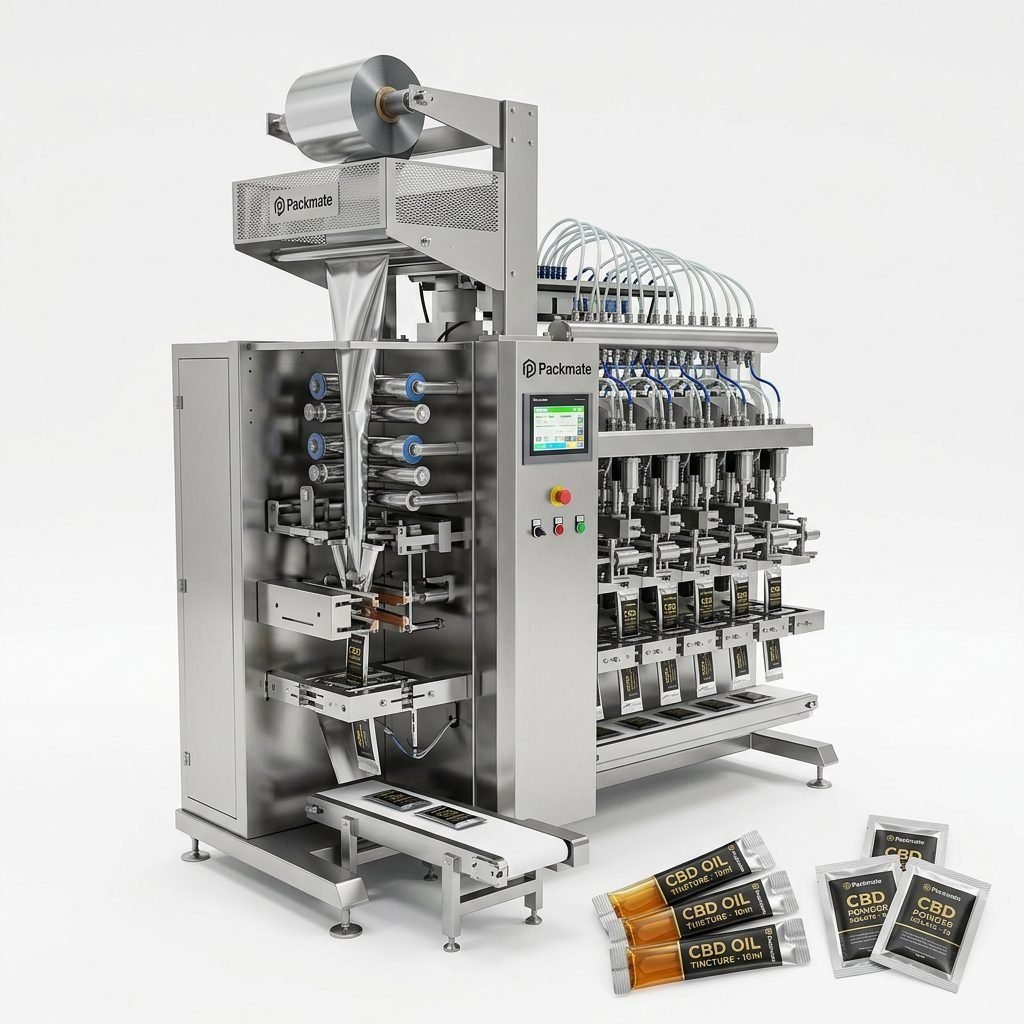
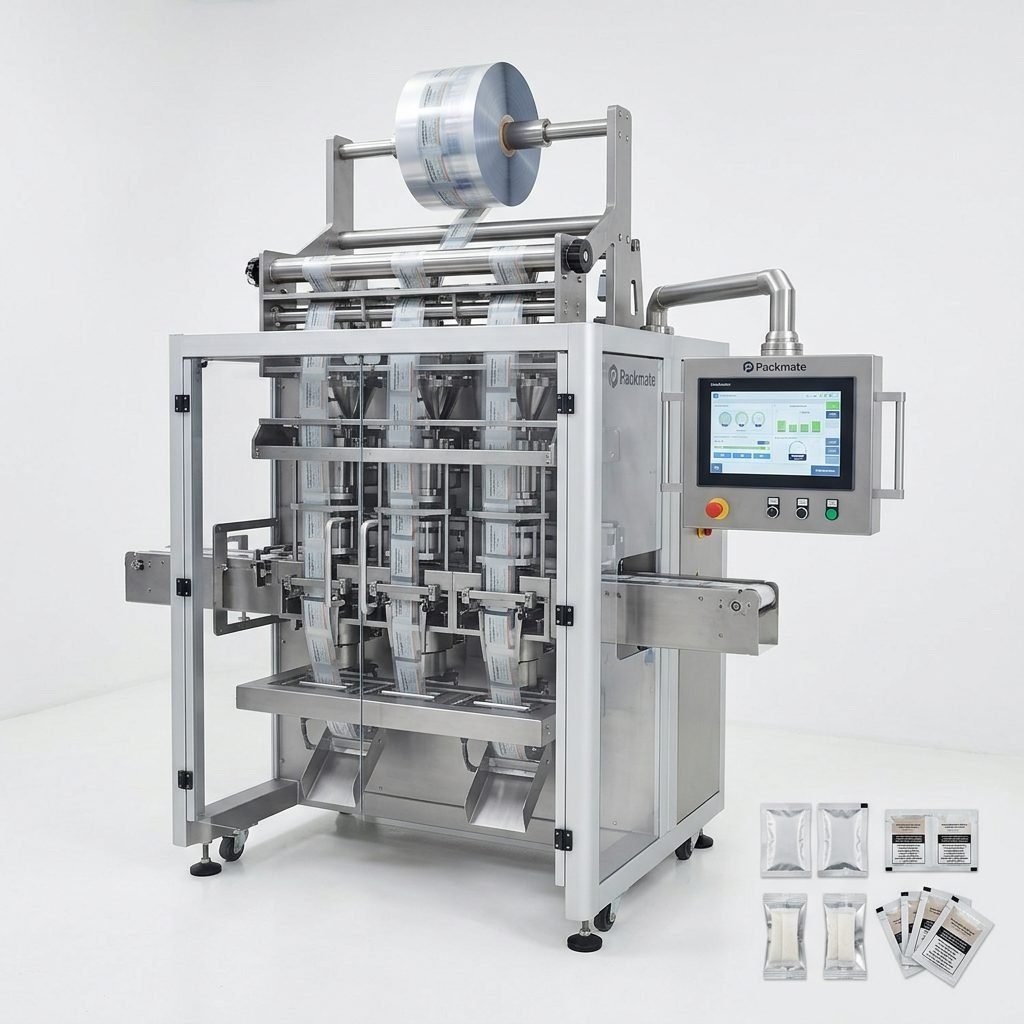
The type of packaging machine you choose depends on product format, production volume, and flexibility needs. Common options include stick pack, sachet, multi-lane pouch systems, and specialized snus/nicotine pouch machines.
Popular machine categories and use cases
-
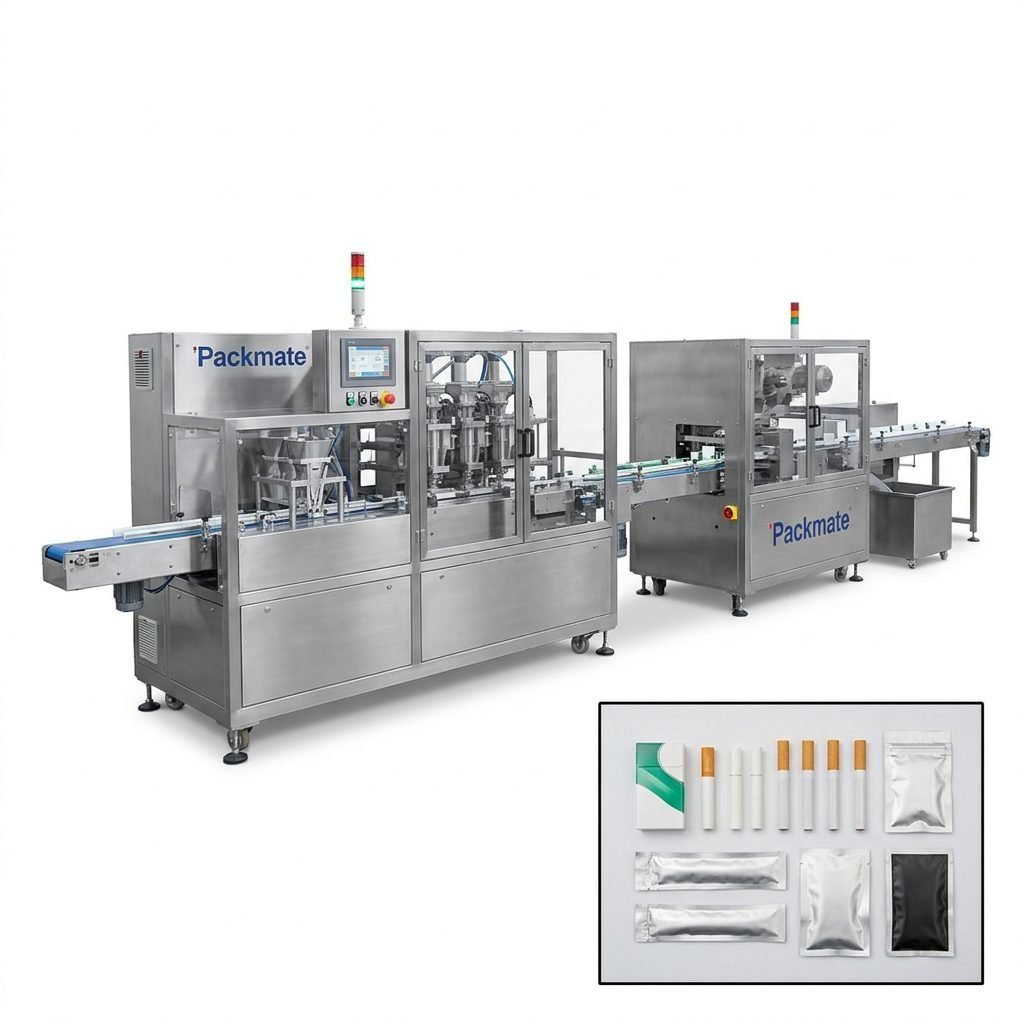
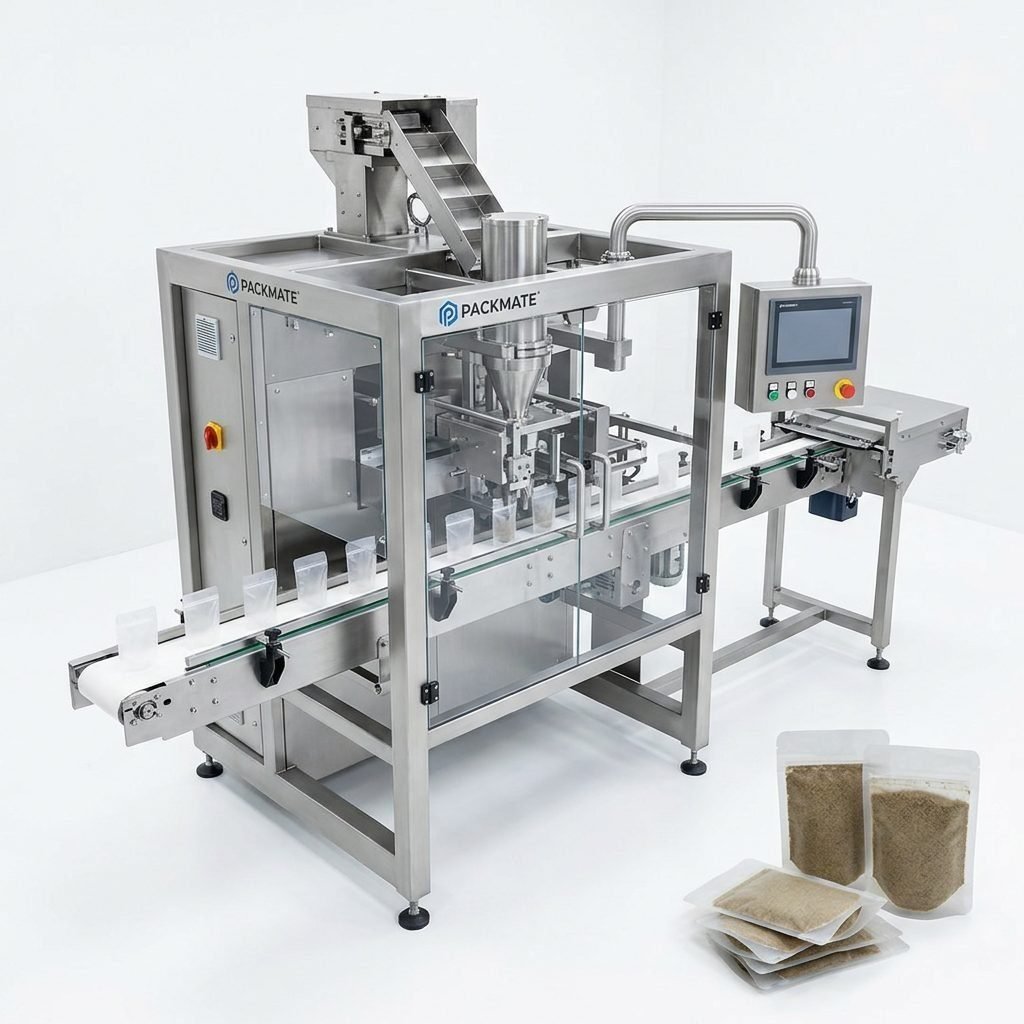
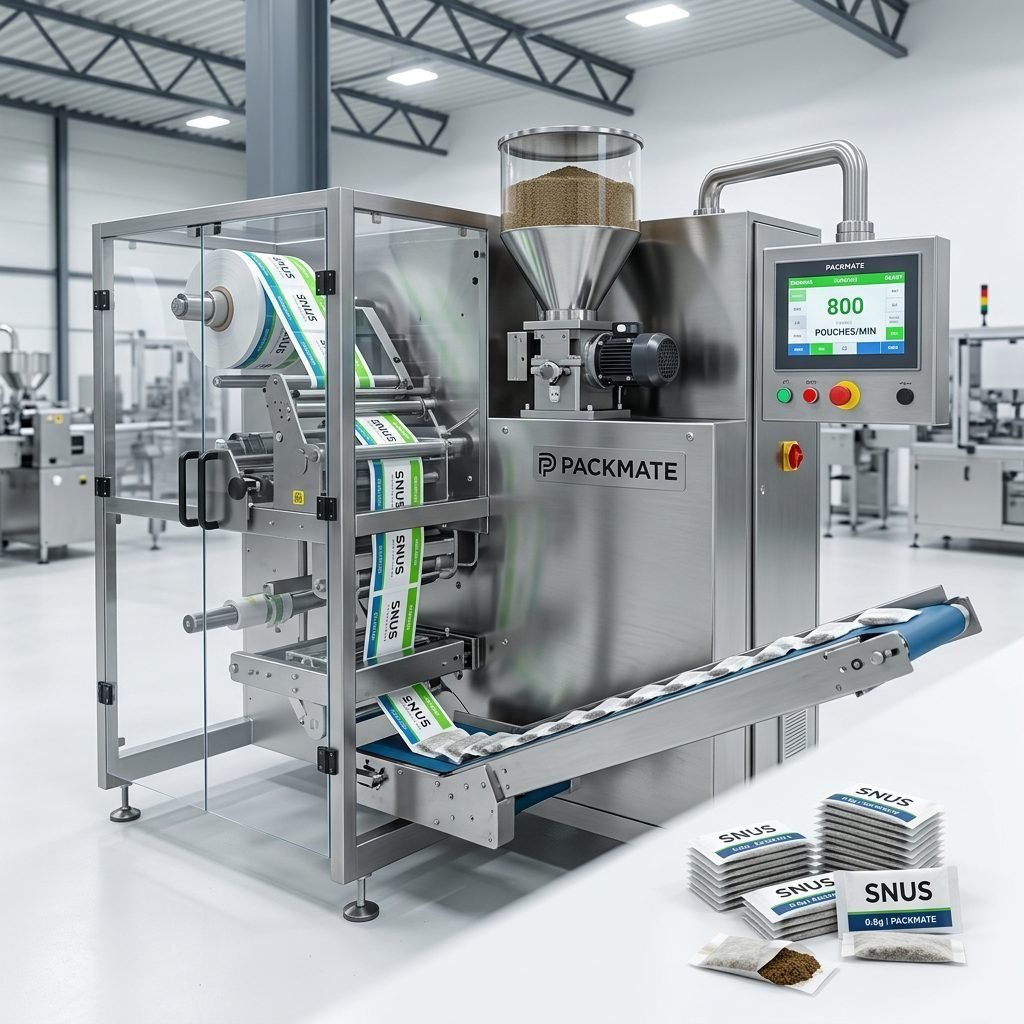
Snus & Nicotine Packaging Machines – ideal for single-dose pouches and high-speed multi-lane systems. See product examples here.
-
Sachet & Stick Pack Machines – good for portioned powder, granules, or liquid-fill pouches; useful if you plan retail stick packs. Explore options here.
-
Filling & Packaging Lines – integrated solutions when you need upstream dosing and downstream packaging in a turnkey line. Learn more here.
Technical Specifications to Prioritize
When comparing suppliers, align technical specs to your production targets and product characteristics. Key metrics include:
-
Throughput (pouches/min or packs/min) and stability at rated speeds.
-
Lane configuration: single-lane vs multi-lane systems for small-dose snus often boost output per footprint.
-
Filling accuracy and dosing systems: gravimetric or volumetric weighing as required.
-
Compatibility with packaging films and materials (barrier films, compostable films, paper-laminates).
-
Changeover time and tool-less adjustments for different pouch sizes or formats.
-
Hygiene design and cleaning procedures if working with sensitive ingredients.
🔍 Tip: Request a machine validation video and an accuracy report. Real performance data from a supplier can help you estimate yield, waste, and ROI more accurately.
Supplier Evaluation: Beyond the Quotation
Price matters, but the right supplier brings reliability, transparency, and long-term support. Evaluate vendors using the following checklist.
Checklist for Supplier Due Diligence
-
Factory capacity and equipment—confirm the supplier’s factory scale (for example, a 20,000㎡ facility with CNC centers is a strong signal of manufacturing capability).
-
Certifications—CE, ISO, and other international standards support safety and cross-border compliance.
-
Service & spare parts—lead time for replacement parts and local logistics to Mexico can reduce downtime.
-
References and case studies—ask for clients in similar markets and production lines; review real-world cases.
-
On-site commissioning and training—confirm language support for Mexican operators and availability of remote troubleshooting.
Key red flags
⚠️ Watch out for: vague technical specs, no factory tour option, missing warranty terms, unclear spare parts pricing, or reluctance to provide performance videos.
Service, Training & After-Sales Support
A strong after-sales program minimizes downtime and extends equipment life. Confirm these service elements:
-
Warranty details and on-site repair options in Mexico or through regional partners.
-
Operator and maintenance training (ideally on-site, in Spanish) and digital manuals.
-
Remote diagnostics capability (PLC remote access, video troubleshooting) to speed up fixes.
-
Spare parts kits and consumables list—ask for a recommended spares stocking plan.
Costing & Total Cost of Ownership (TCO)
Focus on TCO, not just the initial capital cost. TCO includes energy consumption, routine maintenance, spare parts, downtime risk, and operator training expenses.
📌 Cost Analysis Template: estimate annual energy, spare part consumption, 1-2 emergency repairs/year, and operator labor to compare suppliers fairly.
Inspection, Testing & FAT/SAT
Factory Acceptance Tests (FAT) and Site Acceptance Tests (SAT) are critical. Request documented FAT procedures and real performance trials under your product conditions.
-
Define acceptance metrics: throughput, sealing integrity, weight deviation, film handling performance.
-
Demand video recordings of FAT and sample packs for lab testing.
Customization & Turnkey Solutions
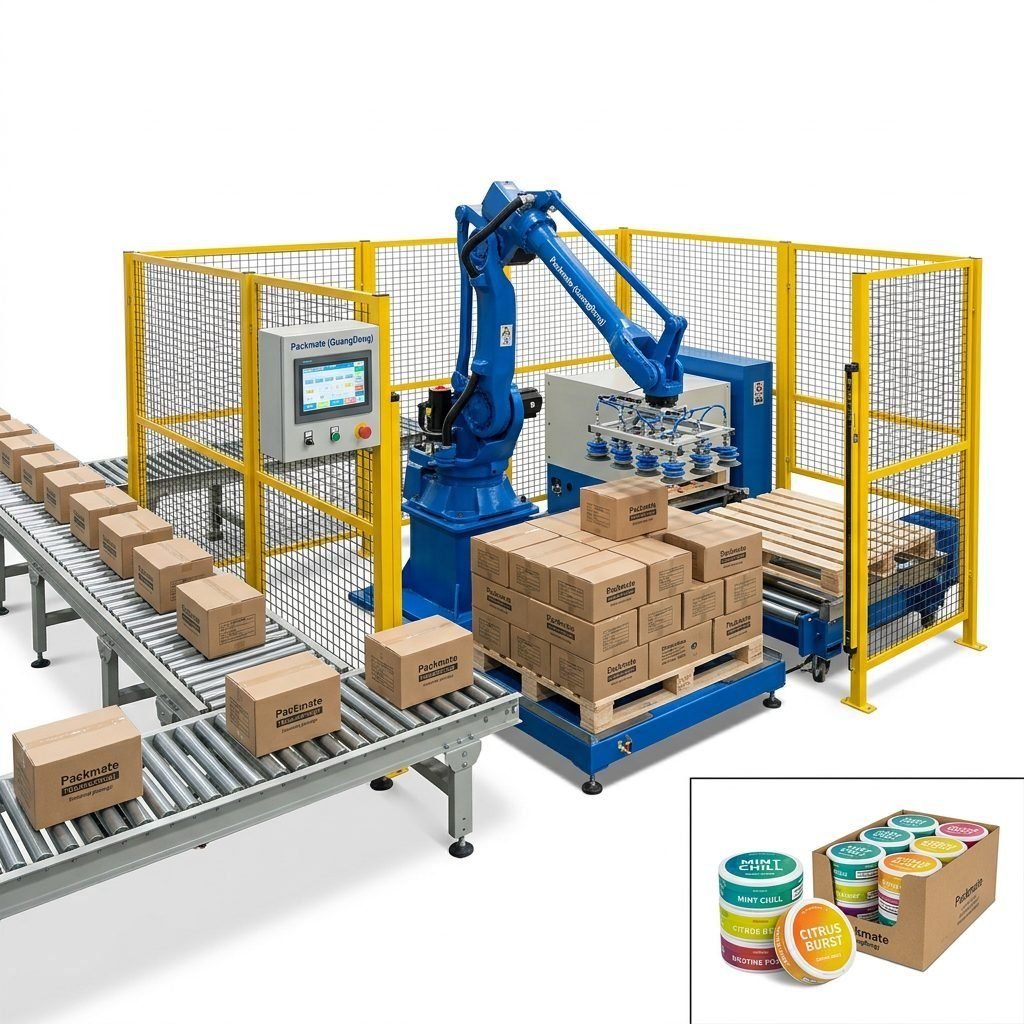
If you require full-line automation—from dosing to primary packaging to secondary case packing—look for suppliers offering turnkey solutions and system integration experience.
Many established manufacturers provide multi-discipline capability: filling systems, weighing integration, horizontal flow wrappers, or case packers. Confirm integration examples and references.
Visit Suppliers & Attend Exhibitions
Meeting suppliers in person or at trade shows speeds up trust-building. A factory visit shows real manufacturing capacity; live demonstrations show machine behavior under load. Check supplier exhibition schedules before travel.
Learn more about supplier background and company capabilities here.
Logistics, Import & Local Support in Mexico
Plan for freight, import duties, and local installation. Ask suppliers to provide packing lists, export documentation, and recommended shipping methods. If the supplier has local partners or regional service networks, that reduces lead time for critical repairs.
Negotiating Contracts & Terms
Negotiate clear terms: delivery schedule, penalty clauses for missed milestones, warranty length, spare parts commitment, and acceptance test criteria. Ensure intellectual property and confidentiality clauses are included if you share proprietary formulations.
Key Contract Clauses to Include
-
Detailed scope of supply and excluded items.
-
Payment schedule tied to milestones and FAT sign-off.
-
Warranty terms, spare parts availability, and response time commitments.
Why Choose an Experienced Manufacturer
Experienced manufacturers bring refined engineering, proven multi-lane designs, and full service capabilities. A supplier with decades of packaging machine R&D, diverse machine models, and CNC manufacturing capacity reduces the risk of costly design errors and downtime.
✅ Example strengths to look for: 30+ years of engineering experience, 50+ machine models, and a dedicated snus/nicotine packaging product line. Real supplier credentials will align with these capabilities.
How to Start the Procurement Process
Step-by-step approach for Mexican buyers:
-
Define product specs, packaging materials, and expected annual volumes.
-
Request detailed quotations and FAT plans from at least 2–3 suppliers.
-
Arrange supplier evaluations, factory visits, or remote demos.
-
Negotiate contract, include acceptance criteria and spare part commitments.
-
Plan shipping, local installation, operator training, and commissioning.
Useful Resources & Further Reading
Explore product lines and detailed machine types to see practical examples of snus and pouch packaging equipment:
Final Checklist Before You Buy
📌 Final quick-check: machine performance data, FAT/SAT plan, warranty & spare parts, bilingual documentation, local support capability, and a realistic TCO calculation.
Frequently Asked Questions
Q1: How do I confirm a supplier’s machine performance before purchase?
A: Request FAT videos, live demonstrations with your product, sample packs, and performance reports. Include acceptance metrics in your contract to ensure guaranteed performance.
Q2: What certifications should I expect from a reputable snus packaging supplier?
A: Look for CE, ISO quality management systems, and safety documentation. These certifications indicate standardized manufacturing processes and safety compliance.
Q3: How important is local language support in Mexico?
A: Very important. Spanish-language manuals, training, and remote support reduce operational errors and accelerate operator proficiency. Plan for bilingual documentation when possible.
Q4: Should I choose a single-lane or multi-lane snus machine?
A: Multi-lane systems increase throughput while saving floor space, suitable for medium-to-high volumes. Single-lane systems may be a better choice for small runs or prototyping. Base your decision on forecasted volumes and changeover needs.
Q5: Where can I find more manufacturer case studies and contact support?
A: Review supplier case studies and contact pages for references and exhibition schedules. These resources help validate supplier track record and arrange meetings. Start by exploring the manufacturer’s case and about pages to learn more.