Expanding a nicotine pouch or snus business in Guinea-Bissau requires not only an understanding of local consumer preferences and regulations but also a reliable partner for packaging equipment. Choosing the right nicotine packaging machine supplier will determine your product quality, compliance, production efficiency, and long-term costs. This guide walks you through practical steps and local considerations so you can confidently select the best supplier for your Guinea-Bissau business.
Understand Guinea-Bissau Market Realities
Before evaluating suppliers, spend time understanding Guinea-Bissau’s market context. The country’s trade flows are centered on the Port of Bissau; many retailers operate in informal markets and small kiosks, and packaging that combines durability with strong shelf appeal performs better. Local languages (Portuguese and Creole) and cultural preferences impact labeling and artwork choices. Consider:
📌 Labeling & language: Use Portuguese or Creole on consumer-facing packaging and ensure symbols are clear for low-literacy segments.
⚠️ Supply logistics: Port delays and irregular power are common; machines with robust local support and low maintenance needs are advantageous.
🔍 Market format: Single-dose sachets and small multi-pouch packs sell well in open markets where consumers prefer smaller purchase units.
Key Technical Requirements for Nicotine Packaging Machines
Not every packaging machine is built for nicotine pouches or snus. When comparing suppliers, focus on these technical points:
Filling accuracy: Small-dose nicotine pouches need precise dosing to maintain product consistency and regulatory compliance. Look for machines with high-precision weighing systems and low variation.
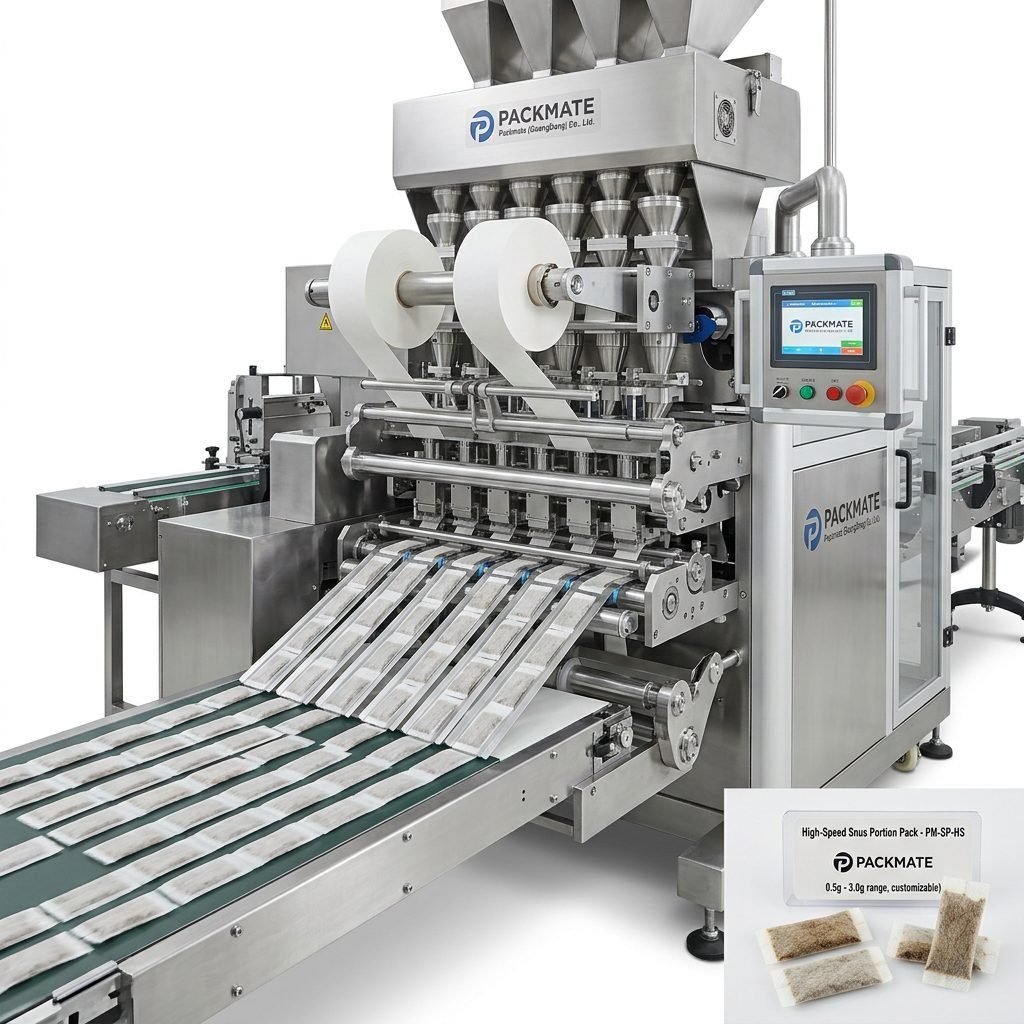
Speed and scalability: Match machine line speed to your current demand while keeping room for growth. Multi-lane systems can multiply throughput without doubling floor space.
Hygiene and materials: Machines built from food-grade stainless steel and designed for easy cleaning help achieve longer uptime and meet international health standards.
Flexibility: Your supplier should offer models that support various pouch sizes, sachets, stick packs, and customized sealing options for discrete or tamper-evident packaging.
Why Certifications and After-Sales Matter
✅ CE & ISO compliance: Ensure machines comply with recognized safety and quality standards for easier customs clearance and safer operation.
🔧 After-sales support: For Guinea-Bissau, a supplier that provides accessible spare parts, remote diagnostics, and training reduces operational risk caused by downtime.
Evaluate Supplier Capabilities and Track Record
When vetting suppliers, go beyond glossy brochures. Ask for detailed case studies, factory photos, and references from countries with similar logistics and market conditions. Proven experience in nicotine pouch lines is a major plus.
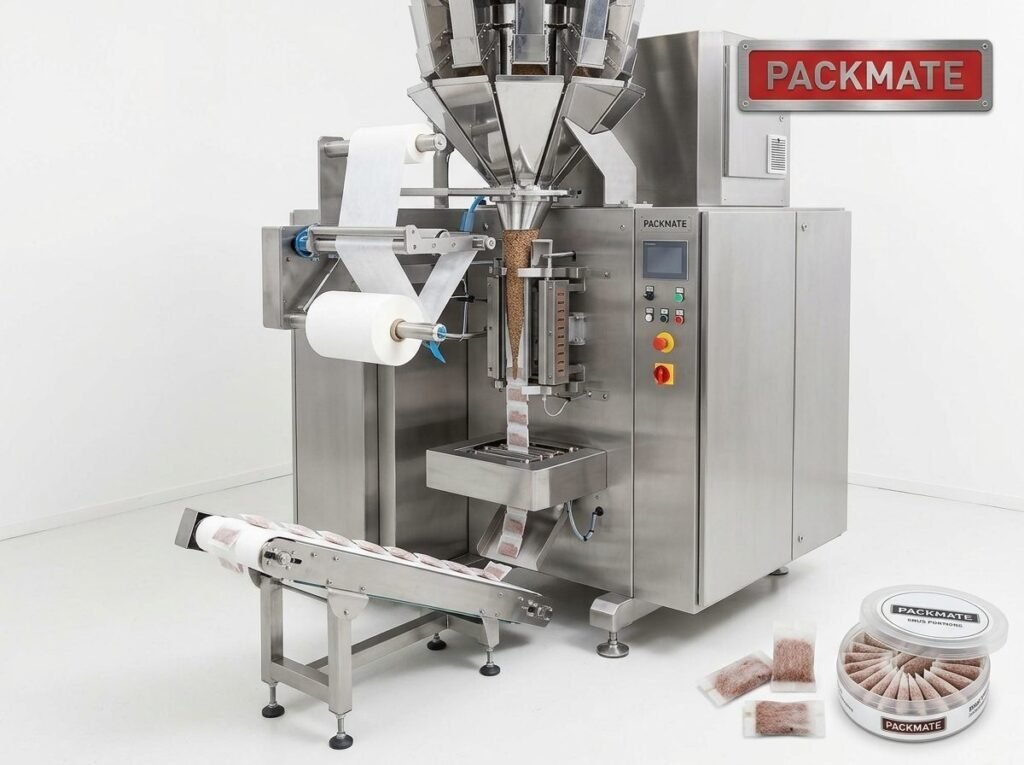
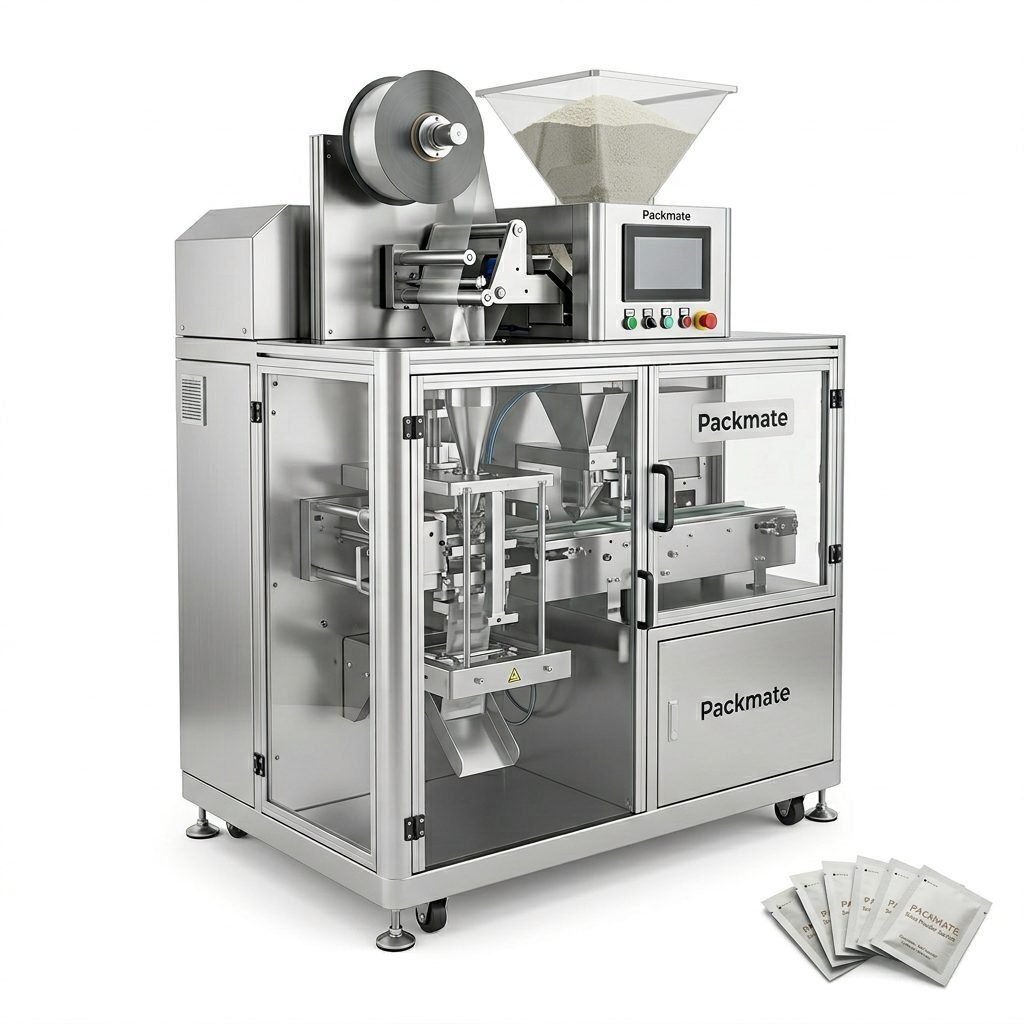
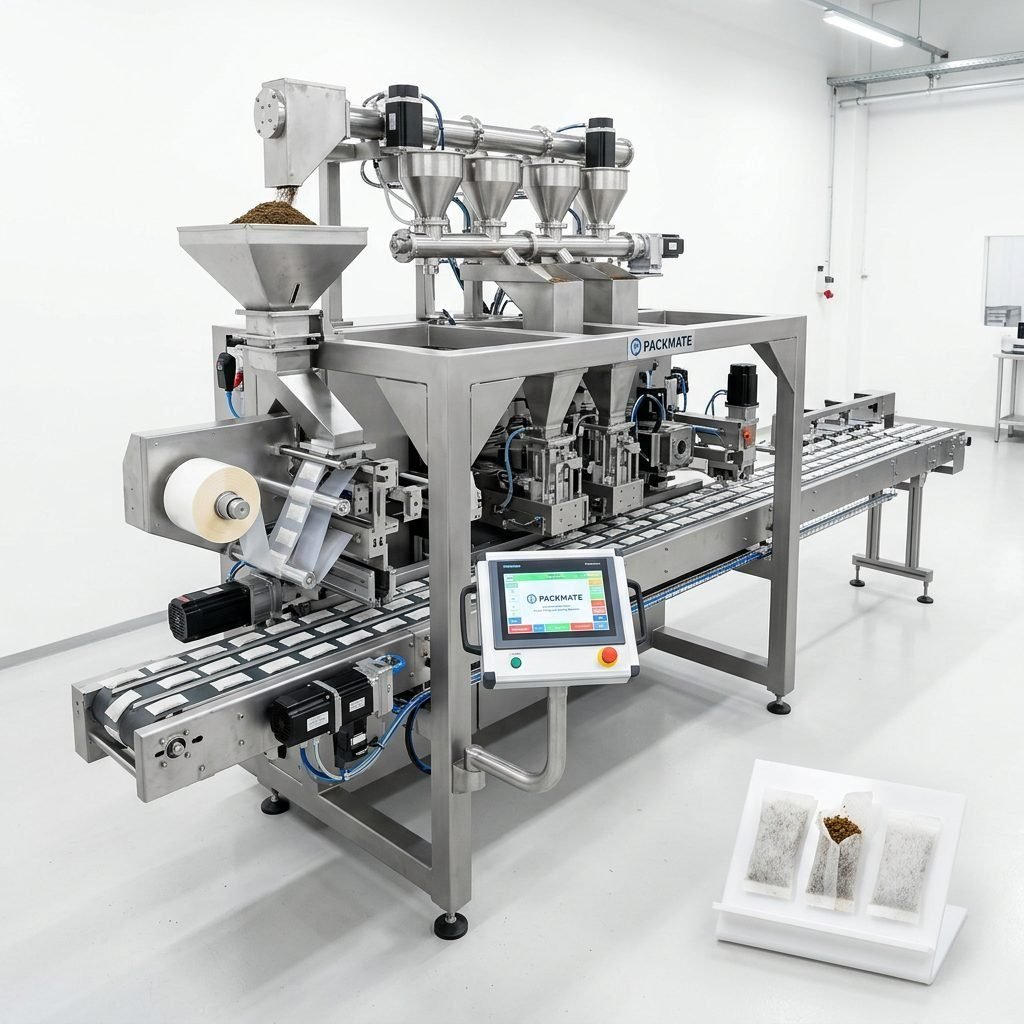
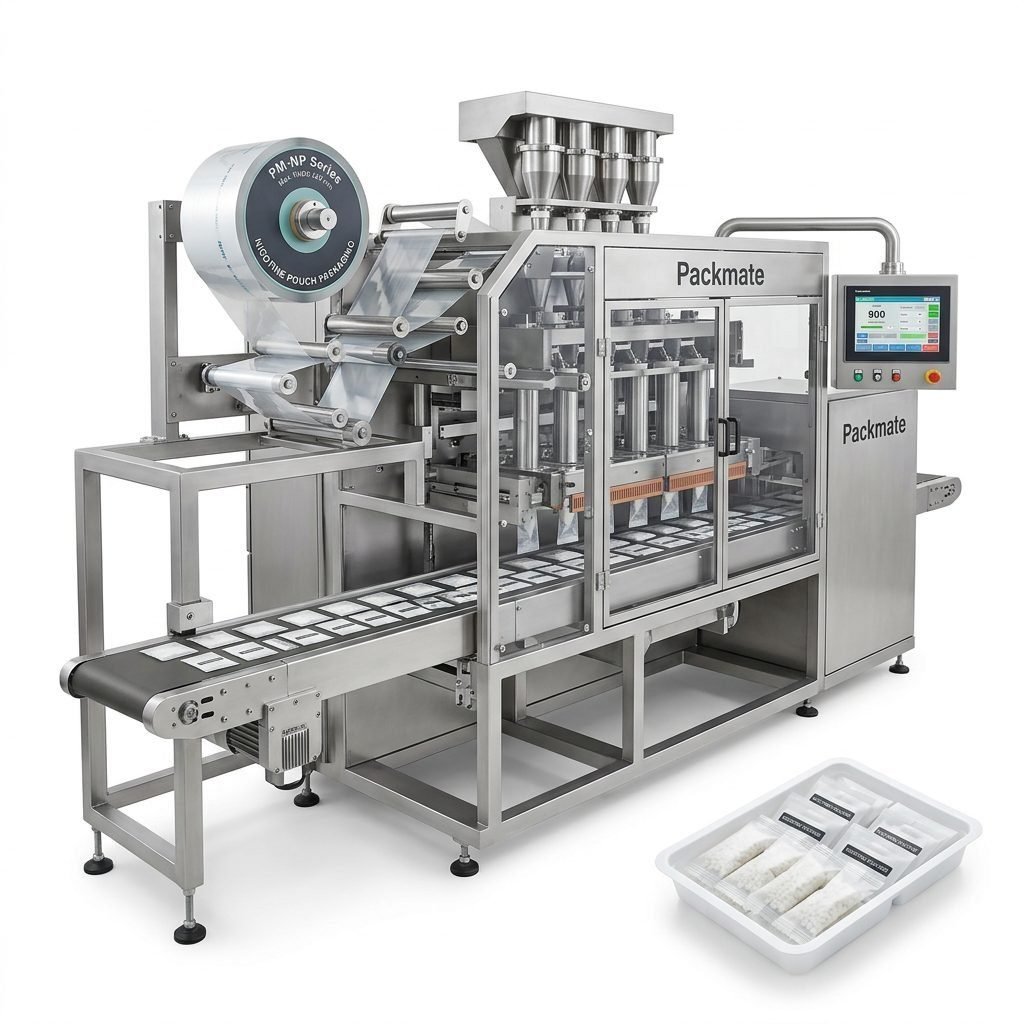
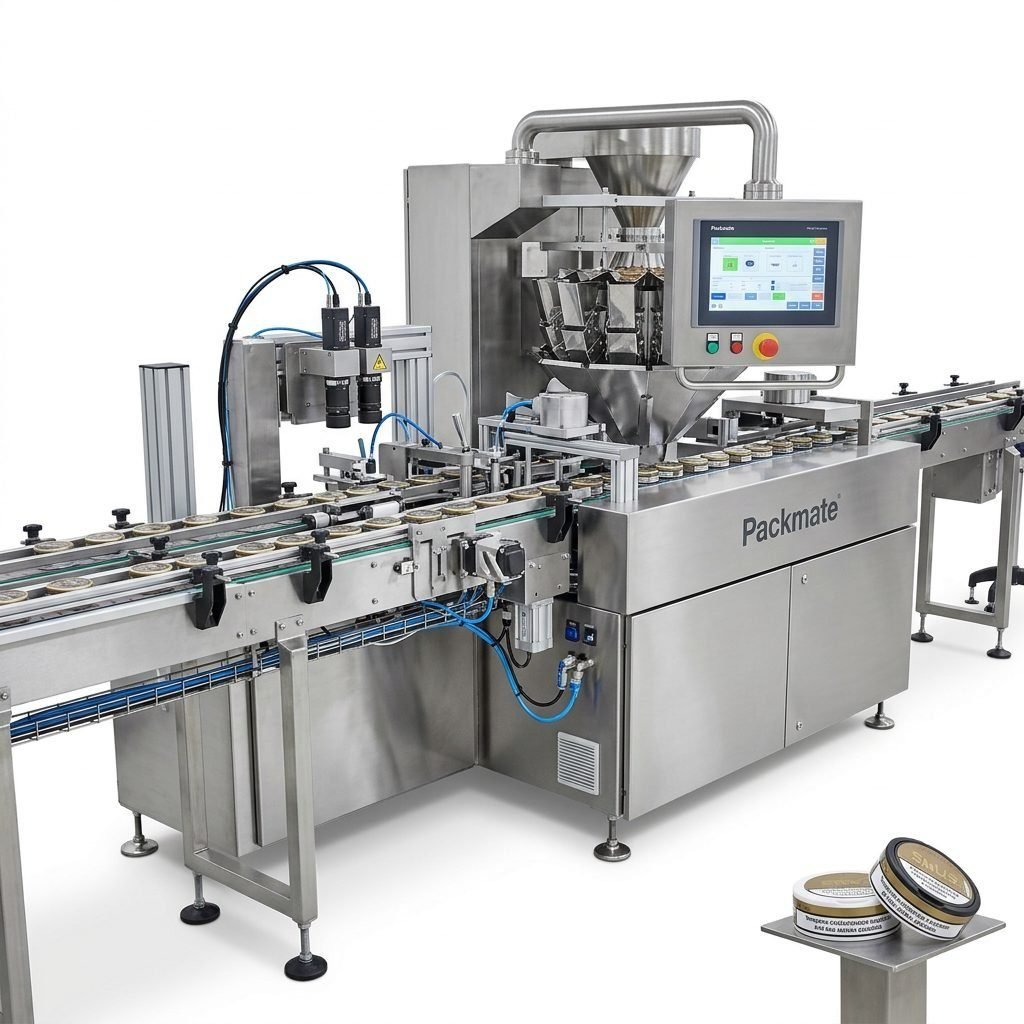
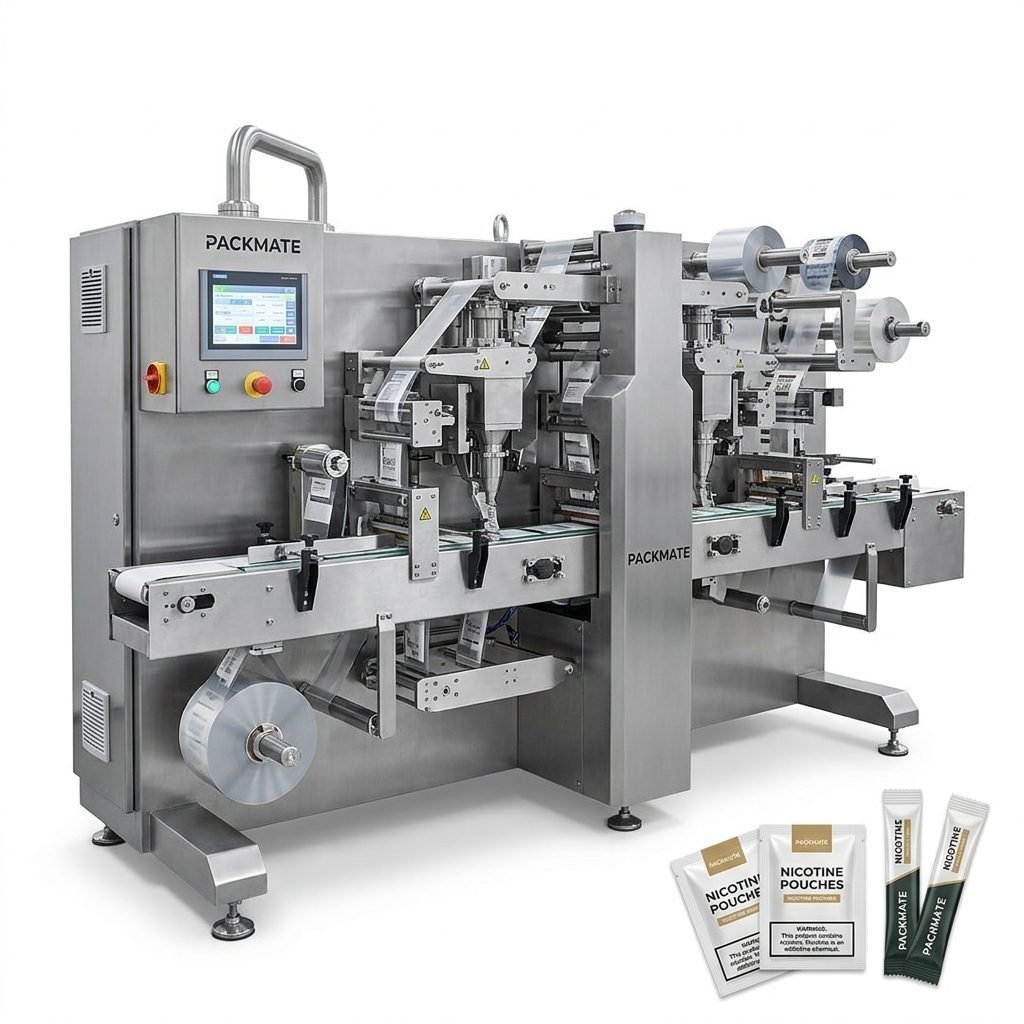
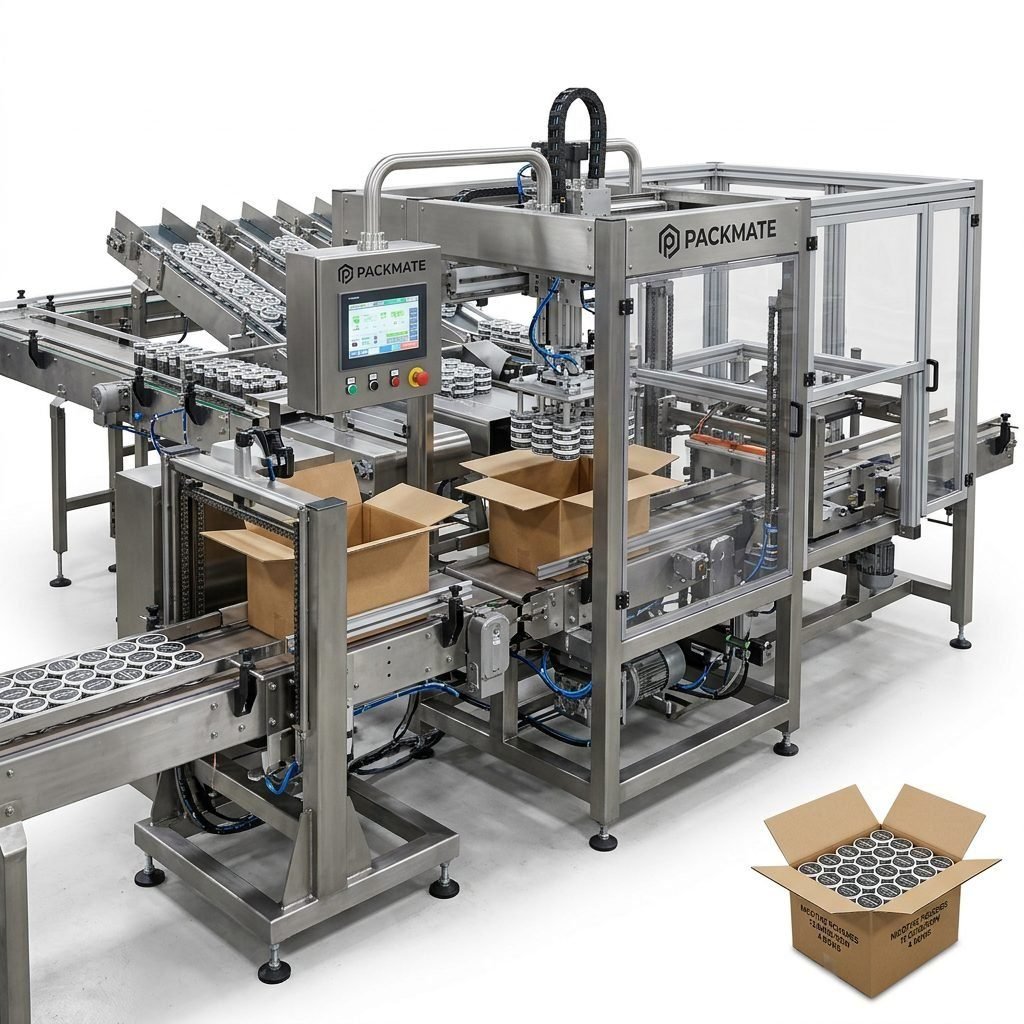
Packmate Snus Machine, for example, is a manufacturer focused on snus and nicotine packaging solutions with over 30 years of engineering experience and 50+ machine models. Their portfolio includes stick packs, sachets, and multi-lane systems specifically tuned for small-dose pouch production. You can review related products such as
Snus & Nicotine Packaging Machines and
Sachet & Stick Pack Machines.
Factory Visits and Third-Party Audits
If possible, plan a factory visit or request a virtual factory tour. Check machining quality, assembly lines, and QC processes. If an in-person visit is not feasible, request third-party inspection reports and ask for video demonstrations of the exact machine model you will buy.
Commercial Terms and Total Cost of Ownership
Price is important but not decisive. Compare the total cost of ownership (TCO), including initial purchase, shipping, import duties, installation, training, spare parts inventory, energy consumption, and maintenance contracts.
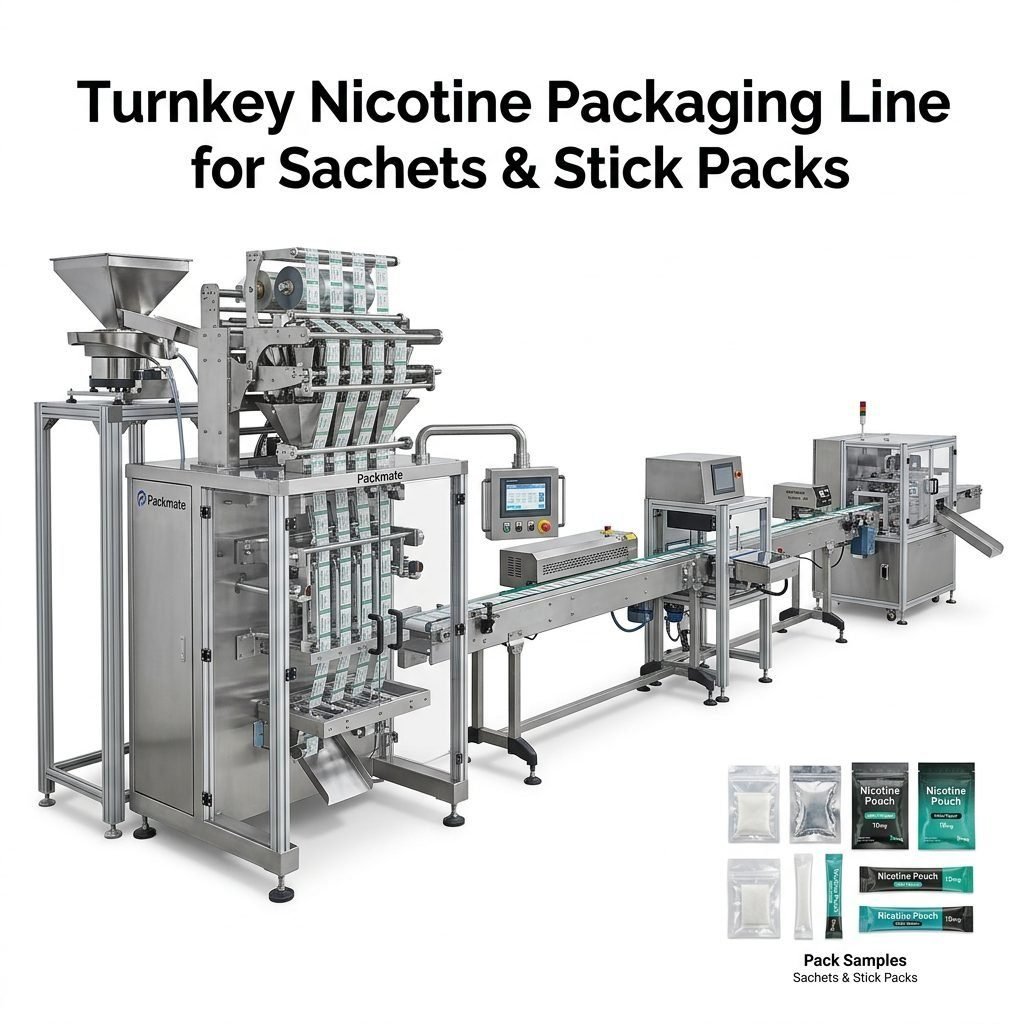
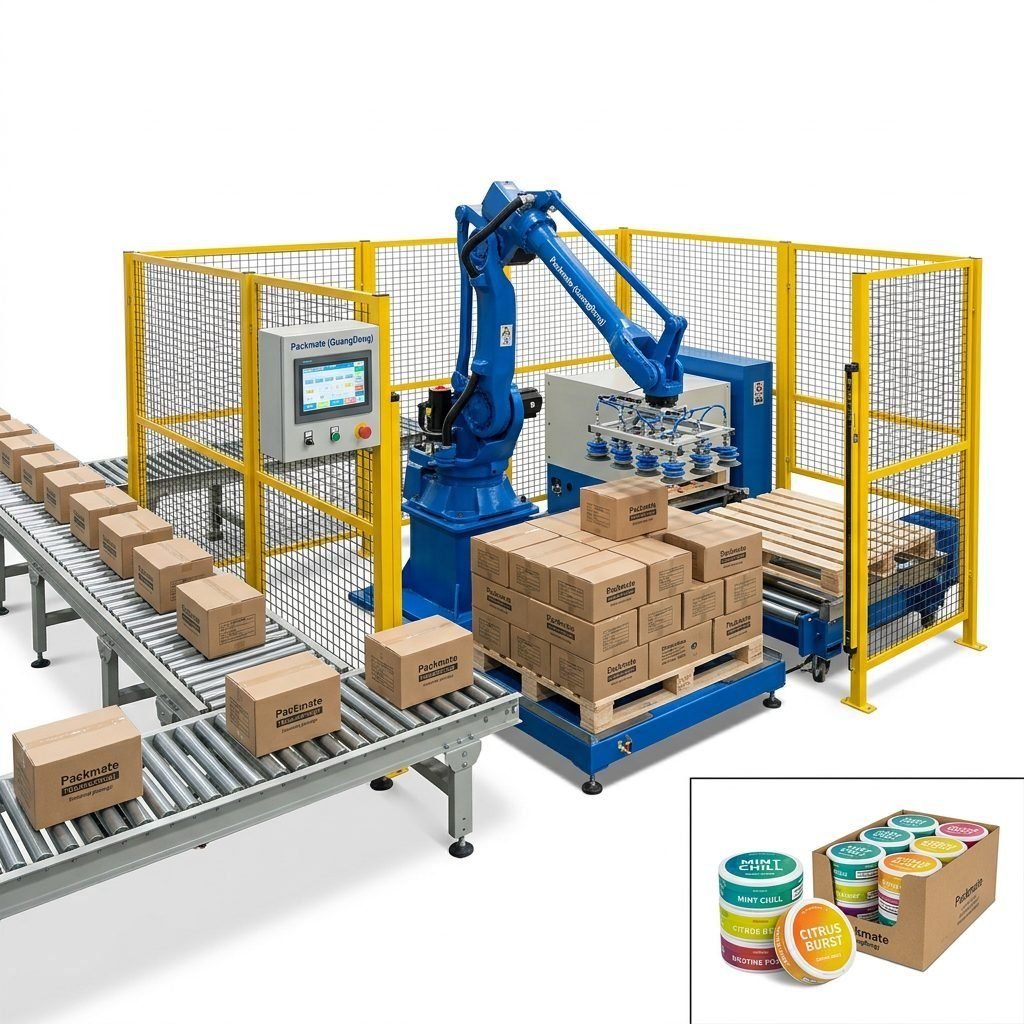
Consider suppliers who offer turnkey solutions and local partners for installation. For example, a vendor that provides a full production line—including weighing, feeding, filling, and sealing systems—reduces integration risk. You can explore full-line solutions such as the
Filling & Packaging Lines.
Warranty and Spare Parts
A clear warranty and the availability of spare parts are critical. Verify lead times for common wear parts and whether the supplier ships parts directly or via regional partners. Fast spare parts delivery decreases downtime in a market where replacement options are limited.
Local Compliance and Labeling Considerations in Guinea-Bissau
Regulations for nicotine products can change rapidly. Although Guinea-Bissau may lack the complex regulations of larger markets, it’s wise to assume increasing oversight. Packaging suppliers who can help implement regulatory labeling, tamper-evidence, and traceability features give you a competitive advantage.
📌 Local language labels: Use Portuguese/Creole and clear pictograms.
🔍 Health warnings & batch codes: Your machine must support printing or labeling features to apply variable information like batch numbers and expiry dates.
Assessing Operational Resilience
Guinea-Bissau faces frequent power fluctuations and limited technical labor. Choose machines that are easy to operate, have simple electrical and pneumatic requirements, and are tolerant to voltage variations. Backup power solutions and local technical training will improve uptime.
Ask suppliers whether they provide on-site commissioning, operator training, and simple troubleshooting guides translated into Portuguese or Creole. Suppliers with global exhibition experience and a track record in diverse markets often have robust training materials; see the supplier’s exhibition presence at
Our Exhibition.
Service Network and Remote Support
The best suppliers provide remote technical support via video calls and diagnostics. Check if the supplier has a service page and clear contact channels. Packmate’s company information and service options are available on their
About Packmate and
Service pages.
Practical Supplier Checklist for Guinea-Bissau Buyers
📌 1. Industry experience: Does the supplier specialize in snus and nicotine pouch machines?
📌 2. Local adaptability: Can the machine handle small-dose pouches, and is it easy to service locally?
📌 3. Certification: Are CE/ISO certificates provided for export and safety compliance?
📌 4. After-sales: What is the warranty, parts lead time, and training offered?
📌 5. References & demos: Can the supplier show case studies from similar markets?
Negotiation Tips and Delivery Planning
When negotiating, be explicit about delivery timelines, installation responsibilities, and acceptance tests. A Factory Acceptance Test (FAT) and a Site Acceptance Test (SAT) are essential milestones. Confirm who is responsible for freight, customs clearance at Bissau, and inland transport.
Include spare part kits for the first 6–12 months in your purchase order and negotiate training sessions for maintenance staff. Also, ask about detailed electrical schematics and multilingual manuals to simplify local repairs.
Long-Term Partnership Indicators
Strong partners demonstrate transparent communication, open factory visits, and clear documentation. Suppliers that offer turnkey solutions and have an established global footprint typically adapt faster to regulatory changes and provide more reliable lifecycle support. You can check real-world performance in the supplier’s case studies section at
Case.
Final Selection Strategy
To finalize your choice, shortlist 2–3 suppliers and compare them side-by-side on TCO, technical fit, warranty terms, spare parts availability, and local adaptability. Request live demonstrations, obtain client references, and ensure the supplier can customize packaging formats for Guinea-Bissau consumers.
🔎 Decision tip: Choose the supplier that balances proven nicotine packaging expertise with strong after-sales support and clear logistics plans for Guinea-Bissau.
Contact and Next Steps
When ready, request a formal quotation (including FAT/SAT terms), ask for a delivery schedule, and plan staff training. Use direct supplier contact pages for inquiries and support—for example, view the supplier’s contact options at
Contact Us.
Common Questions (FAQs)
Q1: How important are CE and ISO certificates when importing machines to Guinea-Bissau?
A1: Very important. CE and ISO help with customs clearance, demonstrate adherence to international safety standards, and reduce liability risks.
Q2: What machine features are most valuable for informal retail markets in Guinea-Bissau?
A2: Flexibility for small-dose sachets, robust construction for hot and humid conditions, easy cleaning, and low-maintenance components are most valuable.
Q3: How can I ensure quick spare parts delivery given Guinea-Bissau’s logistical challenges?
A3: Negotiate initial spare parts kits, ask suppliers for regional distributors if available, and choose machines with commonly available replaceable components.
Q4: Are there language or labeling considerations for nicotine pouches sold locally?
A4: Yes. Use Portuguese or Creole, include pictograms for clarity, and plan for variable printing of batch data and expiry dates on your packaging line.
Q5: What makes Packmate a relevant supplier option for nicotine packaging?
A5: Packmate offers specialized snus and nicotine packaging machines with decades of engineering experience, multiple machine models, turnkey solutions, and documented global installations—attributes that help minimize risk and speed production ramp-up.