Choosing the right snus production line supplier is a strategic decision that affects product quality, regulatory compliance, production efficiency, and long-term profitability. In the fast-growing nicotine pouch and snus market, manufacturers must balance machine performance, after-sales support, and turnkey capabilities to build a reliable factory operation. This guide walks you through the most important considerations when selecting a snus packing machine manufacturer and offers practical steps to evaluate suppliers, with real-world examples from established providers in the industry.
Why the choice of manufacturer matters
A packaging line is more than a piece of equipment: it is the backbone of your production. A poor choice can lead to frequent downtime, inconsistent pouch weight, regulatory non-compliance, and escalating maintenance costs. Conversely, a reputable supplier delivers machines that are stable, easy to maintain, and capable of scaling as your product portfolio and volumes grow. When evaluating potential partners, focus on long-term reliability and total cost of ownership rather than just the initial purchase price.
Key evaluation factors at a glance
Look for a mix of technical competence, manufacturing strength, and commercial credibility. The top factors include:
🔶 Machine performance — Speed, accuracy, and stability for your product format (pouches, sachets, stick packs, multi-lane systems).
🔶 Customization & flexibility — Ability to tailor machines for nicotine pouches, various weights, and different packaging materials.
🔶 After-sales support — Spare parts, field engineers, remote diagnostics, and operator training.
Understand machine types and where they fit
Different production strategies require different packaging technologies. The common types for snus and nicotine pouches include:
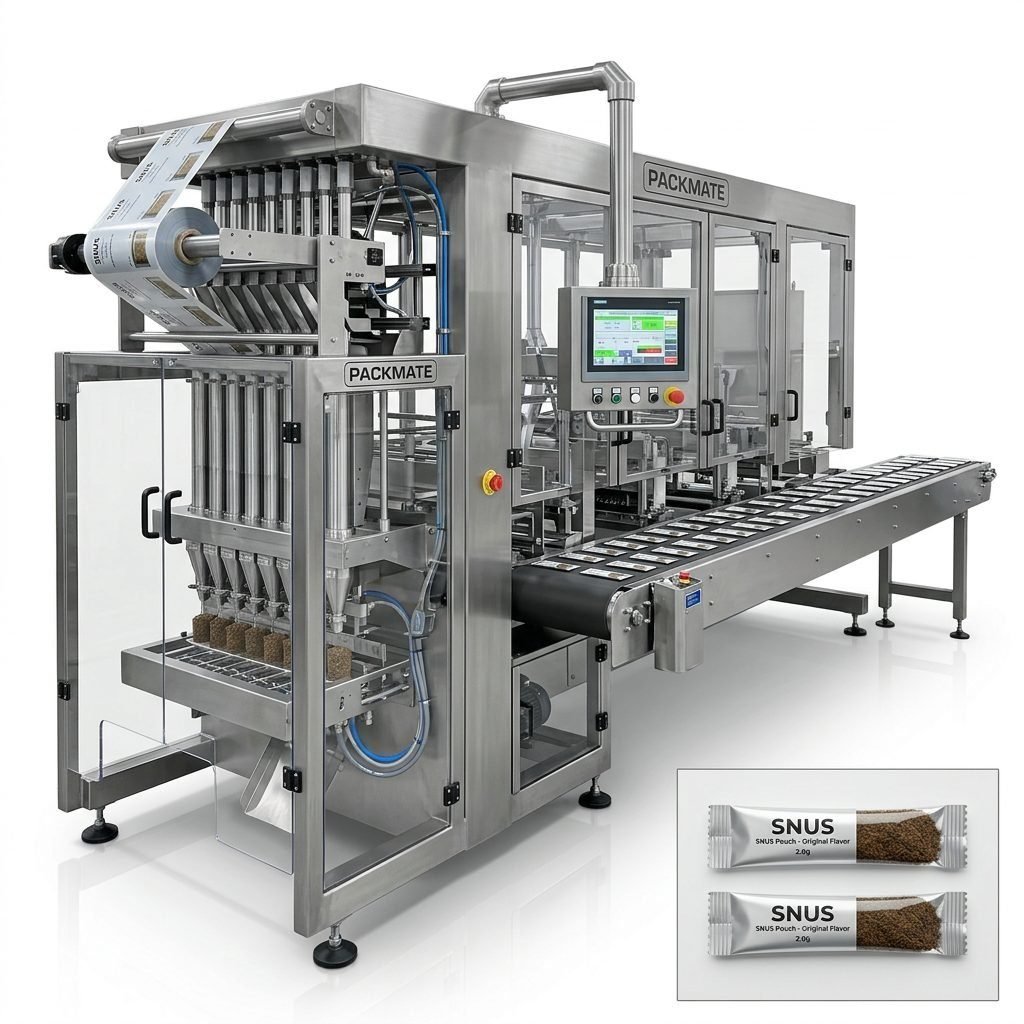
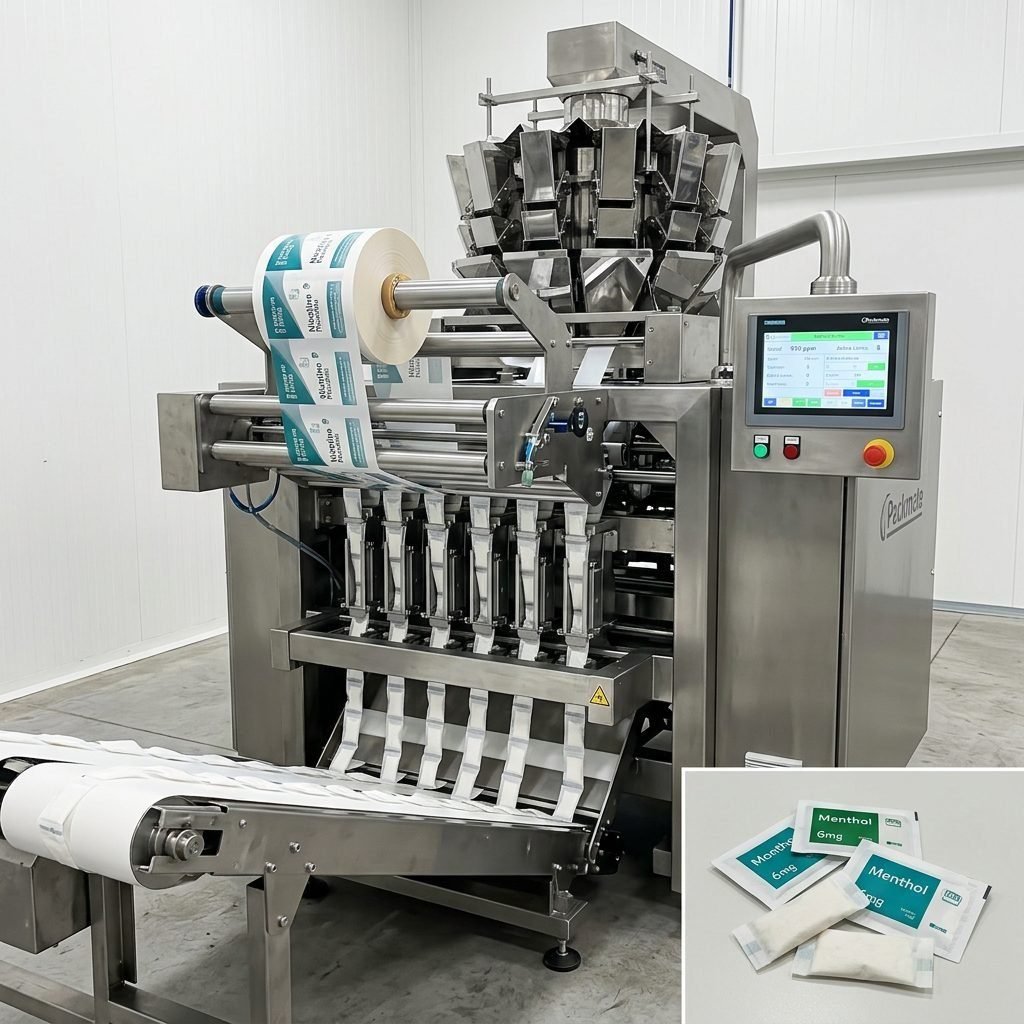
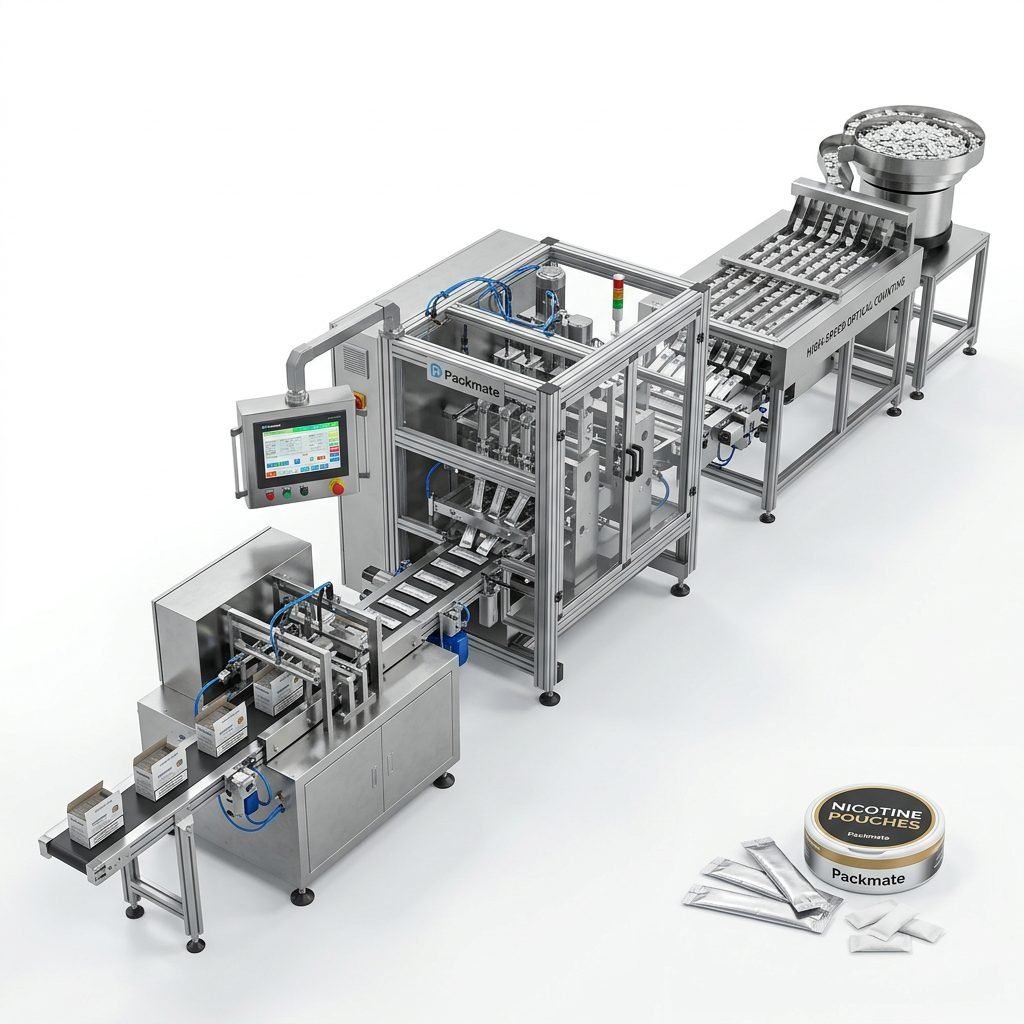
✔️ Multi-lane pouch lines — High throughput for small-dose nicotine pouches, often used by large-volume manufacturers.
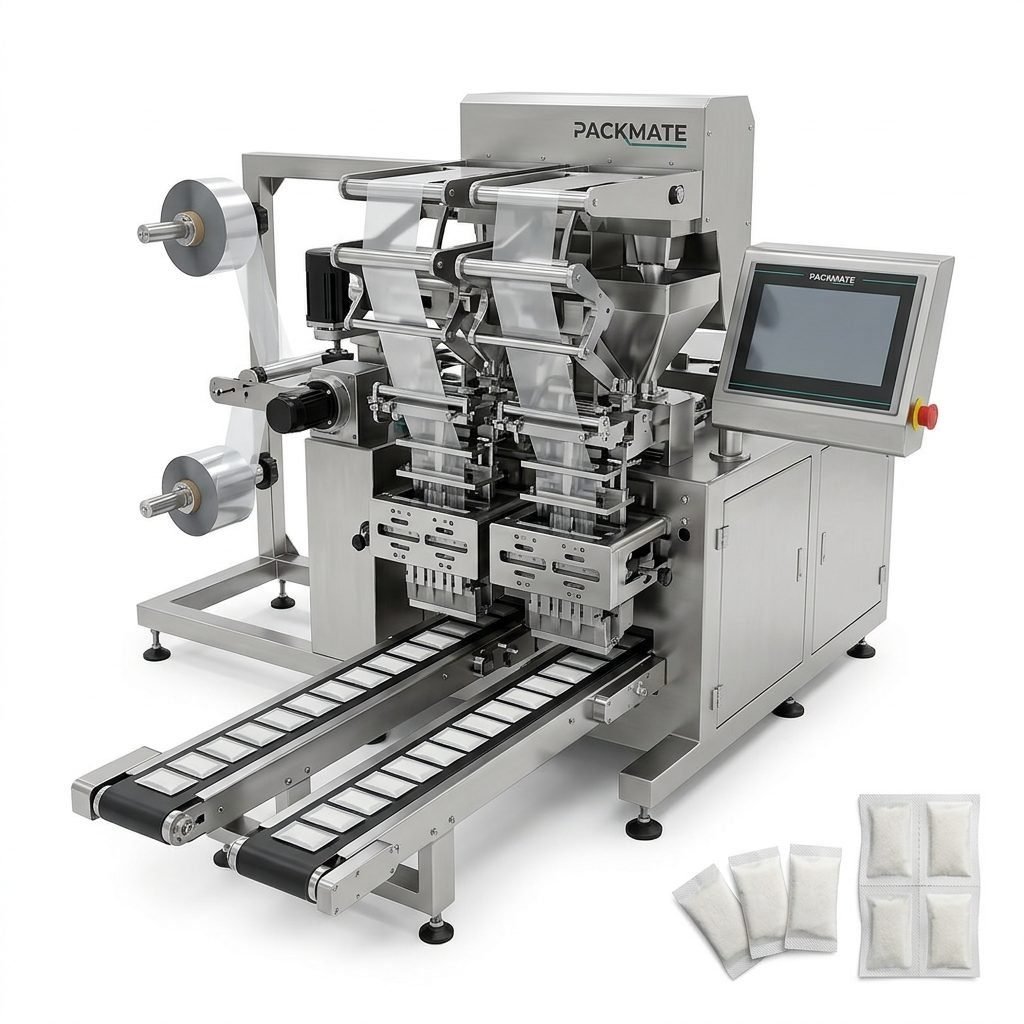
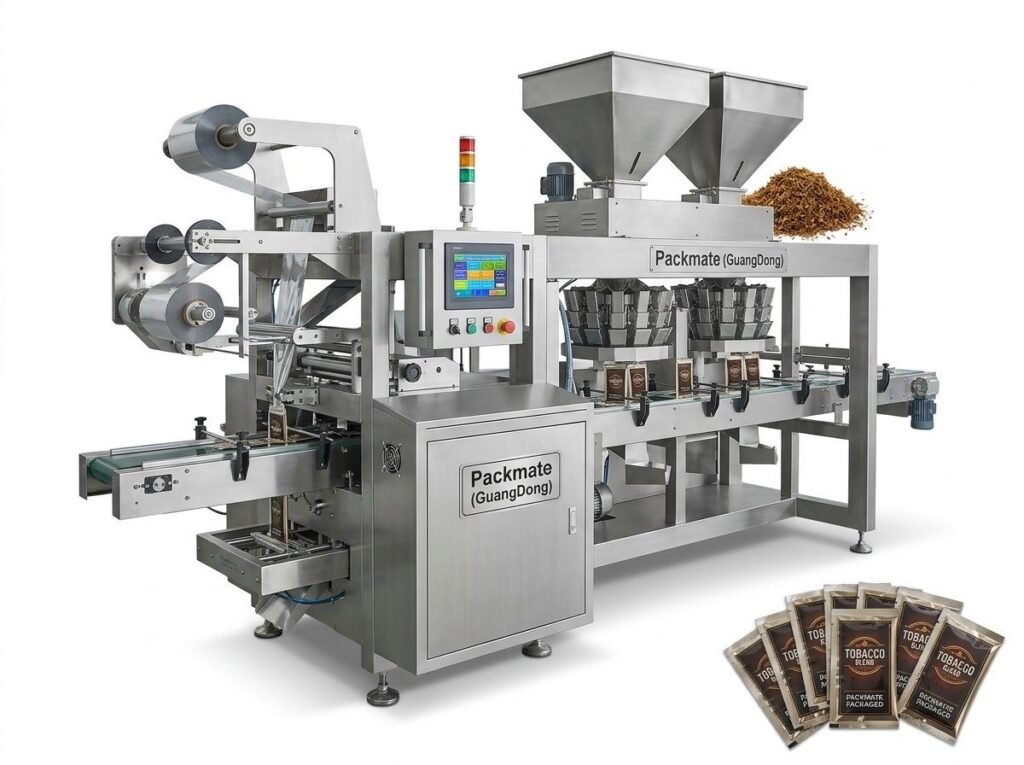
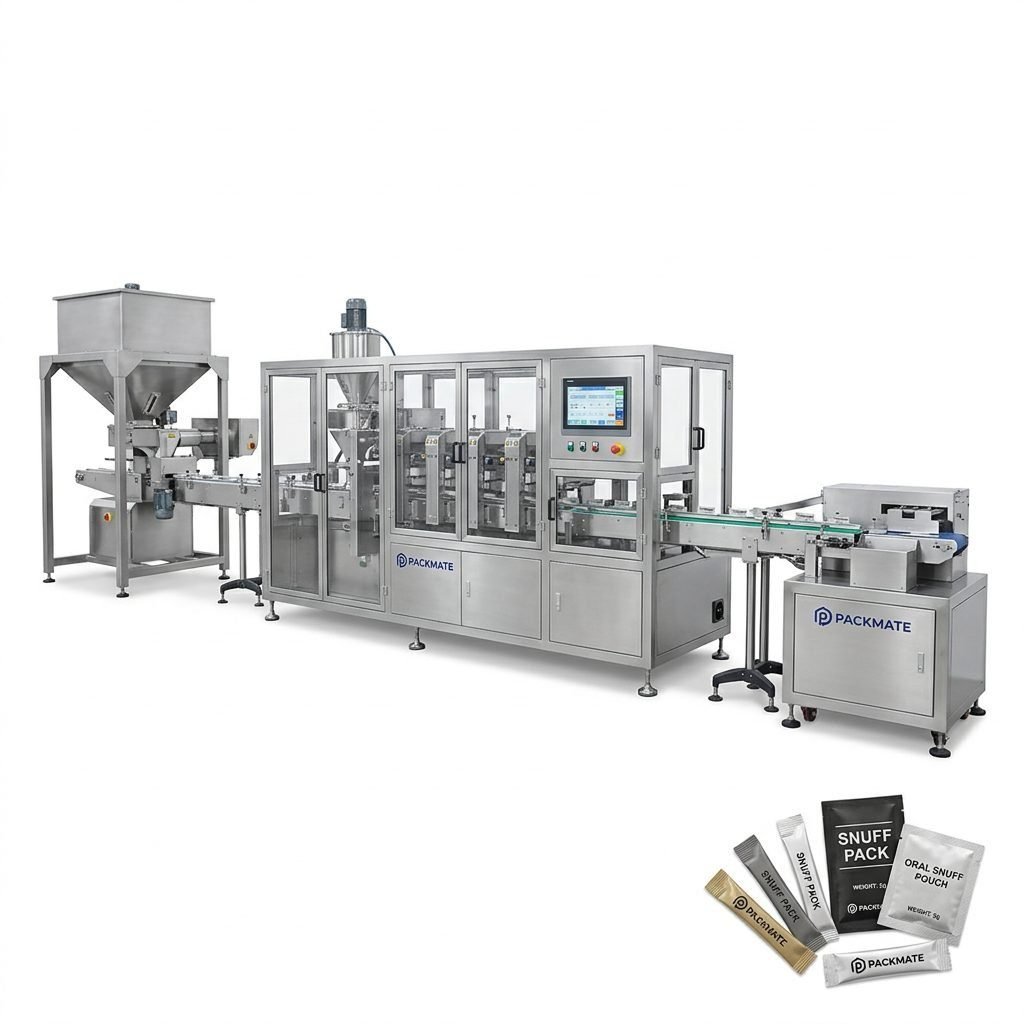
✔️ Sachet & stick pack machines — Ideal for single-dose formats and flexible packaging options. See examples of Sachet & Stick Pack Machines.
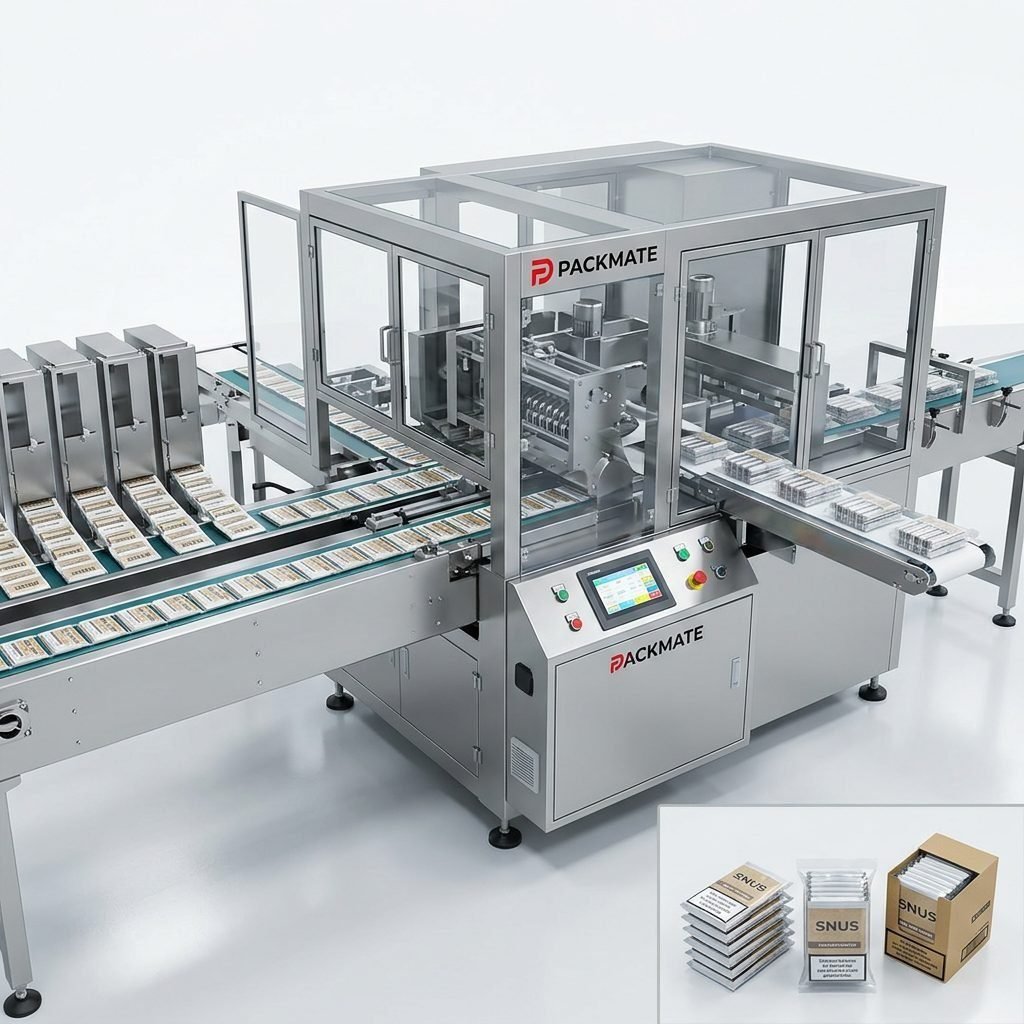
✔️ Bag & pouch systems — For secondary packaging and finished retail-ready pouches — explore Bag & Pouch Packaging Machines for details.
Technical capabilities to verify
During supplier evaluation, confirm these technical and engineering competencies:
• Precise dosing systems for small-dose pouches, including auger fillers, powder feeders, and electronically controlled dosing.
• Sealing technologies compatible with nicotine-safe barrier films and foil-laminates.
• Modular design for easy lane changes, format sets, and future upgrades.
• Comprehensive PLC and HMI controls with recipe management, fault logging, and remote support capability.
Quality control, standards and certification
Regulatory and quality compliance is essential, particularly for nicotine-related products. Confirm whether the manufacturer holds international certifications (CE, ISO) and follows rigorous testing procedures. Request documentation and evidence of tests on finished pouches, weight accuracy, and seal integrity. For more information, you can review supplier certificates such as the ones commonly presented under Certificate.
Manufacturing strength matters: what to look for
A strong manufacturing backbone reduces delivery lead times and improves product consistency. Key indicators include:
🔧 Large factory footprint and dedicated CNC machining centers for precision components.
🏭 Precision assembly lines and strict quality testing — examples include facilities with 20,000㎡ scale and advanced assembly capabilities.
📦 A broad product range (50+ models) and the ability to customize turnkey production lines.
After-sales service and spare parts strategy
Consider how a supplier supports you after installation:
• Warranty terms, spare parts availability and typical lead times for replacement components.
• Remote troubleshooting capabilities and software updates for PLC/HMI systems.
• On-site commissioning, operator training, and maintenance training to reduce downtime.
Discover typical after-sales offerings under Service and Contact Us to verify support commitments.
Turnkey solutions and factory integration
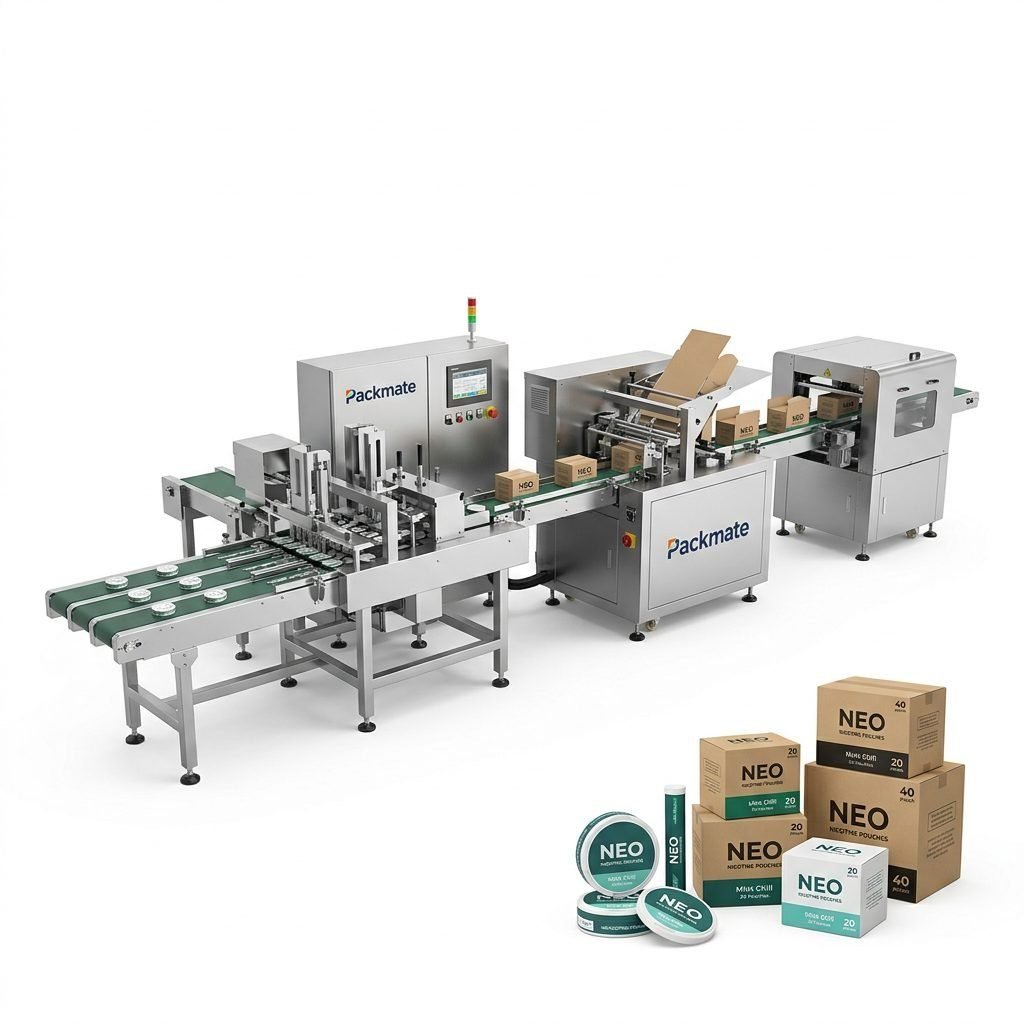
Many producers prefer turnkey suppliers who can deliver a complete production line: dosing, forming, sealing, secondary packaging, checkweighing, and automated packing. Working with a single vendor simplifies integration and responsibility. Evaluate whether the supplier can provide:
• End-to-end planning including material handling, dust control, and clean zones for nicotine handling.
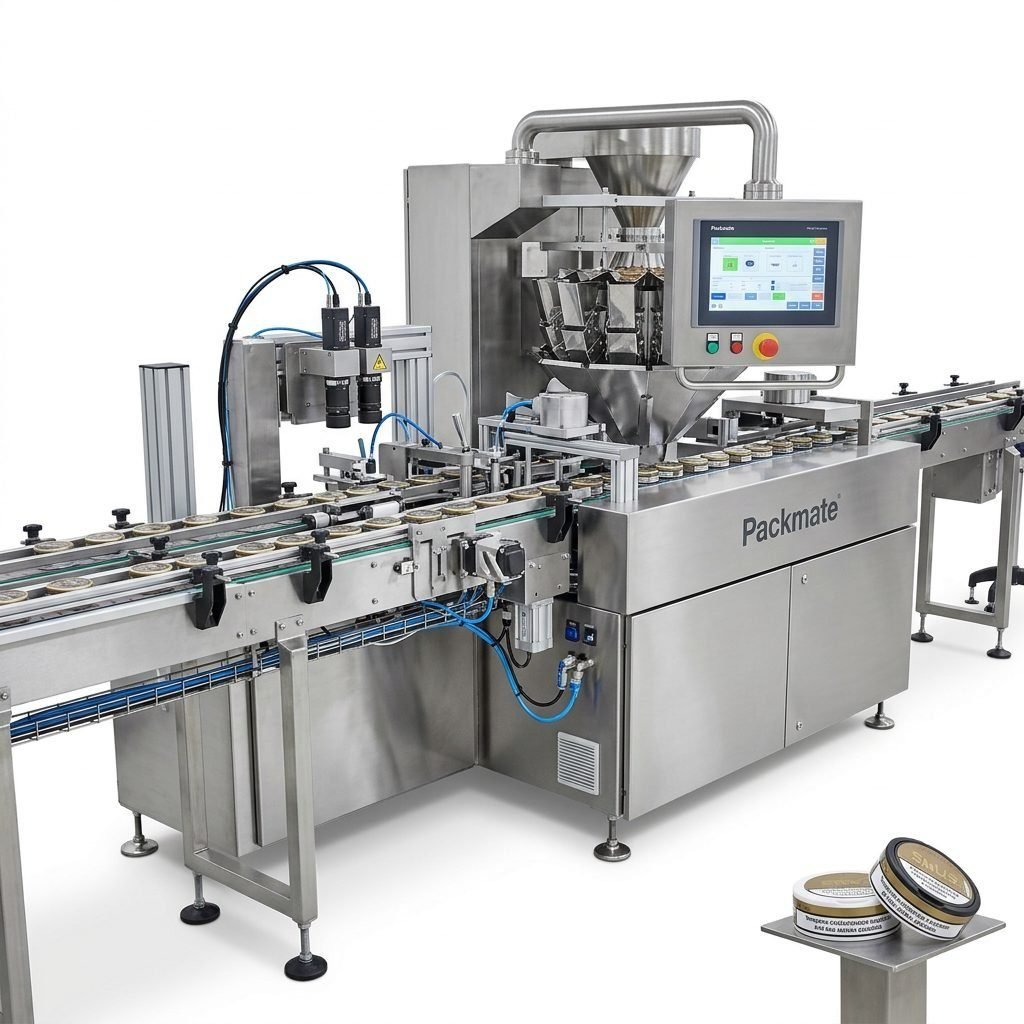
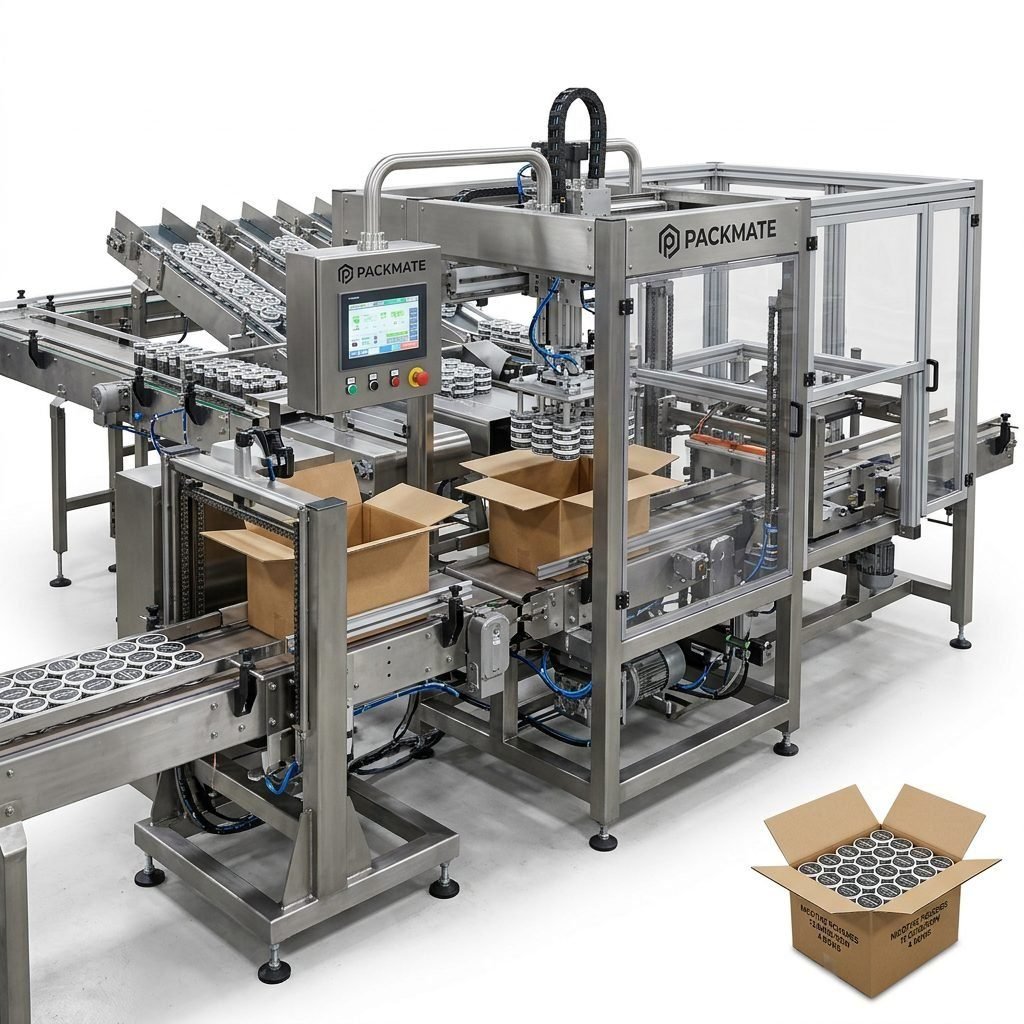
• Auxiliary equipment such as conveyors, checkweighers, metal detectors, and case packers. Check examples of Weighing & Packaging Systems and Filling & Packaging Lines for typical integration scope.
• Full documentation packages, FAT (Factory Acceptance Test) support, and installation qualification protocols.
Cost vs. value: calculating total cost of ownership (TCO)
Initial price is only part of the story. Use a TCO approach to compare suppliers. Include:
• Energy consumption and utility needs at full output.
• Mean time between failures (MTBF) and expected annual maintenance costs.
• Spare parts pricing and typical inventory requirements to avoid costly downtime.
• Resale value, upgrade paths, and modularity for capacity expansion.
Factory visit checklist: what to inspect on site
A factory visit provides direct evidence of production quality and engineering depth. During your visit, inspect:
• Machining capabilities — in-house CNC centers, welding stations, and assembly lines.
• Finished machines running live demos with real product to validate speed and accuracy.
• Quality control labs and testing rigs used for FAT and endurance testing.
• Documentation quality: electrical drawings, mechanical drawings, spare parts lists, and maintenance manuals.
How Packmate demonstrates core supplier strengths
When evaluating a supplier, concrete examples help build confidence. Consider a manufacturer with:
• Over 30 years of engineering experience and a documented development history dating back to the early 1990s.
• A 20,000㎡ manufacturing facility with advanced CNC machining centers and precision assembly lines.
• A portfolio of 50+ machine models and global turnkey solutions for snus and nicotine pouch production.
• Compliance with CE and ISO certifications and active participation in international exhibitions to demonstrate product capability. Learn more About Packmate and review real-world Case studies.
Customization, R&D and continuous improvement
Reliable suppliers invest in R&D to improve yield, reduce leakage, and optimize speed. Ask for examples of iterative improvements, multi-lane innovations, and how they handle new material types or small-batch pilot runs. A supplier that offers co-development and pilot production is valuable when you plan new product launches.
Sample decision flow: how to choose in 6 steps
1) Define product specs, target output and material choices. 2) Shortlist manufacturers with relevant machine types. 3) Request technical proposals, line layouts and references. 4) Visit factories and witness live demonstrations. 5) Compare TCO and support packages. 6) Finalize contract with clear FAT, delivery and acceptance criteria.
Negotiating contracts and protecting your interests
Ensure contracts include clear acceptance testing (FAT & SAT), warranty periods, spare parts lists, training schedules, and penalties for late delivery. Define performance KPIs such as uptime targets, pouch weight accuracy, and output per hour. Secure intellectual property terms if you are co-developing proprietary formats.
Tip: Request a Factory Acceptance Test with your material to verify performance under real conditions before shipment.
Where to find reliable suppliers and references
Explore supplier product pages and case studies to validate real-world performance. Key resources include product catalogs and exhibition demonstrations. You may start by reviewing Snus & Nicotine Packaging Machines, Sachet & Stick Pack Machines, and Bag & Pouch Packaging Machines for machine capabilities and typical configurations.
Final checklist before purchase
• Confirm machine performance on your product sample.
• Verify certifications and test reports.
• Agree on FAT procedures and acceptance criteria.
• Confirm spare parts stock and lead times.
• Secure training and commissioning schedules.
Conclusion
Selecting the right snus production line supplier is a strategic investment. Prioritize proven technical capabilities, strong manufacturing infrastructure, and comprehensive after-sales support. Take the time to validate performance with your own materials, visit the supplier’s factory when possible, and compare total cost of ownership rather than buying on price alone. A trusted partner will accelerate your market entry, reduce production risk, and support your growth with scalable turnkey solutions.
Frequently Asked Questions
Q1: How long does it take to install a full snus production line?
Installation time varies by complexity and scope. For a basic multi-lane pouch line plus secondary packaging, typical on-site installation and commissioning takes 4–8 weeks after delivery. Complex turnkey projects may require additional site preparation and integration time.
Q2: What certifications should I expect from a reputable manufacturer?
Expect international certifications such as CE for machinery safety and ISO quality management systems. Suppliers may also provide documentation for material compatibility tests, FAT reports, and compliance with local regulatory requirements for nicotine product handling.
Q3: Are turnkey solutions more expensive than piecemeal purchases?
Turnkey solutions often have a higher upfront cost, but they reduce integration risk, shorten lead time to production, and centralize responsibility. When you factor in integration effort, engineering hours, and potential delays, turnkey projects can be more cost-effective in the long run.
Q4: How can I verify a supplier’s real-world performance?
Ask for FAT with your material, request customer references, inspect case studies, and, where possible, visit production lines during an exhibition or plant tour. Reviewing published case examples and exhibition demos can provide practical insight into long-term performance.
Q5: Where can I see real machine examples and contact suppliers?
Browse product pages and case studies such as Snus & Nicotine Packaging Machines, Filling & Packaging Lines, and Case pages. For supplier background and direct inquiries, visit About Packmate or reach out through Contact Us to arrange demos and factory visits.