Finding a reliable nicotine packaging machine supplier in Canada can feel like navigating a complex landscape of regulations, technical specifications, and vendor claims. This practical buyer’s guide walks you through the essential steps—what to ask, what to inspect, and how to make decisions that balance cost, compliance, and long-term support for your snus or nicotine pouch production lines.
Why Supplier Reliability Matters in the Canadian Market
⚠️ In Canada, nicotine products are subject to evolving regulations and strong public health scrutiny. Choosing a reliable supplier means fewer production interruptions, stronger compliance with local labeling (English and French), and a partner who understands import, certification, and after-sales support expectations. A solid supplier reduces downtime, protects brand reputation, and helps you scale production safely.
Practical outcomes of a reliable partnership
🔍 Faster commissioning • 📦 Consistent pouch quality • 🛠️ Robust spare parts availability • 📄 Clear documentation for Canadian Customs and regulatory bodies.
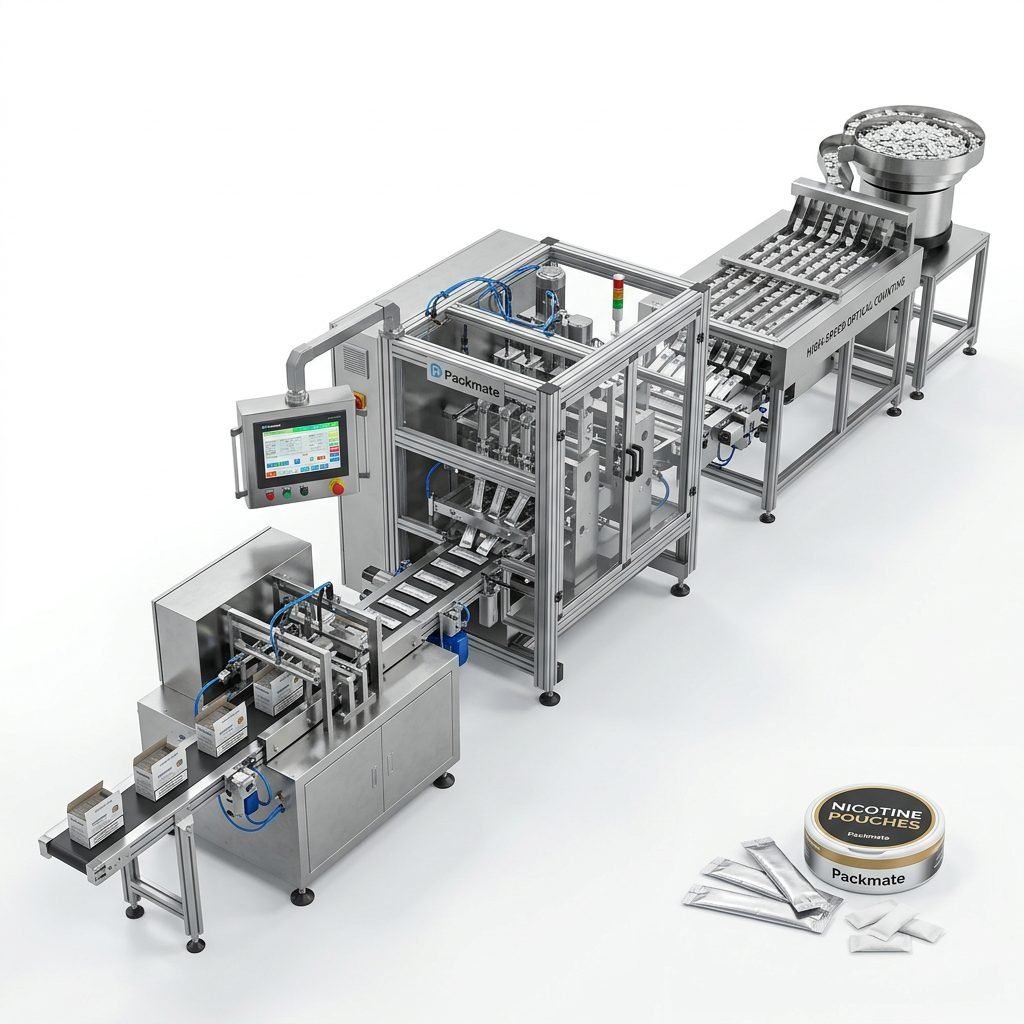
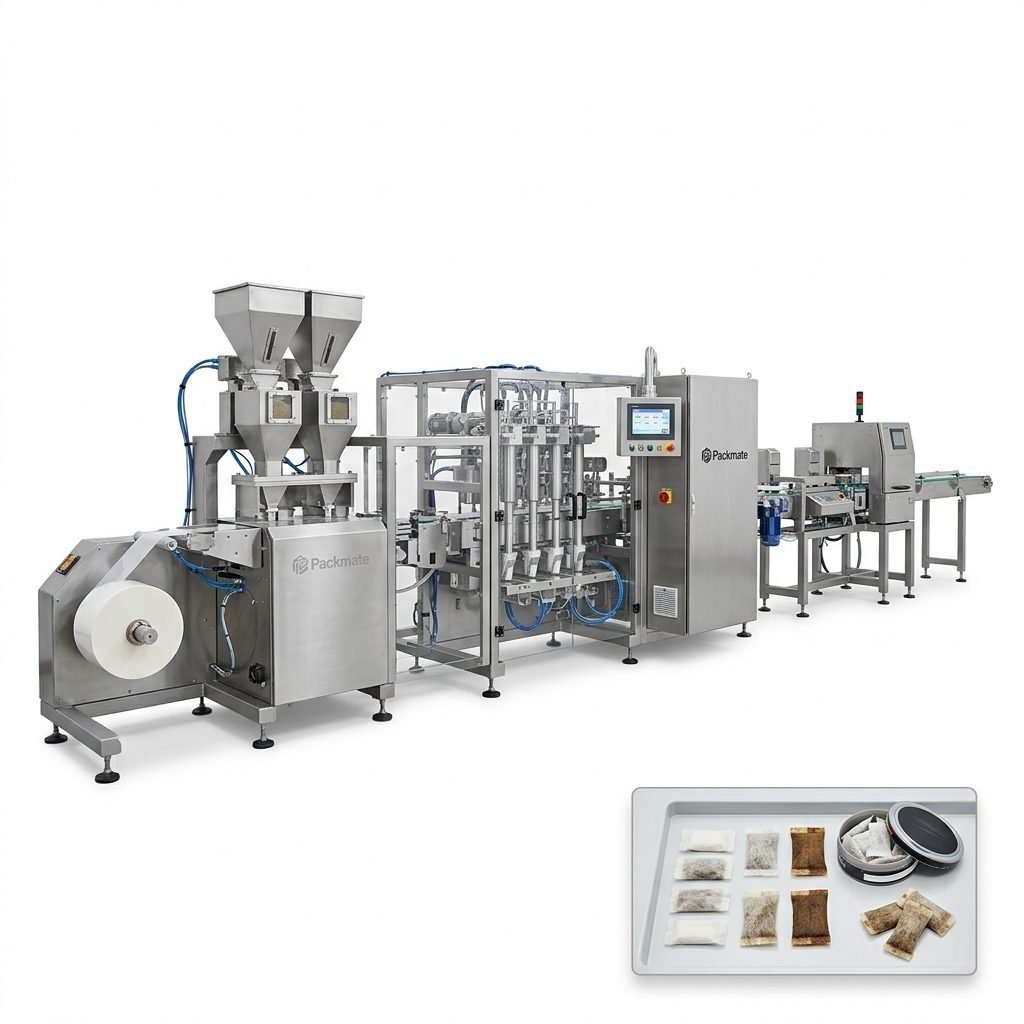
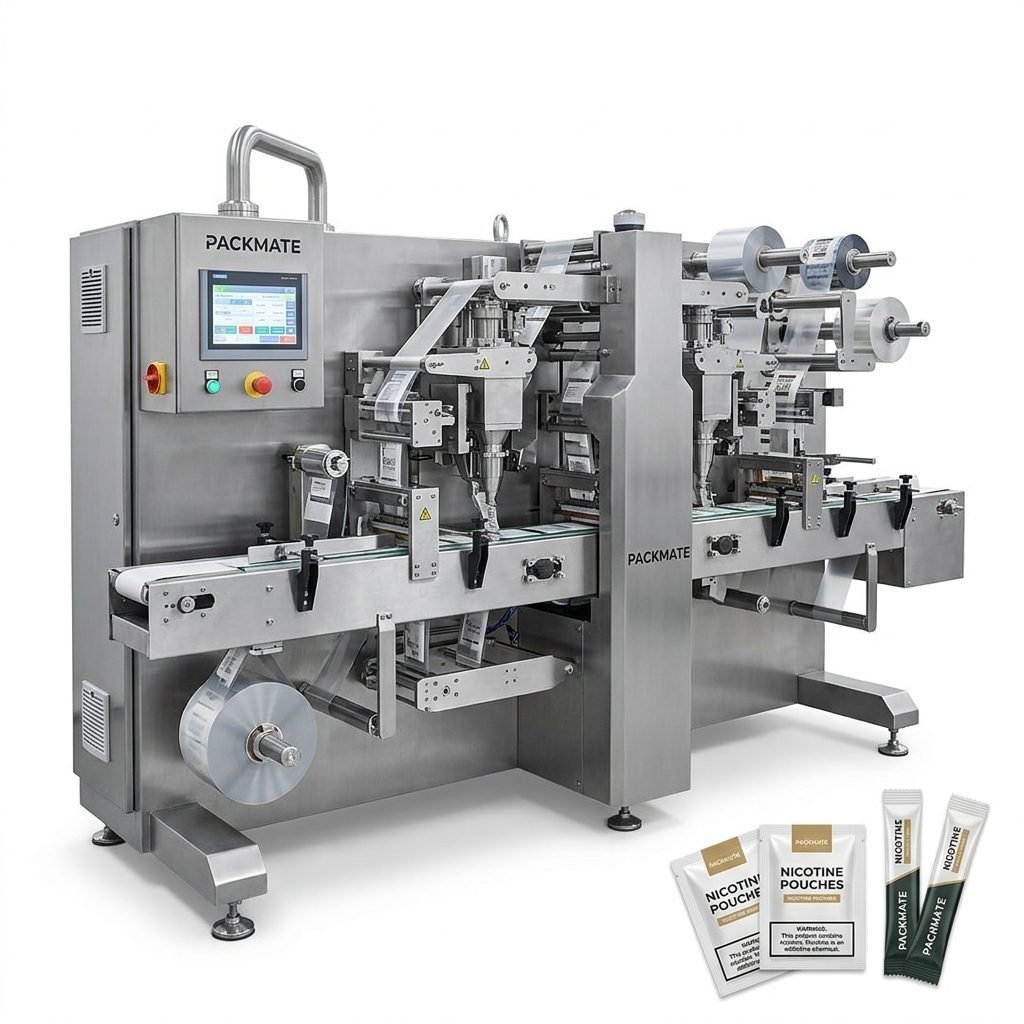
Understand the Types of Nicotine Packaging Machines
Before approaching suppliers, clarify which machine types align with your product and throughput goals:
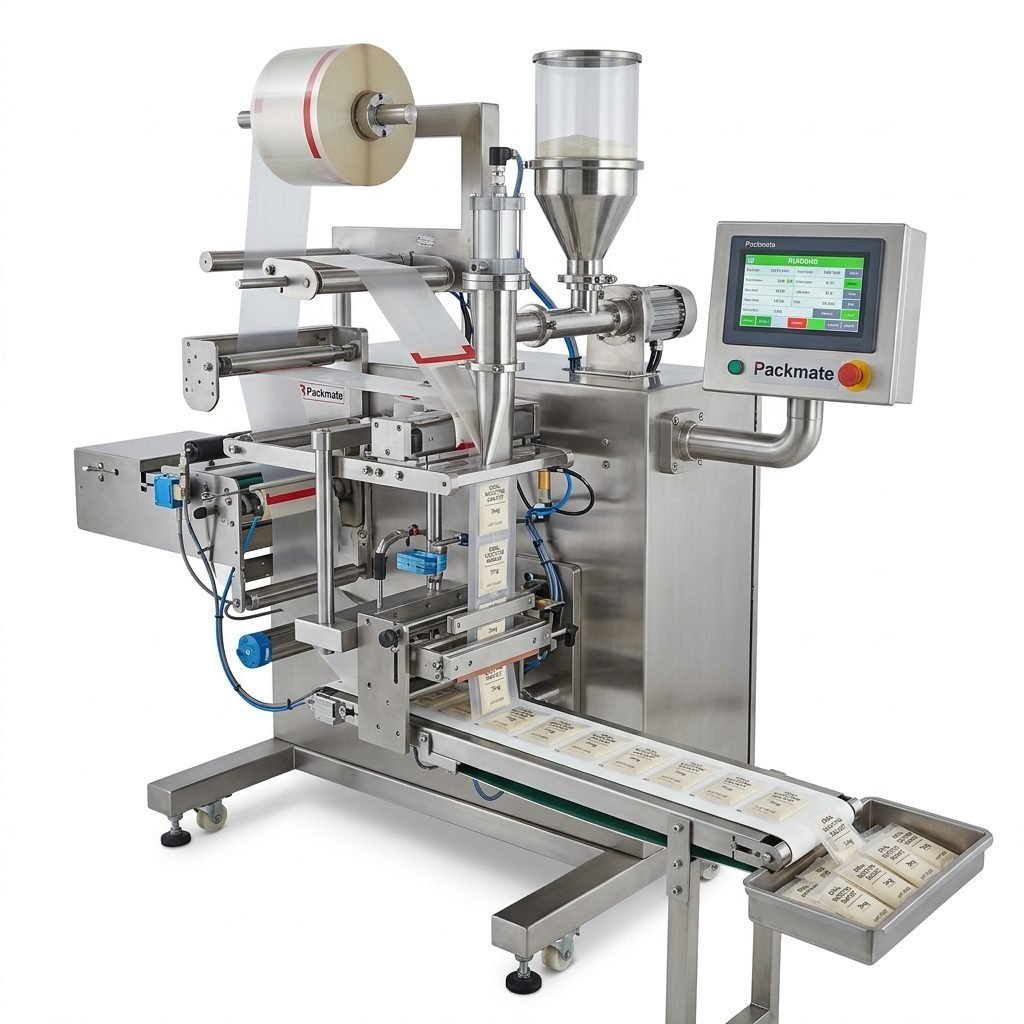
• Stick pack machines for single-dose formats.
• Sachet and pillow packs for flexible shapes and branding options.
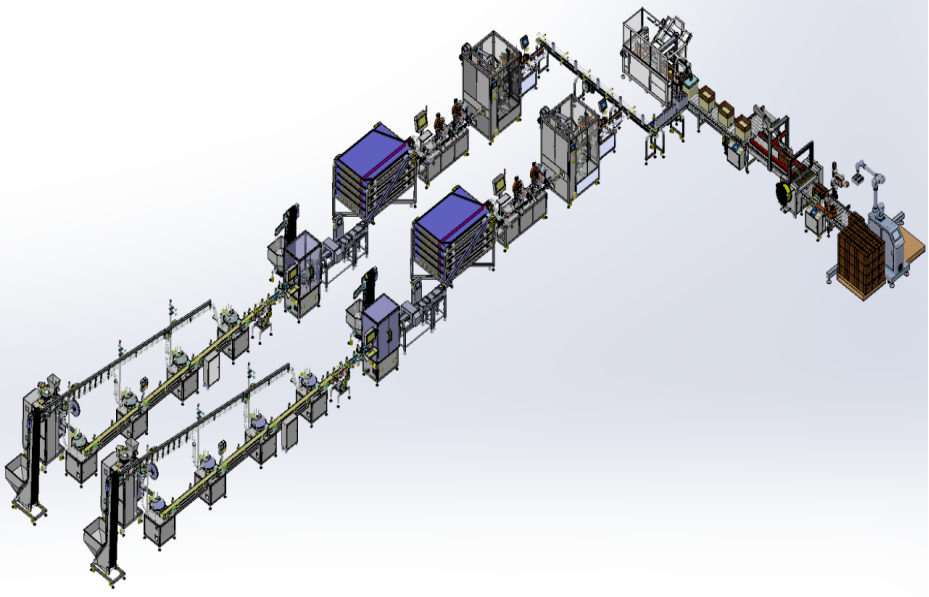
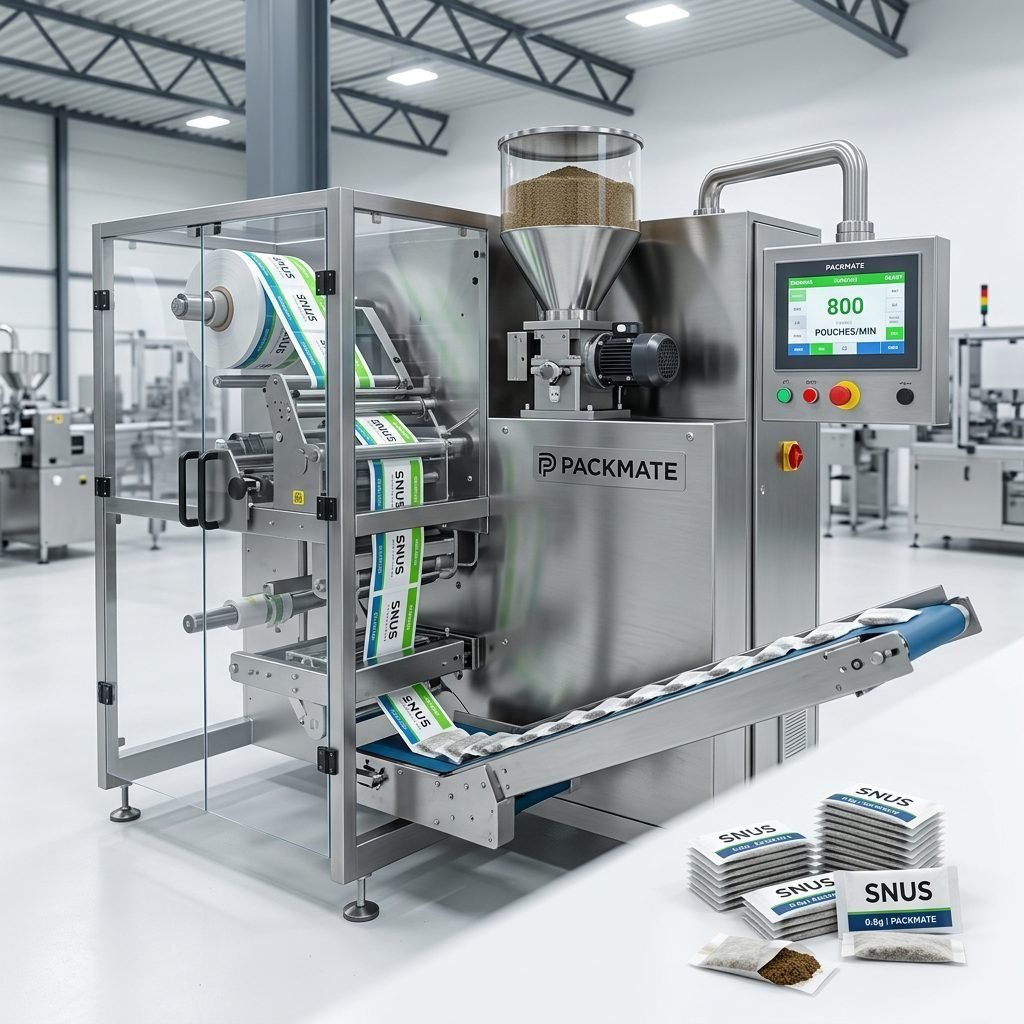
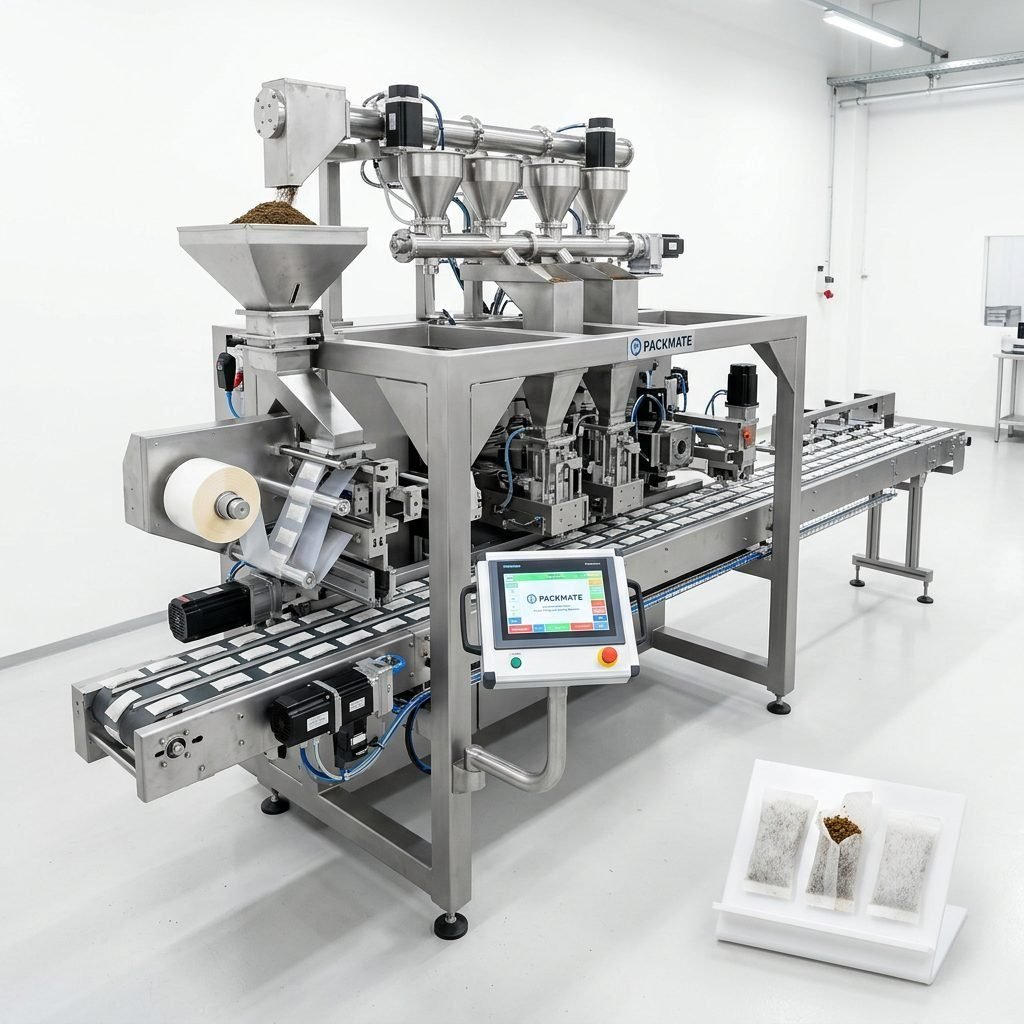
• Multi-lane snus / nicotine pouch systems for high-volume, small-dose production.
• Integrated filling & weighing lines for powder, granules, or moist pouch content.
📌 Tip: If you need examples and detailed machine categories, review a specialized product page such as
Snus & Nicotine Packaging Machines.
Key Technical Features to Evaluate
When comparing suppliers, focus on measurable specs that affect performance and ROI:
• Production speed and lanes (pouches/minute and multi-lane capability).
• Accuracy of dosing and weight control (critical for nicotine content consistency).
• Changeover time between formats and ease of maintenance.
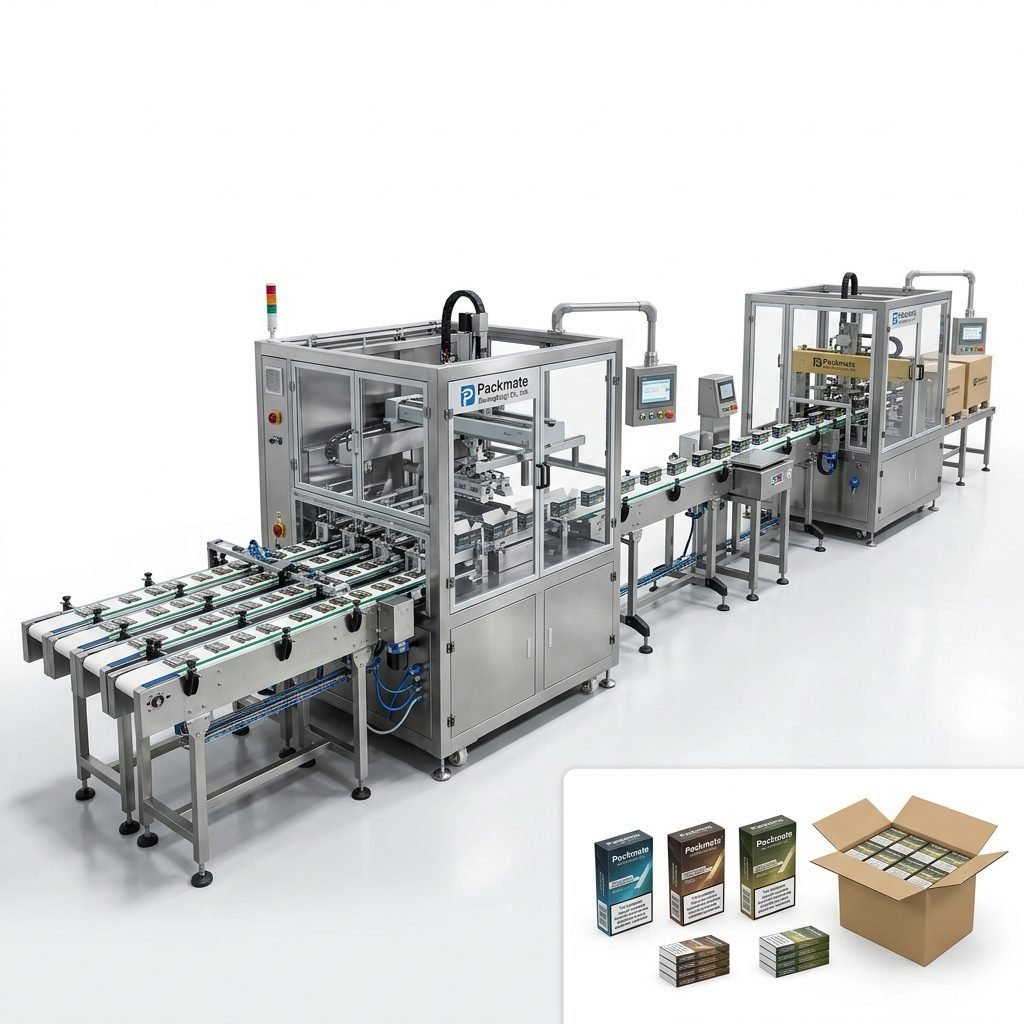
• Compatibility with your packaging material and secondary packaging lines.
• Control systems: PLC, HMI language options (English/French), and remote diagnostics.
Certifications and Quality Standards
✅ Look for CE and ISO compliance as a baseline for safety and quality. Suppliers that provide documentation for international standards make regulatory review easier and show a commitment to consistent manufacturing standards.
How to Vet a Supplier: A Step-by-Step Checklist
Follow this practical sequence to compare vendors fairly.
1) Company background and manufacturing strength
🔎 Confirm years of experience, factory size, and product range. For example, a manufacturer with 30+ years and a 20,000㎡ facility typically offers deeper engineering knowledge, larger R&D capabilities, and the capacity to produce multiple machine models. You can often learn more from the supplier’s About page such as
About Packmate.
2) Factory visit or virtual tour
🔍 Inspect machining centers, assembly lines, and quality testing processes. If an on-site visit is not feasible, request a live virtual walkthrough and ask to see test runs on machines similar to your order.
3) References and case studies
📣 Ask for client references in markets similar to Canada. Review case studies to verify claims about uptime, accuracy, and service response times. Example reference materials can be found under a supplier’s case pages:
Case.
4) Certifications and compliance documents
📄 Request certificates (CE, ISO) and evidence that machines can be configured to meet Canadian regulatory labeling and electrical requirements.
5) After-sales support and spare parts
🛠️ Confirm warranty terms, spare parts availability, and whether the supplier maintains North American service partners or offers fast international shipping for critical components.
⚡ Quick evaluation metric: Ask for MTBF (Mean Time Between Failures) and average lead time for spare parts. Reliable suppliers report these metrics openly.
Negotiation, Contracts & Service Level Agreements (SLAs)
A solid contract protects both parties. Key contract elements include delivery schedule, installation responsibilities, acceptance testing criteria, performance guarantees, spare parts list, training, and agreed response times for service calls. If a supplier offers turnkey lines, ensure the scope includes mechanical, electrical, and software integration.
Include acceptance tests
✔️ Define acceptance tests that validate throughput, dosing accuracy, packaging integrity, and HMI language settings. Only sign off when tests meet pre-agreed thresholds.
Canadian Market Specifics: Customs, Language & Cultural Etiquette
Canada brings several practical considerations:
• Bilingual labels: Many provinces expect English and French labeling—confirm your packaging and machine printing capabilities support this.
• Import documentation: Ensure the supplier provides detailed packing lists, certificates of origin, and compliance documentation for Canadian Customs.
• Business etiquette: Canadians value punctuality, clear communication, and formal proposals. Use polite, timely follow-ups and be prepared for a structured negotiation process.
• Regulatory oversight: While this guide does not replace legal advice, keep Health Canada and provincial regulations in mind when discussing machine features that affect labeling, traceability, and nicotine dosing accuracy.
Why Consider Packmate (An Example Supplier Profile)
Packmate Snus Machine is presented here as an illustrative example of a supplier with global reach—use this model to frame your vetting questions:
• 30+ years of engineering history and evolution from workshop R&D to a 20,000㎡ manufacturing base. • 50+ machine models including multi-lane snus systems and turnkey packaging lines. • CE and ISO certifications that ease international compliance checks.
If you’d like to explore product ranges or contact their team for specifics, review their product and contact resources such as:
Snus & Nicotine Packaging Machines and
Contact Us.
What to request from a supplier like Packmate
🔧 Factory acceptance test videos, spare parts catalogue, electrical schematics compatible with Canadian standards, and references from North American customers.
Installation, Training & Commissioning
Ensure the supplier includes on-site or remote commissioning support, operator training, and detailed SOPs (Standard Operating Procedures) that cover maintenance intervals, part replacement, and troubleshooting workflows. Training materials should be available in English, and French translations are a plus.
🧭 Pro tip: Document a 90-day performance monitoring period post-installation to catch early wear patterns and optimize spare parts stocking.
Total Cost of Ownership (TCO) Considerations
The lowest purchase price rarely equals the lowest TCO. Include these elements in your calculation:
• Initial price and shipping to Canada.
• Installation and qualification costs.
• Spare parts and consumables consumption rates.
• Expected uptime and service response SLAs.
Financing and leasing options
Some suppliers or local distributors offer leasing or financing to spread capital costs. Evaluate the impact of financing on cashflow vs. long-term interest costs.
Final Decision Matrix: How to Score Suppliers
Create a weighted scoring matrix listing:
• Technical fit (30%) • Quality & certifications (20%) • After-sales & spare parts (20%) • Price & TCO (20%) • Local compliance & documentation (10%).
Assign scores 1–5 and compare totals. Prioritize suppliers with consistent documentation and demonstrated North American references.
Next Steps and Where to Find More Information
Once you have shortlisted suppliers, request formal proposals with detailed BOMs, factory acceptance test plans, warranty language, and a timeline for delivery and installation. For a deeper dive into product lines and auxiliary equipment, review product categories such as:
Bag & Pouch Packaging Machines and
Weighing & Packaging Systems.
Summary: Key Takeaways
• Prioritize suppliers with proven multi-lane snus experience, certifications, and demonstrable references. • Insist on acceptance tests, spare parts plans, and clear SLAs. • Factor linguistic, customs, and regulatory needs specific to Canada into machine specs and documentation. • Evaluate TCO, not just purchase price.
Frequently Asked Questions
Q1: How long does it take to receive and commission a custom snus packaging line in Canada?
A1: Timelines vary by complexity. Typical lead times range from 12–24 weeks for custom multi-lane systems, plus 2–4 weeks for shipping and customs clearance. Confirm timelines in the contract.
Q2: What documentation should I request for Canadian import and regulatory review?
A2: Request commercial invoices, packing lists, certificates of origin, CE/ISO certificates, electrical compliance documents, machine drawings, and software/HMI language support statements.
Q3: How can I ensure the supplier supports bilingual (English/French) labeling and HMI?
A3: Include HMI language options and printer/labeler capabilities in your technical specification. Ask for HMI screenshots and a demonstration during factory acceptance testing.
Q4: What warranty and spare parts strategies are recommended?
A4: Aim for at least a 12-month warranty on new equipment, clear spare parts lists with lead times, and optional spare parts kits for fast-moving wear items. Negotiate response time commitments for service calls.
Q5: How do I validate dosing accuracy and pouch integrity before acceptance?
A5: Define acceptance criteria for weight variance (e.g., ±X mg), leakage rate, seal strength, and cycle speed. Require test runs using your product or equivalent simulants during factory acceptance tests.
For more detailed product specs and to contact a supplier with extensive snus and nicotine packaging experience, consider reviewing supplier resources and initiating a formal enquiry through their contact portal.