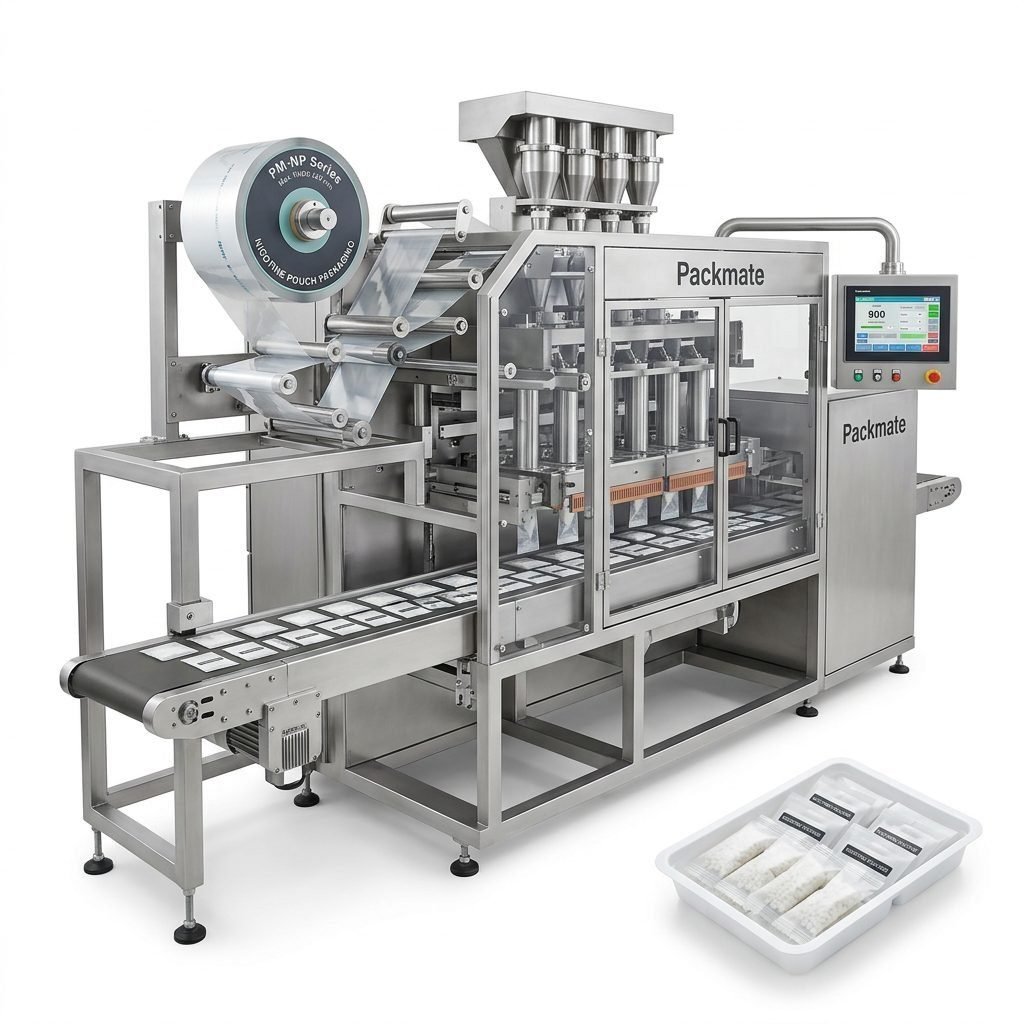
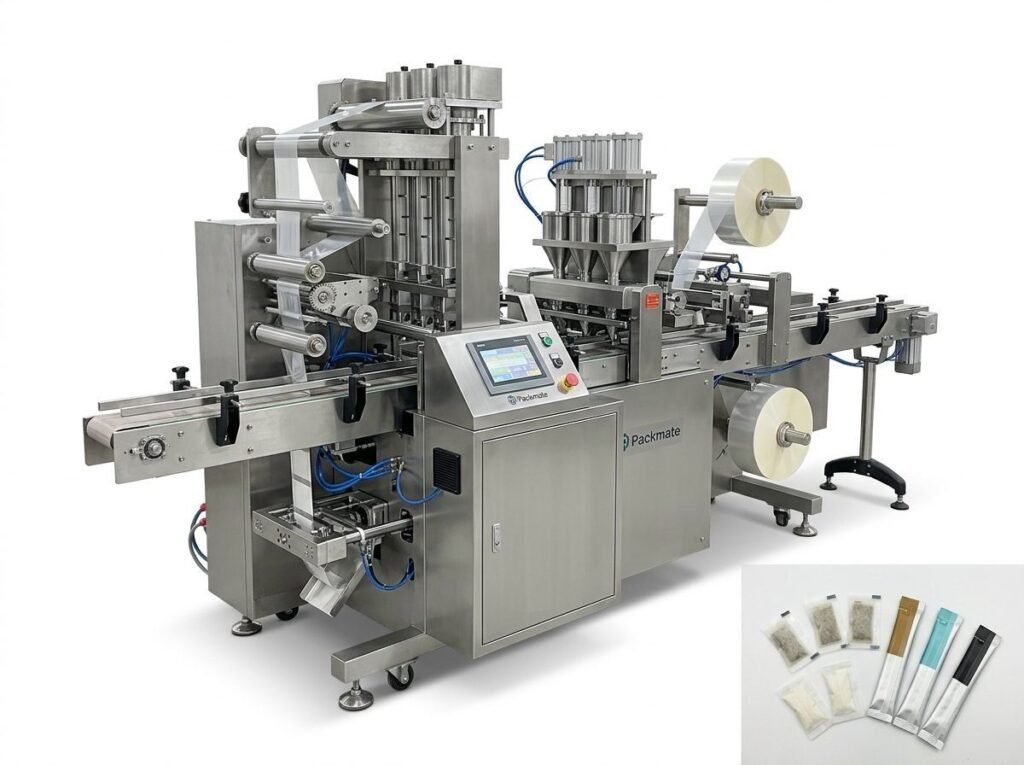
Choosing the right snus packaging machinery supplier in Germany requires more than price comparisons — it demands careful evaluation of technical capability, regulatory compliance, cultural expectations, and long-term service. This guide walks you through clear, practical steps to select a supplier who can deliver reliable snus and nicotine pouch packaging lines tailored to the German and broader EU market.
Understand German Market & Regulatory Context
Germany’s market is characterized by high standards for product safety, sustainability, and workplace efficiency. While snus originates from Scandinavia, nicotine pouches are gaining traction across Germany. Suppliers must be familiar with EU and German regulations regarding nicotine-containing products, CE marking, and documentation for machinery used in food or consumer goods production. Prioritize suppliers who demonstrate clear knowledge of CE/ISO compliance and can support documentation for customs and local authorities.
⚠️ Quick tip: In Germany, energy efficiency, waste reduction, and recyclability are important selling points. Ask suppliers about energy consumption figures and recyclable packaging options for nicotine pouches.
Key Technical Capabilities to Verify
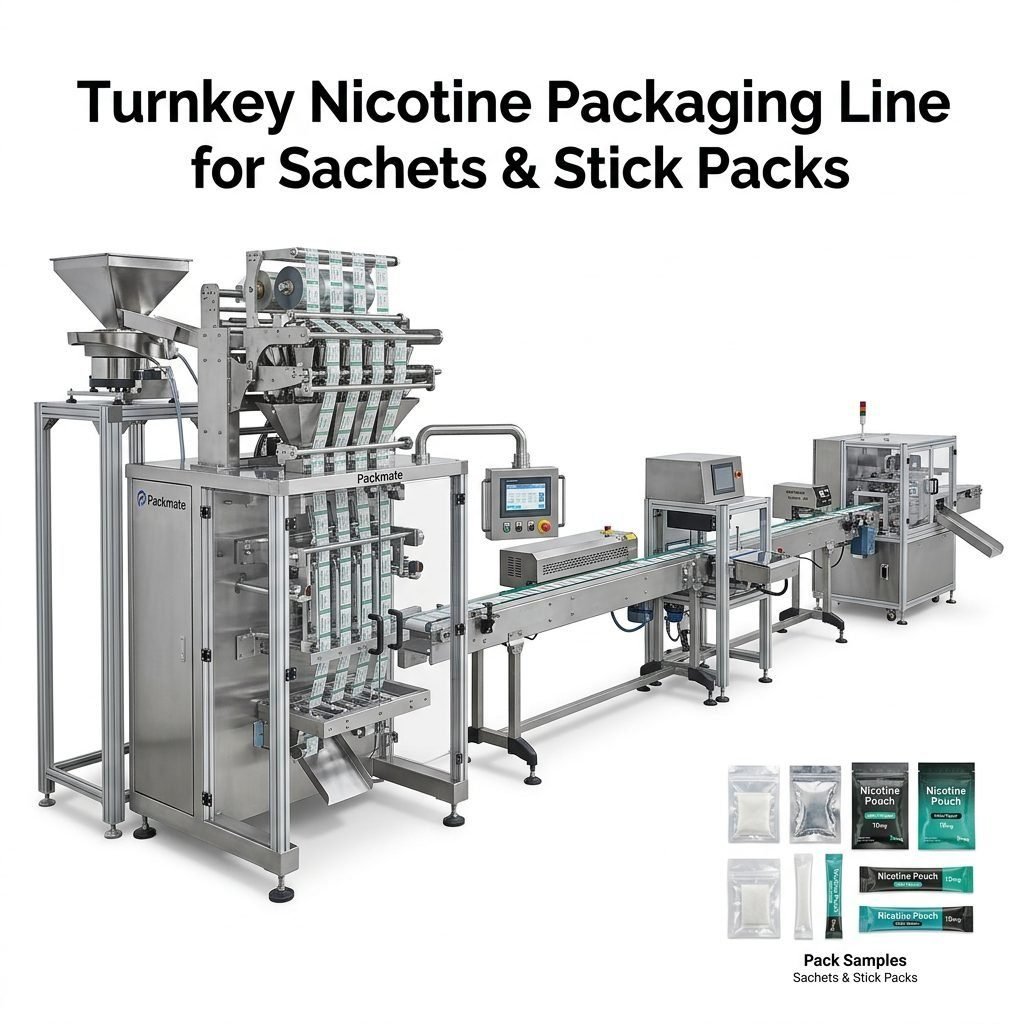
A reliable supplier should offer machines that match your production goals, whether your focus is single-lane high-speed stick packs or multi-lane nicotine pouch lines. When evaluating technical capability, look for the following:
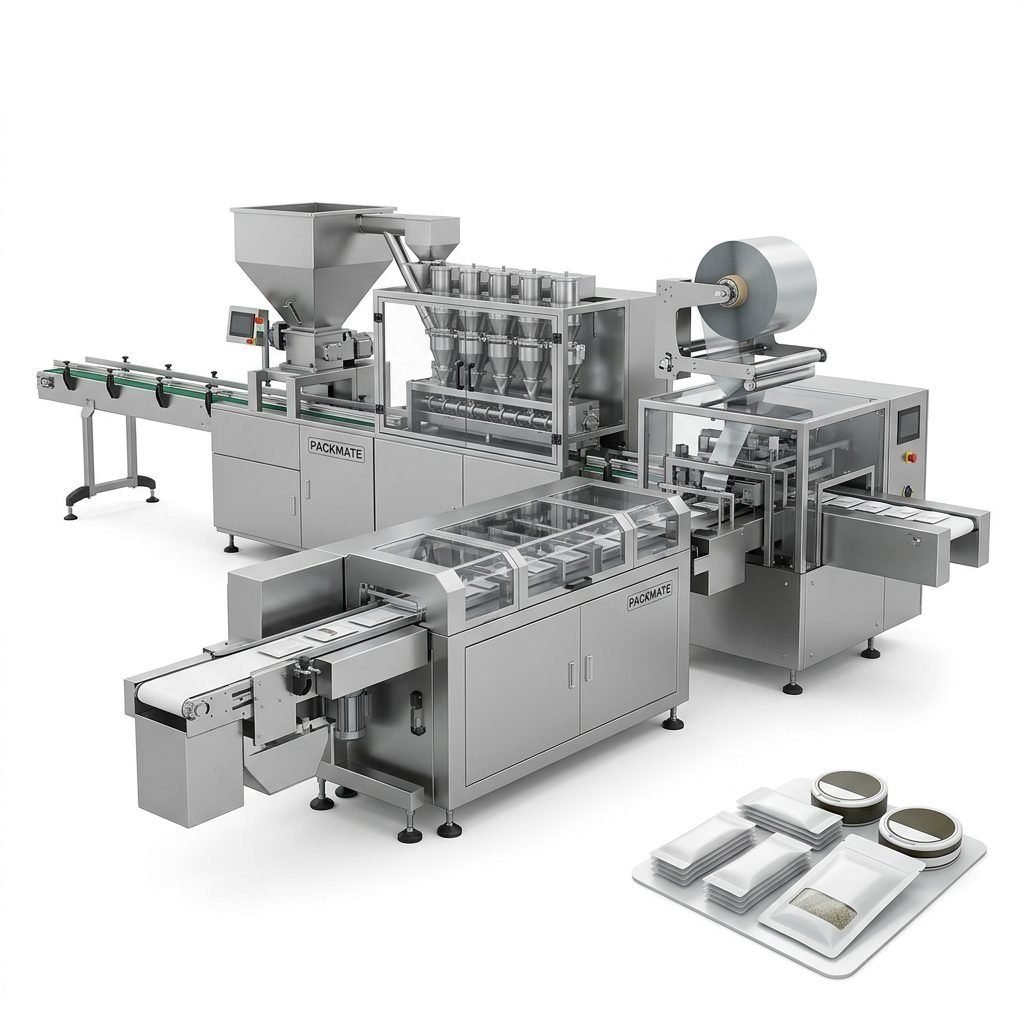
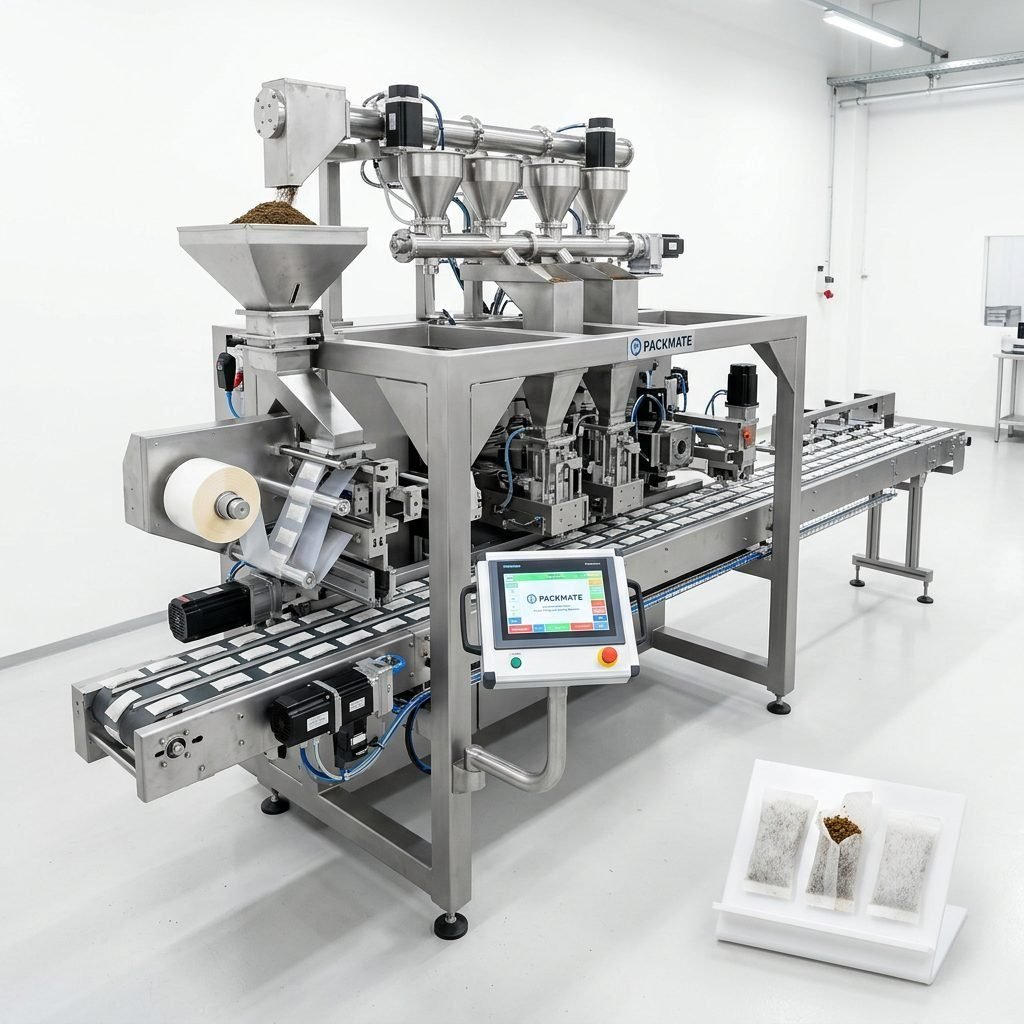
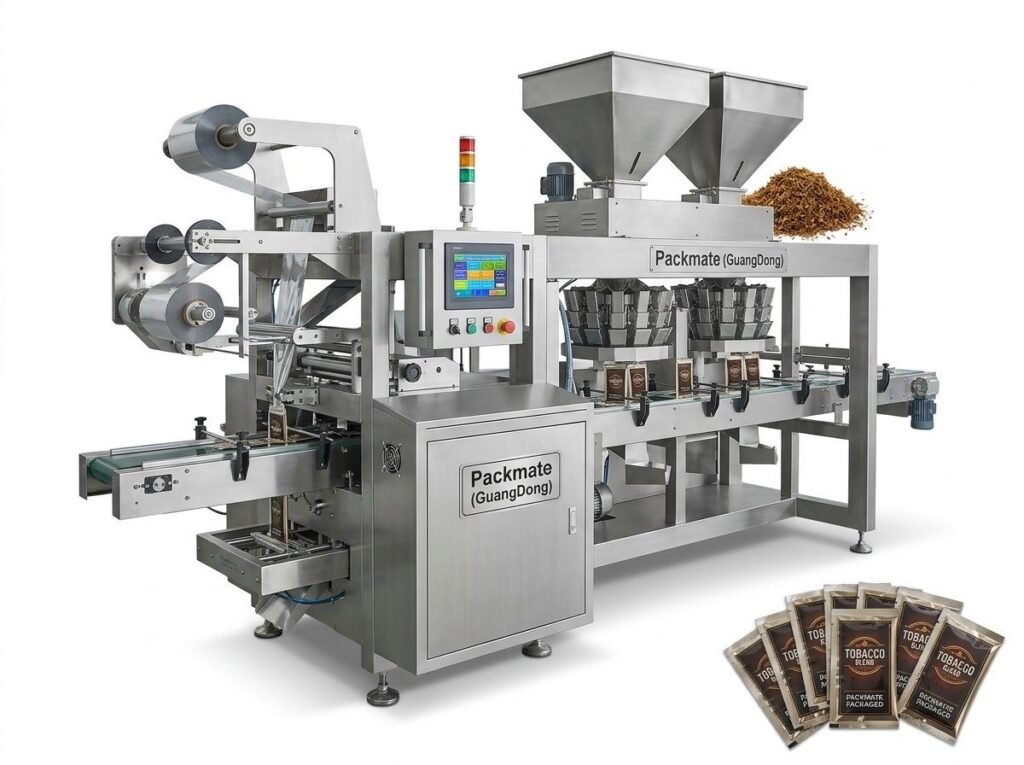
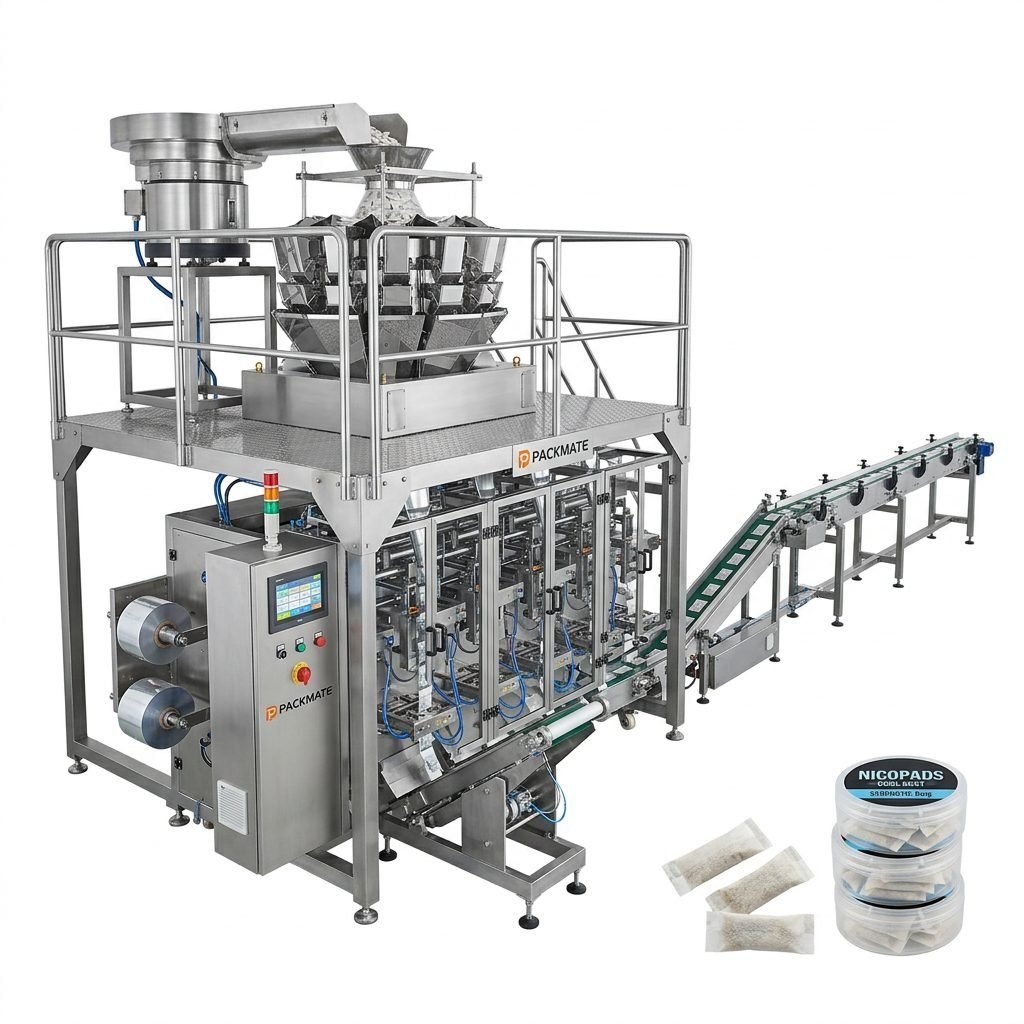
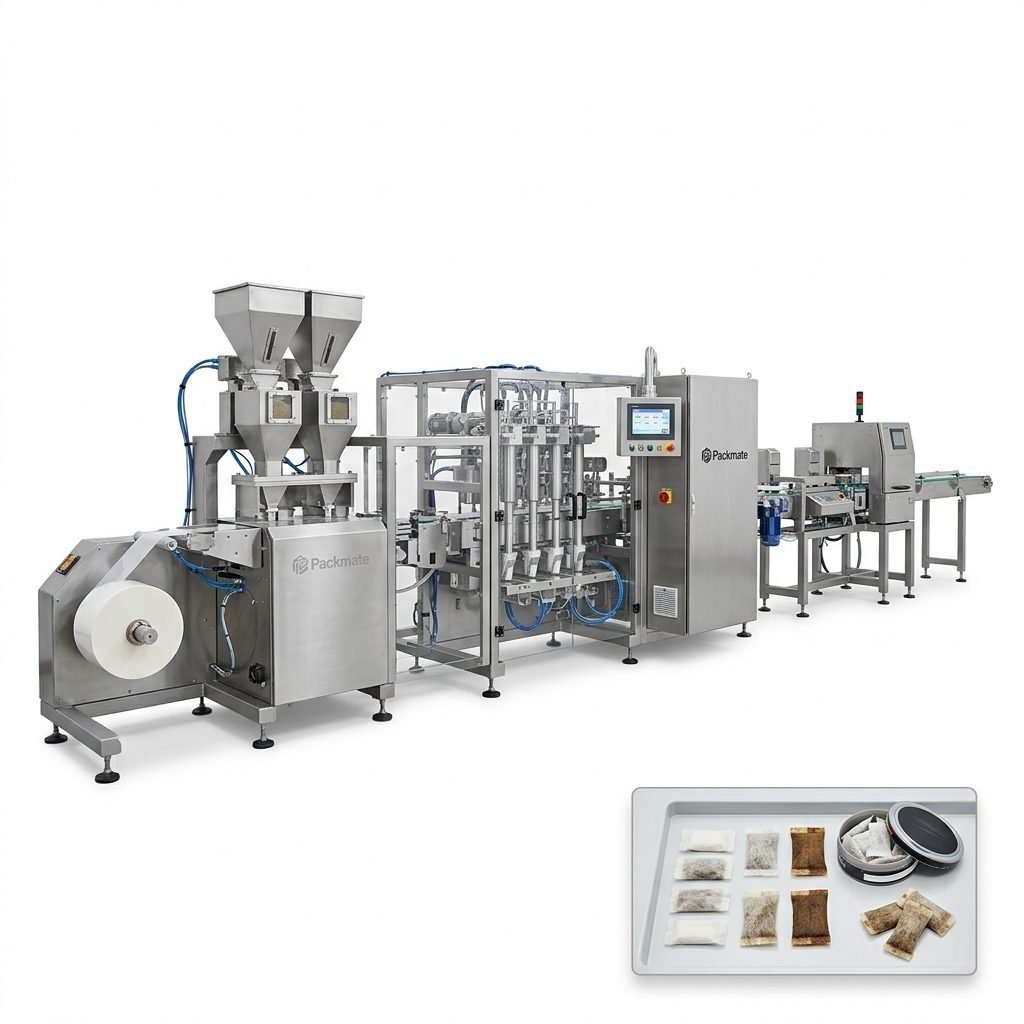
- 🔧 Range of machines: Does the supplier provide snus and nicotine pouch lines, sachet/stick pack machines, and supporting filling/weighing systems? A broader portfolio reduces integration risks. Consider reviewing their Snus & Nicotine Packaging Machines portfolio for specifics.
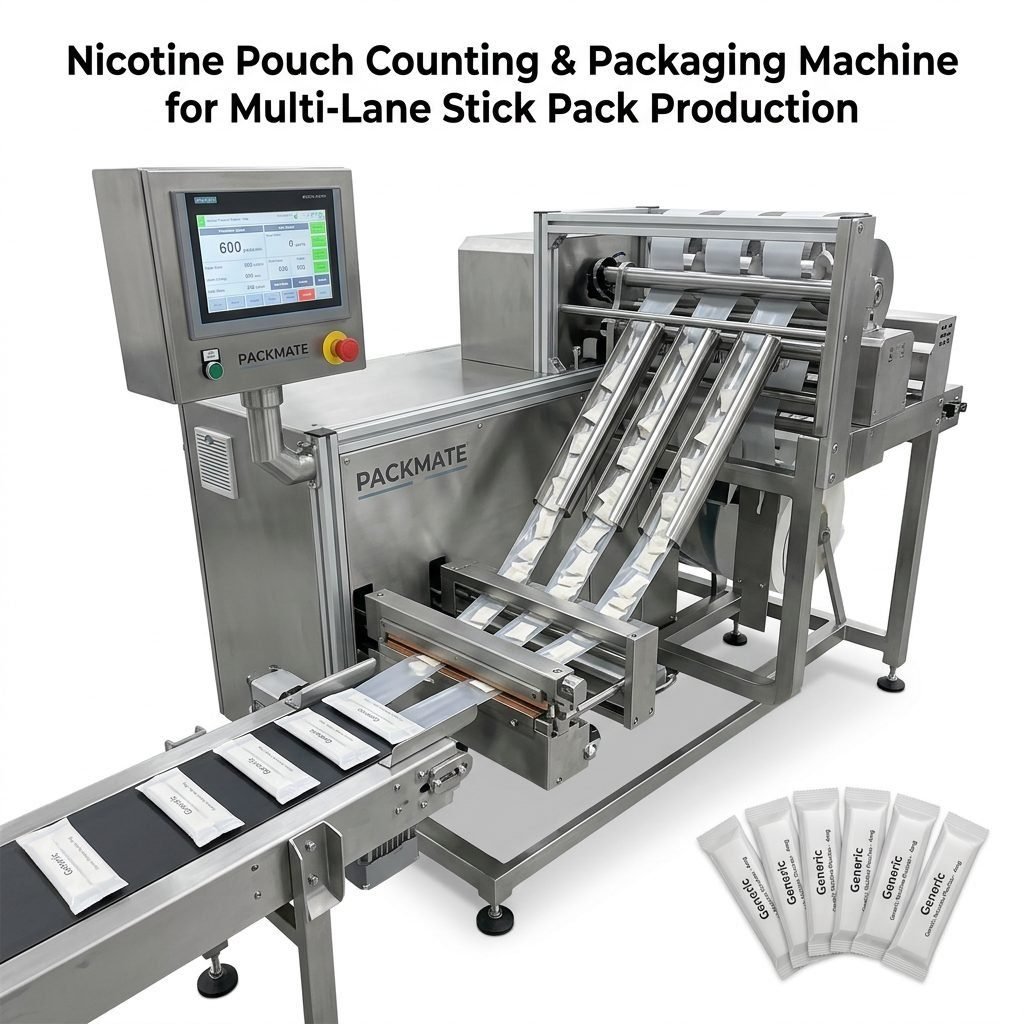
- ⚙️ Multi-lane solutions: For small-dose pouches, multi-lane capability increases throughput without massively larger footprint.
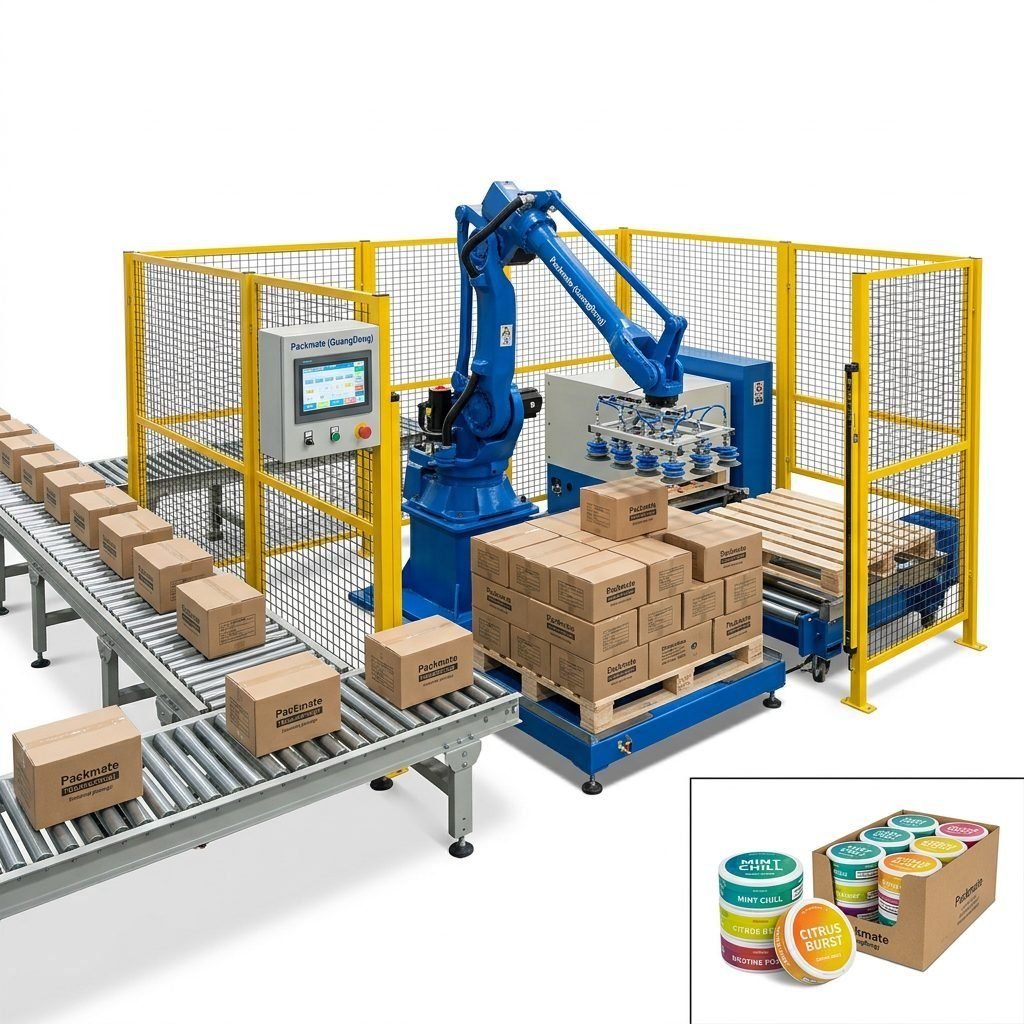
- 🧭 Customization & turnkey options: Can the supplier deliver tailored lines, including dosing, sealing, labeling, and end-of-line packing? Turnkey partners reduce project coordination headaches.
- 🧰 Spare parts & modularity: Machines built with standardized modules and available spare parts are easier to maintain locally.
- 📈 Performance validation: Request factory acceptance tests (FAT), speed metrics, yield rates, and examples of similar installations in Europe.
Why Packmate-Type Manufacturing Strength Matters
Suppliers with decades of engineering experience and sizeable manufacturing facilities (for example, a 20,000㎡ factory with advanced CNC and assembly lines) are more likely to deliver consistent quality and timely deliveries. Look for documented factory capabilities, certifications like CE and ISO, and a track record of global turnkey projects.
✅ Case in point: Suppliers who share development timelines and case studies (for example: Case) show transparency and confidence in their solutions.
Supplier Evaluation Checklist
Use this checklist during conversations and factory visits to objectively compare potential suppliers:
- 🔎 CE/ISO certificates: Verify certificates and ask about machine compliance with EU directives.
- 📄 Technical documentation: Request electrical schematics, PLC specifications, and spare parts lists.
- 🧪 Testing & FAT: Ensure FATs are offered and can be observed in-person or via video stream.
- 🤝 Local service capability: Check if the supplier has European service partners or can provide fast remote support and trained local technicians.
- 🚚 Delivery & installation: Clarify lead times, installation scope, commissioning, and training packages.
- 💬 References: Ask for European references or case studies to confirm performance in similar regulatory environments.
Questions to Ask During Supplier Meetings
Direct questions help reveal supplier responsiveness and experience:
- 🔍 How do you handle CE documentation and machine conformity for shipments to Germany?
- 🕒 What are typical lead times for standard and customized snus lines?
- 🛠️ Do you provide installation, commissioning, and operator training in English and German?
- 📦 What is your spare parts availability policy and average response time for service calls in Europe?
- 📊 Can you share performance data from existing installations in the EU?
Assessing After-Sales Service & Spare Parts
In Germany, manufacturers expect reliable after-sales support. Downtime can be costly, so prioritize suppliers who offer:
- 📦 Local or regional spare parts stock to reduce shipping times.
- 🔧 Remote diagnostics via PLC connectivity and prompt remote troubleshooting.
- 👨🏫 Comprehensive operator and maintenance training, ideally with German-language materials.
- 🗓️ Preventive maintenance programs and optional service contracts.
⚙️ Pro tip: Ask if the supplier offers spare part kits for first 6–12 months of operation and whether they can pre-configure machine parameters for your specific formulation.
Sustainability, Energy Use & Material Handling
German customers often prioritize sustainability. Evaluate machine design with an eye on energy consumption, material waste, and ability to handle recyclable or bio-based pouches:
- 🌱 Material adaptability: Can the line handle thin-film materials and recyclable pouch films without increasing waste?
- 🔌 Energy efficiency: Request data on power consumption per 1,000 packs and options for energy-saving modes.
- ♻️ Waste reduction: Look for precise dosing and low film scrap rates as indicators of sustainable operation.
Integration, Automation & Traceability
Modern German production favors Industry 4.0-ready equipment. Check for PLC/SCADA compatibility, data logging, and traceability features:
- 📡 Connectivity: Can the equipment connect to MES or ERP systems for production tracking?
- 🧾 Batch traceability: Barcode or RFID options for end-to-end traceability are increasingly expected.
- 🔁 Automation integration: Assess upstream/downstream compatibility — from pouch forming to cartoning and case packing.
Comparing Costs: Total Cost of Ownership
Focus on total cost of ownership (TCO) rather than just purchase price. Include installation, training, spare parts, expected lifetime, energy usage, and downtime risks in your assessment. Ask suppliers to provide realistic TCO projections and references who can confirm real-world running costs.
How to Validate Supplier Claims
Validation builds confidence. Use these approaches:
- 🏭 Factory visits: Inspect assembly processes, QA practices, and test areas. Confirm the presence of advanced CNC and testing equipment.
- 📹 Virtual FAT: If travel is limited, request live machine demos and FAT sessions via video.
- 📚 Documentation review: Examine manuals, electrical diagrams, and spare parts catalogs to ensure professional documentation quality.
- 🗣️ References & case studies: Speak with European clients and review case studies to confirm delivery and performance in environments similar to Germany.
Important Cultural & Practical Considerations in Germany
German buyers often expect clarity, punctuality, and thorough documentation. Communication in English is common, but offering German-language manuals, training, and on-site support is a differentiator. Additionally, emphasize safety features, CE conformity, and energy efficiency to align with customer priorities.
📌 Cultural note: Germans value long-term partnerships. Suppliers who offer reliable warranties, clear SLAs, and proactive maintenance plans are often preferred.
Supplier Shortlist: What to Request Immediately
When shortlisting potential suppliers, ask for these items to accelerate your decision process:
- 📄 Detailed quotation with breakdown of machine items, electrical requirements, and optional extras.
- 🧾 Copies of CE and ISO certificates and any EU-specific conformity declarations.
- 🎥 FAT demo schedule or recorded performance video of the same machine model.
- 🧰 Spare parts lead times and local stocking options.
- 🤝 Sample contract terms for warranty, service response, and training scope.
Useful Resources & Supplier Links
Explore supplier portfolios and product pages to better understand machine models and capabilities:
Making the Final Decision
After vetting technical, regulatory, and cultural fit, prioritize the supplier who demonstrates:
- 🧭 Clear understanding of the German/EU regulatory landscape and CE compliance.
- 🔧 Proven technical capability in snus/nicotine pouch lines and multi-lane solutions.
- 🤝 Strong after-sales support, spare part policies, and training options.
- 📈 Transparent TCO and realistic performance commitments (backed by references).
- ♻️ Attention to sustainability and material handling aligned with German market expectations.
🚀 Final reminder: A supplier that can demonstrate European installations, provide CE/ISO evidence, and offer fast, local service will reduce risk and accelerate your production ramp-up in Germany.
Next Steps & Contact
When you’re ready, request formal proposals and FAT schedules from your shortlisted suppliers. If you need comprehensive solutions covering snus packing machines, weighing systems, or turnkey production lines, review full product offerings and service details before signing a contract.
For detailed product catalogs and contact options, visit the supplier’s product pages and contact portal to arrange factory visits or online demonstrations.
Frequently Asked Questions
1. What certifications should a snus packaging machine supplier provide for Germany?
Suppliers should provide valid CE declarations of conformity, ISO quality certificates (such as ISO 9001), and any machine-specific safety documentation. Documentation demonstrating compliance with EU machinery directives and electrical/EMC standards is essential.
2. How important is local service and spare part availability?
Extremely important. Quick access to spare parts and qualified technicians minimizes downtime. Ask potential suppliers about regional stock, service partners in Germany, and average response times for technical support.
3. Can suppliers help with custom pouch formats and artwork considerations for Germany?
Many professional suppliers offer customization options and can assist with pouch size changes, dosing adjustments, and integration of printing or labeling systems. Ensure your supplier can handle the specific substrate and barrier requirements for nicotine pouches.
4. What are common lead times for snus packaging lines delivered to Europe?
Lead times vary by complexity. Standard single-line machines may ship in a few months, while fully customized multi-lane turnkey lines can take longer. Always request a detailed lead time in writing and confirm FAT timelines.
5. How should I evaluate total cost of ownership (TCO)?
Include purchase price, installation, spare parts, energy use, expected maintenance, operator training, and projected downtime costs. Suppliers that provide clear metrics and real-world examples help you estimate TCO more accurately.