Choosing the right snus packaging machinery in Equatorial Guinea requires more than comparing prices and capacities. Local market habits, language preferences, power and logistics constraints, and regulatory nuances all shape what equipment will deliver reliable production and long-term value. This practical buyer’s guide walks you through the technical, operational, and commercial considerations to help you select a snus or nicotine pouch packing line that matches your business goals in Equatorial Guinea. 🔎
🔧 Understand the main machine types and what they do
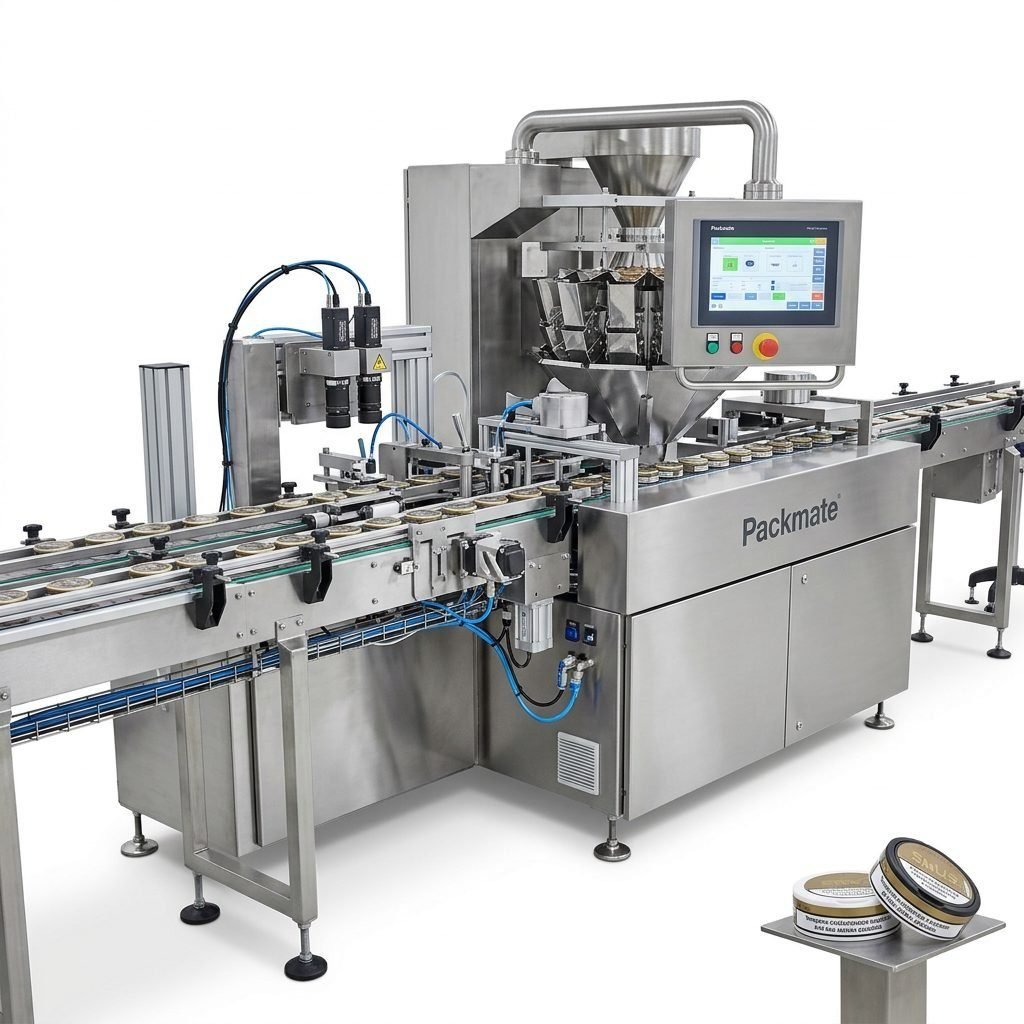
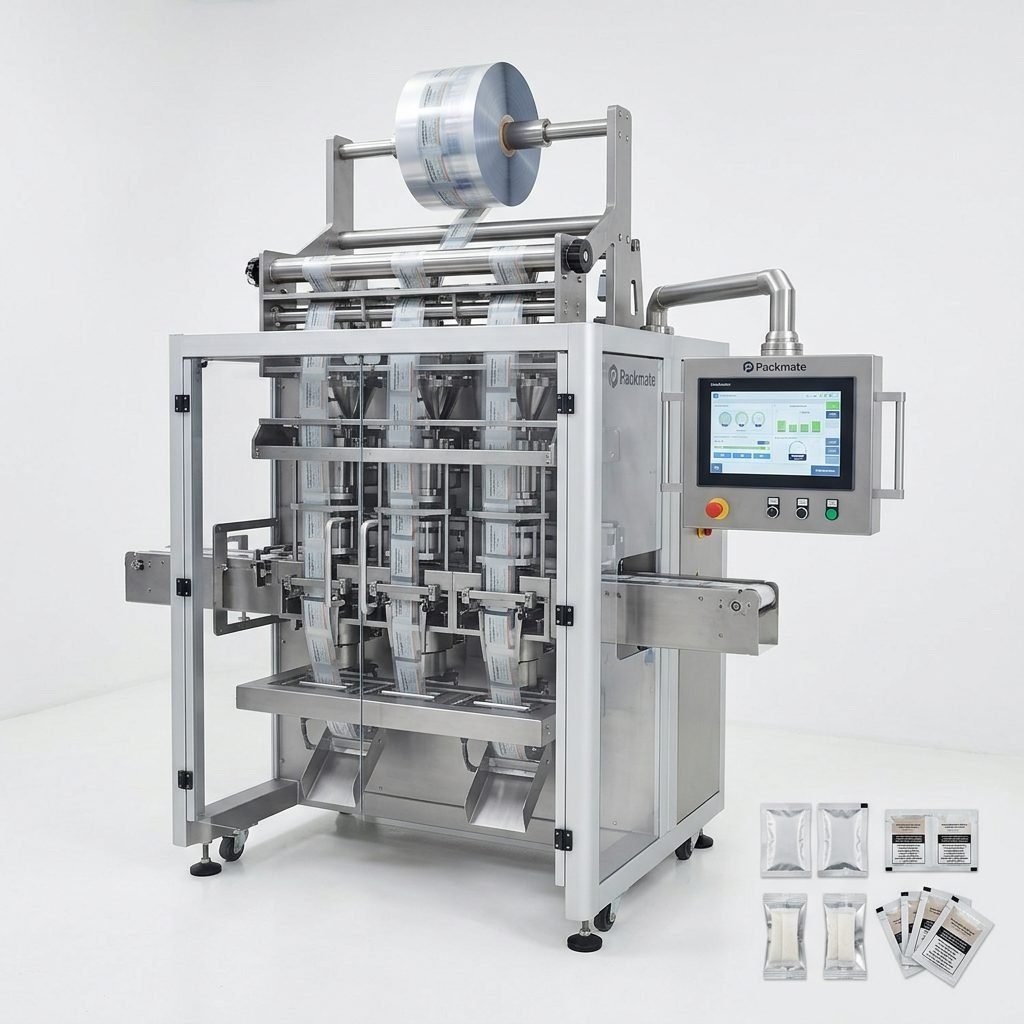
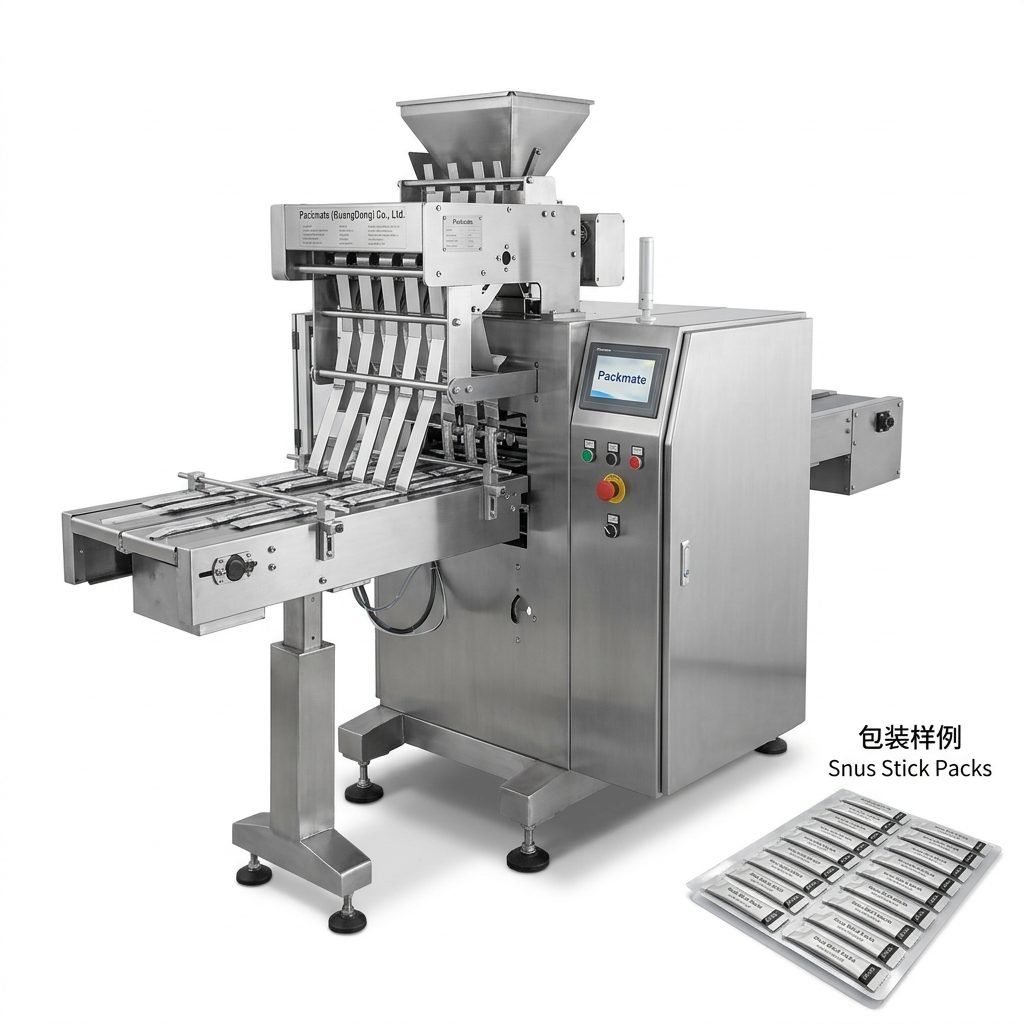
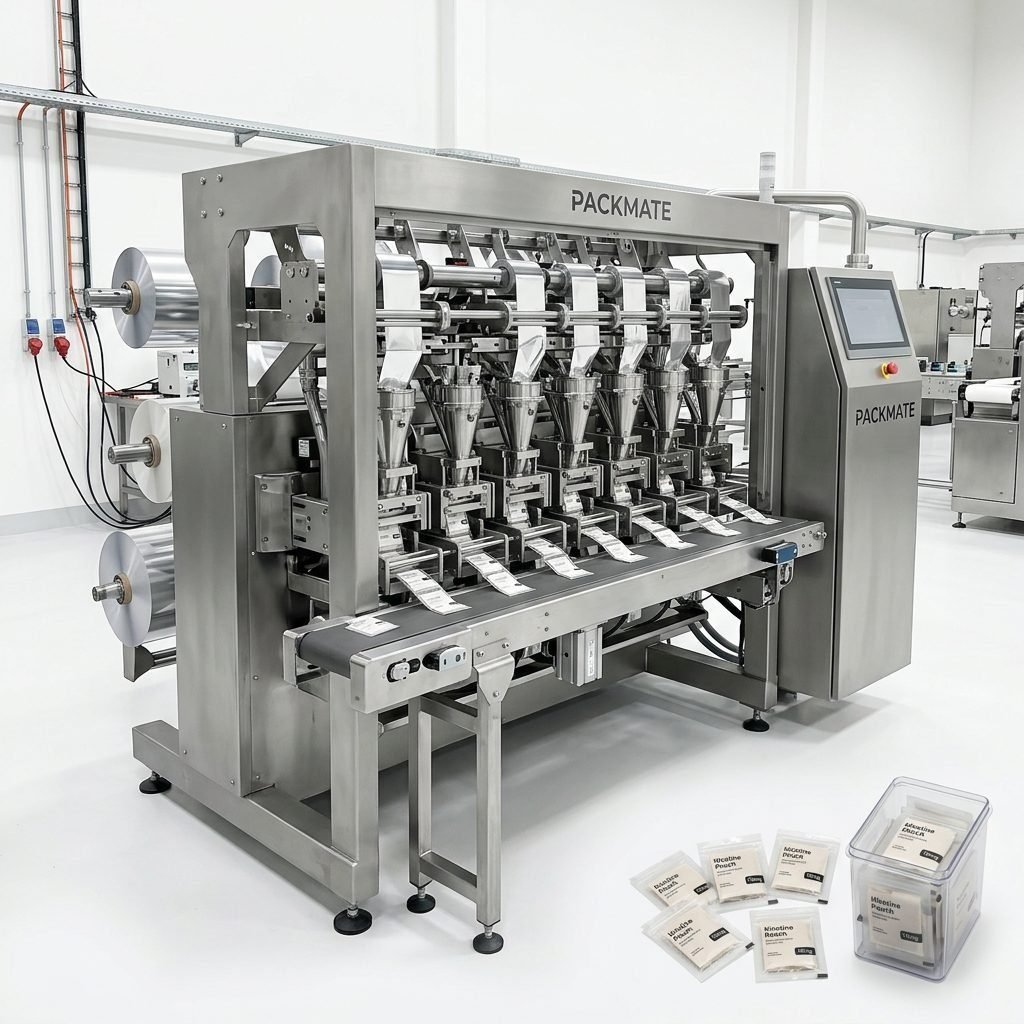
The first step is matching your product format to the right machine family. Common snus packaging machinery options include:
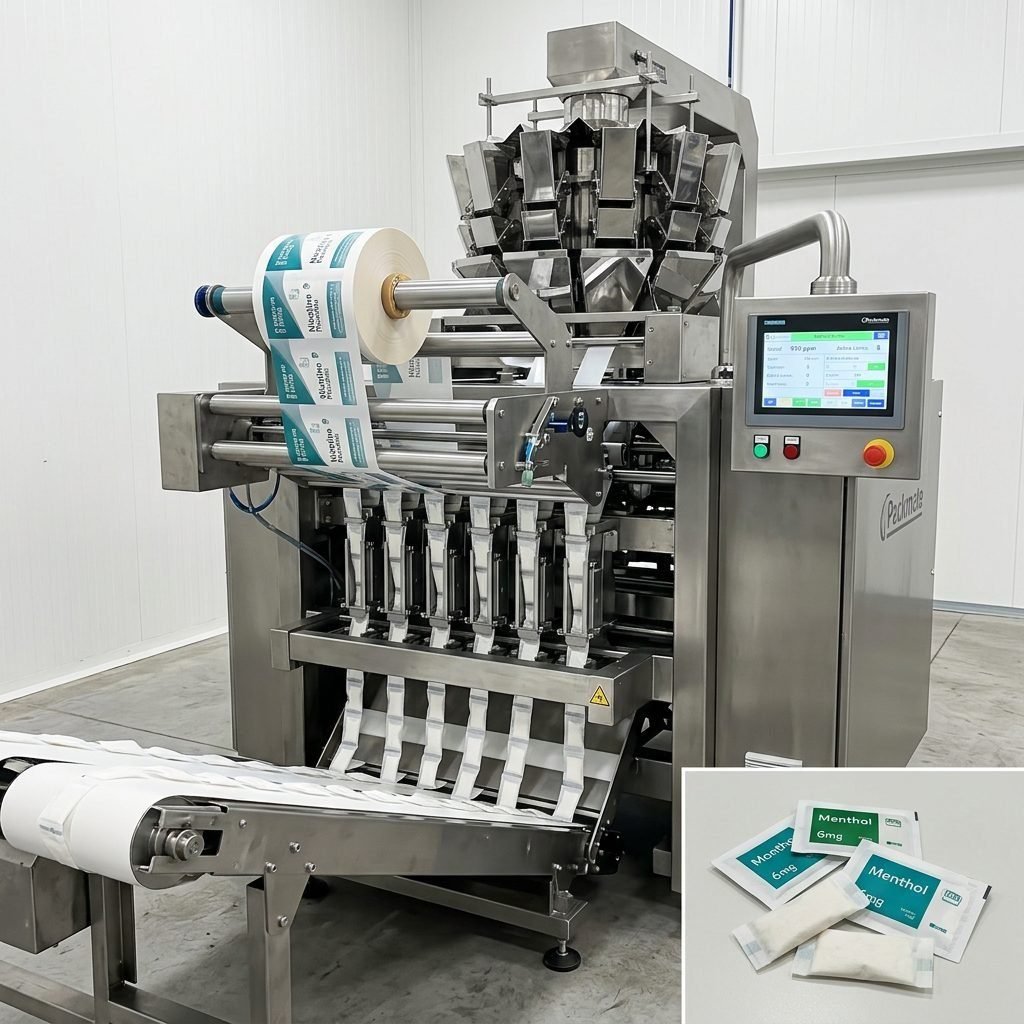
Stick pack machines — ideal for single-portion nicotine pouches when you want long, narrow sachets that are easy for consumers to carry. ⚙️
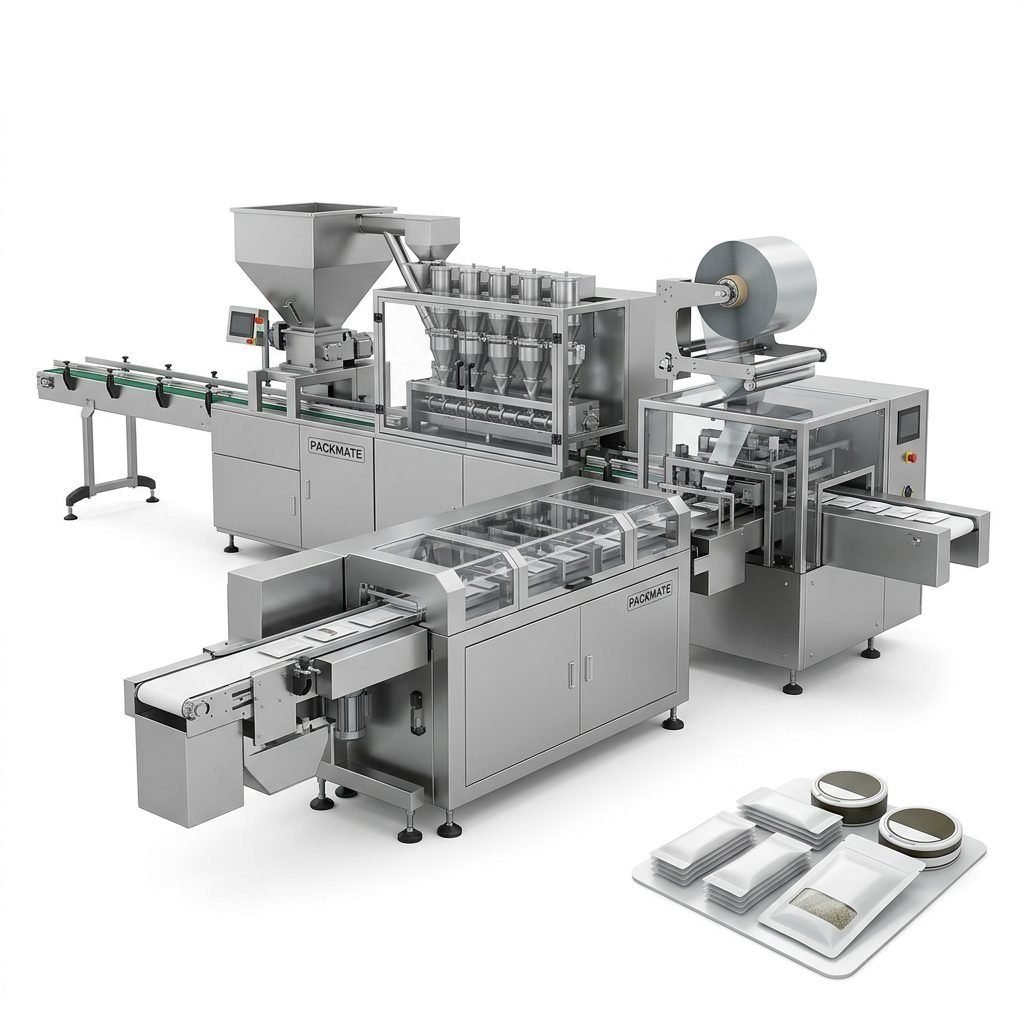
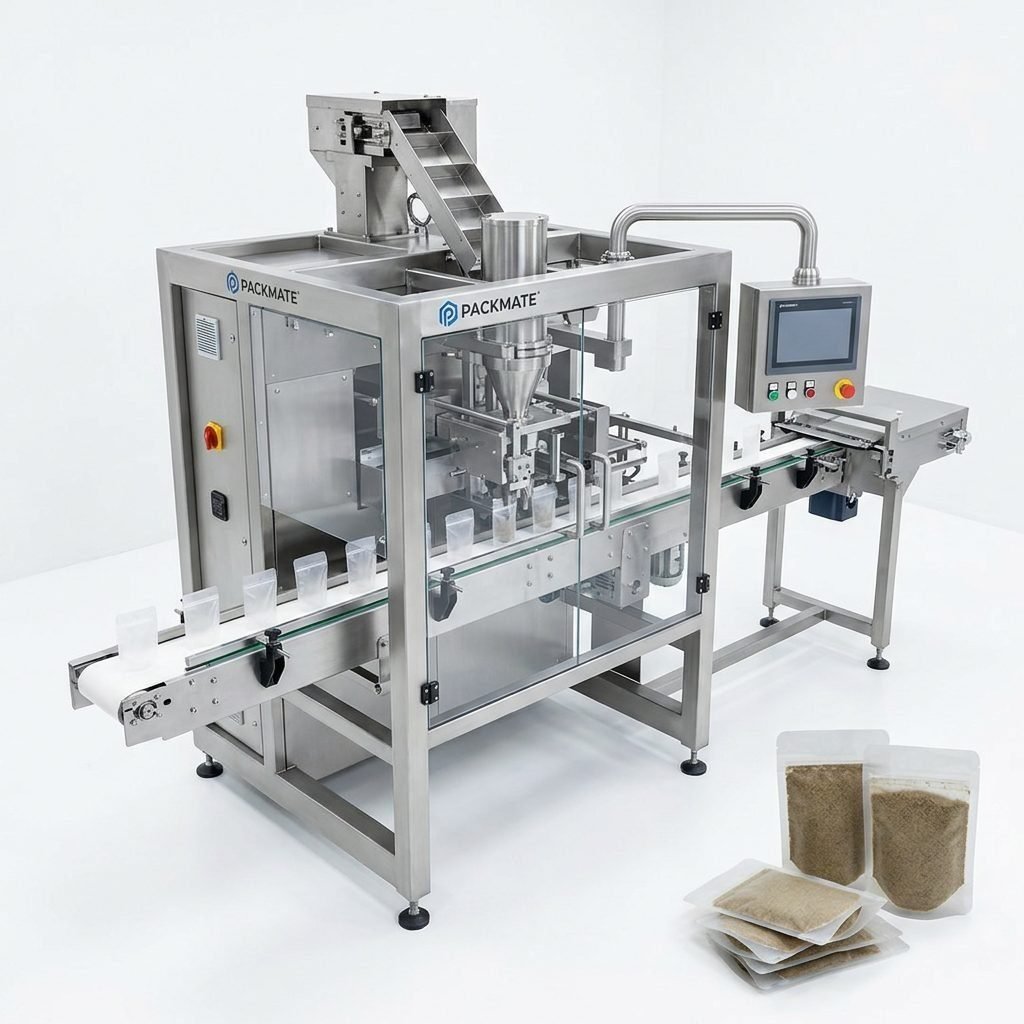
Sachet / pillow pack machines — suitable for both single-portion and multi-dose snus, with flexible packaging formats and relatively simple sealing technology.
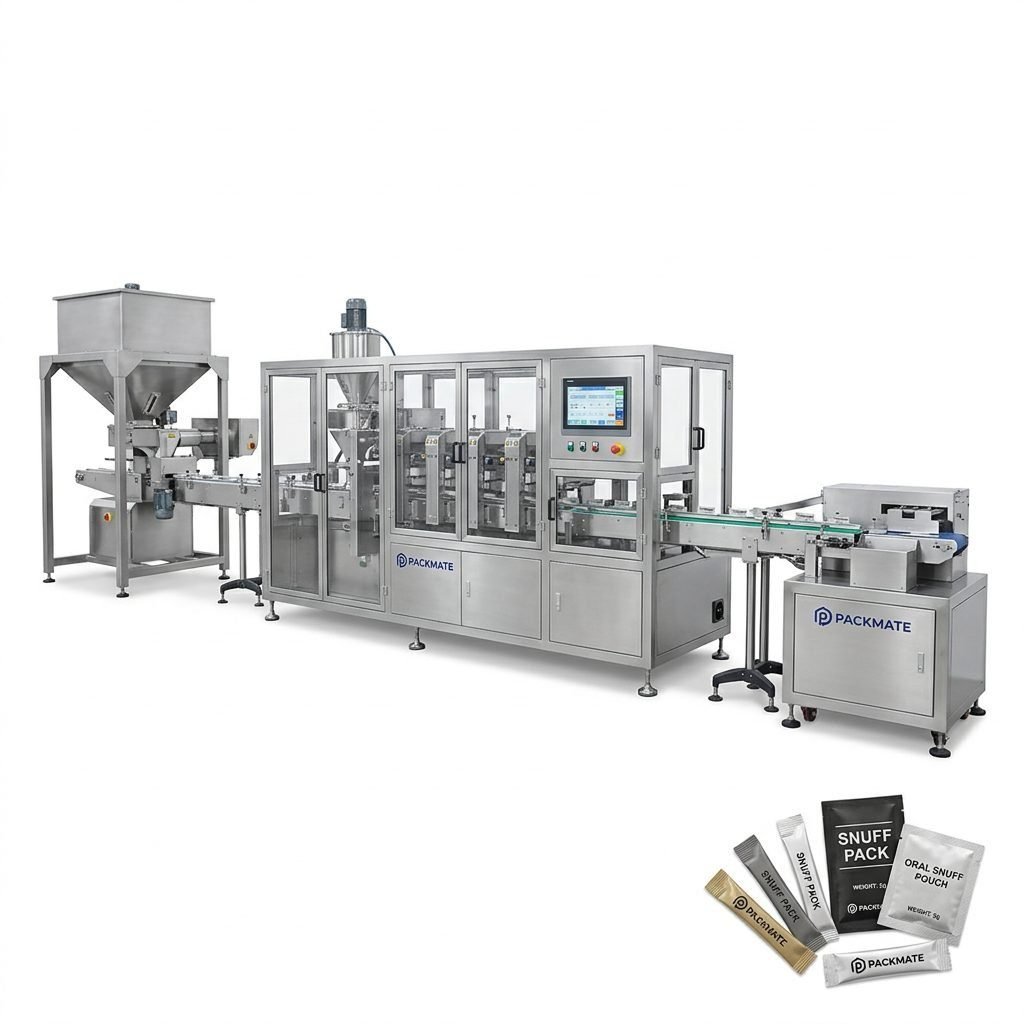
Multi-lane systems — if you expect to scale quickly or need high throughput, multi-lane packaging lines can greatly increase output while keeping footprint efficient. ✅
Consider visiting product pages and technical catalogs to compare models: Snus & Nicotine Packaging Machines and Sachet & Stick Pack Machines.
🔎 Key technical specifications to evaluate
When assessing models, focus on performance metrics that affect your product quality and cost per piece:
• Throughput (pieces/min) — calculate required hourly output and add headroom for peak demand.
• Weighing accuracy and dosing consistency — small-dose nicotine pouches need precise dosing to ensure regulatory compliance and brand consistency.
• Changeover flexibility — the ability to switch formats or pouch sizes quickly reduces downtime and supports product variations.
• Material compatibility — check compatibility with your chosen laminates, foils, and barrier films to maintain shelf life in Equatorial Guinea’s humid climate.
📦 Packaging materials & film selection for tropical climates
Equatorial Guinea’s coastal and rainforest zones mean high humidity and heat. Choose film structures with strong barrier properties (aluminum foil layers or high-barrier laminates) and test samples under local conditions. Also consider consumer expectations for discreet and durable retail packaging—thicker laminate and tamper-evident features often win trust in smaller markets.
Tip: Run accelerated aging tests and storefront simulations under humidity >70% to validate seal integrity and pouch shape retention.
⚙️ Quality, certifications and supplier credibility
Choose suppliers with verifiable manufacturing strength and international certifications. Look for CE and ISO compliance, robust quality control, and case studies from similar markets. Packmate’s 20,000㎡ facility, 30+ years of experience and product certificates are examples of the type of supplier profile you should seek. Learn more on the About Packmate page and view real-world installations on their Case page.
🔧 After-sales support, spare parts and local service
Reliable after-sales service is critical for continued uptime. Confirm:
• Availability of critical spare parts and estimated lead times.
• On-site installation, commissioning, and operator training (ideally in Spanish or French for Equatorial Guinea).
• Remote diagnostics and support procedures to reduce travel delays. Check supplier service commitments on their Service and Contact Us pages.
💰 Total cost of ownership (TCO) — beyond the purchase price
Evaluate long-term costs, not just upfront investment. Items to include in your TCO calculation:
• Energy consumption — verify motor efficiency and expected kW usage; tropical plants may face higher cooling costs.
• Maintenance intervals and cost of wear parts.
• Downtime risk and the availability of local technicians.
• Expected product yields and scrap rates — machines with better dosing precision will reduce material waste and regulatory complaints.
📋 Local regulation, labeling and customs considerations
Equatorial Guinea recognizes Spanish, French and Portuguese as official languages, with Spanish being most widely used. Ensure your labels and instructions meet local language expectations. Additionally, confirm current import rules and nicotine product restrictions with local authorities — regulatory frameworks can change quickly, and compliance affects packaging claims, health warnings, and distribution.
Important: Always verify tobacco and nicotine product legality and labeling requirements before production to prevent customs or retail denials.
🏭 Plant layout, utilities and operator needs
Before selecting machinery, survey your facility for:
• Floor space and recommended machine footprint (allow space for material handling and maintenance).
• Power supply stability, voltage compatibility and grounding. Consider a UPS or voltage stabilizer if the grid is inconsistent.
• Compressed air quality and consumption — many filling systems rely on clean, dry compressed air.
• Operator skill level — plan for localized training materials and multilingual manuals (Spanish and French are preferred in Equatorial Guinea).
🛠️ Installation, commissioning & acceptance testing
A structured installation and acceptance test protocol reduces disputes and ensures the machine meets promised performance:
• Define acceptance criteria in the purchase order: throughput, accuracy, scrap rate, and uptime over a defined test run.
• Request FAT (Factory Acceptance Test) videos or onsite FAT if possible. Suppliers like Packmate often provide FAT and on-site commissioning services.
• Ensure spare tooling, sample film reels, and a period of support are included in the contract.
🔁 Flexibility & futureproofing your investment
Markets evolve — your packaging line should be adaptable. Look for:
• Modular designs that accept new fillers, lanes, or pouch formats.
• Software interfaces that can be updated over time and support multi-language HMI panels.
• A supplier network for upgrades and retrofits — good vendors maintain long-term relationships and parts availability.
🌍 Cultural & retail nuances in Equatorial Guinea
Understanding local consumer habits helps refine packaging choices:
• Discretion and portability matter — consumers often prefer compact single-portion packs for personal use in urban and coastal communities.
• Spanish labels and clear health information build trust. Consider bilingual labels (Spanish + French) for wider acceptance across the country.
• Retail environments vary from modern supermarkets in Malabo to small kiosks; robust outer cartons and retail-ready pouches reduce damage in transit.
Supplier selection checklist:
• Manufacturing capability & certifications (CE, ISO).
• Local language support and training.
• Spare parts inventory and lead times.
• Demonstrated cases in similar markets (see Case).
📞 Making the final decision: purchase, logistics & commissioning
When you’re ready to buy, ensure clear contractual terms:
• Detailed technical specifications and acceptance tests.
• Warranty terms, spare parts inclusions, and response times for faults.
• Delivery terms, incoterms, and customs support — machines shipped to Equatorial Guinea may need local import documentation and permit assistance.
📦 Logistics & packaging for export to Equatorial Guinea
Heavy equipment requires secure crating, shock protection, and clear marking for customs inspection. Arrange for local logistics partners who understand port clearance in Malabo and regional transport to inland plants.
🔍 Where to see machines and verify supplier claims
Visit supplier factory videos, global exhibitions, and request client references. Packmate often showcases machines at international trade shows and provides detailed factory documentation and certification — review exhibition records on Our Exhibition and technical brochures via the Catalog.
✅ Final checklist before signing a purchase order
1) Confirm machine model and exact performance specs (throughput, dosing accuracy).
2) Agree acceptance test protocol and FAT evidence.
3) Ensure spare parts kit, tooling, and sample film reels are included.
4) Verify documentation languages, training plans, and warranty.
5) Confirm logistics, import support, and commissioning timeline.
Ready to move forward? Contact your supplier with a detailed request for quotation (RFQ), include local site photos, and ask for references in similar climates or markets. For more supplier background, see About Packmate and the FAQs.
📌 Conclusion — make decisions with local realities in mind
Selecting snus packaging machinery for Equatorial Guinea blends technical evaluation with practical on-the-ground considerations: climate-resilient packaging, multilingual support, import logistics, and a trusted supplier who can provide parts and service. Prioritize proven accuracy, robust barrier film compatibility, and flexible systems that can grow with your business. With careful evaluation and the right partner, you can build a reliable production line tailored to local consumer habits and regulatory requirements.
Frequently Asked Questions
Q1: What machine format is best for small urban retailers in Equatorial Guinea?
A1: Single-portion stick packs or small sachets are popular due to portability and discreet usage; multi-lane stick pack lines can increase throughput while keeping pack formats consumer-friendly.
Q2: How important are CE/ISO certifications when importing into Equatorial Guinea?
A2: Very important — certifications demonstrate manufacturing quality and simplify regulatory acceptance with import authorities and potential buyers.
Q3: What local adaptations should I request from a machine supplier?
A3: Ask for multilingual HMI (Spanish/French), spare parts kits, voltage compatibility, and training materials tailored to local operators.
Q4: Can suppliers help with customs and logistics?
A4: Reputable suppliers typically offer logistics support and documentation for customs clearance, but you should engage a local freight forwarder familiar with Malabo and regional procedures.
Q5: Where can I see examples of real installations and performance?
A5: Review supplier case studies and exhibition demos. Visit manufacturer case pages such as Case for real-world references.