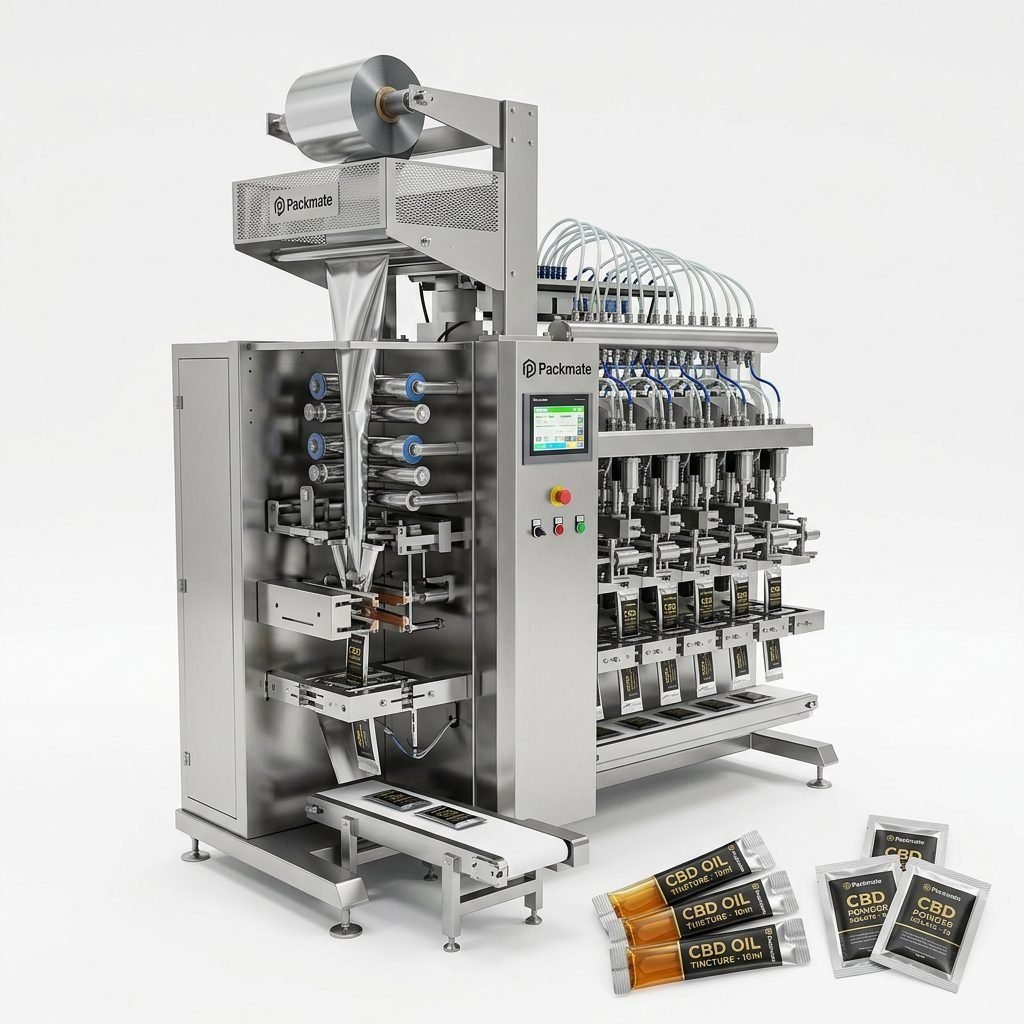
Choosing the right nicotine packaging machine supplier in France requires a careful balance of technical expertise, regulatory knowledge, after-sales support and cultural fit. For businesses entering or scaling in the French nicotine pouch and snus market, selecting a partner who understands both the equipment and the local context will reduce risk, accelerate time-to-market and protect your investment. The guidance below walks you through practical evaluation criteria, key questions to ask potential suppliers, and France-specific considerations to ensure you get the best value and compliance from your packaging line.
Understand Your Product and Production Needs
🔸 Product format: Are you packaging nicotine pouches, snus, stick packs, sachets, or multi-lane pouches? Machinery differs dramatically between single-lane stick packers and high-speed multi-lane snus pouch lines.
🔸 Throughput requirements: Define target pieces/minute, shift patterns and growth projections. A machine that matches current needs but can scale modularly is often the best investment.
🔸 Material handling: Will you fill powder, granules, moist pouches or liquids? Integration with dosing systems or multi-head weighers may be needed. Check compatibility with your primary raw materials and pouch substrates.
Technical Criteria: What to Inspect on the Supplier Side
When assessing suppliers, focus on engineering maturity, flexibility and documented performance. Request technical data and factory test results.
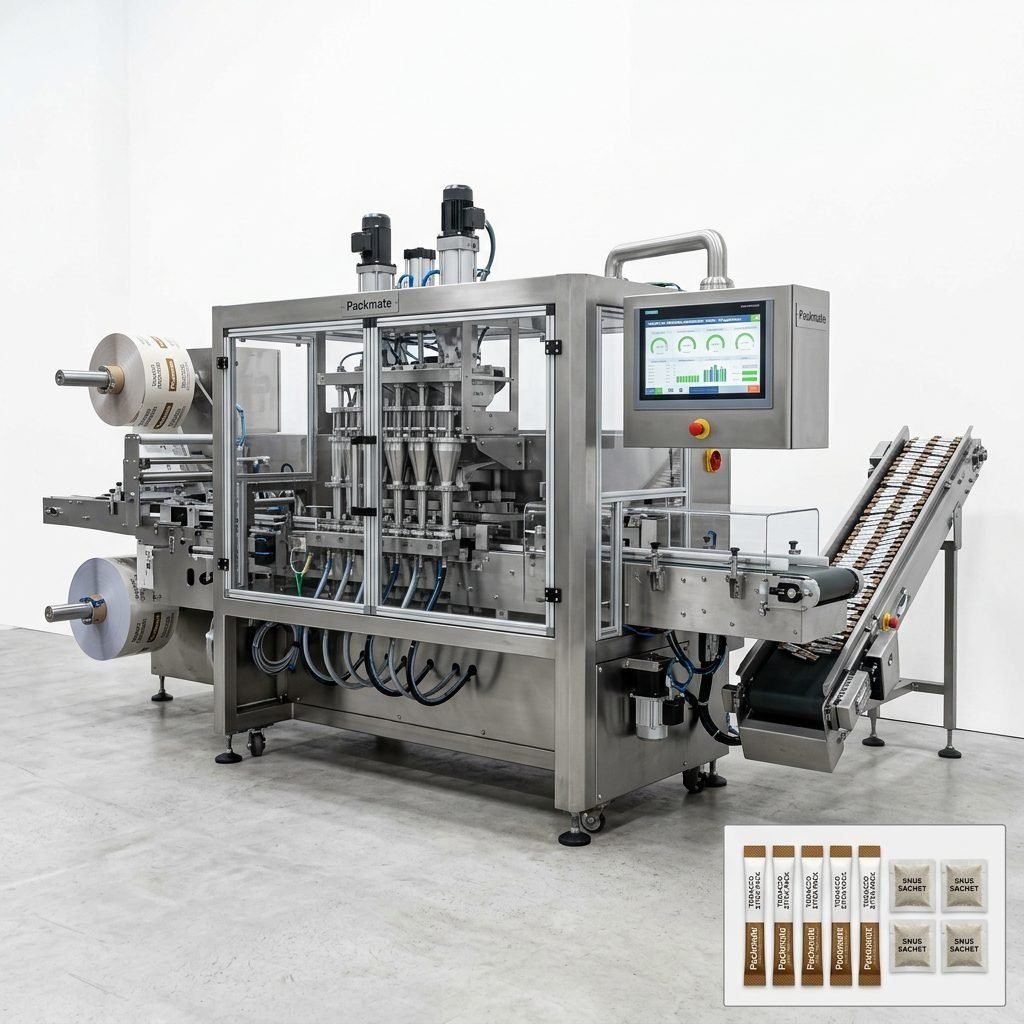
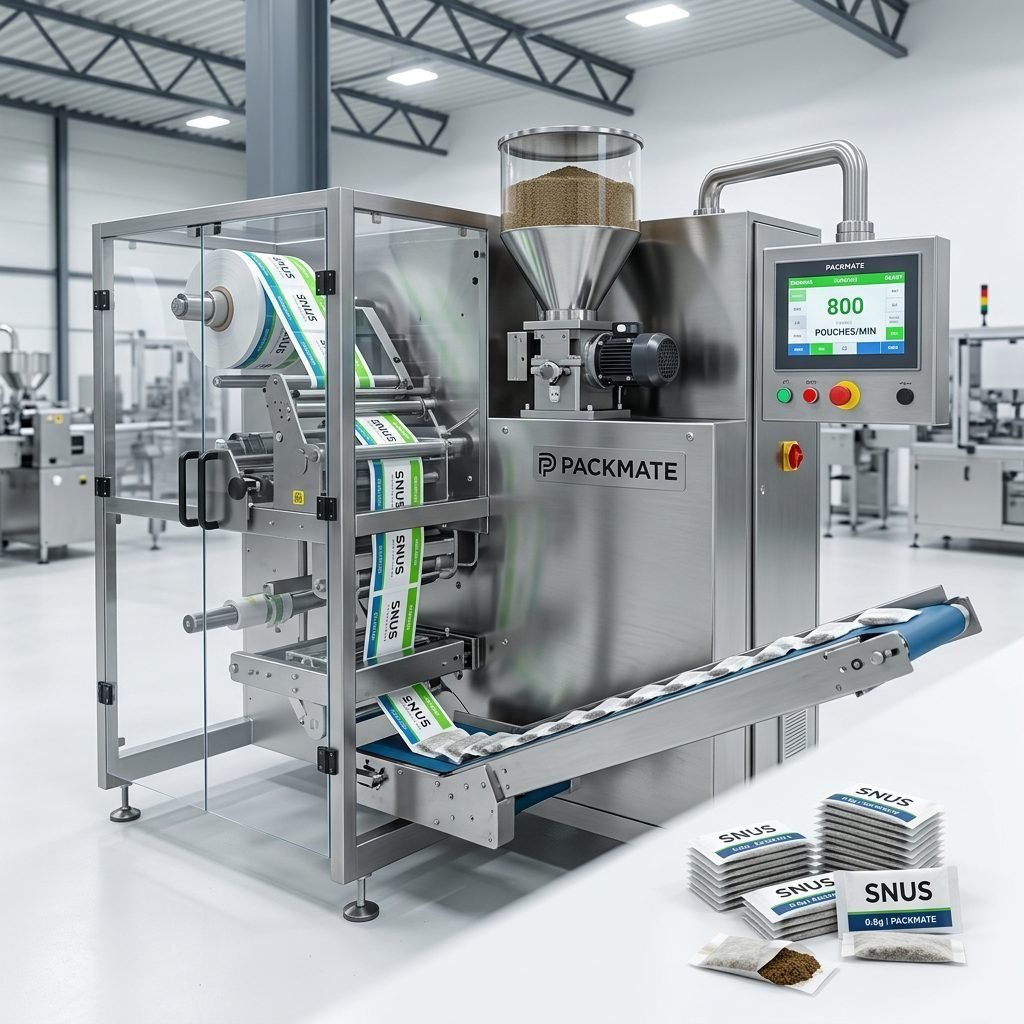
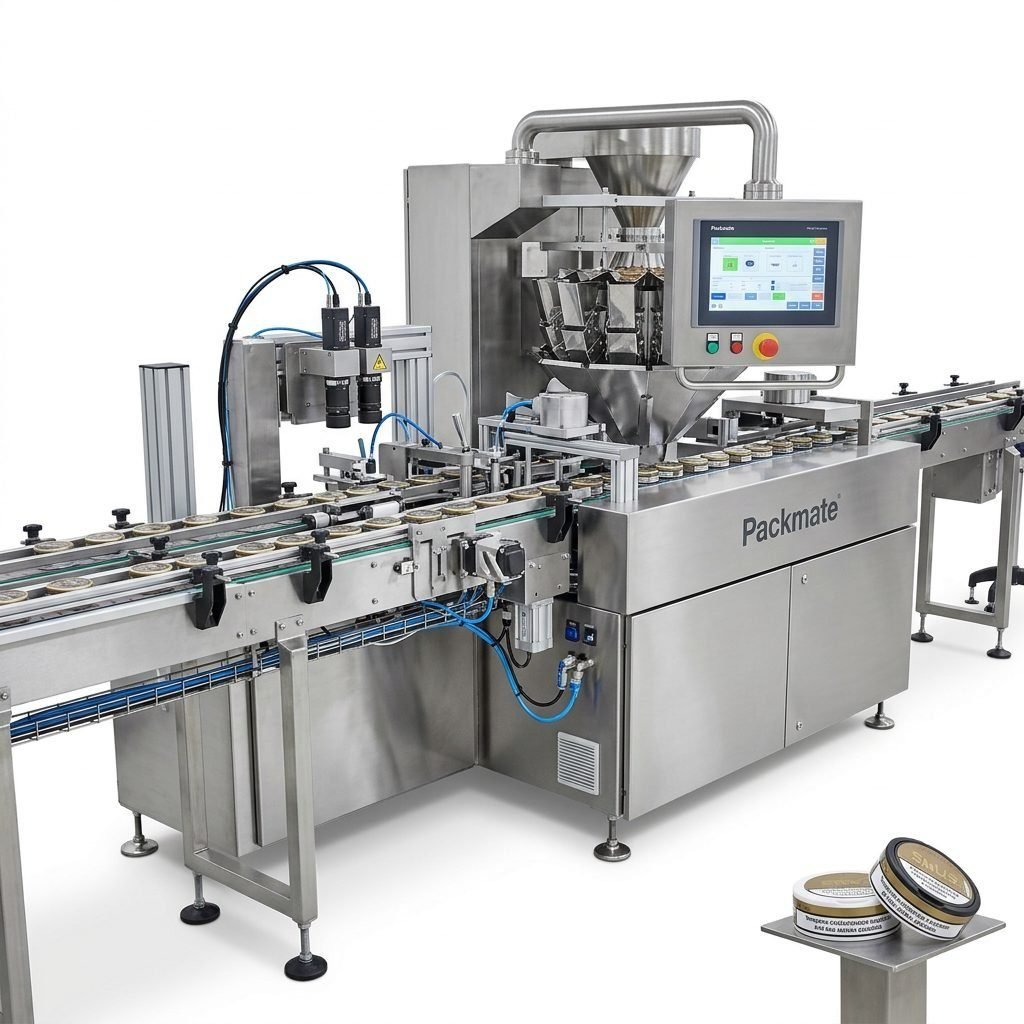
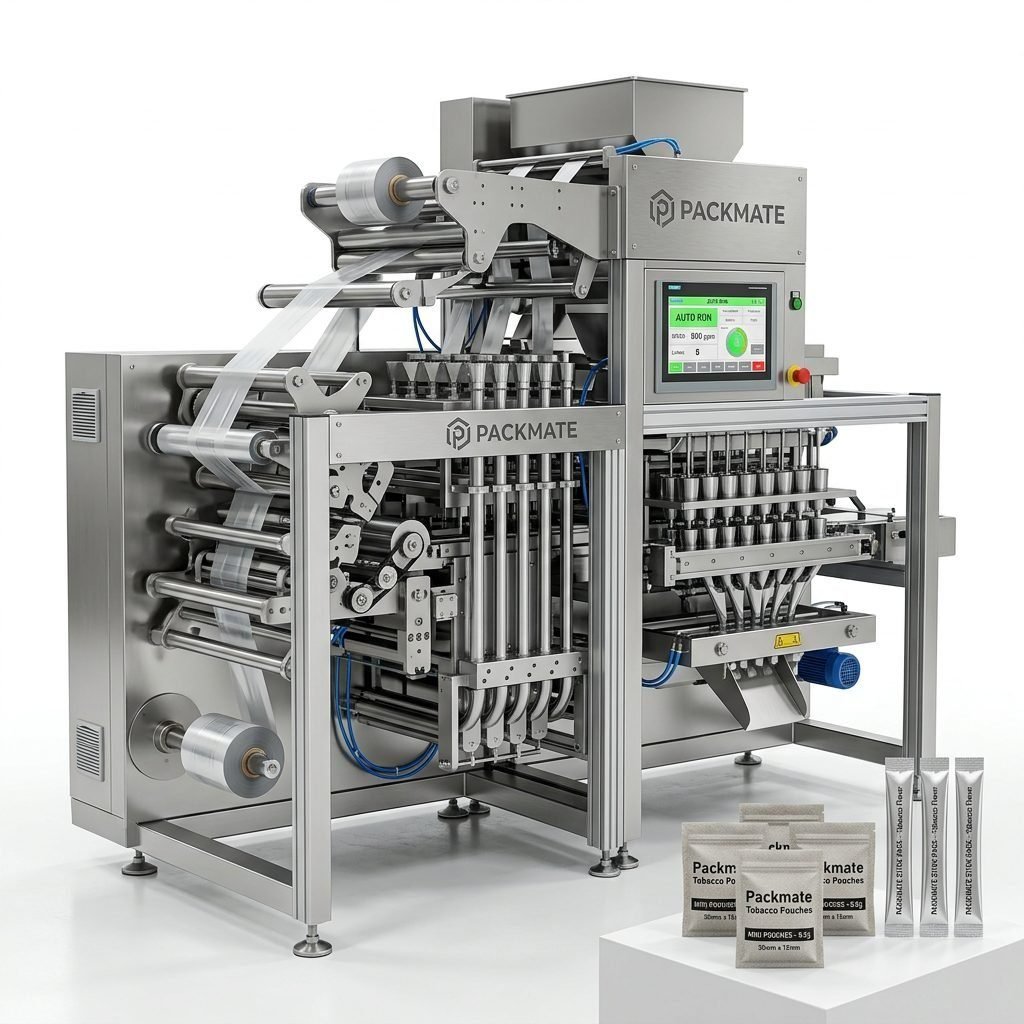
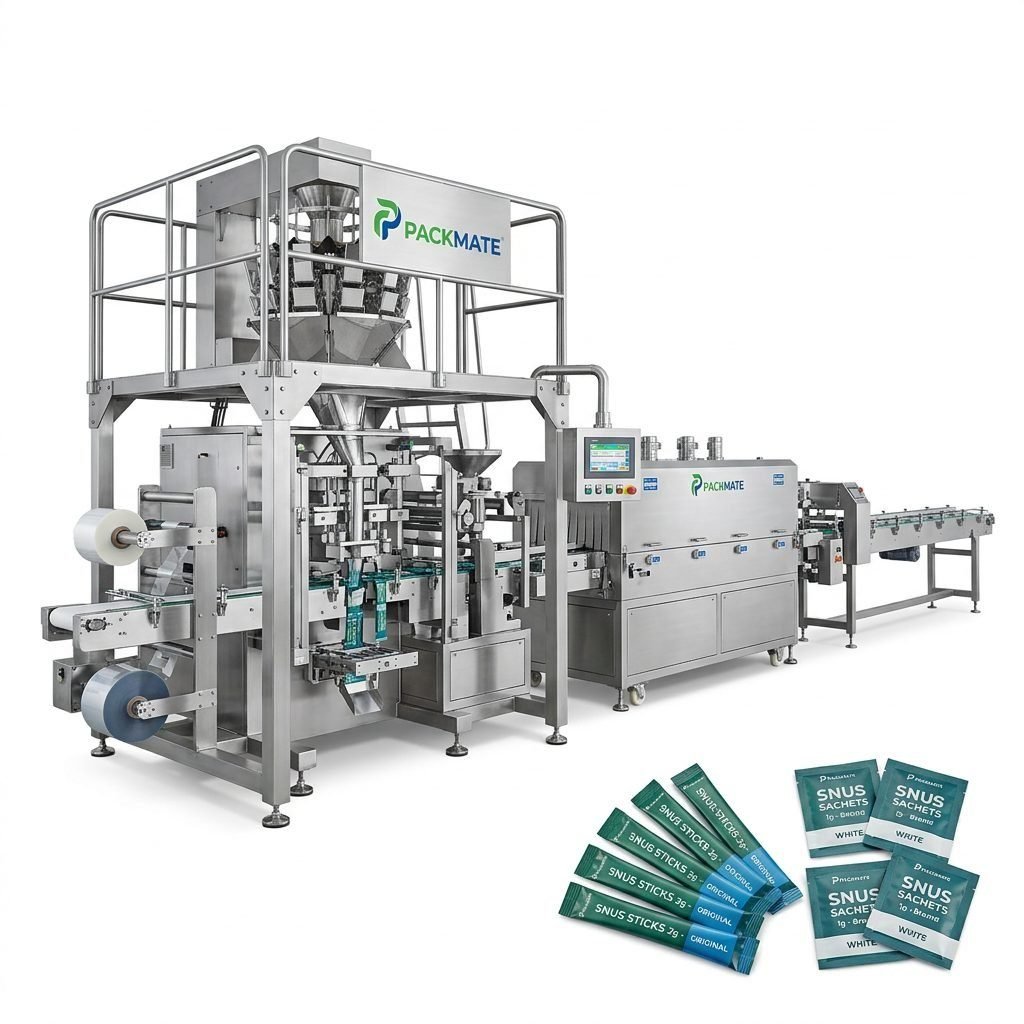
✅ Proven machine models: Prefer suppliers with multiple field-proven models for nicotine pouches. Ask for references and case studies that match your product type and speed. Packmate’s portfolio includes specialized snus & nicotine packaging machines and multi-lane solutions designed for small-dose pouch production — see relevant machines here: Snus & Nicotine Packaging Machines.
✅ Factory acceptance testing (FAT): FAT videos or onsite testing are essential. Ensure the supplier will run your formula in the machine before shipment and provide performance data.
✅ Spare parts & maintenance: Confirm spare parts lead times, availability in Europe, and whether a local stock can be arranged to minimize downtime.
✅ Automation & control systems: Check PLC brands, HMI languages (ask for French interface options), and whether remote support or diagnostics are available for quicker troubleshooting.
Regulatory & Compliance Factors Specific to France and the EU
France enforces strict rules on nicotine and tobacco-related products, and many requirements come from EU-wide legislation. Your machinery supplier should be familiar with applicable standards and help you comply with local labeling and safety obligations.
⚠️ CE & ISO certifications: Ensure equipment carries CE marking and that the supplier follows ISO quality processes. Packmate lists CE and ISO compliance across their machines; look for machine certificates and conformity declarations: Certificate.
⚠️ Product labeling and language: France requires French-language labeling for consumer products. Clarify how packaging lines integrate printing/labeling modules to apply legally required warnings, ingredients and batch codes in French.
⚠️ Waste & recycling rules: France has extended producer responsibility schemes. Ensure your packaging materials and processes align with local recycling and waste management laws.
⚠️ Import duties & customs: Machines imported into the EU from outside must comply with customs clearance and VAT rules. Ask the supplier to provide complete documentation, CE certificates and shipping support to avoid delays.
Cultural & Market Considerations in France
Understanding French consumer expectations and business norms helps select a supplier who supports your local strategy.
– French consumers value product quality, safety and clear information in French. Your packaging supplier should enable high-quality printing and traceability.
– Business communication in France often expects formal contracts, clear technical documentation and responsive local support. Consider suppliers who offer multilingual documentation, French HMI options and timely service.
– Trade shows and in-person demonstrations carry weight. Suppliers who participate in European exhibitions can build trust more quickly; check their exhibition history: Our Exhibition.
Supplier Evaluation Checklist: Questions to Ask
🔎 Can you provide references in Europe or similar markets? Ask for contactable references and case studies proving long-term performance. Packmate publishes global cooperation cases that demonstrate real-world deployments: Case.
🔎 What is your lead time and production capacity? Align supplier capacity with your launch timeline and seasonal demand spikes.
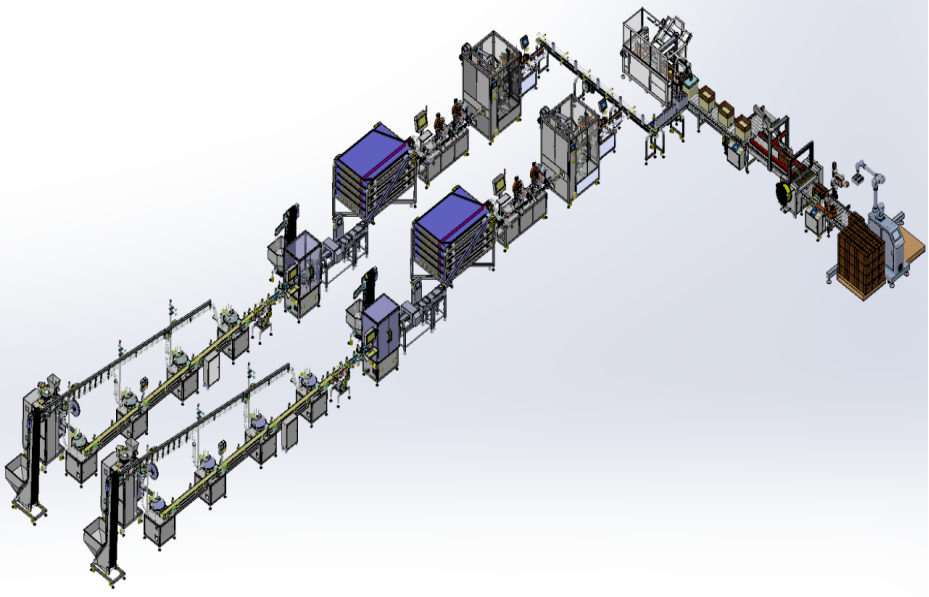
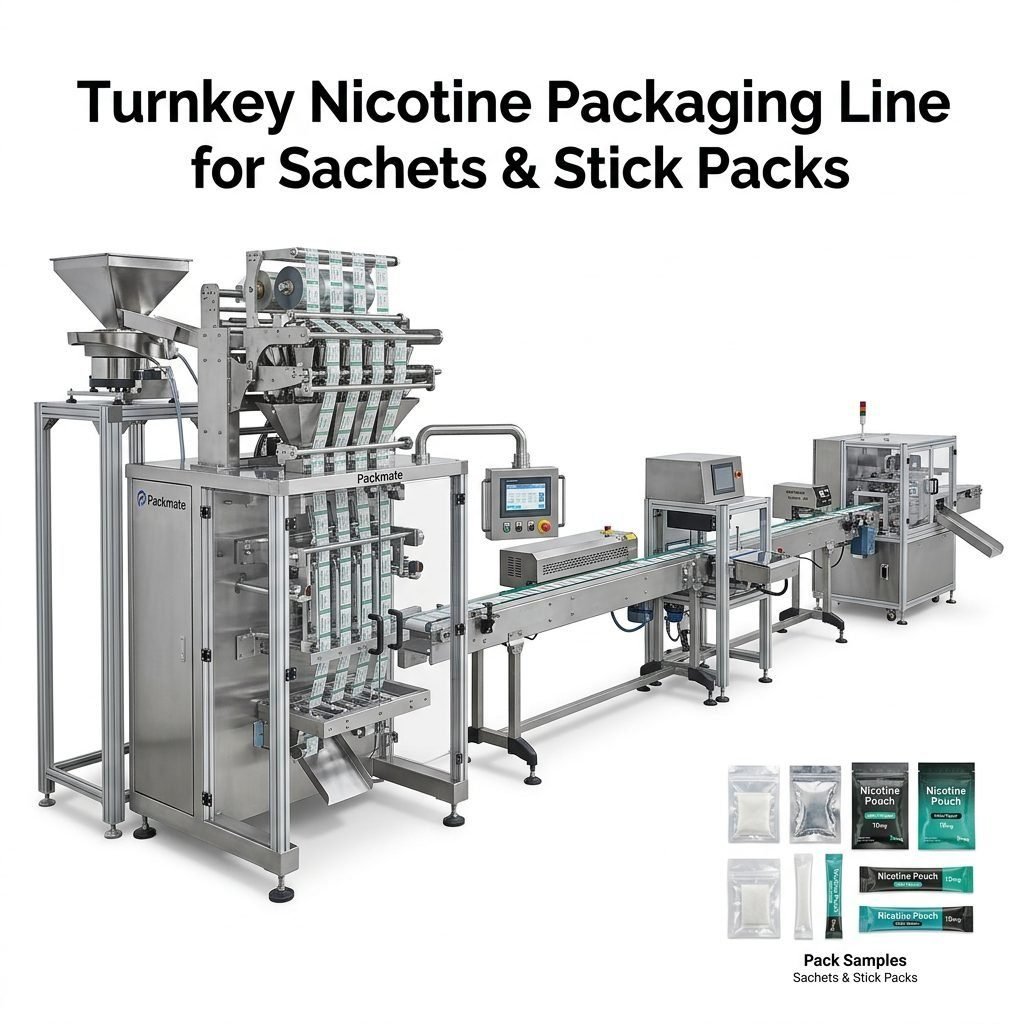
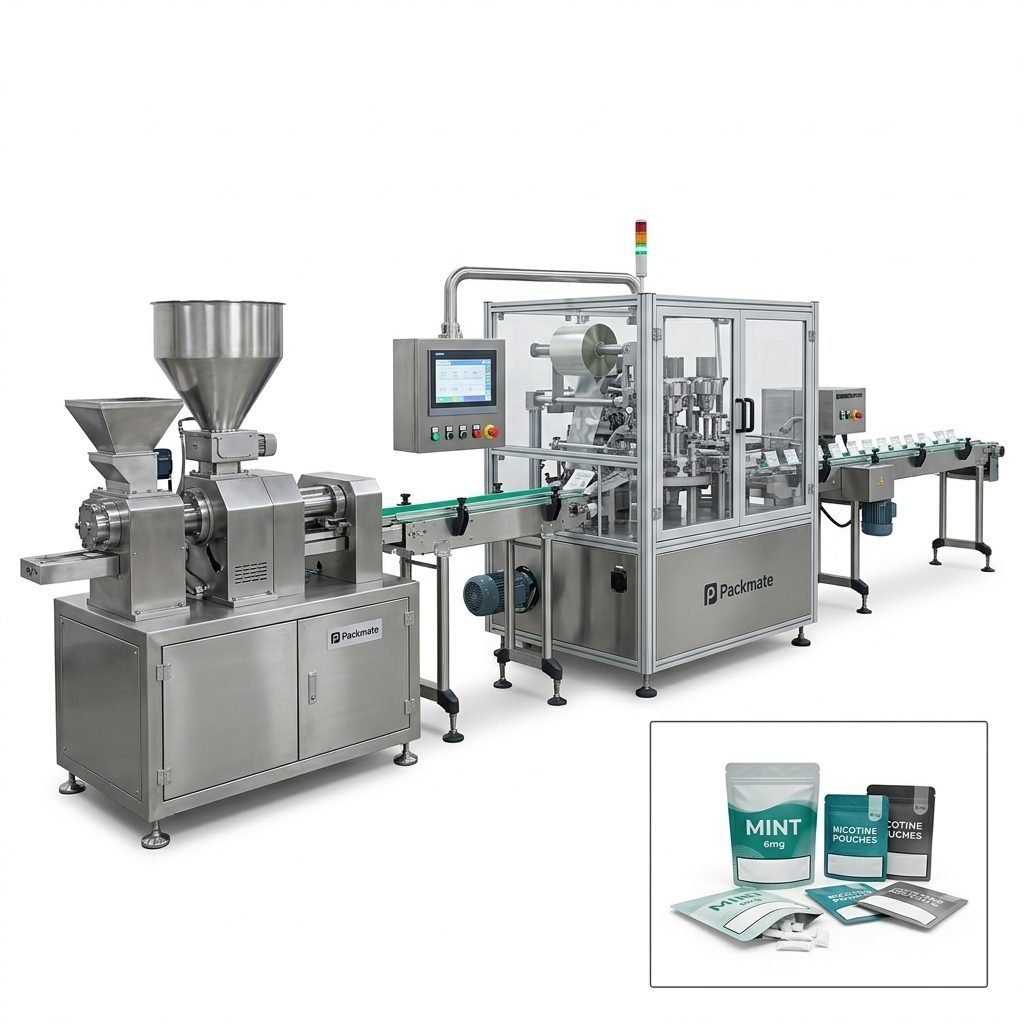
🔎 Do you offer turnkey solutions? For many brands, integrated filling, dosing, packaging and inspection lines reduce integration risk. Explore combined lines such as weighing & packaging or filling & packaging lines: Weighing & Packaging Systems and Filling & Packaging Lines.
🔎 What after-sales services are included? Confirm warranty length, availability of engineers in Europe, remote diagnostics, and training options for operators and maintenance staff.
🔎 How do you handle spare parts? Request a recommended spare-parts list, typical consumption parts and lead-times for replacement.
Factory & Quality Assurance
Visit or request a virtual tour of the supplier’s factory. Evaluate machining capability, assembly practices, quality control steps and testing rigs. Suppliers with modern CNC centers, structured assembly lines and documented testing procedures reduce the risk of receiving underperforming equipment.
If you are evaluating Packmate, review their company profile and manufacturing strength: About Packmate.
Commercial Terms, Shipping and Installation
Negotiate clear commercial terms: payment schedule, penalties for late delivery, acceptance criteria and installation responsibilities. For imports into France, align on who manages customs clearance, duty payments and on-site installation supervision.
🚚 Logistics support: Ask the supplier to provide a detailed shipping plan and documentation package for customs. Confirm whether they offer CIF, DAP or EXW terms and what each term includes.
🛠️ Installation & commissioning: Clarify how many days on-site are required for installation, who provides tooling and who validates the final acceptance testing in your facility.
📄 Spare parts & training plans: A supplier should offer operator and maintenance training (often mandatory for industrial machines) and a clear spare-parts schedule to keep the line running.
Service & Local Support: A Deal Breaker in France
French manufacturers and packagers often require rapid support in local time. Consider:
– Does the supplier maintain a European service center or authorized partner?
– Can the supplier provide French-language manuals and HMI options?
– Is remote troubleshooting available via secure VPN and are engineers available for emergency visits?
Cost vs Total Value: Avoid Low-Price Traps
Low purchase price can hide long-term costs. Evaluate lifecycle costs including energy efficiency, spare parts, downtime risk and upgrade options. A reputable supplier with documented performance and local support often delivers lower total cost of ownership.
Practical Next Steps to Select the Right Supplier
1) Shortlist 3-5 vendors that meet your technical needs and can demonstrate EU deployments.
2) Request FAT with your product specs and a written acceptance protocol.
3) Verify certifications, spare parts policy, local service footprint and training options.
4) Negotiate clear commercial terms including delivery milestone penalties and a comprehensive warranty.
📌 A supplier example: A manufacturer with 30+ years of machine R&D, a 20,000㎡ facility and a catalog of over 50 machine models — offering customized turnkey solutions and international exhibition presence — demonstrates the kind of partner that can deliver scale and compliance. Explore their product range including bag & pouch machines and sachet & stick pack models: Bag & Pouch Packaging Machines and Sachet & Stick Pack Machines.
Negotiation Tips for French Buyers
– Ask for a detailed scope of supply and exclude ambiguous items.
– Confirm warranty start date (shipment vs installation) and conditions for warranty claims.
– Include a FAT acceptance and a post-installation performance guarantee in the contract.
Final Considerations
Selecting a nicotine packaging machine supplier in France is more than just buying hardware. It is about partnering with a company that understands your product, complies with EU and French regulations, and supports you locally. Prioritize suppliers with transparent documentation, local or regional service capability, proven machine performance and a willingness to run your product during factory acceptance testing.
If you need more information about products, certifications or services, consult the supplier’s official pages for product lines, certifications and contact information: Service · Contact Us.
Frequently Asked Questions
Q1: How important is CE certification for packaging machines imported into France?
A1: CE marking is essential as it indicates conformity with EU safety and health requirements. Ensure the supplier provides declarations of conformity and machine-level certificates.
Q2: Can suppliers adapt machines for French-language HMI and labeling?
A2: Yes — many suppliers offer multilingual HMI and can integrate printers/labelers for French-language labels. Confirm this during specification and FAT stages.
Q3: What is the typical lead time for a turnkey snus/nicotine pouch line to France?
A3: Lead times vary by complexity, customization and current factory load. Typical delivery ranges from several months to a year. Always request a detailed delivery schedule and milestones.
Q4: How do I ensure fast after-sales support in France?
A4: Select suppliers with European partners, local spare parts stocks or those willing to establish regional support. Include service-level agreements and rapid-response clauses in your contract.
Q5: What documentation should I ask for before ordering?
A5: Request machine specifications, FAT protocol, CE/ISO certificates, spare parts list, wiring diagrams, software versions, user manuals and reference case studies.