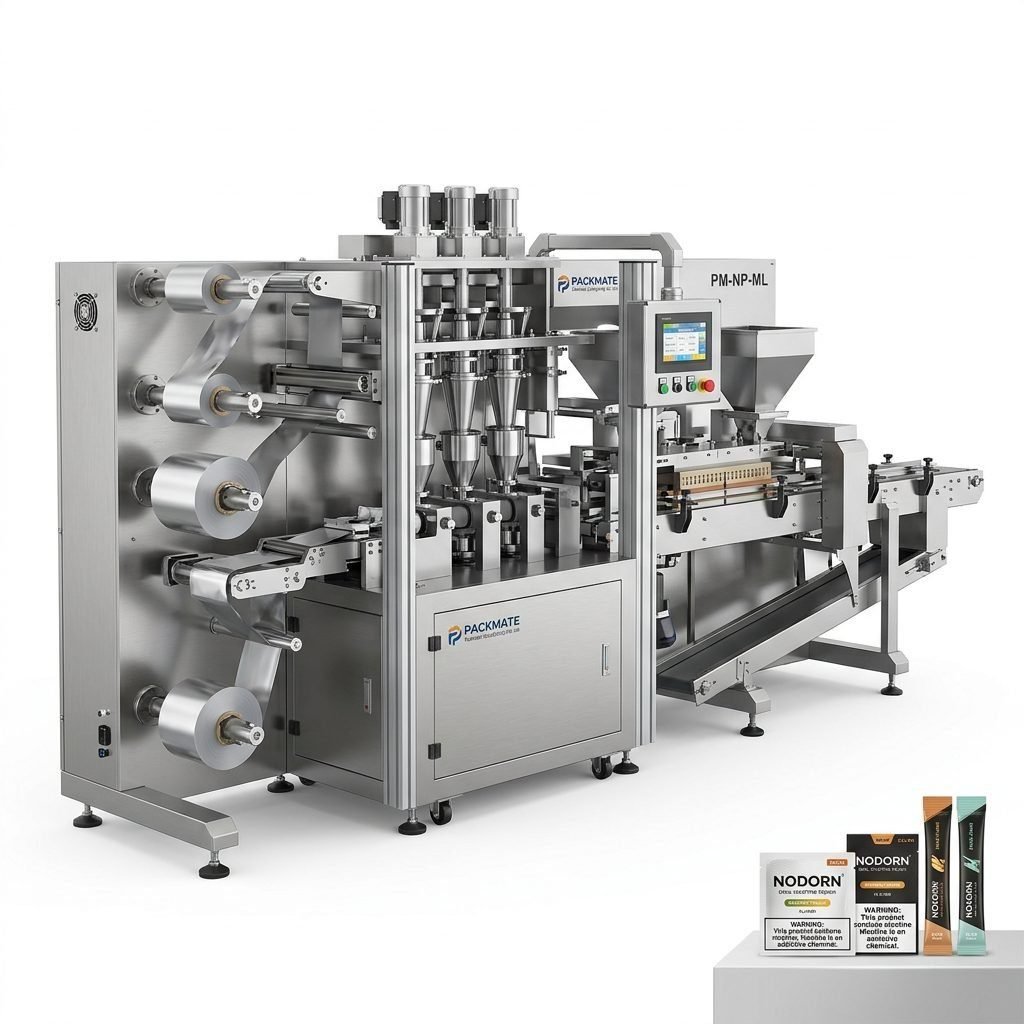
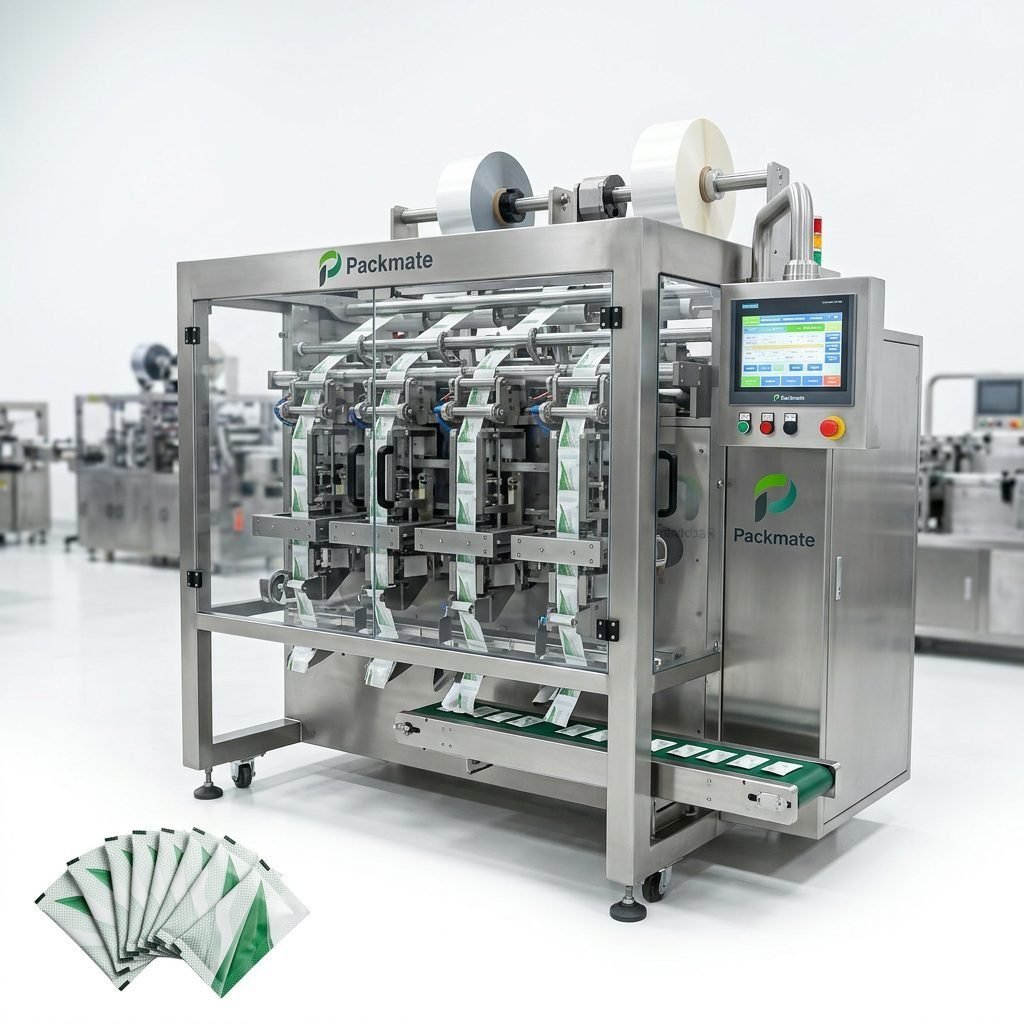
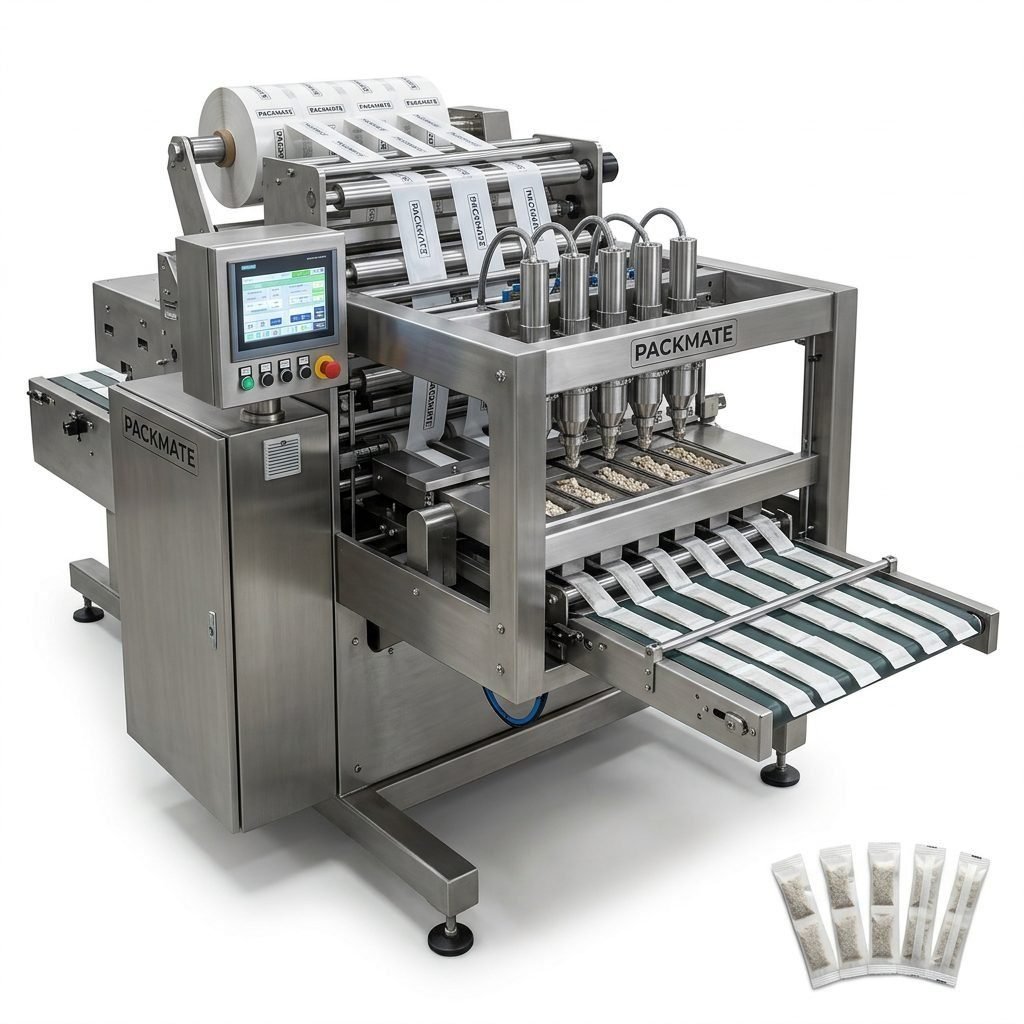
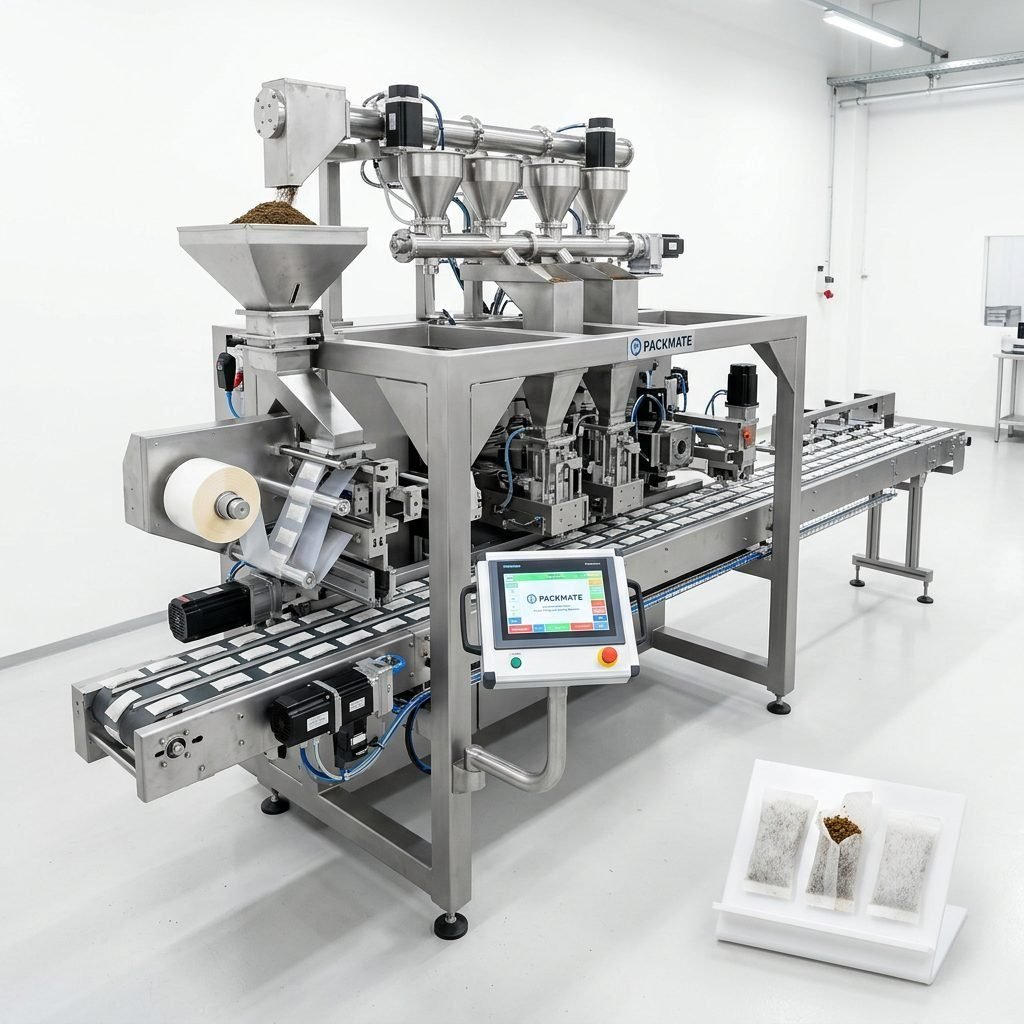
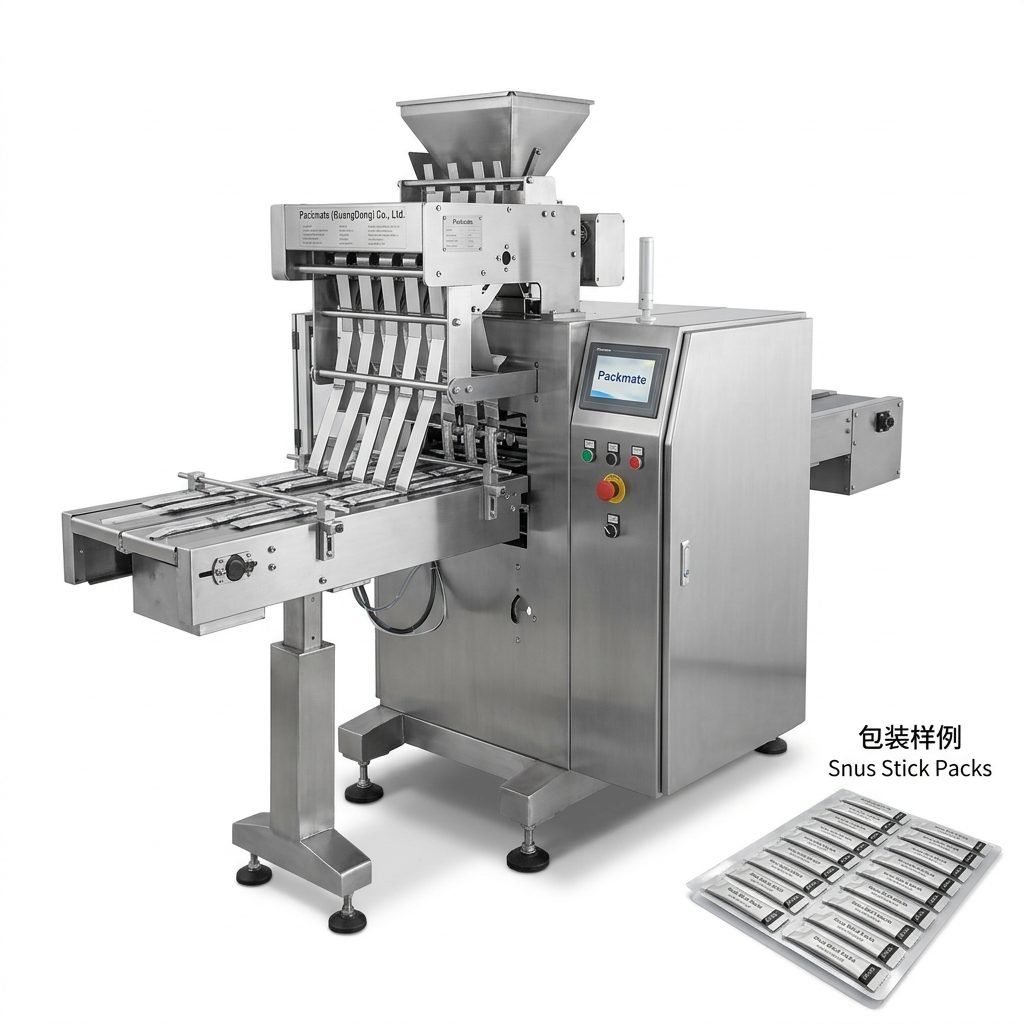
Choosing the right supplier for nicotine pouch and snus packaging machines in the United Kingdom is a strategic decision that affects production efficiency, regulatory compliance, and brand reputation. Whether you operate a startup launching tobacco-free nicotine pouches or an established producer scaling multi-lane lines, this guide explains how to evaluate suppliers, what technical and commercial criteria matter most in the UK market, and how to arrive at a long-term partnership that protects product quality and customer trust.
Understand the UK market and local habits 📌
The UK market has distinctive consumer expectations and regulatory concerns. British consumers tend to value clean, discreet packaging, accurate portion dosing, and clear labeling. Sustainability and recyclability are increasingly important — many UK buyers expect suppliers to offer packaging solutions that align with circular-economy goals and minimal plastic usage.
In the UK, product compliance and clear communication with importers, distributors, and retailers are essential. When assessing suppliers, factor in how they support documentation for customs, product safety assessments, and packaging declarations. Suppliers that proactively help with labeling, batch traceability, and material specifications will reduce your commercial risk.
Key criteria to evaluate a nicotine packaging machine supplier ✅
Selecting a supplier means balancing technical capability, industry experience, local support, and commercial terms. Below are the most important criteria to consider:
- 🔧 Technical performance and reliability — uptime, dosing accuracy, and consistent sealing quality for pouches or sachets.
- 📦 Range of machine types — single-lane sachet, stick pack, and multi-lane snus/nicotine pouch systems to fit your output and format needs.
- 🛠️ Customization & flexibility — quick changeovers, format parts availability, and software adaptability for future SKUs.
- 📑 Certifications & compliance support — CE/ISO, and assistance with UK documentation. Ask about UKCA readiness if your product will be marketed under UK conformity rules.
- ⏱️ After-sales service & spare parts — response time for spare parts, remote diagnostics, and training programs in English.
- 🌍 References & export experience — proven cases in Europe and global turnkey deliveries.
Technical considerations — what to test on site 🔎
Before purchasing, insist on seeing a factory acceptance test (FAT) or live demo using your actual product or close equivalent. Key technical tests include fill-weight accuracy, pouch seal integrity under stress, and multi-lane synchronization for small-dose pouches. Also evaluate cleaning procedures, food-contact material certificates, and the ease of maintenance.
Important technical features for UK operations:
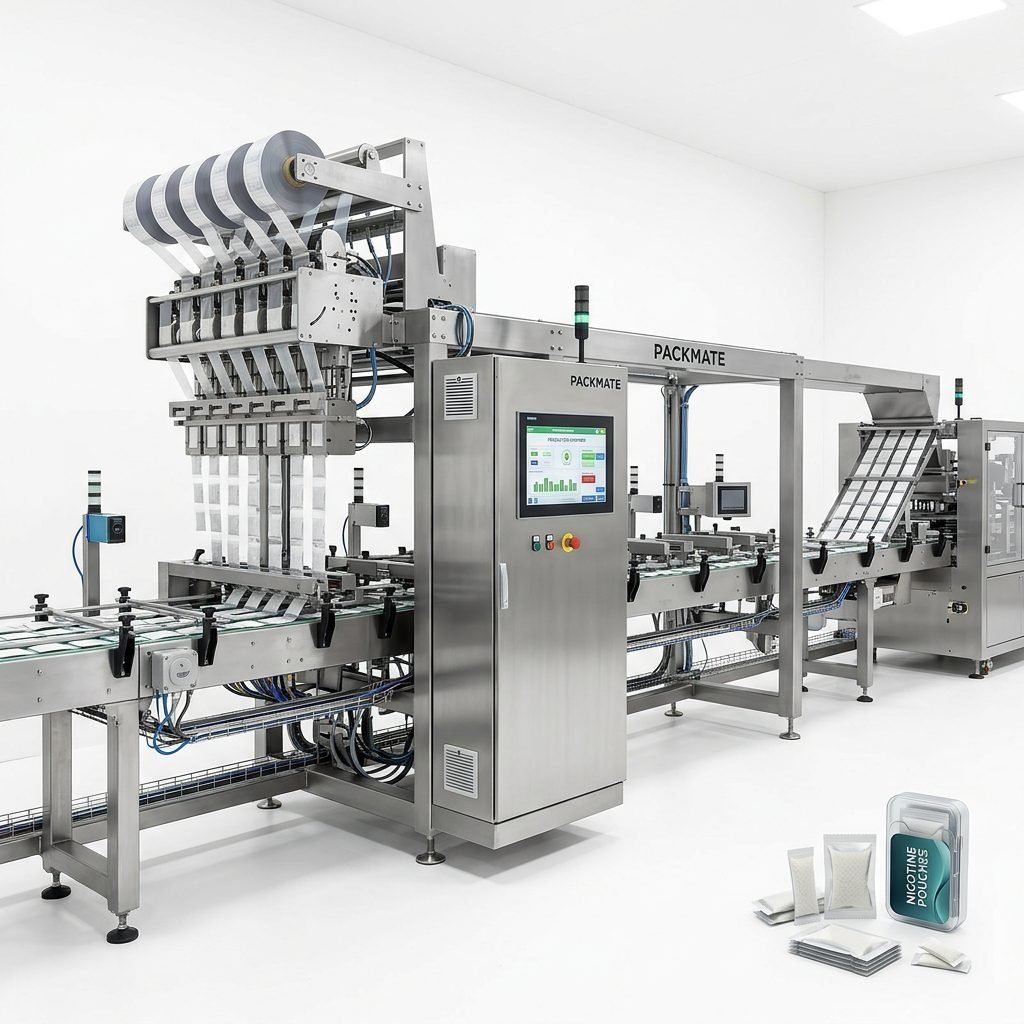
- Multi-lane synchronization for small-dose, high-output nicotine pouches.
- Automated weighing and dosing integration to maintain consistent portioning.
- Hygienic design with easy-to-clean surfaces and minimal crevices.
- Intuitive HMI in English and remote support capability.
- Physical footprints and noise levels suitable for UK production premises.
Supplier qualifications and factory strength 🏭
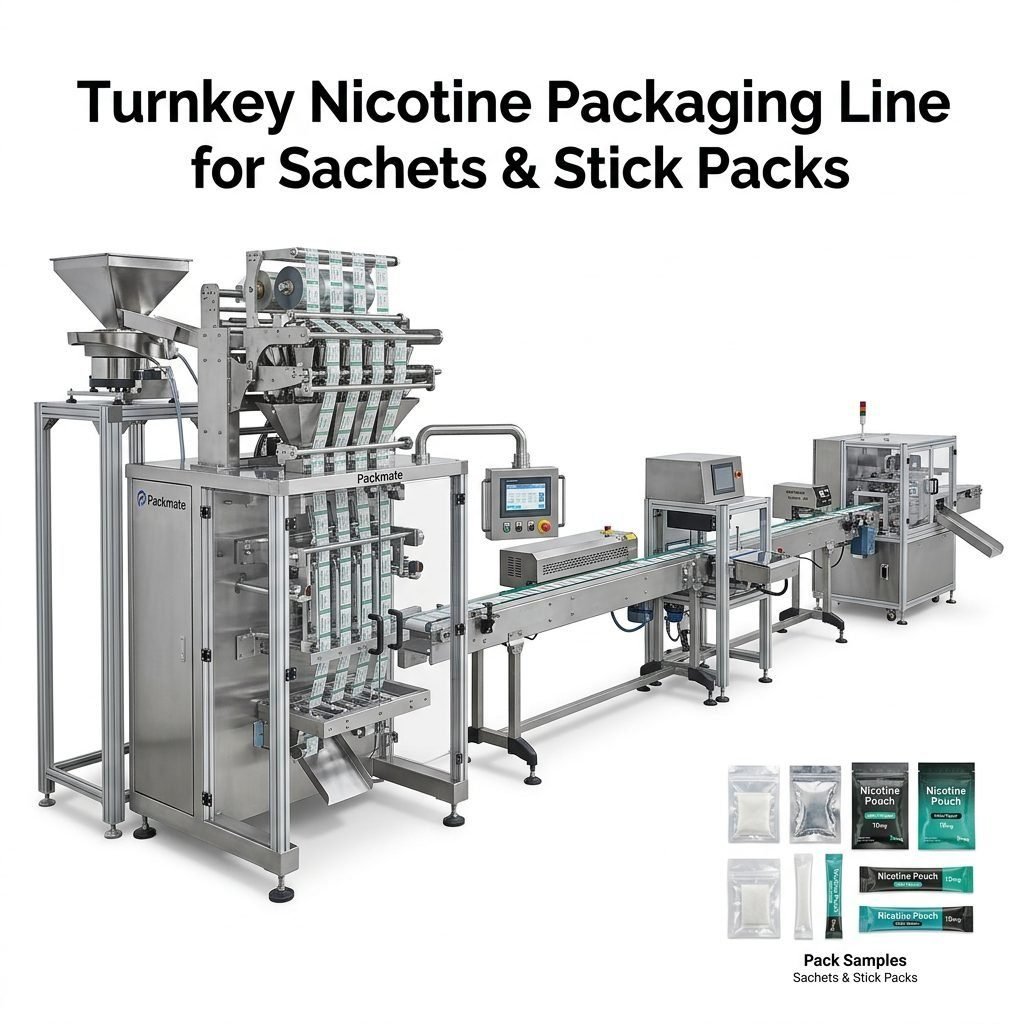
A supplier’s manufacturing capability and history matter. For example, Packmate Snus Machine operates a 20,000㎡ facility equipped with advanced CNC machining centers, precision assembly lines, and strict quality-control systems. Companies with decades of experience and diverse product lines (stick packs, sachets, multi-lane systems) are better positioned to provide stable, long-term support.
Ask suppliers about:
- Production capacity and lead times for spare parts.
- Range of available models — e.g., Packmate’s 50+ machine models and turnkey lines.
- Quality management systems and certifications (CE, ISO) and whether they provide documentation for UK importers.
Packaging format capabilities — match machine to product 📦
Different formats demand different machine technologies. For nicotine pouches and snus, common formats include:
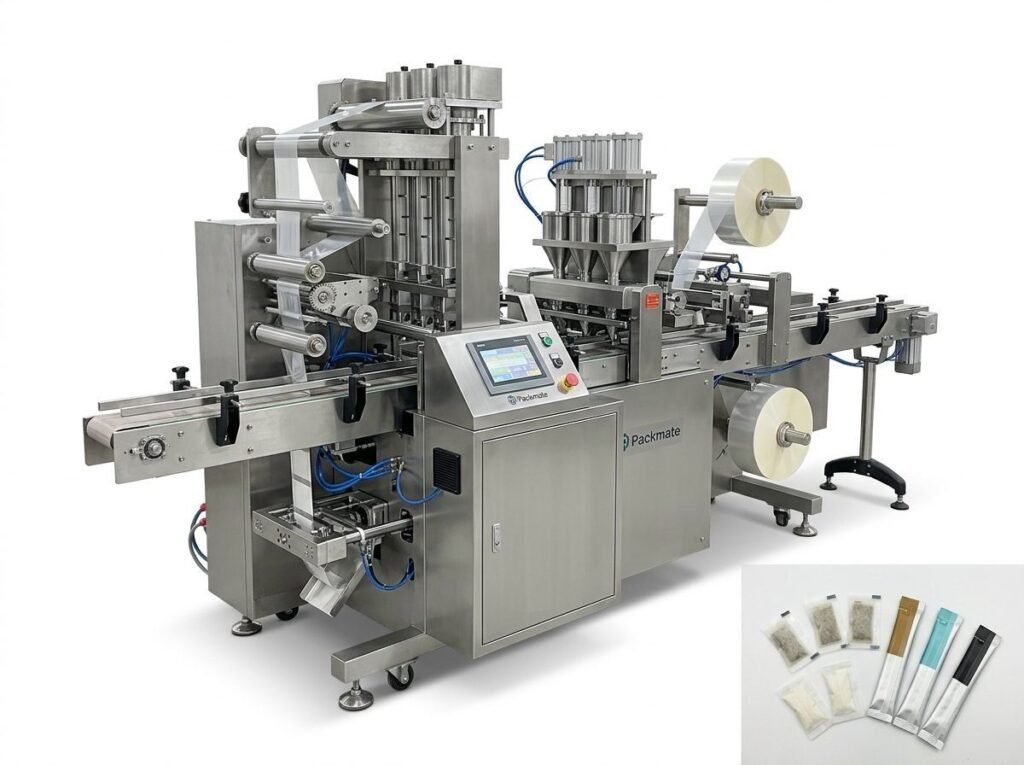
- Stick pack machines — suitable for single-dose stick formats.
- Sachet & stick pack machines — flexible for both small sachets and stick formats.
- Dedicated snus/nicotine pouch multi-lane systems — optimized for small, round or oval pouches with high output.
Explore product pages to compare technical specs and module options:
Snus & Nicotine Packaging Machines,
Sachet & Stick Pack Machines, and
Filling & Packaging Lines.
Commercial & logistical considerations for UK buyers 🇬🇧
Beyond the machine, think about customs, documentation, installation, and local support. After Brexit, UK importers may need clear documentation, declarations, and technical files to expedite customs clearance. Suppliers that offer consolidated shipping, installation supervision, and on-site commissioning will shorten time-to-production.
Key commercial checks:
- Payment terms and warranty coverage — confirm what’s included (spare parts, travel for engineers, training).
- Spare parts availability in Europe or via express shipping.
- Shipping terms (INCOTERMS), insurance during transit, and machine packaging for long sea/road haulage.
- After-sales SLA for UK-based incidents and remote troubleshooting channels.
- Factory acceptance test (FAT) documented in English
- On-site commissioning and operator training
- Clear spare parts kit and recommended stock list
Why references, exhibitions and case studies matter 📣
Reliable suppliers actively participate in industry exhibitions and publish case studies. Seeing a live machine at an exhibition or reviewing a detailed case where a supplier delivered a turnkey line for nicotine pouches gives confidence. Packmate, for instance, demonstrates machines at major international exhibitions and shares global cooperation cases highlighting turnkey projects across Europe and beyond. Browse case portfolios to assess real-world performance:
Case.
Practical steps to evaluate and purchase a packaging line 📝
Follow a structured procurement process to reduce surprises:
- Define your product and capacity needs — formats, target output, SKUs, and future growth expectations.
- Request documentation — machine datasheets, certificates, electrical requirements, spare parts list, and FAT videos.
- Arrange FAT or factory visit — see the machine running with product-equivalent material and obtain performance logs.
- Negotiate clear contractual terms — delivery schedule, acceptance criteria, penalties, warranty, and spare parts lead times.
- Plan installation & training — agree timelines for on-site commissioning and operator/maintenance training in the UK.
Factory Acceptance Test (FAT) and Site Acceptance Test (SAT)
FAT should include a documented run with actual or simulated materials, verifying speed, weight accuracy, sealing quality, and multi-lane synchronization. SAT after installation should confirm the machine performs under real production conditions. Both tests protect buyers and form the basis for warranty acceptance.
After-sales service, training and spare parts strategy 🔧
Excellent after-sales support prevents downtime. Ask potential suppliers for their spare parts catalog, recommended critical parts to stock locally, and typical response time for urgent shipments to the UK. Remote diagnostic capability via secure network access accelerates troubleshooting — this is especially useful for overseas suppliers.
Training should cover daily operation, troubleshooting, preventive maintenance, and mechanical adjustments. Ensure documentation (manuals, electrical drawings) is available in English and consider purchasing a preventive maintenance package.
Cost vs value: avoid lowest-price traps 💡
A tempting low purchase price can hide high lifecycle costs from frequent breakdowns, poor spare parts availability, or inadequate training. Evaluate total cost of ownership: uptime, energy consumption, spare parts, consumables, and time-to-repair. High initial investment in a robust solution often yields better long-term ROI for UK producers focused on consistent supply and brand reputation.
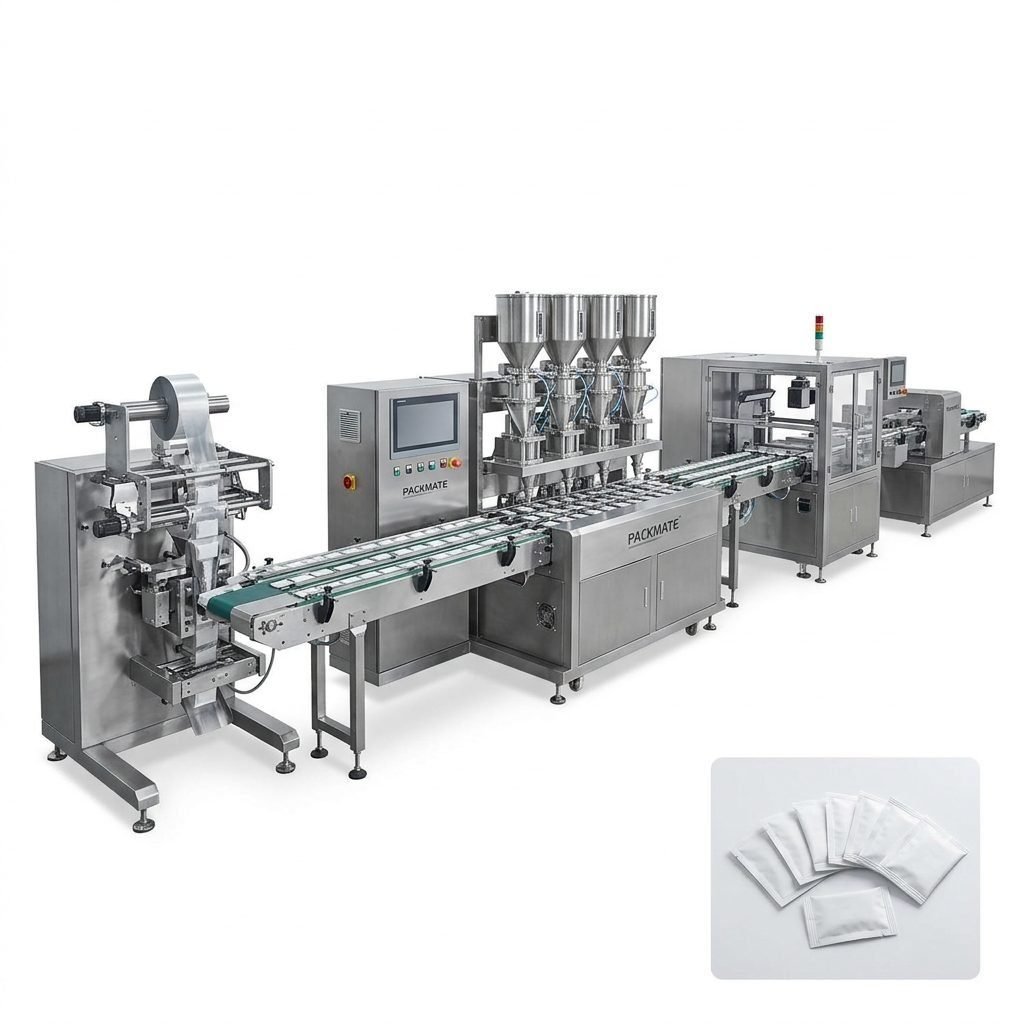
Suppliers with turnkey capability — offering weighing, filling, pouch forming, and secondary packaging — reduce integration risk. Review offerings like Weighing & Packaging Systems and Auxiliary Packaging Equipment for a complete line solution.
Negotiation tips & contract essentials ✍️
Negotiate clear milestones and acceptance criteria. Key contract elements include delivery schedule, FAT/SAT acceptance procedures, warranty scope, spare parts list and pricing guarantee period, training deliverables, and intellectual property rights for tooling or recipe settings. Include liquidated damages for late delivery if your launch date is fixed.
Local representation and communication
Prefer suppliers who provide a UK or EU-based representative, or at minimum, a dedicated English-speaking project manager. This reduces communication friction during commissioning and simplifies logistics and customs processing.
Final checklist for UK buyers — quick reference 📋
- Perform FAT with product-equivalent material and receive documented test reports.
- Confirm CE/ISO certificates and request help with UK import documentation; ask about UKCA where applicable.
- Verify spare parts lead times to the UK and request a recommended parts stock list.
- Agree on training, commissioning scope, and local language support.
- Check supplier references and recent projects in Europe or the UK.
Where to learn more and next steps 🔍
If you want deeper technical specifications, request datasheets and model comparisons from established manufacturers. Learn about Packmate Snus Machine’s background and capabilities by visiting their company overview and product sections. Useful links to explore include:
- About Packmate — company profile and development timeline.
- Bag & Pouch Packaging Machines — compare pouch formats.
- Contact Us — request quotations, FAT schedules, and site visits.
A careful procurement process, clear communication, and focus on total lifecycle value will help UK companies secure reliable nicotine pouch packaging solutions tailored to local consumer preferences and compliance needs.
Frequently Asked Questions (FAQs)
Q1: Are nicotine pouch packaging machines legal in the UK?
A1: Machinery itself is not restricted but product legality depends on the specific nicotine product and applicable UK regulations. Ensure your product complies with UK laws, labeling rules, and safety requirements before production and sale.
Q2: How long does installation and commissioning typically take?
A2: Installation times vary by line complexity; a single machine may take 1–3 days, while a turnkey multi-stage line with conveyors and automation can take several weeks including tuning and operator training. Plan for FAT, shipping, installation, and SAT in your project timeline.
Q3: What spare parts should UK producers stock locally?
A3: Critical spare parts include sealing jaws, sensors, belts, dosing nozzles, and motors. Request a supplier’s recommended critical-parts list and secure a small local inventory to minimize downtime.
Q4: How do I verify a supplier’s claimed speeds and outputs?
A4: Require a FAT with your product or closest material, ask for video evidence, and request contact details of existing European customers who can confirm field performance.
Q5: Where can I see real-world examples of packaging lines?
A5: Ask for case studies and exhibition demonstrations. Many suppliers, including Packmate, publish case records and participate in industry exhibitions where you can observe machines running and discuss turnkey solutions.