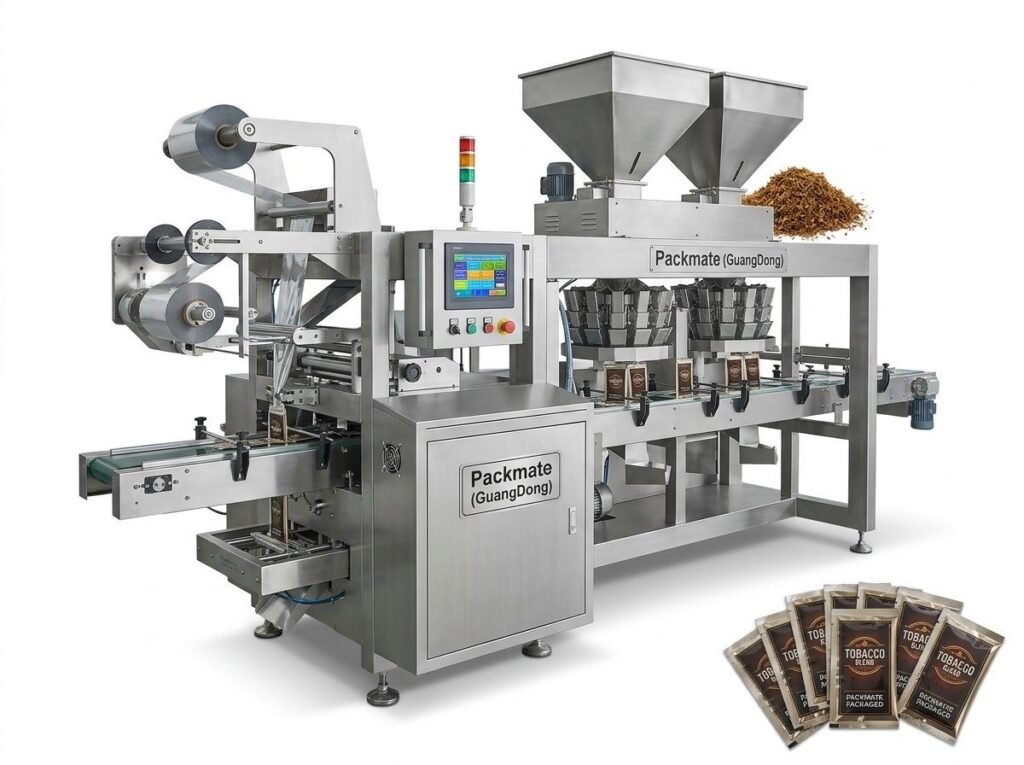
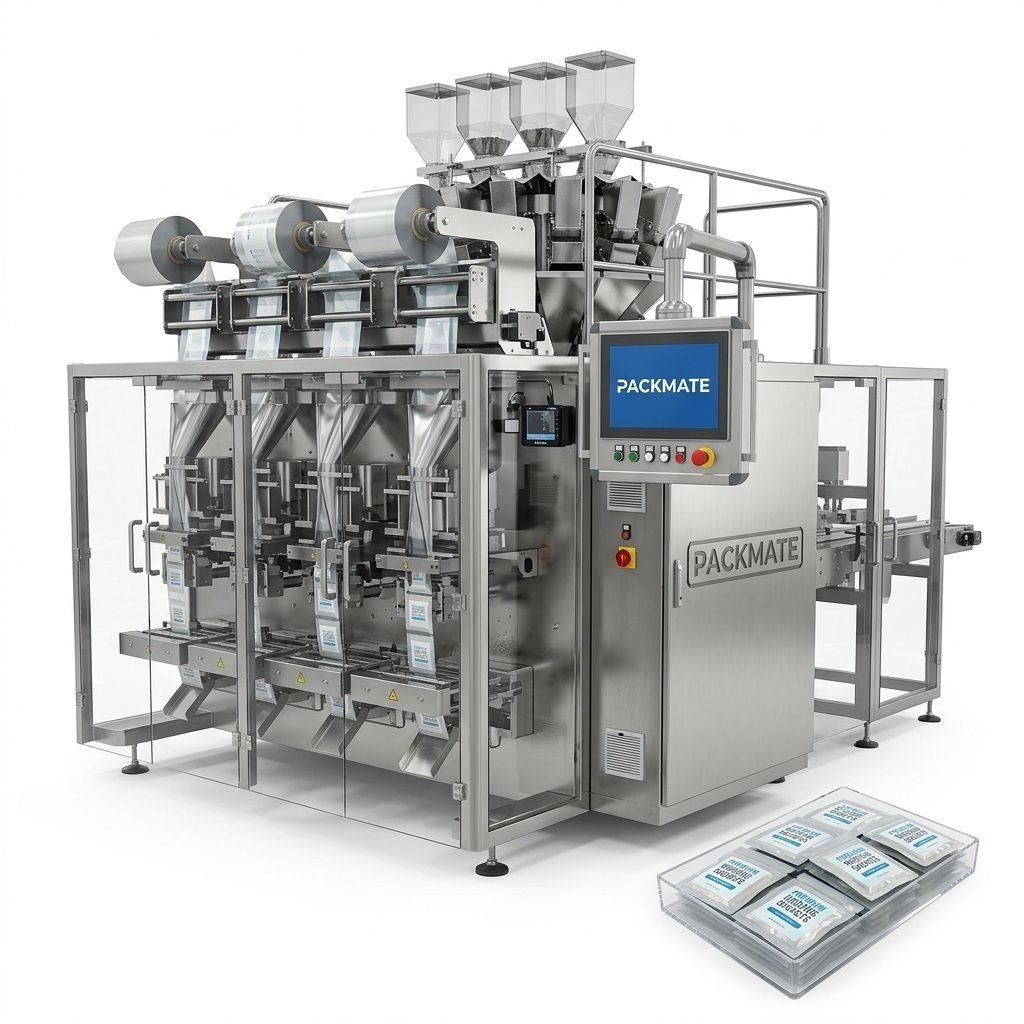
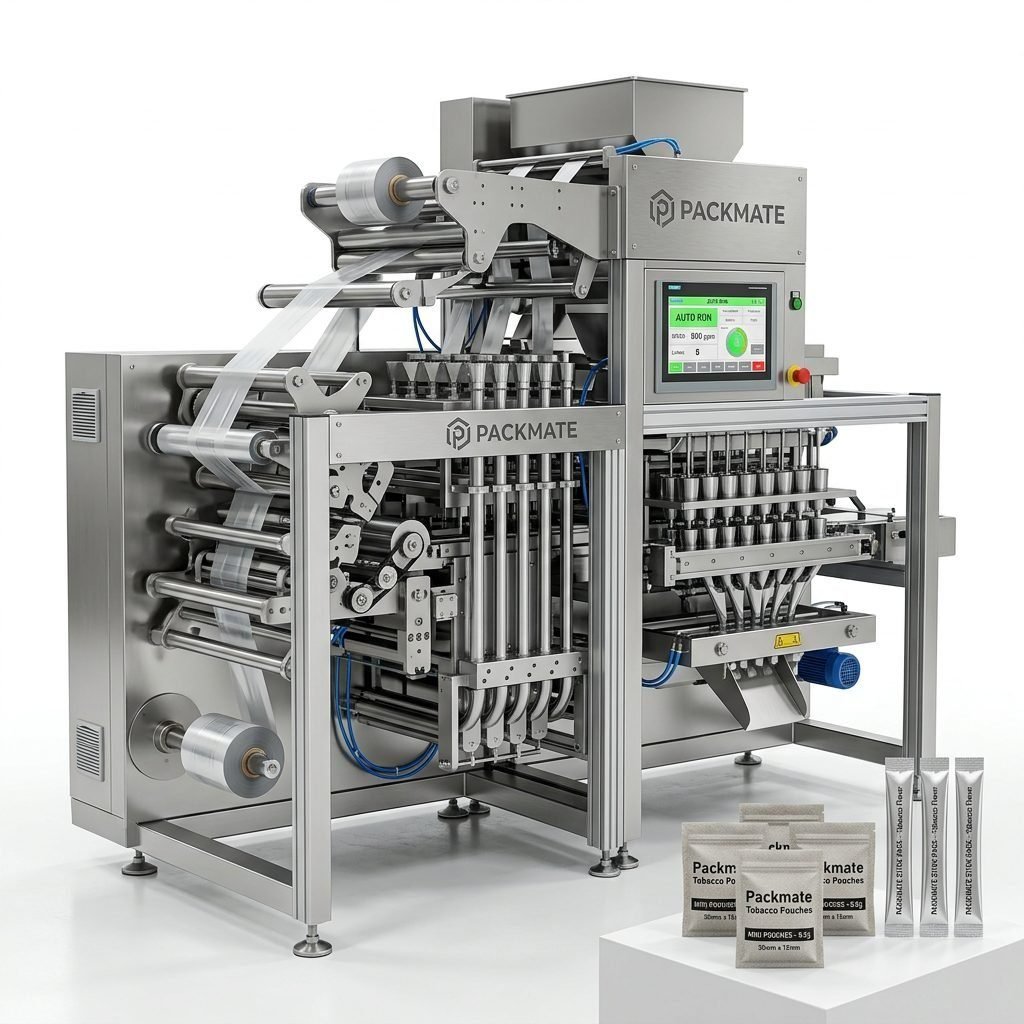
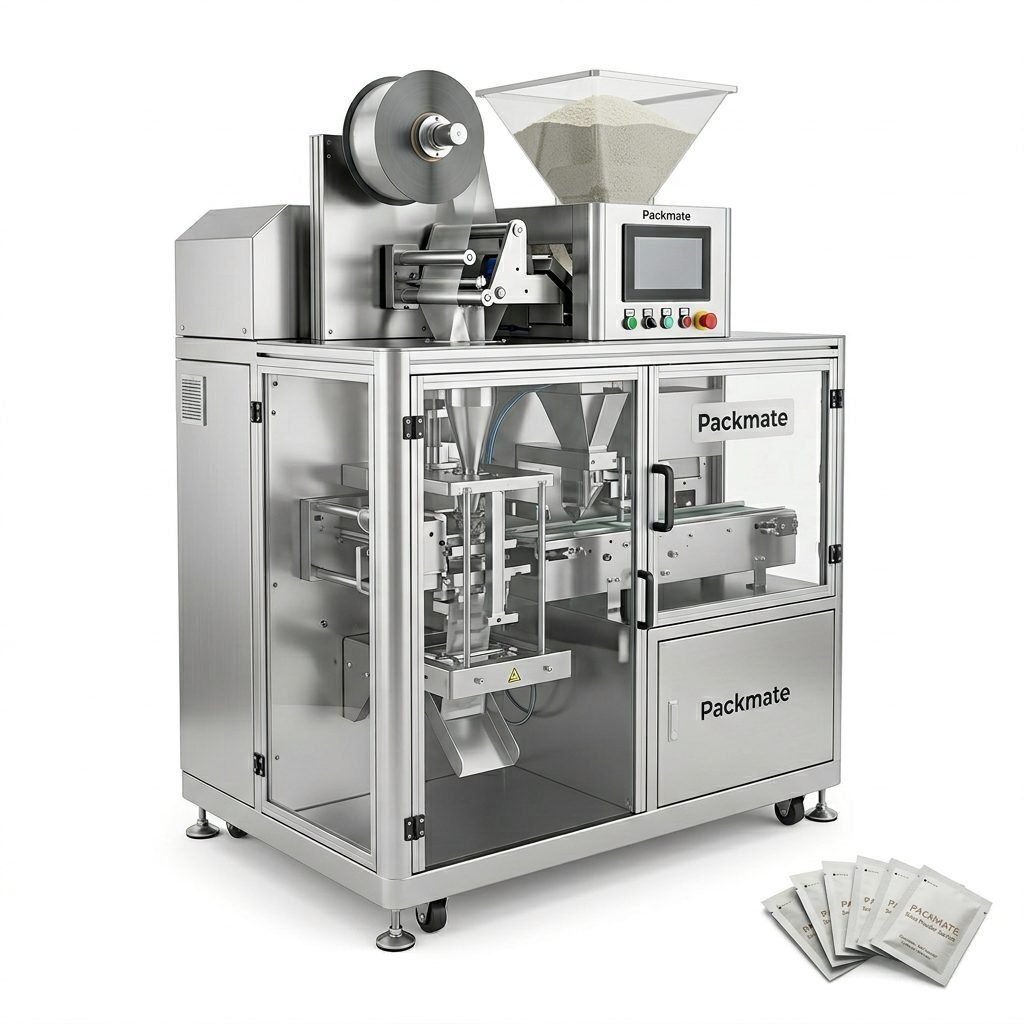
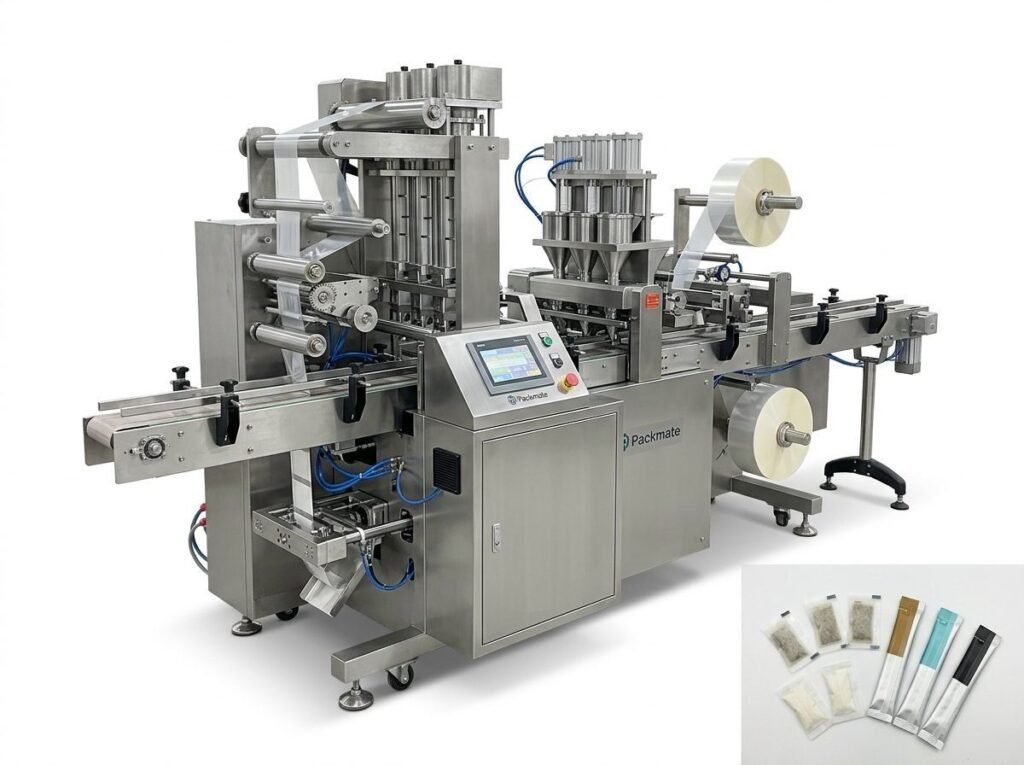
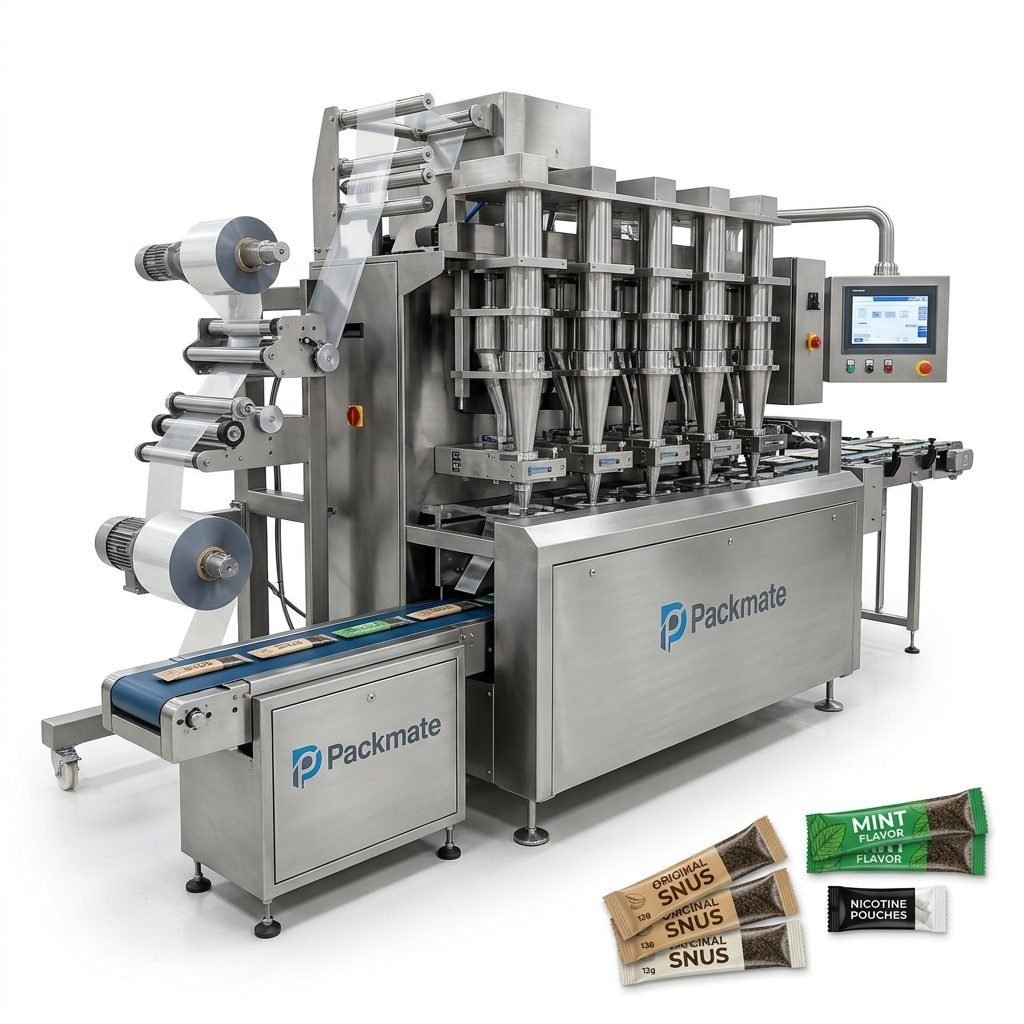
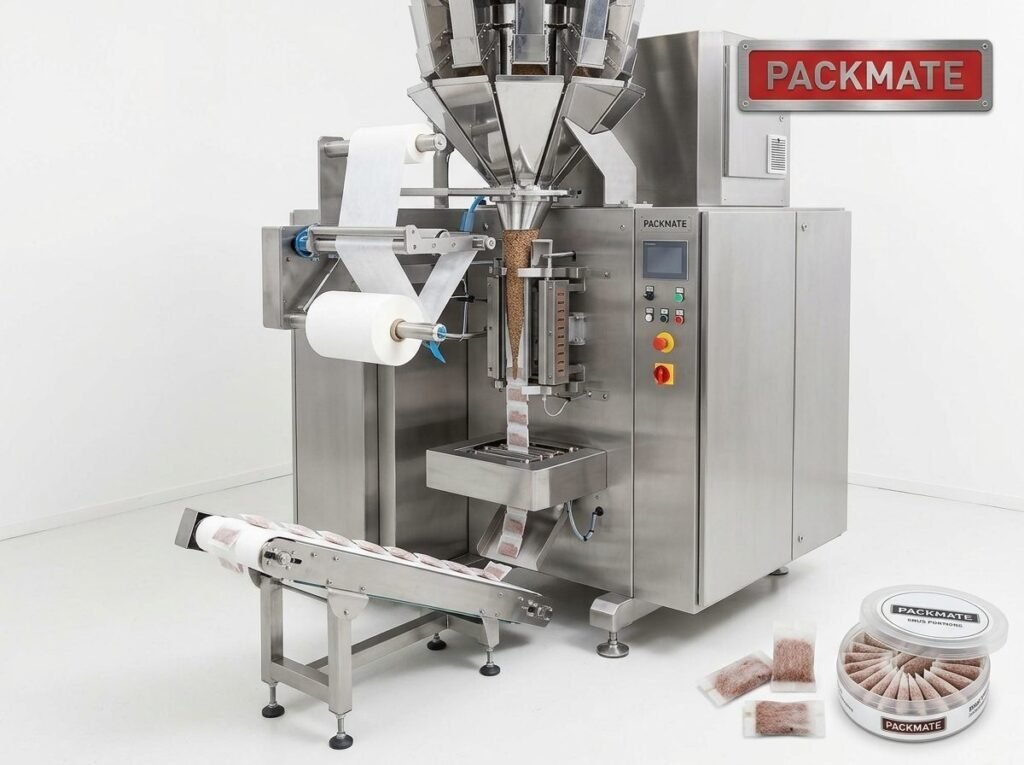
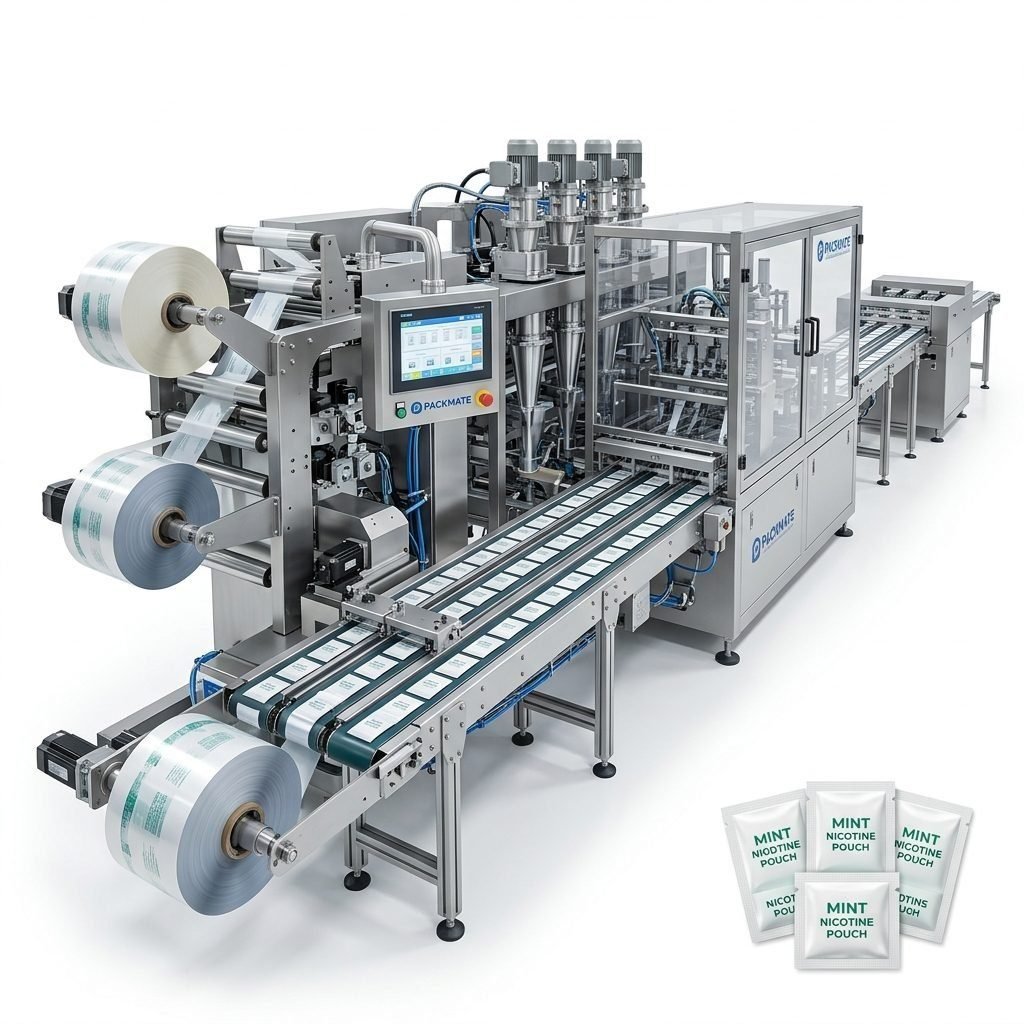
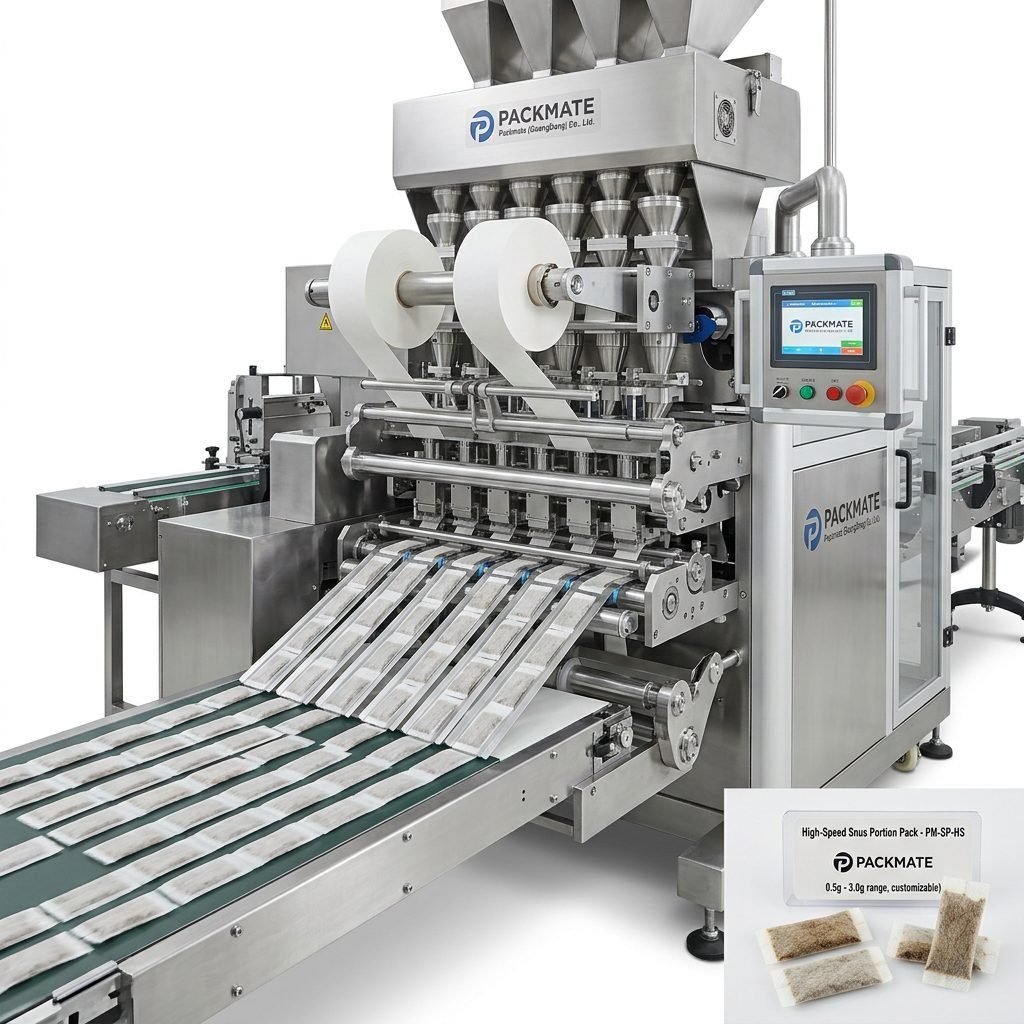
Compact, automated snus packaging systems are transforming how portion snus and nicotine pouches are produced, packaged, and delivered. Modern manufacturers demand machines that combine speed, reliability, precision dosing, and hygienic design while fitting into limited production floors. This article explores the features, benefits, and practical deployment considerations of compact snus packaging systems for high-speed portion snus production, drawing on industry-proven design principles and Packmate’s decades of expertise in packaging machinery.
Why Choose a Compact Snus Packaging System?
A compact snus packaging system is ideal for companies that require high throughput from a small footprint. Key advantages include reduced plant space requirements, lower energy consumption, simplified operator access, and faster changeovers. These systems are especially suited for producers scaling from pilot runs to full commercial production without committing to large, fixed production halls.
⚙️
Core benefit:
Space-efficient automation enables consistent portion weight, rapid lane scalability, and lower overall operational cost compared with multiple discrete manual stations.
Typical Applications
Compact snus packaging machines are widely used for nicotine pouches, portion snus, tea sachets, powder and granular dosing, and stick packs. The same compact chassis can often be adapted with different dosing modules, multi-lane feed systems, and end-of-line solutions such as checkweighers and case packers to create a complete, flexible production cell.
Key Features of High-Speed Portion Snus Systems
Modern compact systems combine mechanical precision with intelligent control. Look for machines that include:
- Multi-lane capability for parallel filling and sealing to multiply throughput without increasing footprint.
- Servo-driven mechanics for repeatable dosing and film handling accuracy at high speeds.
- Hygienic stainless-steel construction and easy-clean design to meet food and nicotine product regulations.
- Modular tooling to switch between portion sizes, pouch styles, or film materials quickly.
- Integrated quality control such as vision inspection and checkweighing to reduce rejects and maintain compliance.
✅
Performance note:
When specifying a compact snus system, evaluate both peak machine RPM and sustained production rate — true throughput depends on dosing accuracy, lane synchronization, and downstream packing.
Technical Considerations
Selecting the right compact system requires attention to dosing technology (auger, piston, vibratory), film type and thickness, sealing method, and lane count. For nicotine pouches, precise micro-dosing is critical: tolerance bands are tight, and regulatory compliance demands consistent nicotine levels. Machines that support automated recipe storage and quick tooling swaps help reduce downtime during product transitions.
Production Workflow: From Powder to Packed Pouch
An optimized compact production line integrates upstream filling and blending, the snus pouch machine itself, and downstream inspection and packaging. A typical workflow includes:
- Raw material feeding and pre-blending to ensure uniform powder flow.
- Precision dosing into multi-lane feeders with synchronized timing for portions.
- Film forming, sealing, and cutting to create individual portions or sachets.
- Vision and weight checks to confirm content integrity and labeling accuracy.
- Collection, secondary packing (tubes, cartons), and case packing for logistics.
🟡
Integration tip:
Choosing matched upstream and downstream equipment from a single supplier simplifies system integration and electrical/PLC interoperability.
Compact vs. Large-Scale Lines: Which to Pick?
Compact systems are best for flexible production, pilot plants, contract manufacturers, or facilities with limited floor space. Large-scale dedicated lines give higher absolute throughput and potential economies of scale but require more capital and larger footprint. Consider production forecasts, SKU variety, and available floor space when choosing between compact and large-scale solutions.
Customization & Turnkey Solutions
A compact snus packaging system becomes a strategic asset when offered as a customizable, turnkey solution. Manufacturers can choose filler types, lane counts, sealing formats, and automation levels. Turnkey offerings often include mechanical integration, PLC/HMI setup, IQ/OQ documentation, staff training, and spare parts packages so the line is production-ready upon installation.
For additional product options and modular expansions, explore specialized lines such as Snus & Nicotine Packaging Machines and Sachet & Stick Pack Machines.
Case Study Highlights
Manufacturers who adopted compact multi-lane systems reported:
- Up to 4x throughput increases on the same production footprint due to lane multiplication.
- Reduced labor cost from automated feeding and packaging.
- Improved consistency and lower product waste thanks to precise dosing and inline QC.
📌
Real result:
A mid-size contract packer reduced changeover time by over 40% after switching to a modular compact line with cartridge-style tooling and recipe management.
Compliance, Certification, and Quality Assurance
Compliance with international standards is essential for nicotine product packaging. Equipment that meets CE and ISO certifications helps customers ensure regulatory alignment and safety. Look for hygienic design features (IP-rated enclosures, easy-to-sanitize surfaces), traceable electrical and software documentation, and service packages. Packmate equipment is built to international standards and commonly supplied with full certification and testing documentation.
For detailed product ranges and certification details, review related systems such as Filling & Packaging Lines and the company profile on About Packmate.
After-Sales and Service Expectations
Reliable after-sales support keeps compact lines productive. Important service elements include:
- Installation & commissioning by factory-trained engineers.
- Operator training and SOP development for hygienic and safe operation.
- Spare parts kits and preventive maintenance schedules.
- Remote diagnostics and software updates to minimize downtime.
🔧
Service highlight:
Comprehensive service contracts often reduce total cost of ownership by ensuring predictable maintenance and keeping production KPIs stable.
Design Tips for Small-Footprint Production Floors
When designing a compact production cell, consider utility access (compressed air, power, vacuum), ergonomic operator zones for loading and tool changes, and clear material flow paths to minimize cross-contamination. Plan for future expansion by reserving space for additional lanes or linked downstream modules such as case sealers and palletizers.
Sustainability & Cost Efficiency
Compact machines can have a sustainability edge: smaller drives and fewer ancillary systems reduce energy use, while reduced waste from precise dosing improves material efficiency. Consider compatibility with recyclable films and optimized packaging designs to further reduce environmental impact.
Choosing a Supplier
Selecting a supplier with deep experience in snus and nicotine packaging ensures machines are purpose-built for product requirements. Evaluate a vendor on their engineering history, factory capabilities, model range, and global references. Companies with large manufacturing facilities and comprehensive R&D resources — along with proven exhibition presence and case studies — typically provide more reliable long-term partnerships.
For example, visit product categories and solutions to compare options: Snus & Nicotine Packaging Machines, Auxiliary Packaging Equipment, and project galleries at Case.
Final Thoughts
Compact snus packaging systems deliver powerful advantages for manufacturers seeking scalable, flexible, and efficient production solutions. By focusing on precision dosing, modular design, hygienic construction, and integrated quality control, these systems support consistent product quality at speeds that meet market demand. Investing in a well-engineered compact system and a strong supplier partnership will accelerate time-to-market and improve long-term profitability.
Frequently Asked Questions
Q1: What throughput can a compact multi-lane snus machine achieve?
A1: Throughput varies by lane count, dosing method, and pouch format. Compact multi-lane systems commonly achieve the equivalent output of a larger single-lane line by running 2–8 lanes in parallel. Speak with suppliers about your target pieces per minute and portion size to get a tailored estimate.
Q2: How difficult is changeover between SKUs?
A2: Modern compact systems are designed for quick changeovers with modular tooling and recipe management. A well-organized changeover typically takes from minutes to an hour depending on the degree of format change; supplier-provided SOPs and training accelerate this process.
Q3: What maintenance is required for these machines?
A3: Routine maintenance includes cleaning and inspection of dosing components, monitoring seal jaws, checking film paths, lubrication of moving parts, and periodic calibration of weighing systems. Preventive maintenance schedules and spare parts kits reduce unplanned downtime.
Q4: Are compact snus machines compliant with international certifications?
A4: Reputable suppliers build machines to meet CE and ISO standards and provide required documentation for regulatory inspections. Confirm specific certifications with your vendor, especially if supplying to regulated markets.
Q5: How can I evaluate the right machine model for my business?
A5: Start with a capacity forecast, SKU complexity, available floor space, and budget. Request production simulations, reference installations, and on-site demonstrations or trials. Engage suppliers that offer turnkey solutions and strong after-sales support to lower implementation risk.