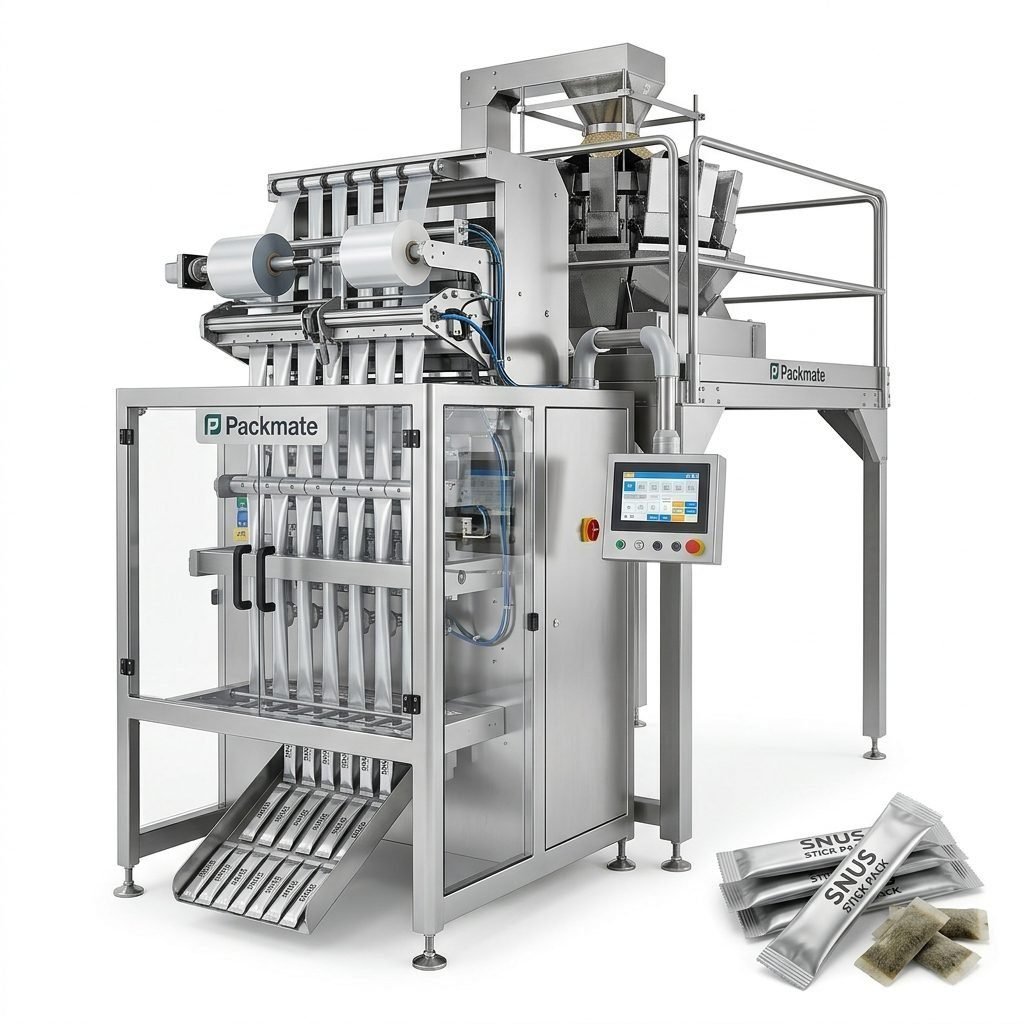
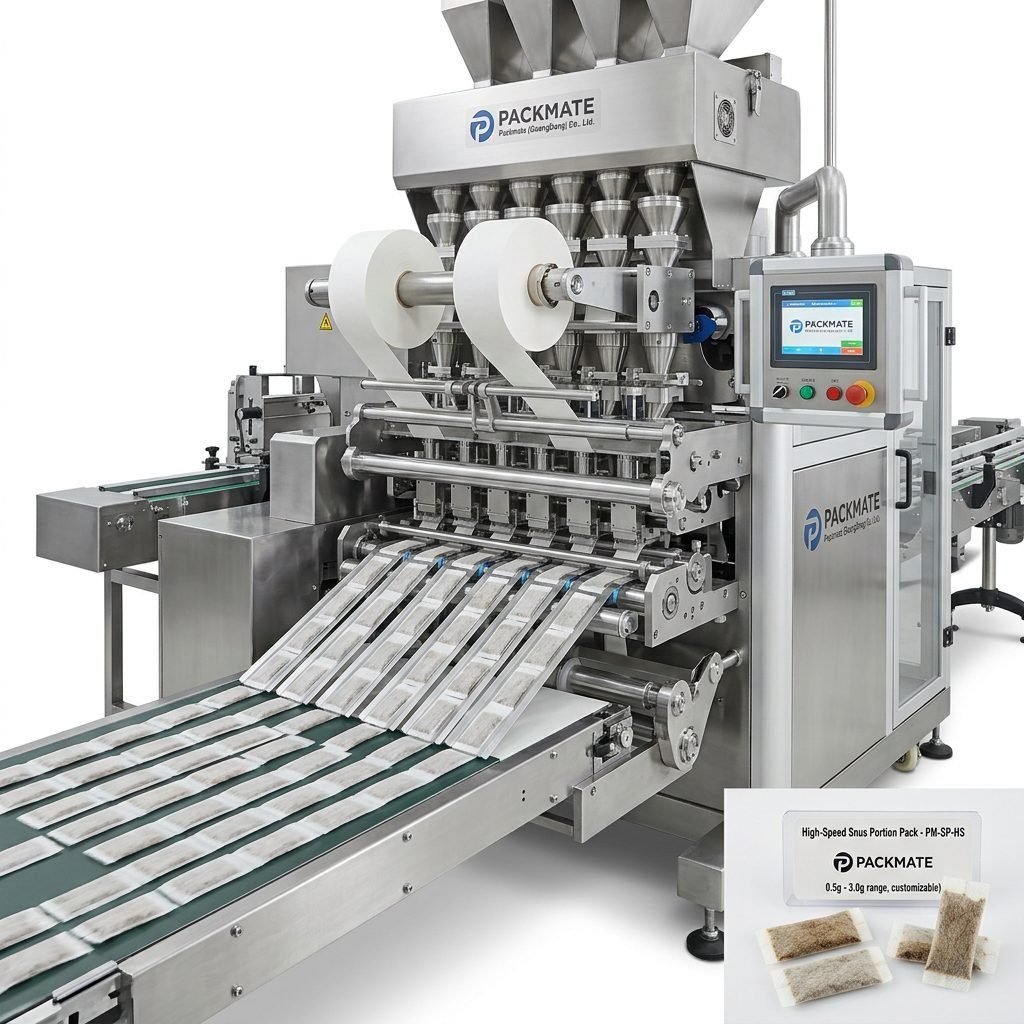
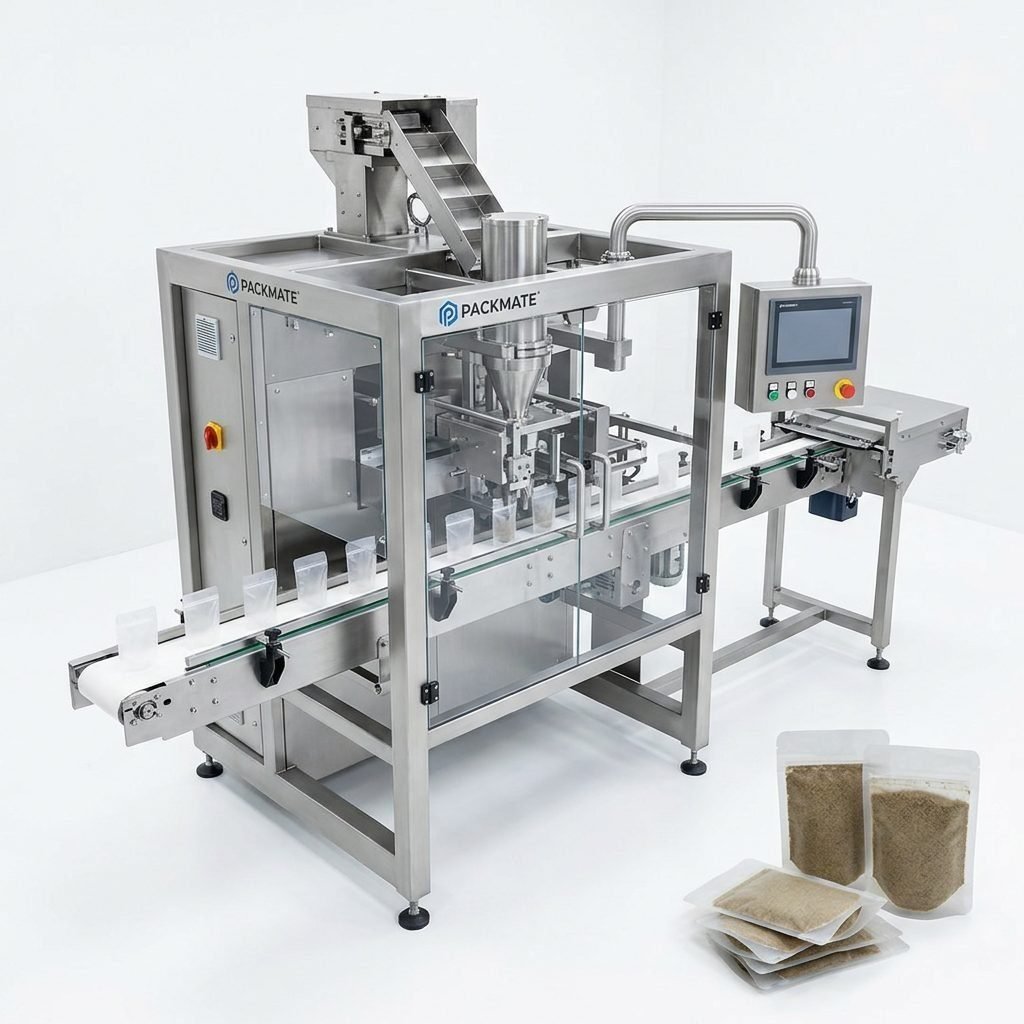
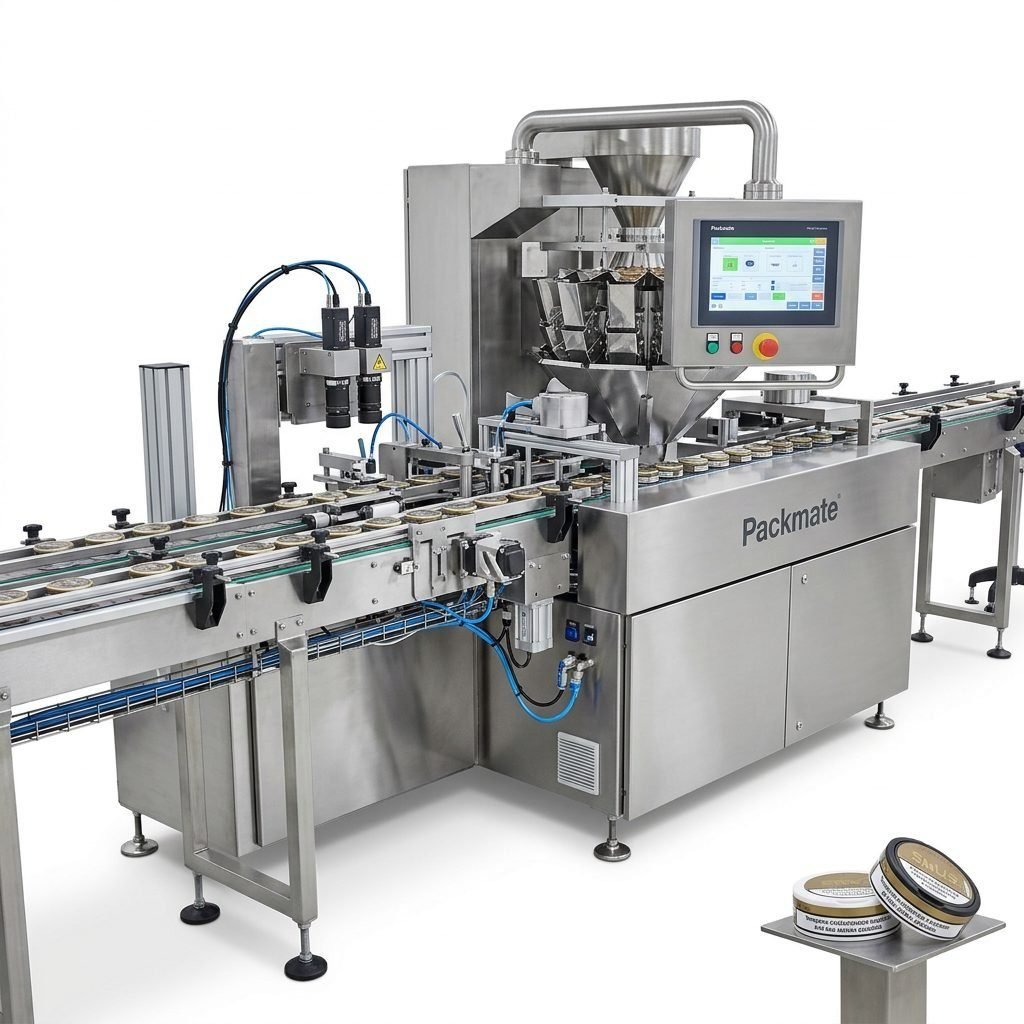
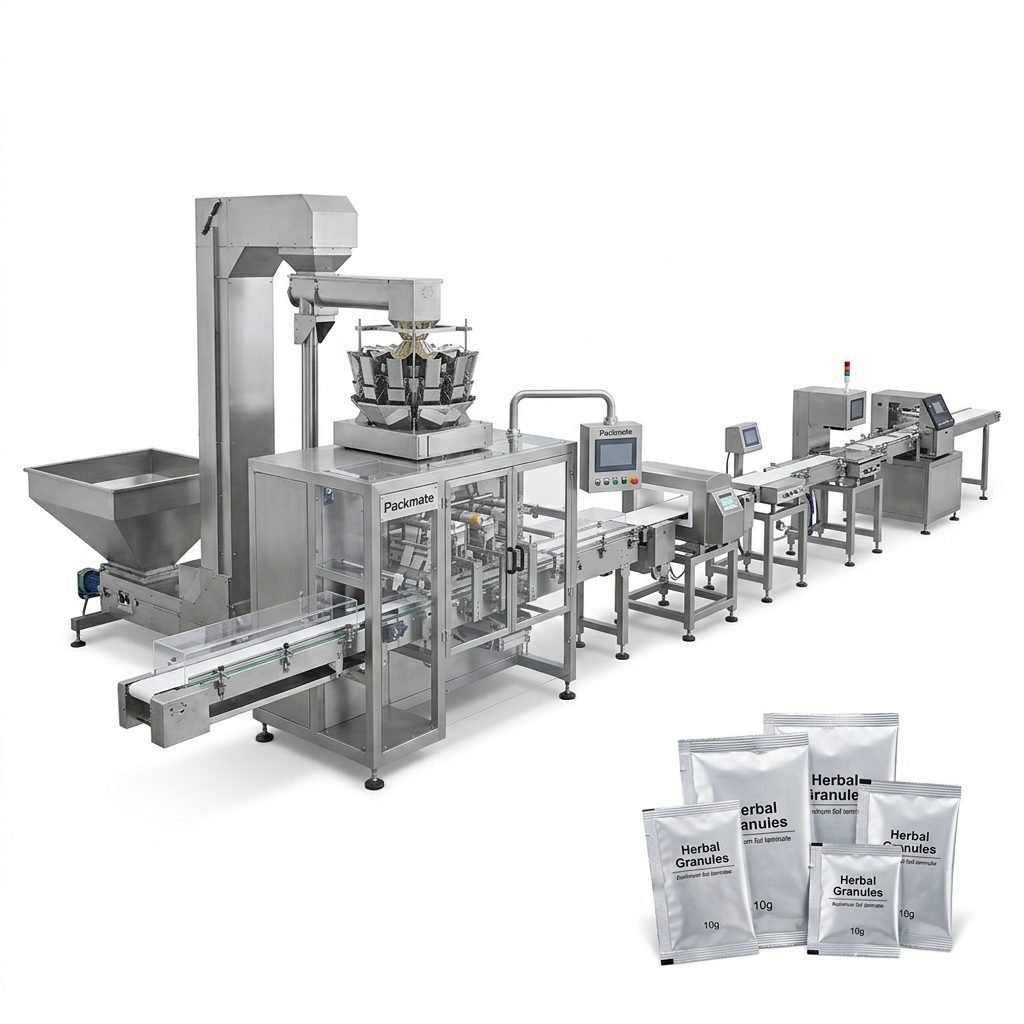
Choosing the right snus packaging machine supplier in Papua New Guinea is more than a procurement task — it is a strategic decision that affects product quality, regulatory compliance, and the ability to scale in a market where logistics and local customs matter. This guide walks you step-by-step through what to evaluate, how to weigh technical and business factors, and how to work effectively with a global manufacturer while adapting to Papua New Guinea’s unique business environment.
Understand the Local Market and Cultural Context
Papua New Guinea (PNG) is a country of diverse cultures and widely varying infrastructure. When sourcing industrial equipment like a snus packing machine, consider these local realities:
• Distribution & Distance: Many customers and retailers are located in remote areas where road and sea transport can be slow or irregular. Choose a supplier that understands durable packaging and offers protective crating and logistics support. 📦
• Regulatory Awareness: Nicotine and snus products face strict import and labeling rules in many jurisdictions. Make sure your supplier can provide documentation (CE, ISO, machine manuals) and help with customs paperwork. Trusted suppliers will proactively share certificates and compliance detail. ⚠️
• Business Culture: PNG values relationships, face-to-face communication, and respect for local authority structures. Expect negotiations to involve building trust, sometimes in person or via trusted local agents. Suppliers familiar with Oceania business norms will be easier partners to work with.
Why Supplier Choice Matters: Key Business Impacts
Selecting the right machinery supplier changes your production economics and brand reliability:
• Production consistency: A stable multi-lane snus packaging line ensures uniform pouch weight and seal integrity, reducing returns and customer complaints.
• Up-time & Service: Machines with robust design and accessible spare parts keep your factory running. For Papua New Guinea, look for suppliers offering fast spare part shipping and remote support.
• Scalability: As demand grows, modular lines or machines with multi-lane capability allow capacity expansion without complete replacement.
Core Technical Criteria to Compare
🔍 Production Speed & Accuracy: Evaluate pouches per minute, lane options, and dosing accuracy. For nicotine pouches, consistency in dosage and seal integrity is essential to meet regulatory claims and customer expectations.
🔍 Hygiene & Materials: Check for food-grade contact parts (SS304/316), easy-to-clean designs, and protective covers. Machines intended for tobacco or nicotine lines must avoid cross-contamination.
🔍 Automation & Integration: Look for PLC controls, HMI interfaces with clear menus, recipe storage, and compatibility with upstream weighing systems or downstream cartoning lines. Integration lowers manual handling and error.
🔍 Flexibility: Ability to run multiple bag sizes (stick, sachet, multi-lane pouches) reduces the need for separate lines and adds product versatility.
What to Check About Factory Capability and Quality Control
Look beyond brochures. Verify the supplier’s manufacturing strength:
• Factory Size & Equipment: A well-equipped factory with CNC and precision assembly shows the ability to produce consistent, high-quality parts across many models. Packmate’s 20,000㎡ facility and advanced CNC centers are examples of such capability.
• Experience: Prior experience in snus and nicotine pouch equipment matters. Suppliers with decades of R&D in pouch lines will better anticipate production issues and offer refined solutions.
• Certifications & Testing: Request certificates (CE, ISO) and evidence of machine testing under real production conditions. Well-documented factory acceptance tests (FAT) reduce surprises at installation.
Evaluate After-Sales Support and Spare Parts
A machine is only as good as its service network:
• Remote Support: Confirm availability of remote diagnostics and software updates; this is critical given PNG’s remote locations. Quick video troubleshooting can save days of downtime. 📞
• Spare Part Availability: Ask for spares catalogs, lead times, and suggested spare-kit lists. Reputable manufacturers maintain stock for common wear parts and offer express shipping options.
• Training & Commissioning: Ensure the supplier provides on-site commissioning and operator training. If travel to PNG is restricted, structured remote training plans are a must.
Logistics, Import and Customs Considerations for PNG
Papua New Guinea’s import process can involve multiple agencies and variable port efficiency. Protect your delivery by:
• Clear Documentation: Request full packing lists, machine manuals, CE/ISO certificates, electrical schematics, and spare parts lists. Proper documentation speeds customs clearance.
• Crating & Protection: Machines crossing oceans must be crated for humidity and rough handling. Ask for sea-proof packing and clear labeling of fragile zones.
• Local Agents & Installation: Consider partnering with a local engineering firm for installation and maintenance. That local presence can be invaluable for remote commissioning and follow-up parts handling.
Commercial Terms: Warranty, Payment, and Lead Time
Negotiate terms that protect your investment:
• Warranty Period and Scope: Clearly document what failures are covered, response times, and on-site support coverage. A 12-month warranty with extended options is a reasonable baseline.
• Payment Terms: Typical structured payments include deposit, progress payment, and balance before shipment. Ensure clear milestones tied to FAT results.
• Lead Time & Production Slots: Confirm realistic lead times and production scheduling. High-demand machines may require several months lead time; factor this into your launch timeline.
Practical Supplier Evaluation Checklist
✅ Technical Spec Match: Machine speed, dosing accuracy, lane capability and bag types supported.
✅ Factory Tour or Video: Evidence of CNC machining, assembly lines, and test runs.
✅ References and Case Studies: Request customer case examples, ideally similar product types and markets.
✅ After-Sales Package: Spare parts kits, remote support, and documented training plans.
✅ Compliance & Documentation: Certificates and machine manuals ready for customs and regulatory checks.
How to Run a Factory Acceptance Test (FAT) Remotely
If travel from PNG to the supplier country is impractical, ensure a robust remote FAT:
• Request a live video demonstration showing production under expected operating conditions (same pouches, same film, real product if possible).
• Ask for recorded videos of multiple runs, including changeover procedures, maintenance access, and error recovery.
• Agree on acceptance criteria before the test: pouch weight tolerance, seal strength tests, and cycle rates.
Why Choose an Established Manufacturer Like Packmate
Working with a partner that has deep engineering experience and global reach reduces risk. Packmate Snus Machine, for example, offers:
• Over 30 years of engineering experience and specialized snus packaging expertise.
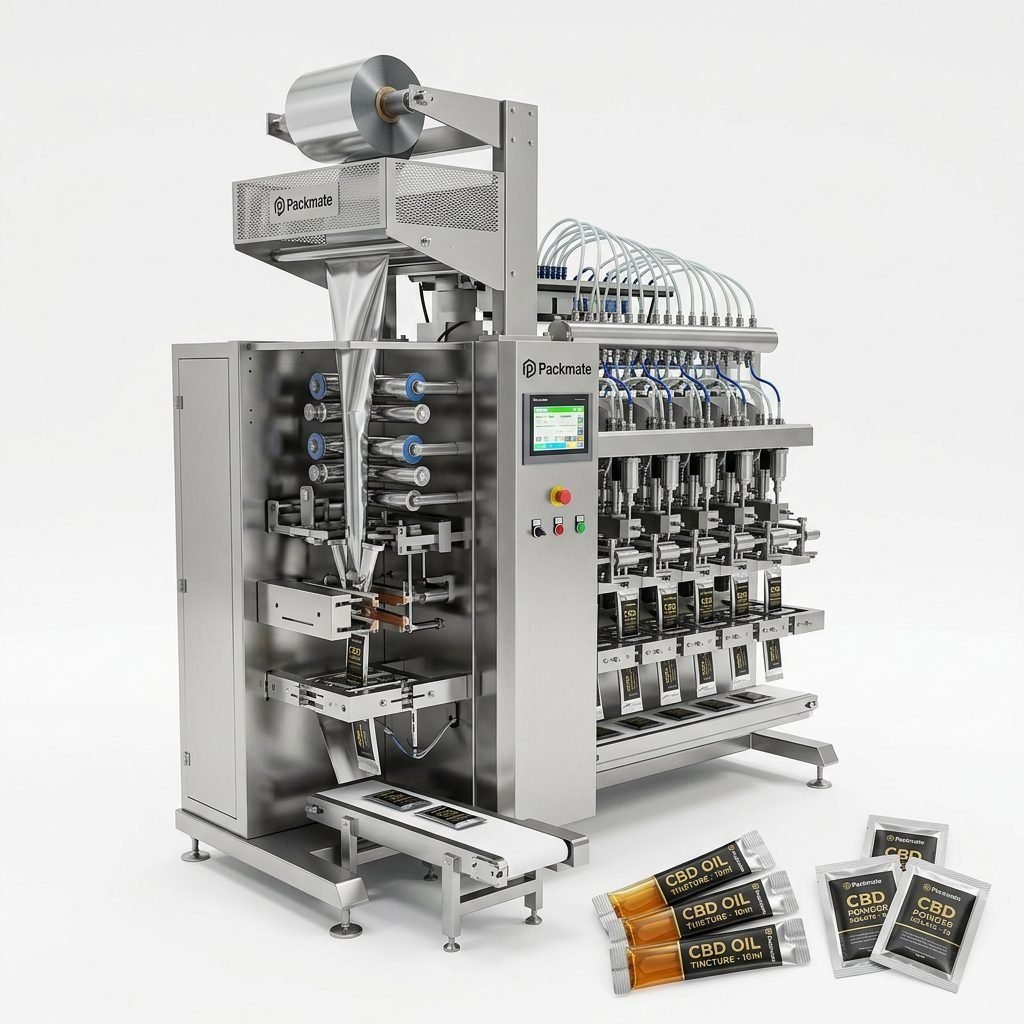
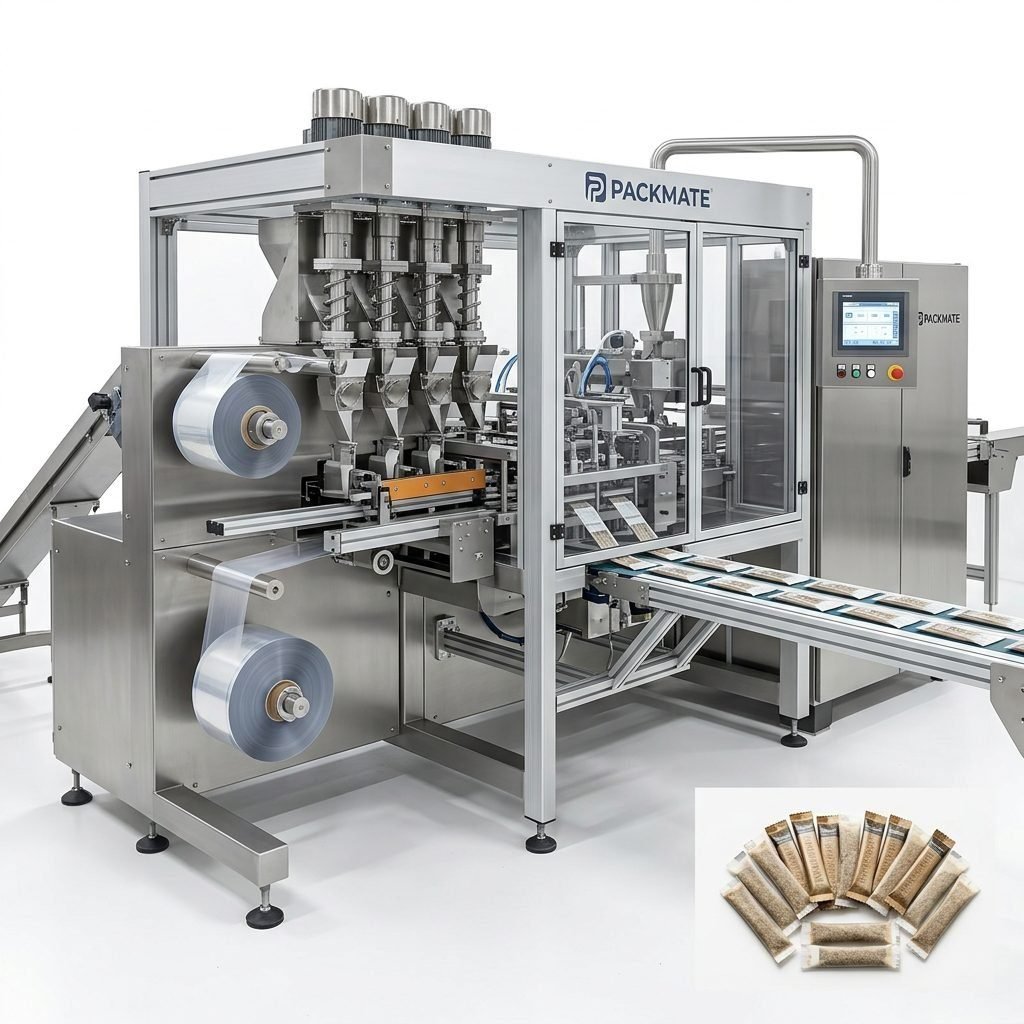
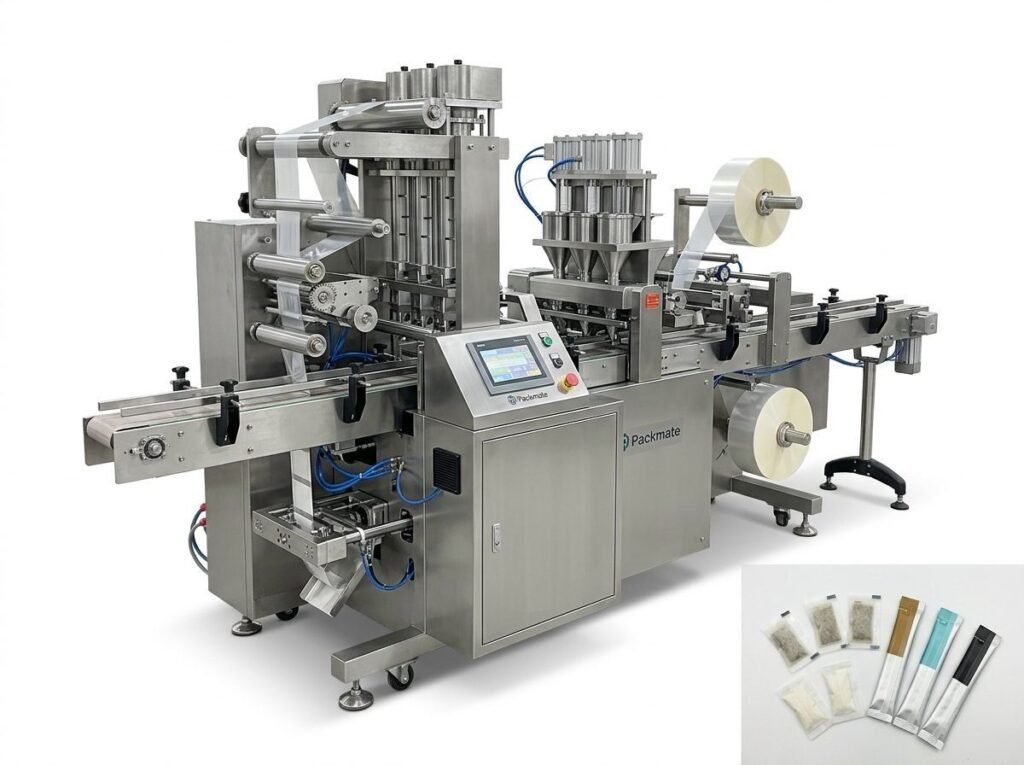
• A broad product portfolio with multi-lane systems and turnkey solutions for nicotine pouches and snus. See their Snus & Nicotine Packaging Machines for more detail. Snus & Nicotine Packaging Machines
• Strong factory capabilities (20,000㎡ production area, advanced CNC) and compliance with international standards. Learn more About Packmate. About Packmate
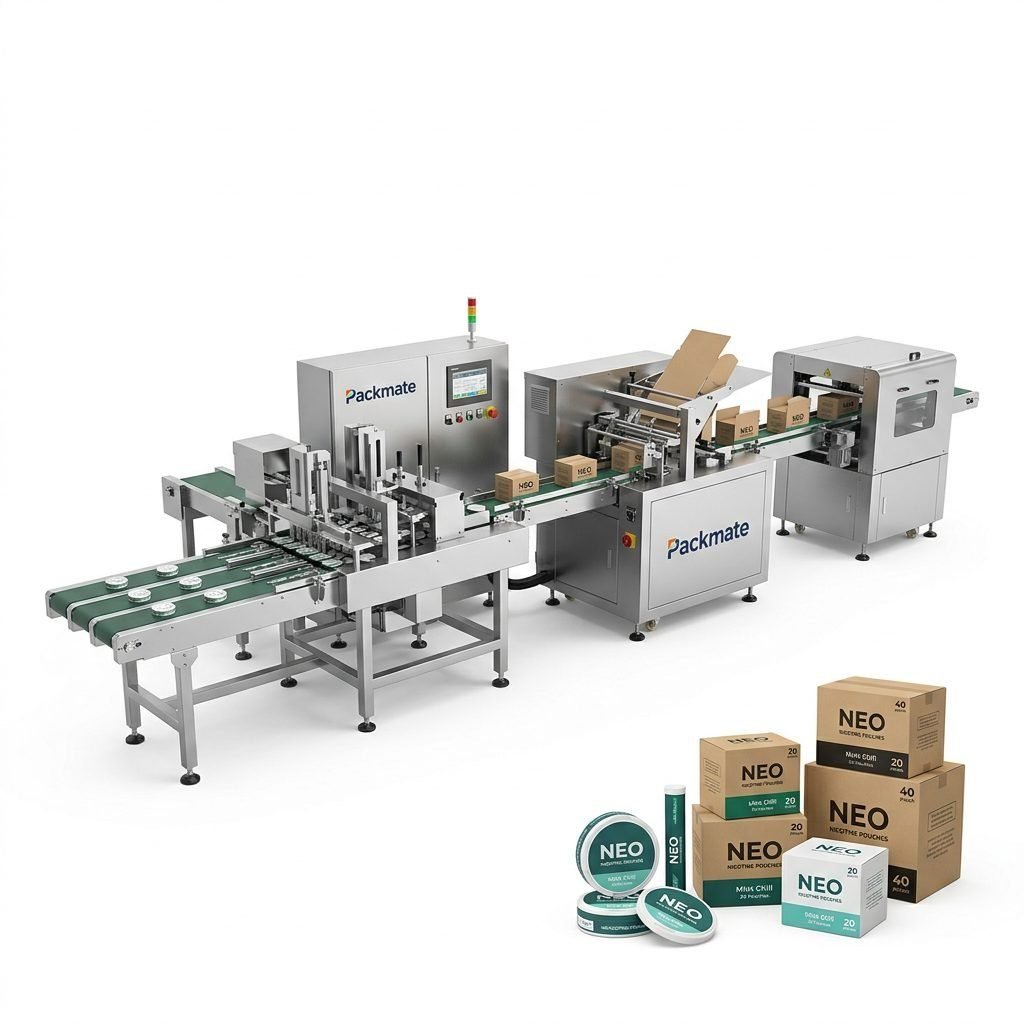
• A range of complementary solutions (weighing, filling, auxiliary equipment) that help deliver a complete line. Check Filling & Packaging Lines and Auxiliary Packaging Equipment when planning integrated production. Filling & Packaging Lines | Auxiliary Packaging Equipment
Negotiation Tips and Contract Clauses to Include
• Acceptance Criteria: Define performance metrics and FAT acceptance test details.
• Spare Parts & Service Response: Include guaranteed lead times for critical spares and response SLAs for remote support.
• Training & Documentation: Mandate operator and maintenance training and require comprehensive manuals and electrical schematics.
Practical Steps to Get Started in PNG
1) Define product formats (bag type, pouch material, target output). Use this to shortlist machine models. Consider multi-lane machines if you expect rapid scaling.
2) Request detailed quotations that separate machine price, shipping, crating, commissioning, and spare kits. Transparent cost breakdowns prevent surprises at customs.
3) Plan for local installation support — either a supplier technician visit or a vetted local engineering partner.
4) Create a timeline that includes lead time, shipping buffer, customs clearance estimate, installation, and operator training. Leave contingency for port delays and paperwork.
A Short Supplier Comparison Matrix (What to Score)
🔢 Technical Fit: Speed, dosing, bag types — score 1-10
🔢 Quality & Build: Materials, CNC capability, testing — score 1-10
🔢 Support & Parts: Spare availability and response time — score 1-10
🔢 Commercial Terms: Warranty, lead time, payment terms — score 1-10
Final Practical Reminders
• Always ask for live demos or test runs with your actual pouch film and product. Machines can behave differently with specific materials.
• Verify spare part pricing and shipping options — a small investment in spares reduces downtime significantly in PNG’s remote environment.
• Keep communications clear and documented: approvals, FAT results, and service commitments should be in writing to avoid ambiguity.
Useful Resources & Next Steps
If you want more detailed machine specs or case studies, visit the Packmate product pages for Sachet & Stick Pack Machines and Bag & Pouch Packaging Machines to compare models and line configurations. Sachet & Stick Pack Machines | Bag & Pouch Packaging Machines
To discuss timelines, quotes, and commissioning options for PNG specifically, contact the supplier’s sales or service team and request references from Oceania projects: Contact Us
📌 Quick Decision Checklist: Match tech specs → Verify factory & tests → Secure clear warranty & parts → Plan logistics & local support.
Common Questions
Q1: How long does it typically take from order to installation for snus packaging equipment shipped to PNG?
A1: Lead time varies by model and production backlog but typically ranges from 8 to 20 weeks for manufacturing plus 2–8 weeks for sea freight and customs; always add contingency for remote destinations.
Q2: What documentation do I need to clear a snus packing machine through PNG customs?
A2: Standard documents include commercial invoice, packing list, bill of lading, certificate of origin, CE/ISO certificates, and operation manuals. Suppliers should provide full documentation for customs clearance.
Q3: Can suppliers support remote troubleshooting if an issue happens after commissioning?
A3: Yes — modern suppliers offer remote diagnostics, video-guided repairs, and spare parts shipping. Ensure response time SLAs are specified in your contract.
Q4: How important is it to choose a multi-lane machine for production in PNG?
A4: Multi-lane machines offer scalability and higher throughput for small-dose products like nicotine pouches. If you expect demand growth, multi-lane capability reduces future capital expense.
Q5: Where can I see real examples and case studies of packaging lines similar to mine?
A5: Review the supplier’s case section and product pages for real-world installations and performance examples. See manufacturer case studies for insight into similar projects. Case