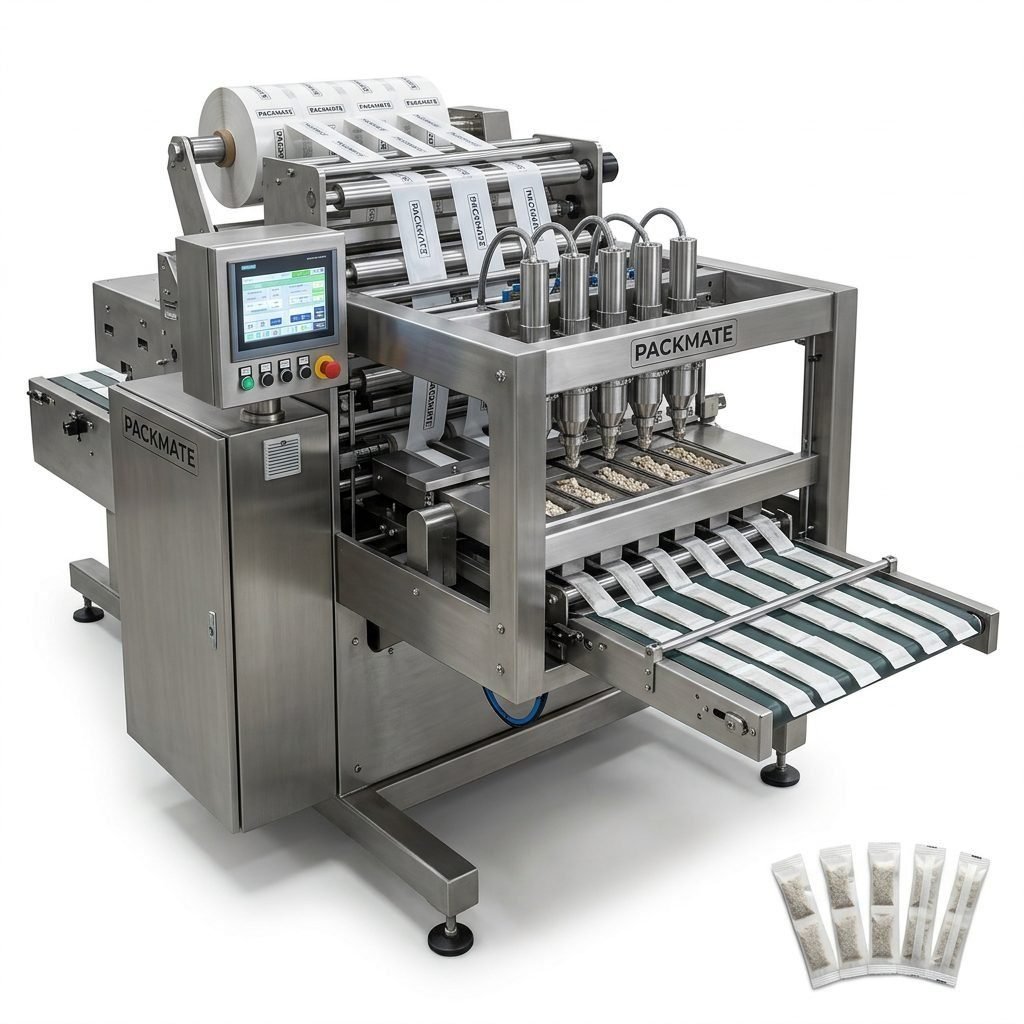
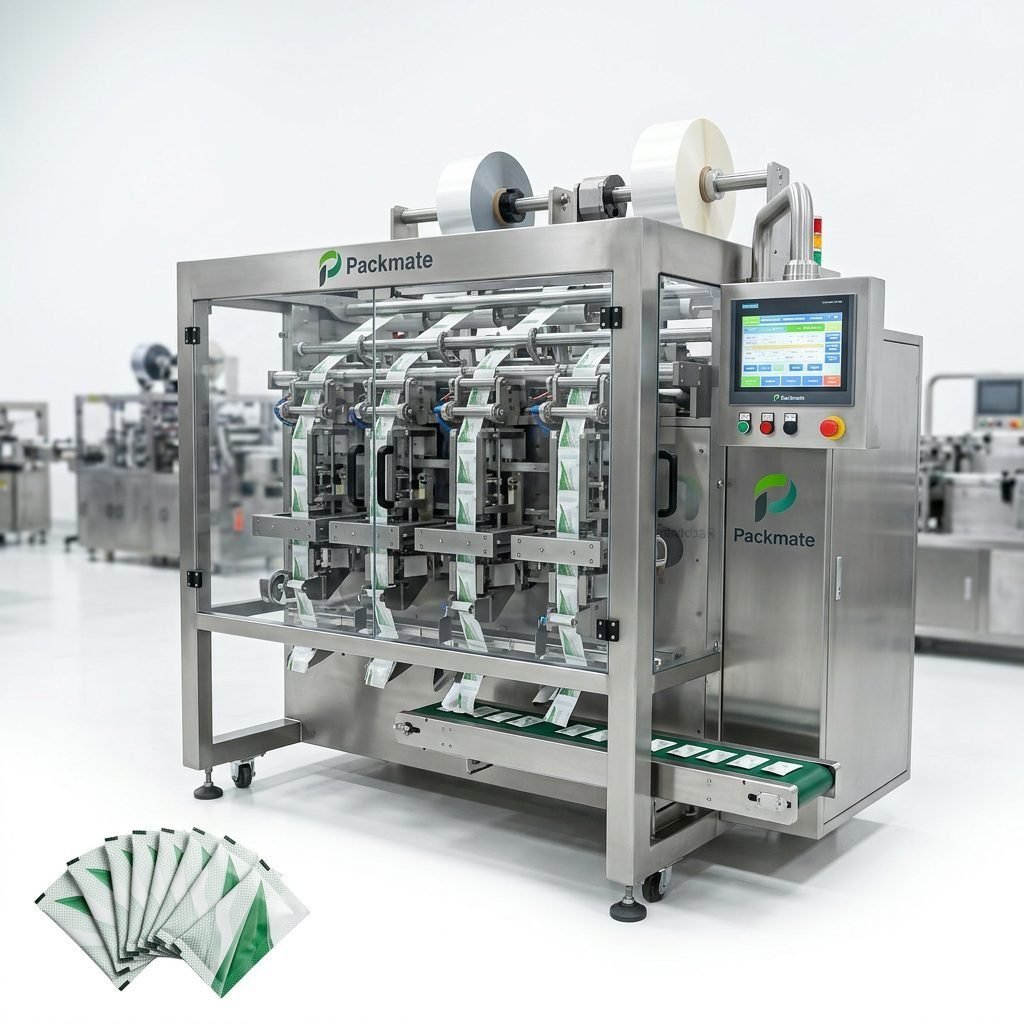
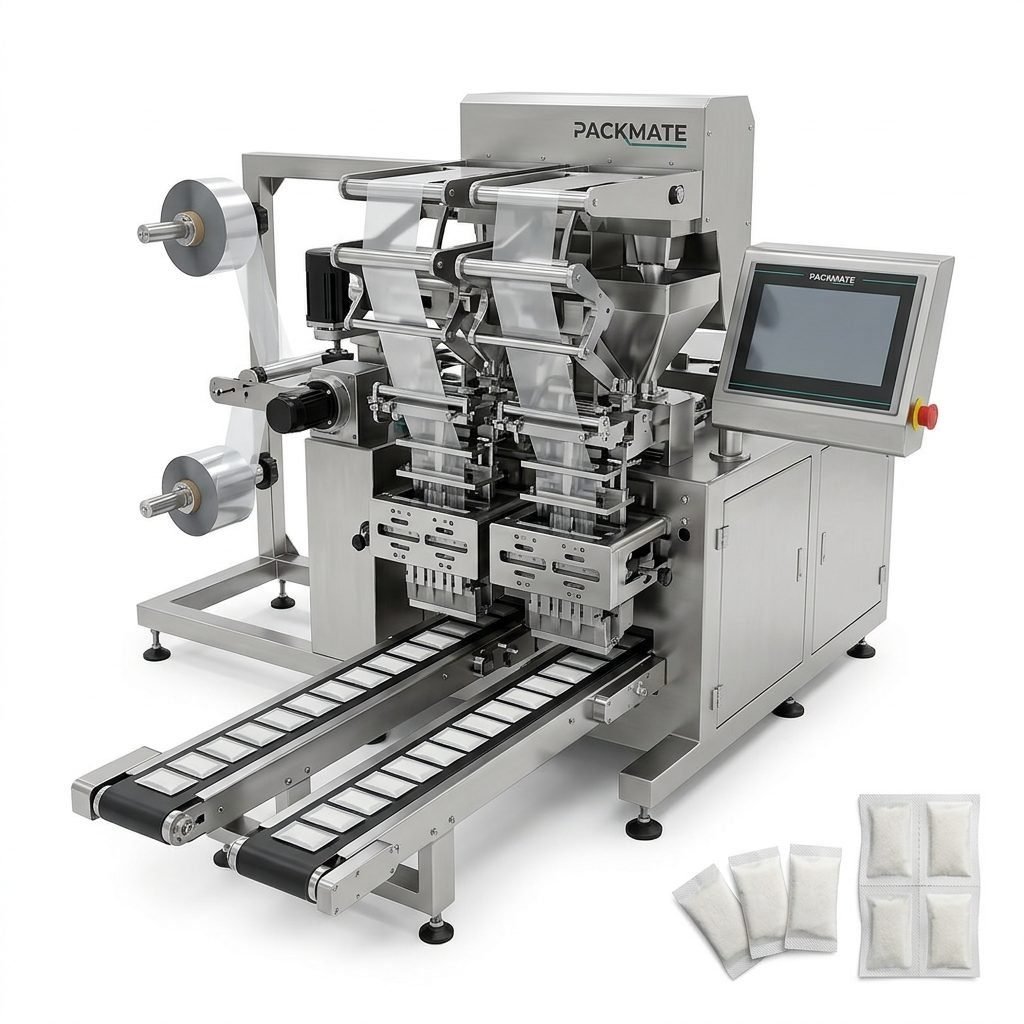
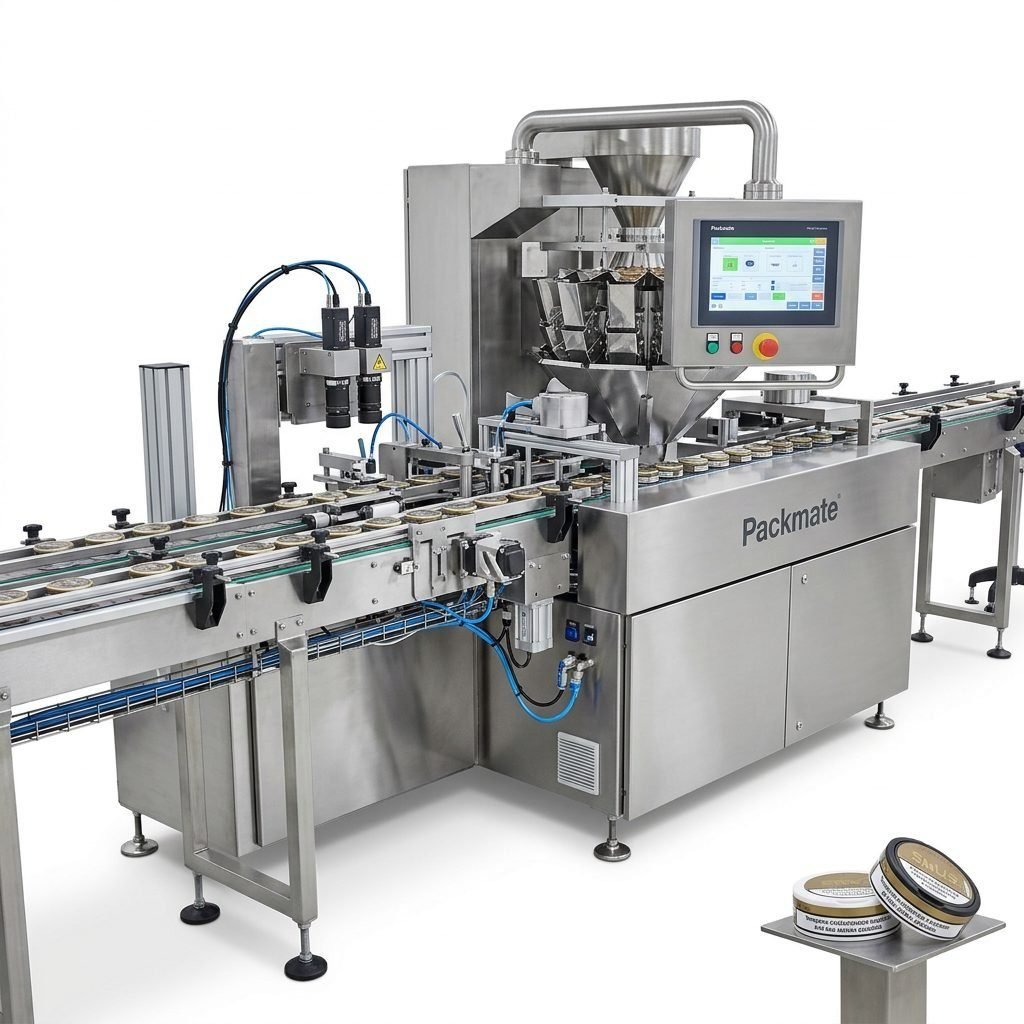
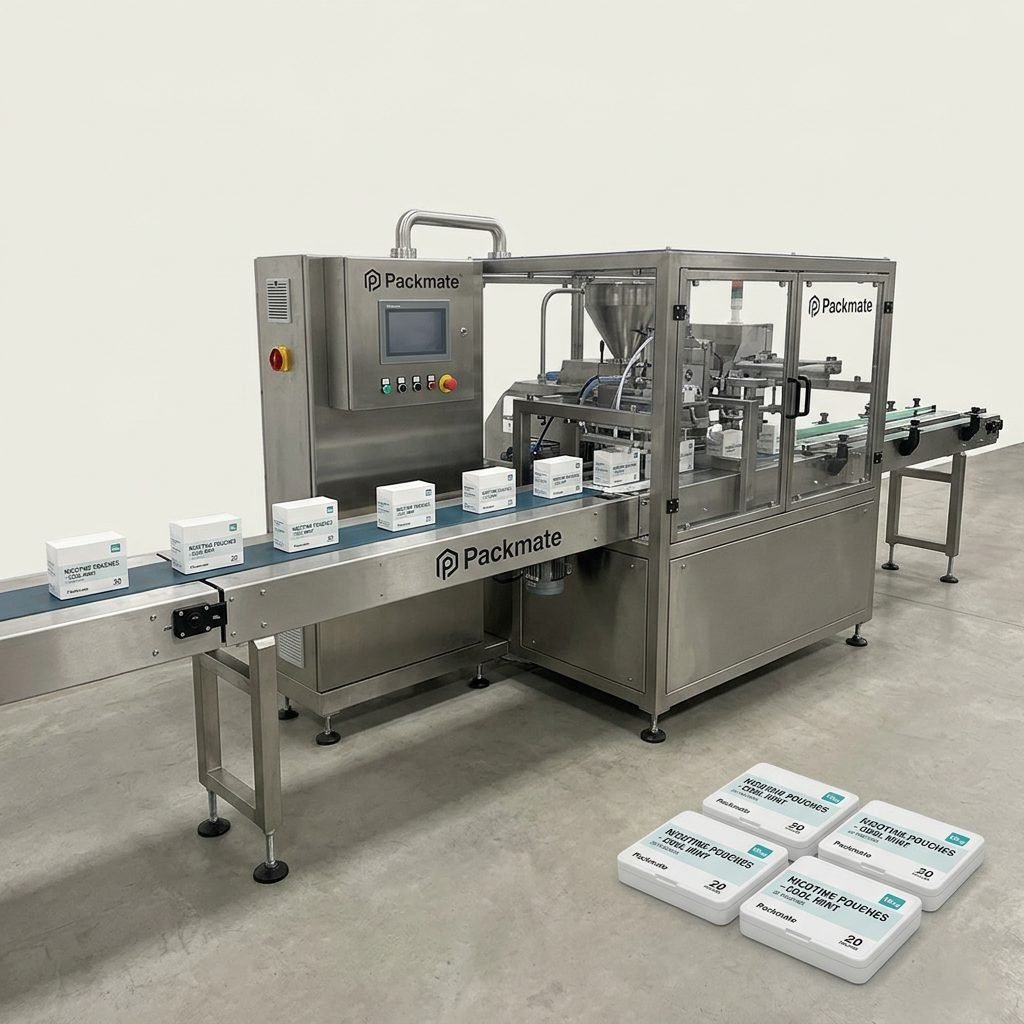
Choosing the right nicotine packaging machine supplier in South Korea can make the difference between a smooth production ramp-up and months of delays. This guide gives practical, actionable advice for procurement managers, factory owners, and R&D teams who need reliable snus and nicotine pouch packaging equipment — from technical evaluation and site acceptance to cultural and logistical considerations specific to South Korea.
Why selecting the right supplier matters
✓ Operational uptime: High-quality machines mean fewer stoppages and predictable yields. A well-engineered snus packing line reduces waste and improves consistency in pouch weight and seal quality.
✓ Compliance & safety: Choose suppliers whose machines meet CE/ISO standards, and who understand regulatory labeling and testing expectations in your market.
✓ Total cost of ownership (TCO): Low purchase price can hide expensive spare parts, retrofits, and long lead times for repairs. Evaluate lifecycle cost, not just the quotation number.
Practical steps to evaluate potential suppliers
1. Technical capability and machine portfolio
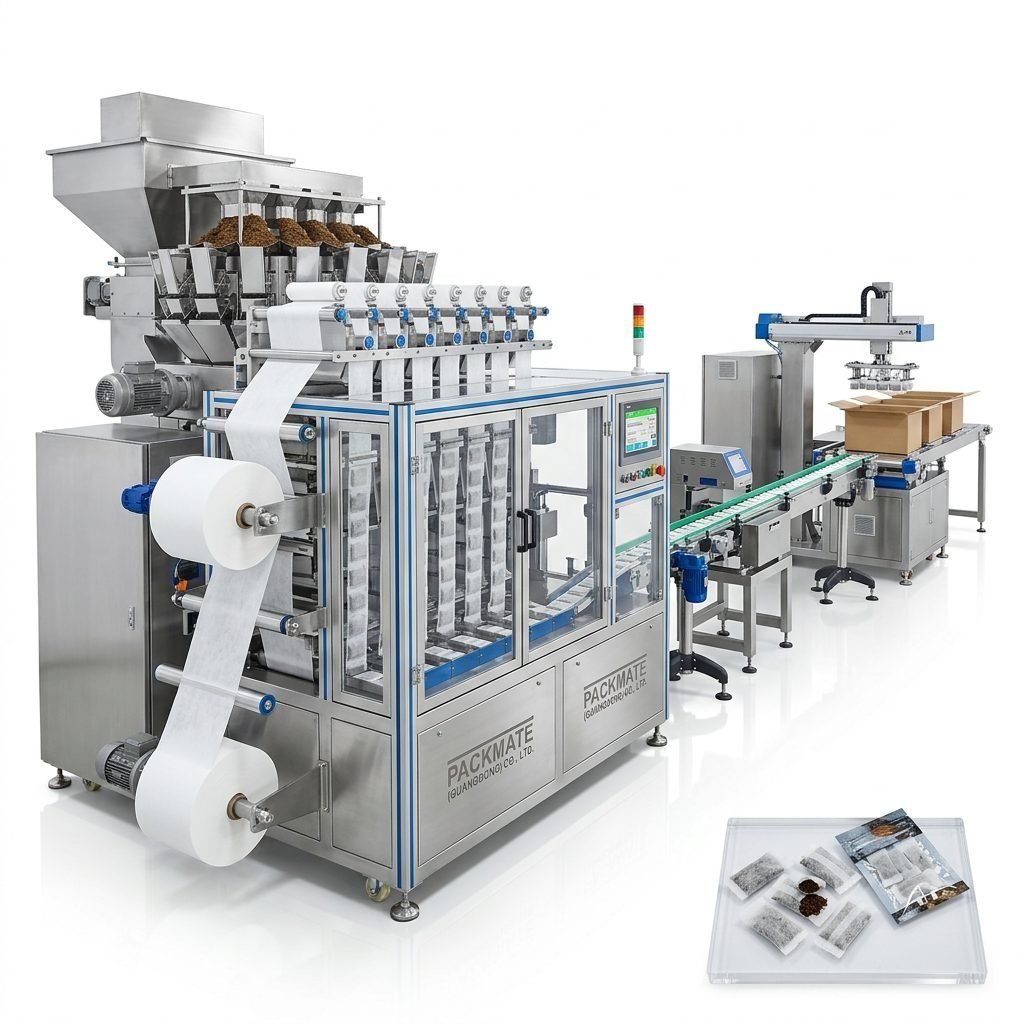
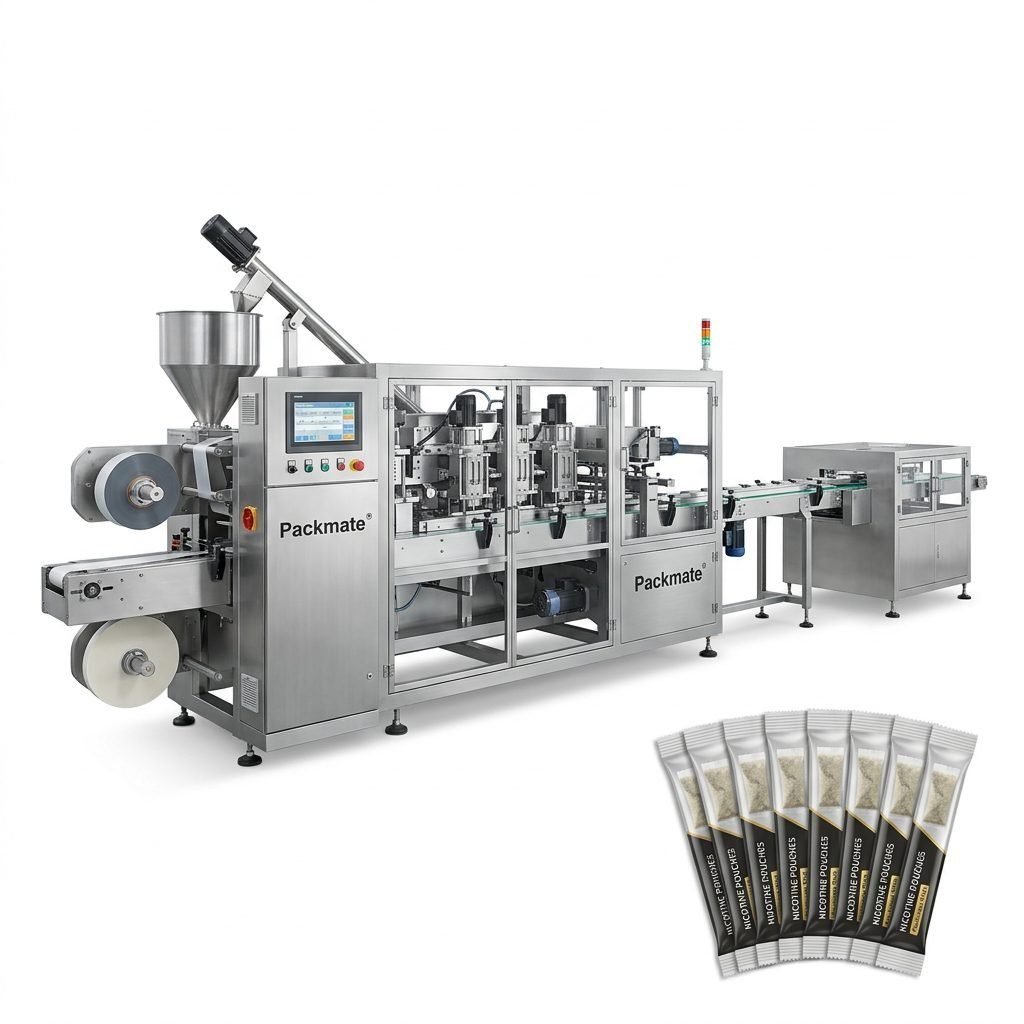
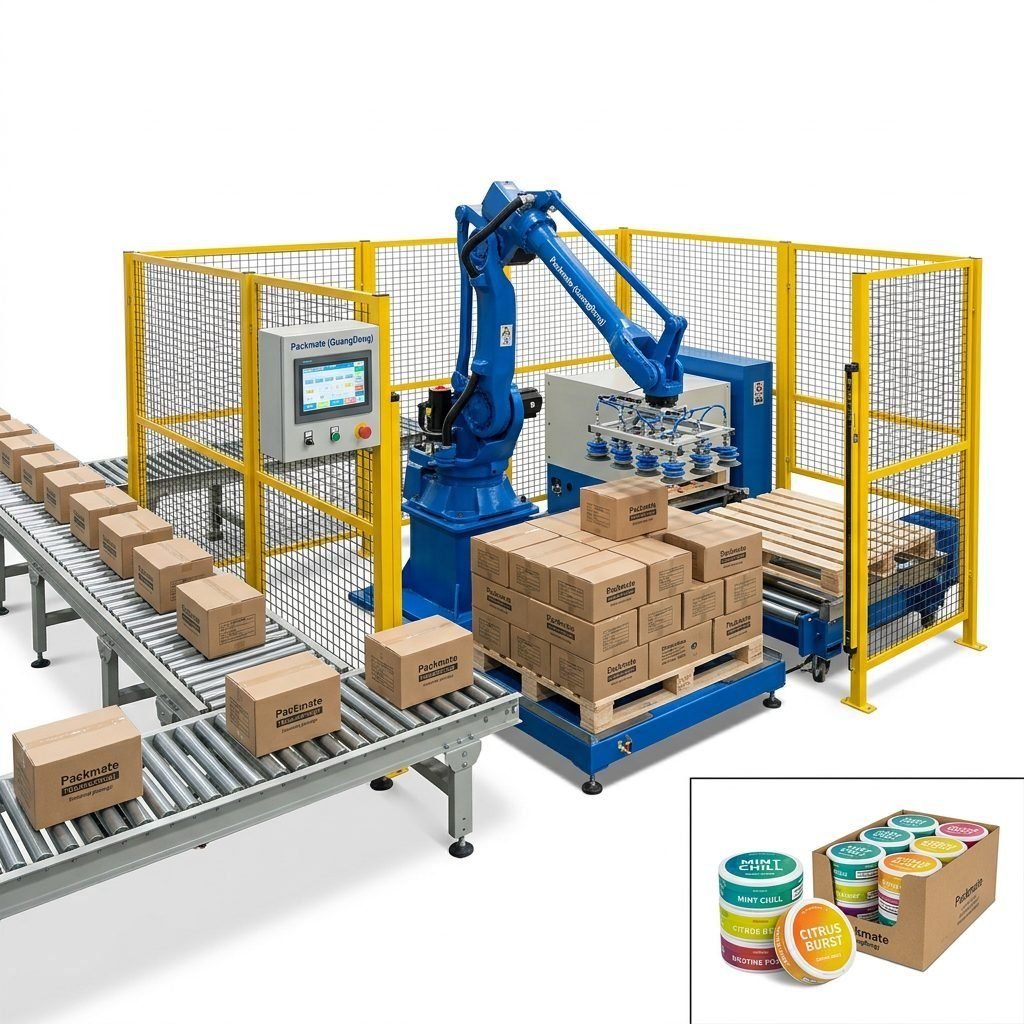
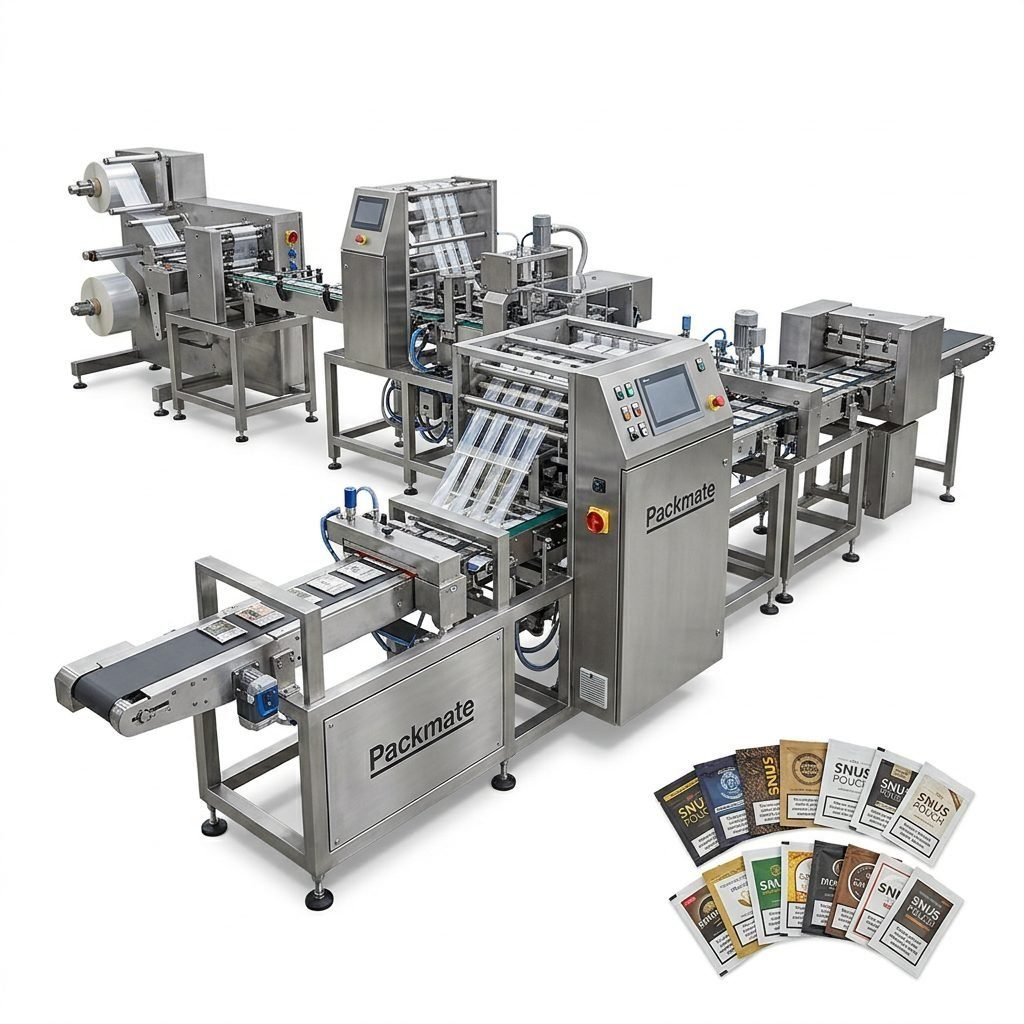
Look for suppliers with a proven track record in snus/nicotine packaging formats: stick pack, sachet, multi-lane pouch systems and small-dose nicotine pouches. Check if they provide complete filling & packaging lines and auxiliary systems like weighing units, rotary fillers, and automatic cartoners. Suppliers with a wide product range are better positioned to tailor turnkey solutions.
2. Factory strength and manufacturing quality
Key indicators: sizeable factory area, advanced CNC machining, precision assembly lines, and dedicated quality testing. A supplier with robust manufacturing capacity can shorten lead times and offer spares faster.
3. Certifications and compliance
Confirm CE and ISO certificates and request machine-level documentation for electrical safety, material contact certifications, and calibration records. If you export final products, ensure the supplier can help meet documentation requirements for your export markets.
4. After-sales, training and spare parts
Ask about warranty terms, response times for onsite service in South Korea, availability of spare parts and whether the supplier offers remote diagnostics. Training for Korean operators in local language or with translated manuals is a major advantage.
5. Customization and turnkey capabilities
If you require custom dosing systems, special pouches, or integration with upstream/downstream equipment, pick a supplier that builds fully integrated lines and takes responsibility for system integration and FAT (Factory Acceptance Test).
South Korea-specific considerations
South Korea’s manufacturing and business culture favors punctuality, high-quality documentation, and clear service commitments. When evaluating suppliers, incorporate local logistics, electrical standards, and regulatory habits into your decision-making.
Local logistics and customs
Ports like Busan and Incheon are major gateways — ask potential suppliers about their experience shipping to these ports and whether they can handle DDP/DDU incoterms. Machines often require careful crating and customs paperwork; a supplier familiar with Korean import procedures will save time.
Labeling, language and documentation
Provide Korean-language operating manuals and safety sheets where possible. Local technicians appreciate diagrams and checklists in Korean for faster troubleshooting. This also helps with internal training and regulatory checks.
Electrical and site requirements
South Korea uses 220V/60Hz mains; confirm machine compatibility or request necessary transformers. Check local space, ceiling height, and access doors early — many large packaging lines require careful site planning for delivery and installation.
Business etiquette and vendor relationships
Relationships matter. Korean buyers often value vendors who demonstrate commitment through timely communication, clear contracts, and willingness to visit the site. Prepare concise technical presentations and show past international projects to build credibility.
Checklist: what to request in a quotation
When you request quotes, standardize your RFQ so you can compare offers fairly. Key items to request:
• Machine model and capacity (pouches/min per lane) — include target formats and pouch dimensions.
• Scope of supply: List connectors, filling systems, metal detectors, multi-lane kits, conveyors, and electrical panels. Ask what is optional vs. included.
• FAT/SAT terms: Factory Acceptance Test protocol, witness options, and Site Acceptance Test responsibilities.
• Lead time & payment terms: Clear delivery schedule, milestones, and penalties for late delivery.
• After-sales commitments: Warranty coverage, spare parts list, training sessions, and remote support availability.
How to verify a supplier’s claims
Request references and case studies. Ask for video demos of similar lines running your product or a product with similar characteristics (powder vs. granular vs. moist pouches). If possible, visit the supplier’s factory to inspect machining capability, assembly area, and FAT stations.
Real-world example: what a strong supplier offers
A reputable supplier will showcase: 30+ years of R&D experience, a wide model range (over 50 machine types), a 20,000㎡ factory with CNC centres, CE/ISO certifications, global turnkey deliveries, and a track record across Europe and Asia. They provide machine options for snus & nicotine packaging machines, bag & pouch systems and full filling & packaging lines.
For detailed product information and real machine models, explore these resources:
Snus & Nicotine Packaging Machines,
Bag & Pouch Packaging Machines, and
Filling & Packaging Lines.
Negotiation tips and final selection
Start with a shortlisting of 3 suppliers. Use a scoring matrix that weighs technical fit, lead time, total cost of ownership, local service capability, and cultural fit. Negotiate on bundled items such as training, spare parts kits, extended warranties, and local commissioning fees.
Payment & risk mitigation
Prefer milestone-based payments tied to FAT completion and shipment. Include clear acceptance criteria for equipment performance, and specify remedies (repair, replacement, or credit) for non-conforming equipment.
Working with an international supplier from China — what to expect
Many experienced packaging machine makers offer global service and exhibition presence — see their exhibition records and case studies. Confirm language support, spare parts inventory, and local partner/distributor presence in South Korea or nearby regions for faster support.
If you need company background or want to contact a reliable manufacturer with long-term experience in snus packaging, review their company profile for manufacturing scale and mission: About Packmate and view specific customer cases for similar projects: Case. To start a project request, use the supplier contact page: Contact Us.
Summary: step-by-step buying flow
1) Define product specs and target outputs, 2) Issue standardized RFQ to pre-selected vendors, 3) Review technical proposals and visit factories or request FAT videos, 4) Negotiate scope and after-sales terms, 5) Execute contract with clear acceptance criteria and timeline.
Quick procurement checklist (printable)
✔ Machine model & capacity verified • ✔ CE/ISO certificates • ✔ FAT & SAT terms included • ✔ Spare parts list & lead times • ✔ Korean-language manuals or translated docs • ✔ Local shipping & installation plan.
Frequently Asked Questions
Q1: How long does delivery typically take?
Delivery depends on customization and factory lead times. Standard models may ship in 8–12 weeks; customized turnkey lines often require 12–24 weeks. Confirm lead time in the contract and include contingency for spare parts and installation.
Q2: What certifications should I insist on?
CE and ISO are baseline. Additionally, request documentation for electrical safety, material contact compliance, and calibration certificates for weighing systems. If you export, verify any additional certificates required by destination markets.
Q3: Can suppliers support installation and training in Korea?
Many established suppliers provide onsite commissioning and training for an additional fee. Prefer suppliers that offer Korean-language manuals or local partners who can handle operator training and first-line maintenance.
Q4: How do I minimize downtime after installation?
Keep a critical spares kit on hand, ensure operators are trained, and arrange a remote support agreement. Schedule a follow-up service visit after the first month of production to address fine-tuning and wear-in issues.
Q5: Where can I see real examples of snus packaging lines?
Explore product pages and case studies for live demonstrations and project references: Snus & Nicotine Packaging Machines and Case.