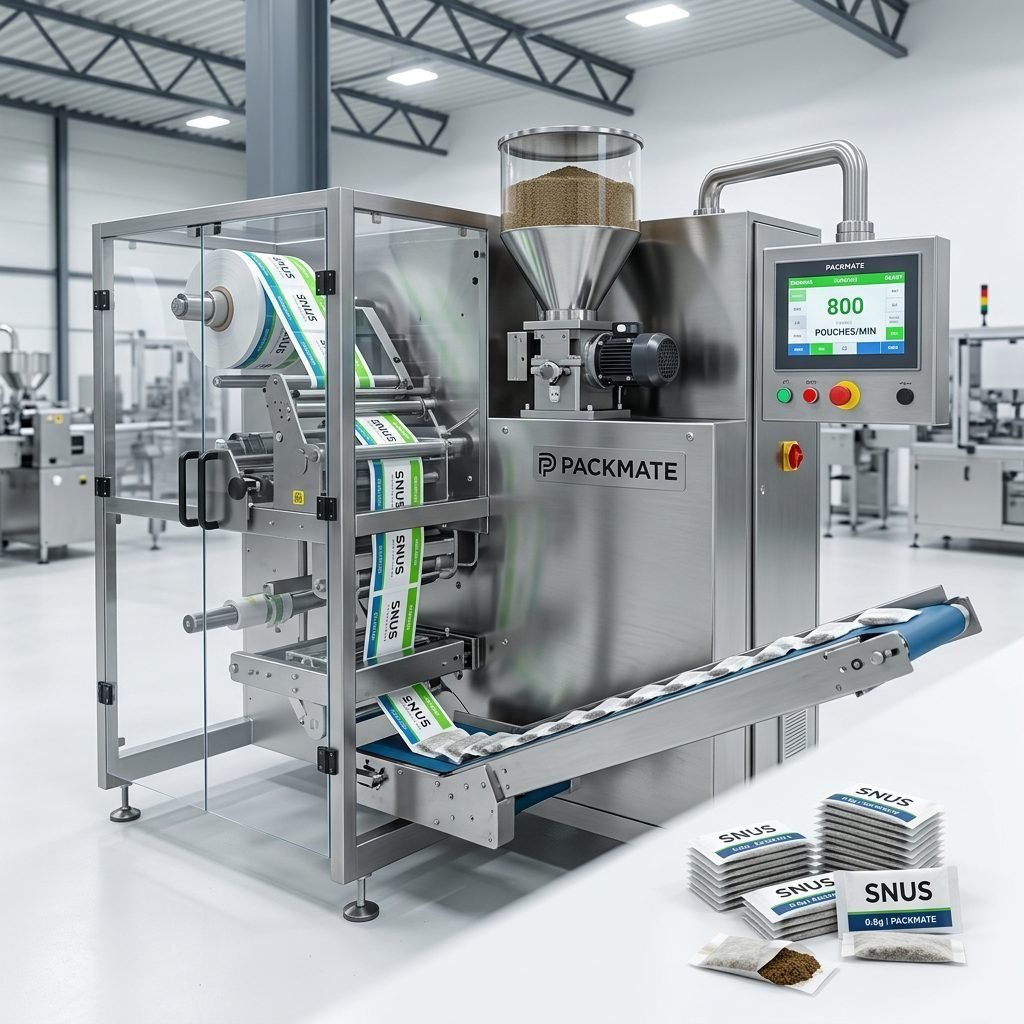
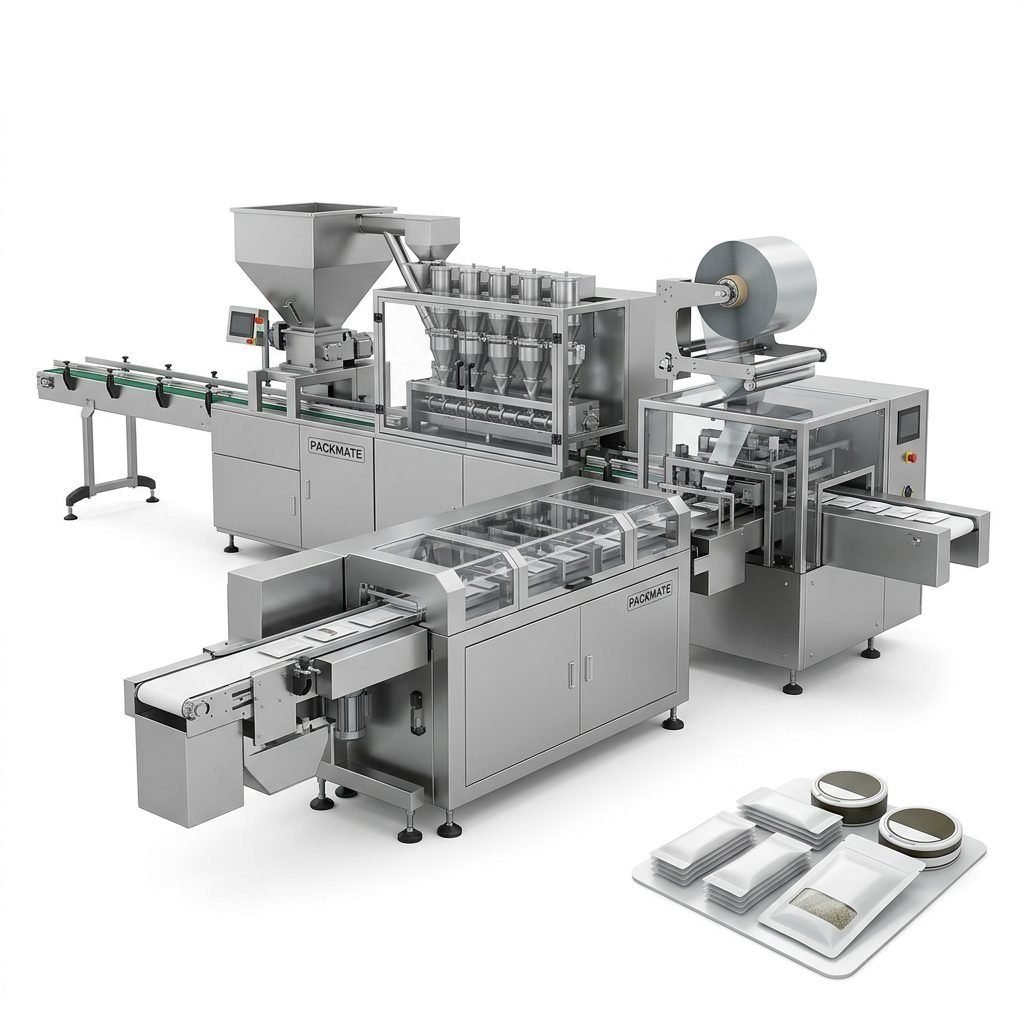
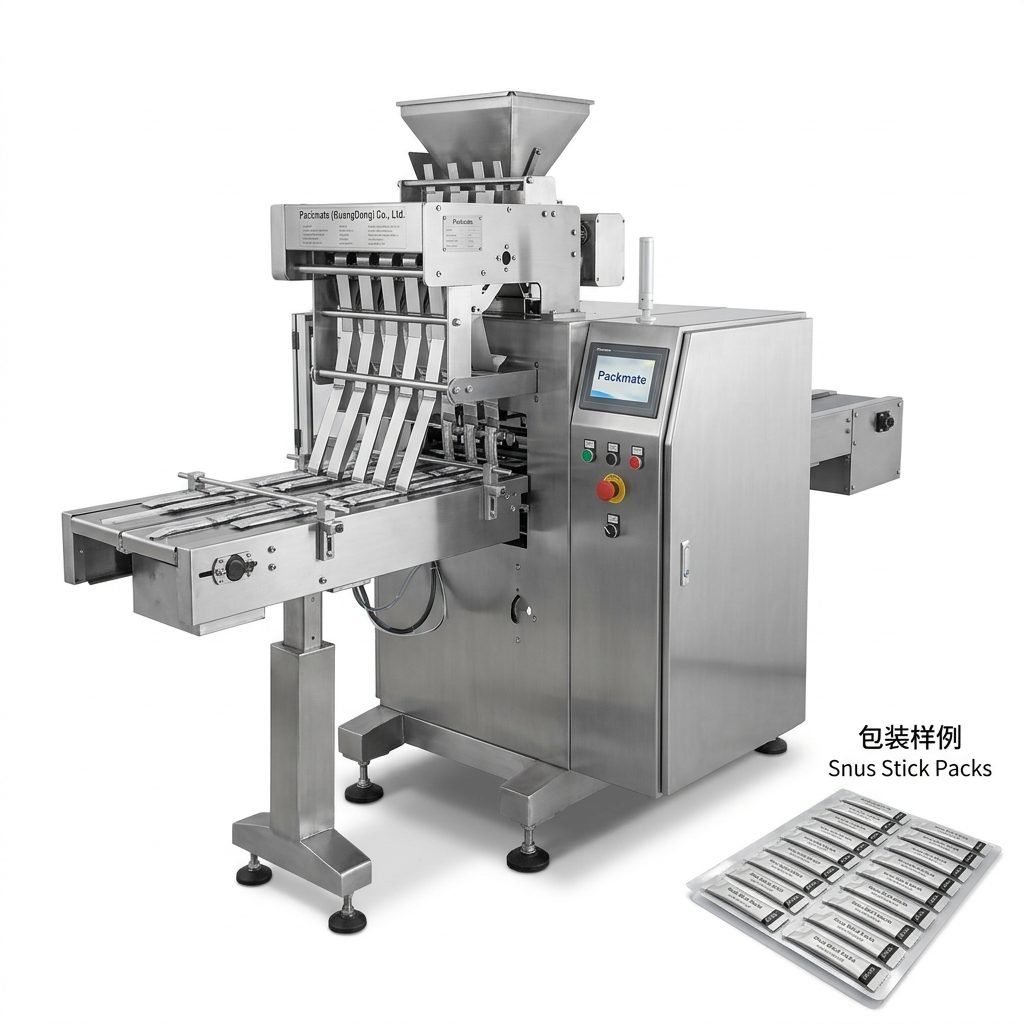
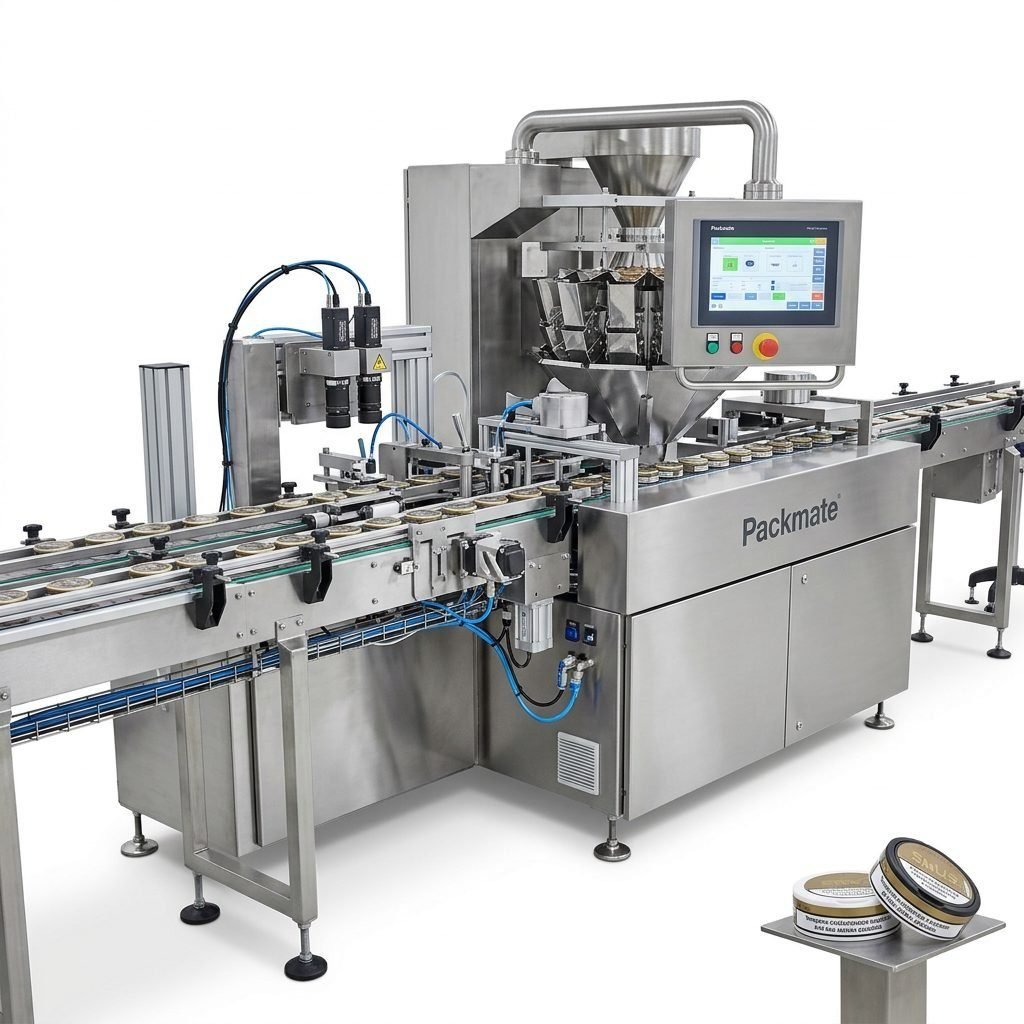
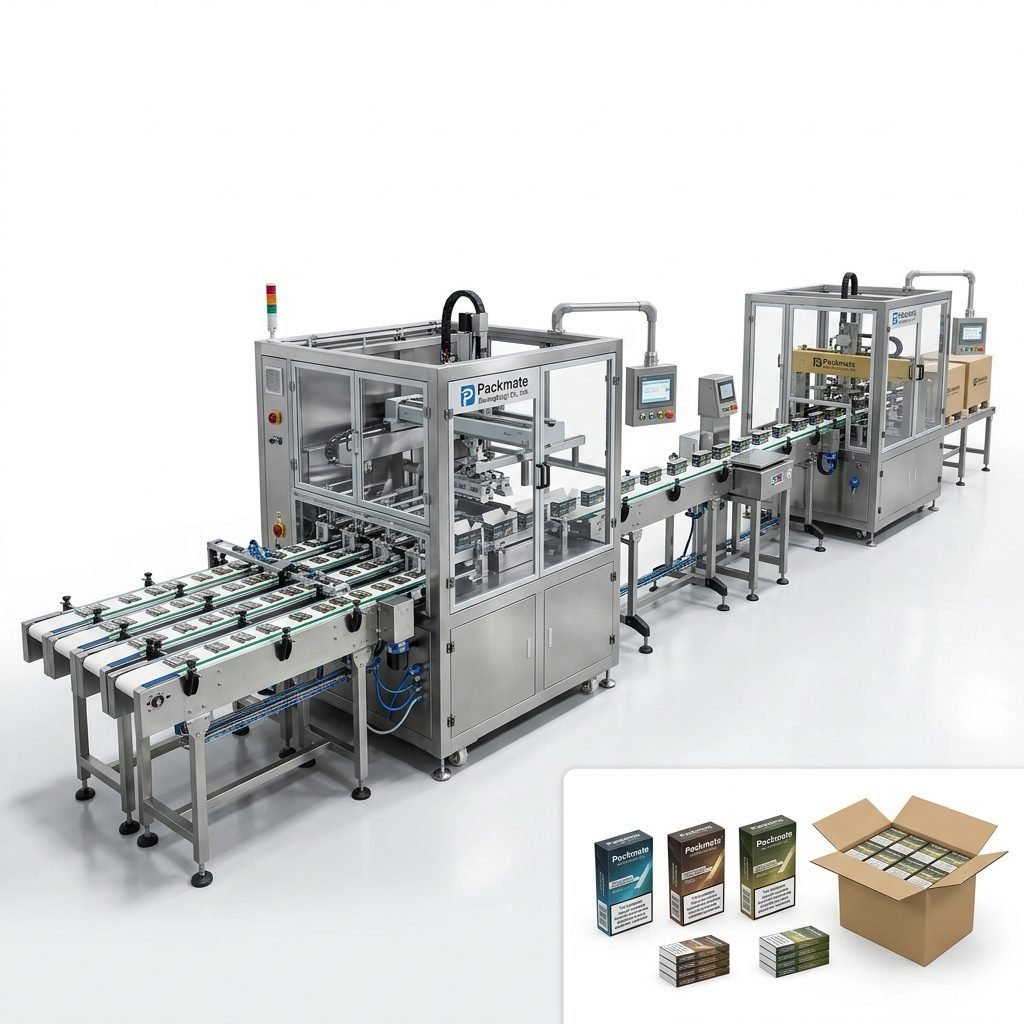
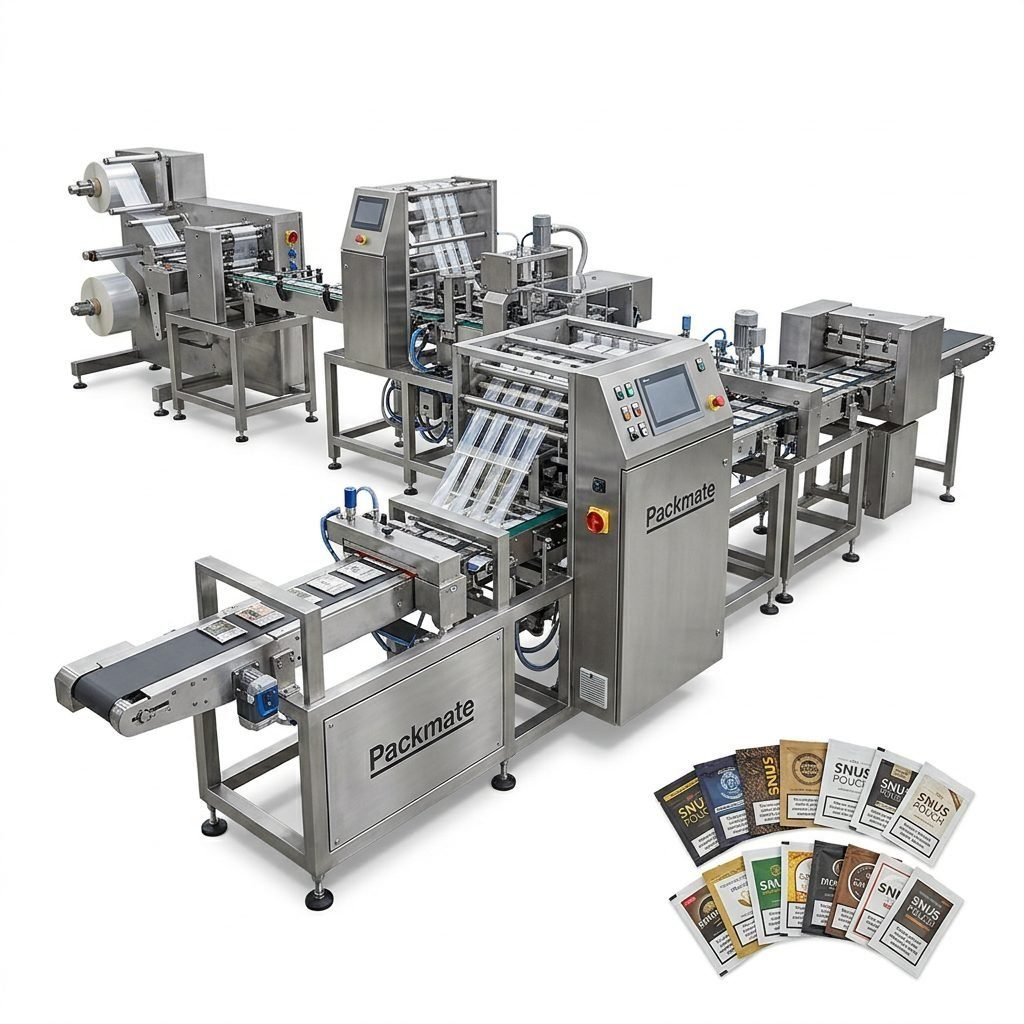
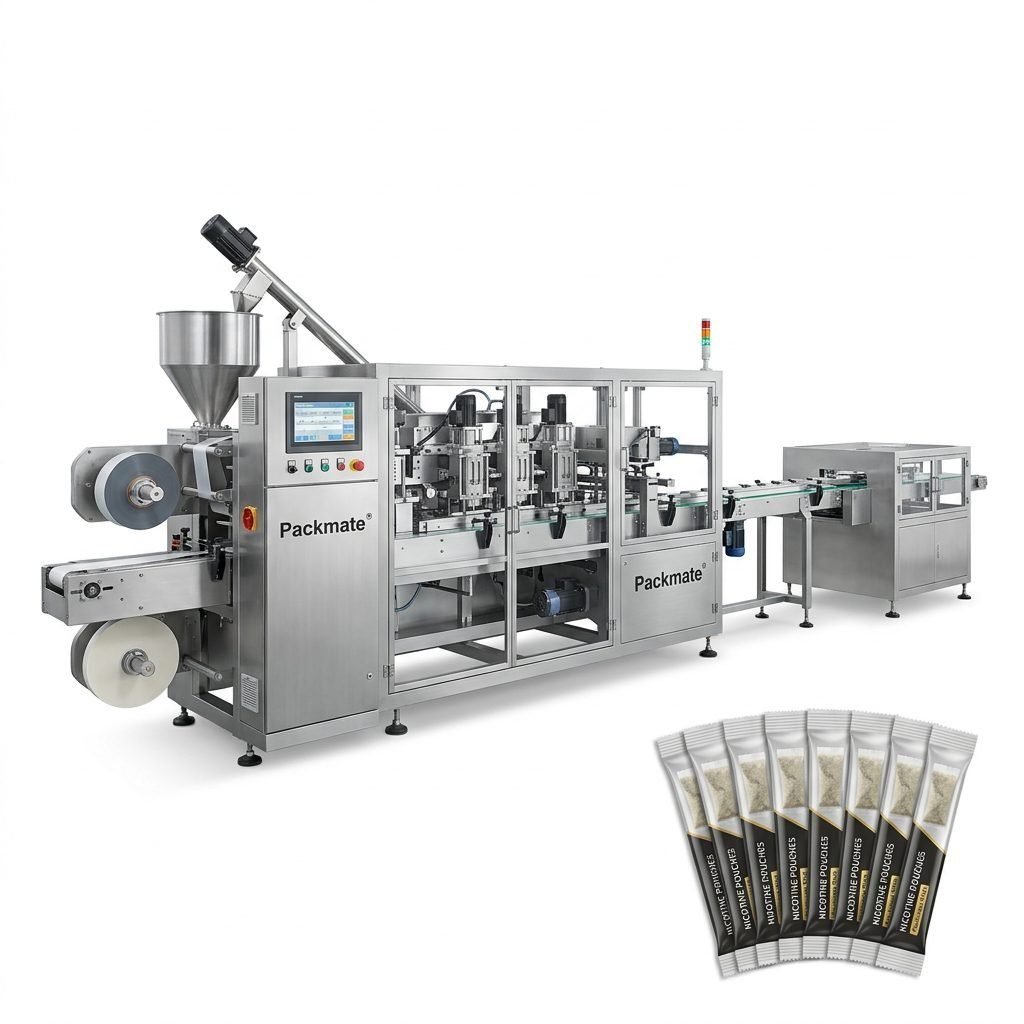
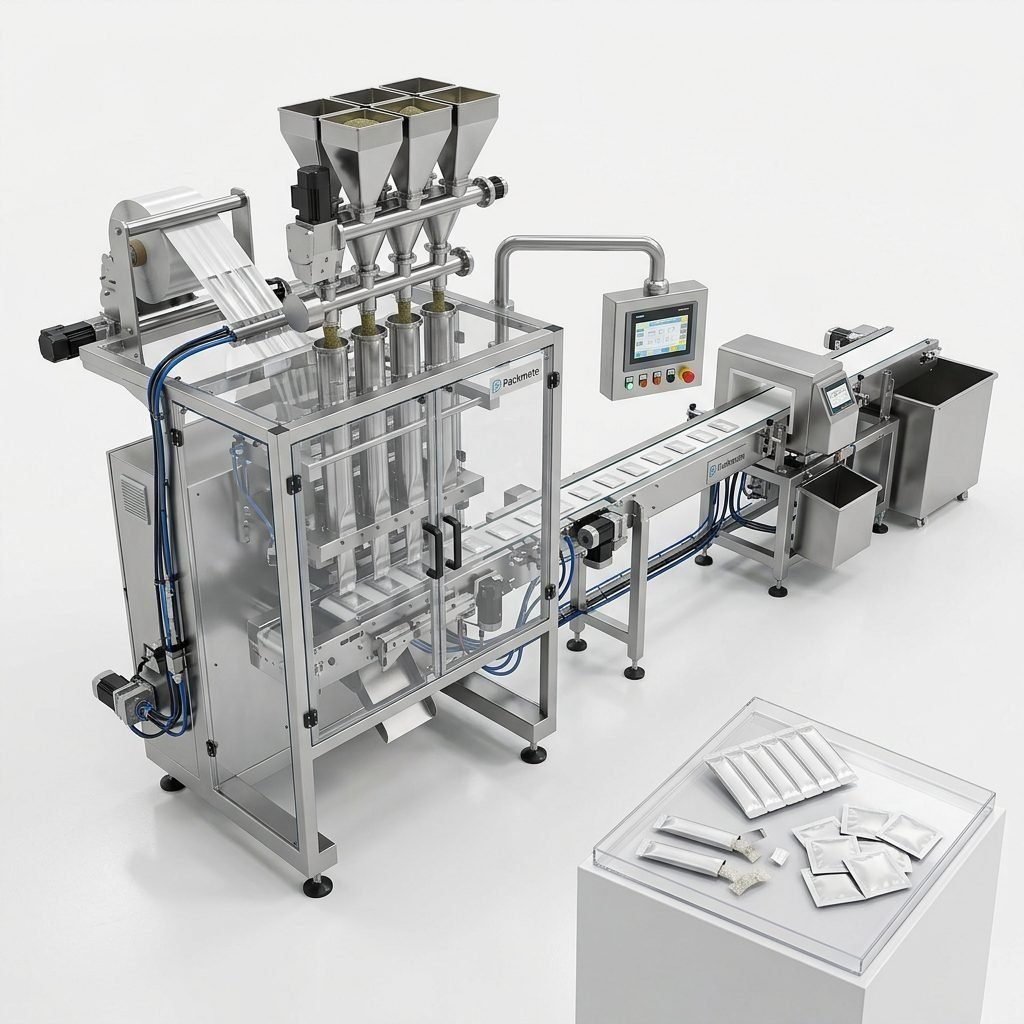
Entering the snus and nicotine pouch market in Nepal means choosing the right equipment partner is critical to your production success. Whether you are launching a new brand or scaling an existing operation, picking the best snus packaging machine manufacturer will affect product consistency, compliance, production speed, and long‑term costs. This guide helps you evaluate manufacturers in Nepal and nearby markets, with practical steps, key questions, and criteria to find a reliable supplier that matches your business goals.
Why Choosing the Right Manufacturer Matters
The packaging machine you select is more than a capital purchase — it defines how efficiently you produce, how stable your supply chain will be, and the ease of maintenance. A reputable manufacturer provides more than hardware: they provide engineering support, spare parts availability, and compliance guidance. Look for partners who demonstrate proven experience with snus and nicotine pouch systems, multi‑lane production, and turnkey packaging lines.
A snapshot: what matters most
Key outcomes you want from a manufacturer: consistent pouch quality, low downtime, easy sanitation, accessible technical support, and documented compliance (CE/ISO or equivalent). These translate into higher yield, better shelf presentation, and faster time‑to‑market.
Key Factors to Evaluate When Choosing a Manufacturer
🔧 Experience with snus & nicotine pouch systems — Manufacturers with deep experience understand the nuances of small‑dose pouch handling, moisture control, and multi‑lane synchronization. Check for product lines that include stick packs, sachets, and dedicated snus machines. For example, review specialized product pages like Snus & Nicotine Packaging Machines to compare capabilities.
✅ Manufacturing capacity & facility strength — A large, well‑equipped factory (CNC centers, precision assembly lines) indicates the ability to produce machines reliably and deliver spares. Look for factories with documented areas and systems (for example, a 20,000㎡ facility and advanced CNC equipment).
⚙️ Range of machine models & customization — Choose a manufacturer offering multiple models and the ability to customize lanes, filling heads, and control systems. A portfolio of 50+ models and turnkey solutions indicates flexibility. Explore broader system types at Filling & Packaging Lines.
📦 Quality control & certifications — Verify CE, ISO, and any regional certifications relevant to Nepal or your export markets. Certifications reduce regulatory risks and show adherence to safety and quality standards. See typical company certifications at Certificate.
🔁 After‑sales service & spare parts — Rapid access to spare parts and responsive service teams reduce downtime. Check service pages and customer testimonials. Reliable manufacturers provide documentation, training, and global support options (remote diagnostics, on‑site commissioning).
Practical Evaluation Checklist: Questions to Ask a Potential Supplier
Use the following checklist during vendor meetings, factory visits, or online demos. Each question is designed to uncover capacity, reliability, and fit for your production goals.
📌 Can you show examples of snus or nicotine pouch lines running in real production environments? Ask for case studies and references. Real production footage or customer case pages such as Case are very revealing.
📌 What is your lead time from order to delivery and installation? Compare realistic timelines, including customization windows and shipping.
📌 Do you offer turnkey production lines or only individual machines? Turnkey solutions reduce integration risk; check packages like Weighing & Packaging Systems and their integration approach.
📌 What warranty and spare parts policy do you provide? Ensure spare parts availability in your region and ask about critical spares, response times, and training for local technicians.
Cost Considerations: Not Just Initial Price
Total cost of ownership includes purchase price, installation, training, spare parts, energy consumption, and expected uptime. A cheap machine with frequent breakdowns can be far more expensive than a slightly more expensive, robust system. Evaluate long‑term ROI based on production throughput, reject rates, and maintenance intervals.
Tip: Request a simple ROI model from the manufacturer showing payback period under your expected throughput and labor costs.
Factory Visit: What to Inspect
If possible, visit the supplier’s factory. A visit clarifies build quality, assembly standards, and production discipline. Key observations:
🔎 Inspect CNC machining centers, assembly lines, and quality testing areas. Look for cleanliness, organized workflows, and documented QC checkpoints. A modern facility makes consistent machines.
🔎 Meet the engineering team. Ask how they manage custom requests for lane counts, dosing tolerances, and material handling for snus pouches.
After-Sales: Training, Spare Parts & Remote Support
Good after‑sales service reduces downtime and protects production. Verify training curricula (operator and maintenance), availability of replacement parts, and whether remote diagnostics are offered. A manufacturer that provides clear manuals, spare parts kits, and remote service tools will keep your line running.
Important: Ask for documented response times for critical failures and sample spare parts pricing so you can budget appropriately.
Why Packmate Snus Machine Might Be a Fit
When evaluating manufacturers in the snus niche, Packmate Snus Machine demonstrates several strengths relevant to Nepal market entrants: long engineering experience since 1993, a broad product range focused on snus and nicotine pouches, a 20,000㎡ facility with advanced CNC and assembly systems, and global turnkey capabilities. These attributes contribute to reliable machines, consistent spare parts supply, and documented compliance.
Explore product lines and system options, including Bag & Pouch Packaging Machines and Sachet & Stick Pack Machines, to compare technical specs and integration possibilities.
Selecting the Right Configuration for Your Business
Your product format, target output, and budget define the machine configuration:
– For small-dose nicotine pouches: prioritize precise dosing, gentle pouch handling, and multi‑lane options to increase throughput without increasing footprint.
– For stick packs or sachets: focus on sealing quality and material compatibility.
– For turnkey lines: coordinate filling, weighing, capping (if needed), and packaging stations to reduce integration risks.
Negotiation & Contract Tips
When you narrow down suppliers, negotiate on delivery terms, installation scope, acceptance testing criteria, warranty durations, and spare parts agreements. Insist on FAT (Factory Acceptance Test) videos or on‑site FAT so you can validate machine performance before shipment.
Key clause to include: detailed acceptance criteria with defined throughput, reject rate thresholds, and calibration tolerances.
Next Steps: How to Proceed
1) Prepare a clear specification sheet for your product (pouch size, weight, material, target speed). 2) Shortlist manufacturers based on technical fit and references. 3) Request quotes with lead times and FAT schedules. 4) Arrange a factory visit or a remote demo. 5) Finalize terms including commissioning, training, and spare parts.
If you want more information about a particular supplier, visit their company overview and service pages such as About Packmate and Service for contact and technical support details.
Final checklist before you buy
– Confirm machine performance with samples or FAT.
– Ensure clear spare parts & warranty terms.
– Validate compliance and certifications for your market.
– Confirm installation, training, and remote support options.
Frequently Asked Questions
Q1: How long does it take to install and commission a snus packaging line?
Typical installation and commissioning can range from a few days for a single-machine setup to several weeks for a full turnkey line depending on complexity, line integration, and on‑site utilities. Discuss estimated timelines with your supplier and include them in the contract.
Q2: What certifications should I expect from a reputable manufacturer?
Look for CE and ISO certifications as baseline indicators of quality and safety. For export markets, verify any additional regulatory requirements relevant to packaging equipment and nicotine product handling.
Q3: Can machines be customized for unique pouch formats?
Yes. Reputable manufacturers offer customization for lane counts, pouch sizes, dosing systems, and material handling. Request technical drawings and performance validation for your specific format.
Q4: What after‑sales services should I require?
Ensure the contract includes operator and maintenance training, spare parts lists with pricing, remote diagnostic support, and guaranteed response times for critical failures.
Q5: How can I verify supplier reliability before purchase?
Ask for references, visit the factory if possible, request FAT records or videos, and review case studies or exhibition demonstrations. A transparent supplier will provide these readily.