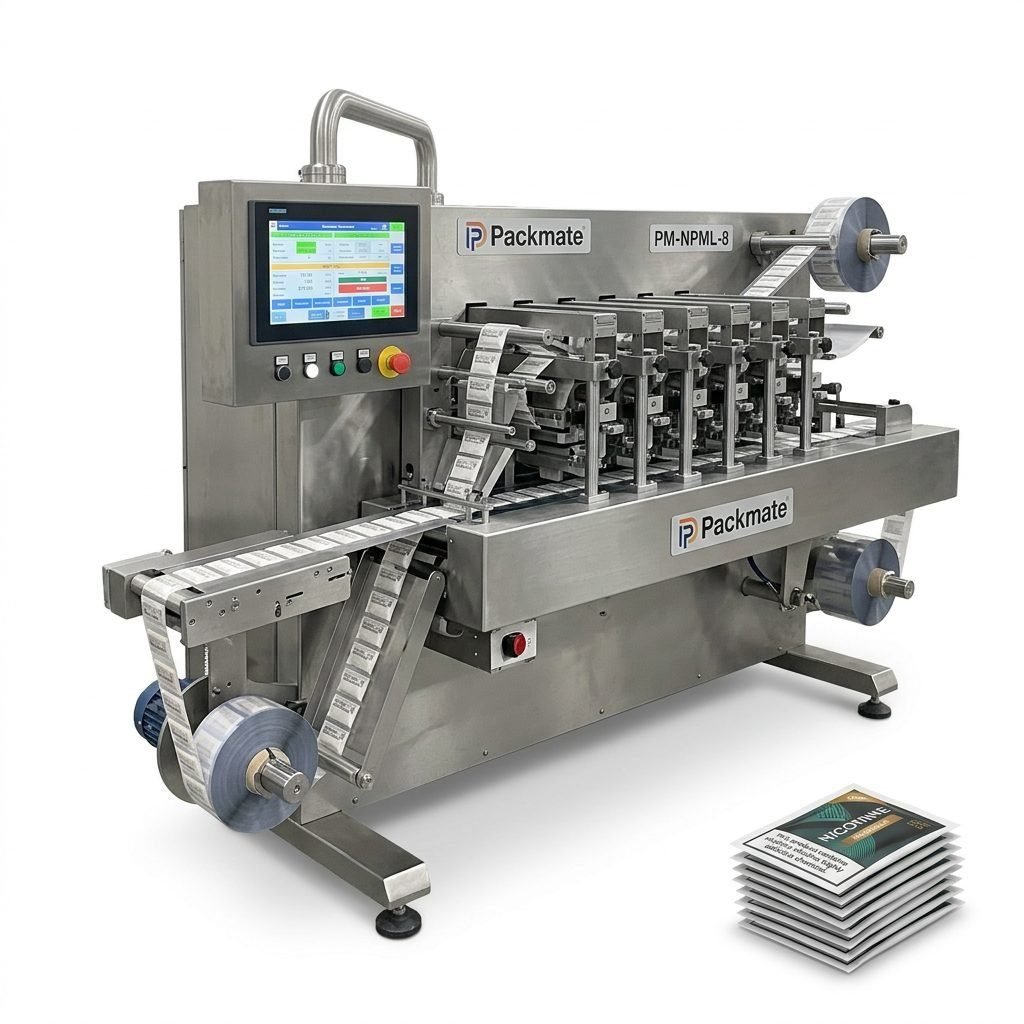
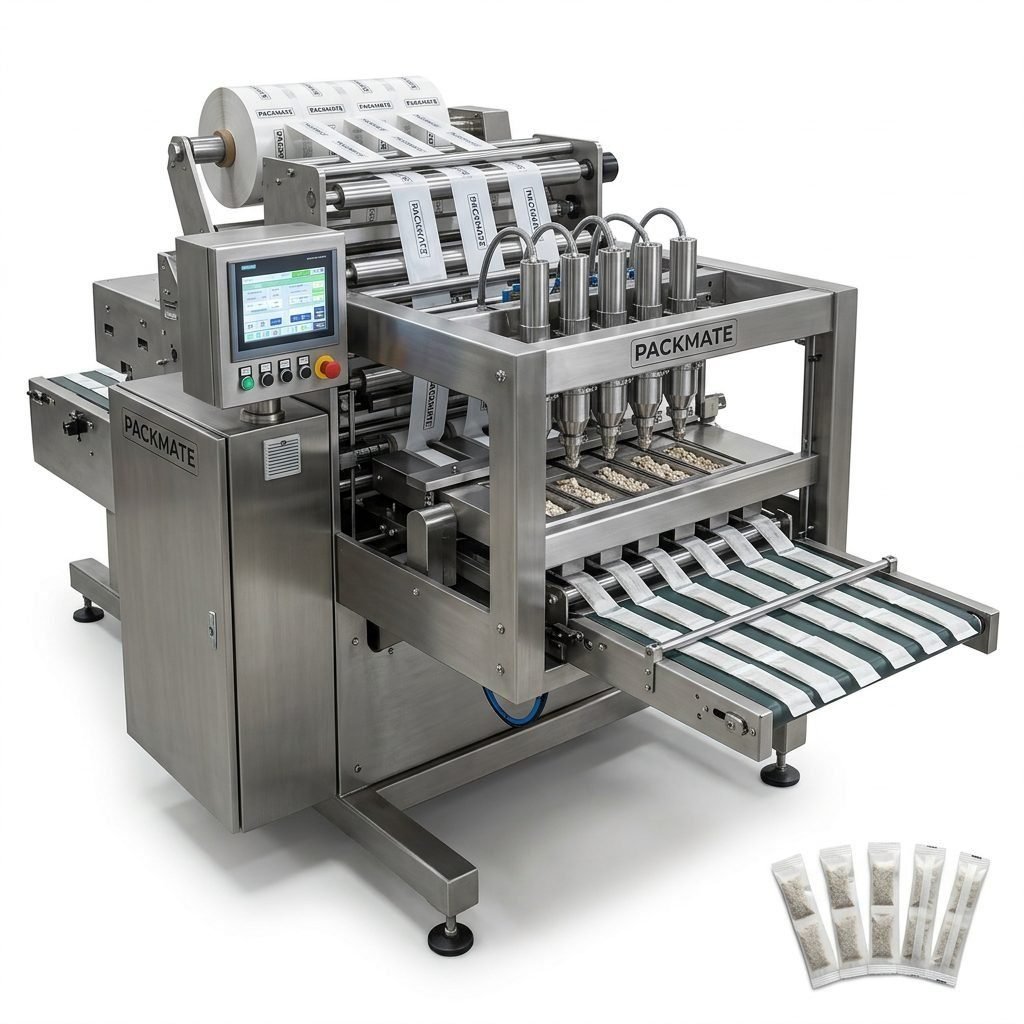
Entering the Bulgarian nicotine pouch and snus market starts with a critical operational decision: selecting the right packaging machine supplier. The choice affects product quality, regulatory compliance, time-to-market, and long-term profitability. This guide walks you through practical, Bulgaria-aware criteria and actionable steps to choose the best nicotine packaging machine supplier for your business.
Why choosing the right supplier matters in Bulgaria
Bulgaria, as an EU member state, follows strict packaging, labeling, and product safety rules while offering a growing consumer base for nicotine pouches. Selecting the right supplier is not only about machine features — it’s about local support, regulatory experience, and supply chain reliability in the European context.
Key local considerations:
– EU regulatory alignment (packaging directives, labeling in Bulgarian and EU languages)
– Availability of spare parts within Europe to avoid long waits
– Local service partners, Bulgarian-language documentation, and installation support during typical Bulgarian business hours
Top technical features to prioritize
When comparing suppliers, assess machines by technology, flexibility, and consistency. These features determine whether a supplier will meet your product variety and production targets.
1. Packaging formats and flexibility
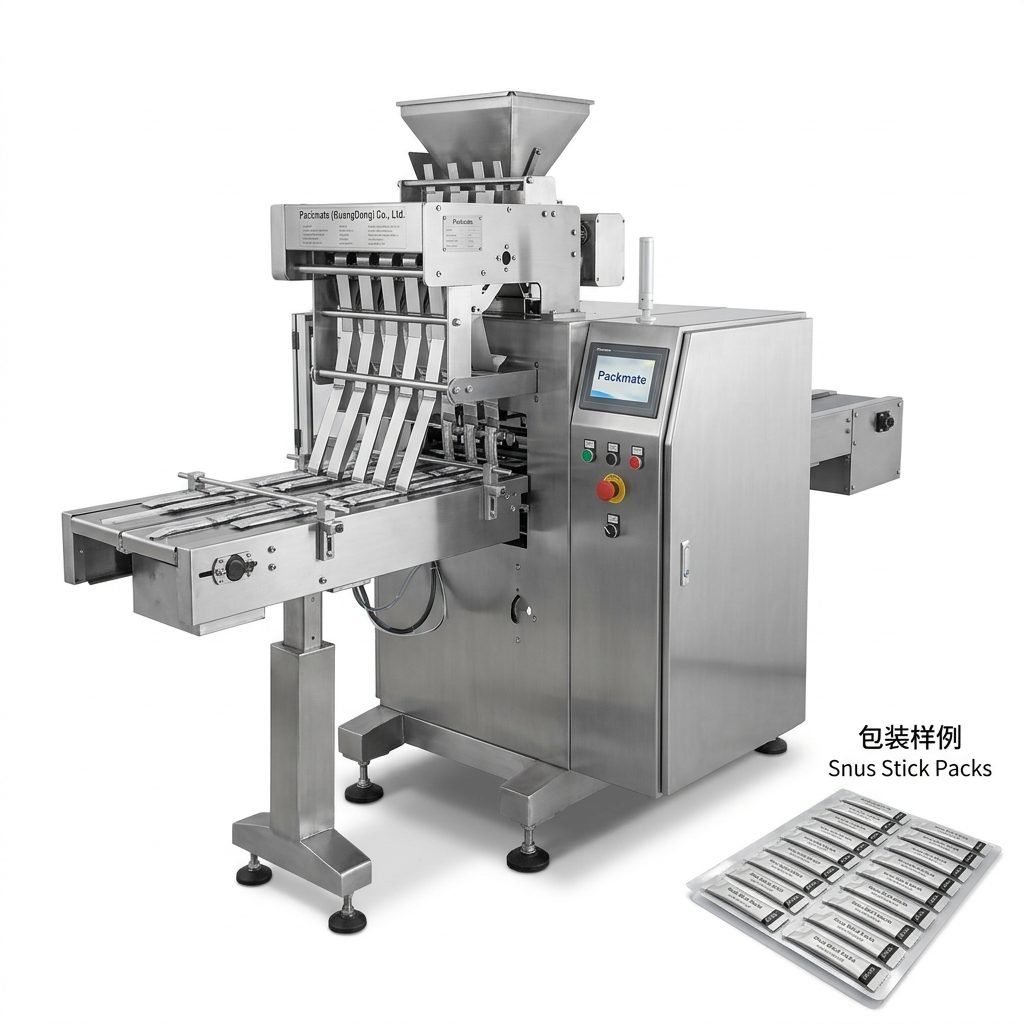
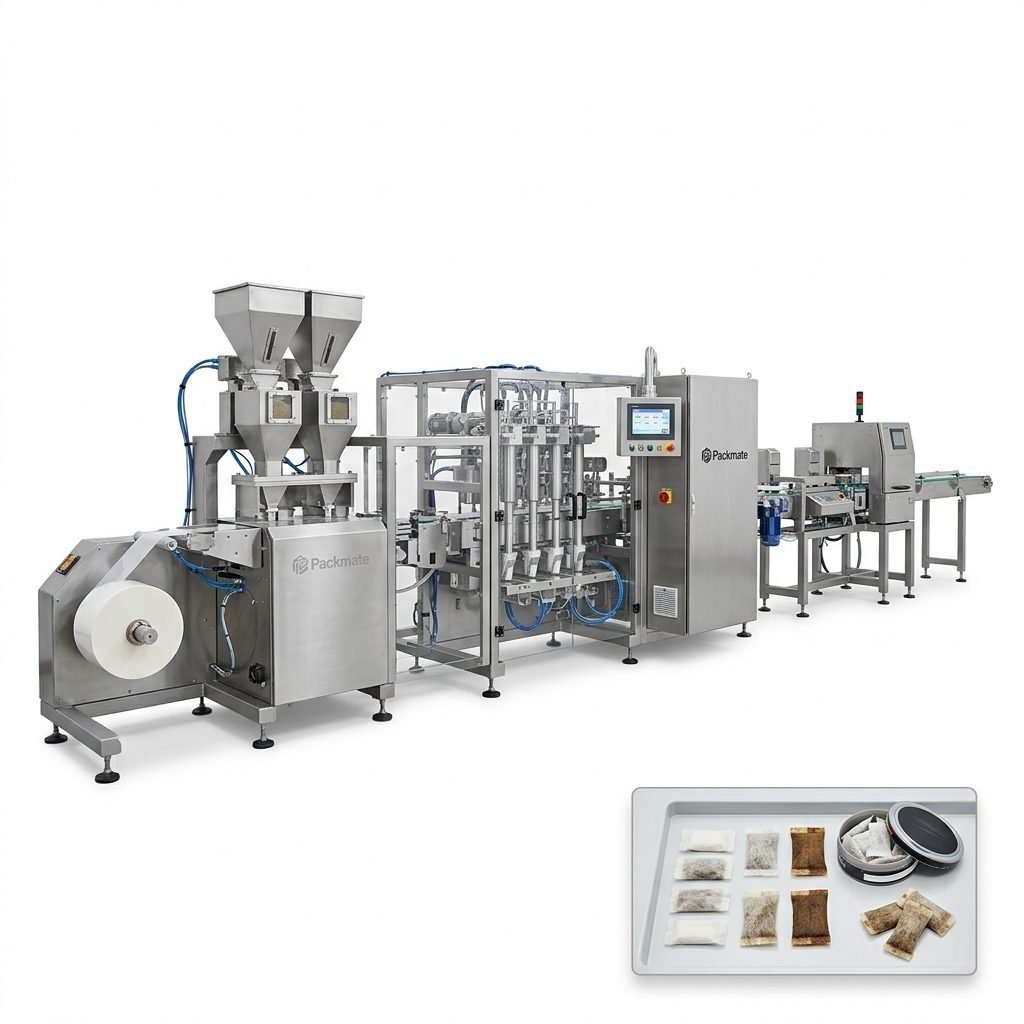
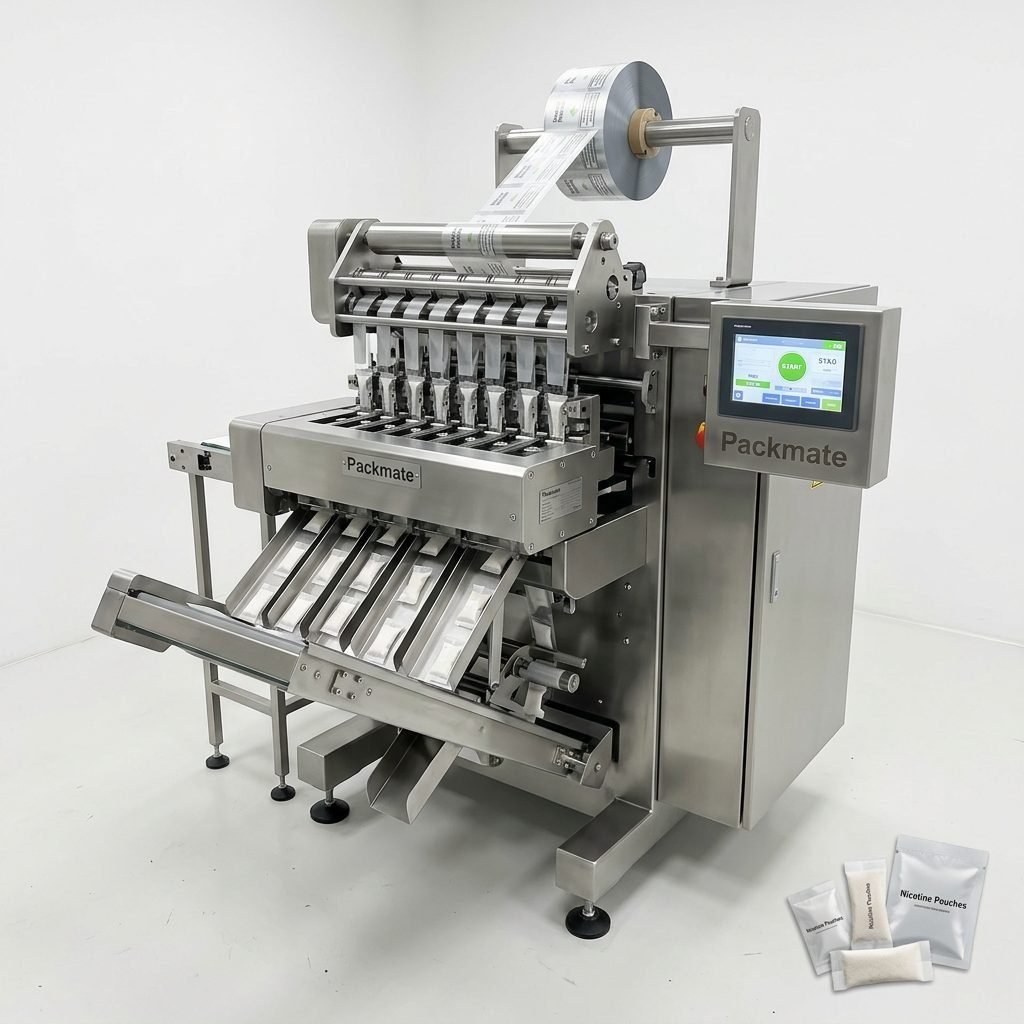
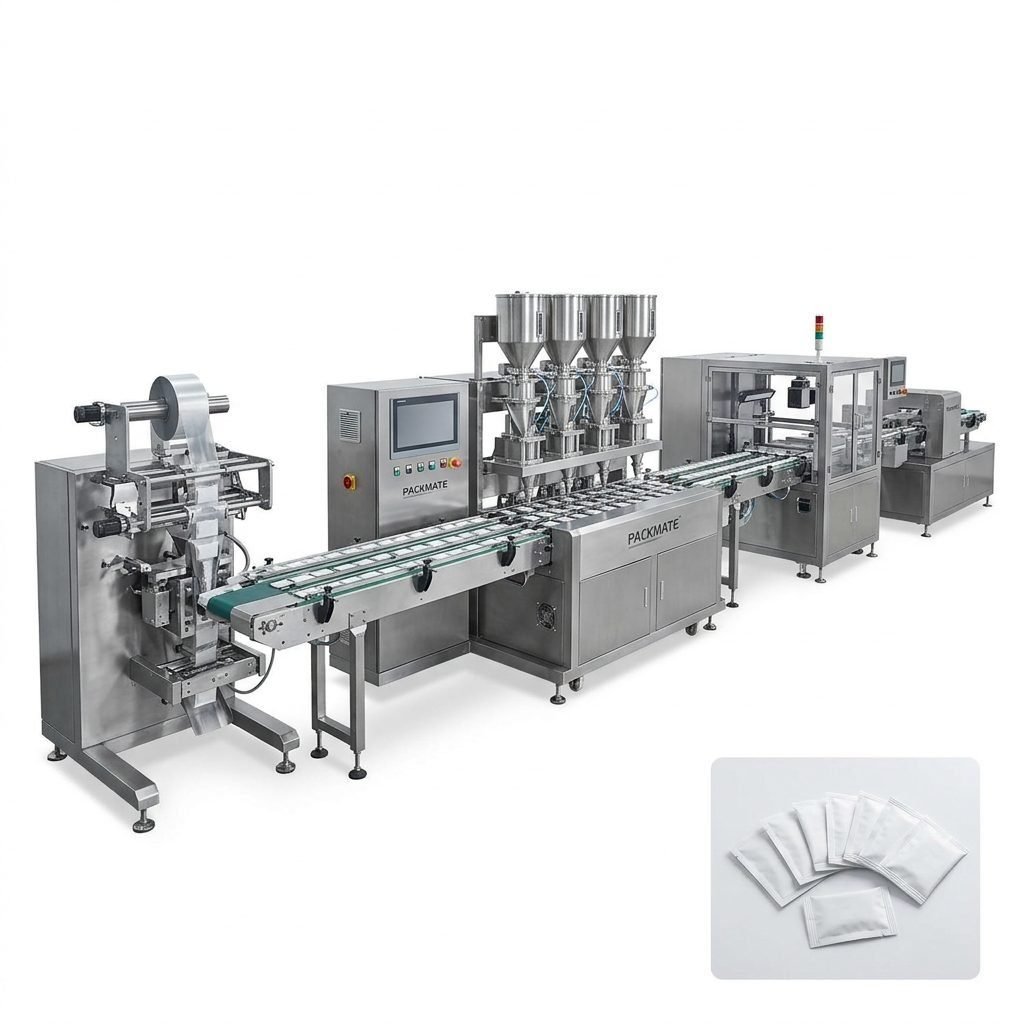
Choose suppliers who provide machines that support the exact formats you need — nicotine pouches, stick packs, sachets, or small multi-lane pouches. A flexible platform allows quick changeovers between SKUs, which is essential for testing market preferences in Bulgaria and neighboring EU markets.
2. Throughput, lane options, and scalability
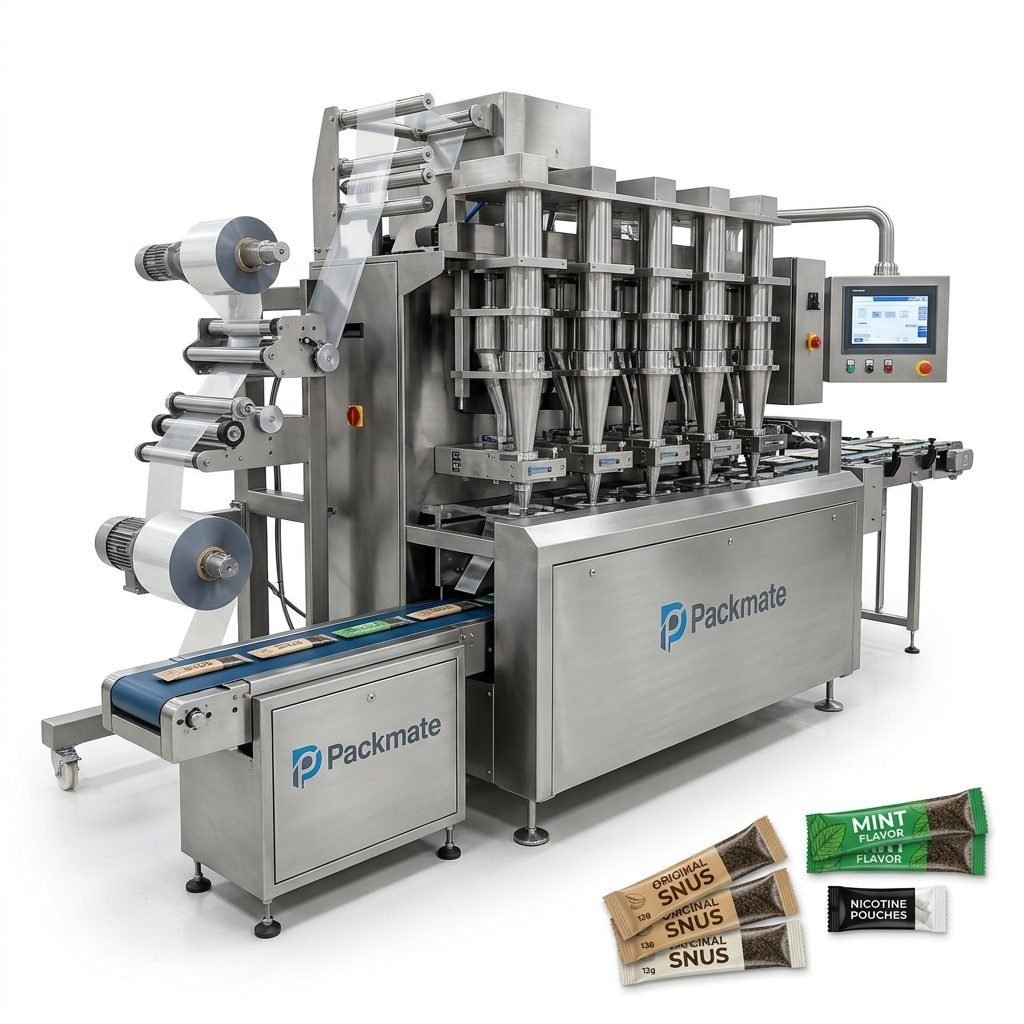
Match machine speed and lane configuration to both your current demand and planned growth. Multi-lane systems are popular for small-dose nicotine pouches because they increase output without requiring additional floor space.
3. Precision filling and consistency
Accurate dosing is critical for regulatory compliance and consumer consistency. Verify the supplier’s weighing and dosing tolerances and request test data or onsite demonstrations.
Tip:
Ask for sample output under your intended formula and pouch weight. If the supplier can demonstrate steady performance with similar products, that’s a strong indicator of suitability.
Supplier reliability: certifications, track record, and factory capability
Reliable suppliers combine engineering capabilities with quality systems and international certifications. For Bulgaria and EU markets, look for suppliers who understand EU standards and offer follow-up support across borders.
Certifications and quality systems
Confirm CE marking, ISO certifications, and documented quality-control processes. These guarantee safety, machine reliability, and easier customs clearance on import into Bulgaria.
Manufacturing strength and customization
A supplier with CNC machining centers, precision assembly lines, and a factory size that signals production capacity can accommodate custom modifications, spare part production, and scaling of your line.
Global case studies and exhibition presence
Suppliers active in international exhibitions and with EU clients are more likely to understand cross-border logistics and compliance. Ask for case studies in Europe or similar markets.
Learn more about a supplier’s machine range and case studies here:
Snus & Nicotine Packaging Machines,
Case, and
Certificate.
After-sales service, training, and spare parts in Bulgaria
After-sales support is often the deciding factor. Fast spare-part supply and local or regional technicians reduce downtime — a top priority for production continuity.
Local technical support and language
Prefer suppliers who can provide Bulgarian-language manuals or have regional partners who can visit your facility in Bulgaria. Remote troubleshooting is useful, but on-site expertise is essential for installations and complex repairs.
Spare parts logistics and warranty
Clarify spare parts lead times, warehousing options inside the EU, warranty durations, and the supplier’s policy on consumables. A supplier that can stock common spare parts in Europe will greatly shorten repair cycles.
Make sure you get this in writing:
Response times for critical failures, spare-parts list with item numbers and approximate delivery times to Bulgaria, and remote support hours aligned to your operating schedule.
Commercial terms, lead times, and logistics
Clear commercial terms protect your investment. You must understand pricing structure, delivery schedule, VAT and customs implications for Bulgaria, and installation responsibilities.
Total cost of ownership (TCO)
Look beyond the machine price. Consider installation, commissioning, training, spare parts, energy consumption, and expected maintenance intervals. A slightly higher upfront cost can be economical if TCO is lower.
Shipping, customs, and EU compliance
Ask about DAP/DPU/DDP terms, documentation for CE/ISO certificates, and assistance with Bulgarian customs clearance. Suppliers familiar with EU shipments will reduce the risk of delays.
Practical checklist: Questions to ask potential suppliers
Use this checklist in RFQs and vendor meetings to compare suppliers objectively.
1.
Machine performance: What are standard throughput and accuracy metrics for the intended pouch size?
2.
Testing: Can you provide test videos or perform acceptance tests with our formulation?
3.
Service: Are spare parts stocked in the EU? What are service response SLAs?
4.
References: Can you provide European client references or on-site contactable installations?
On-site trials, FAT, and installation in Bulgaria
Factory Acceptance Tests (FAT) prior to shipment and Site Acceptance Tests (SAT) after installation are decisive. They verify machine performance under real conditions and ensure smooth handover.
Factory Acceptance Test (FAT)
Attend FAT remotely or in person. Insist on running the machine with your materials, and obtain written FAT reports and videos that document speed, accuracy, and packaging integrity.
Installation and SAT in Bulgaria
Coordinate installation scheduling, local utility requirements, and operator training. Ensure the vendor provides a competent installation team or vetted local partners in Bulgaria.
Why consider Packmate (example supplier) for Bulgarian operations
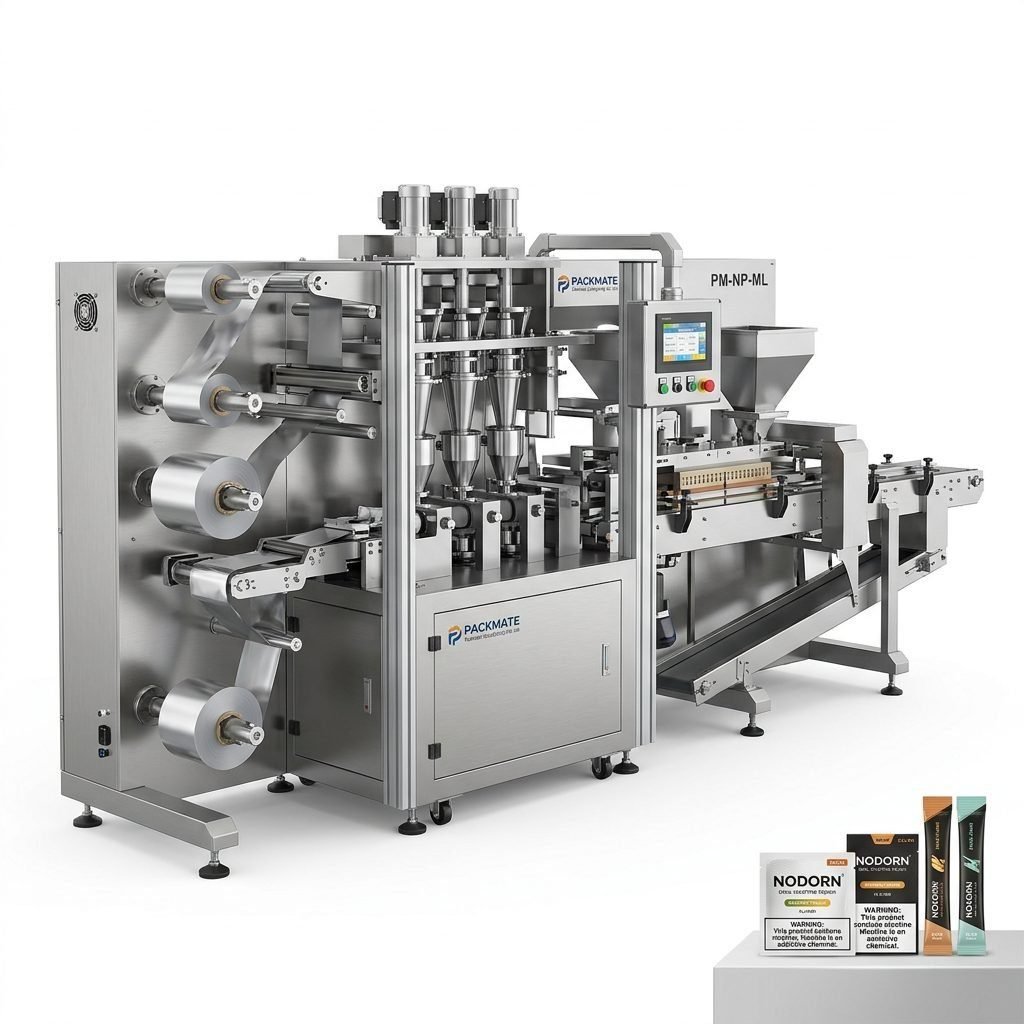
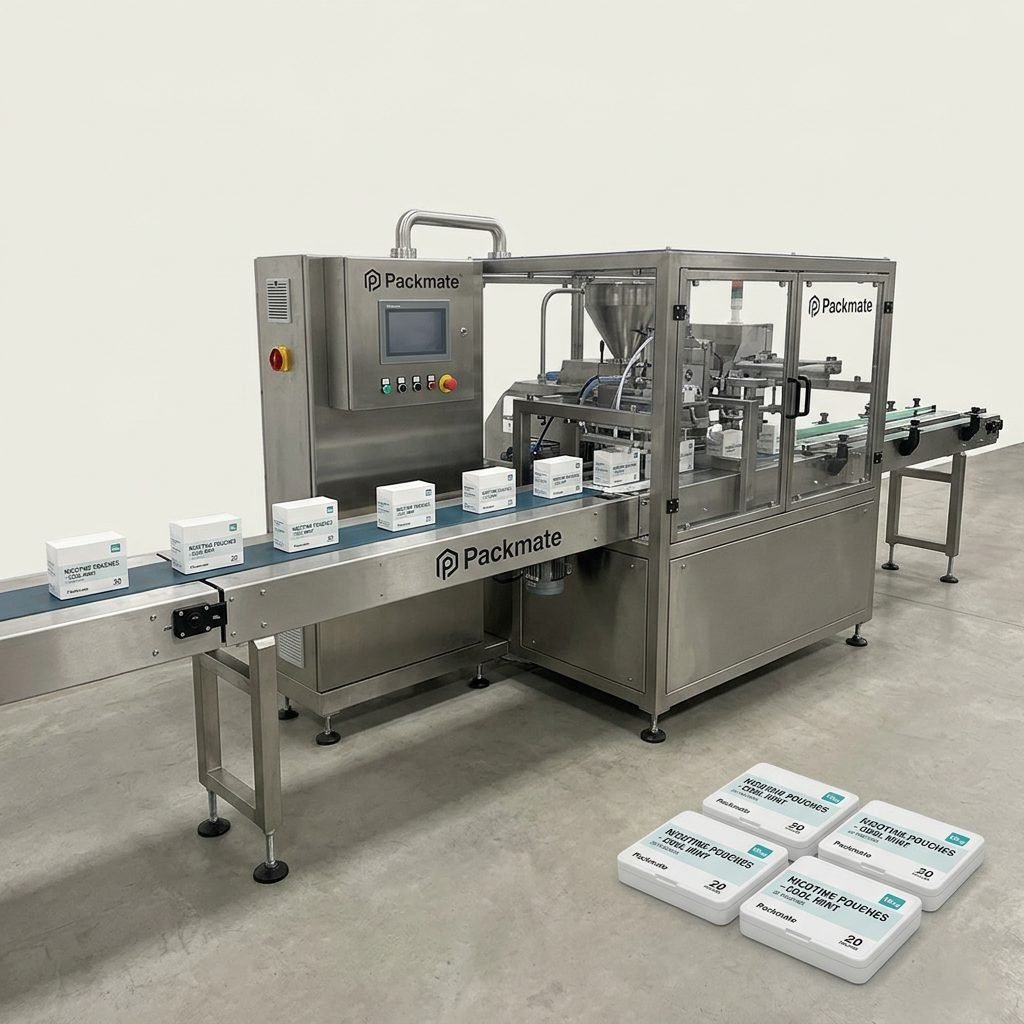
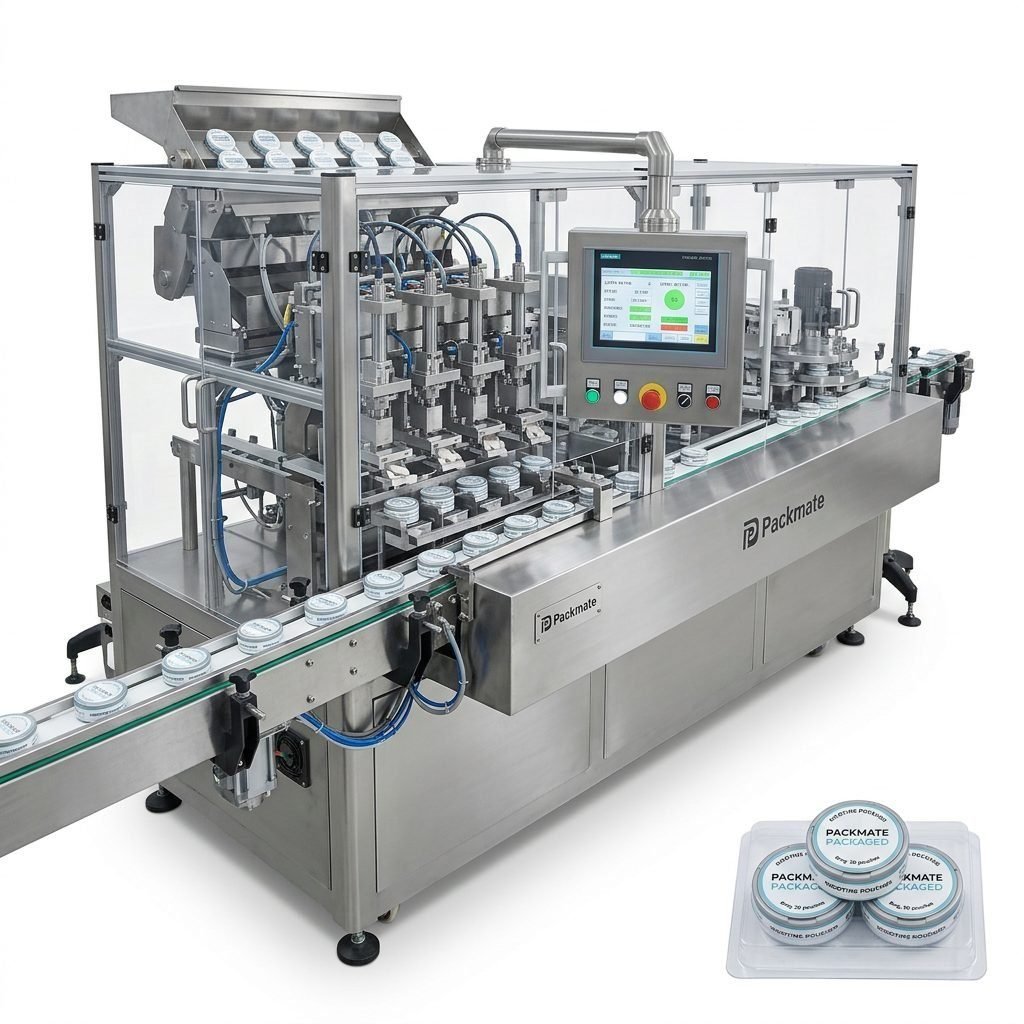
If you need a reference for a supplier profile that matches the criteria above, Packmate Snus Machine represents a strong example: 30+ years of engineering experience, 50+ machine models, advanced CNC manufacturing, CE/ISO compliance, and global turnkey solutions. Their product lines include snus/nicotine packaging machines, stick packs, sachet machines, and full filling & packaging lines — useful if you plan to expand product formats.
Explore Packmate’s product range and service offerings:
About Packmate,
Snus & Nicotine Packaging Machines,
Service.
Negotiation tips and commercial protections
Negotiate clear milestones, partial payments tied to FAT completion, and retention clauses until successful SAT. Ask for performance guarantees and spare-parts commitments in your contract.
Warranty and penalties
Define warranty terms and remedies for performance shortfalls. Penalties for missed delivery or unresolved defects motivate timely vendor response.
Regulatory and cultural considerations in Bulgaria
Bulgaria follows EU rules for product safety and packaging waste. Ensure your supplier understands EU labeling, including Bulgarian language requirements and recycling symbols. Cultural sensitivity matters: Bulgarian retailers and consumers appreciate clear labeling, local language instructions, and products that demonstrate quality and safety.
Local tip:
Offer Bulgarian-language labels and user guides. This improves retailer acceptance and reduces returns due to misunderstandings about usage or contents.
Final selection roadmap — step by step
1) Shortlist vendors with EU experience and relevant machine formats.
2) Request detailed specs, FAT videos, and client references.
3) Evaluate TCO and spare-part availability in Europe.
4) Negotiate contractual protections tied to FAT and SAT.
5) Plan installation, operator training, and regulatory labeling for Bulgaria.
Closing thought
The right packaging machine supplier acts as a long-term partner: they deliver machines, reduce downtime, help with compliance, and support your growth in Bulgaria and the broader EU. Prioritize proven machine performance, European spare-part logistics, and clear after-sales SLAs to protect your production and reputation.
Frequently Asked Questions
Q1: How important is CE certification when importing machines into Bulgaria?
CE marking is essential for importing and operating machinery in the EU. It confirms compliance with EU safety and electromagnetic compatibility directives and simplifies customs clearance in Bulgaria.
Q2: What local support should I expect from a reliable supplier?
Expect regional spare-part stocking, reasonable SLAs for on-site support, Bulgarian-language documentation if possible, and remote troubleshooting. Suppliers with EU partners can provide faster response times.
Q3: How can I verify a supplier’s machine performance before purchase?
Require FAT with your materials and documented test runs. Ask for video evidence, performance guarantees, and references from customers with similar products or EU installations.
Q4: Are multi-lane systems recommended for nicotine pouches?
Yes. Multi-lane systems increase throughput while keeping the production footprint compact, especially useful for small-dose nicotine pouches and scaling production in response to market demand.
Q5: Where can I learn more about packaging machine options and services?
Explore supplier catalogs and service pages to compare offerings. For detailed product lines and turnkey solutions, visit:
Snus & Nicotine Packaging Machines,
Filling & Packaging Lines, and
Contact Us.