Choosing the right snus packaging machine in San Marino requires more than just reviewing price tags. It involves understanding product characteristics, regulatory constraints, production volumes, machine capabilities, and the kind of after-sales support you will need to maintain consistent output. This guide walks manufacturers and purchasing managers through a practical, step-by-step approach to selecting the best snus packing solution for their operation, from single-lane sachet systems to high-speed multi-lane nicotine pouch lines.
Why San Marino Needs Specialized Snus Packaging Solutions
San Marino’s market is unique in scale and regulatory expectations. Even if your production is small, the demand for consistency, product safety, and traceability is high. A well-chosen machine helps you:
- Meet strict hygiene and labeling requirements
- Maintain consistent dosing for nicotine pouches
- Scale production without sacrificing quality
- Reduce labor costs through automation
Understand Your Product and Packaging Format
The first step is to list your product variables. Snus and nicotine pouches can vary by moisture content, granule size, fill weight, and pouch material. These factors directly influence machine type and configuration.
Common packaging formats
Typical options include:
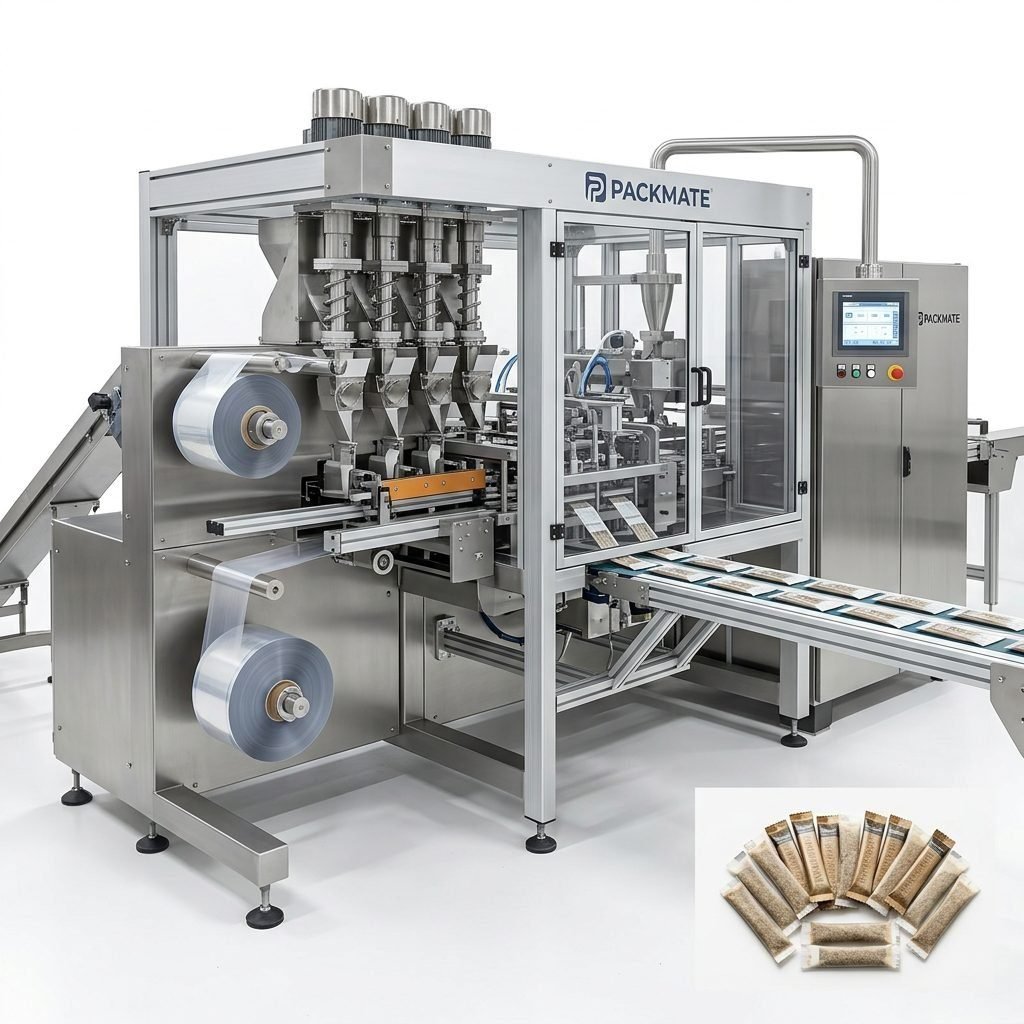
- Stick packs and single-dose sachets for convenience sales
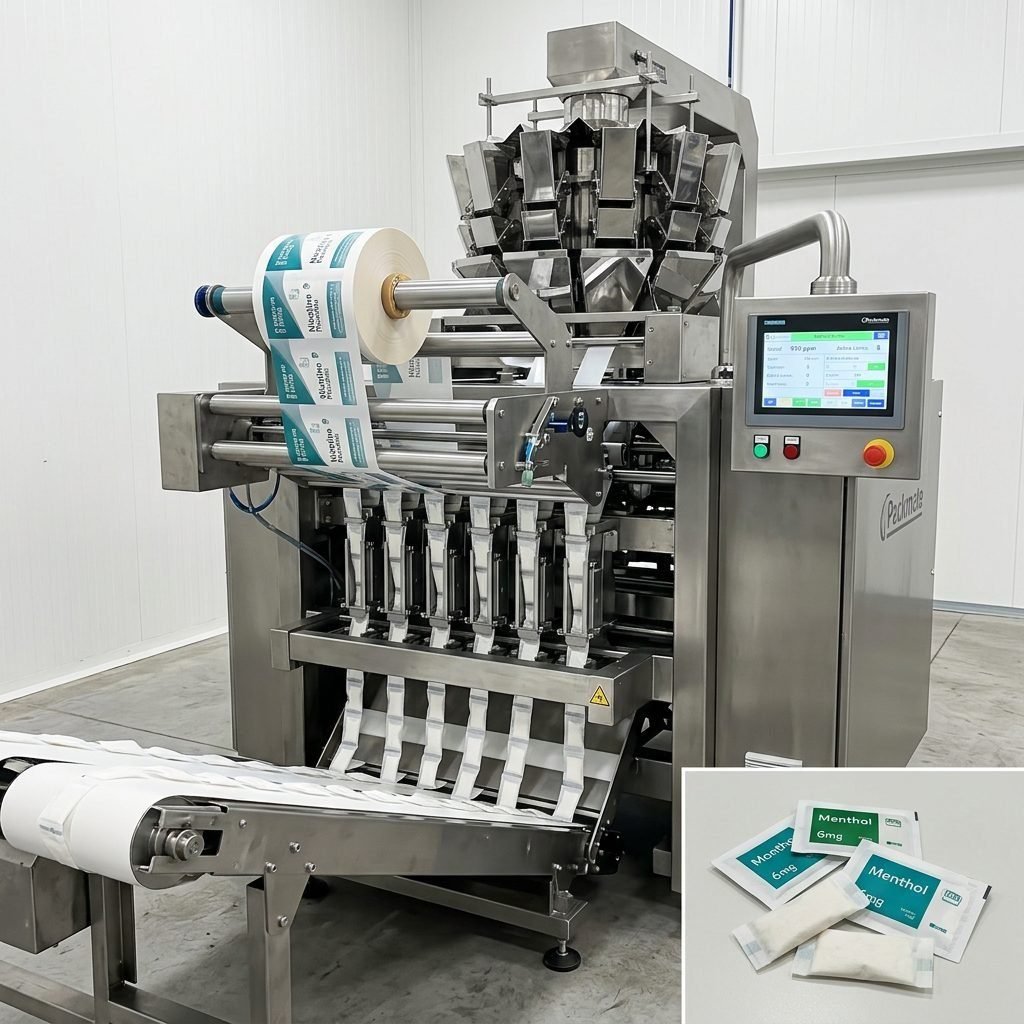
- Multi-lane pouch lines for high-output nicotine pouch production
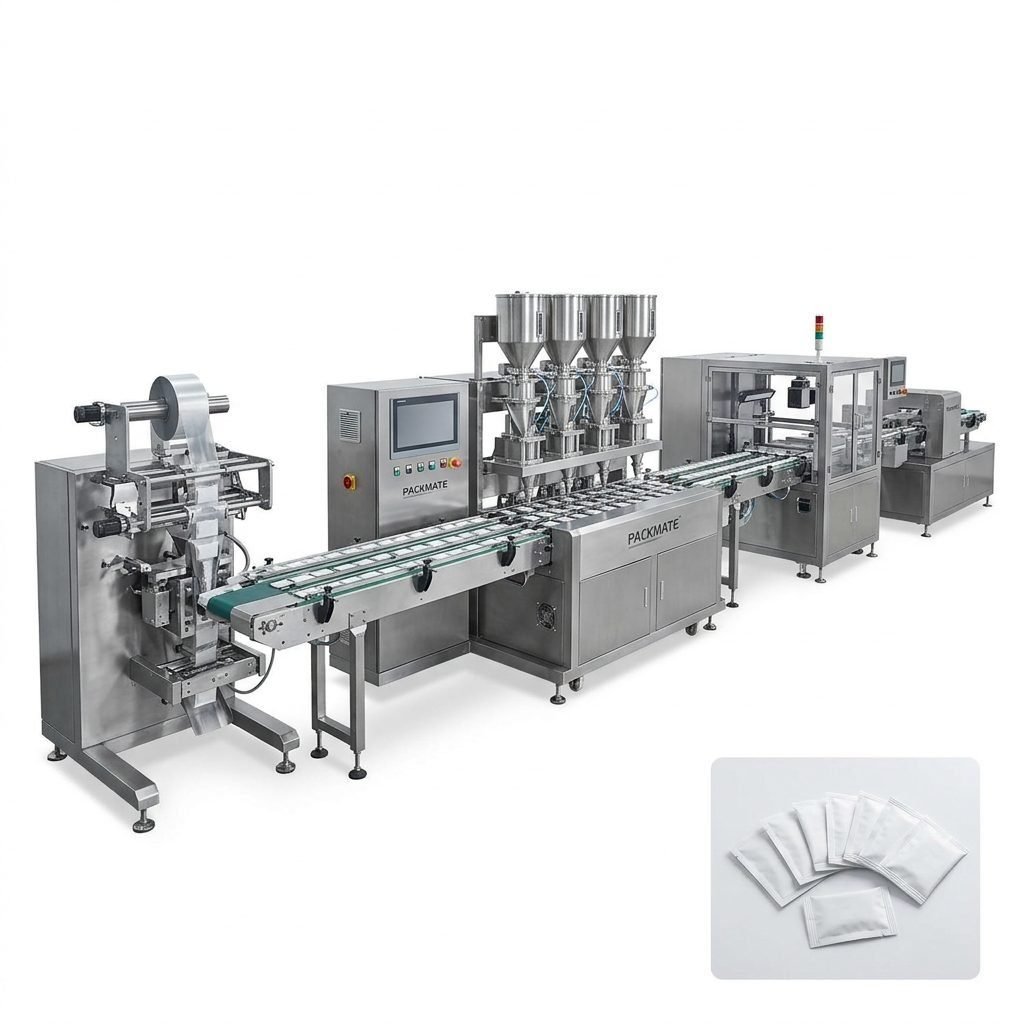
- Flat sachets or pillow packs for sample or retail packs
Your product moisture and fill consistency determine whether you need a dosing system that handles powders, pastes, or granules. Choosing the wrong dosing method can cause frequent jams or inconsistent fills.
Match Machine Types to Production Needs
Not every factory needs a multi-lane high-speed system. Evaluate your annual volume and growth plans:
Low to medium volume
If you produce limited SKUs or small batches, a single-lane sachet or stick pack machine provides flexibility and lower capital cost. These machines are ideal for regional brands or pilot production.
High volume and scalability
For large-scale nicotine pouch production you will benefit from high-speed multi-lane systems that can run dozens of lanes simultaneously and support continuous operation with advanced servo control and automated reel changes.
Key Technical Specifications to Compare
When comparing machines, focus on measurable specifications rather than marketing claims. Important specs include:
- Output rate (packs/min or pouches/min) — matches expected production targets
- Number of lanes — impacts throughput and footprint
- Filling accuracy — critical for nicotine dosing
- Material compatibility — supports your pouch films and foils
- Changeover time — frequency of SKU changes affects efficiency
- Cleanability & hygiene design — essential for food/consumer health compliance
Prioritize filling accuracy and filling technology (volumetric, auger, weight-based) when nicotine content is legally regulated. Machines with integrated weighing systems or advanced auger dosing will keep compliance risks low.
Automation, Control & Integration
Modern packaging lines are more than standalone machines. Look for features that facilitate automation and integration:
- PLC and touchscreen HMI for recipe and parameter storage
- Servo-driven components for precise motion and faster changeovers
- Communication interfaces (OPC, Ethernet) for factory MES or SCADA
- Automatic film splicing, reel changes, and fault detection
Integration with upstream/downstream equipment
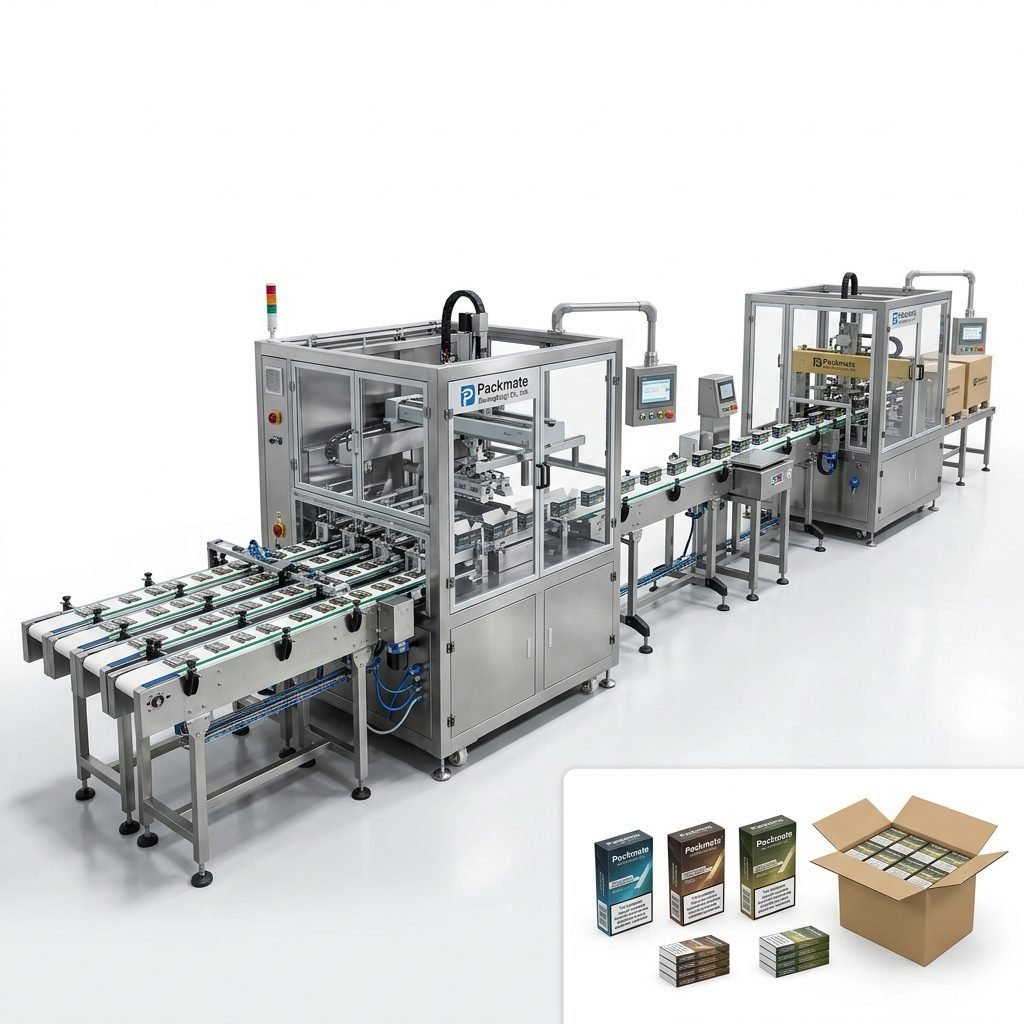
For continuous production, ensure the snus packaging machine can be synchronized with weighing feeders, feeding conveyors, cartoning machines, and case packers. A supplier that offers turnkey lines reduces the integration burden.
Hygiene, Maintenance & Regulatory Compliance
Snus is a consumer-facing product; hygienic design and ease of maintenance are non-negotiable:
- Stainless-steel contact parts (typically 304 or 316) for corrosion resistance
- Open-access zones for fast cleaning and inspection
- CE and ISO certifications to meet international standards
Verify the manufacturer provides documentation for CE and ISO compliance and has experience with nicotine pouch lines—this reduces approval cycles and improves on-site commissioning.
Manufacturer Experience and Factory Capabilities
Choosing an experienced manufacturer brings tangible advantages: mature engineering, spare parts availability, and robust after-sales support. Look for:
- 30+ years or long industry history in packaging machinery
- Large production facilities with CNC and precision assembly
- Range of machine models and customized turnkey solutions
- Global exhibition presence and case studies from similar projects
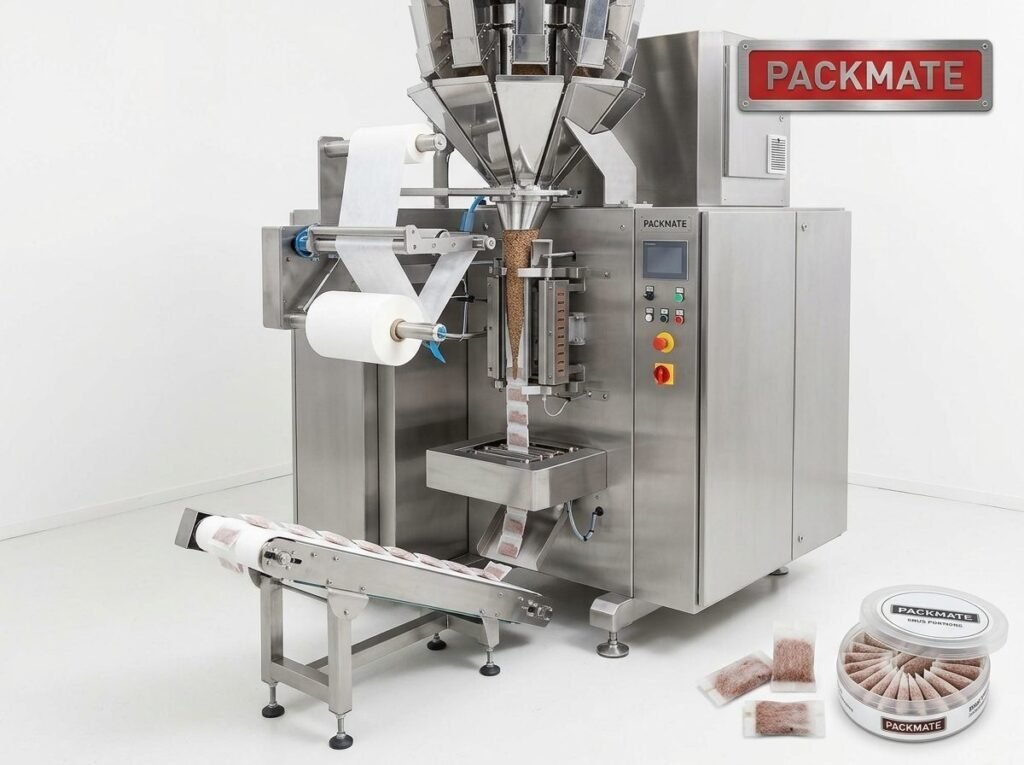
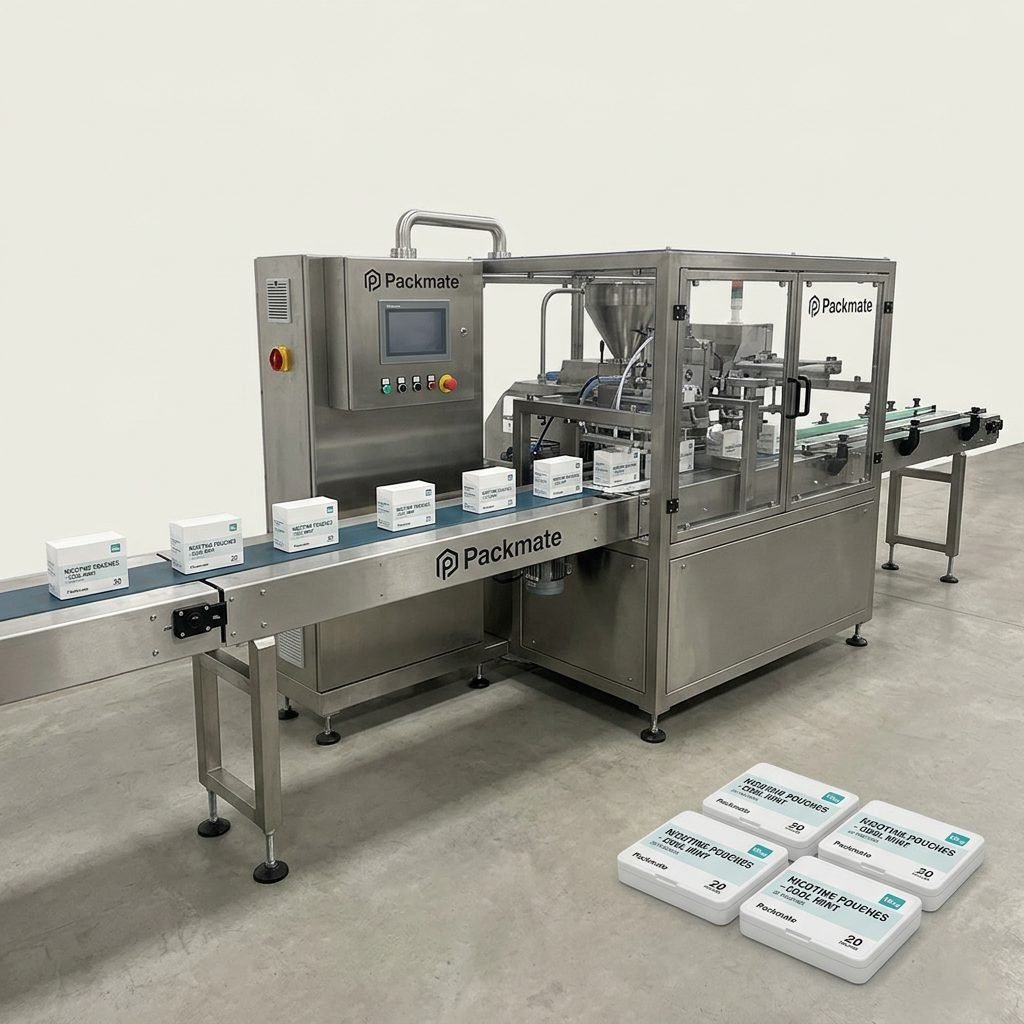
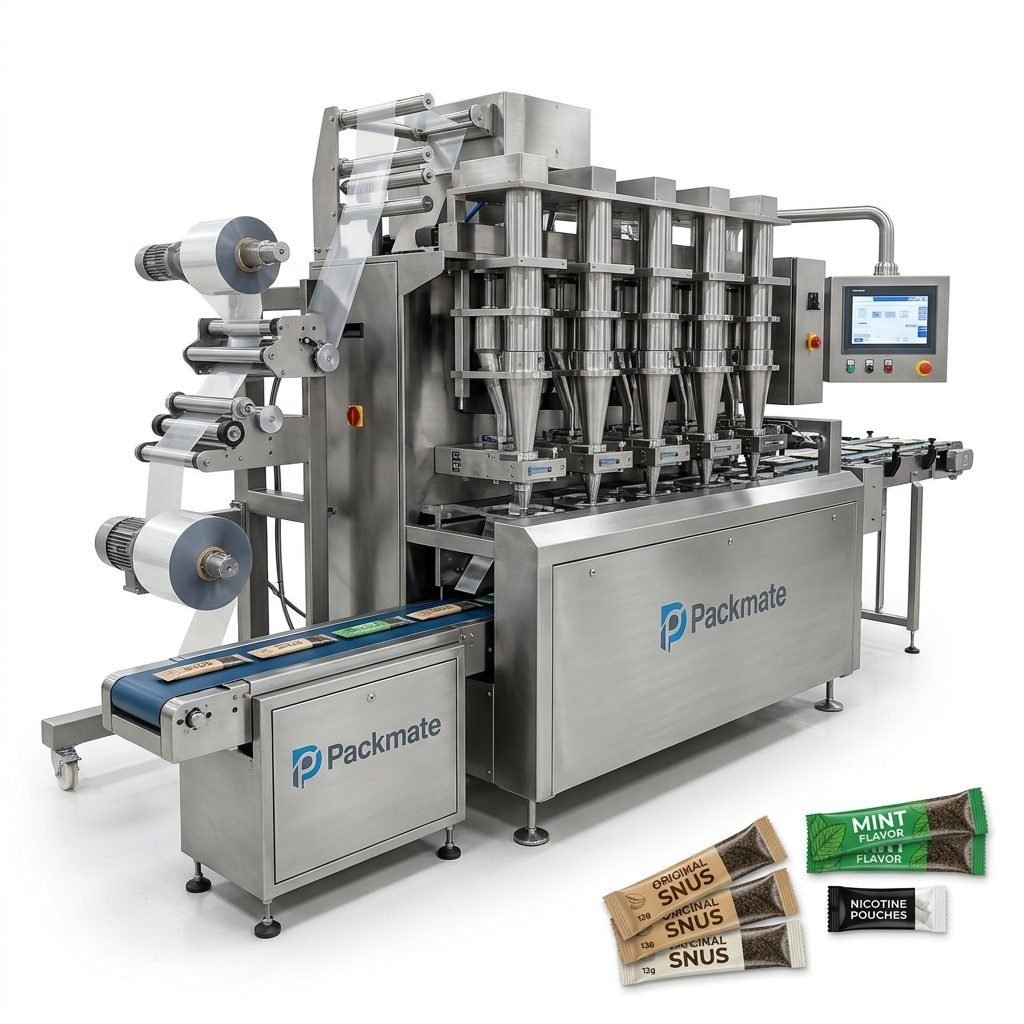
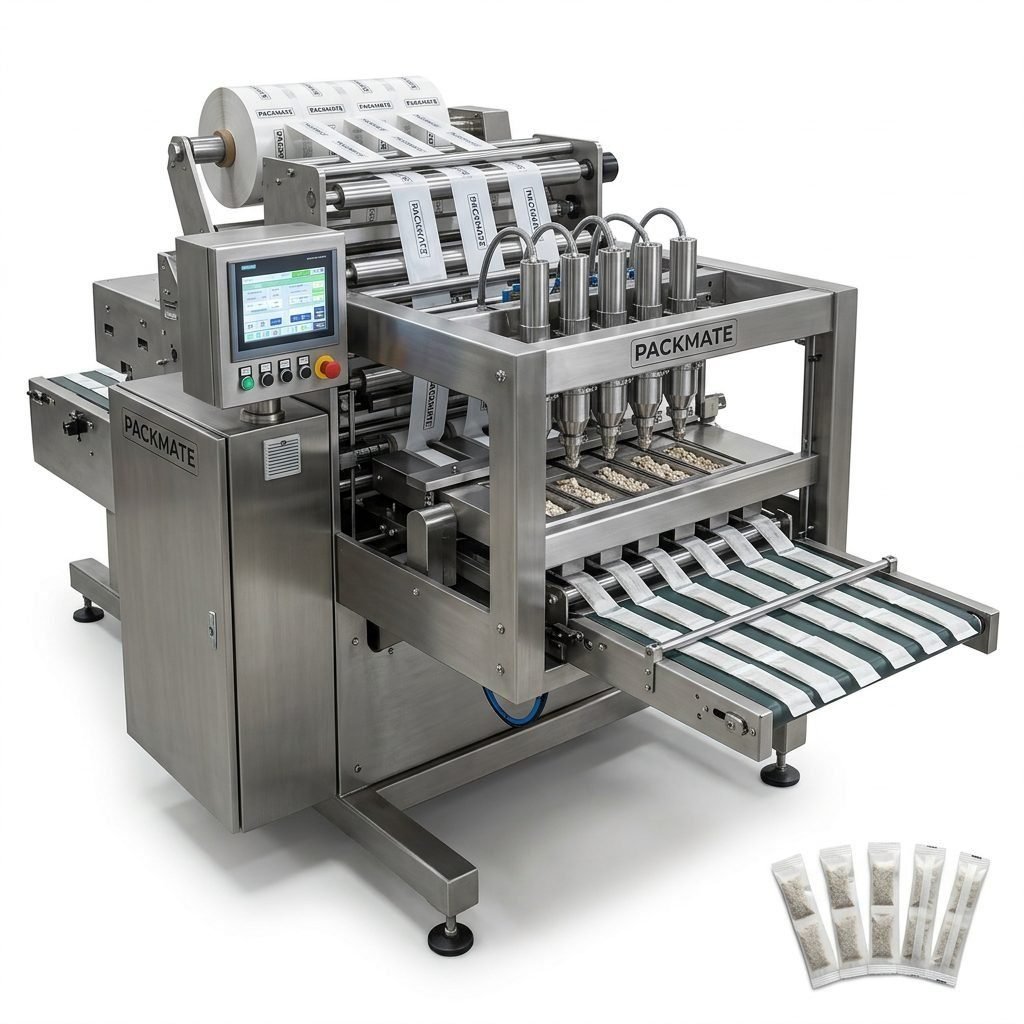
For example, Packmate Snus Machine emphasizes multi-lane snus lines, advanced CNC manufacturing, and global turnkey solutions. Learn more about product lines here: Snus & Nicotine Packaging Machines and Bag & Pouch Packaging Machines.
Total Cost of Ownership and ROI
Understand the full lifecycle cost, not only the purchase price. Key components of TCO include:
- Initial equipment cost and installation
- Spare parts and consumables
- Energy consumption and utilities
- Operator training and maintenance labor
- Downtime risk and remote support capability
A slightly higher-capacity machine with robust automation often yields faster ROI by reducing labor and downtime. Ask potential suppliers for real-world ROI examples or references.
After-Sales Service, Spare Parts & Training
Reliable after-sales service is essential, particularly when running high-speed multi-lane lines. Verify:
- Availability of spare parts and local stock options
- Remote diagnostic capability and software updates
- Training programs for operators and maintenance staff
- Warranty terms and field service coverage
Refer to supplier service pages and case studies to gauge commitment. For instance, Packmate provides turnkey solutions and global technical support—details at Service and customer references at Case.
Customization and Turnkey Lines
Off-the-shelf machines may not always meet unique product demands. Consider suppliers who can deliver:
- Custom dosing systems for unique pouch fills
- Special materials handling for hygroscopic or sticky formulations
- Full turnkey lines including feeding, weighing, filling, packing, and labeling
Why turnkey matters
Turnkey providers reduce the number of vendors to manage and accelerate the line commissioning process. They can deliver tested solutions that fit your floor plan and production targets.
Factory Acceptance Tests (FAT) and On-site Commissioning
Insist on a thorough FAT before shipment to validate performance under real product conditions. FAT should include:
- Verification of output speeds and accuracy
- Trial runs with your film and pouch materials
- Testing changeover procedures and cleaning routines
After delivery, qualified on-site commissioning ensures the line integrates with your utilities and upstream/downstream equipment. If the manufacturer has exhibition history and global projects, it signals experience in real-world deployments—see Our Exhibition.
Checklist: Questions to Ask Suppliers
Use this checklist during vendor evaluation:
- Can you provide references for snus/nicotine pouch lines?
- What certifications do you hold (CE, ISO)?
- Do you offer FAT with our product before shipment?
- What is included in your warranty and service package?
- How quickly can you supply spare parts?
- Do you supply complete lines or only single machines?
Practical Buying Steps for San Marino Manufacturers
Follow these steps to make a confident purchase:
- Define product specs and target output.
- Shortlist vendors with relevant snus experience.
- Request detailed technical proposals and ROI scenarios.
- Arrange visits or virtual demos; request FAT schedules.
- Negotiate delivery, installation, training, and spare parts terms.
- Plan commissioning and continuous improvement post-installation.
Always validate supplier claims with references and real product tests. A demonstration using your actual snus formulation is invaluable.
Where to Find Reliable Suppliers
Seek manufacturers that specialize in nicotine pouch and snus packaging equipment, with a broad product range and global installations. For full product catalogs and company background, review supplier pages such as About Packmate and product listings for Sachet & Stick Pack Machines.
Final Recommendations
To summarize the most impactful considerations:
- Match machine capability to real production needs rather than overspending for unneeded speed.
- Prioritize filling accuracy and hygienic design for consistent, compliant snus products.
- Choose experienced manufacturers with FAT processes and good global support networks.
- Consider turnkey solutions for smoother integration and faster ramp-up.
Next Steps: Contacting a Supplier
When you are ready, prepare a short specification document and reach out to suppliers for quotations and FAT schedules. For direct supplier contact and support, see Contact Us. If you need machine catalogs and technical brochures, their Catalog is a helpful resource.
Frequently Asked Questions
Q1: How do I determine the right number of lanes for my snus line?
A: Calculate based on your target daily output, product fill weight, and machine speed per lane. Factor in planned growth and the physical space available. A supplier can simulate production scenarios to recommend the optimal lanes.
Q2: What certifications should the machine have for European markets?
A: Look for CE marking and ISO certification at a minimum. For food-contact and consumer safety, stainless-steel construction and hygienic design documentation are also important.
Q3: Can I start with a single-lane machine and upgrade later?
A: Some manufacturers design modular systems that allow capacity expansion. Confirm upgrade paths, spare parts compatibility, and whether control systems support additional lanes.
Q4: How long does commissioning typically take for a full snus packaging line?
A: Commissioning timelines vary by complexity; a single machine can be commissioned in days, while a full turnkey line often requires 2–6 weeks of on-site work including testing with actual product.
Q5: What after-sales support should I expect from a reputable supplier?
A: Expect training, spare parts availability, remote diagnostics, and field service options. Warranty terms and response times should be clarified before purchase.