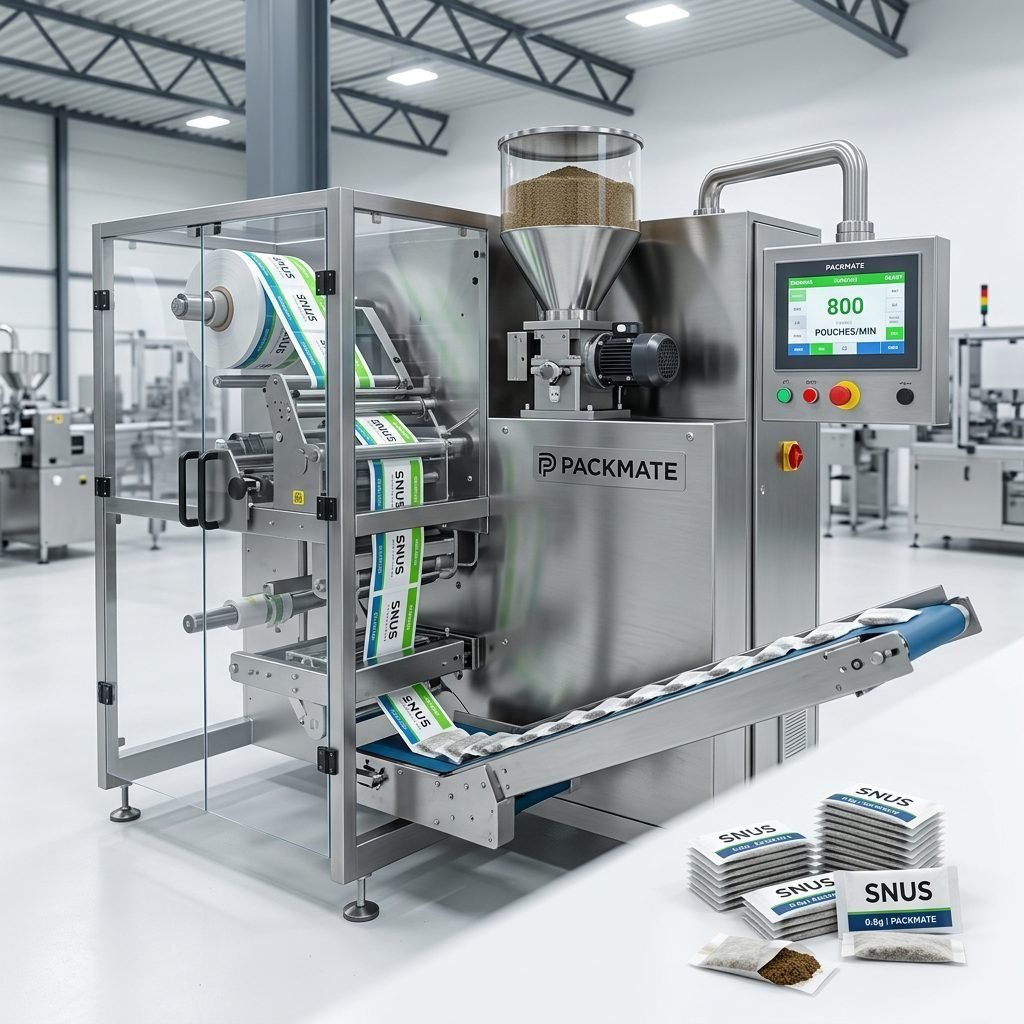
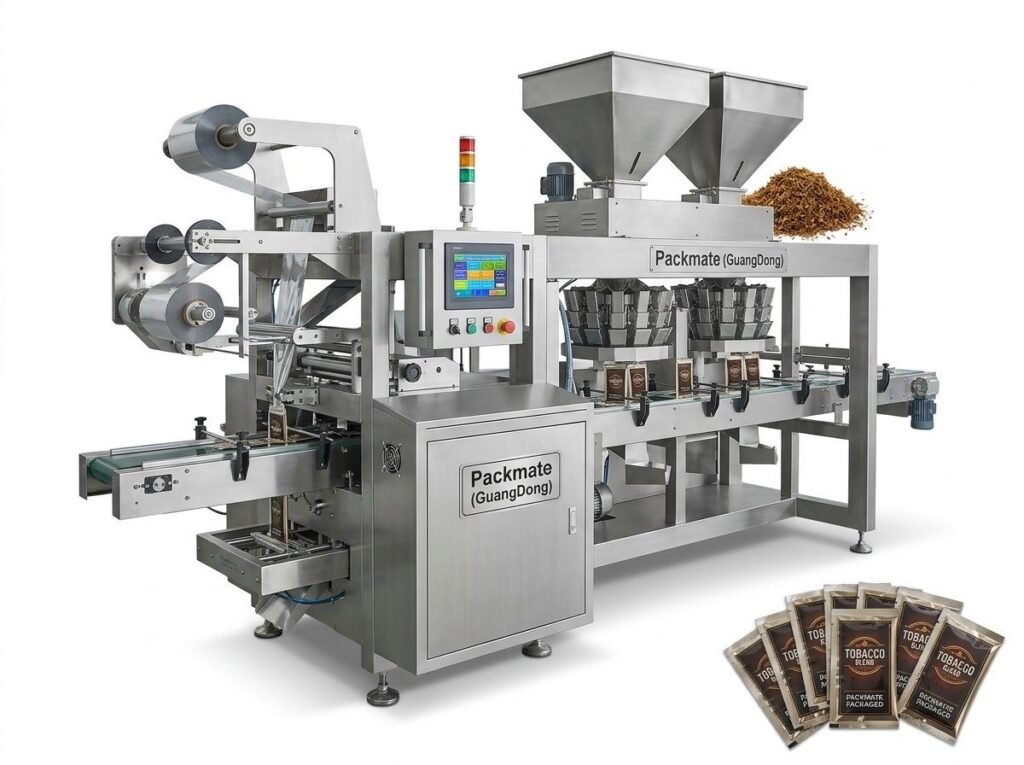
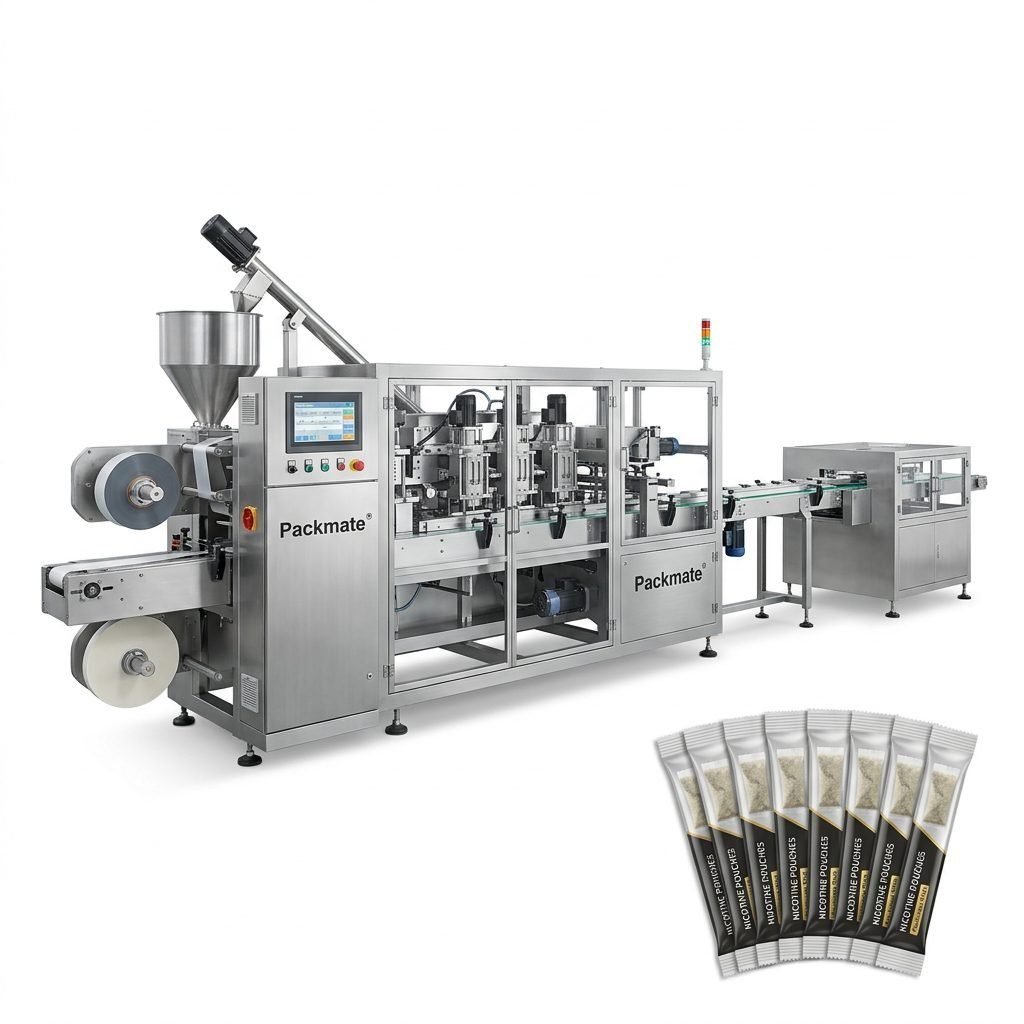
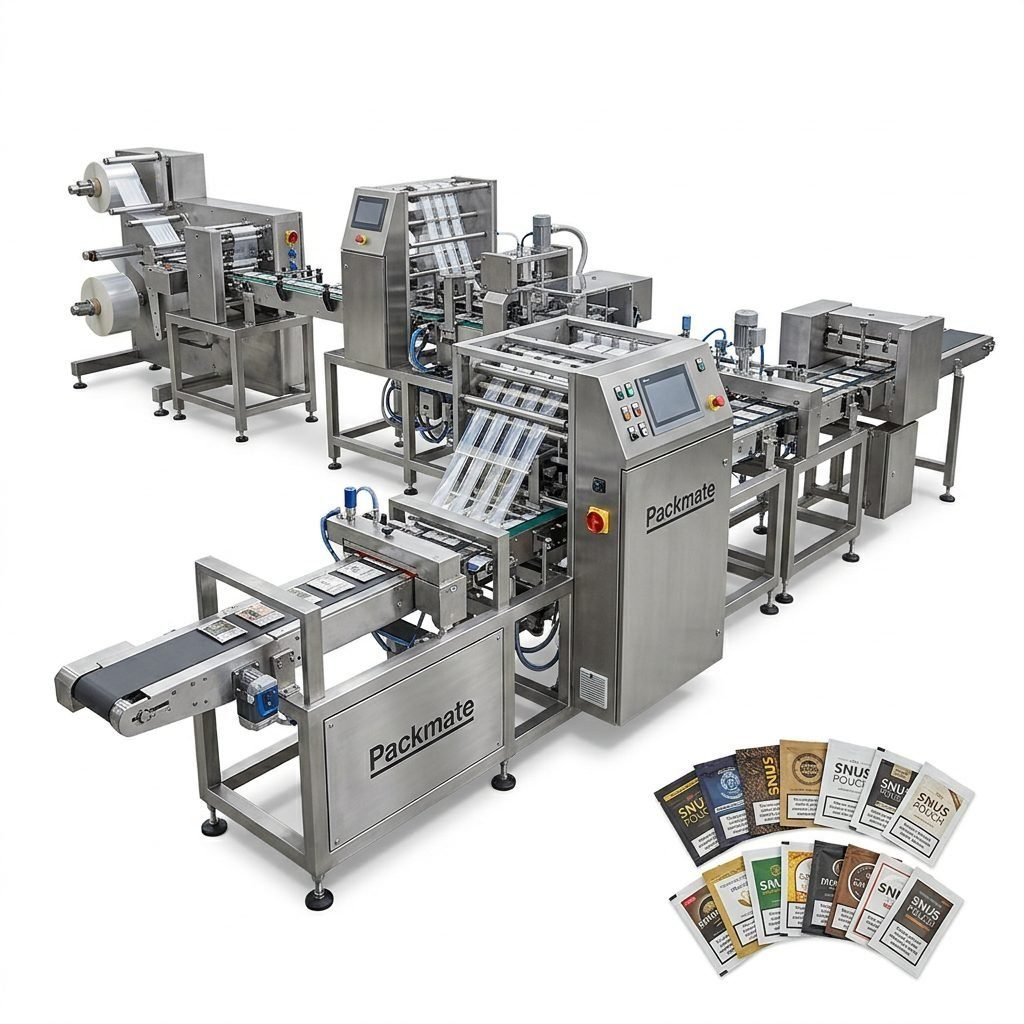
Choosing the right snus packaging machine supplier for your factory in Ethiopia is a strategic decision that affects production efficiency, product quality, and long-term operational costs. This guide walks factory owners, production managers, and procurement teams through practical steps to evaluate suppliers, focusing on local considerations—regulatory environment, cultural habits, logistics—and technical criteria such as machine reliability, after-sales support, and customization options.
Understand the Ethiopian Market and Local Habits
Ethiopia’s unique social and cultural landscape influences consumer behavior and distribution channels. Urban centers like Addis Ababa have growing retail sectors, while regional preferences can vary greatly. Traditional consumption of stimulants (for example, khat in some regions) and the strong coffee culture indicate that pocket-friendly single-serve formats and discreet packaging often perform well. When evaluating suppliers, ask how their machine solutions can adapt to local packaging formats, small-batch production, and fast changeovers to test new SKUs in the market.
Tip: Prioritize suppliers who understand regional distribution channels (small kiosks, pharmacies, supermarkets) and can advise on pack formats that suit Ethiopian retail sizes and pricing expectations.
Regulatory and Compliance Considerations
Before investing in packaging lines, verify local regulations for nicotine-containing products. Requirements may include specific labeling, child-resistant features, or import restrictions. A reliable supplier should provide documentation for CE/ISO compliance and assist with machine adjustments to meet local labeling and artwork application requirements. Request sample compliance packages and ask how they handle sanitization and material contact standards when producing nicotine pouch equipment.
Key Technical Criteria to Evaluate
Focus on the following machine capabilities when comparing suppliers. These criteria determine how quickly your factory can scale and diversify product lines.
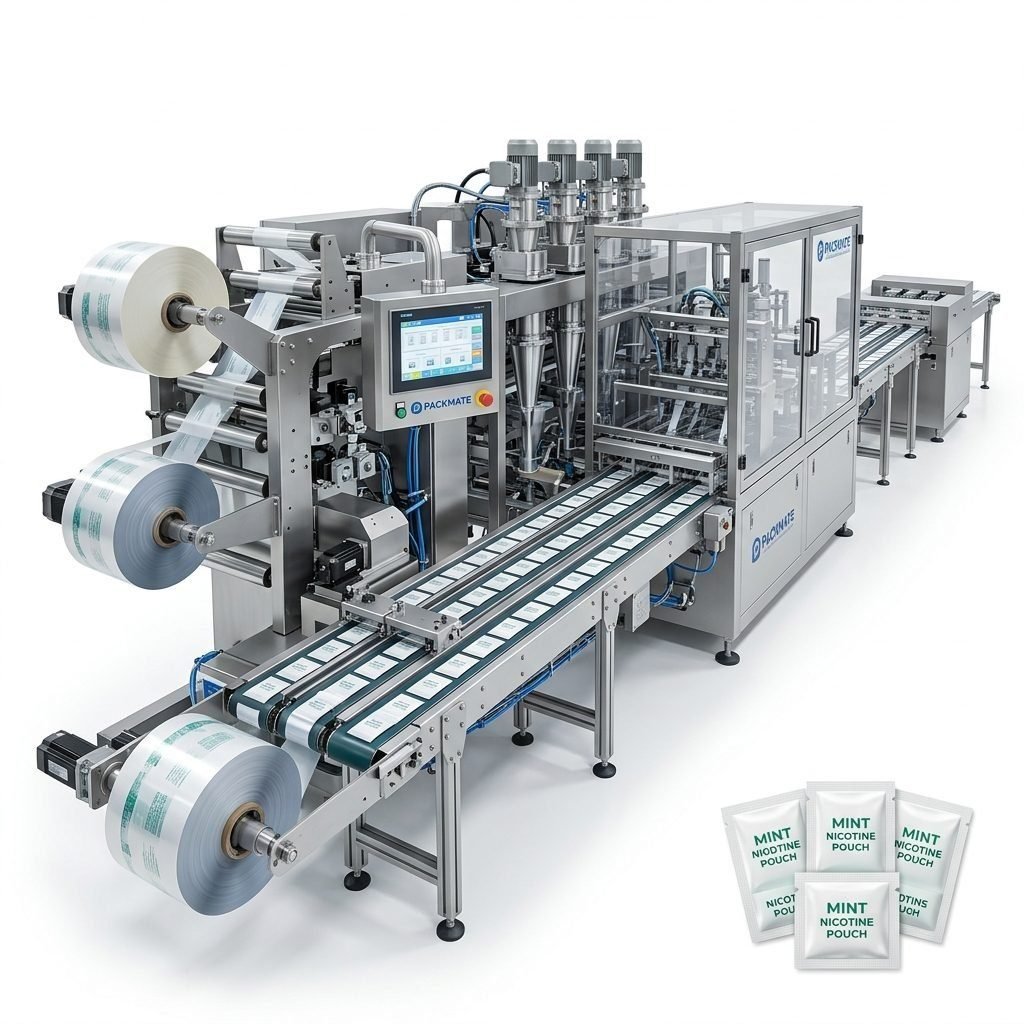
- ⚙️ Throughput & Multi-lane Options: Choose machines that support multi-lane configurations if you plan high-volume output or multiple SKUs. Multi-lane systems allow parallel filling and sealing to increase yields without doubling floor footprint.
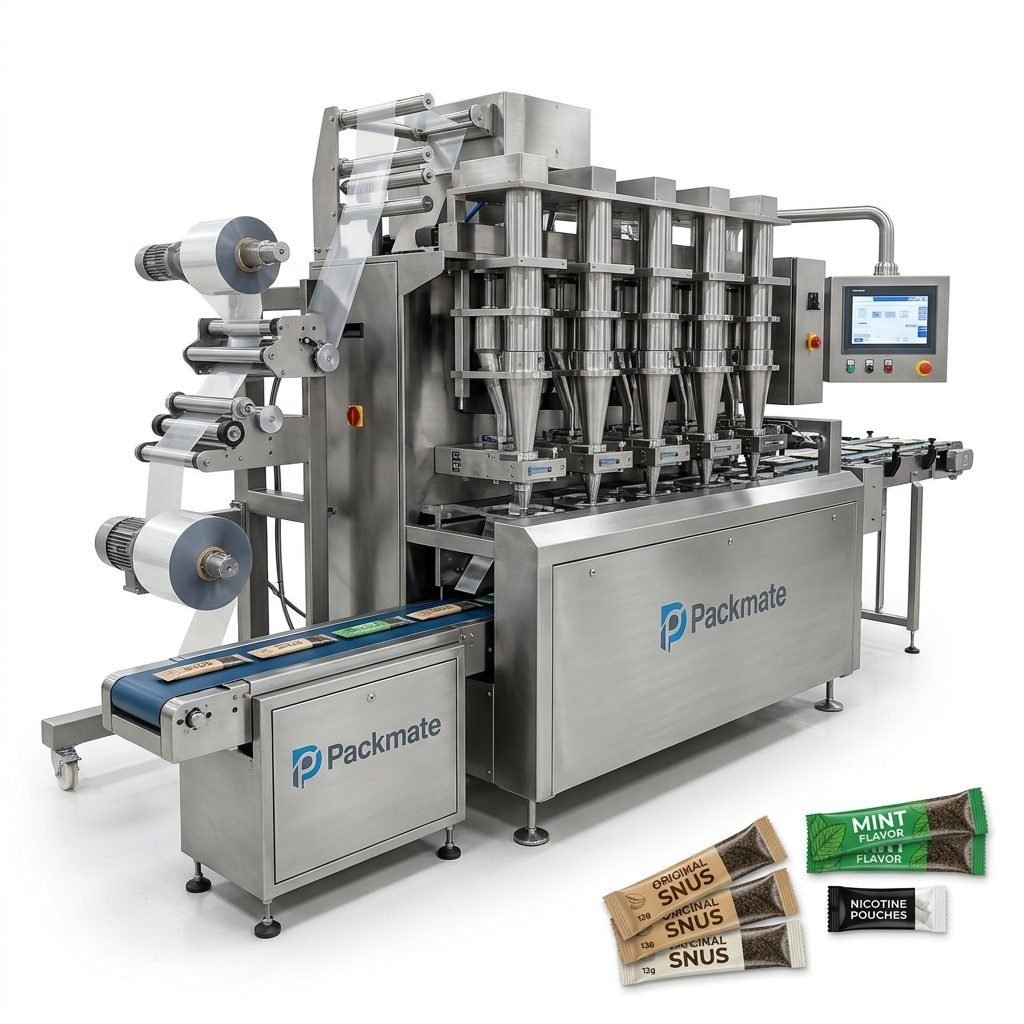
- 🔄 Changeover Flexibility: Fast tool-free changeovers reduce downtime when switching sachet sizes or pouch formats—critical for trial runs in new Ethiopian markets.
- 🔍 Accuracy & Weighing Integration: Precise dosing matters in small-dose nicotine pouches. Look for integrated weighing and dosing modules to ensure consistent content per pouch.
- 🛠️ Maintenance & Spare Parts Accessibility: Evaluate spare parts lead times and whether the supplier keeps spare part kits for fast replacement in-country or via regional warehouses.
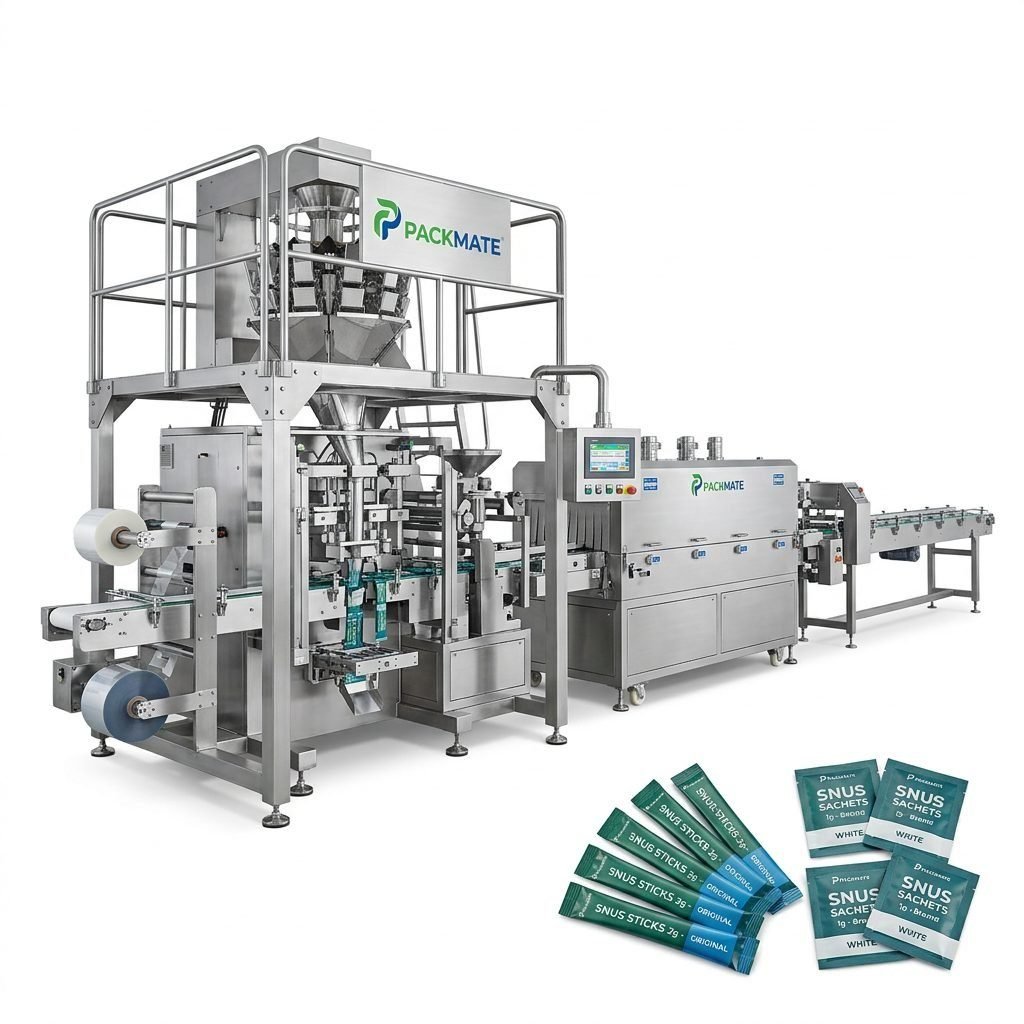
- 🧭 Automation & Turnkey Capability: Suppliers offering complete lines—including filling, pouch forming, sealing, and secondary packaging—simplify installation and integration into your factory flow.
Quick Checklist: Verify throughput (units/min), number of lanes, accuracy tolerances, PLC/HMI brands, and modular expandability.
Why Factory Strength and Experience Matter
Suppliers with robust manufacturing facilities and decades of engineering experience are more likely to deliver durable machines that perform reliably in varied environments. Look for details like factory size, CNC capabilities, and the number of models available—these indicate production capacity and R&D depth. For example, a manufacturer with a large production footprint can offer customization and faster lead times for specialized lines.
After-sales Support: Training, Installation, and Spare Parts
After-sales service is often the most decisive factor for long-term uptime. Confirm what the supplier offers in terms of:
- 📦 Installation & Commissioning: On-site startup support speeds production ramp-up. If travel to Ethiopia is challenging, ask about remote commissioning tools and well-documented start-up manuals.
- 👨🏫 Operator & Maintenance Training: Local technicians should be trained thoroughly—preferably in a language comfortable to your team. Training packages can include video guides, workshops, and troubleshooting flowcharts.
- 🔄 Spare Parts Policy: Request guaranteed lead times for critical spares and ask whether the supplier maintains regional warehouses to reduce downtime.
- 🛎️ Remote Support & Upgrades: Modern suppliers provide remote diagnostics and software updates to minimize service visits and maintain performance over time.
Local Presence and Logistics for Ethiopia
Shipping large equipment to Ethiopia involves planning for customs, inland transportation to Addis Ababa or regional hubs, and potential power compatibility issues. Verify the supplier’s experience exporting to Africa, their documentation package for customs clearance, and whether they can coordinate local rigging and installation. Local language support (Amharic) or multilingual manuals are a plus.
Logistics Note: Ask for an estimated delivery timeline from factory dispatch to your site, including customs clearance and on-site installation estimates.
Assessing Supplier Credibility and Track Record
A credible supplier provides references, case studies, and transparent performance data. Evaluate their customer base, export history, and presence at international trade shows. Look for:
- 📁 Case Studies & Customer References: Ask for examples of similar projects in Africa or markets with comparable challenges. Live references and site visits (virtual or in-person) help verify performance claims.
- 🏷️ Certifications: CE and ISO documentation demonstrate compliance with international standards—useful for quality assurance and smoother customs processing.
- 🧭 Exhibition Participation & Technical Papers: Suppliers active in industry exhibitions or publishing technical materials tend to stay current with technological advances.
For more details and product lines, examine the manufacturer’s product pages such as Snus & Nicotine Packaging Machines and Bag & Pouch Packaging Machines. These pages typically include machine specifications and application examples.
Customization and Turnkey Solutions
If you need a full production line—filling, weighing, pouch forming, sealing, and secondary packaging—choose a supplier that offers turnkey capability. A turnkey provider coordinates layout design, electrical and pneumatic interfaces, and integration into your existing production workflow, reducing the complexity of working with multiple vendors.
Supplier Example: Manufacturers with long-term engineering experience and large production facilities can offer tailored multi-lane lines and DCS/PLC integration for automated monitoring and control.
Cost Considerations: Total Cost of Ownership
Do not base your decision solely on purchase price. Calculate the total cost of ownership (TCO), including shipping, installation, training, spare parts, energy consumption, maintenance, and expected downtime. Machines that are slightly more expensive upfront but offer higher uptime and lower maintenance costs will usually be more economical over the lifecycle.
Financing, Warranty, and Payment Terms
Discuss warranty durations, what the warranty covers (wear parts vs. electronics), and payment terms. Some suppliers offer flexible financing or installment plans. Clarify the process for warranty claims, including documentary evidence, remote diagnostics, and timelines for parts replacement.
Making the Final Selection: A Practical Checklist
Use this structured checklist during supplier evaluations and factory acceptance tests (FAT):
- ✅ Verified factory capabilities, CNC and assembly facilities
- ✅ CE/ISO certificates and export experience to Africa
- ✅ Detailed technical specifications, spare parts list, and warranties
- ✅ On-site installation, operator training, and remote support
- ✅ Clear logistics plan, customs documentation, and delivery timeline
- ✅ References or case studies of similar installations
- ✅ Transparent TCO and financing options
If you want to review success stories or technical cases, see the manufacturer’s project examples at Case. For company background information, visit About Packmate, and to begin direct discussions, use the Contact Us page.
On-site Acceptance and FAT (Factory Acceptance Test)
Before final payment and shipment, conduct a FAT to validate performance under real production conditions. Checklist items for FAT include running actual product recipes, validating weight tolerances, measuring throughput over sustained periods, testing changeovers, and reviewing operator interfaces. Use this stage to train your staff and finalize spare parts lists.
Pro Tip: Bring a production engineer or a technical partner for the FAT to ensure objective testing and documentation of any non-conformities.
Summary: Choose a Partner, Not Just a Vendor
The ideal snus packaging machine supplier for an Ethiopian factory blends technical excellence with strong export experience, responsive after-sales service, and the ability to adapt to local market nuances. Prioritize suppliers that demonstrate robust factory capabilities, provide clear documentation, support turnkey implementations, and stand behind their machines with practical training and spare parts strategies. Taking a partnership approach ensures your production line grows with your business.
Frequently Asked Questions
Q1: What spare parts should be stocked locally for a snus packing line?
A1: Keep a basic kit including sealing jaws, belts, sensors, PLC spare modules, and common wear items. Discuss recommended kits with your supplier to match the machine model and expected throughput.
Q2: How long does installation and commissioning typically take?
A2: For a single-machine setup expect 3–7 days; for a complete turnkey line, allow 2–6 weeks including electrical, mechanical alignment, and operator training. Timelines depend on site readiness and customs clearance.
Q3: Can the machines handle small trial batches for new product tests?
A3: Yes—many modern systems support low-volume runs with quick changeovers. Confirm minimum batch sizes and ease of format changes during supplier evaluation and FAT.
Q4: What documentation should I request before purchase?
A4: Request technical specifications, electrical/pneumatic diagrams, spare parts lists, CE/ISO certificates, FAT protocol, warranty terms, and export documentation to facilitate customs clearance.
Q5: How do I evaluate a supplier’s after-sales responsiveness from abroad?
A5: Ask for existing African customer references, average response times for remote diagnostics, availability of spare parts stock, and whether they provide dedicated service contacts or regional agents.