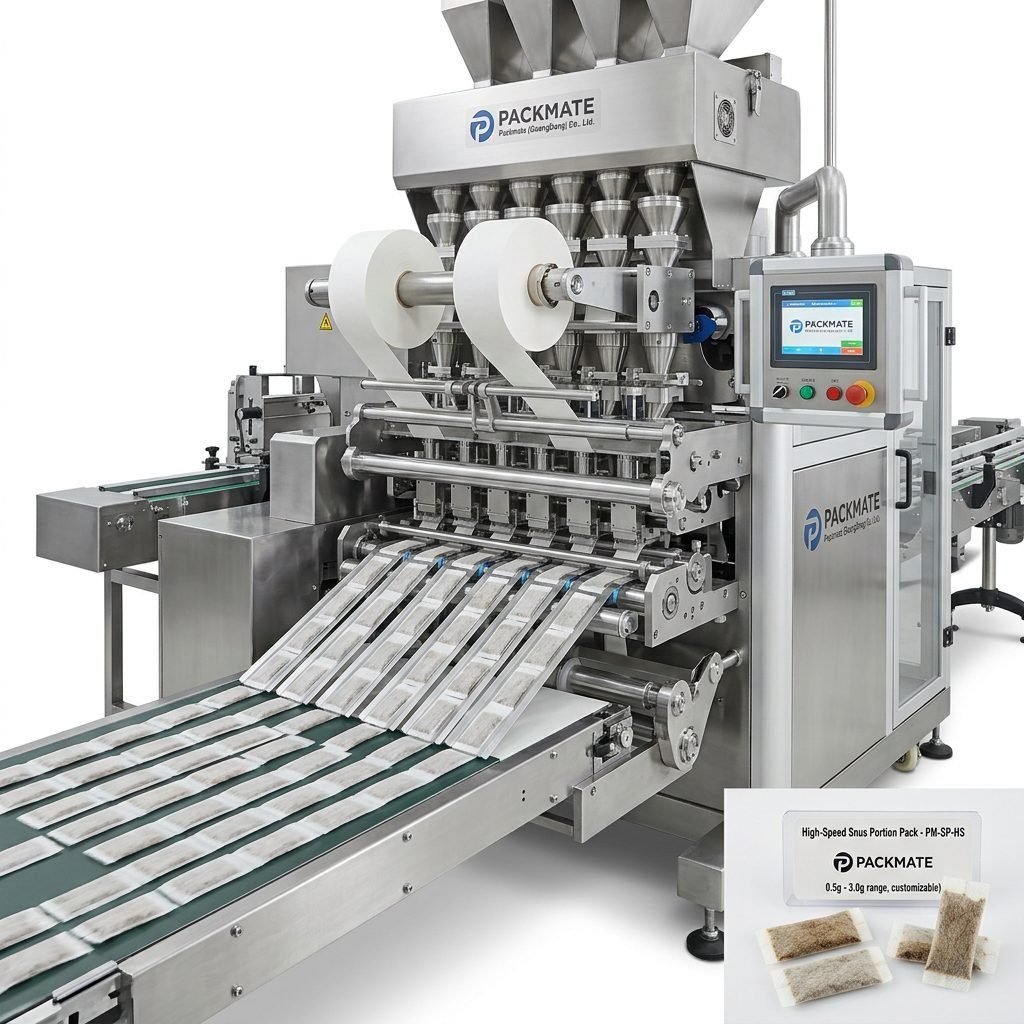
Choosing the right nicotine packaging machinery supplier for a factory in Cuba requires more than a simple price comparison. You need a partner who understands local regulations, import logistics, power and maintenance realities, and the cultural expectations of Cuban businesses. This guide walks you through a practical, actionable selection process to help you identify a supplier who can deliver reliable machines, timely service, and long-term support for snus and nicotine pouch production.
🔍 Understand Your Factory’s Needs First
Before contacting suppliers, create a clear brief for internal alignment. Include projected annual production volume, pouch formats (stick pack, sachet, multi-lane), target daily uptime, and the level of automation you want. Think about:
- Production speed (pouches/minute and lanes)
- Product types: dry powder, granules, or moist snus
- Fill and dosing accuracy requirements
- Space constraints and factory floor layout
- Budget, expected ROI, and financing timetable
📌 Why this matters in Cuba
In Cuba, factories often work within tight logistical windows and with limited access to spare parts. Having a realistic specification reduces the number of modifications later, shortens commissioning time, and improves the chance of smooth customs clearance and installation.
📦 Evaluate Supplier Product Range and Specialization
Seek suppliers experienced specifically with nicotine pouch and snus equipment. Specialized manufacturers will understand small-dosage pouch handling, smell control, and material compatibility. Look at:
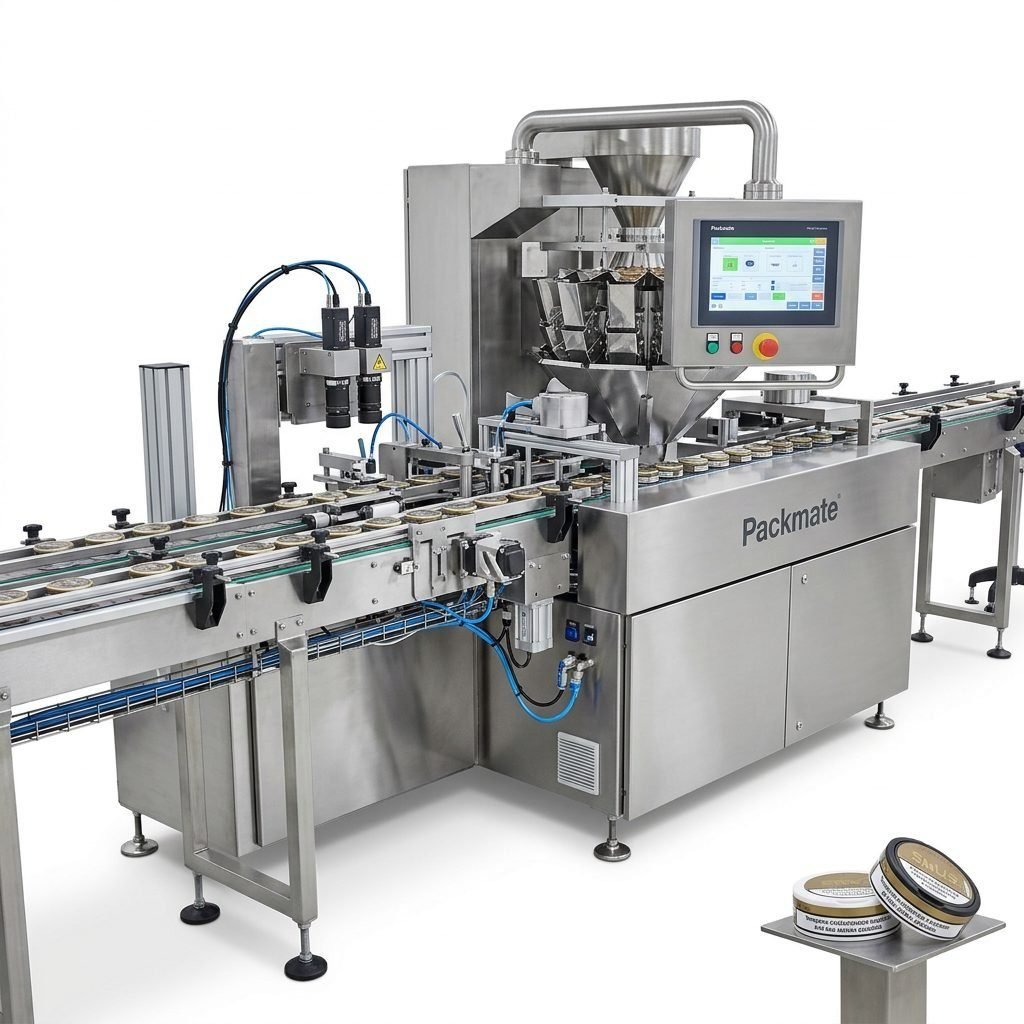
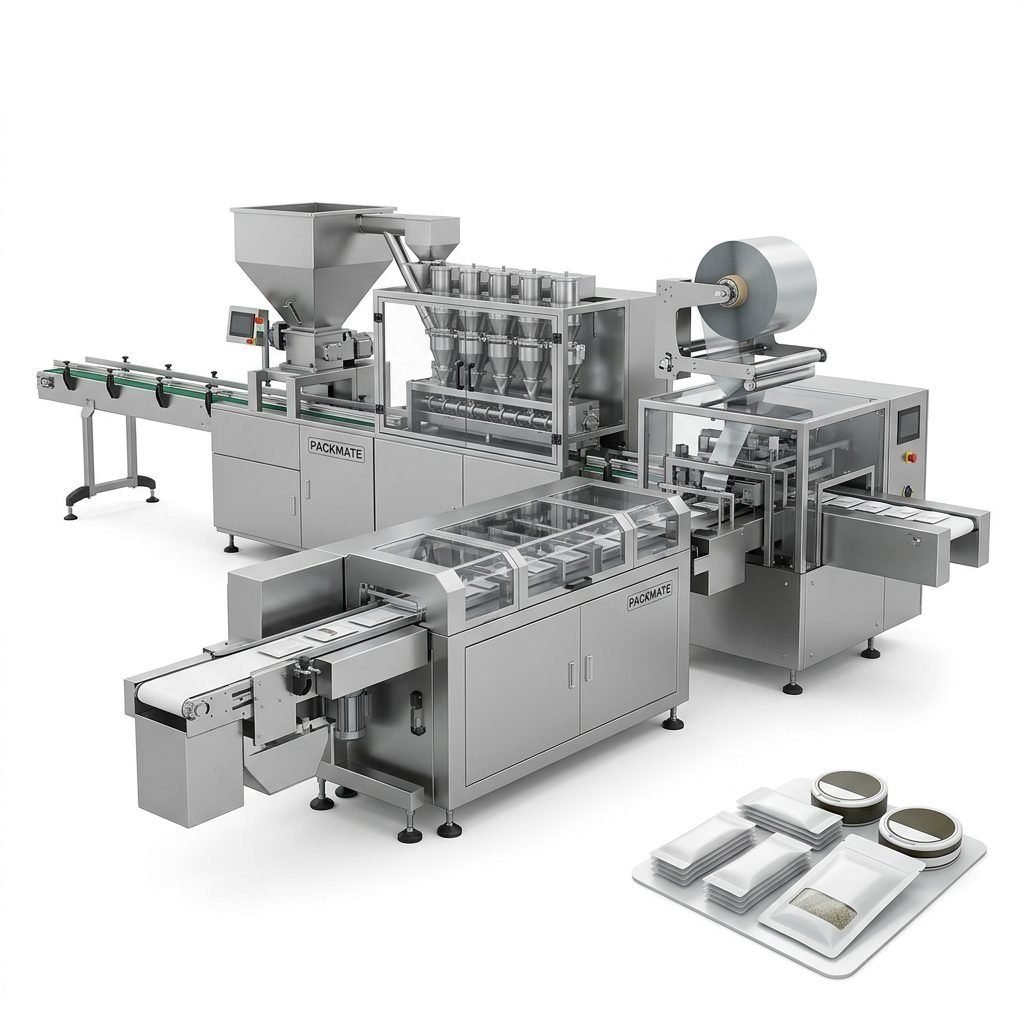
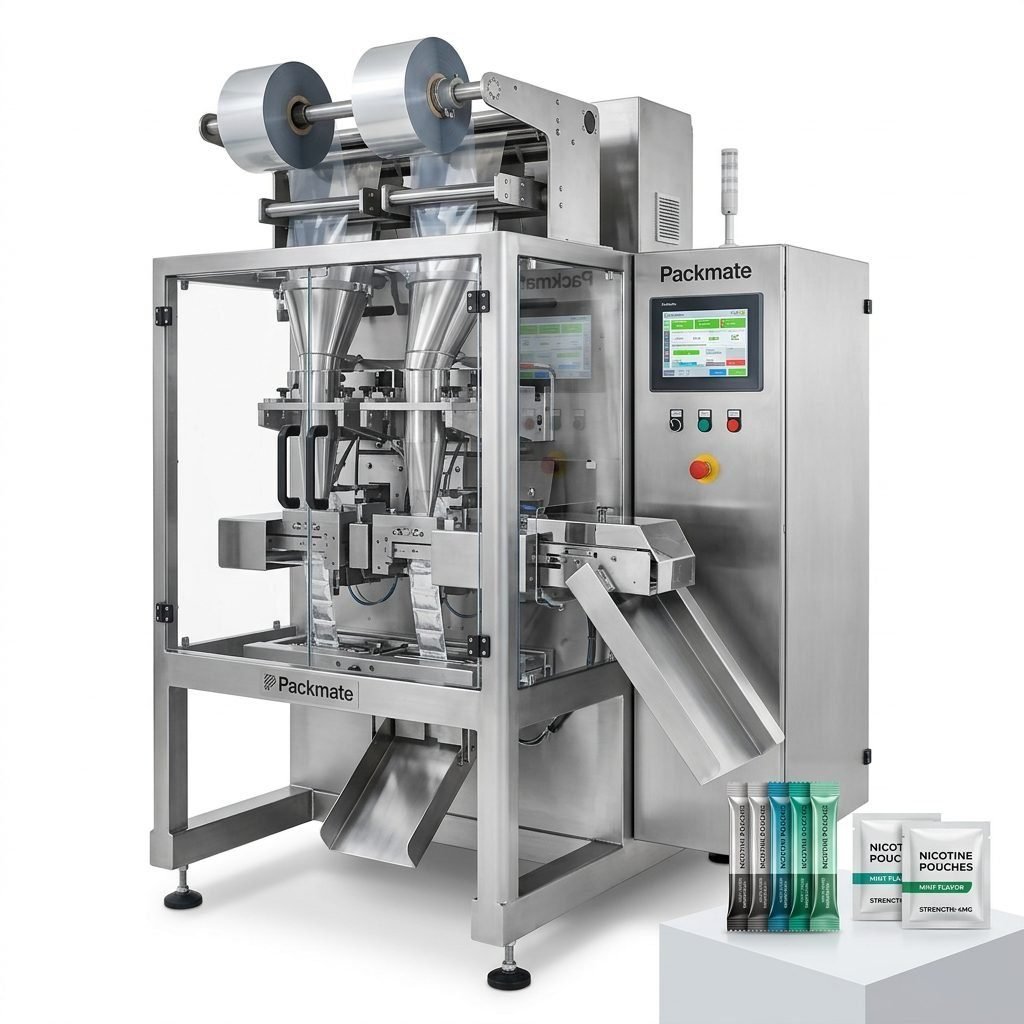
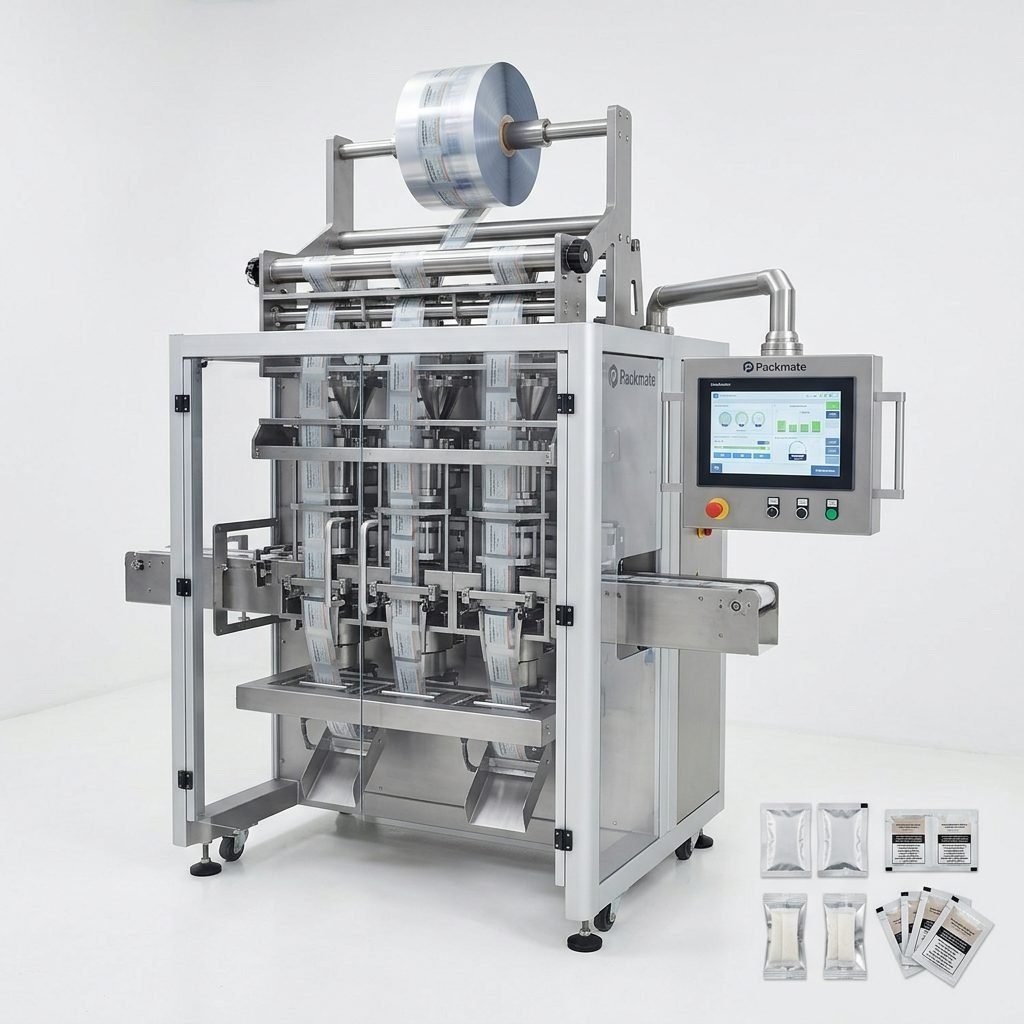
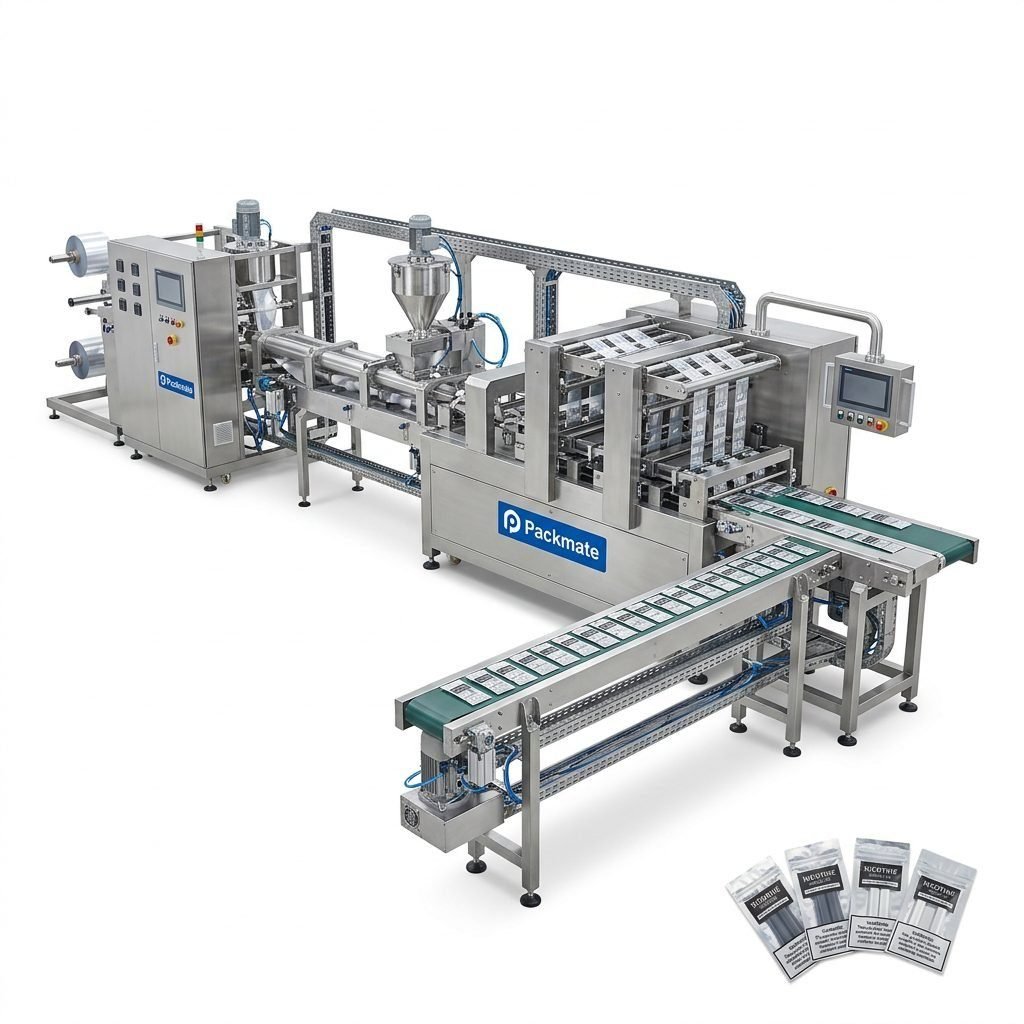
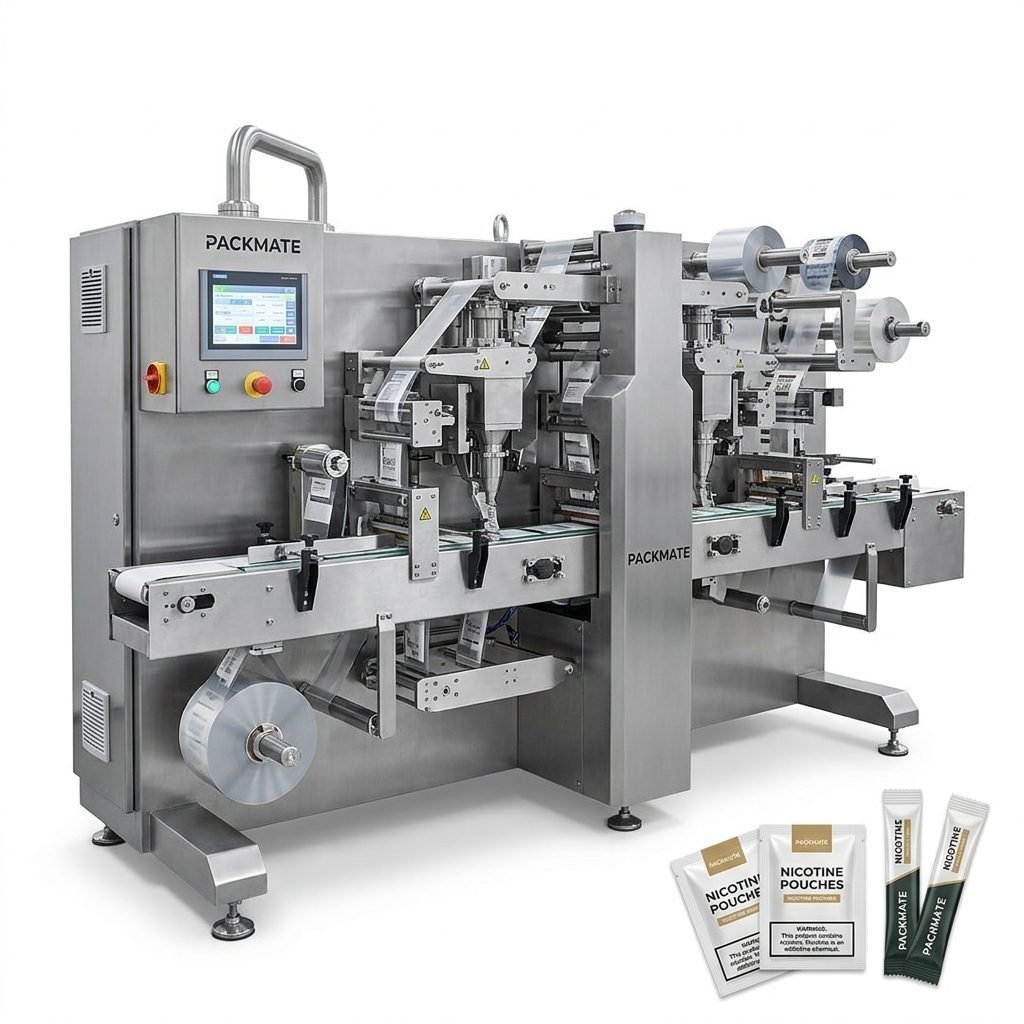
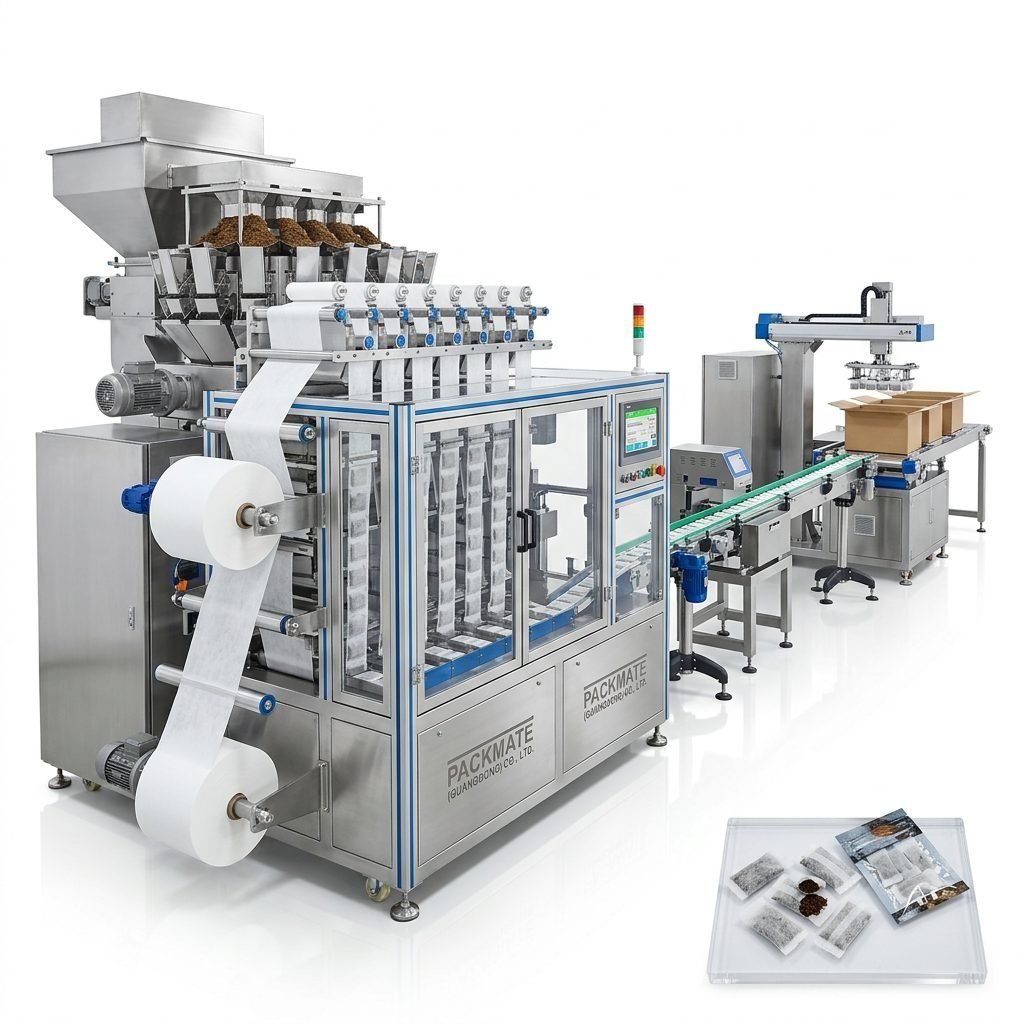
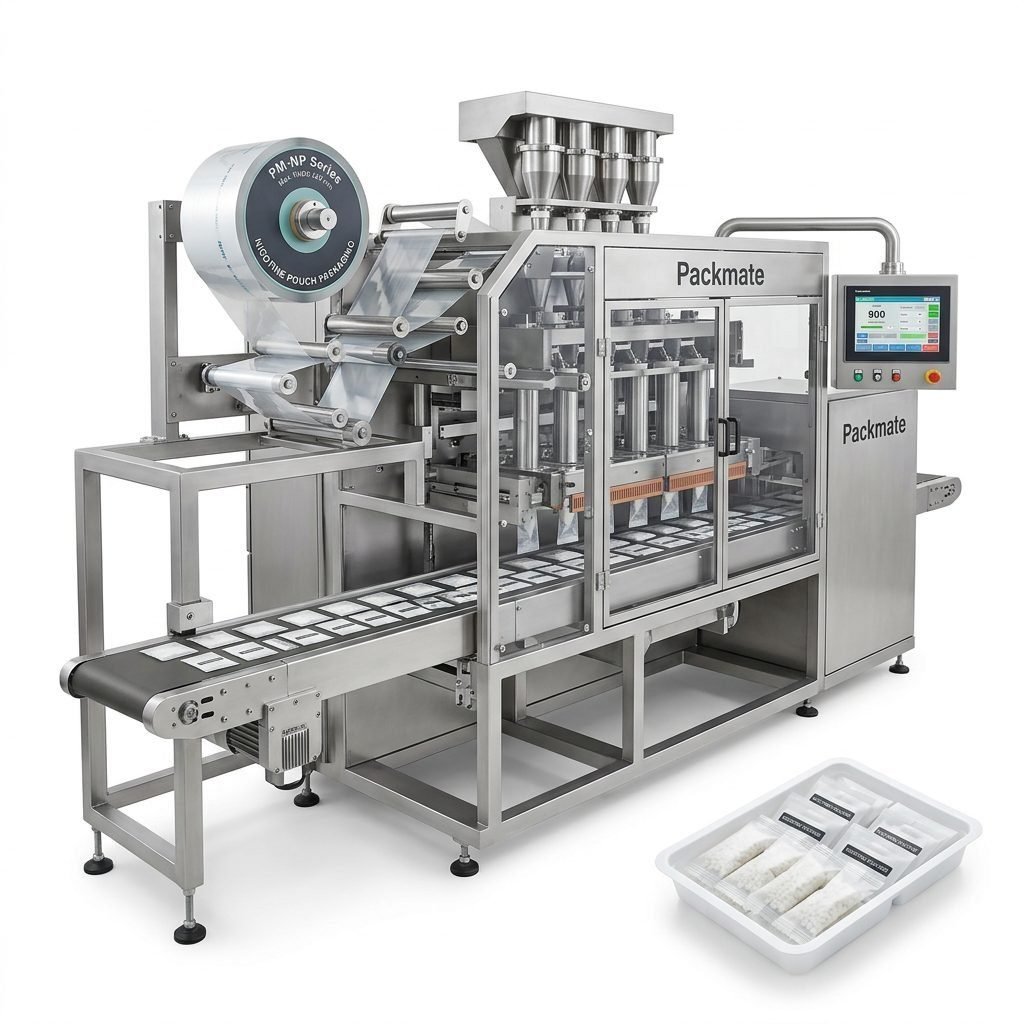
Key product questions: Can the machine do multi-lane pouch forming? Is there an option for stick packs and sachets? What are the available models for nicotine pouches? (Snus & Nicotine Packaging Machines)
✅ Look for modular and scalable systems
Modular lines allow you to add lanes, integrate downstream equipment like cartoning or case packing, and upgrade weighing systems later. Suppliers that offer full lines (filling, weighing, packaging) reduce compatibility issues. See options for complete lines and auxiliary equipment: Filling & Packaging Lines and Auxiliary Packaging Equipment.
🏭 Factory Capability and Certifications
Verify the supplier’s manufacturing capacity, quality control procedures, and certificates. For Cuban importers, CE and ISO certificates can simplify customs and regulatory checks. Ask for:
- Factory pictures, floor plans, and machining centers
- Quality control reports and testing procedures
- Relevant certificates (CE, ISO) and compliance documents
- Traceable material and component sourcing
Packmate’s 20,000㎡ manufacturing facility and advanced CNC centers demonstrate a capacity to build reliable lines and handle customizations—important when shipping to Cuba where spare parts access can be limited.
🔧 After-Sales Service, Spare Parts & Training
After-sales service is the most critical factor for success in Cuba. Evaluate lead time for spare parts, availability of remote technical support, and on-site commissioning and training. Ask the supplier:
- What is the guaranteed response time for technical support?
- Do they provide a spare parts kit with shipment?
- Is training included for Cuban technicians and operators?
- Are remote diagnosis tools and PLC support available?
Pro tip: Contractually include a spare parts list and a guaranteed stock period—this reduces downtime risks when shipping to Cuba.
🧾 Price vs. Total Cost of Ownership
Don’t just compare purchase prices. Consider:
- Operational energy consumption and compatibility with Cuban electrical systems
- Projected maintenance frequency and spare parts cost
- Estimated lifespan and resale value
- Training time and the need for specialized technicians
A higher initial investment in robust equipment often pays off in Cuba because machine downtime and delayed spare parts can be costly and time-consuming.
🤝 Cultural Fit and Business Practices in Cuba
Doing business successfully in Cuba often requires patience, strong relationship management, and respect for local procedures:
- Build trust: Cuban partners value steady, long-term relationships—choose suppliers with a history of consistent delivery and clear communication.
- Language and documentation: Provide Spanish-language manuals and training where possible.
- Local approvals: Ensure supplier documentation is suitable for Cuban regulatory submission and customs clearance.
📌 Local logistics considerations
Shipping to Cuban ports can be slower and require careful packaging, documentation, and customs coordination. Request the supplier to assist with export documentation, crating strategies, and suggested customs brokers experienced with Cuba.
🔬 Technical Support for Nicotine-Specific Processes
Nicotine products carry additional health and occupational safety requirements. Ask suppliers about:
- Containment systems to reduce operator exposure
- Cleaning and CIP (clean-in-place) protocols suitable for nicotine residues
- Material choices that resist nicotine’s chemical properties
- Automation that limits manual handling for safety and quality
📊 Request References and Factory Visits
Always ask for reference customers who run similar lines. If a factory visit is possible, attend equipment demonstrations. If travel is difficult, request live video demos and recorded production runs.
Supplier credibility checklist: factory size, export history, exhibition presence, and third-party certifications. Explore Packmate’s background here: About Packmate and real installations: Case.
📅 Lead Times, Delivery & Installation
Confirm realistic delivery schedules that include production, testing, packing, shipping, customs clearance, and on-site commissioning. Ask the supplier for a detailed project timeline and milestones, including spare parts shipment and warranty activation.
🛠️ Contracts, Guarantees & Warranties
Ensure the purchase contract clearly defines warranty terms, performance guarantees, acceptance criteria, and remedies for missed deadlines. Include clauses for:
- Acceptance testing and procedures
- Warranty length and scope (mechanical, electrical, PLC)
- Spare parts availability and lead times
- Training obligations and documentation delivery
🌍 Trade Compliance and Import Assistance
Cuban import rules and international trade controls can be complex. Select a supplier experienced in exporting to Latin America and the Caribbean. Ask if they can:
- Provide pro forma invoices and HS codes
- Help prepare certificates required by Cuban customs
- Suggest logistics partners with Cuba experience
⭐ Final Selection Checklist
When you decide between a shortlist of suppliers, use this checklist to finalize:
- Does the supplier have nicotine-specific machine experience?
- Are they certified (CE/ISO) and transparent about quality control?
- Can they provide Spanish manuals and local-language training?
- Do they offer spare parts, remote support, and realistic shipping timelines?
- Are references and factory tour demos available?
🔗 Helpful Resources
Learn more about product types and lines from the supplier’s product pages: Sachet & Stick Pack Machines, Bag & Pouch Packaging Machines, and integrated weighing solutions: Weighing & Packaging Systems.
📣 Quick Decision Roadmap (Simplified)
1. Define your technical and commercial brief. 2. Shortlist specialized suppliers. 3. Verify factory capability, certifications, and references. 4. Confirm spare parts policy and after-sales SLA. 5. Finalize contract with clear acceptance and warranty clauses.
⚠️ Final Notes for Cuban Buyers
Take into account currency exchange restrictions, potential delays in international banking, and the need for robust documentation to speed customs processing. Prioritize suppliers who provide hands-on commissioning, Spanish support materials, and a realistic spare parts plan.
Remember: the best value comes from a supplier who combines specialized nicotine packaging knowledge, strong manufacturing capability, reliable after-sales support, and an understanding of Cuban logistics and business culture.
Frequently Asked Questions
Q1: What certifications should I ask for when buying nicotine packaging machinery?
A1: Request CE and ISO certificates, material traceability, and any product-specific compliance that applies to nicotine handling. These documents help with customs and local approvals.
Q2: How can I ensure spare parts are available quickly in Cuba?
A2: Negotiate a spare parts kit with your initial shipment, secure minimum stock commitments from the supplier, and identify a logistics partner experienced with Cuban imports.
Q3: Should I prioritize price or service when selecting a supplier?
A3: Prioritize total cost of ownership. In Cuba, robust service, fast spare parts access, and reliable on-site commissioning are often more valuable than the lowest purchase price.
Q4: Is remote commissioning an option for Cuba?
A4: Some suppliers offer remote startup support, but for nicotine lines and regulatory acceptance, on-site commissioning and operator training are highly recommended when possible.
Q5: Where can I find verified case studies and product details?
A5: Review supplier case studies and product pages to confirm real-world performance: Case and the general product overview pages.