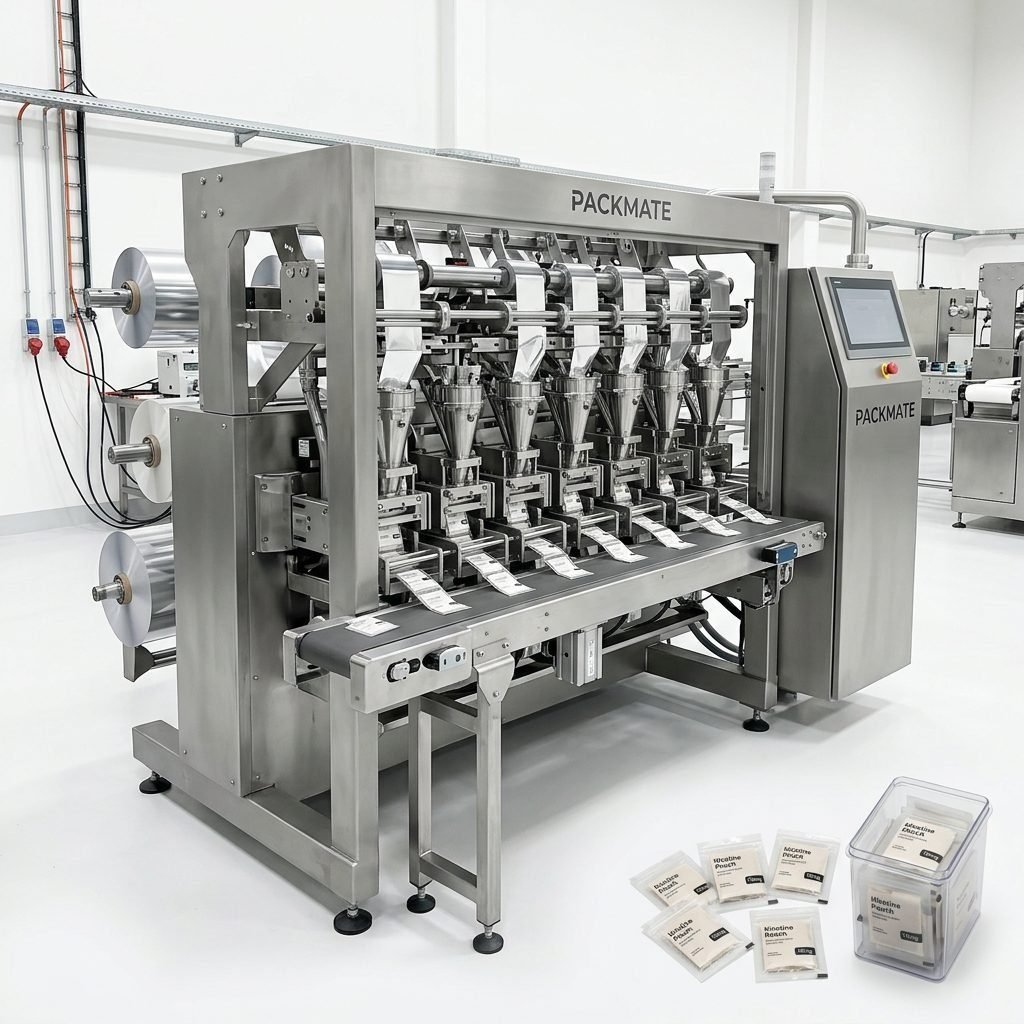
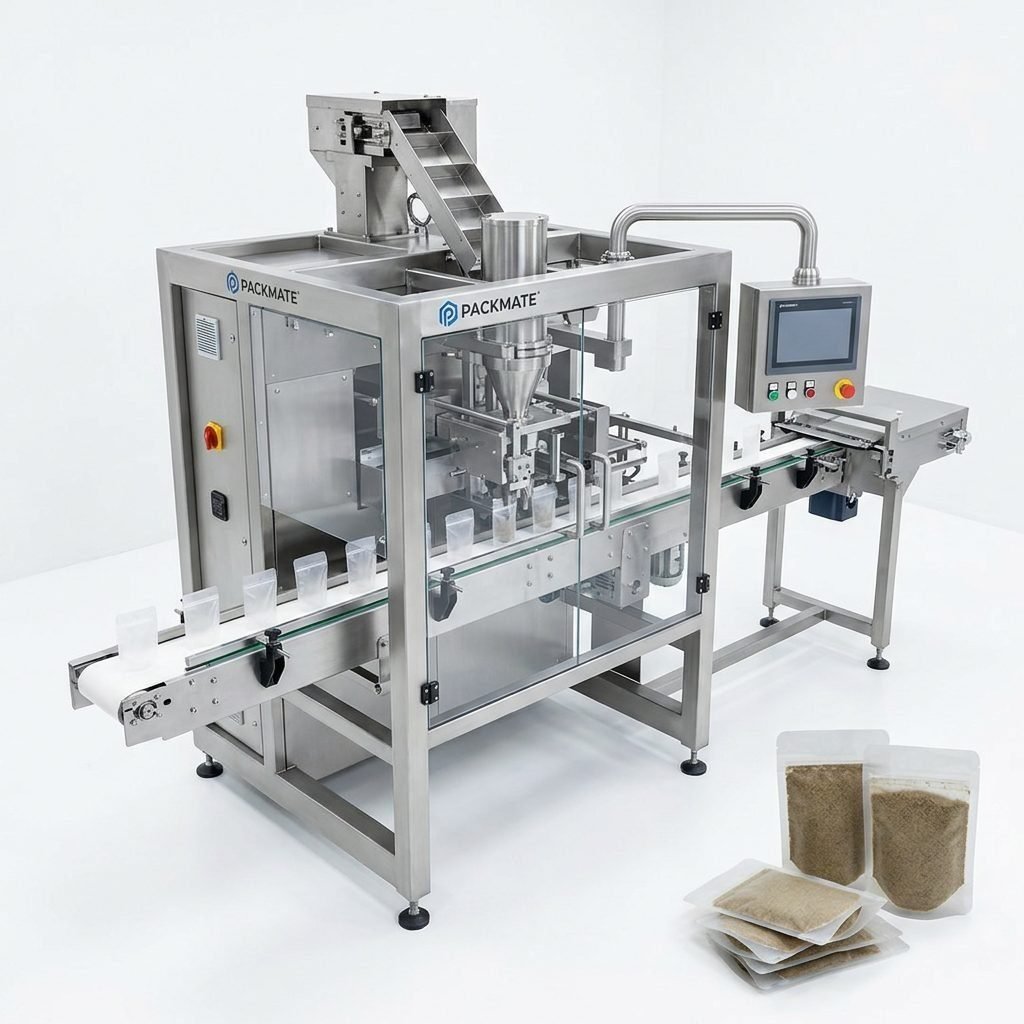
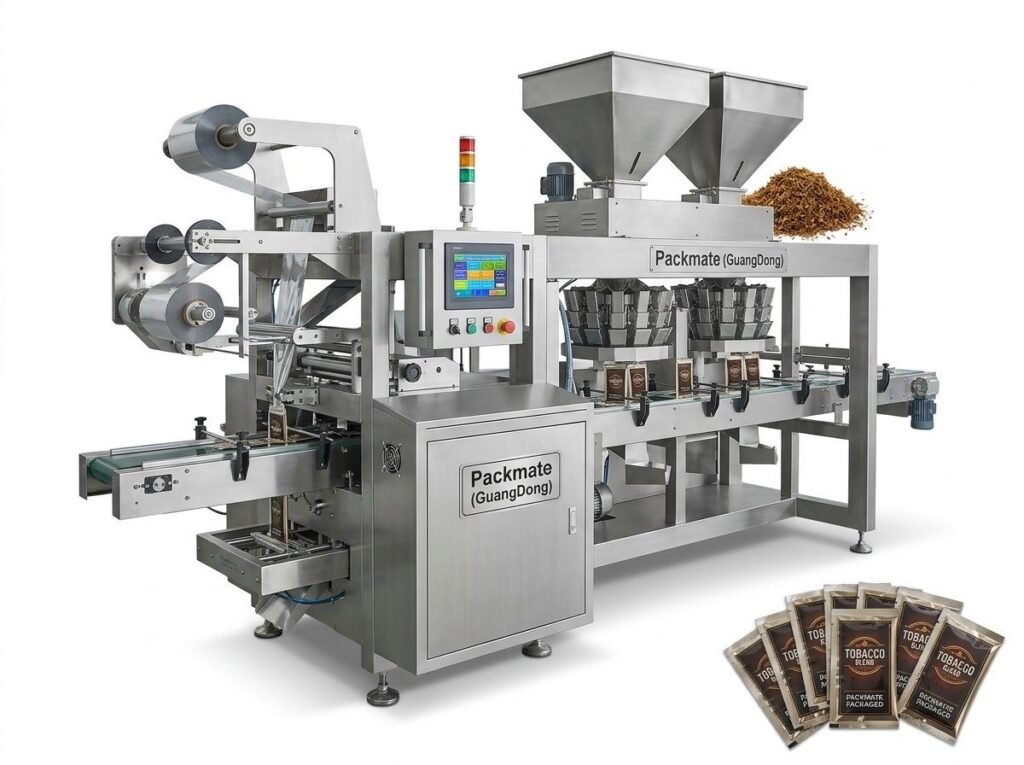
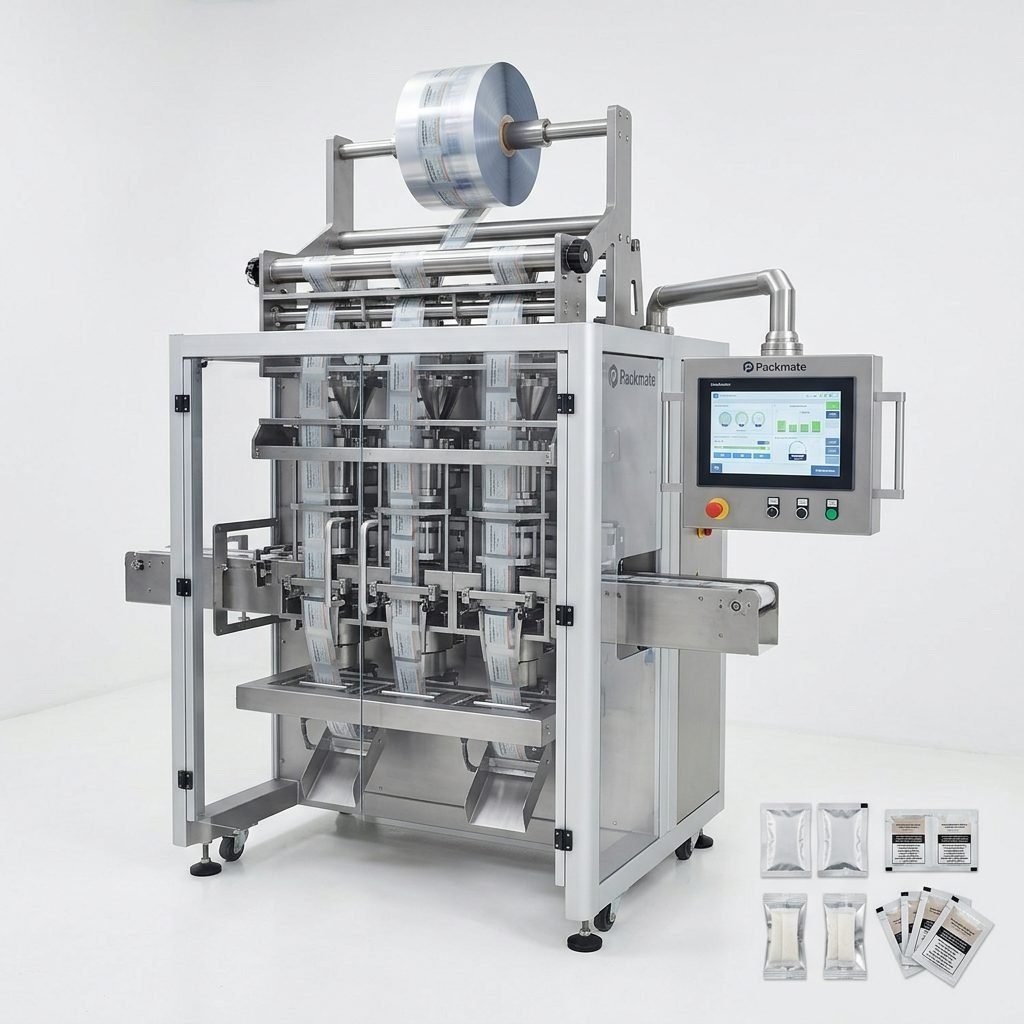
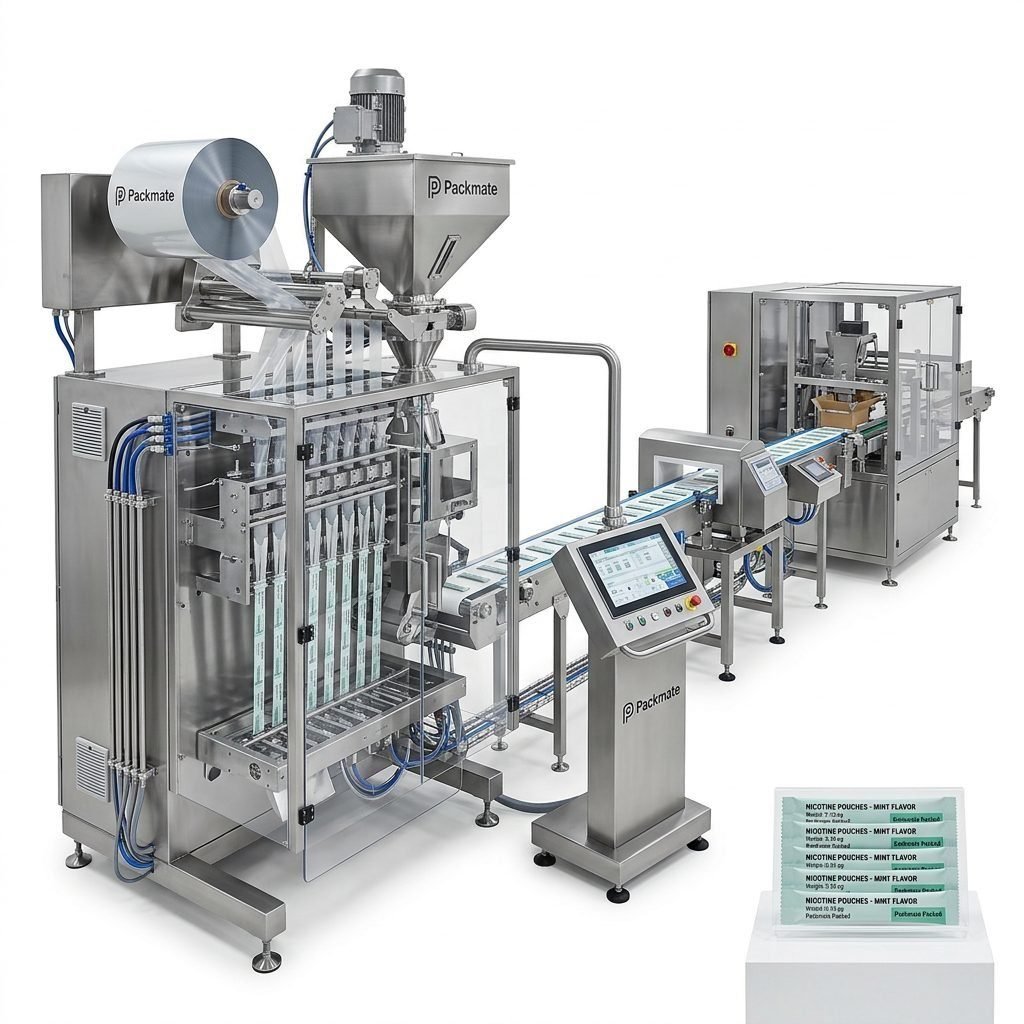
Choosing the right nicotine packaging machinery is a critical decision for manufacturers aiming to deliver high-quality snus, nicotine pouches, sachets, or stick packs consistently and profitably. This guide walks you through the essential technical, operational, and commercial considerations so you can evaluate options confidently and select a solution that matches your product profile, throughput requirements, regulatory needs, and long-term growth plans.
Understanding Machine Types and When to Use Them
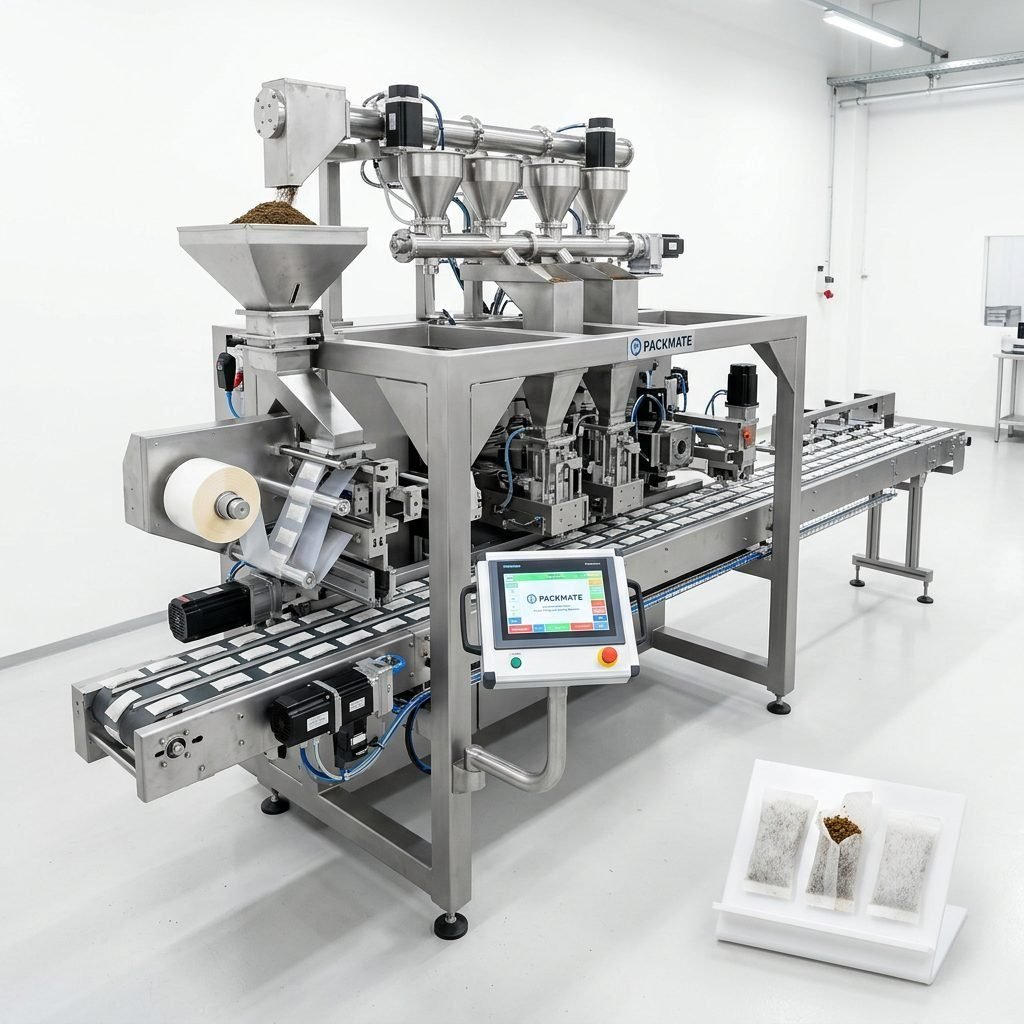
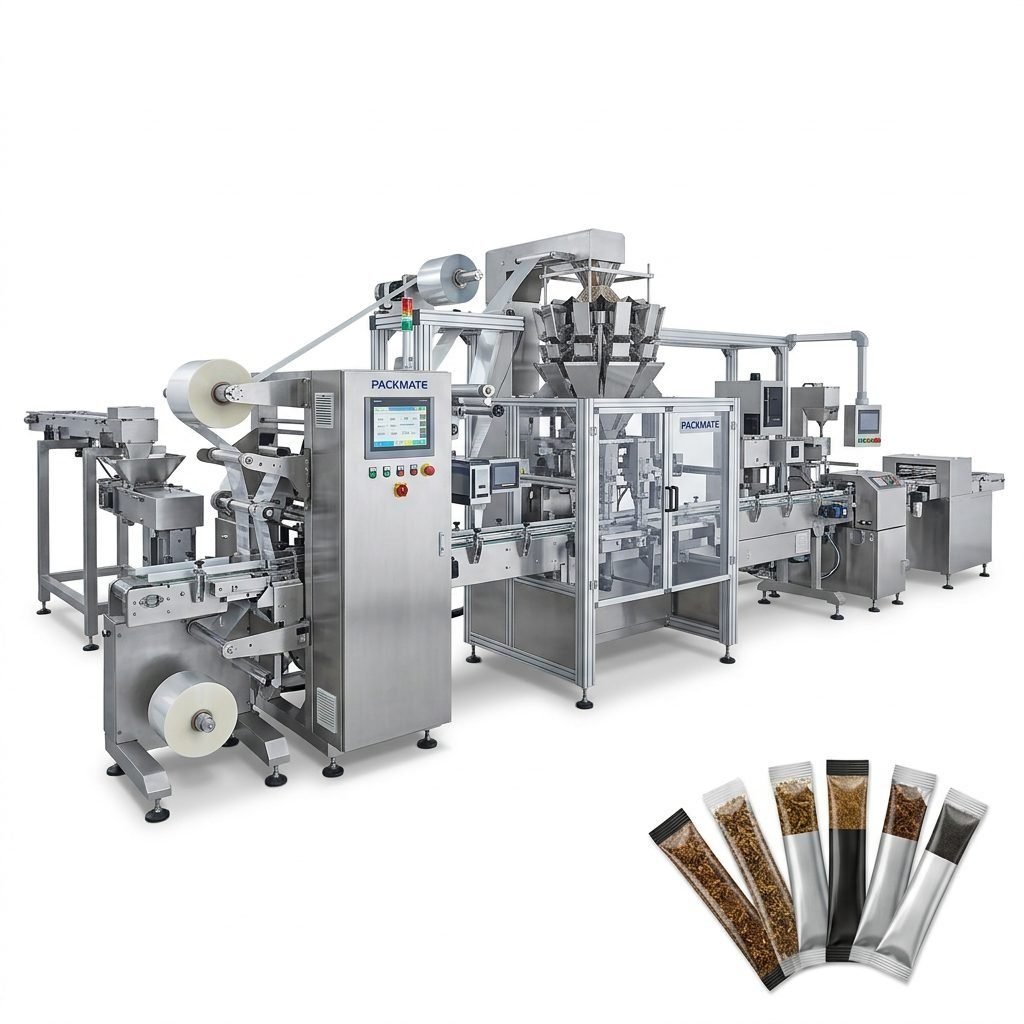
There are several common classes of nicotine packaging machines. Each type is optimized for specific pouch formats and production goals:
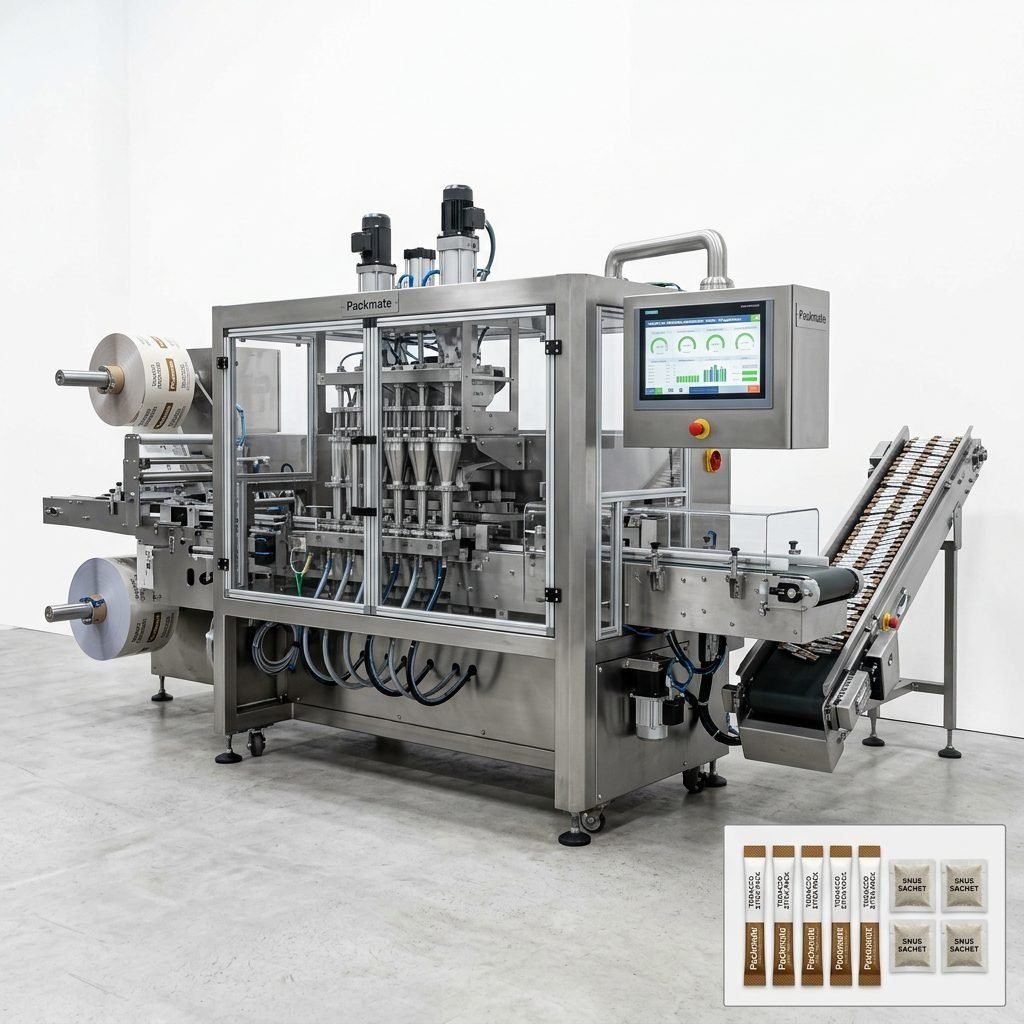
Sachet & Stick Pack Machines
Ideal for single-dose stick packs or sachets, these machines are commonly used for small-dose nicotine pouches in markets where stick-format dosing is preferred. They offer fast changeovers and compact footprints. See typical configurations at
Sachet & Stick Pack Machines.
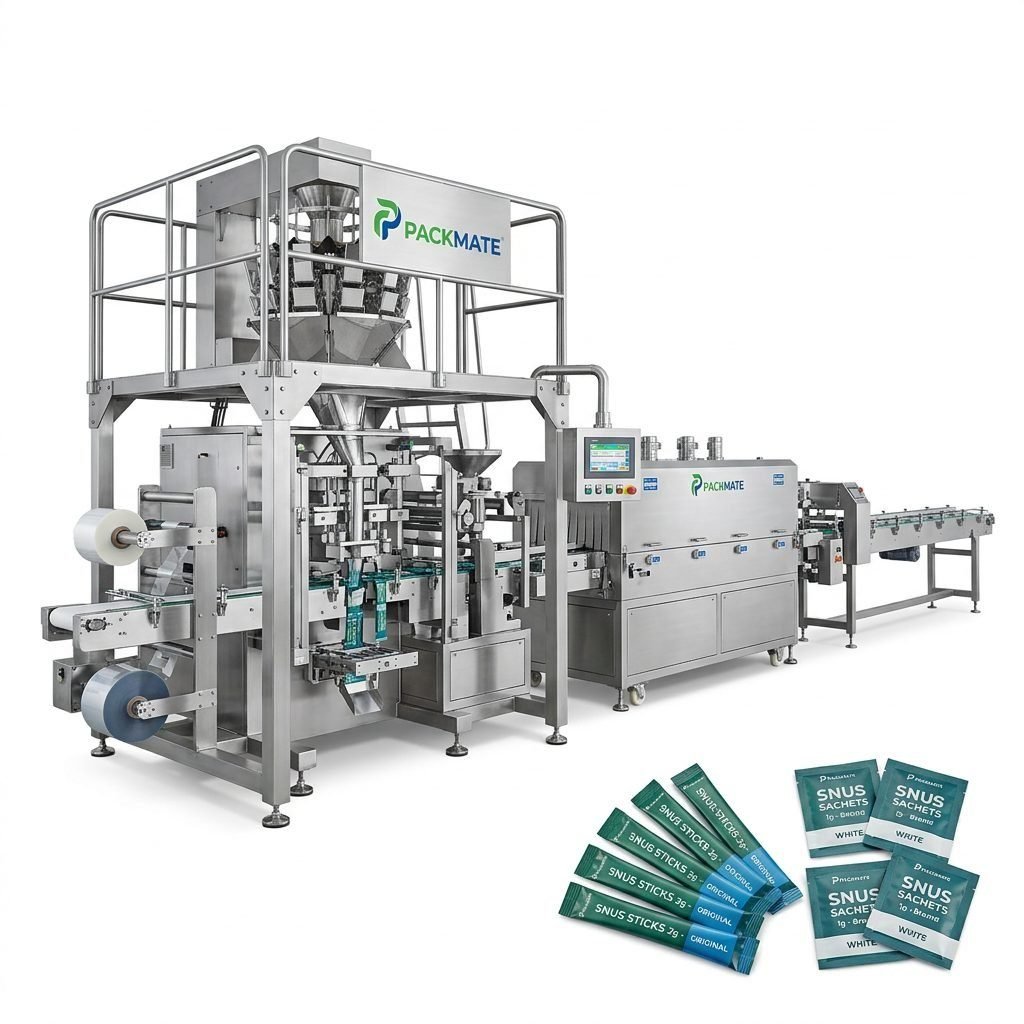
Snus & Nicotine Pouch Packaging Machines
Specially designed for snus and nicotine pouches, these lines support multi-lane pouch forming, dosing, sealing, and secondary packaging. When you need high throughput with minimal product handling, these are a top choice. Explore models at
Snus & Nicotine Packaging Machines.
Bag & Pouch Packaging Machines
For products that require pillow bags, flat pouches, or resealable bags, these machines provide flexible packaging options and are often paired with upstream weighing systems. Learn more at
Bag & Pouch Packaging Machines.
🔍 Quick Tip: Match the machine class to your primary product type first—format incompatibility is the most common procurement mistake.
Key Selection Criteria — What to Evaluate
When comparing suppliers and models, evaluate the equipment across technical, operational, and business metrics. Each of the following areas will directly impact your product quality, uptime, and total cost of ownership.
1. Product Compatibility and Format Flexibility
Consider pouch size range, moisture sensitivity, particulate or wet filling, and whether you’ll need multi-lane production. Machines that offer modular tooling or quick-change systems reduce downtime for format changes.
2. Throughput, Lane Count, and Scalability
Define your target output (pouches per minute and per shift). Multi-lane lines dramatically increase capacity while preserving floor space. Verify the supplier’s claimed speeds under real product conditions.
3. Filling Accuracy and Weighing Systems
Accurate dosing reduces waste and regulatory risk. Check whether the line uses precision augers, vibratory feeders, or integrated weighing. For powder and granules, consider a balance between speed and accuracy by evaluating the machine’s dosing tolerances.
4. Sealing Quality and Material Compatibility
Proper sealing preserves shelf-life and prevents contamination. Ensure the sealing system supports your chosen film structure and thickness. Heat, ultrasonic or form-fill-seal methods each have advantages depending on material and hygiene needs.
🛠️ Must-Have Check: Ask for sample runs with your actual product and packing material. Lab test reports or video of real-product runs are invaluable.
Operational Considerations
Operational efficiency governs how quickly you recover capital costs. These are the most critical operational factors to review.
Cleaning, Maintenance & CIP
Nicotine products require strict hygiene. Evaluate how easily the equipment can be cleaned, whether parts are easy to remove, and if the design minimizes product traps. Ask about recommended clean-in-place (CIP) procedures and typical maintenance intervals.
Spare Parts & Local Support
Ensure that critical spare parts are available quickly. Long lead times cause lost production. Check the supplier’s regional service capability and whether they provide preventative maintenance training.
Automation & Industry 4.0 Features
Modern machines include remote diagnostics, recipe management, and PLC/HMI integration. These features reduce setup time, improve traceability, and enable predictive maintenance. Confirm compatible interfaces for your MES or ERP systems.
Safety, Compliance and Certifications
Regulatory compliance is non-negotiable in nicotine product manufacturing. Machines should meet applicable safety and quality standards, and the vendor should assist with documentation.
Certifications to Ask For
Request evidence of CE, ISO certification, electrical safety reports, and any hygiene-related manufacturing certifications. Packmate provides compliance information across global standards—see their certificates at
Certificate.
⚠️ Regulatory Note: Local and international labeling, ingredient disclosure, and packaging restrictions vary. Work with a supplier who knows your target markets.
Total Cost of Ownership (TCO) and Pricing Structure
Purchase price is only part of the cost. Factor in installation, commissioning, spare parts, tooling, training, consumables, utility consumption, and expected uptime. A slightly higher initial investment in robust equipment often pays off through lower downtime and reduced waste.
Warranty and After-Sales Service
Confirm warranty coverage, service SLAs, and whether remote support is included. Strong after-sales support shortens troubleshooting time and protects long-term operations. Learn about Packmate’s global support and services at
Service.
Factory & Manufacturer Assessment
Evaluate the supplier’s manufacturing capability, R&D capacity, and track record. A strong factory reduces lead times and ensures consistent product quality.
What to Look For
– Experience in snus and nicotine packaging (years in business).
– Dedicated production area and precision machining capability.
– A portfolio of successful installations and case studies. Explore Packmate’s global cases at
Case.
– Access to engineering support and custom turnkey line design.
✅ Pro Tip: Visiting the supplier’s factory or attending an exhibition demonstration can validate claims and reveal build quality in person. See upcoming events at
Our Exhibition.
Installation, Commissioning and Validation
Detailed installation planning reduces downtime. Verify site utilities, floor loading, access for maintenance, and integration points for upstream and downstream equipment. A robust FAT (Factory Acceptance Test) and SAT (Site Acceptance Test) process is essential.
Working with Systems Integrators
If your line includes weighing, feeding, secondary packaging or cartoning, coordinate with integrators to ensure mechanical alignment and software compatibility. Typical line components include weighing & packaging systems—see examples at
Weighing & Packaging Systems.
Operational Readiness and Training
Operator and maintenance training reduces human error and extends equipment life. Request training plans and documentation for spare parts lists, preventive maintenance schedules, and troubleshooting guides.
📘 Documentation: Make sure the supplier provides electrical schematics, PLC code comments, and mechanical drawings for future serviceability.
Checklist for Final Decision
Use this condensed checklist when comparing final bids:
✓ Product format compatibility — Does tooling support your variations?
✓ Throughput & lane scalability — Can capacity grow without a full rebuild?
✓ Sealing & fill accuracy — Verified through sample runs?
✓ Service & spare parts — Local support and stock availability?
✓ TCO & warranty — Are all lifecycle costs included?
Why Choose an Experienced Supplier
Proven experience in nicotine packaging minimises unknowns. Companies such as Packmate have decades of engineering knowledge, multi-lane solutions, and turnkey capabilities. Review the supplier’s company profile and capabilities in areas like R&D, CNC machining, and production lines—see
About Packmate.
Case Study Snapshot
A multi-lane snus line replaced older single-lane machines, tripling output while reducing labor costs and scrap. Key success factors included precise dosing technology, robust sealing, and rapid format change systems—exactly the traits you should prioritise when buying.
📞 Next Step: Request a formal proposal with FAT video, lead time, warranty terms, and a detailed TCO breakdown. Contact the vendor directly via
Contact Us.
Final Recommendations
– Prioritize format compatibility and dosing accuracy above headline speed figures.
– Insist on sample runs with your product and packaging materials.
– Confirm local parts and service support to protect uptime.
– Consider turnkey solutions to reduce integration risk and accelerate time-to-market.
Frequently Asked Questions
Q1: How do I validate machine performance before purchase?
A1: Request a Factory Acceptance Test (FAT) with your product and material, ask for video proof of stable runs, inspect dosing tolerances, and request references from similar installations.
Q2: What ongoing costs should I budget for beyond the purchase price?
A2: Budget for spare parts, consumables (films, sealing jaws), preventive maintenance, operator training, utilities, and potential software upgrades.
Q3: Can the same machine handle both dry powder pouches and wet fillings?
A3: Some modular machines can handle multiple product types with different dosing modules, but verify sealing method and cleanability for wet products to avoid corrosion and contamination.
Q4: How important is local service and spare parts availability?
A4: Extremely important—minimizing downtime depends on quick access to critical spares and technician support. Confirm lead times and regional stocking agreements.
Q5: Where can I see reputable nicotine packaging solutions and get more information?
A5: Review product portfolios and technical documents from established suppliers—start with Packmate’s product lines such as
Filling & Packaging Lines and request a tailored consultation.