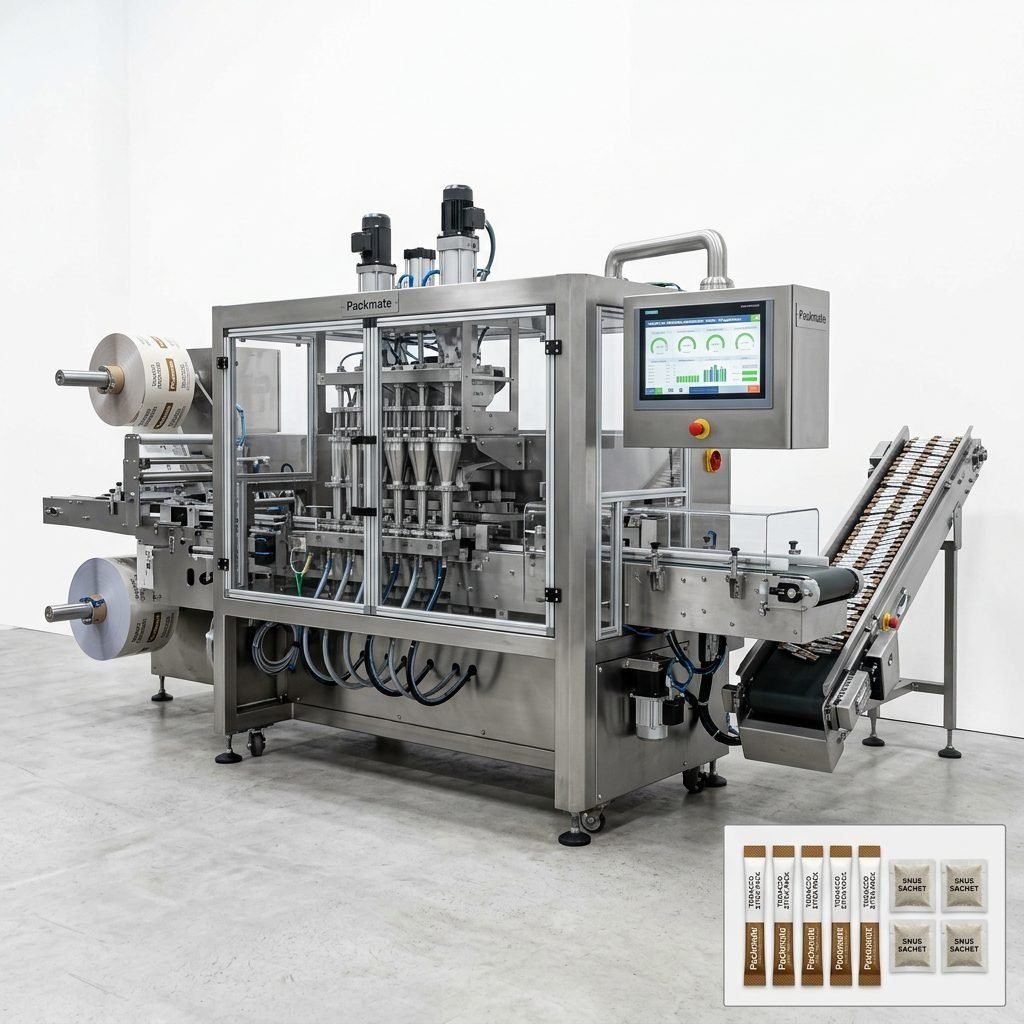
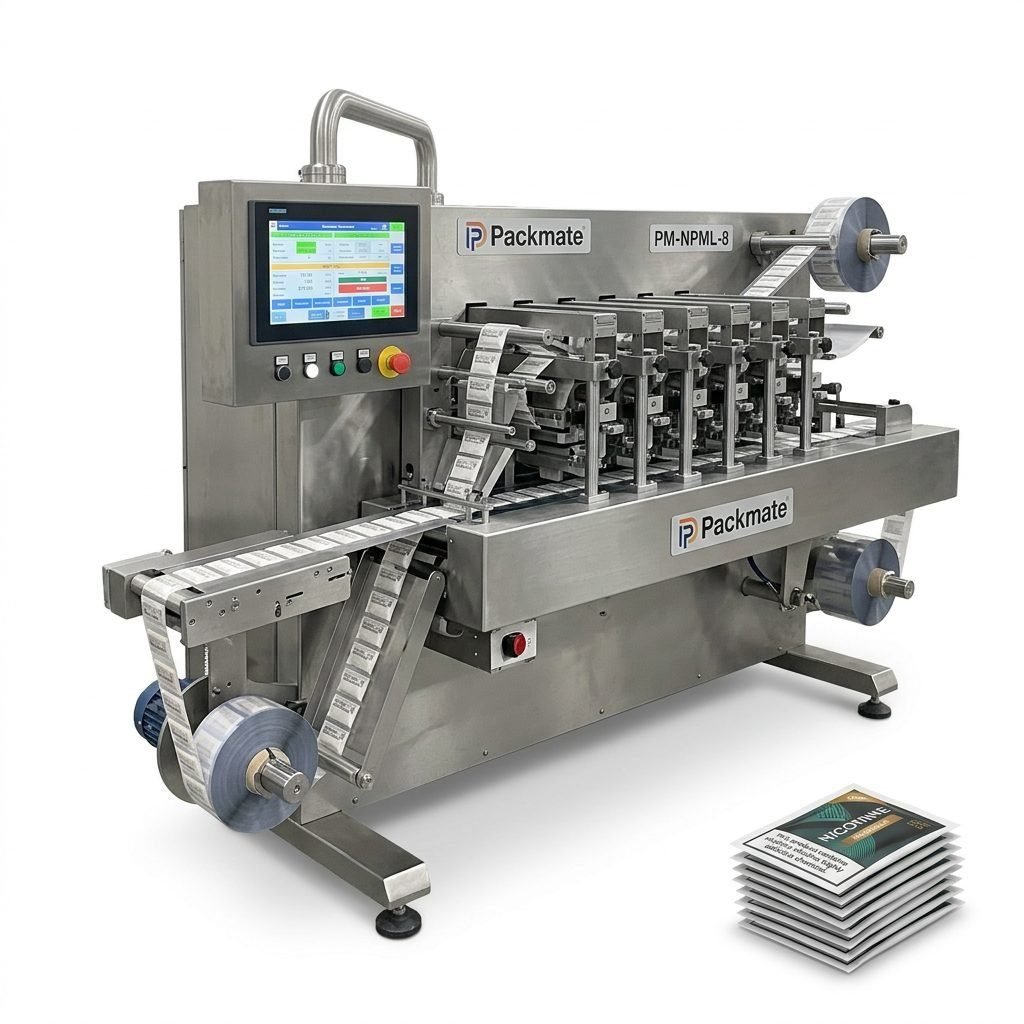
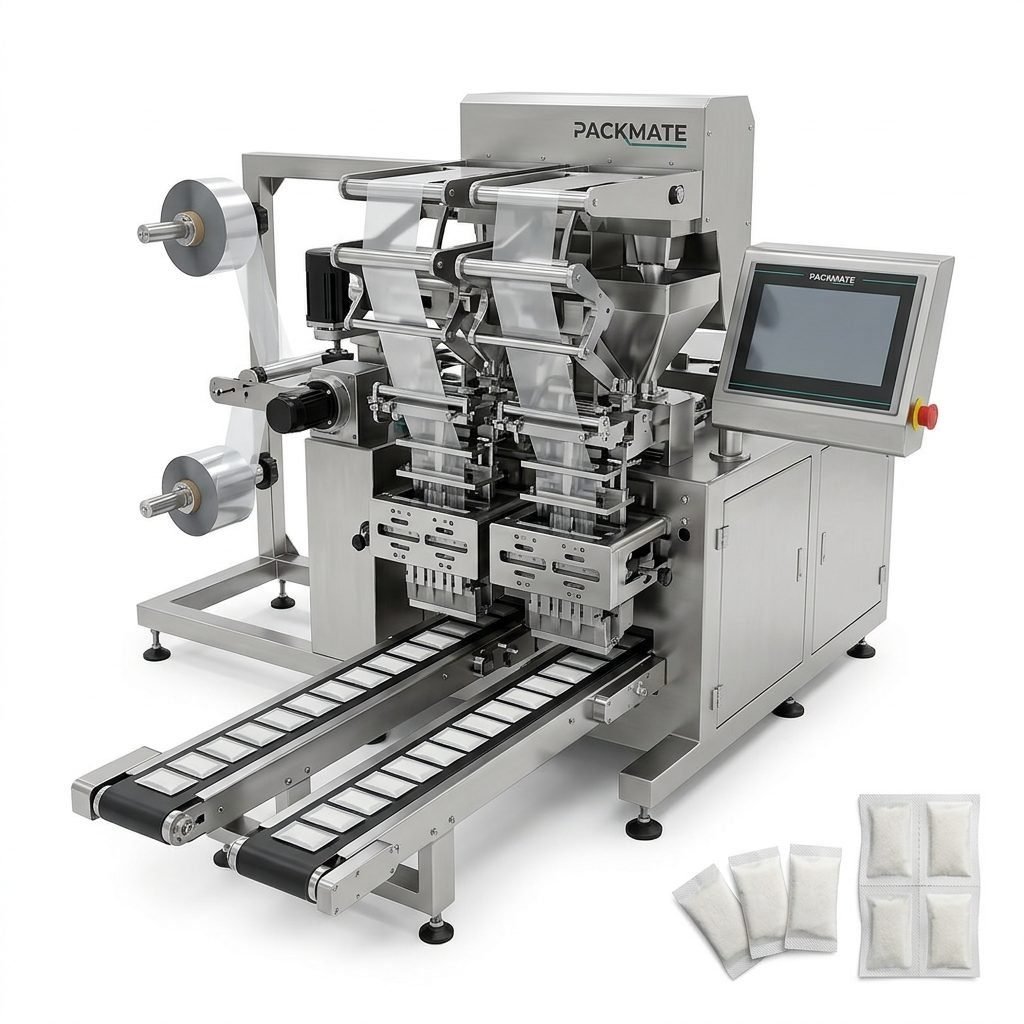
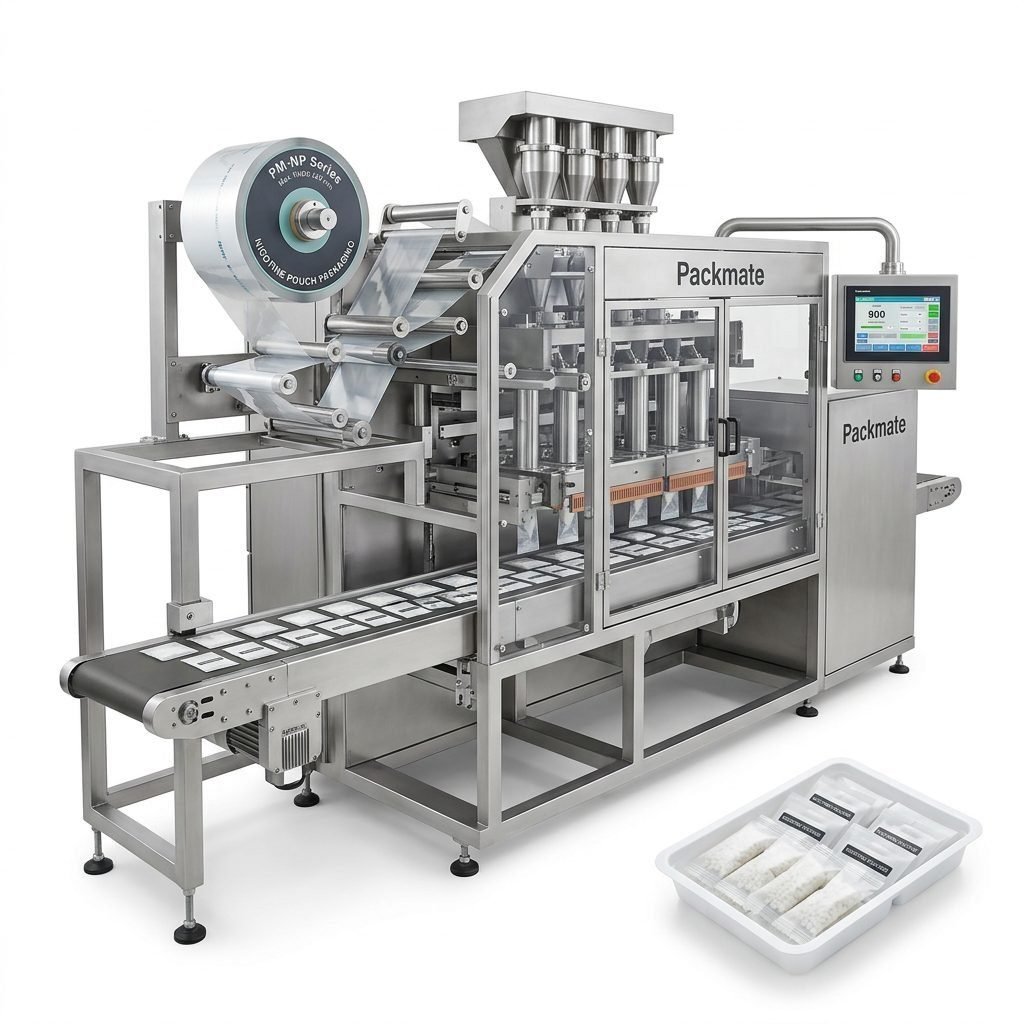
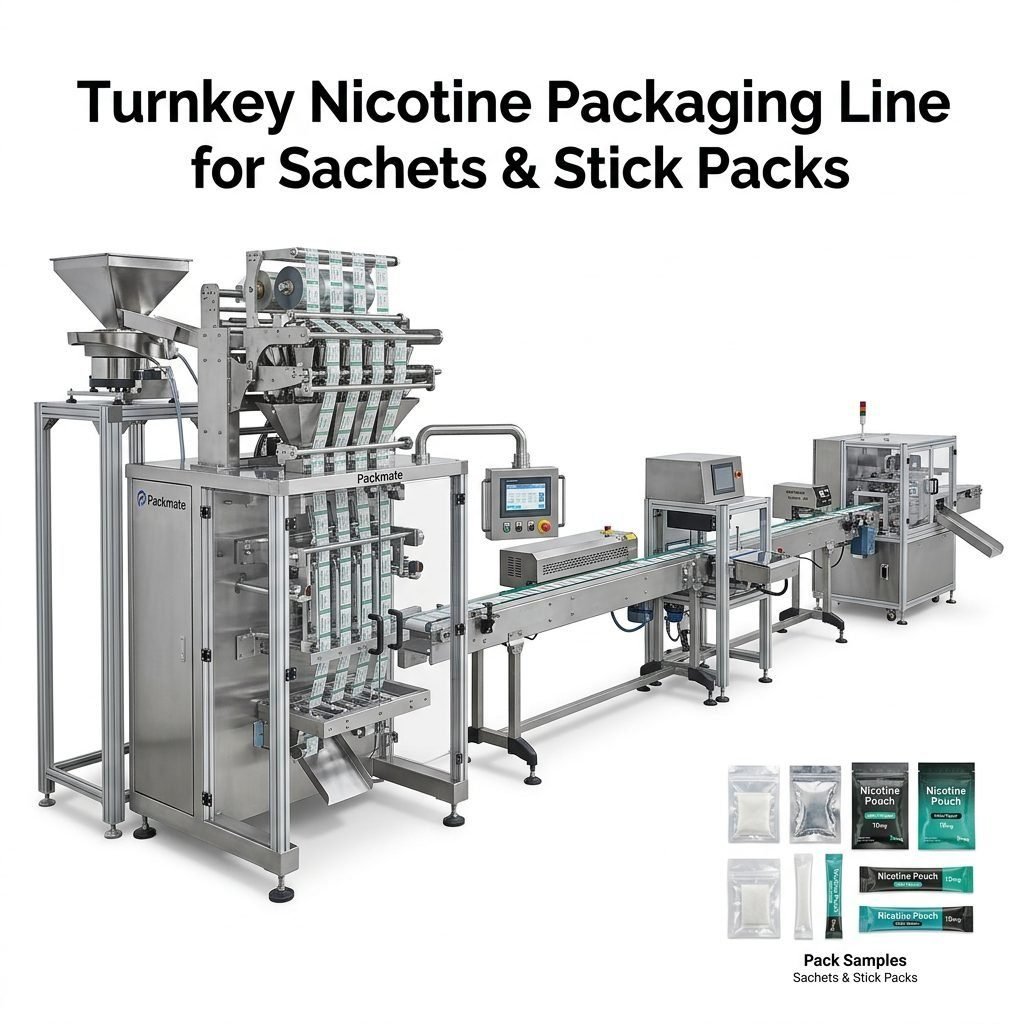
Entering the Chilean nicotine pouch market means choosing the right packaging partner to protect product quality, ensure regulatory compliance, and scale production. This guide walks you through how to select the best nicotine packaging machine manufacturer in Chile for your business needs, covering technical, commercial, and after-sales factors to help you make a confident decision.
🔎 Understand the Chile Market and Your Production Goals
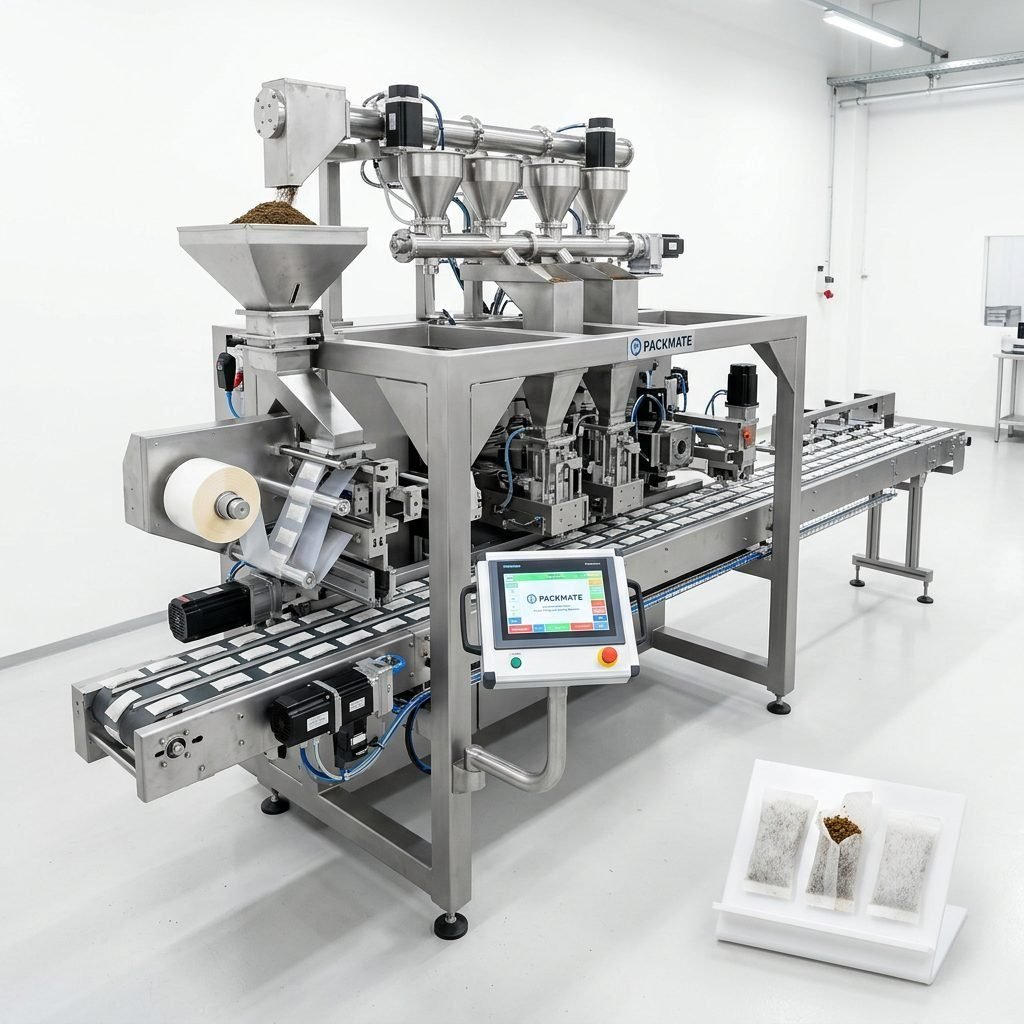
Before evaluating manufacturers, clarify your product format (loose nicotine pouches, single-dose sachets, stick packs), daily output targets, and regulatory constraints. Chile’s market dynamics and import rules influence machine choice, from small semi-automatic systems to fully automated multi-lane lines. Keep your forecast realistic: choose equipment that supports your near-term capacity and allows incremental scaling.
📦 Typical Production Formats
Common nicotine packaging formats include:
-
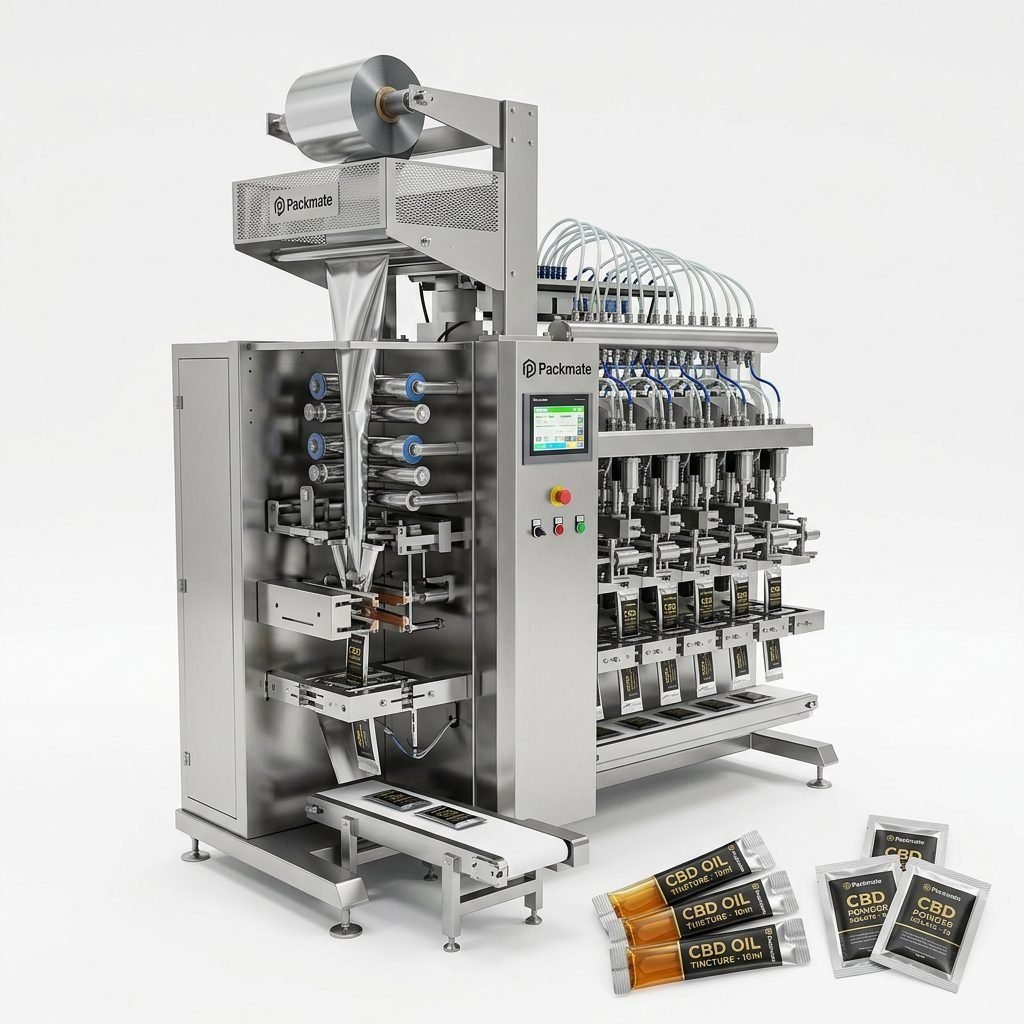
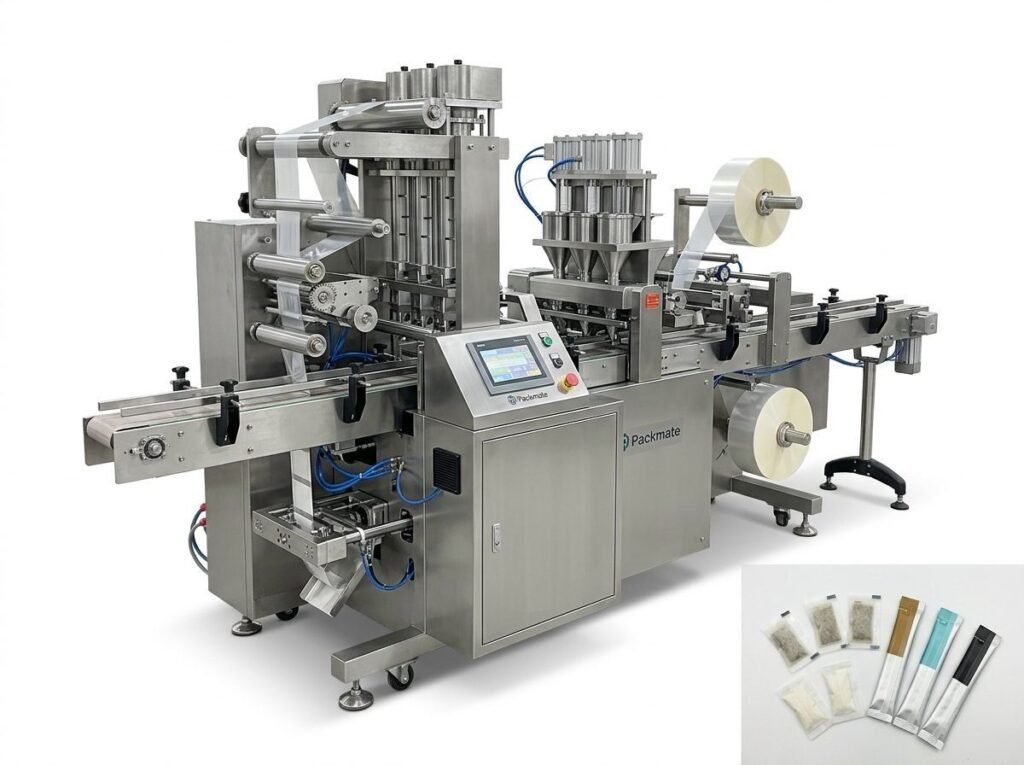
Single-dose sachets (sachet & stick pack systems)
-
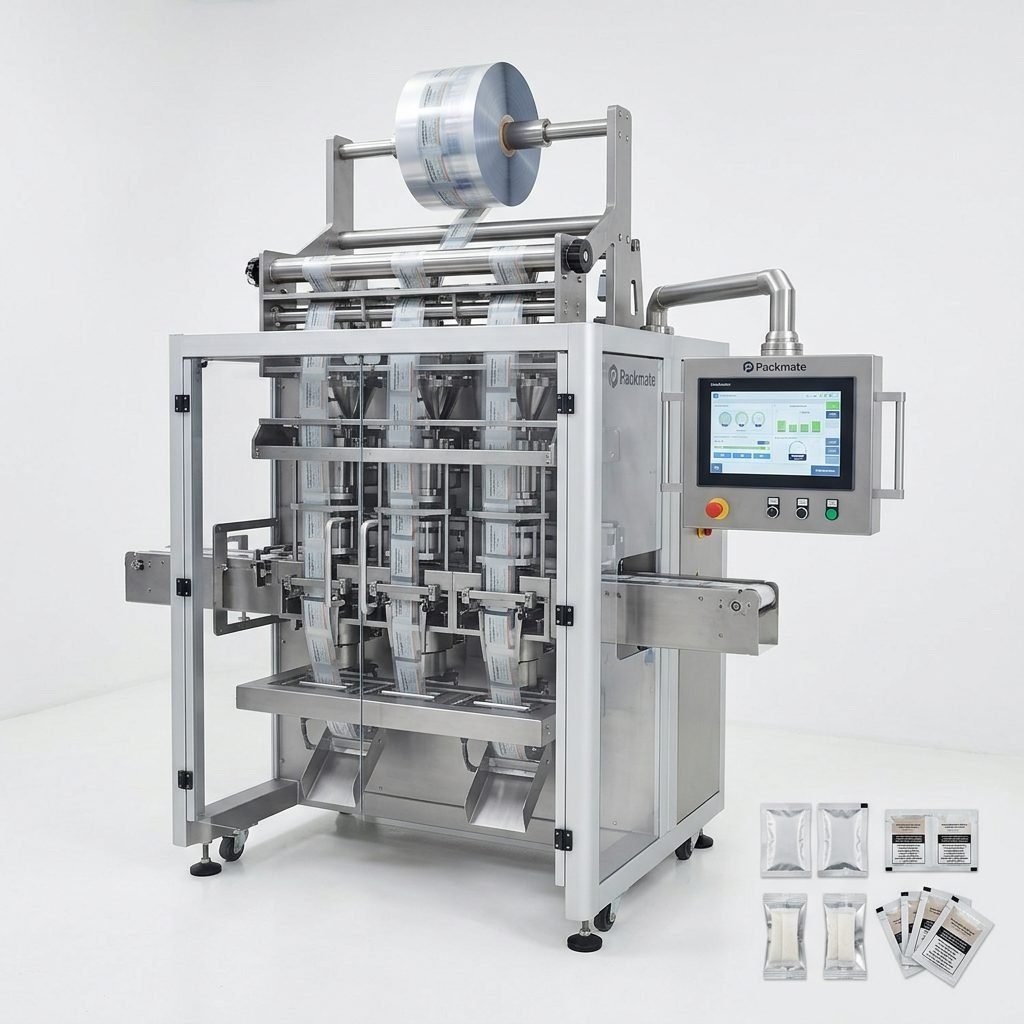
Multi-lane pouch lines for high throughput
-
Pillow bags and stand-up pouches handled by bag/pouch machines
🏭 Why Manufacturer Credentials Matter
Selecting a reputable manufacturer is more than buying a machine—it’s acquiring engineering reliability, spare parts access, and long-term support. Look for manufacturers with proven experience in nicotine/snuse packaging, modern manufacturing facilities, and international compliance certifications.
Key credentials to verify
Important indicators include:
-
Years of industry experience and continuous R&D (look for 10+ years for stable engineering maturity)
-
Factory scale and capabilities (CNC centers, precision assembly lines)
-
International certifications such as CE and ISO to satisfy export and local compliance needs
🔧 Technical Considerations: Machine Types and Performance
Evaluate machine models based on line speed, lane configuration, fill accuracy, and format changeover time. For nicotine pouches, precision dosing and gentle handling are essential to preserve product integrity. Multi-lane systems maximize output but require higher initial investment and space.
Questions to ask a manufacturer
-
What are typical throughput ranges (units/min) for the model?
-
How many lanes does the machine support and can lanes be increased later?
-
What is the dosing accuracy and how is it validated?
-
How fast are format changes and what spare parts are critical?
📈 Performance, ROI and Total Cost of Ownership
Purchase price is only part of the cost. Calculate Total Cost of Ownership (TCO): energy consumption, maintenance, downtime, spare parts lead times, and operator training all affect ROI. A slightly higher upfront investment in robust equipment can yield faster ROI due to lower downtime and higher yield.
TCO checklist:
-
Energy and utility costs
-
Spare parts pricing & availability
-
Service contract terms and response time
-
Expected product yield and rejection rate
🛠 After-Sales Support, Training and Spare Parts
A manufacturer with local support options or fast international response reduces downtime risk. Confirm training options for operators and maintenance personnel. Ask about spare parts kits, lead times, and remote diagnostics capabilities. Manufacturers offering comprehensive service and spare parts inventory are invaluable.
Red flags in after-sales
-
No clear spare parts lead time or stocking plan
-
Limited training documentation and no on-site commissioning services
✅ Proven Case Studies and References
Request client references and case studies showing machines used for nicotine pouches. Evaluate real-world uptime, quality control data, and installation experiences. Manufacturers who publish detailed case studies and offer site visits (or virtual demos) demonstrate transparency and confidence in performance.
Explore sample product pages and case portfolios to compare capabilities:
Snus & Nicotine Packaging Machines,
Bag & Pouch Packaging Machines,
Case Studies.
📐 Customization and Turnkey Solutions
Many nicotine pouch producers need custom dosing systems, nitrogen flushing, or integrated packing and cartoning lines. Consider manufacturers offering turnkey production lines and system integration to avoid compatibility issues between suppliers.
If you need a full line, check:
-
Integration experience across weighing, filling, pouching, and cartoning
-
Project management and delivery schedules for turnkey projects
-
References for delivered turnkey systems
📦 Logistics, Installation and Commissioning in Chile
Shipping heavy equipment to Chile can require special packing, customs documentation, and local port handling. Confirm whether the manufacturer provides:
-
Export documentation and helpful customs guidance
-
On-site installation and commissioning services
-
Remote startup support and operator training
🔍 Factory Visits, Virtual Demos and FAT
Whenever possible, inspect the manufacturer’s factory or request a Factory Acceptance Test (FAT) video. This demonstrates machine reliability, build quality, and performance under load. If travel is difficult, request high-definition video of the machine running with your product.
Packmate Snus Machine, for example, highlights manufacturing strength and assembly lines that might be worth reviewing in a FAT scenario—review their profile for details on certifications and manufacturing capabilities: About Packmate.
💬 Contracts, Warranties and Service Agreements
Carefully review contract terms for warranty length, what’s covered, and emergency service response windows. Favor suppliers offering clear spare parts lists, preventative maintenance schedules, and optional service contracts for peace of mind.
Essential contract items
-
Warranty scope and exclusions
-
Service response SLA for Chile (on-site or remote)
-
Spare parts availability and recommended spares for first year
💡 Practical Checklist Before You Sign
Quick procurement checklist:
-
Confirm throughput meets projected demand with margin
-
Request FAT or video proof with your product
-
Verify CE/ISO certifications and QA documentation
-
Confirm warranty, spare parts, and training terms
-
Check references and recent case studies
🔗 Useful Resources and Next Steps
For deeper research into machine types and full-line solutions, explore manufacturer product pages and catalogs. Some useful links to start with:
Snus & Nicotine Packaging Machines •
Sachet & Stick Pack Machines •
Weighing & Packaging Systems •
Contact the manufacturer
🧭 Final Thoughts
Selecting the right nicotine packaging machine manufacturer in Chile requires balancing performance, reliability, and service. Prioritize manufacturers with proven experience in snus/nicotine packaging, transparent case studies, robust after-sales support, and the ability to deliver turnkey or integrated solutions. A thorough FAT, clear warranty terms, and a stocked spare parts plan will protect your production uptime and support long-term growth.
Frequently Asked Questions
Q1: How long does it take to deliver and install a packaging line in Chile?
Lead times vary by machine complexity and customization, but basic machines can ship in weeks while turnkey multi-lane lines may take several months; factor in shipping and customs clearance.
Q2: What certifications should I insist on?
Insist on CE and ISO certificates as a baseline, and request quality control records and FAT documentation relevant to nicotine packaging to ensure regulatory compliance and product safety.
Q3: Can I get local support in Chile?
Ask manufacturers about local partners, authorized service agents, or remote diagnostics. Some suppliers provide regional support networks or fast-response service packages for Chile.
Q4: Should I choose multi-lane or single-lane equipment?
Choose based on projected volume and budget. Multi-lane is ideal for high throughput and space efficiency; single-lane systems are suitable for lower volumes and easier format changes.
Q5: How do I validate machine performance before purchase?
Request FAT with your exact product and packaging materials, obtain reference installations, and ask for video demonstrations showing consistent dosing and sealing under production speeds.