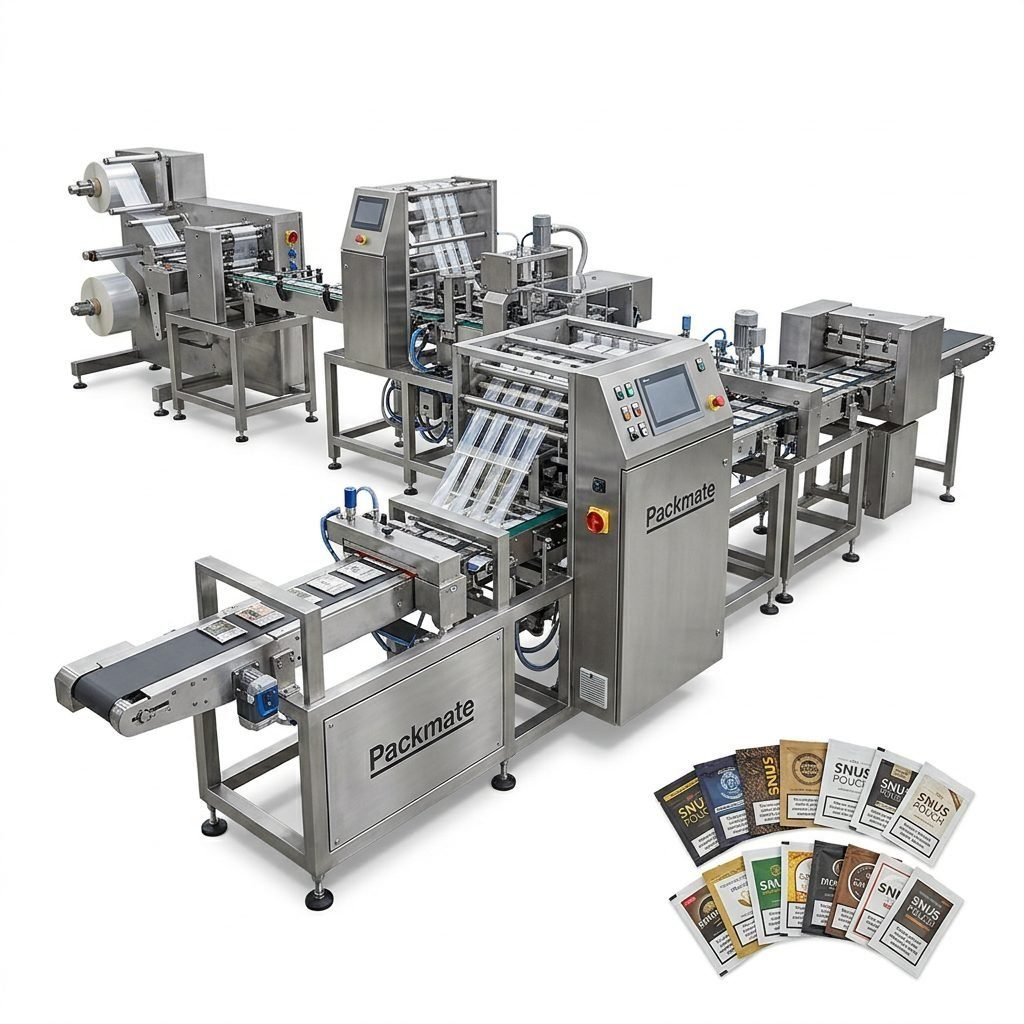
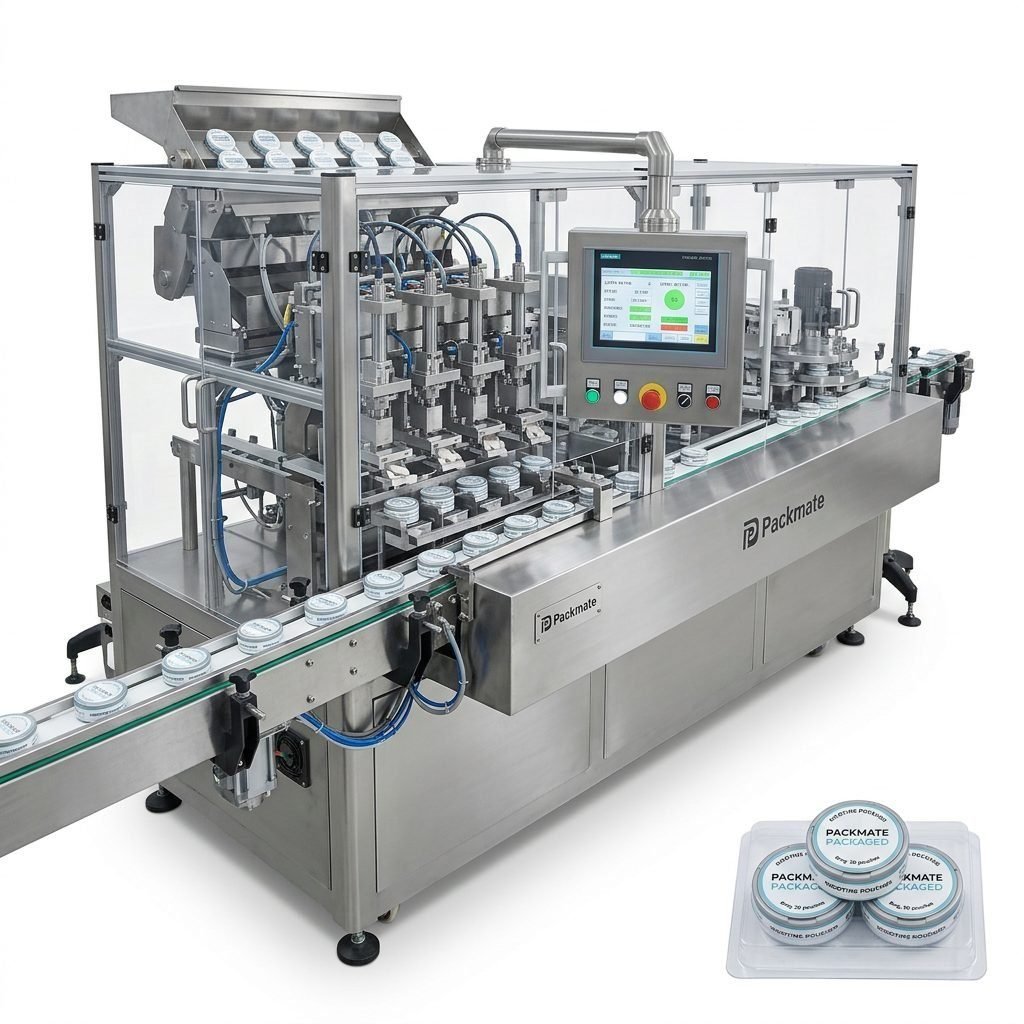
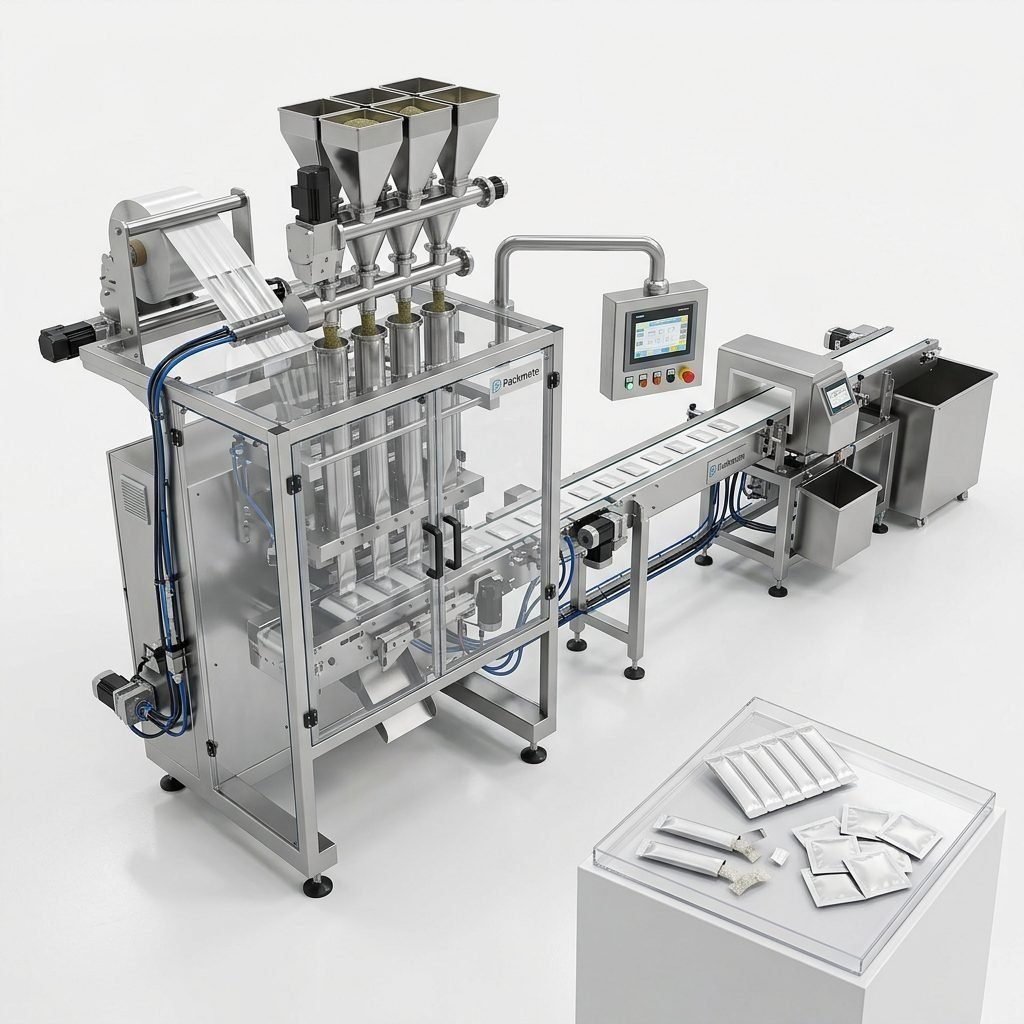
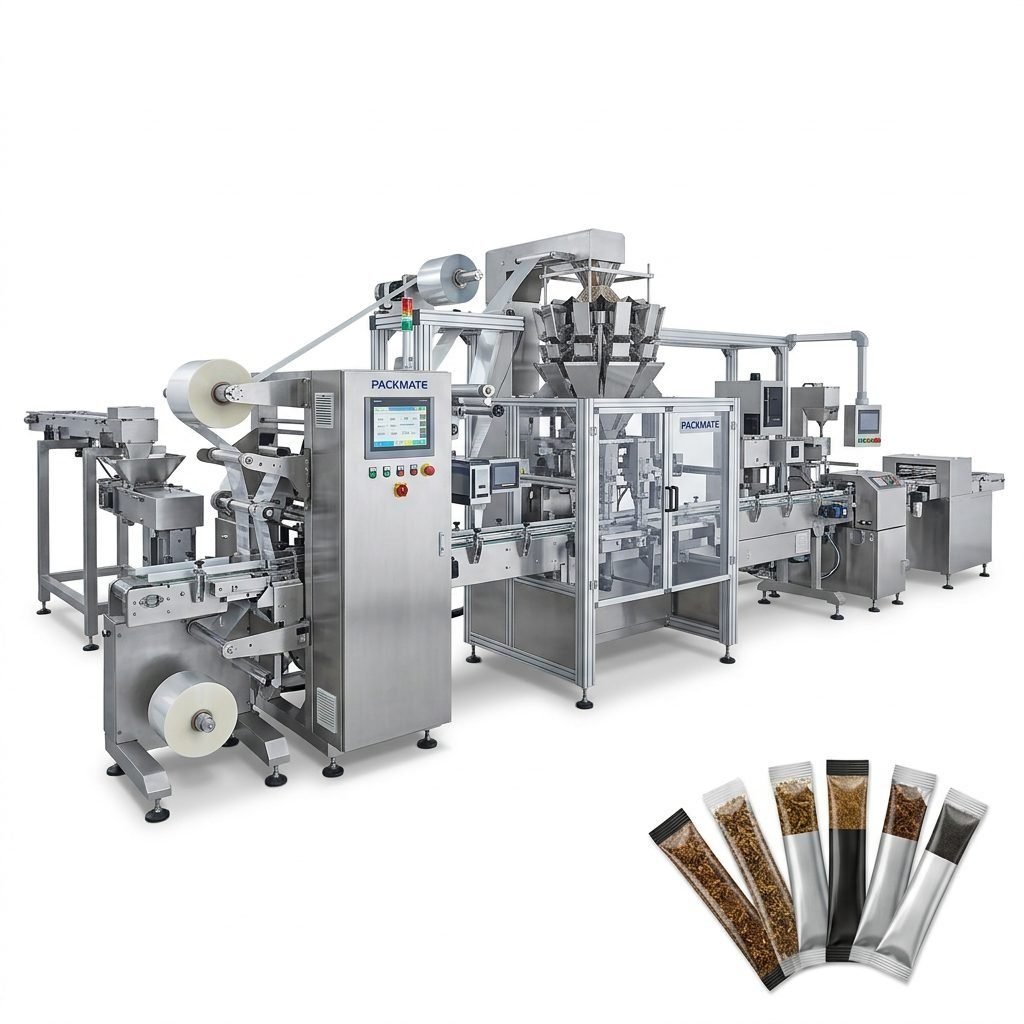
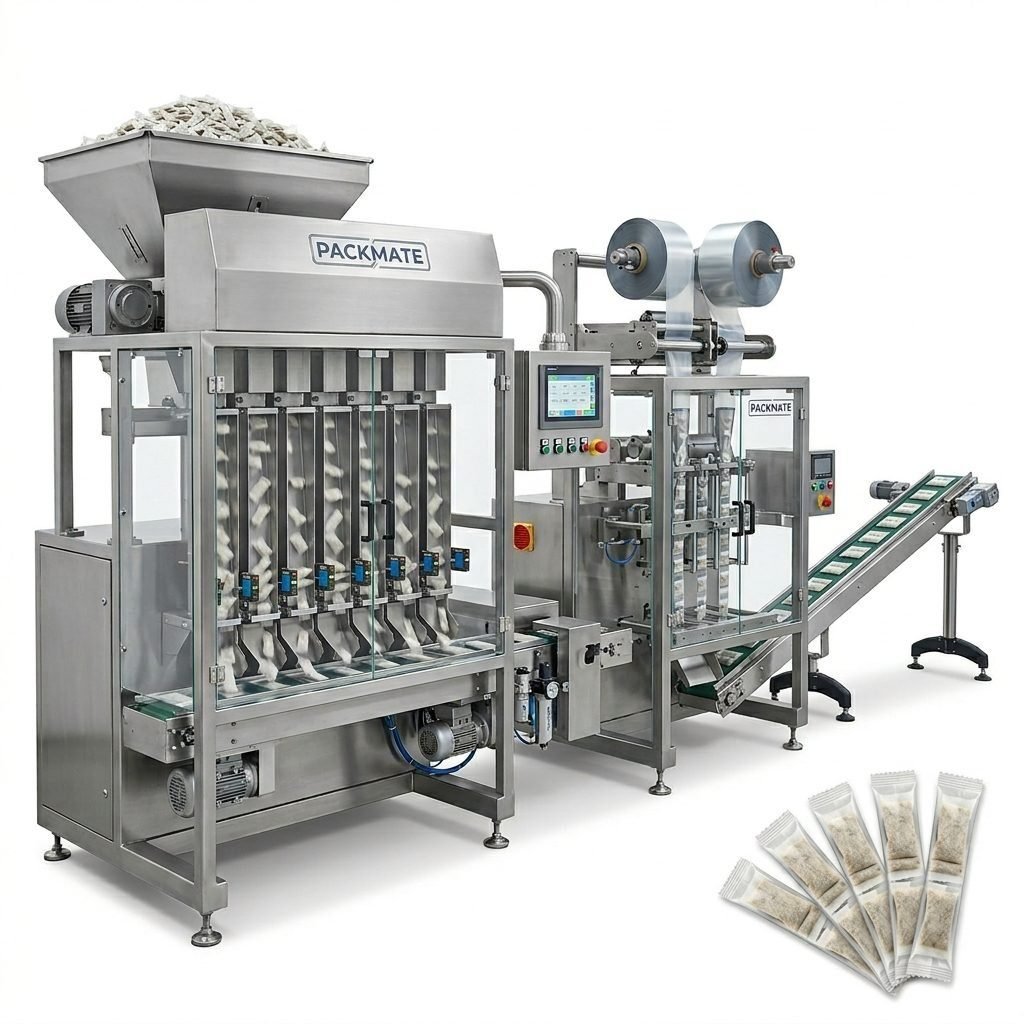
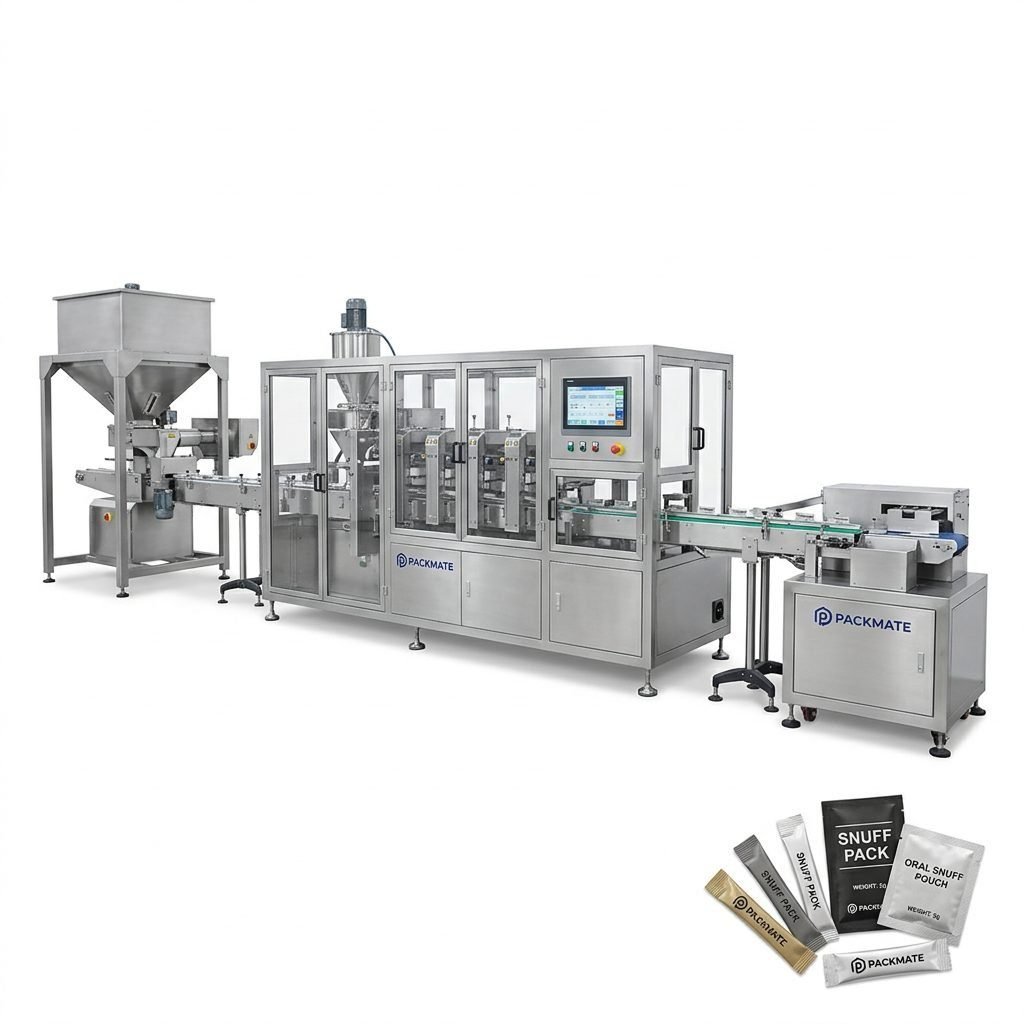
Choosing the right snus packaging machinery manufacturer is a strategic decision for any business in Palestine that wants to enter or scale in the nicotine pouch and tobacco-adjacent markets. This guide walks you through the practical steps, local considerations, and technical checkpoints to select a supplier who will deliver high-quality machinery, reliable service, and a positive return on investment. Whether you plan to produce small-dose nicotine pouches or multilane snus sachets, the choices you make now will determine production efficiency, regulatory compliance, and long-term profitability.
Understanding the Palestine Market & Cultural Context
Palestine’s business environment has unique logistical and cultural traits. Trade routes and customs procedures can be slower than in neighboring economies, and business relationships are often built on trust and repeated local interactions. During major religious periods such as Ramadan, working hours and workforce availability change — plan commissioning and training accordingly. Local consumers are sensitive to product presentation and packaging quality; therefore, investing in precise, consistent packaging machinery is not just an operational expense but a market differentiator.
Key local considerations
• Logistics: expect longer lead times and ensure your supplier understands Palestinian import regulations and transit routes.
• Workforce: prioritize suppliers who provide on-site or remote training adapted to local work schedules.
• Cultural sensitivity: packaging designs often need to be adapted for local preferences — confirm that machines can handle variable artwork and pouch formats.
Critical Factors When Evaluating a Snus Packaging Machinery Manufacturer
1. Industry Experience & Track Record
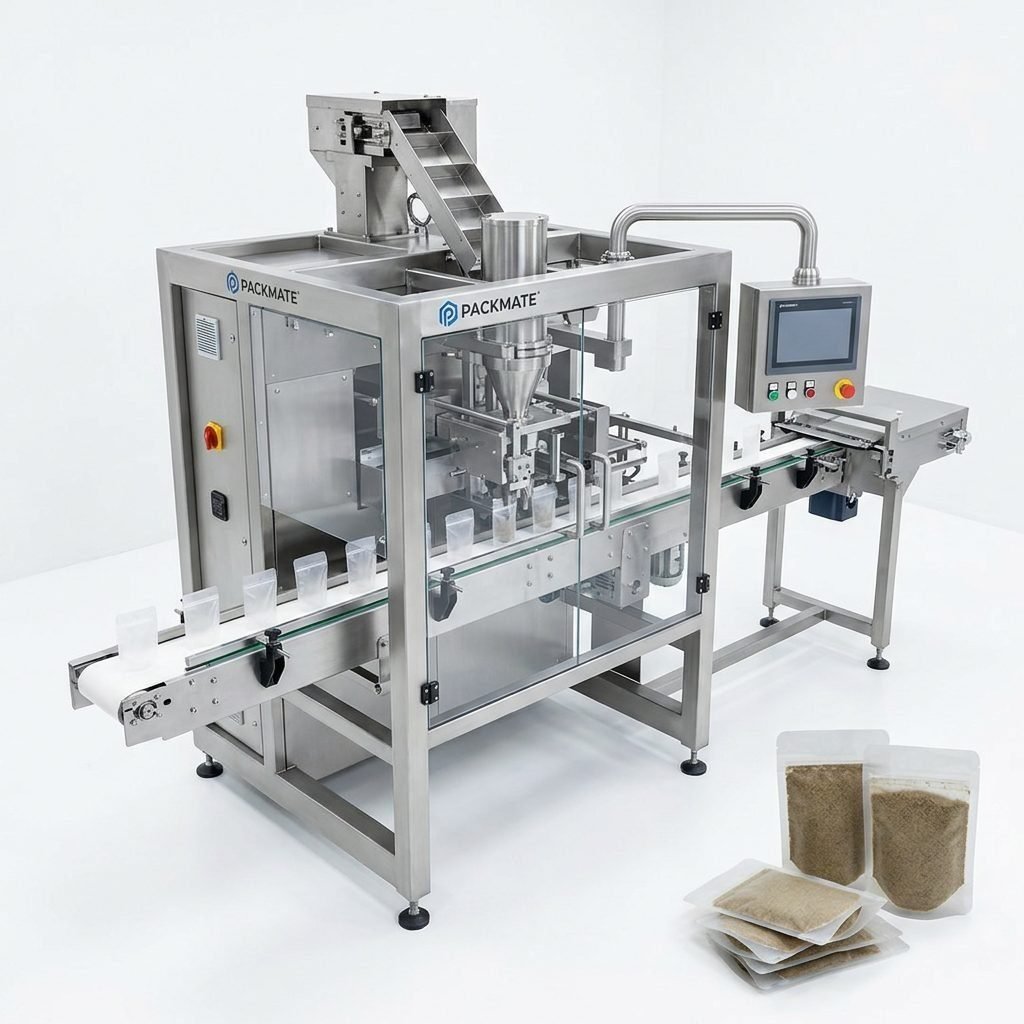
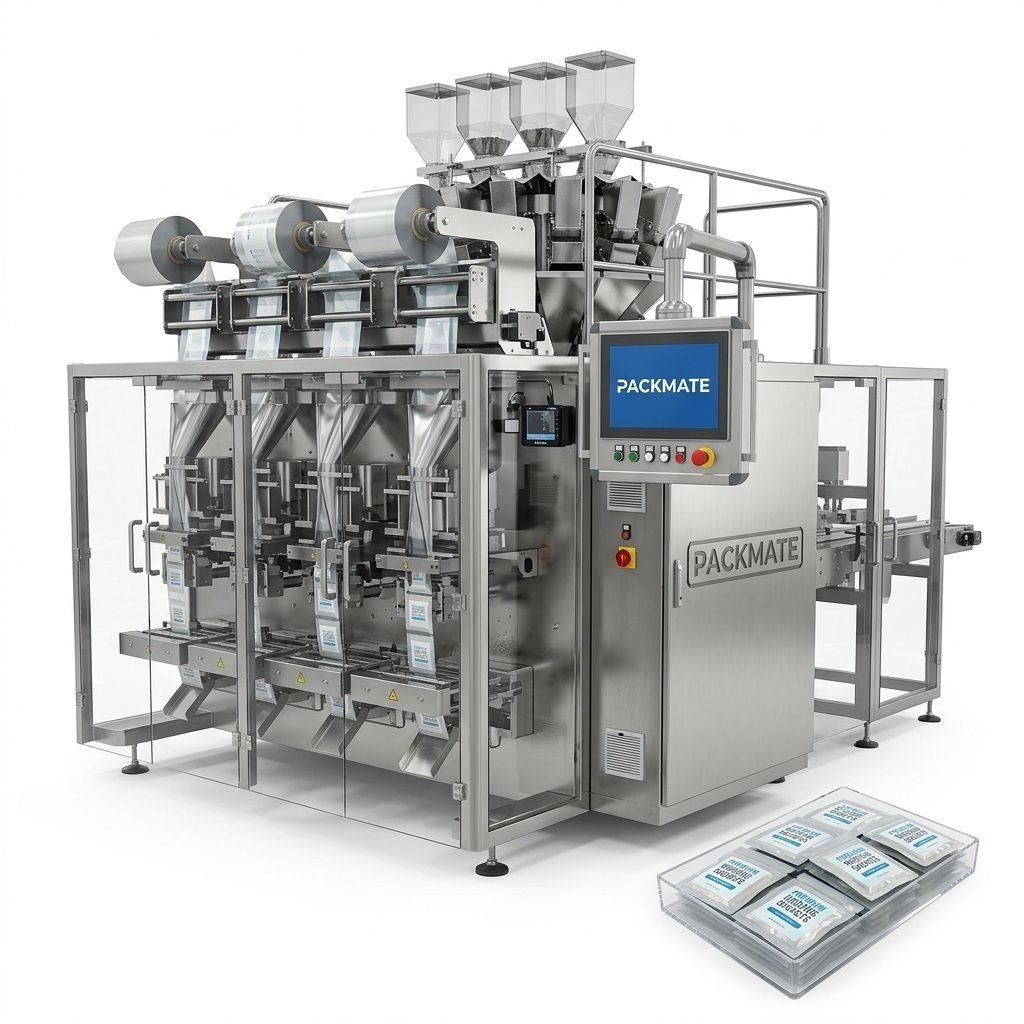
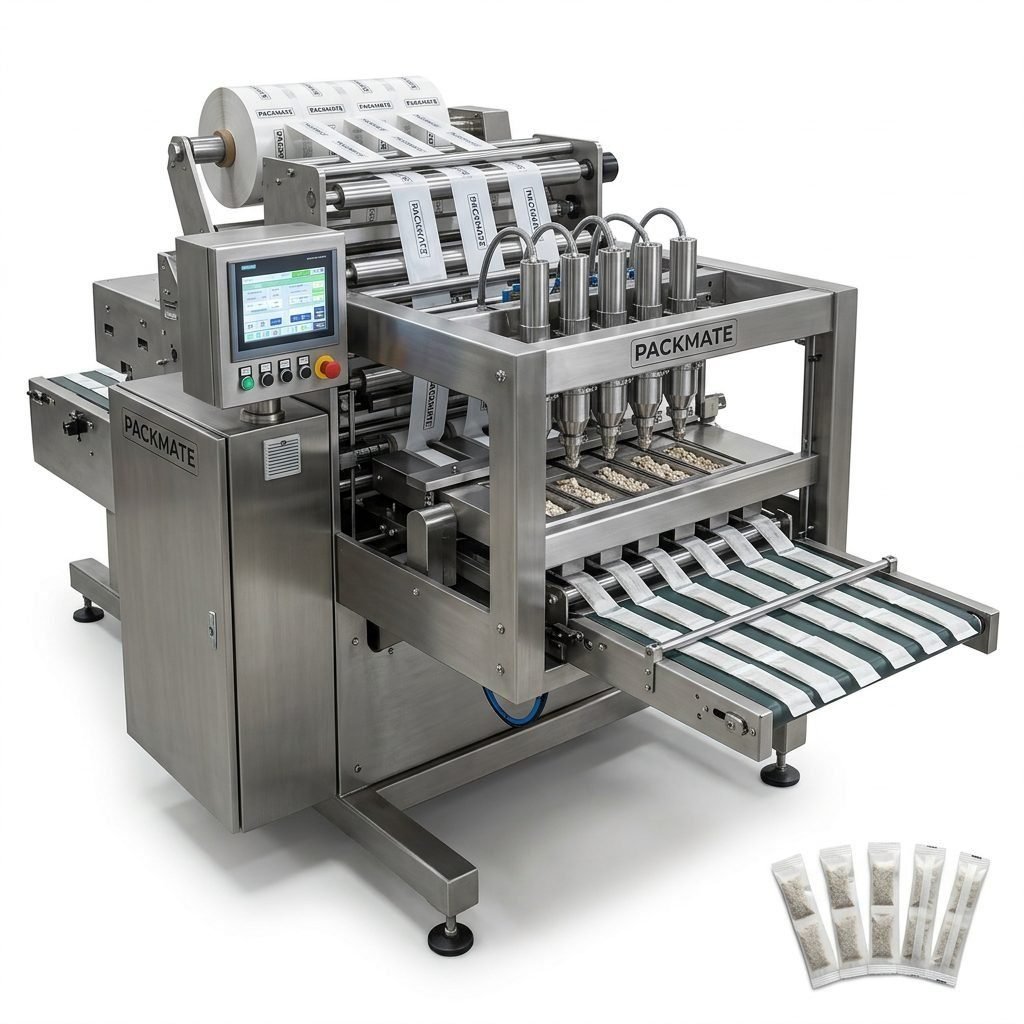
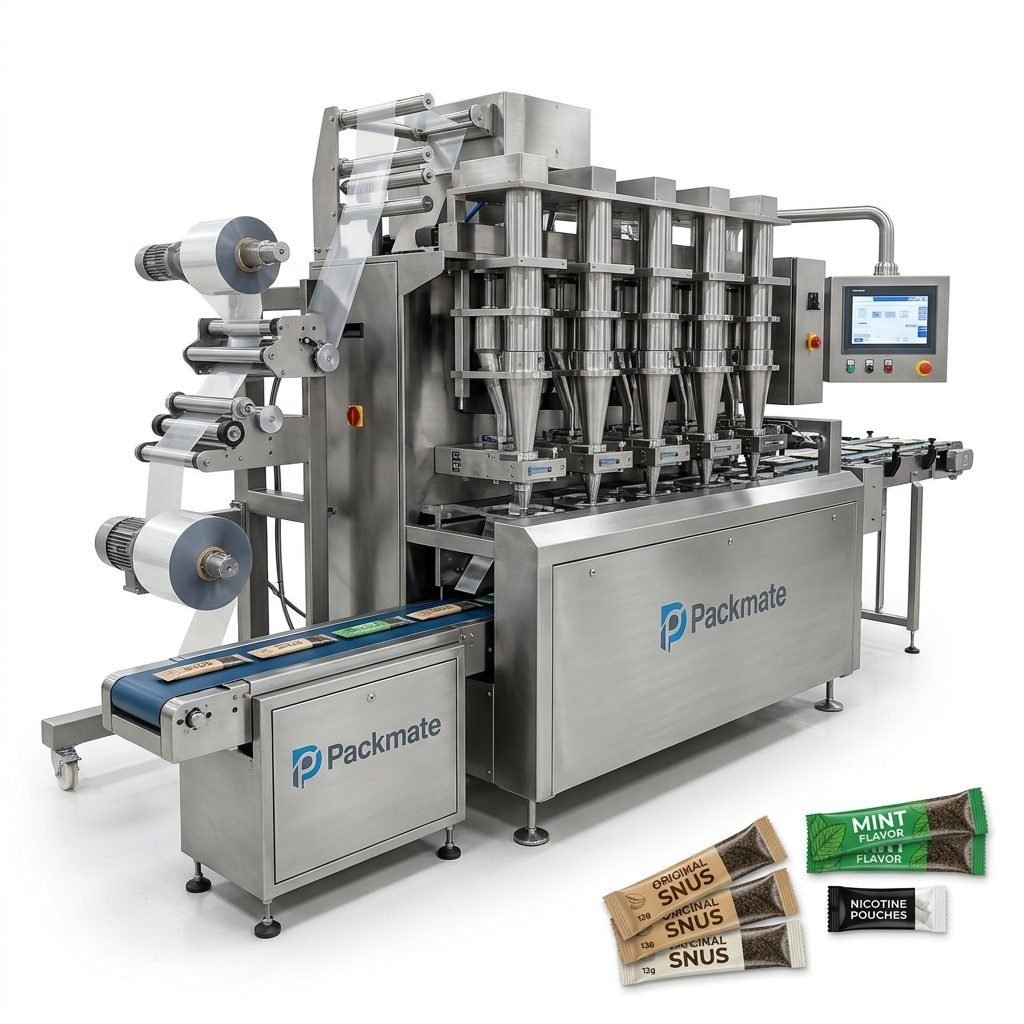
Experience matters in niche segments like snus and nicotine pouch packaging. Look for manufacturers with a proven track record in multi-lane and small-dose packaging lines. A supplier with decades of engineering experience typically has solved many production challenges, reducing the risk of unexpected downtime. For example, Packmate Snus Machine has over 30 years of engineering history and specialized designs for multi-lane snus production.
2. Certifications & Compliance
Ensure the vendor provides machines that meet international standards such as CE and ISO. Compliance simplifies customs clearance and helps maintain workplace safety. Ask for copies of certificates and, when possible, factory audit reports.
Tip: request performance data: production rate (pouches/min), uptime history, and examples of similar lines already running in commercial environments.
3. Machine Performance, Flexibility & Quality
Evaluate speed, accuracy, and the machine’s ability to switch formats. For Palestine, flexibility is valuable because companies may start with small batches and scale quickly. Ask whether the equipment supports multiple pouch types such as stick packs, sachets, and multi-lane snus pouches, and verify fill accuracy for powders, granules, or liquids.
4. Customization & Turnkey Solutions
Many manufacturers offer modular solutions; some supply complete turnkey lines including weighing, filling, sealing, and packaging integration. If you need custom features — for example, special lanes or modified feeding systems for local materials — make sure the supplier can deliver tailored engineering.
Consider reviewing product pages such as Snus & Nicotine Packaging Machines and Bag & Pouch Packaging Machines to compare available configurations.
5. After-sales Support, Spare Parts & Local Service
After-sales service is a top priority. Fast access to spare parts and remote technical support can dramatically reduce downtime. Confirm lead times for critical spare parts and whether the manufacturer maintains stocking centers or local partners who can ship to Palestine quickly.
Highlight: a manufacturer with global turnkey experience, like Packmate, usually offers structured service programs and remote diagnostics to support international customers.
Logistics, Delivery & Local Installation in Palestine
Shipping heavy machinery to Palestine involves route planning, customs documentation, and sometimes regional transshipment. Work with vendors who have experience exporting to the Middle East and can provide tailored shipping advice, packing lists, and CIF/FOB alternatives. Also confirm on-site installation services, commissioning timelines, and whether training can be scheduled outside of local holidays and religious observances.
Practical delivery checklist
• Detailed packing lists and machine manuals.
• Support for customs paperwork and HS codes.
• On-site installation and operator training plans adjusted to local work schedules.
• Spare parts kit included or readily available from a regional distributor.
Questions to Ask Potential Manufacturers
When speaking with suppliers, use a structured set of questions to compare offers objectively. Below are essential questions that reveal capability and reliability.
Technical & Operational
🔧 What is the guaranteed production speed and acceptable product tolerance?
ℹ️ Can you provide machine layouts for our intended floorspace?
✓ Is changeover between formats tool-less or quick-change?
⚠️ What are the common failure points and their MTTR (mean time to repair)?
Commercial & Legal
• What warranty terms are offered and what do they cover?
• Are spare parts included in the initial sale or billed separately?
• Can you provide references or case studies from similar markets? (Ask for contactable references.)
• Do you support export documentation and assistance with customs?
Why Packmate Snus Machine Is a Candidate to Consider
Packmate Snus Machine positions itself as a specialized manufacturer focused on snus and nicotine pouch systems. Their profile includes decades of R&D and a large factory footprint (20,000㎡) that supports CNC precision and custom turnkey projects. If you need a supplier who understands snus-specific production constraints and multi-lane efficiency, Packmate’s product lines and global service experience make them worth evaluating.
Explore more on Packmate’s capabilities via their About Packmate page, review machine categories on the Snus & Nicotine Packaging Machines listing, and browse real-world implementations in the Case section.
Factory Strength: 20,000㎡ manufacturing area, advanced CNC centers, and 50+ machine models indicate the capacity to produce tailored solutions for export markets including Palestine.
Installation, Training & Local Workforce Development
For a successful machine deployment in Palestine, ensure the supplier provides structured training for operators and maintenance staff. Training should include routine maintenance schedules, troubleshooting guides, and remote support options such as video calls and diagnostic tools. Consider language needs and schedule training sessions outside peak religious periods to ensure full team attendance.
Maintenance planning
Establish a maintenance contract that includes periodic inspections, consumable replacement schedules, and performance audits. Having a recommended list of locally sourced consumables and spare part SKUs accelerates repairs and reduces downtime.
Budgeting, ROI & Financing Options
When comparing quotes, look beyond purchase price. Include installation, spare parts kits, training, customs fees, and projected energy and labor costs. Calculate ROI using realistic production speeds and expected yield losses. Some manufacturers offer financing options or leasing plans; discuss payment terms that match your cash flow and market ramp-up.
Red Flags to Watch For
• Lack of verifiable references or case studies.
• Vague spare-parts policies or unusually long lead times.
• No factory visit option or refusal to share manufacturing photos and QC processes.
• Limited or unclear warranty and service-level agreements.
Quick Checklist: certifications, local support, spare parts availability, proven multi-lane experience, and clear warranty terms.
Next Steps: How to Begin the Procurement Process
1) Define production targets, pouch formats, and expected SKUs.
2) Request detailed proposals with layout drawings and performance guarantees.
3) Ask for a factory tour or video walkthrough, and check references.
4) Clarify shipping, customs support, installation, and training schedules.
5) Negotiate payment terms and include a spare-parts starter kit in the contract.
If you want direct contact with a supplier who understands snus lines and turnkey packaging, consider checking the manufacturer’s service and contact pages such as Service and Contact Us.
Final Recommendations
Choosing the right snus packaging machinery manufacturer for Palestine hinges on a balance of technical capability, proven delivery experience, and local service readiness. Prioritize suppliers that: have a proven multi-lane snus product portfolio, provide clear service and spare parts commitments, and offer training and commissioning that respect local schedules and cultural practices. Doing thorough due diligence reduces operational risks and accelerates your path to reliable production.
Frequently Asked Questions
Q1: How long does it typically take to receive and install a snus packaging line in Palestine?
A1: Delivery and installation can range from 8 to 20 weeks depending on machine complexity, factory lead times, and shipping routes. Plan extra time for customs clearance and scheduling on-site training outside major holidays.
Q2: What certifications should I insist on from a manufacturer?
A2: Ask for CE and ISO certificates, quality control documentation, and evidence of compliance with electrical and safety standards. These help with both regulatory acceptance and long-term safety.
Q3: Can a manufacturer provide spare parts quickly to Palestine?
A3: The best suppliers maintain spare parts lists, offer starter kits, and partner with regional distributors. Confirm specific lead times for critical components before finalizing your purchase.
Q4: Is remote support effective for troubleshooting complex lines?
A4: Yes, many manufacturers now provide remote diagnostics, video support, and guided repairs. However, ensure the vendor also provides scheduled on-site checks, because some mechanical issues require hands-on adjustments.
Q5: What should I include in a maintenance contract?
A5: Include periodic inspections, spare parts availability, guaranteed response times, training refreshers, and recommended preventive maintenance schedules to maintain optimal uptime.