Choosing a reliable snus packaging machine supplier in Saint Lucia requires practical knowledge of local market needs, import logistics, and machine performance expectations. This guide walks procurement managers, factory owners, and entrepreneurs through every step — from defining product requirements to final commissioning — with actionable advice tailored to Saint Lucia’s unique business environment and climate. Follow this structured approach to minimize risk, control costs, and secure a long-term partner who supports growth.
Understand Your Product and Production Targets
Before contacting suppliers, clarify what you need: snus or nicotine pouches specifications (weight, pouch format, multilane output), packaging material types (foil, laminated film, paper), desired throughput (pouches per minute), and any downstream requirements such as secondary boxing or cartoning. In Saint Lucia, consider typical packaging sizes sold in duty-free shops and tourist retail outlets — smaller single-serve formats often sell better among visitors, while local demand may favor modest pack sizes.
Quick product checklist:
- Target pouch weight range (mg/g)
- Pouch shapes: round, oval, small-dose sachets
- Material compatibility: moisture barrier for humid tropical climate
- Expected daily output and scalability
Why Climate and Local Conditions Matter
Saint Lucia’s tropical humidity and high temperatures can affect both product shelf life and machine performance. Hygroscopic fillings, like certain nicotine pouches or herbal blends, require robust sealing and high-barrier films. Ask suppliers about humidity controls, HVAC needs for your production area, and sealing temperature tolerances. Machines must be capable of consistent seals at higher ambient humidity to prevent leaks or clumping.
Practical tip for Saint Lucia
Install dehumidifiers in the filling area and specify corrosion-resistant parts if your facility is near the coast (salt air accelerates corrosion). Discuss local service availability and spare parts lead times — import delays to Caribbean islands can extend downtime.
Types of Snus Packaging Machines to Consider
Different formats meet different business models. Understand the pros and cons so you purchase the right line for your product mix.
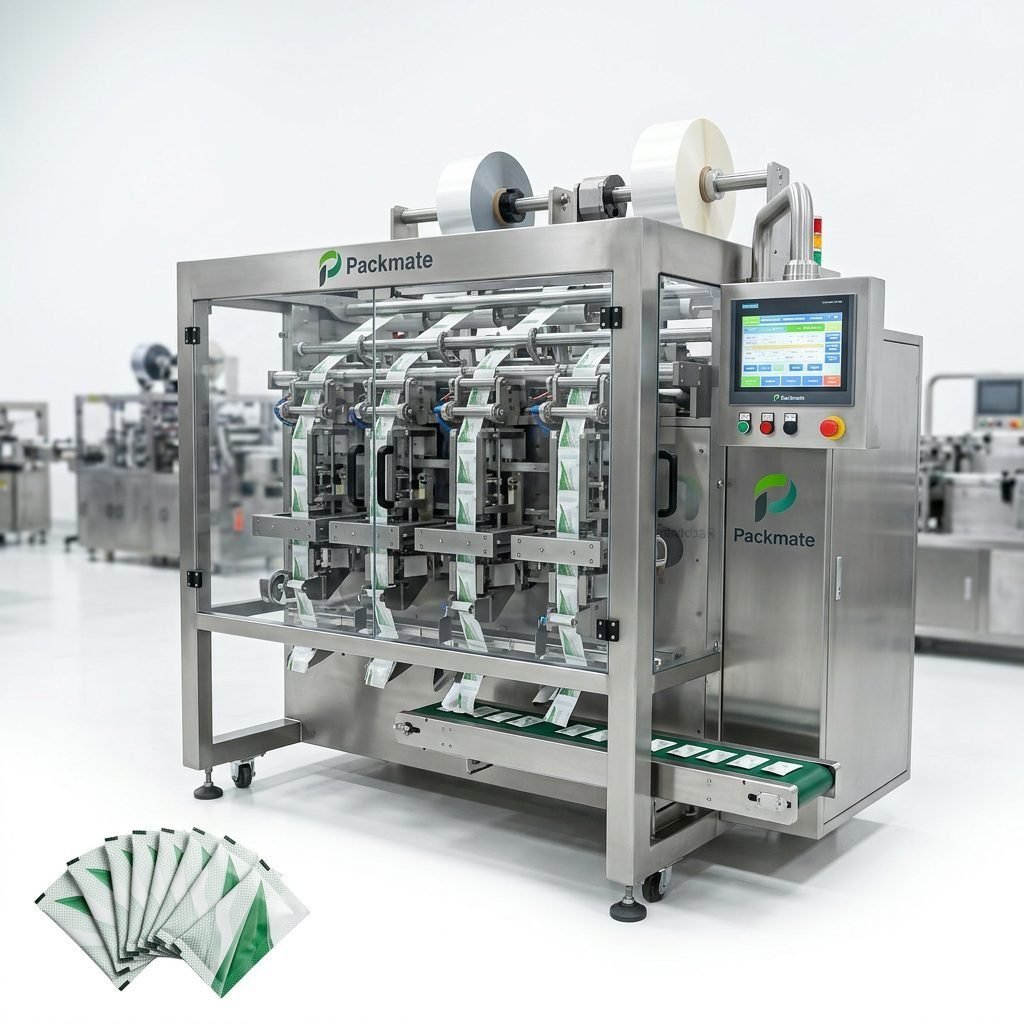
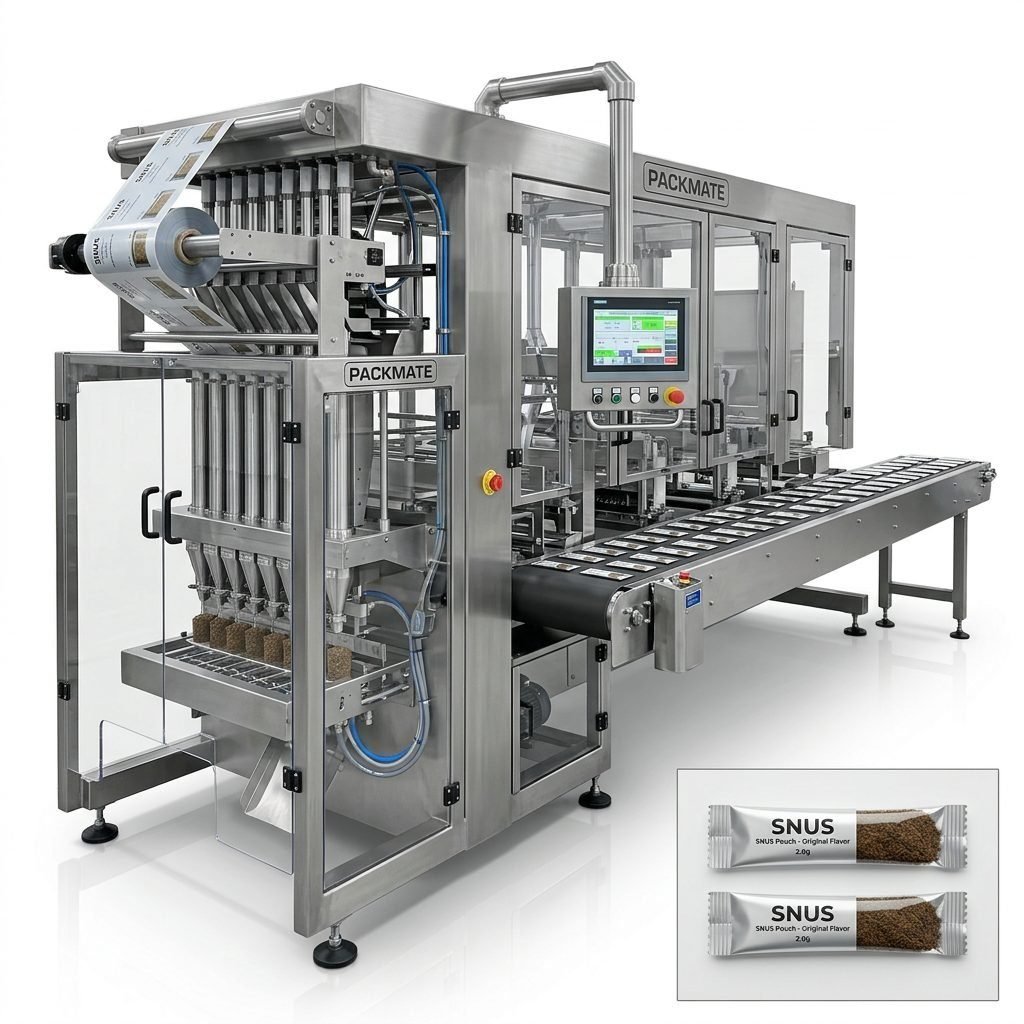
- Stick pack machines — ideal for single-dose, narrow-format pouches with fast changeovers and compact footprint.
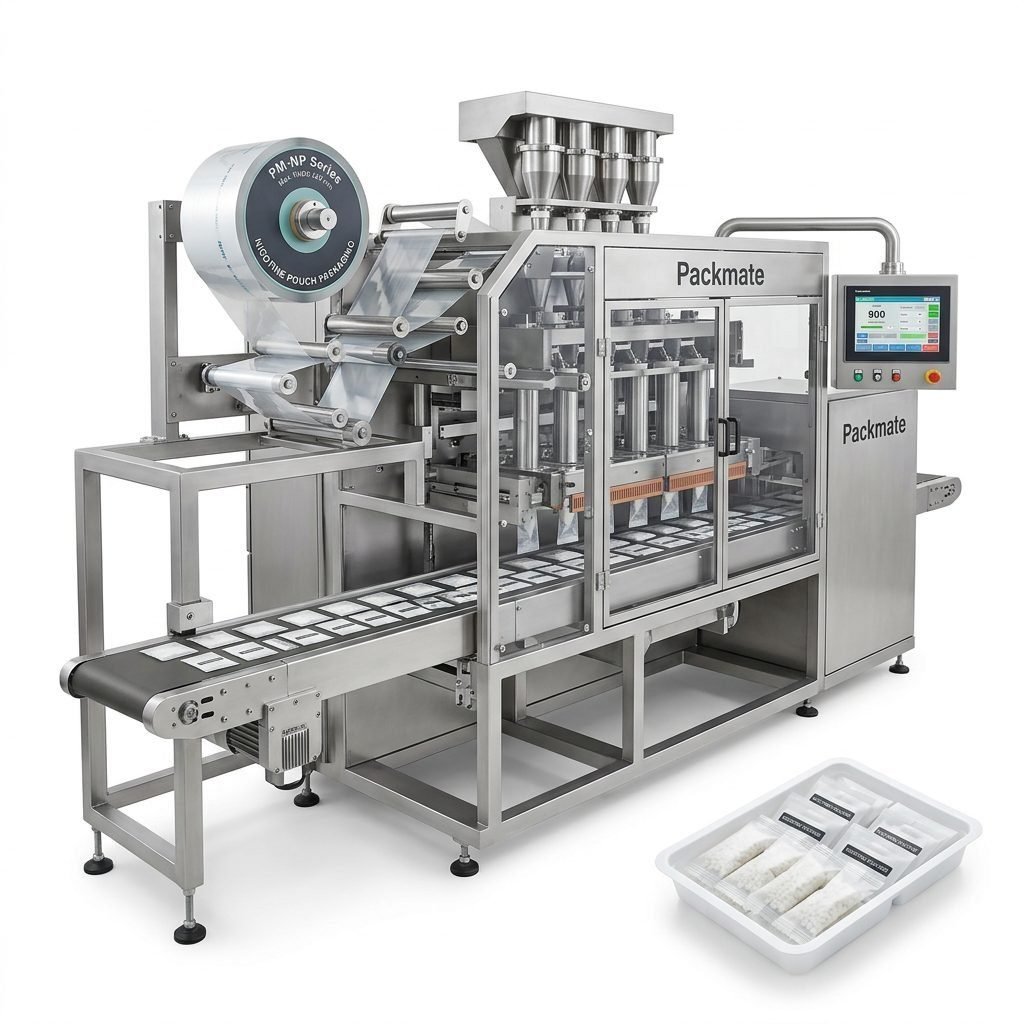
- Sachet and multi-lane machines — suitable for higher volume production with multi-lane outputs for small-dose pouches.
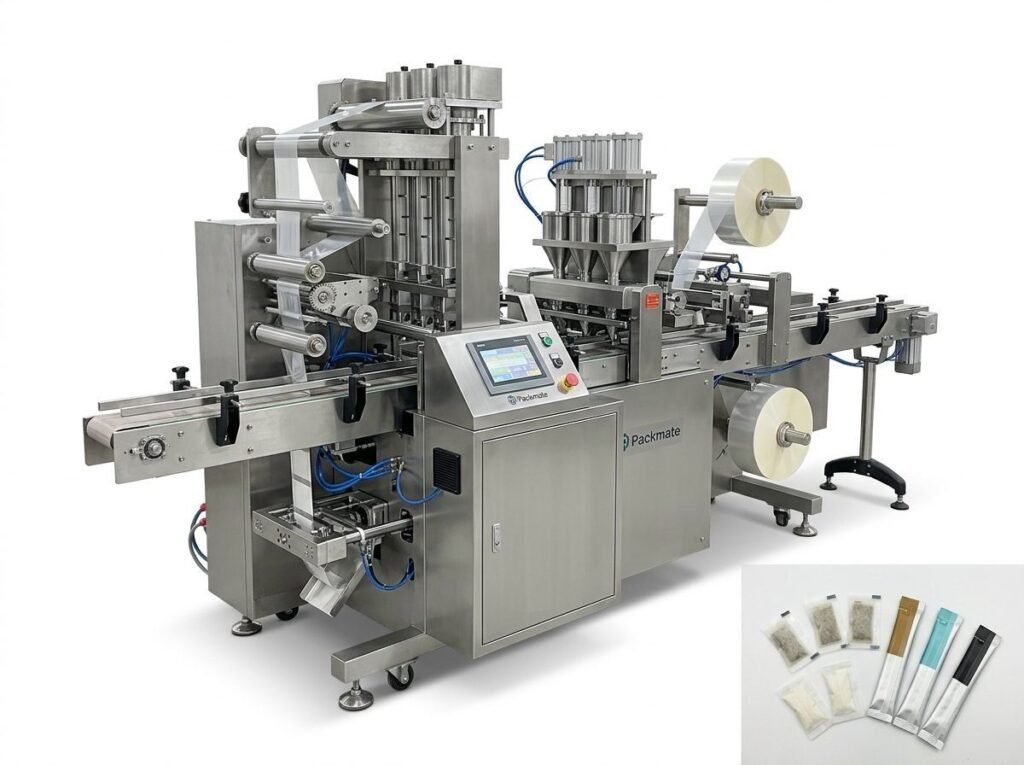
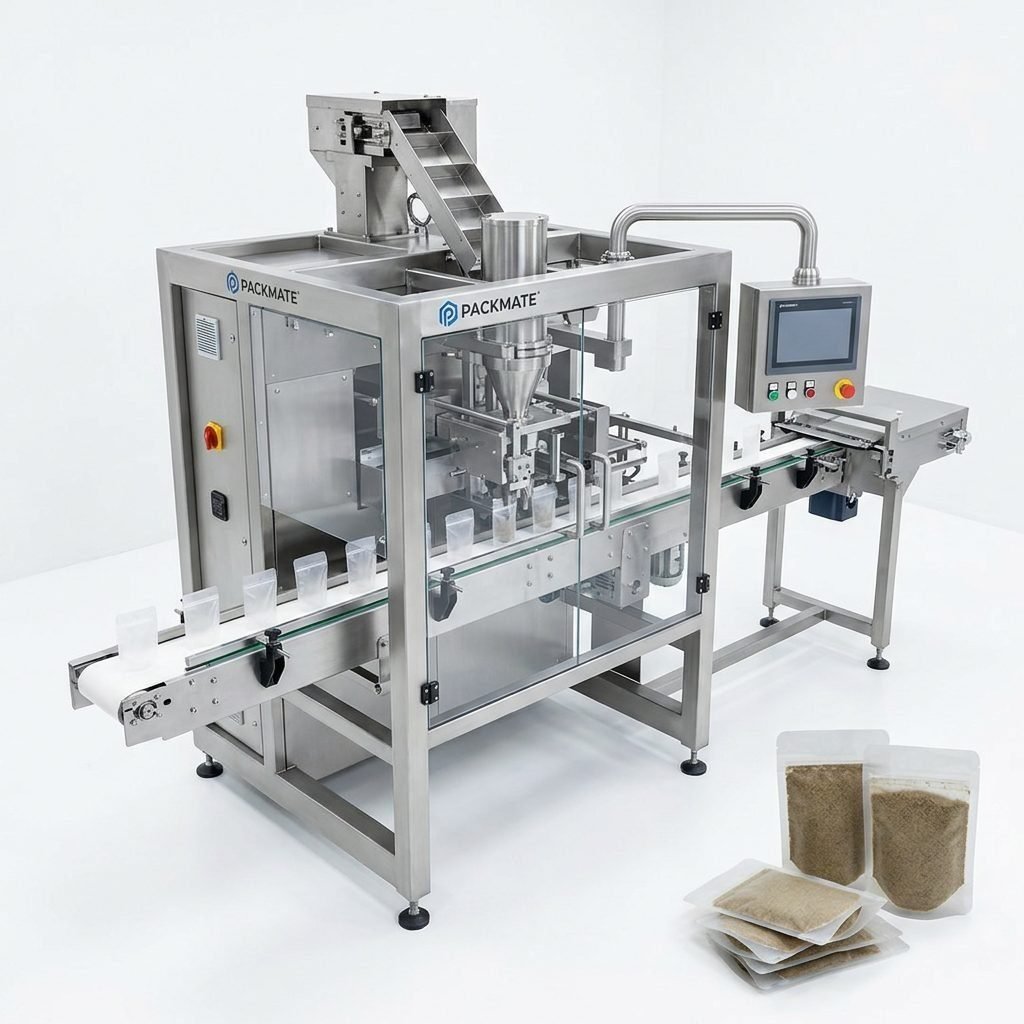
- Stand-alone filling & sealing lines — best for customized pouch types or when integrating with existing packaging lines. See related product options: Filling & Packaging Lines.
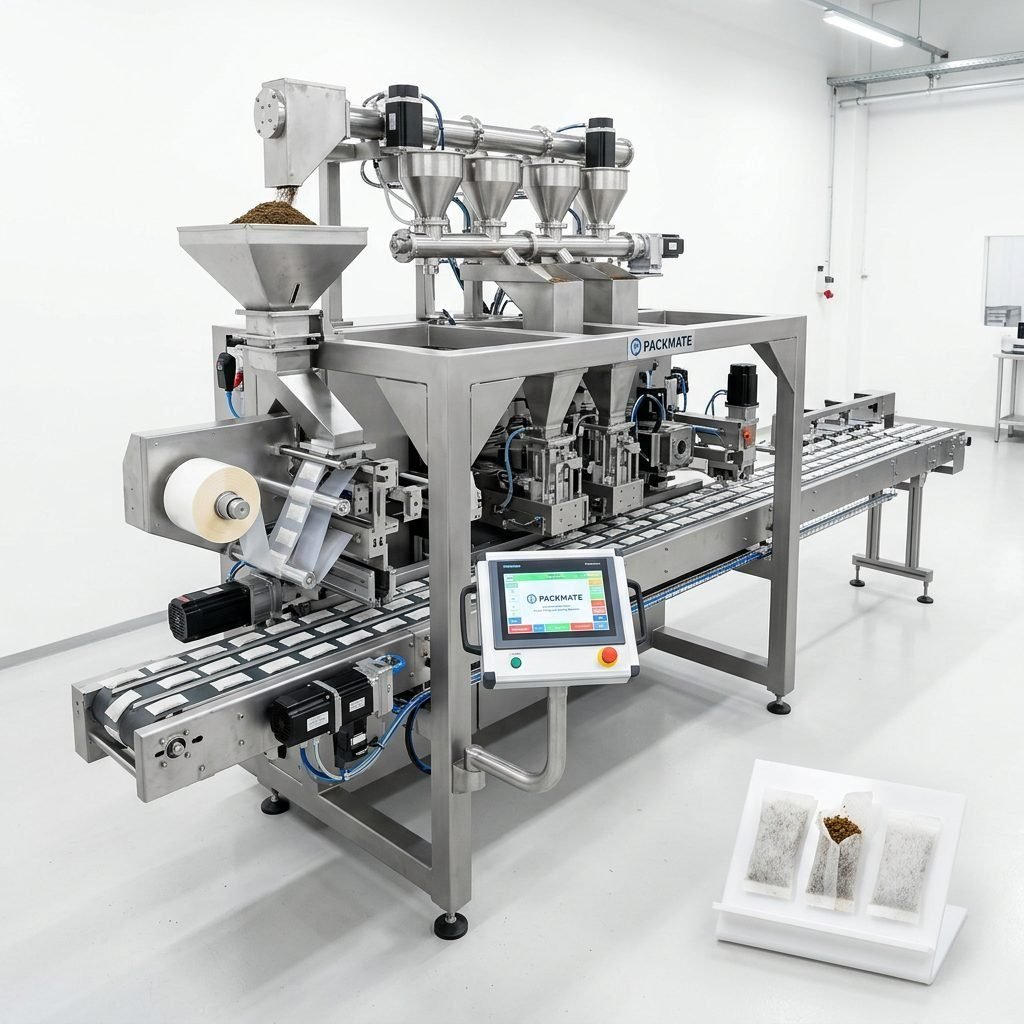
- Auxiliary weighing and feeding systems — critical for precise dosing of nicotine pouches to maintain compliance and quality. Explore Weighing & Packaging Systems.
Vet Suppliers: Certification, Experience and Case History
A trustworthy supplier demonstrates industry experience, solid manufacturing capability, and after-sales support. Look for ISO and CE certifications, factory scale, machine models, and real-world case studies. Packmate Snus Machine, for example, highlights 30+ years of engineering experience and a 20,000㎡ facility producing varied snus solutions — useful indicators of manufacturing depth and customization capability. Review their case studies and exhibition presence to verify credibility: Case and Our Exhibition.
Supplier due-diligence checklist:
- Factory photos and production capacity
- Customer references and live demos
- CE/ISO or equivalent product certifications
- Availability of spare parts and local partners
Evaluate Machine Performance and Technical Details
Ask for detailed technical sheets: cycle rates, electrical requirements, air consumption, film unwinder specs, servo controls, PLC brand, and HMI language options. For Saint Lucia operations, verify voltage compatibility and the supplier’s support for 50/60 Hz infrastructure. Request videos of continuous runs and ask for trial production using your materials and formulations to confirm sealing quality and accuracy.
Key performance metrics
- Throughput (pouches/min per lane)
- Filling accuracy (± tolerance)
- Changeover time between formats
- Downtime statistics & MTBF (mean time between failures)
Quality Control, Testing and Acceptance Criteria
Set clear Factory Acceptance Test (FAT) and Site Acceptance Test (SAT) criteria in the purchase contract. FAT should include running your product materials for a specified duration, leak and seal tests, random weight sampling, and electrical safety checks. SAT must verify full line performance, packaging integrity, and operator training after installation in Saint Lucia.
After-Sales Support, Training and Spare Parts
Reliable after-sales service minimizes downtime. A strong supplier offers remote troubleshooting, spare parts shipping, and on-site training. For island operations, prioritize suppliers who maintain a stock of critical spare parts or have regional partners to reduce shipping time. Confirm the following before purchase:
- Warranty terms and response times for on-site support
- Availability and pricing of spare parts
- Training packages for operators and maintenance staff
- Remote monitoring or IoT options for predictive maintenance
You can review product lines and service offerings such as Snus & Nicotine Packaging Machines and request service details via the supplier’s contact page: Contact Us.
Regulatory Compliance and Labelling for Saint Lucia
Tobacco and nicotine product regulations vary. In Saint Lucia, ensure compliance with import rules, health warnings, and labelling requirements. Work with local legal counsel or a customs broker to confirm duty rates, required permits, and health label formats. Suppliers should be prepared to provide documentation for materials and machine hygiene if customs inspections require proof of product safety.
Logistics: Shipping, Customs and Installation
Shipping a packaging line to Saint Lucia requires planning for port handling, customs clearance, and inland transport. Opt for suppliers who can recommend reliable freight forwarders familiar with Caribbean ports and who provide full documentation (packing list, commercial invoice, CE/ISO certificates). Estimate additional costs: import duties, VAT, port handling, and local rigging and installation. If the factory is near a main port or airport, installation and commissioning can be faster; otherwise, allow extra time for transport across the island.
Shipping checklist
- Complete machine packing list and export certificates
- Freight insurance for sea transit
- Local rigging crew and electrical contractors
- Customs broker with experience clearing machinery
Cost Considerations and ROI
Factor in machine purchase price, customs/import costs, installation and commissioning, training, and ongoing spare parts. Evaluate how increased throughput, reduced labor, and less packaging waste improve margins. Ask suppliers for total cost of ownership (TCO) estimates and examples of ROI from existing customers. Consider starting with a modular line that you can expand as demand grows.
Customization and Turnkey Solutions
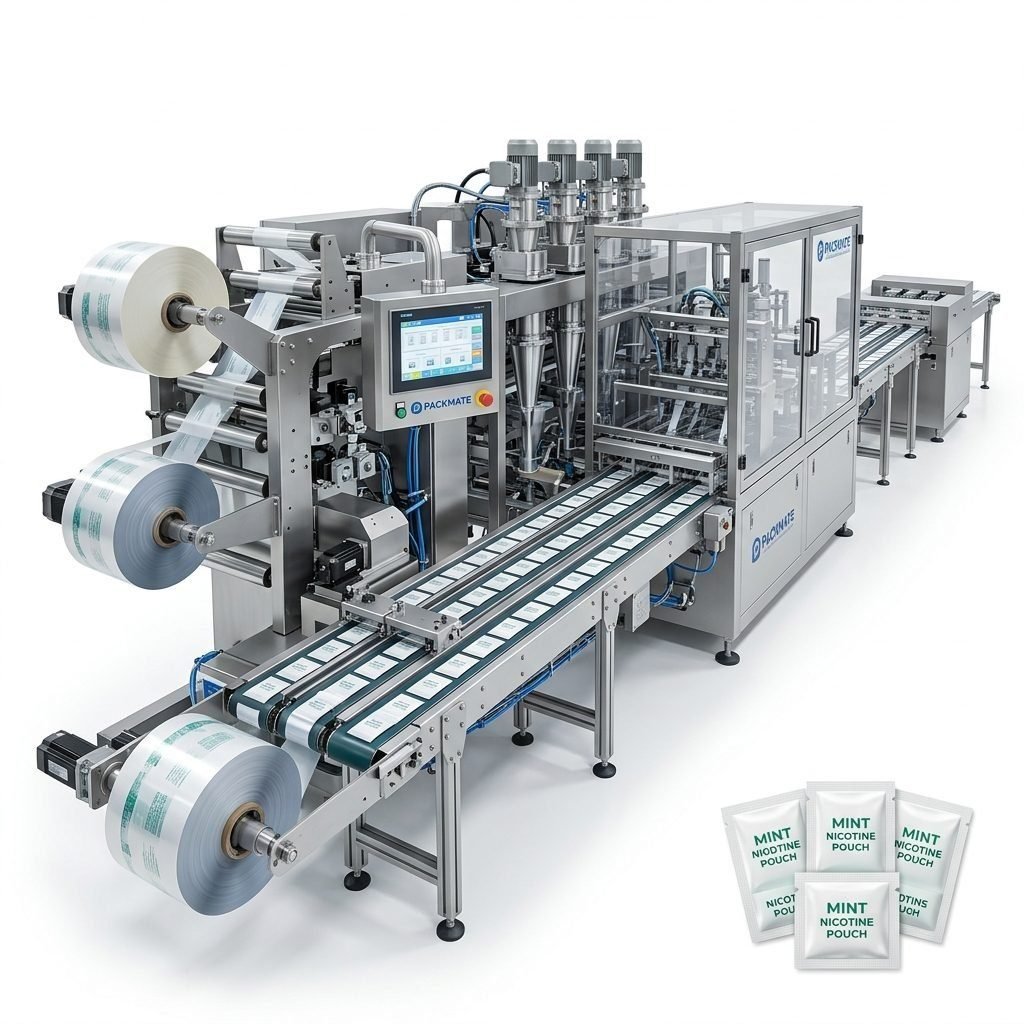
If you require specialized pouch shapes, multi-lane formats, or integrated inspection and labeling, search for suppliers offering customization and turnkey lines. Packmate’s portfolio includes multi-lane systems and fully integrated solutions for snus and nicotine pouches; review relevant product groups to understand available configurations: Bag & Pouch Packaging Machines and Sachet & Stick Pack Machines.
Negotiating Contracts and Payment Terms
Negotiate clear milestones tied to FAT, shipping, and SAT. Typical safe payment structure: deposit on order, balance at FAT approval, and final payment after SAT. Include penalties or remediation clauses for delayed delivery or failure to meet acceptance criteria. Ensure warranty and spare parts terms are explicitly stated.
Contract checklist:
- Clear FAT/SAT acceptance criteria
- Payment milestones and deposit amounts
- Warranty duration & spare parts lead times
- Training and documentation deliverables
Installation, Training and Local Workforce Development
Plan for hands-on training of operators and maintenance staff. Local technicians in Saint Lucia benefit from manufacturer-led training sessions and clear manuals. Request remote support options and consider training a second-tier support person who can troubleshoot common issues. Ensure spare parts packages include wear parts to minimize initial downtime.
Final Selection Checklist
When you are ready to choose, compare vendors across these dimensions: product fit, machine reliability, factory transparency, references, certifications, warranty, spare parts access, and total landed cost. Prioritize suppliers with proven snus/nicotine experience and solid after-sales structures.
One-paragraph vendor scorecard
Score each supplier from 1–10 on: Technical match, Production capacity, Quality & certifications, After-sales & spare parts, Cost & payment terms, Local logistics experience. Use the combined score to guide negotiations and final selection.
Why Choose an Experienced Manufacturer
Experienced manufacturers reduce risk. A supplier with decades of R&D, a large model portfolio, and global installation experience can tailor solutions for niche markets like nicotine pouches. They are more likely to provide well-tested multi-lane systems, reliable controls, and timely spare parts — all critical for island operations where downtime is costly.
If you want to explore manufacturer profiles and catalogs to narrow your shortlist, see the company overview and catalog resources: About Packmate and Catalog.
Closing practical reminders
1) Always request a FAT with your materials; 2) Confirm spare parts availability before purchase; 3) Factor local climate protections into sealing and storage; 4) Budget for customs, rigging and local electrical work; 5) Secure a clear training plan for local teams.
Common Questions
Q1: How long does delivery and installation typically take for a snus packaging line to Saint Lucia?
A1: Delivery depends on machine complexity and shipping schedules. Expect 8–16 weeks for production and testing, plus 4–8 weeks sea freight and customs time. Plan for an additional 1–3 weeks for on-site installation and SAT.
Q2: What are the typical ongoing costs beyond the machine purchase?
A2: Ongoing costs include spare parts, consumables (films, adhesives), electricity and compressed air, scheduled maintenance, and potential service visits. Factor in customs duties for imported spare parts and periodic training costs.
Q3: Are there special packaging considerations for the Caribbean market?
A3: Yes. High humidity requires high-barrier films and robust seals. Consider single-serve sizes for tourist retail, clear local labelling that meets health regulations, and packaging designs resistant to condensation during transport and storage.
Q4: How can I verify a supplier’s claims before purchase?
A4: Request factory videos, FAT with your materials, client references, and certifications. Visit the factory if feasible, or arrange live video FAT demonstrations. Review case studies and exhibition appearances for credibility.
Q5: Where can I find more product information and support?
A5: Manufacturer websites often provide product pages, service details, certificates, and contact forms. For example, review machine categories and support pages to narrow options: Auxiliary Packaging Equipment, Service, and FAQs.