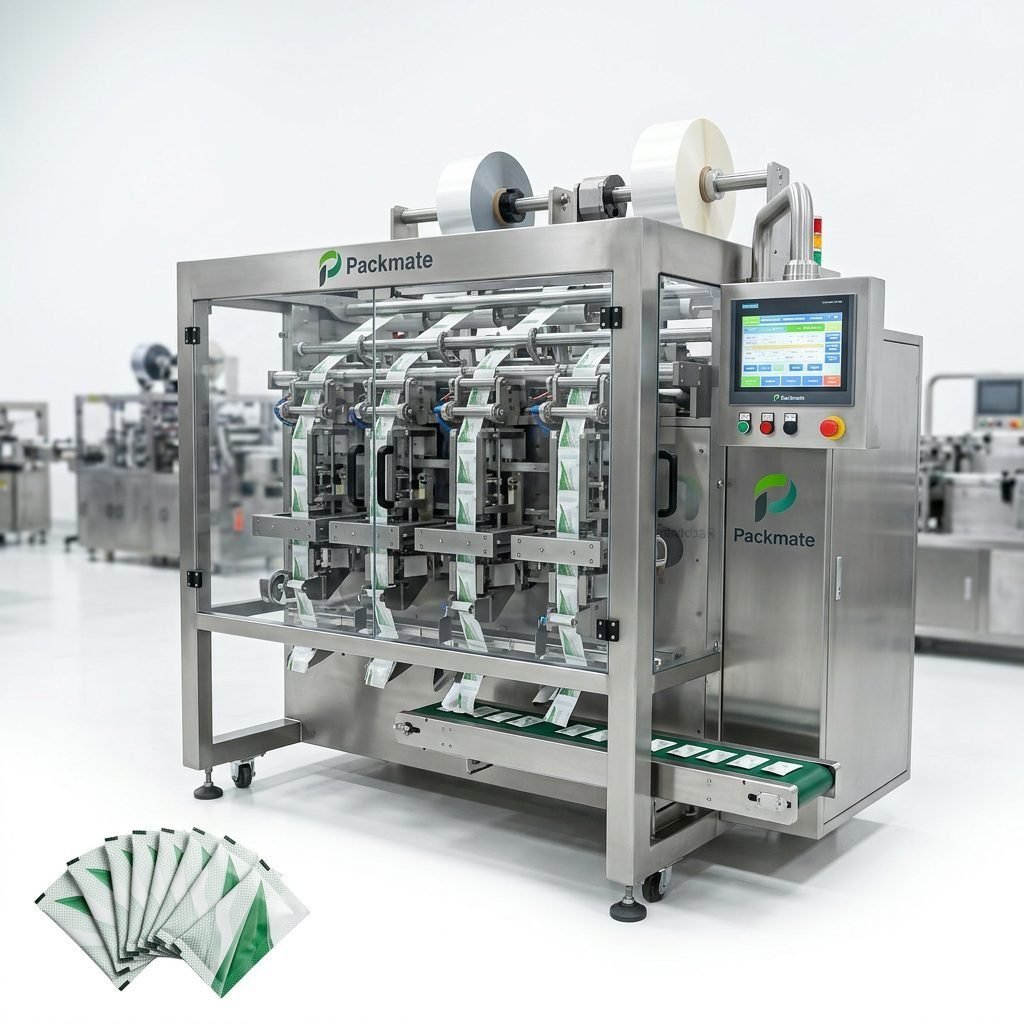
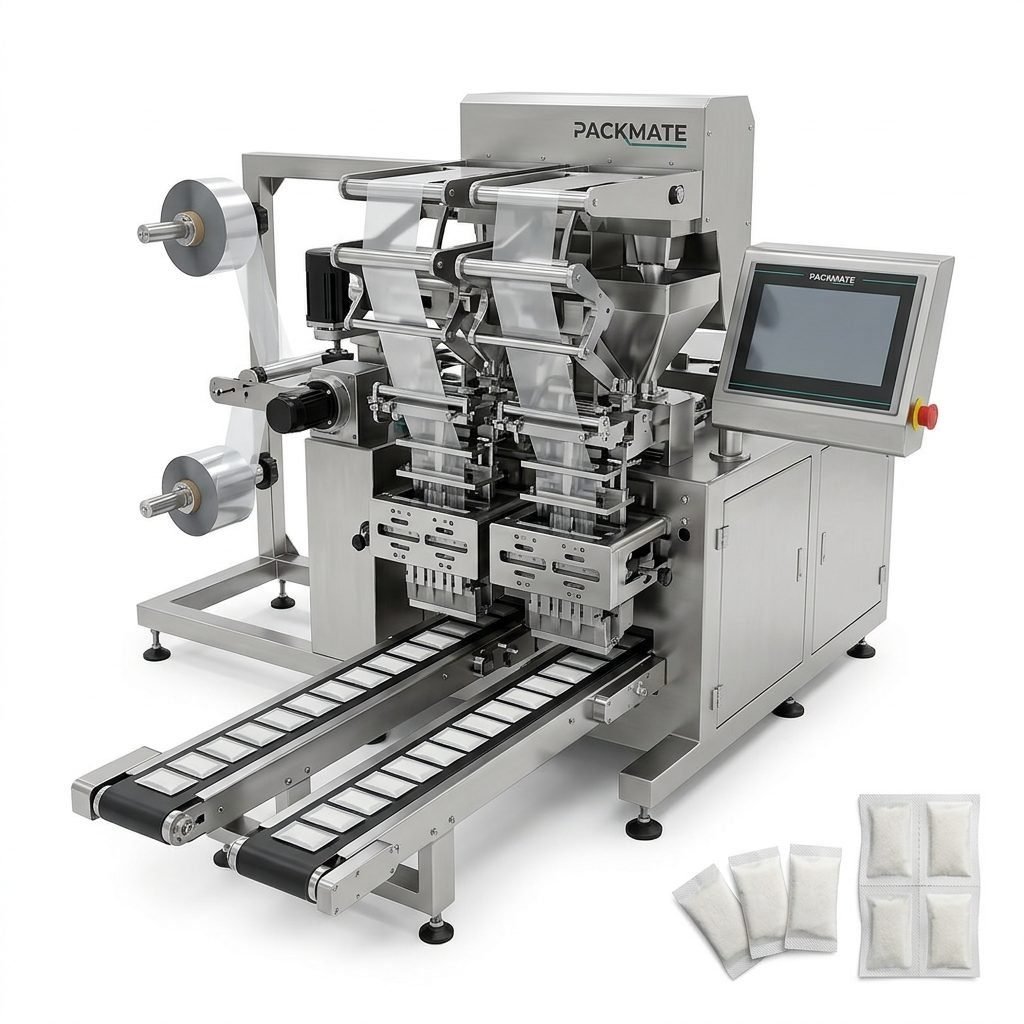
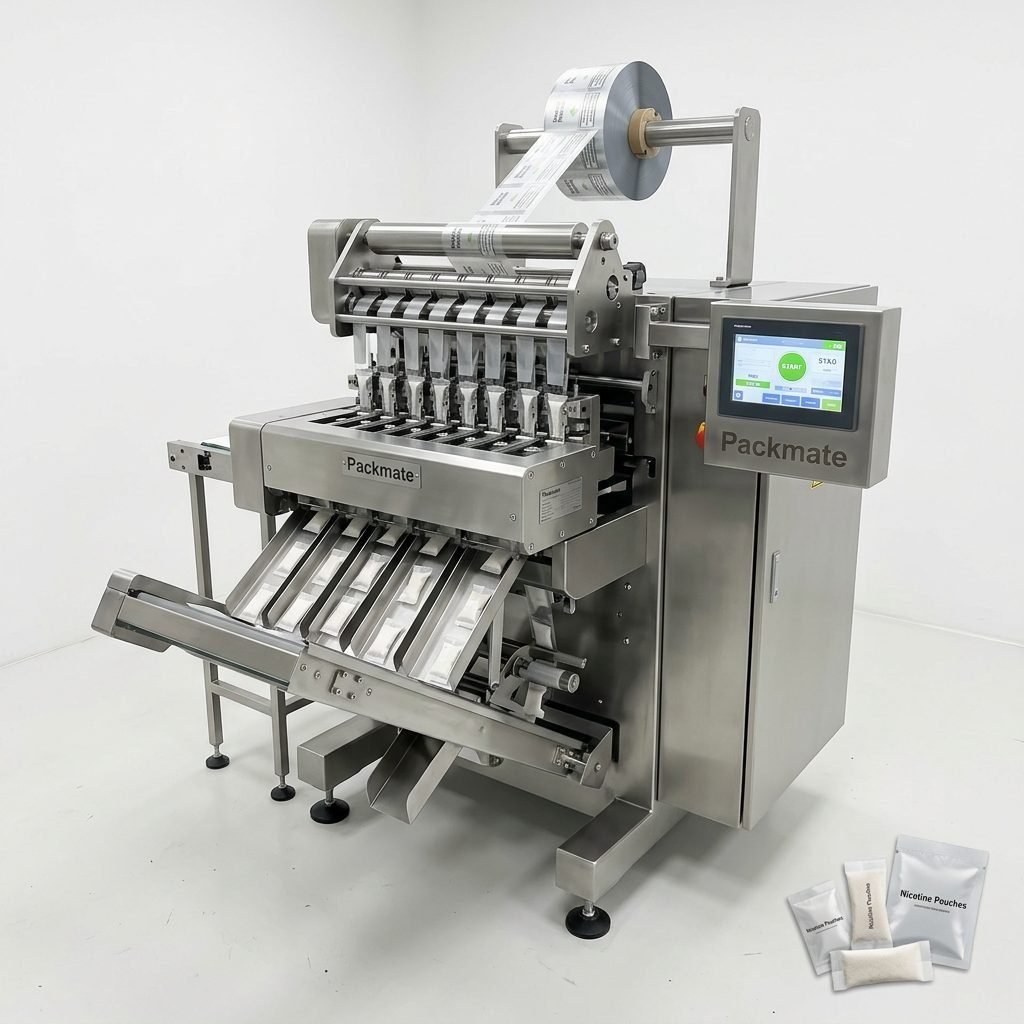
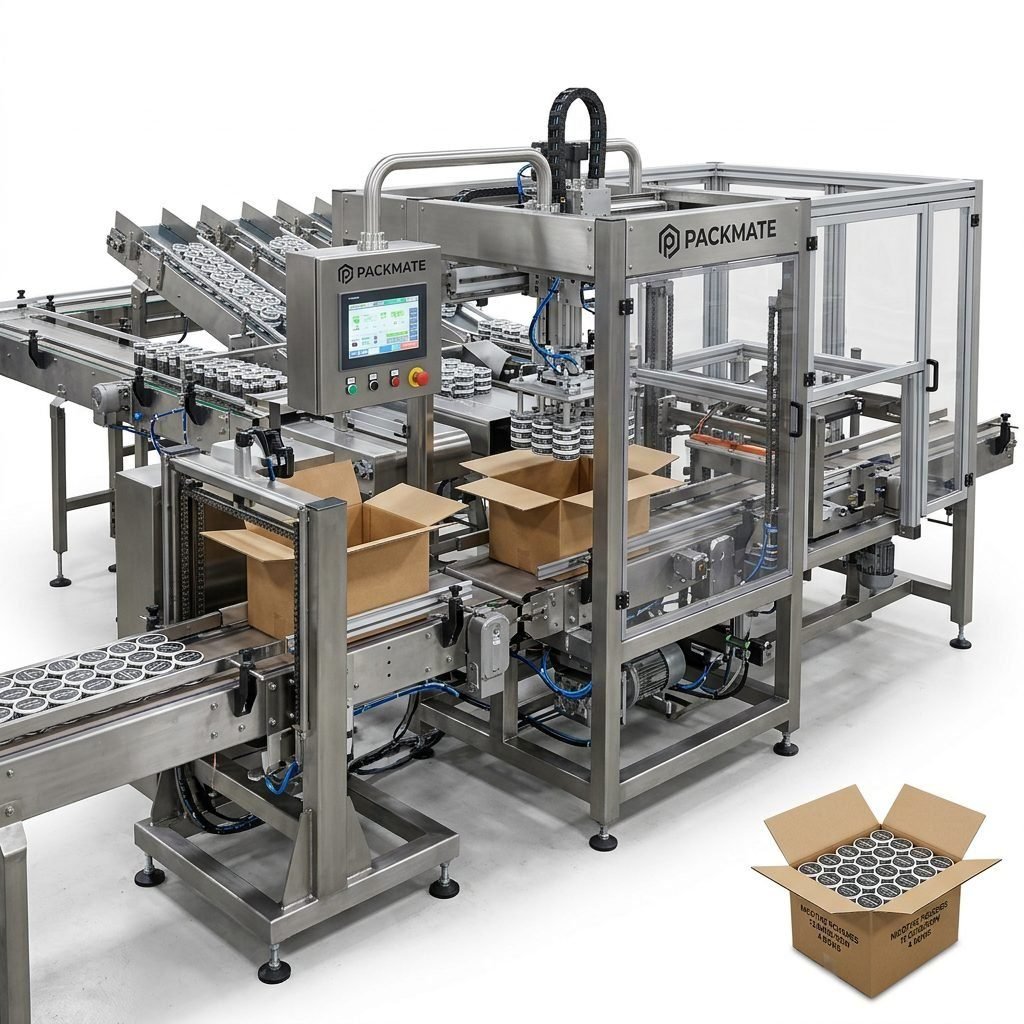
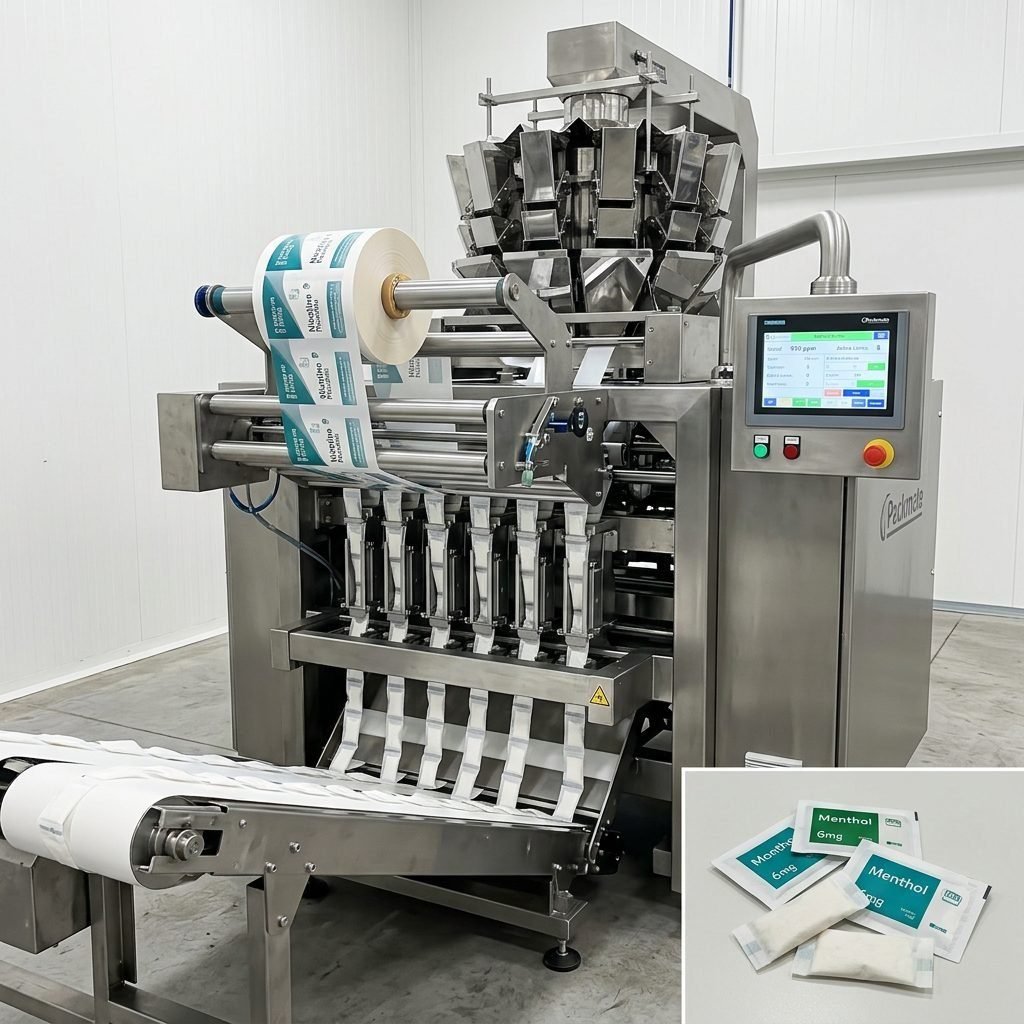
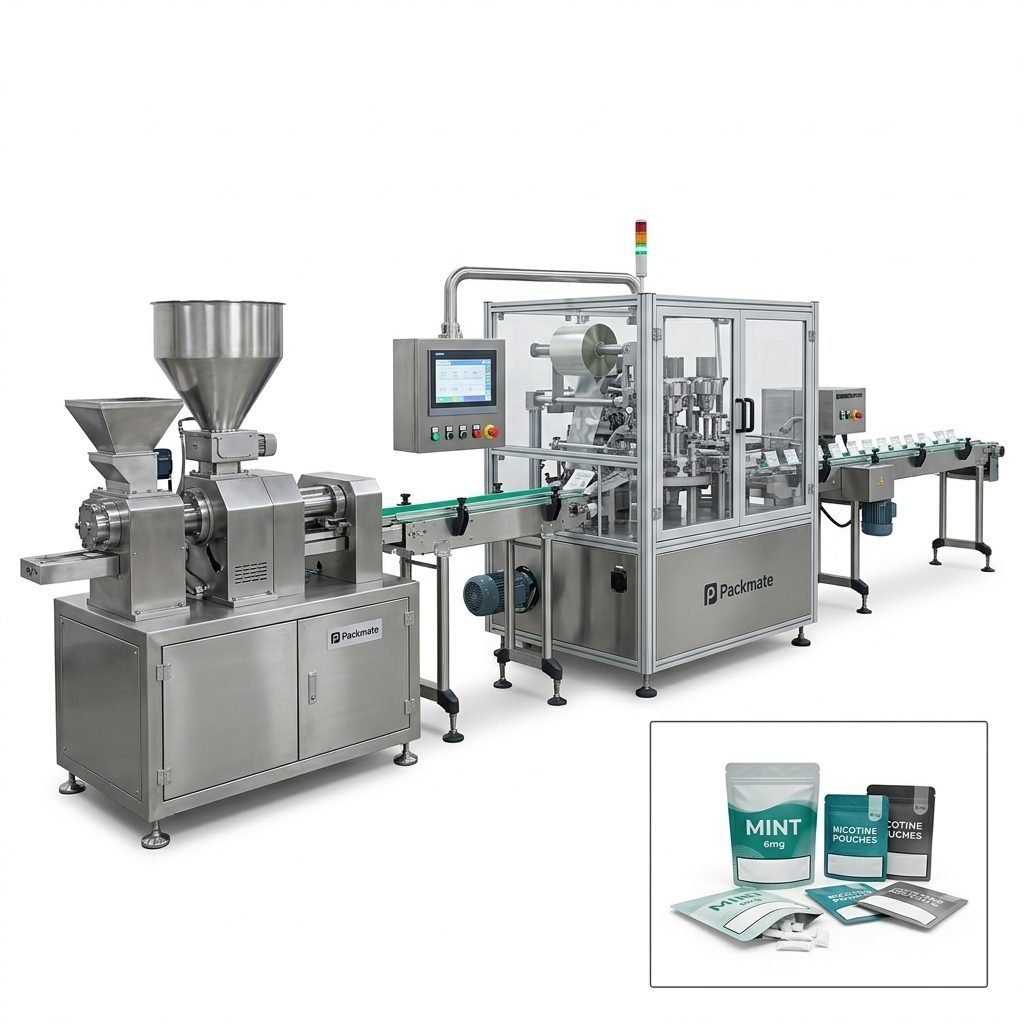
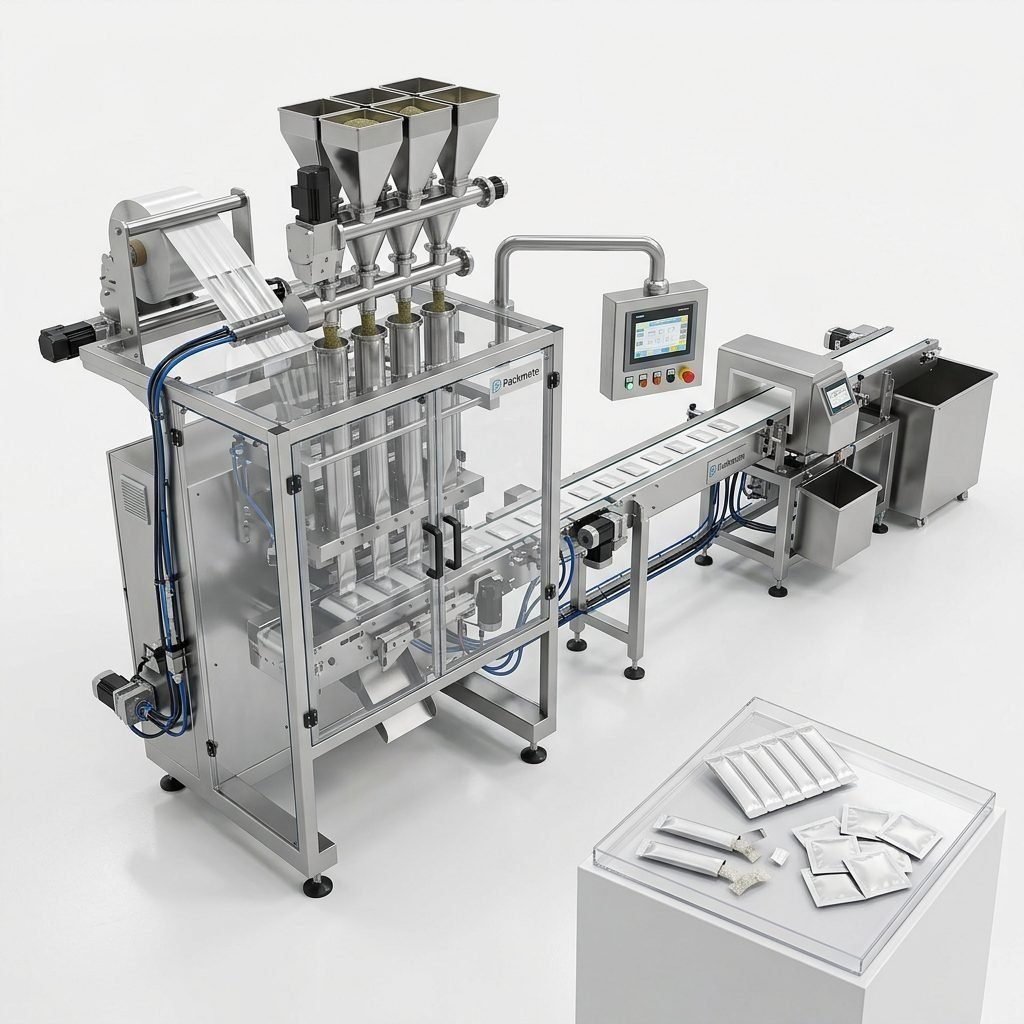
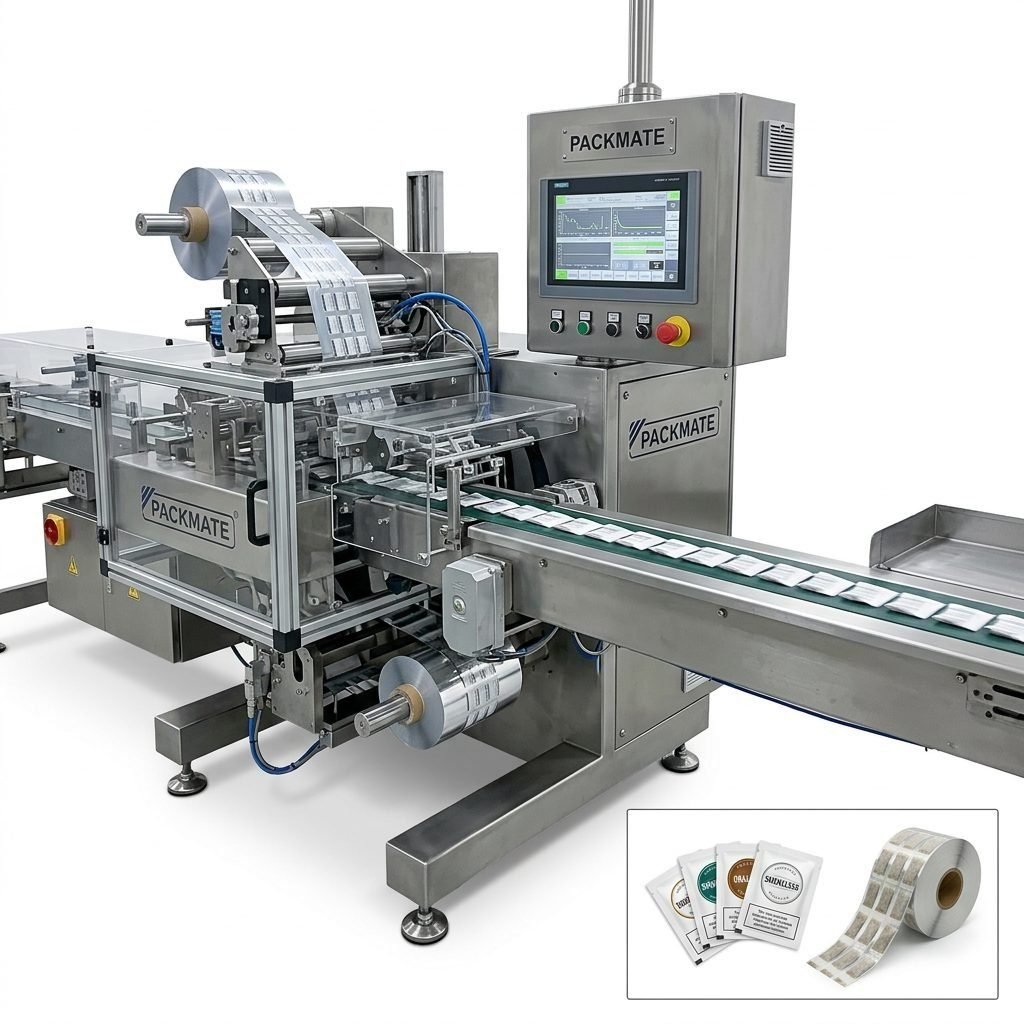
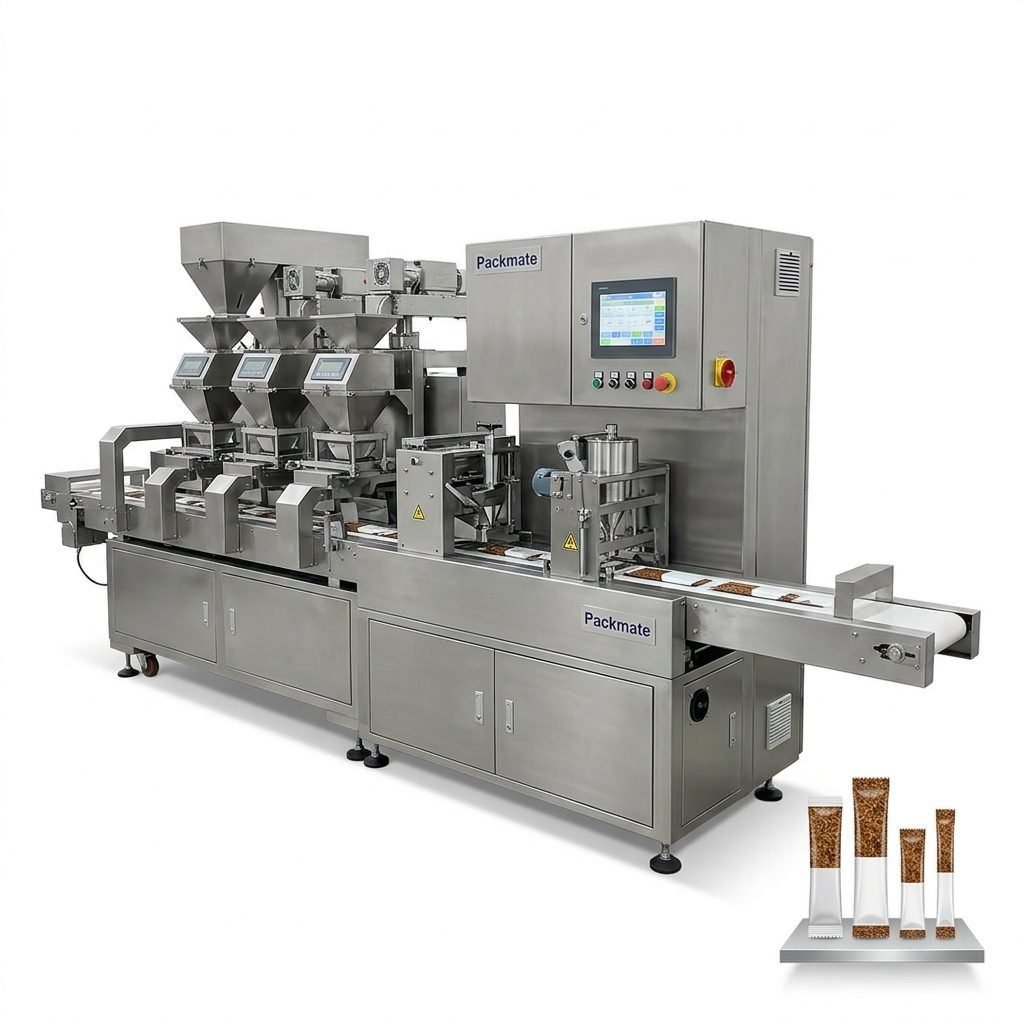
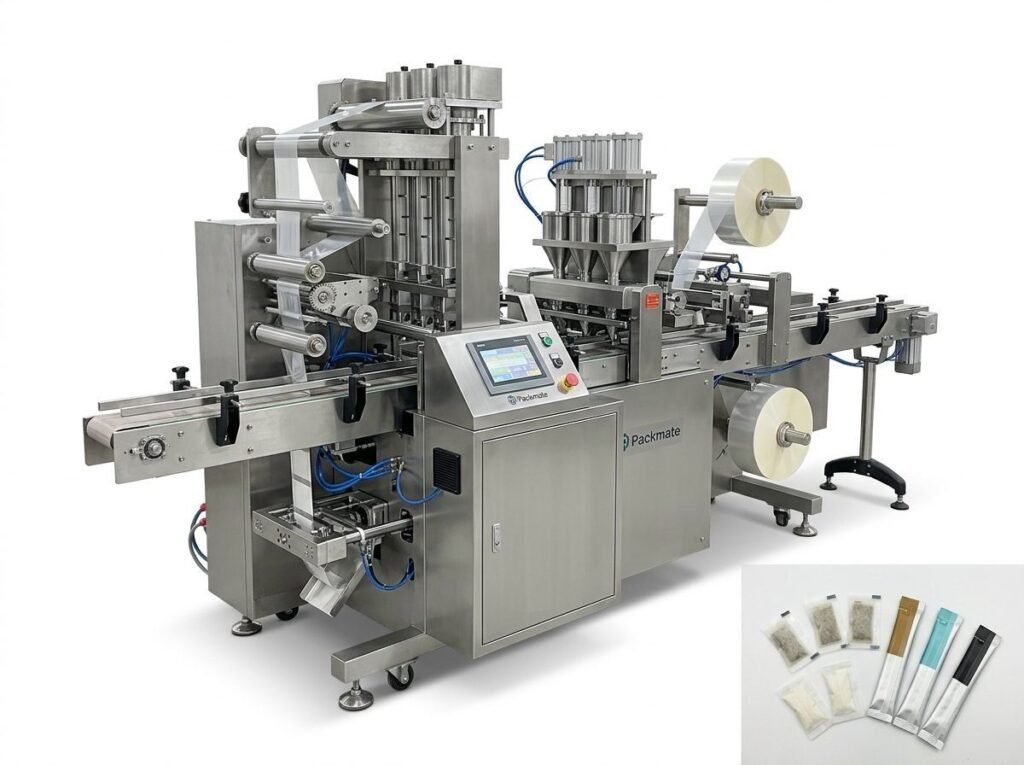
Commissioning a new snus production line is a critical step that transforms a set of high-precision machines into a reliable, high-yield manufacturing system. A well-executed commissioning service not only ensures the mechanical and electrical systems are installed and calibrated correctly, but also optimizes the line for repeatable product quality, production efficiency, regulatory compliance, and long-term maintainability. Whether you are installing a single-lane nicotine pouch filler or a fully automated multi-lane snus packing line, professional commissioning accelerates time-to-market and reduces startup risks.
Why Professional Commissioning Matters
Machine handover is more than running belts and turning on power. Professional commissioning covers mechanical alignment, PLC and HMI configuration, sensor tuning, pneumatic and hydraulic checks, electrical safety verification, and process validation. For snus and nicotine pouch lines, the accuracy of dosing, sealing integrity, and correct pouch formation are essential to meet both consumer expectations and regulatory standards. A certified commissioning team brings field-tested procedures, reference recipes, and troubleshooting protocols that save weeks of trial-and-error.
Business Impact: Faster Ramp-Up and Lower Risk
✓ Reduced downtime — Proper commissioning helps avoid early-life failures.
✓ Consistent yield — Process parameters are set for minimal waste.
✓ Regulatory readiness — Traceability and documentation for audits.
Typical Commissioning Workflow for Snus Lines
The commissioning workflow is a structured sequence of checks and optimizations. A proven workflow shortens validation time and ensures every subsystem functions harmoniously.
Stage 1 — Pre-Commissioning Preparation
Before technicians arrive, confirm the installation site has proper power, compressed air, and environmental controls. Provide machine documentation, electrical schematics, and layout drawings. Pre-configuration of PLC programs and basic HMI screens can save time on-site.
Stage 2 — Mechanical & Electrical Installation
Align conveyors and product guides, anchor frames to floor if required, route cables and pneumatic lines, and perform insulation and grounding checks. Verify that all safety interlocks and guards are installed and operate correctly.
Stage 3 — Functional Tests & PID Tuning
Run functional tests for each module: feeding, metering, dosing, pouch forming, sealing, and end-of-line handling. For dosing systems (powder or granule feeders), tune closed-loop controls and perform repeatability tests. Adjust vacuum, suction, and conveyor speeds to match product characteristics.
Stage 4 — Process Validation & Product Trials
Conduct production equivalency tests using actual product and packaging materials. Document yield, cycle times, defect types, and reject rates. Optimize packer temperatures, cut-and-seal timing and pouch tensioning to ensure durable seals and consistent weight. This stage validates that the line meets contractual throughput and quality targets.
Key Technical Considerations for Snus & Nicotine Pouch Lines
Snus lines present unique requirements: small pouch sizes, precise micro-dosing, hygiene considerations, and sometimes moisture-sensitive products. Commissioning must account for these specialties.
● Dosing accuracy: Validate across full speed range and re-calibrate feeders for different bulk densities.
● Sealing profile: Thermal profiling ensures seals are robust without burning the pouch film.
● Multi-lane synchronization: Balance lane speeds and pick-and-place timing to prevent lane drift and product collisions.
Case Study Reference
Our turnkey customers frequently choose integrated multi-lane solutions to maximize throughput. Learn how successful installations are executed in our project showcase: Case.
Customization and Integration: Match the Line to Your Product
Not all snus products are the same. Commissioning teams customize feeders, nozzles, and pouch tooling to suit product density, moisture, and desired pouch format. Integration with upstream mixers and downstream cartoners or overwrappers requires careful control logic mapping and conveyor timing adjustments.
Why choose a specialized snus machine manufacturer?
Companies experienced with snus and nicotine pouch lines have prebuilt recipes and design considerations learned from thousands of hours of operation. Packmate Snus Machine brings over 30 years of engineering knowledge and more than 50 machine models that can be configured to your needs. See our product portfolio: Snus & Nicotine Packaging Machines.
Training, Documentation, and Knowledge Transfer
A complete commissioning package includes operator and maintenance training, digital documentation, spare-parts lists, and troubleshooting guides. Effective knowledge transfer ensures your team can operate the line safely and independently after the handover. Our commissioning teams typically provide on-site training plus remote support for continuous improvement.
Support & Spare Parts Strategy
Determine critical spares during commissioning to avoid long downtimes. Belts, sensors, sealing jaws, and dosing parts are common spares. Establish a priority parts list and lead times as part of the service agreement. For official support channels and service options, review our service offerings: Service and Contact Us.
Compliance, Safety and Certification
Commissioning validates that the line complies with electrical and machine safety standards (CE, ISO) as well as local regulatory requirements for nicotine product packaging. Safety interlocks, E-stops, and guarding must be tested rigorously. We provide documentation of conformity and test reports to ease your regulatory audits.
Exhibition and Industry Feedback
Observing machines in live demonstrations at trade shows can inform commissioning strategies. Discover live demos and exhibitions where you can evaluate machine behavior under realistic conditions: Our Exhibition.
Common Issues During Startup and How Commissioning Solves Them
Even well-built machines can encounter startup challenges. A structured commissioning approach anticipates common issues and includes pre-emptive corrective actions.
⚠️ Material variability: Adjust feeder parameters and verify batch-to-batch behavior.
⚠️ Seal failures: Implement thermal profiling and pressure adjustments.
⚠️ Lane synchronization drift: Fine-tune encoder settings and confirm mechanical indexing.
Optimizing Throughput Without Sacrificing Quality
Throughput optimization is a balance between speed and stability. Commissioning should map out a validated speed profile that includes incremental speed increases, quality checkpoints, and acceptable defect thresholds. Many customers expand capacity by adding lanes or upgrading auxiliary equipment — decisions best informed by data gathered during commissioning.
Scale-Up Considerations
Plan for modular expansion. Commission core modules with spare integration points for additional lanes or automatic palletizers. System architecture that uses modular I/O and standardized HMI pages simplifies later upgrades and reduces commissioning time for expansions.
Why Packmate Snus Machine Is a Strong Partner
With 30+ years of experience and a 20,000㎡ factory, Packmate provides high-performance snus pouch packaging systems and complete production lines. Our expertise in multi-lane systems, combined with on-site commissioning and global support, ensures your investment performs reliably. Learn more about our company background and capabilities: About Packmate.
For detailed machine options including stick pack, sachet, and multi-lane systems, explore our machine catalogs and product pages to determine the right configuration for your requirements: Sachet & Stick Pack Machines and Weighing & Packaging Systems.
Final Thoughts
Investing in a professional commissioning service for your snus production line is an investment in predictability and operational excellence. A systematic approach reduces startup risk, accelerates production ramp-up, and provides a foundation for continuous process improvement. Work with an experienced partner that offers turnkey solutions, comprehensive documentation, and long-term technical support to ensure your snus line delivers consistent quality and throughput.
Frequently Asked Questions
Q1: How long does commissioning typically take for a multi-lane snus line?
A1: Commissioning time varies with complexity. A standard multi-lane line usually requires several days for mechanical and electrical checks, followed by 3–7 days of process validation and operator training.
Q2: Do you provide operator training as part of the commissioning package?
A2: Yes. Comprehensive training for operators and maintenance staff is included, covering HMI operation, routine maintenance, safety checks, and troubleshooting.
Q3: What spare parts should I stock after commissioning?
A3: Critical spares often include belts, sensors, sealing jaws, nozzles, and wear items for dosing systems. Commissioning helps identify a prioritized spare parts list tailored to your line.
Q4: Can commissioning be performed remotely?
A4: Remote commissioning and support are available for software configuration, PLC debugging, and parameter tuning. On-site presence is recommended for mechanical adjustments and initial product trials.
Q5: How do I request a commissioning service or get a quote?
A5: Contact our service team directly to discuss your line configuration, project timeline, and service scope: Contact Us.