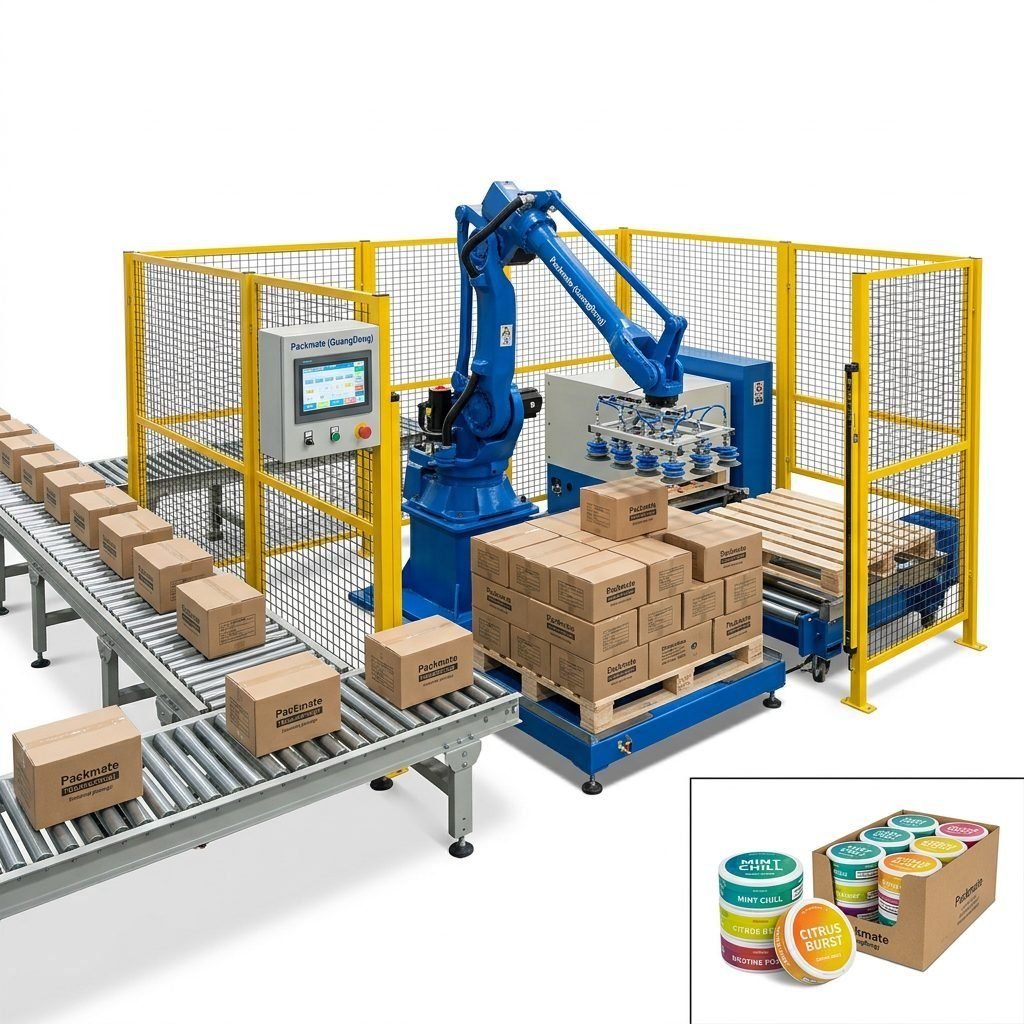
Choosing the right nicotine packaging machinery supplier in Antigua and Barbuda is a strategic decision that affects product quality, regulatory compliance, and your long-term production costs. This guide walks you through practical steps and local considerations — from machine types to after-sales support — so you can select a partner that fits the specific needs of the Antiguan market and your business growth plans.
Understand the Antigua and Barbuda Market & Local Considerations
Antigua and Barbuda is a small, tourism-driven market where import regulations, seasonal demand, and local consumer habits shape packaging needs. Because English is the official language and business culture leans toward personal relationships and trust, selecting a supplier that communicates clearly and offers dependable timelines is crucial. Note that local electricity is 230-240V at 50Hz — confirm machine compatibility or transformer requirements. Also consider humidity and heat: coastal storage conditions demand corrosion-resistant components and good sealing to maintain nicotine pouch quality.
Why supplier choice matters in Antigua & Barbuda
Small population and tourism cycles mean production runs can be irregular and inventory flexibility is essential. A reliable supplier can provide modular machines, quick spare parts delivery, and remote support to reduce downtime. Look for a partner experienced with nicotine pouch lines and multi-lane systems that can scale with seasonal demand.
Key Criteria for Choosing a Nicotine Packaging Machinery Supplier
When evaluating suppliers, focus on these core areas: technical capability, proven experience with nicotine/snus packaging, certifications, after-sales service, spare parts supply, and references. Below are detailed considerations to guide your selection.
Important: Choose a supplier that demonstrates clear experience with nicotine pouch/snustype lines and can show factory tests, client cases and machine performance data under similar environmental conditions.
1. Proven Product Range and Technical Match
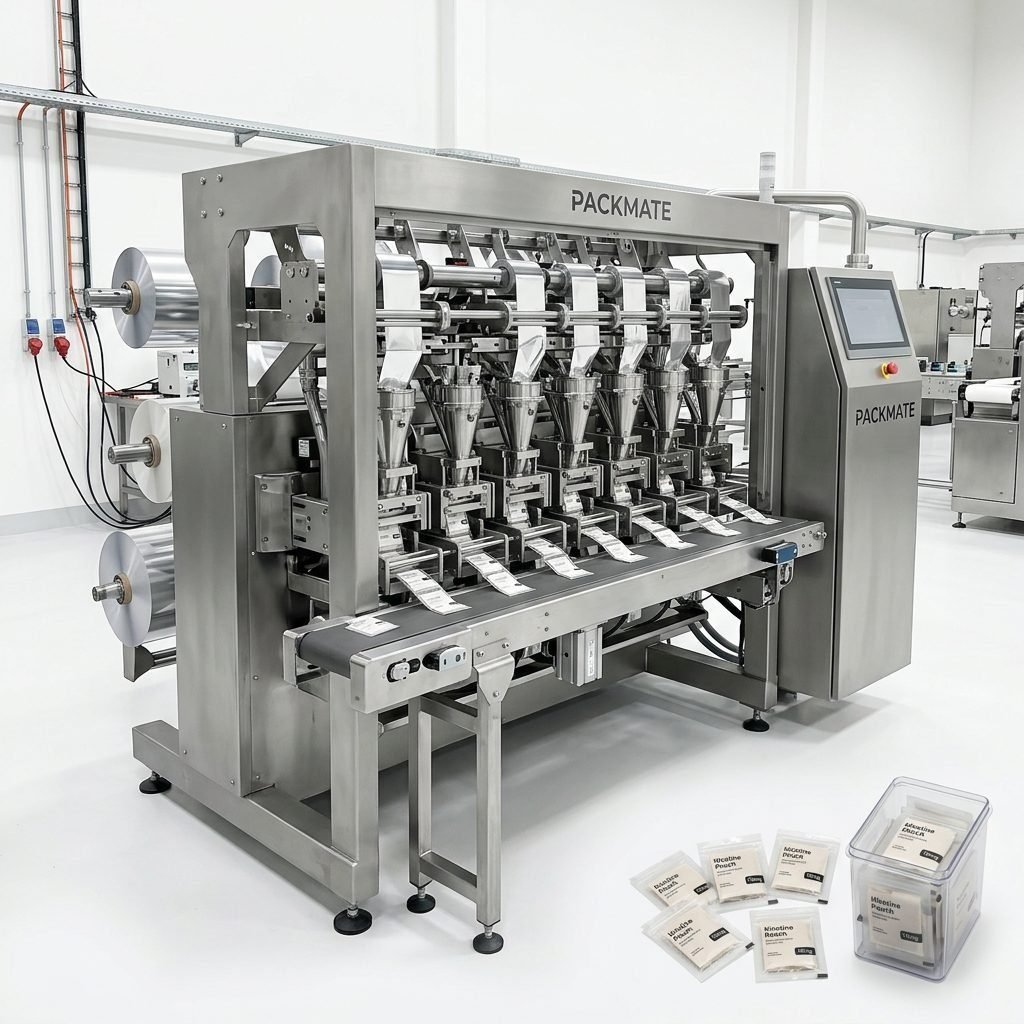
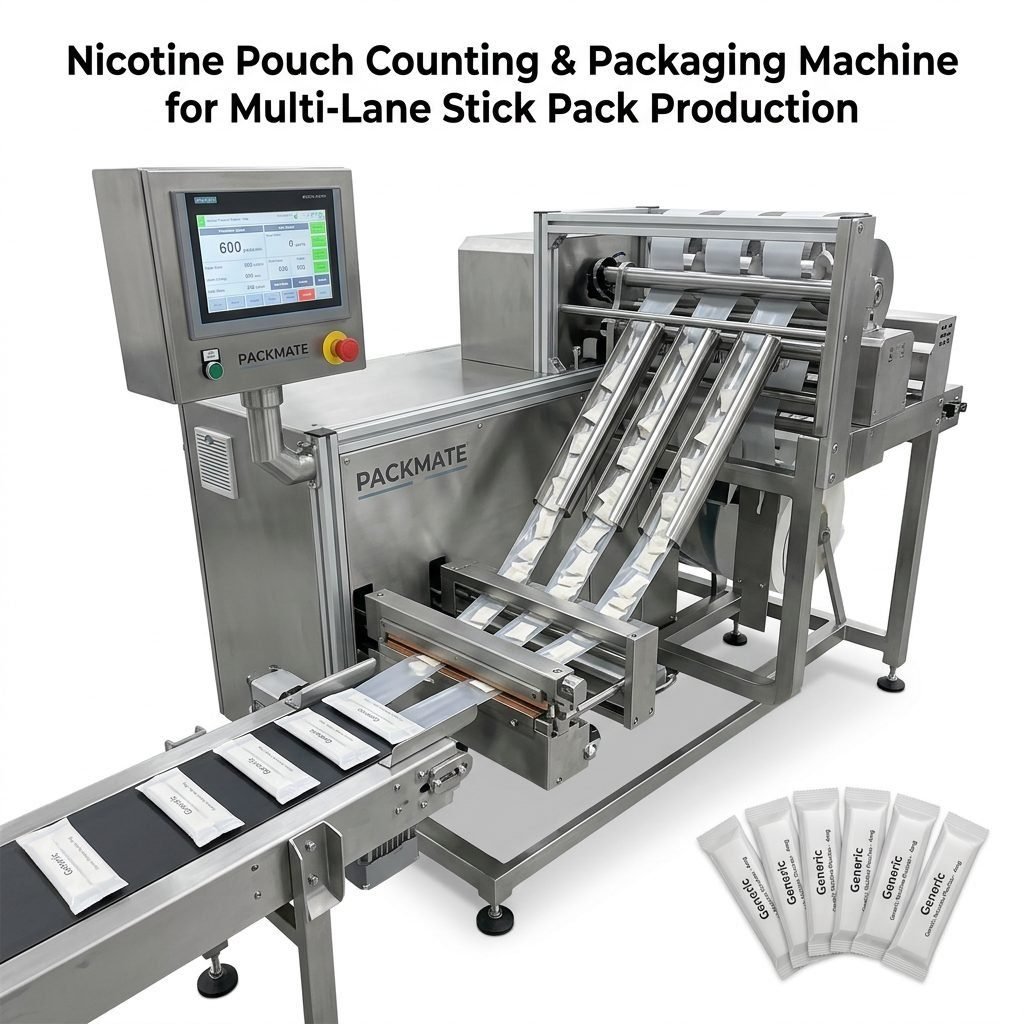
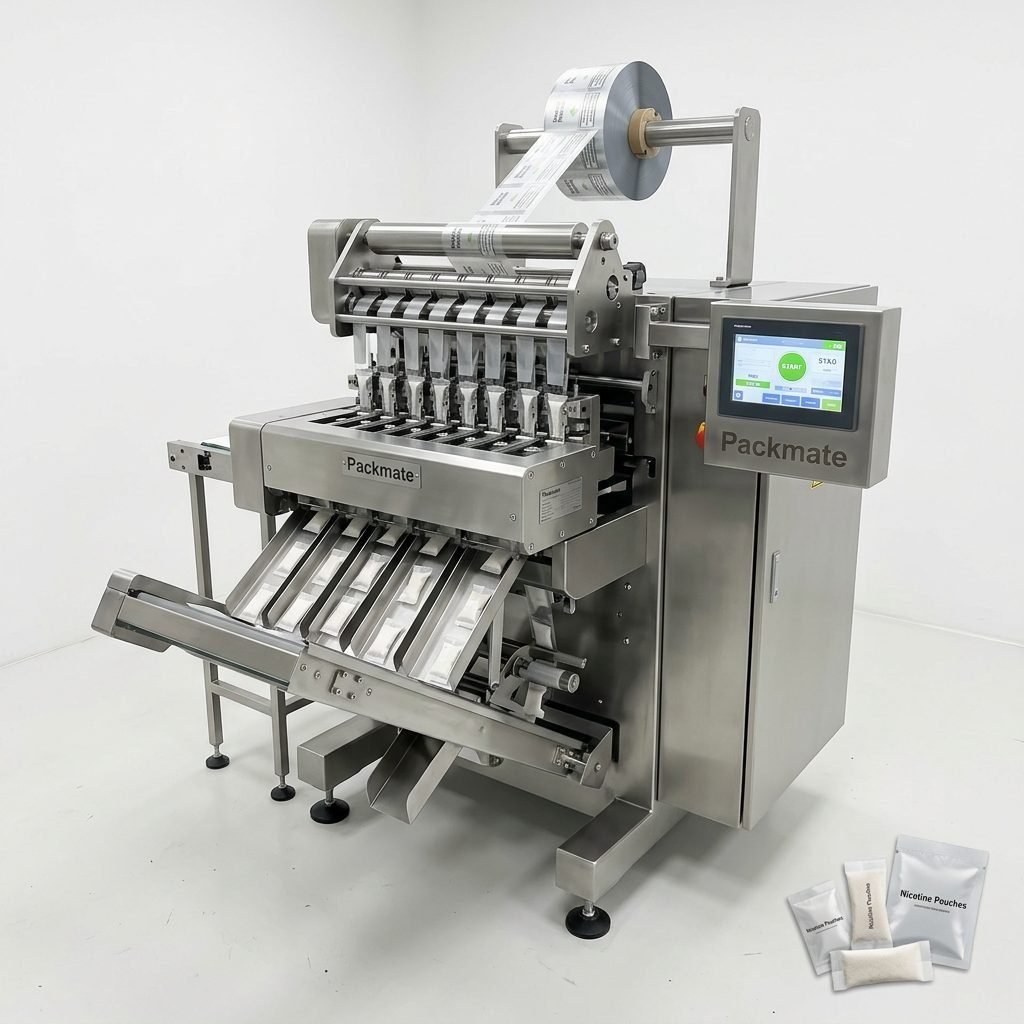
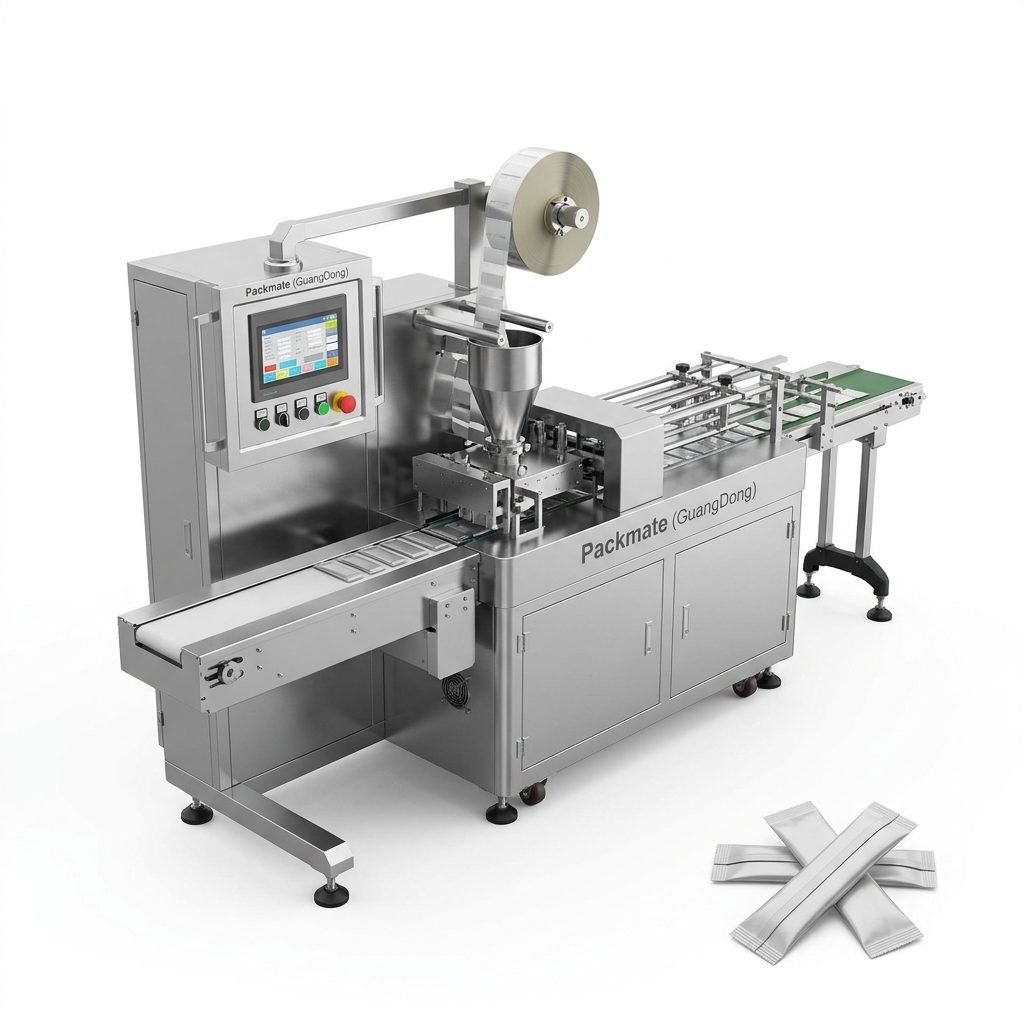
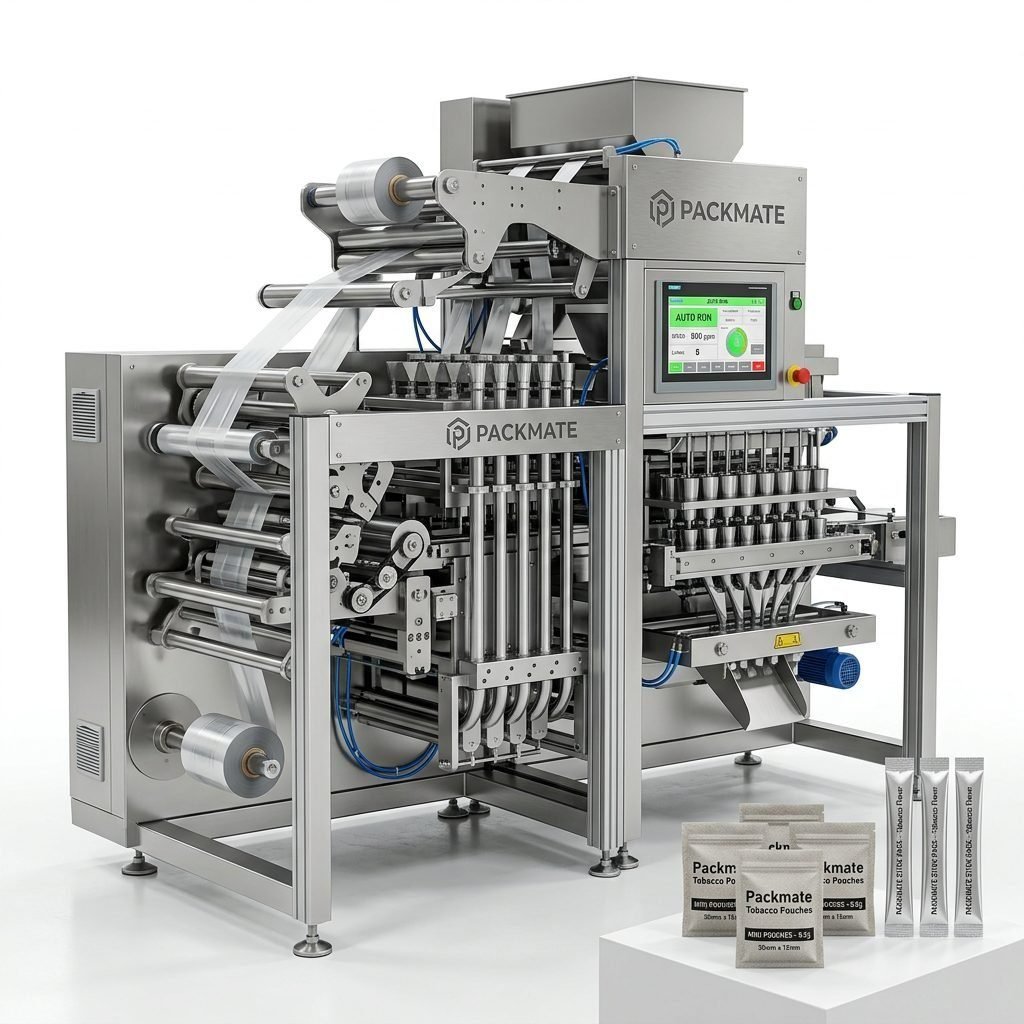
For nicotine pouch operations you will typically need specialized equipment such as snus/nicotine pouch packing machines, stick pack systems or sachet machines and multi-lane fillers. Suppliers that offer a broad product line — from Snus & Nicotine Packaging Machines to auxiliary equipment — are preferable because they can supply integrated lines and tailored solutions.
Checklist for technical fit:
• Production capacity and speed per lane
• Multi-lane synchronization for small-dose pouches
• Compatibility with pouch materials and barrier films
• Modular layout for seasonal scale-up or line changes
2. Certifications & Regulatory Compliance
Verify international certifications such as CE and ISO. Machines that meet recognized standards simplify customs clearance and provide confidence in safety and manufacturing quality. Ask for test reports and certificates during vendor evaluation.
3. Factory Strength, Experience & Case Studies
Evaluate the manufacturer’s production scale, machining capabilities, and experience. Suppliers with advanced CNC centers, dedicated assembly lines and decades of experience are better positioned to deliver durable machines. Review real project cases — suppliers often provide references and documented case studies to validate performance. For example, Packmate shares global case references you can review to understand line performance and deployed solutions (Case).
Tip: Request photos and videos of the factory floor, assembly process and finished lines. Confirm the supplier can build machines suitable for humid, tropical climates (anti-corrosion finishes, sealed drives).
4. After-sales Support, Spare Parts & Training
In Antigua and Barbuda, fast access to spare parts and remote troubleshooting is essential. Ask about spare parts kits, average lead time for replacement parts, local partners or distributors, and remote service protocols. Training for your operators and engineers should be included or available on-site. Reliable suppliers provide installation supervision, SAT (Site Acceptance Testing) and operator training until independent operation is achieved.
5. Turnkey Solutions & Integration
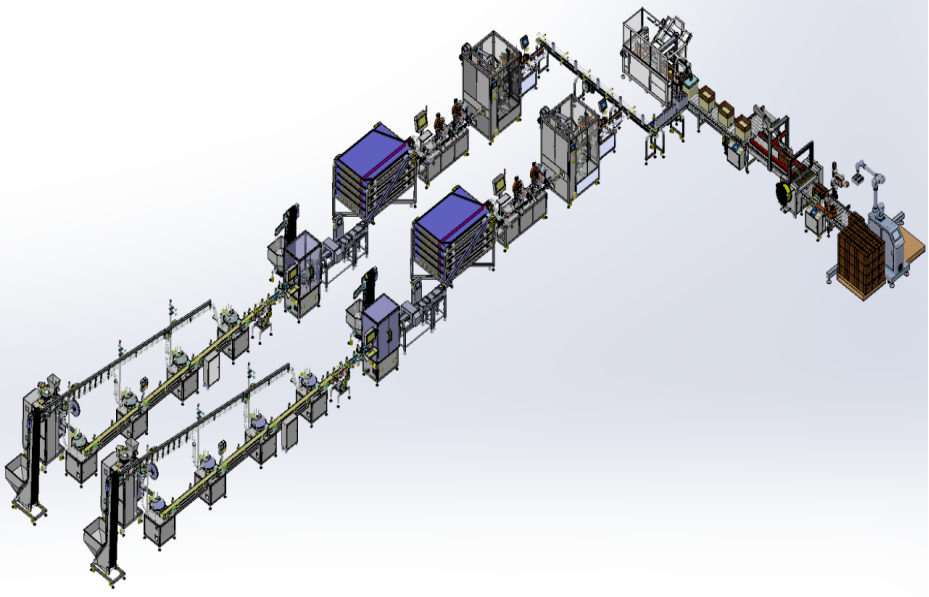
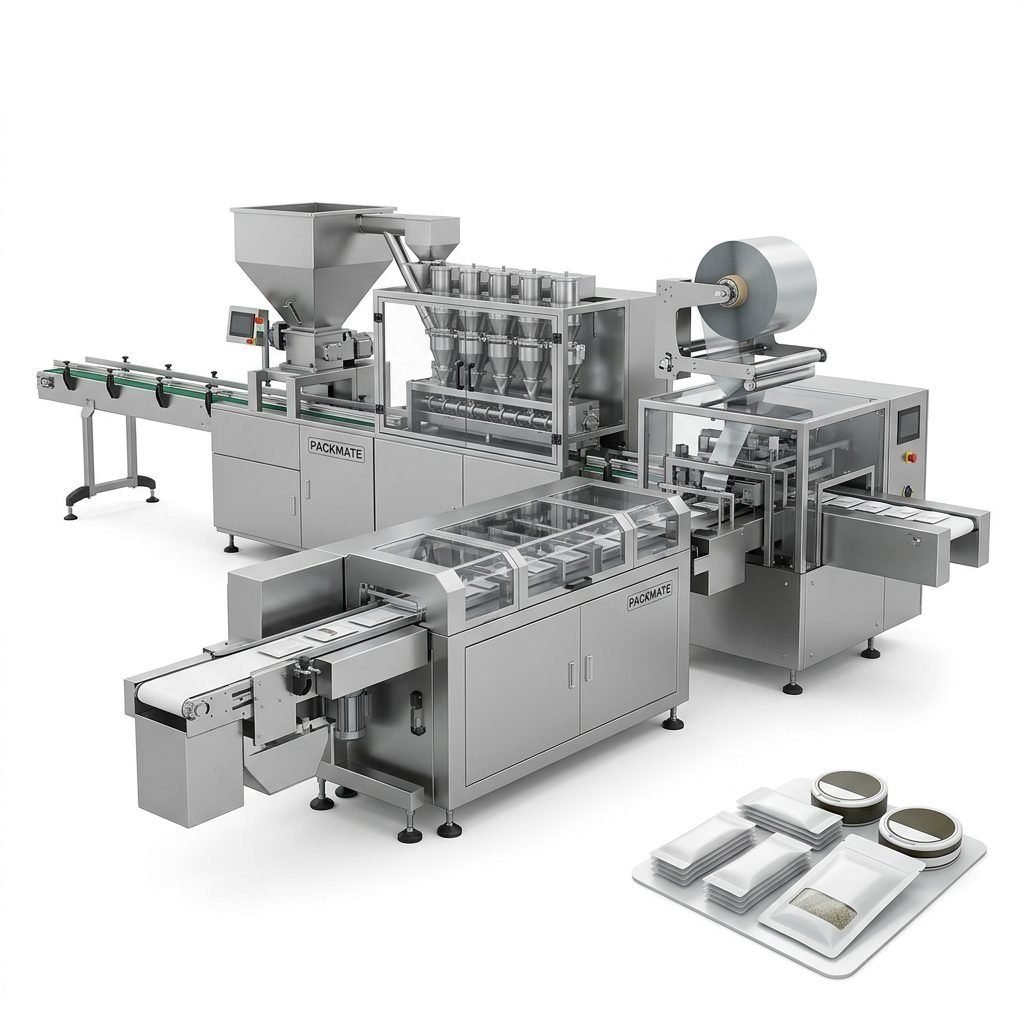
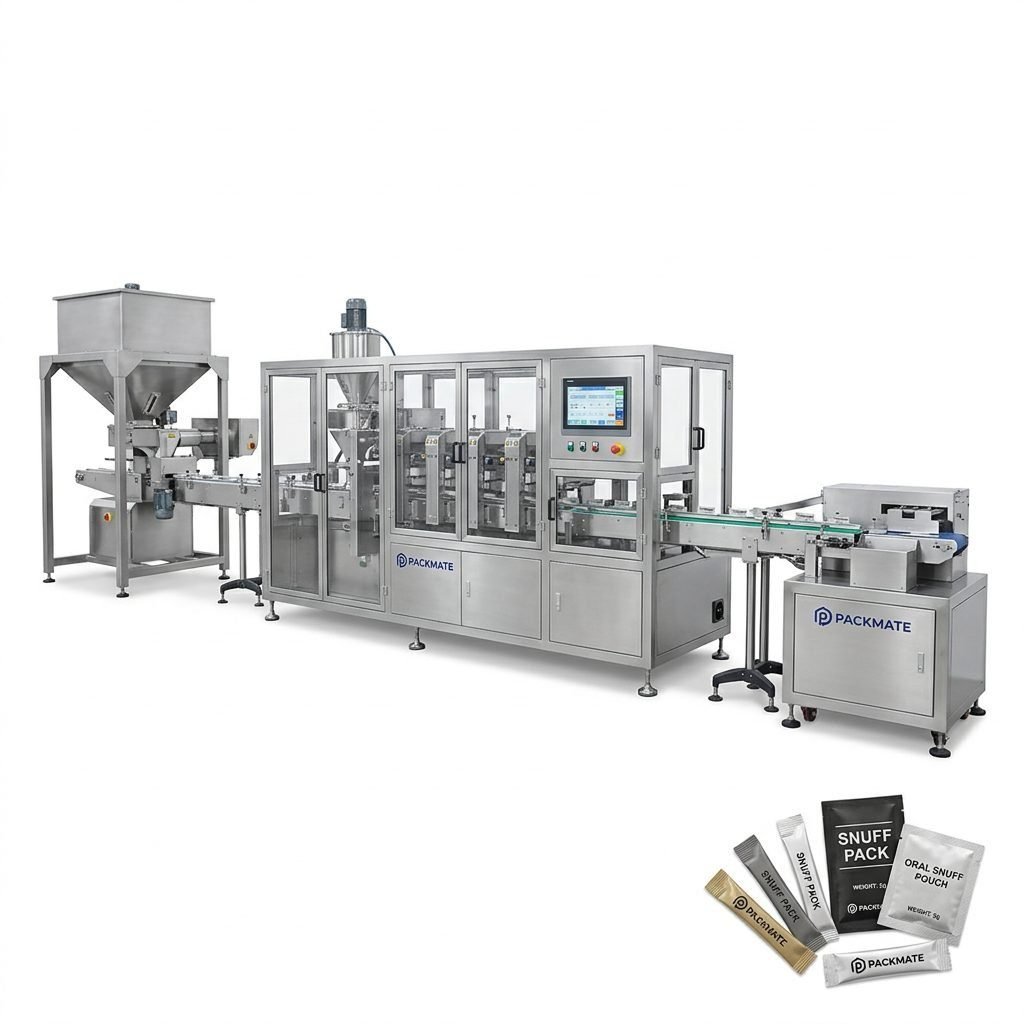
Many businesses in small markets prefer turnkey lines that include weighing, filling, sealing, labeling and packaging. Integrated solutions reduce integration risk and shorten commissioning time. Check for experience in complete production lines including weighing & packaging systems and auxiliary equipment — for instance, explore their offerings on Weighing & Packaging Systems and Auxiliary Packaging Equipment.
Practical Steps to Vet and Select a Supplier
Follow a structured evaluation: RFI/RFQ, factory visit or virtual tour, FAT (Factory Acceptance Test), contract terms and shipping logistics. Below are detailed actions to take during each stage.
Request for Information & Quotation (RFI/RFQ)
Provide your expected capacity, product specs (pouch size, material, dosing weight), preferred line layout and available utilities. Ask for detailed BOM, electrical specs, CE/ISO certificates and lead time. Ensure the quote differentiates between standard features and paid options so you can compare accurately.
Factory Visit or Virtual Audit
If travel is feasible, visiting the supplier’s factory is ideal. If not, request a live virtual tour showing manufacturing capability, machining centers, assembly lines and testing. Focus on machine tolerances, component suppliers (motors, PLCs, drives), and quality control processes. Suppliers like Packmate document manufacturing strength and history; review their profile and certifications (About Packmate, Certificate).
Factory Acceptance Test (FAT)
FAT validates machine performance before shipment. Insist on witnessed testing with your product or a similar material, full documentation, and video records. Confirm acceptance criteria: speed, yield, sealing quality, and changeover times.
Note: A detailed FAT reduces disputes and provides baseline data for on-site commissioning in Antigua and Barbuda.
Logistics, Installation & Local Regulations
Shipping heavy packaging lines to Antigua often involves consolidated sea freight and customs clearance. Confirm Incoterms, port handling, customs documentation, and whether the supplier will provide installation supervision. Consider local import duties and nicotine-related regulations: work with customs brokers experienced in handling tobacco-related equipment and ensure documentation clearly states machine use to avoid delays.
Installation & On-site Commissioning
Plan for pre-shipment packing lists, lifting points, and on-site utilities. Confirm the supplier supplies installation drawings and the technical team for commissioning. Ensure thorough operator training and performance verification at your premises.
Commercial Terms, Warranties & Service Agreements
Clarify warranty scope, response times, spare parts pricing and service packages. Negotiate spare parts kits and recommended inventory levels. Consider a service contract for preventive maintenance and remote diagnostics to minimize downtime.
Financing & Payment Terms
Discuss staggered payments linked to milestones (design approval, FAT, shipment). Some manufacturers can assist with leasing or financing partners that make high-performance lines more accessible.
Technical Highlights to Request from Suppliers
Ask for details on machine control systems (PLC brand, HMI language options), servo drives, accuracy of dosing systems, changeover time, maintenance access, and hygienic design. For nicotine pouches, sealing reliability and heat control are critical to ensure pouch integrity and shelf life.
Sustainability & Consumables
Assess film usage and waste management. Suppliers offering lower material waste and compatibility with recyclable or reduced-film solutions can reduce long-term costs and environmental impact.
Quick Comparison Tip: Compare total cost of ownership (TCO) — initial price, spare parts, energy consumption, maintenance and expected service life — rather than only the upfront cost.
Why Packmate Could Be a Good Fit for Antigua & Barbuda
Packmate Snus Machine brings decades of engineering experience and a broad product line that includes snus/nicotine packaging machines, stickpack and sachet systems, weighing and filling lines and auxiliary equipment. Their factory capabilities, certifications, and global case references make them a supplier to consider when you need proven multi-lane solutions and turnkey production lines.
Before committing, review their project portfolio and request specific references with similar environmental and market conditions. You can find more about their product offerings and services on their site, including detailed product categories and support options (Bag & Pouch Packaging Machines, Contact Us).
Final Selection Checklist (Quick Reference)
• Confirm machine compatibility with your pouch format and local utilities.
• Verify CE/ISO certificates and factory audit reports.
• Review FAT protocol and insist on witnessed testing.
• Confirm spare parts availability and service response times.
• Ensure clear installation, commissioning and training terms.
• Assess total cost of ownership and financing options.
• Validate delivery timeline and customs/shipping responsibilities.
Pro Tip: For Antigua’s market, prioritize suppliers who can ship spares quickly and provide reliable remote troubleshooting to minimize production losses during peak tourist seasons.
Closing Thoughts
Selecting the best nicotine packaging machinery supplier in Antigua and Barbuda requires technical diligence, attention to local logistics and regulations, and a focus on long-term support. Prioritize suppliers with demonstrated snus/nicotine experience, comprehensive documentation, robust after-sales service, and transparent commercial terms. With the right partner you can build a resilient line that adapts to seasonal demand and maintains product quality for your consumers.
Frequently Asked Questions
Q1: How long does it typically take to receive a custom nicotine packaging line in Antigua and Barbuda?
A1: Typical lead times range from 12 to 26 weeks depending on customization, FAT scheduling and shipping. Allow extra time for customs clearance and installation.
Q2: What certifications should I insist on for nicotine packaging machinery?
A2: Request CE and ISO certifications, plus documented compliance tests for electrical safety and machine hygiene. These simplify import and provide quality assurance.
Q3: How can I ensure quick spare parts supply in Antigua and Barbuda?
A3: Negotiate a spare parts kit at purchase, maintain recommended inventory, and choose a supplier that offers express shipping options or local distribution partners.
Q4: Is remote commissioning and training feasible for local teams?
A4: Yes — many manufacturers provide remote commissioning, video-guided installation, and virtual training. However, initial on-site supervision is highly recommended for complex integrations.
Q5: Where can I find proven nicotine packaging solutions and supplier references?
A5: Review supplier case studies and product lines online. For detailed product categories and case references, you may explore Packmate’s product pages and company profile, including examples of full packaging lines and turnkey solutions.