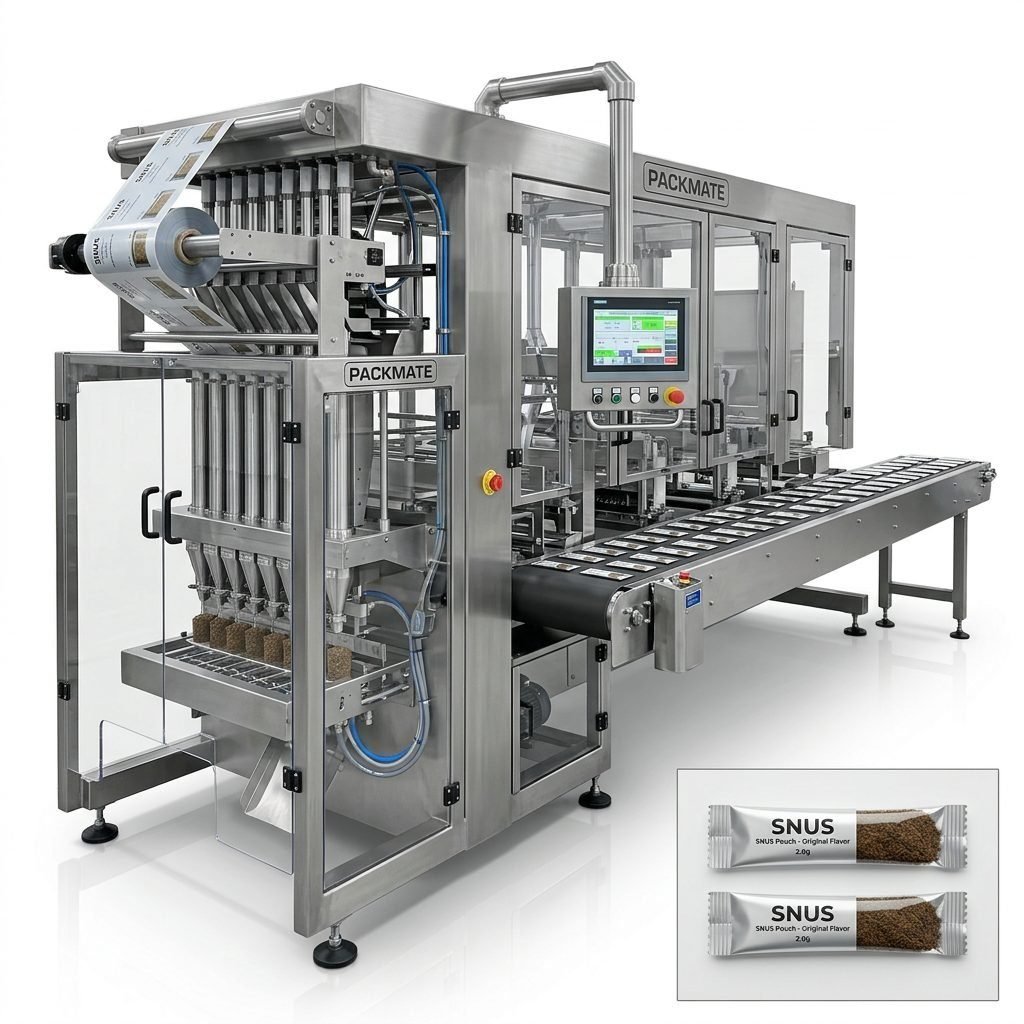
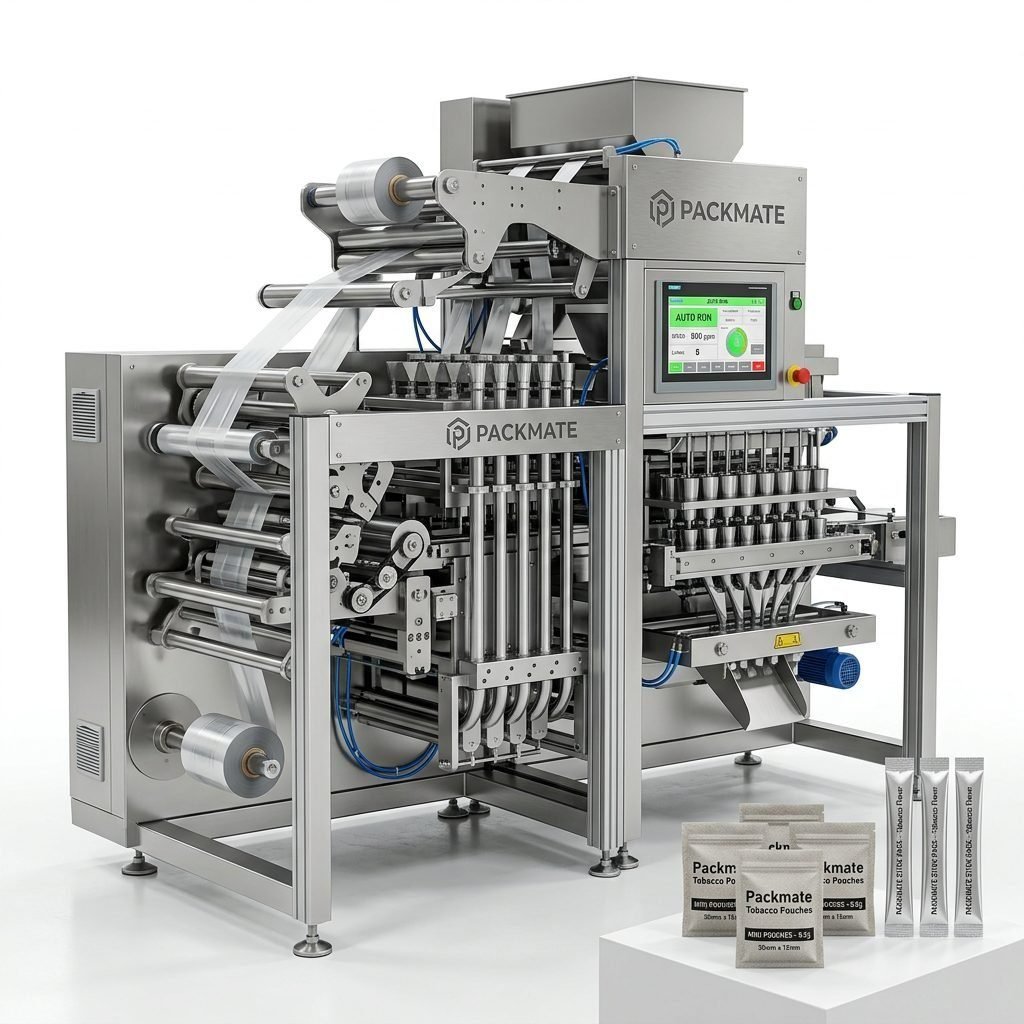
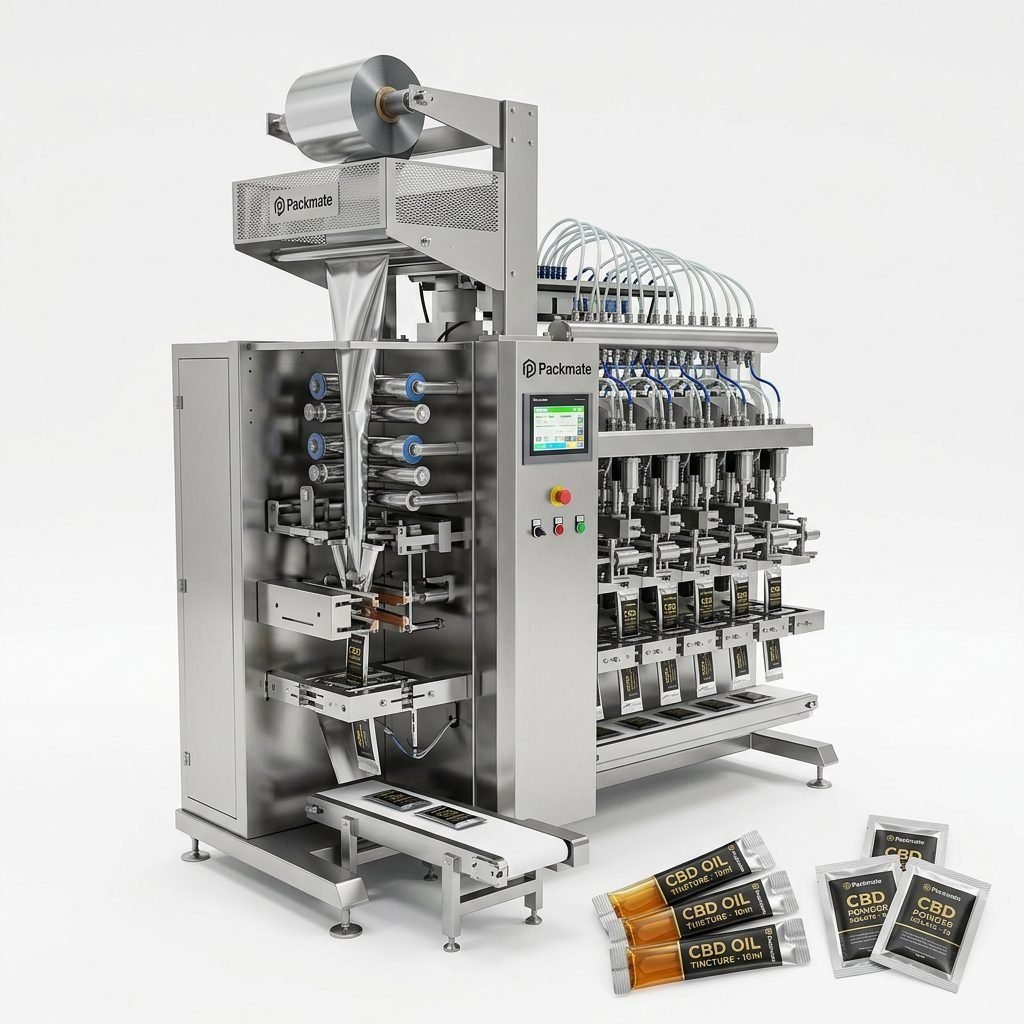
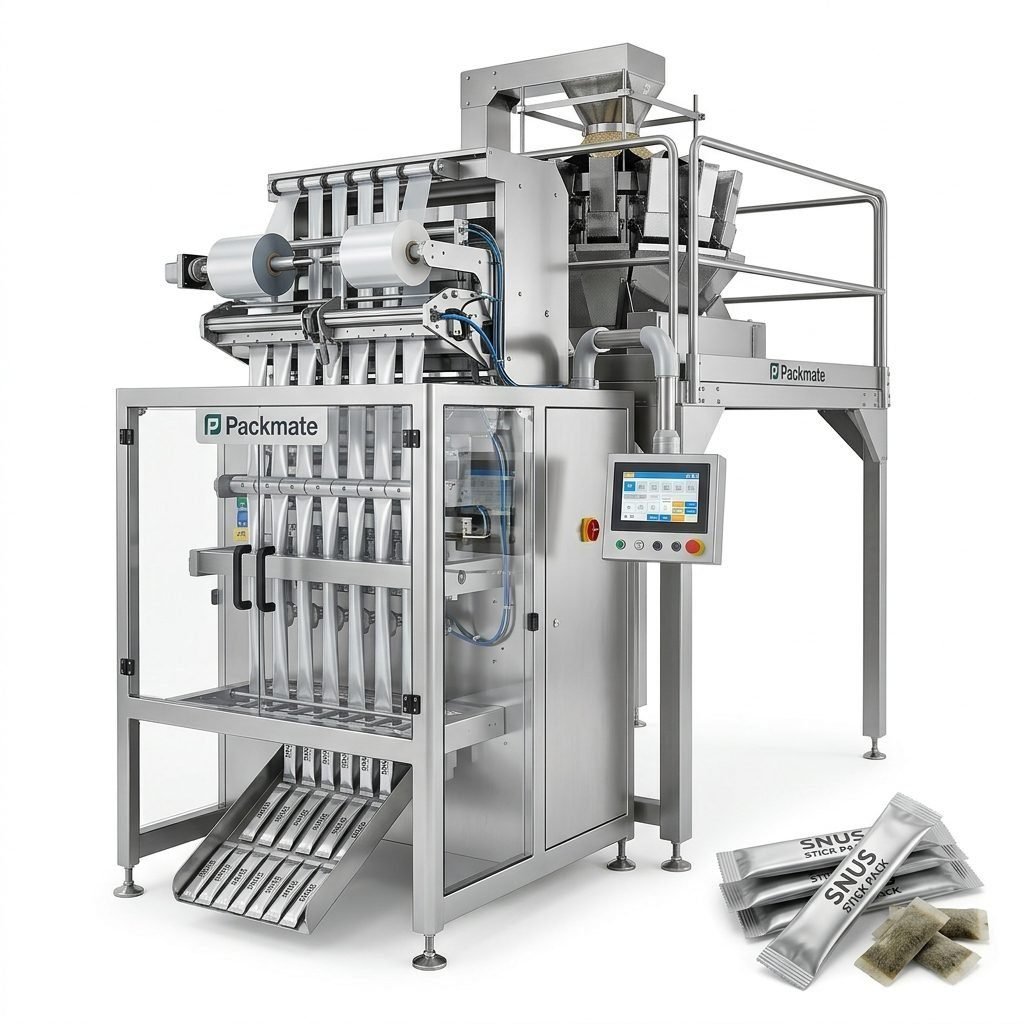
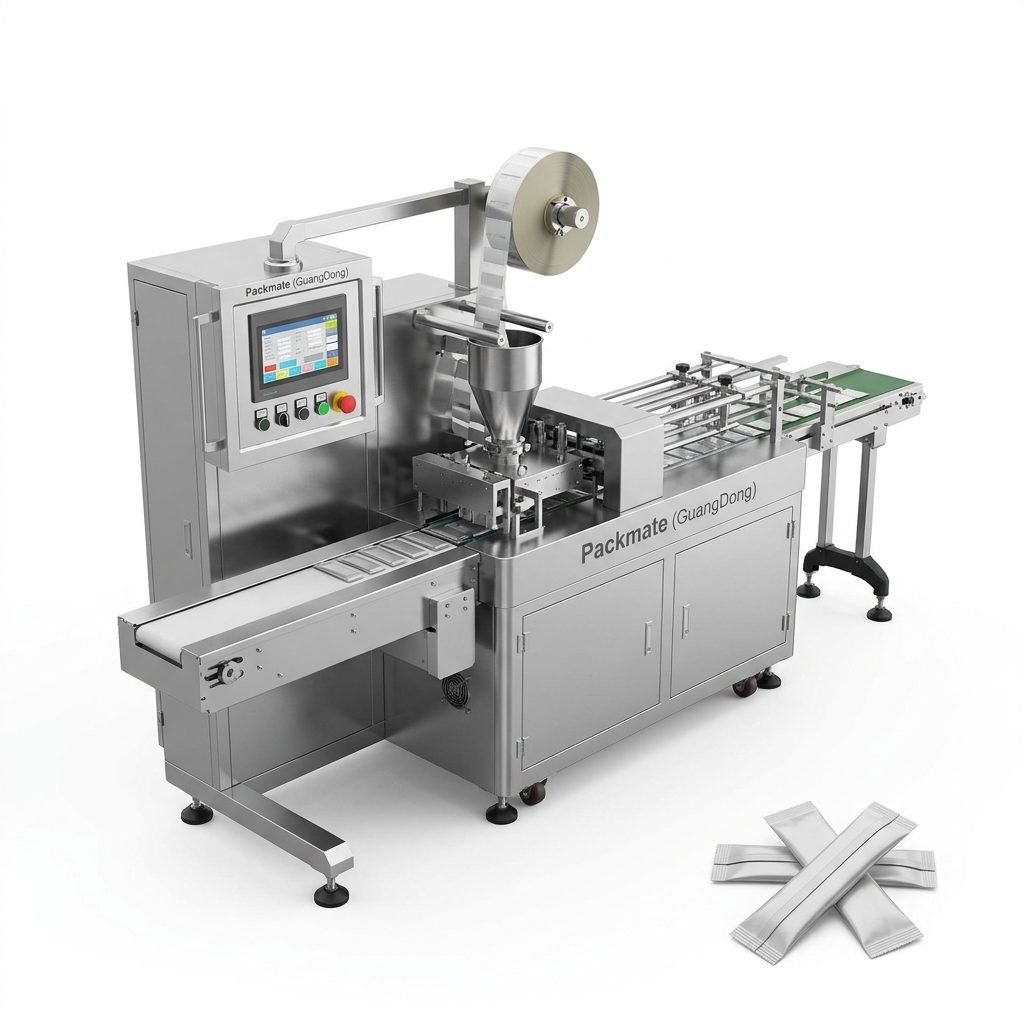
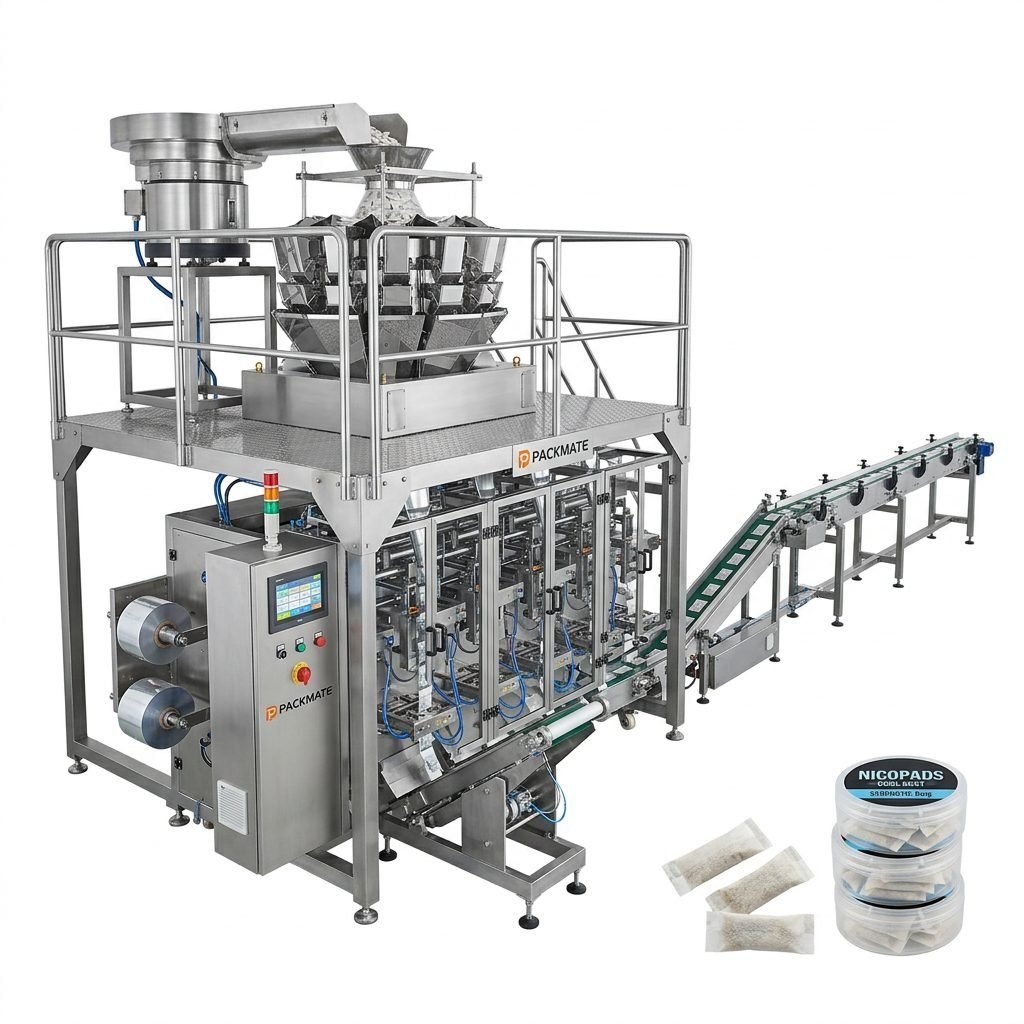
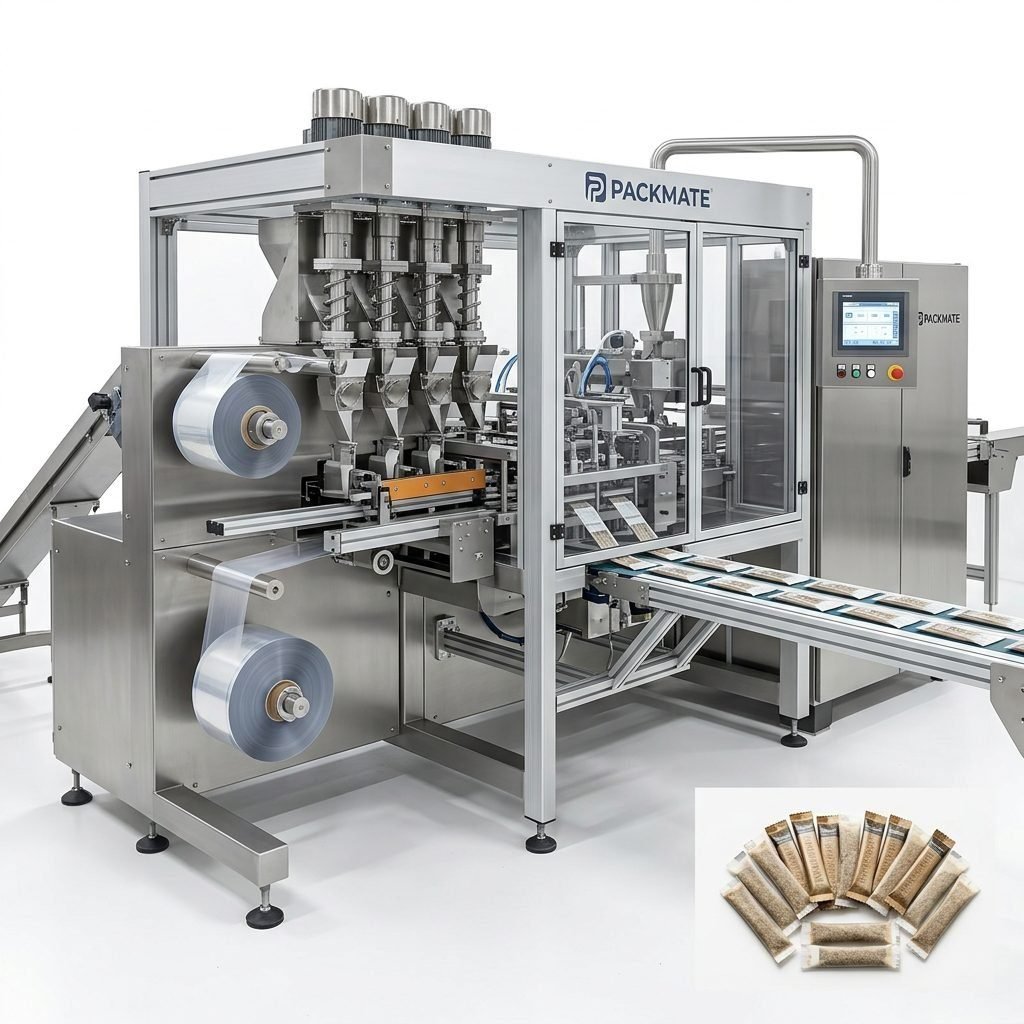
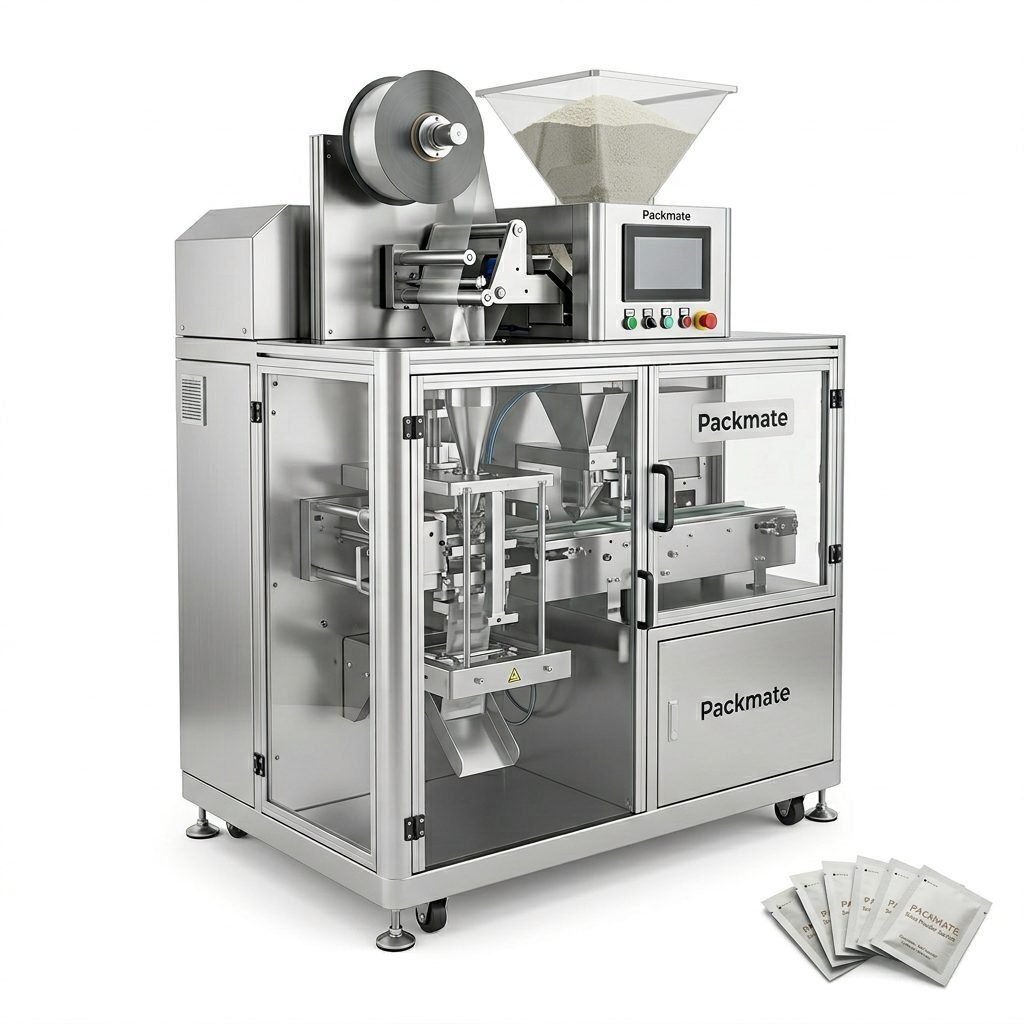
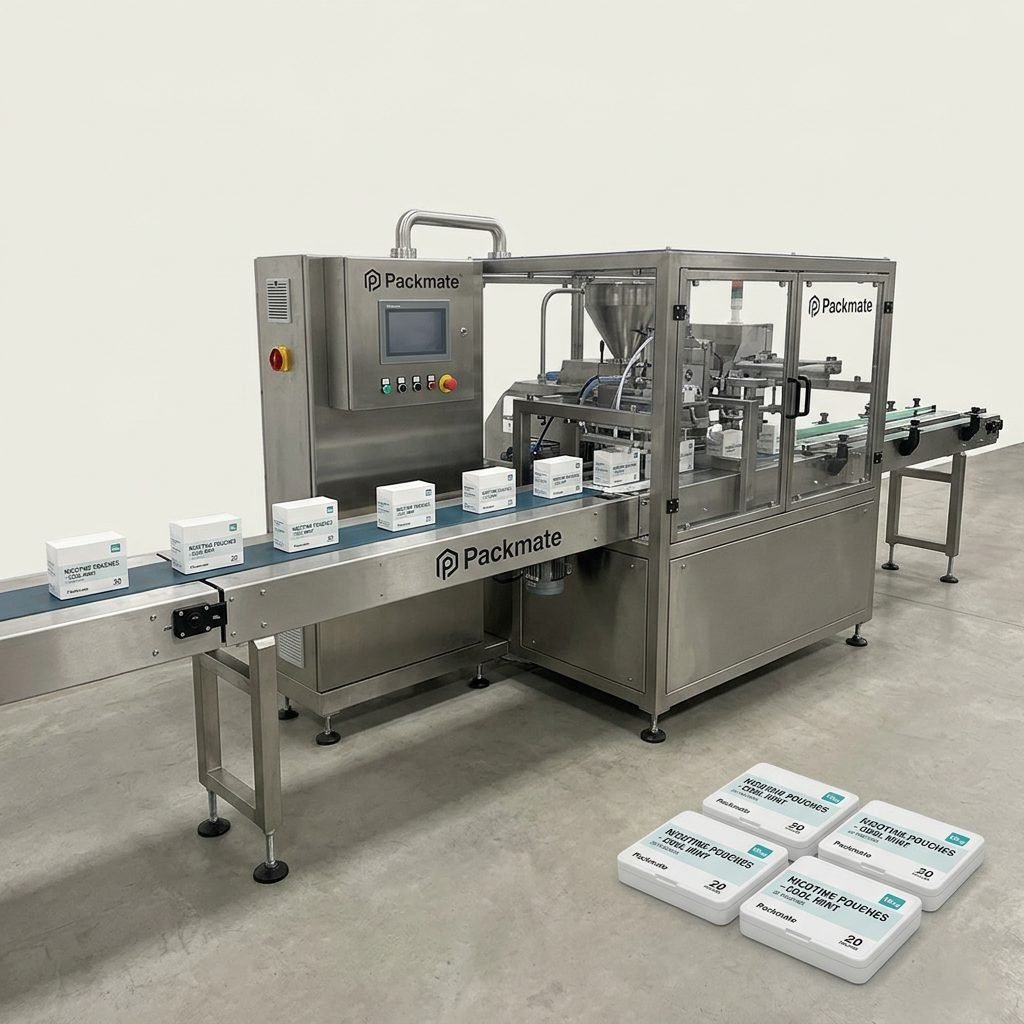
The packaging industry for snus and nicotine pouches is undergoing a rapid transformation driven by three converging forces: automation, precision engineering, and smart production systems. Manufacturers seeking to win in global markets must align their packaging lines with modern expectations for reliability, throughput, product consistency, and regulatory compliance. This article explores the key technology trends shaping snus packaging machines today, practical design choices for production lines, and how advanced suppliers deliver turnkey solutions for diverse markets.
Automation: From Single Machines to Integrated Production Cells
Automation in snus packaging has moved beyond standalone packers. Modern lines feature fully integrated cells that combine upstream dosing, multi-head weighing, pouch forming, sealing, inspection, and secondary packaging. These systems reduce manual intervention, minimize human error, and enable continuous operation at higher yields. Key automation trends include:
⚙️ Robot-assisted handling — Robotic pick-and-place units and collaborative robots are increasingly used to manage delicate pouches without damaging the product, improving accuracy when transferring packs into secondary packs or cartons.
🔗 Line integration and MES connectivity — Machines now talk to Manufacturing Execution Systems to track batches, synchronize speeds across stations, and enable real-time production reporting.
📈 Multi-lane high-speed solutions — To meet growing demand for small-dose nicotine pouches, multi-lane packers increase throughput while keeping footprint compact. Manufacturers like Packmate leverage multi-lane designs to scale production efficiently.
Precision: Accurate Dosing and Repeatable Quality
Precision is the backbone of consumer trust and regulatory compliance. In snus production, dosing accuracy affects nicotine content per pouch, which must meet declared values and legal thresholds. Advances in precision include:
🔍 High-resolution sensors and load cells — Modern weighing systems use multi-head weighers and in-line checks to ensure each pouch meets tight tolerances.
🛠 Precision mechanical design — CNC-machined components and precision guide systems reduce wear and positional drift, enabling long-term repeatability. Packmate’s 20,000㎡ facility and advanced CNC centers support these exacting tolerances.
✔️ In-line inspection and rejection — Vision systems check sealing integrity, fill levels, and label accuracy, automatically rejecting nonconforming units to preserve overall product quality.
Material Handling and Low-dose Challenges
Low-dose pouches magnify the impact of dosing variance. Specialized feeders, gentle conveying systems, and static mitigation techniques are critical. Suppliers often combine precision dosing modules with real-time feedback loops to auto-correct deviations during runs.
Smart Production: Data-driven Operation and Remote Support
The “smart factory” is no longer a future aspiration; it is a business necessity. Smart production transforms packaging machines into connected assets that provide actionable data for optimization, predictive maintenance, and faster troubleshooting.
📡 IIoT and cloud analytics — Sensors and edge controllers collect runtime metrics (OEE, downtime reasons, cycle times) and feed them to cloud platforms for trend analysis and continuous improvement.
🔧 Predictive maintenance — Vibration, temperature, and electrical signatures enable early detection of component wear, reducing unplanned stoppages and inventory costs for spare parts.
🌐 Remote commissioning and support — Global customers benefit from secure remote access for diagnostics, software updates, and operator training—particularly important for geographically dispersed installations. See Service and Contact Us for remote support offerings.
Flexibility & Format Diversity: Meeting Market Preferences
Consumer preferences and regulatory frameworks vary by geography. Packaging machines must be flexible enough to handle multiple formats — stick packs, sachets, multi-pocket pouches, and small-dose nicotine pouches. Key considerations:
🧩 Modular tooling — Quick-change heads and modular tooling reduce changeover times and enable multiple SKUs on a single machine family.
♻️ Sustainable packaging — Lightweight films, recyclable laminates, and reduced secondary pack volumes help brands meet sustainability goals while maintaining barrier performance.
For stick packs and sachet formats, manufacturers can compare families such as Sachet & Stick Pack Machines and explore auxiliary systems at Auxiliary Packaging Equipment.
Sustainability in Machine Design
Energy-efficient drive systems, regenerative braking, and intelligent standby modes reduce power draw. Suppliers who prioritize sustainability will also design machines for easy film changes and minimal waste during start-up and format changes.
Quality, Certification and Regulatory Compliance
Compliance is intrinsic to market access. Manufacturers should choose equipment from vendors with clear certifications and traceability systems. Established suppliers typically provide CE and ISO compliance documentation, robust validation processes, and machine-level traceability. For more on credentials, consult Certificate.
Design for Maintenance and OEE Optimization
Machine uptime depends on maintainability. Design principles that maximize OEE include:
🧰 Accessible components — Components that require frequent service should be reachable without disassembling major subassemblies.
⏱ Quick-change parts — Fast rollers, modular sealing jaws, and snap-fit film guides speed changeovers.
📘 Operator interfaces — Intuitive HMI screens with guided recipes and step-by-step troubleshooting reduce operator errors and shorten training time.
Global Market Considerations and Cultural Nuances
Regional differences influence machine and package choices. In Scandinavia (notably Sweden), snus usage favors traditional pouch formats and strict labeling; in North America, nicotine pouches have grown rapidly and often require multi-lane high-speed production to meet demand; in Asia, compact lines and flexible SKUs are preferred for smaller batch runs catering to diverse local tastes. Understanding local regulations, consumer preferences, and distribution channels is critical when specifying a packaging solution.
Case & References
Real-world examples of turnkey lines and global installations are available in OEM case studies — browse Case to learn how suppliers adapt designs to regional needs and regulatory frameworks.
Choosing the Right Supplier: What to Ask
When evaluating suppliers, prioritize these questions:
✅ Experience and references — How many years in snus-specific packaging? Can the supplier provide similar case studies?
✅ Turnkey capabilities — Can they deliver from dosing to final carton packing and integrate weighing and inspection systems?
✅ After-sales and spare parts — What is lead time for critical spares and how is remote support handled? See Service.
Implementation Roadmap: From Pilot to Full Production
A phased implementation reduces risk:
1. Pilot machine and process verification — validate dosing, sealing, and pouch integrity on a small scale.
2. Scale to multi-lane and integrate inspection systems — increase throughput while preserving quality.
3. Connect to MES and deploy predictive maintenance — harvest data for continuous improvement.
Final Thoughts
Technology trends for snus packaging machines converge on three strategic pillars: automation to remove manual bottlenecks, precision to ensure regulatory compliance and product consistency, and smart production to unlock operational efficiency and remote service capabilities. Selecting a partner with a proven engineering base, a wide product portfolio, and global support infrastructure ensures a faster path to reliable, high-yield production.
Common Questions
Q1: What is the typical lead time for a custom snus packaging line?
Lead times vary by complexity and customization. Standard models can ship faster, while turnkey, multi-lane solutions with integrated weighers and inspection typically require several months for engineering, build, FAT, and shipping.
Q2: How do manufacturers ensure dosing accuracy for low-dose pouches?
Accuracy comes from precision weighers, stable feeding systems, in-line checks, and closed-loop control that compensates for variance in real time. Regular calibration and validated procedures are essential.
Q3: Can existing lines be upgraded to include predictive maintenance and IIoT features?
Yes. Many OEMs offer retrofit kits and edge controllers to collect operating data, add remote access, and implement predictive analytics without replacing the entire machine.
Q4: Which certifications should I expect from a reputable snus packaging machine supplier?
Look for CE and ISO compliance, machine-level documentation, traceability for critical components, and supplier-provided FAT and SAT processes. Certification pages such as Certificate provide details.
Q5: How can I evaluate real-world performance before purchase?
Request case studies, references, and on-site or exhibition demonstrations. Visiting an OEM’s factory or watching live demos at industry exhibitions helps validate claims. See Our Exhibition and Case for examples.