The Mexican market for snus and nicotine pouches is evolving rapidly, and selecting the right packaging machinery is a critical decision for manufacturers looking to compete on quality, speed, and regulatory compliance. This guide walks you through practical steps and technical considerations to choose the best snus packaging machinery in Mexico, helping you evaluate machine types, performance metrics, supplier strengths, certifications, and long-term service commitments.
🔍 Market Context and Regulatory Landscape
Understanding local market dynamics and regulatory requirements is the first step. Mexico’s regulatory framework around nicotine products can vary across states and evolves with public health policy. Compliance with labeling, tamper-evidence, and material safety should be non-negotiable when choosing equipment. Always verify that any packaging line can integrate label printing, batch coding, and OEE reporting to demonstrate traceability and regulatory compliance.
⚙️ Types of Snus Packaging Machines and When to Use Them
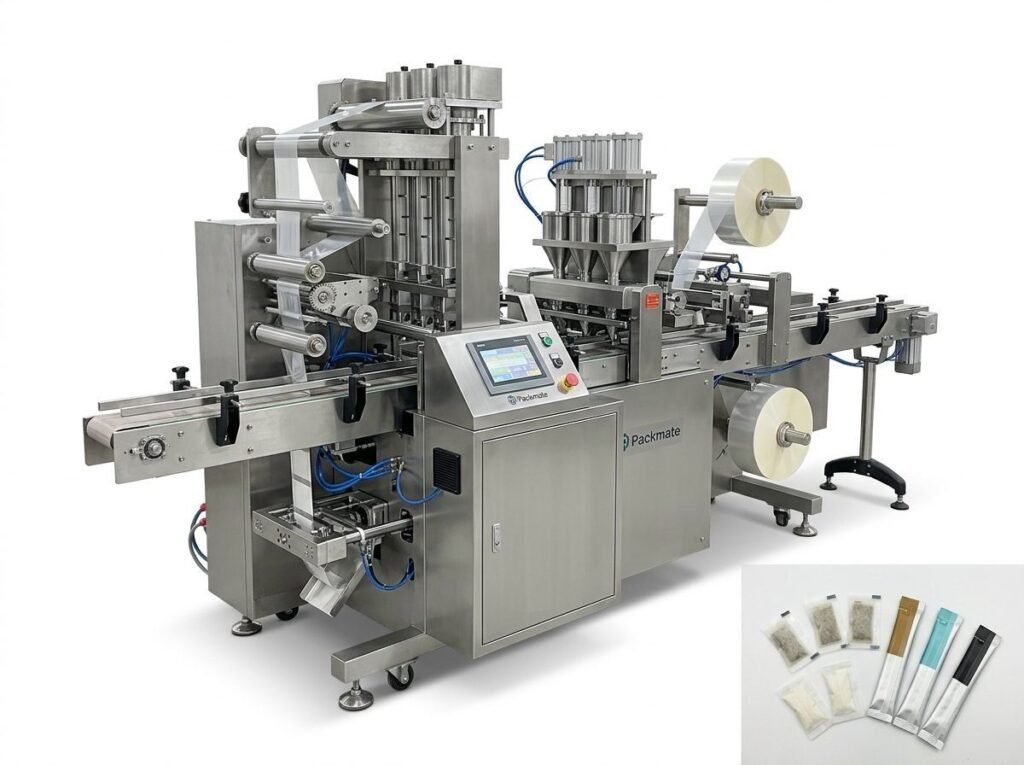
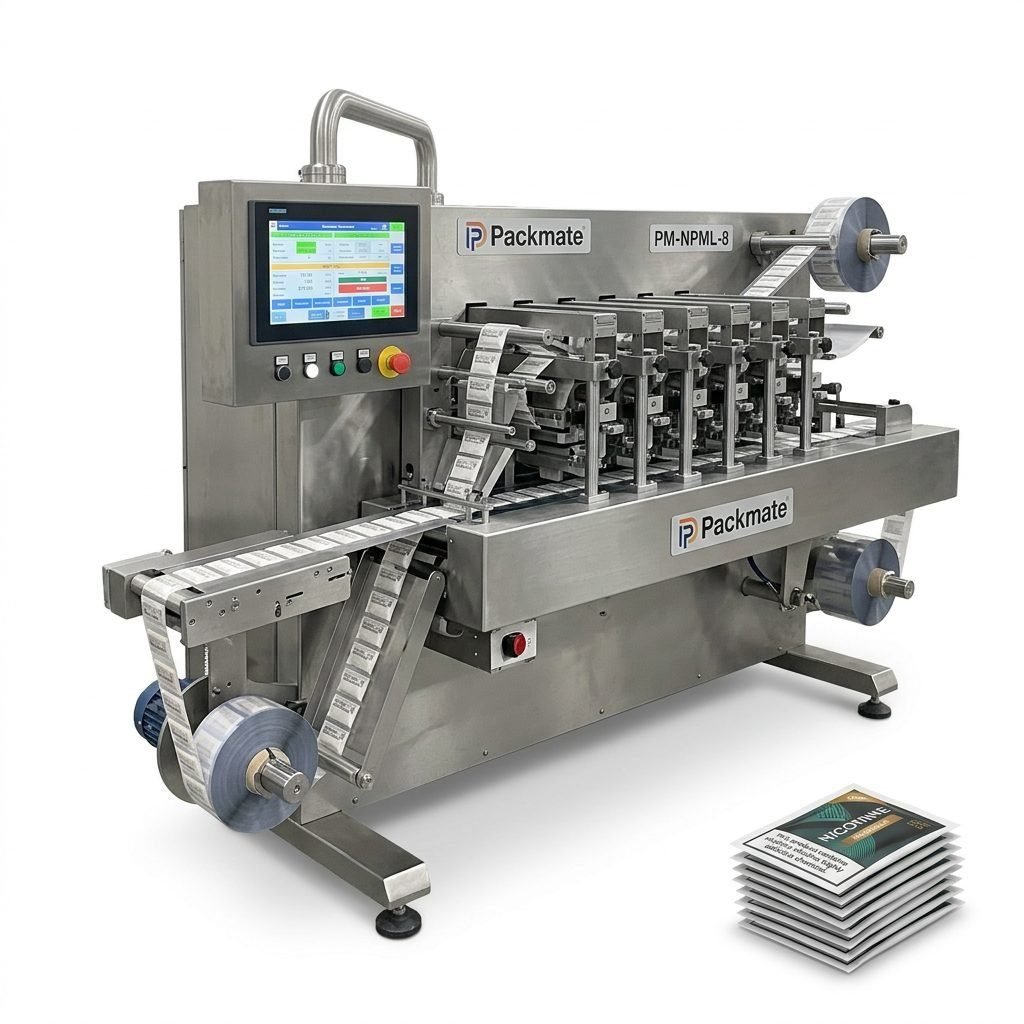
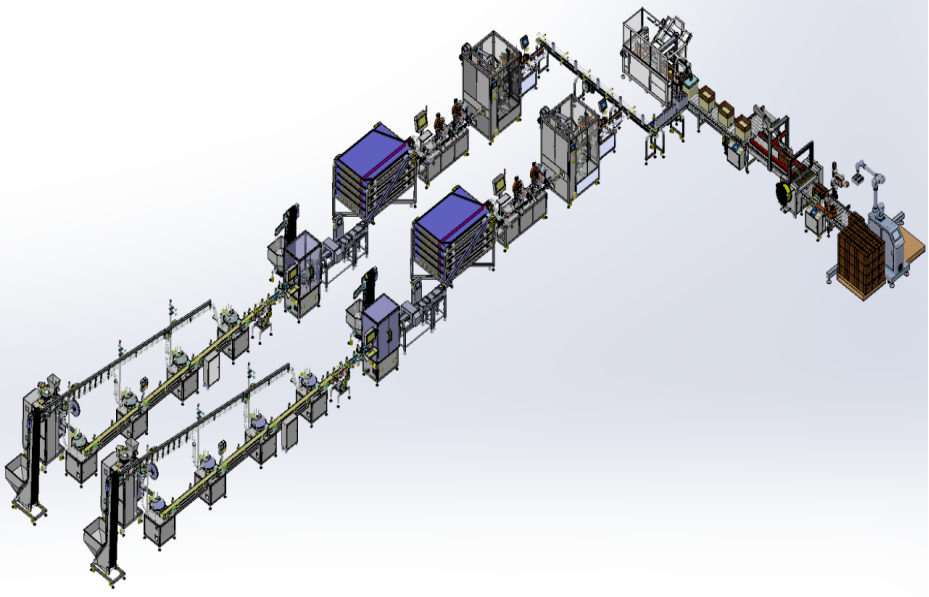
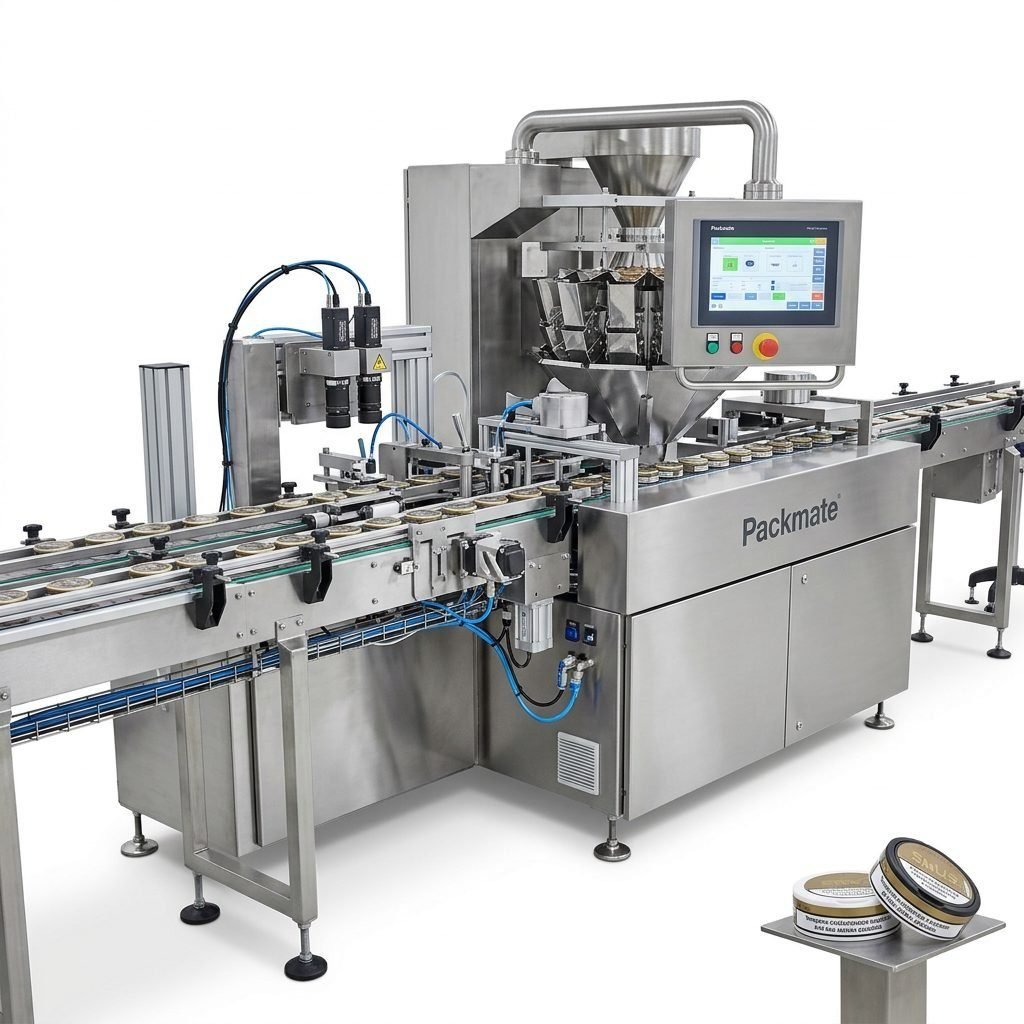
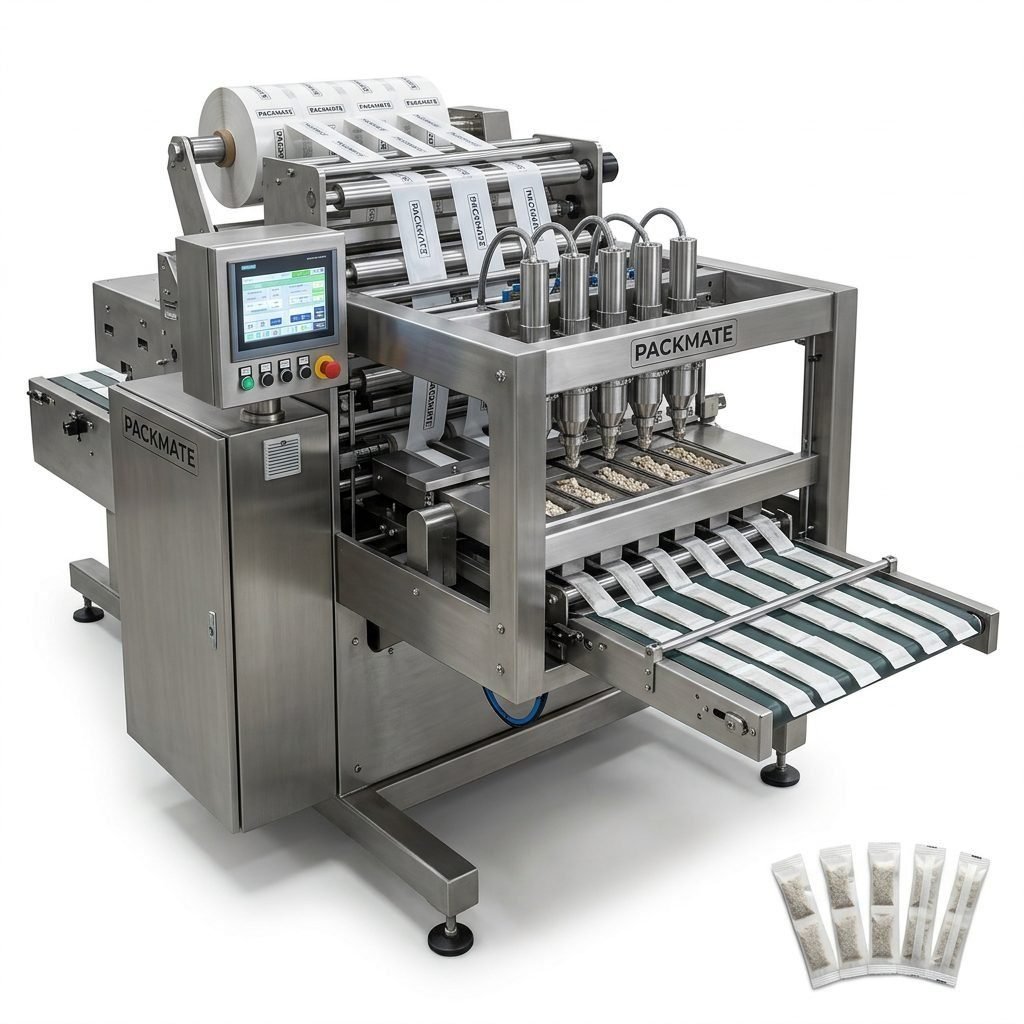
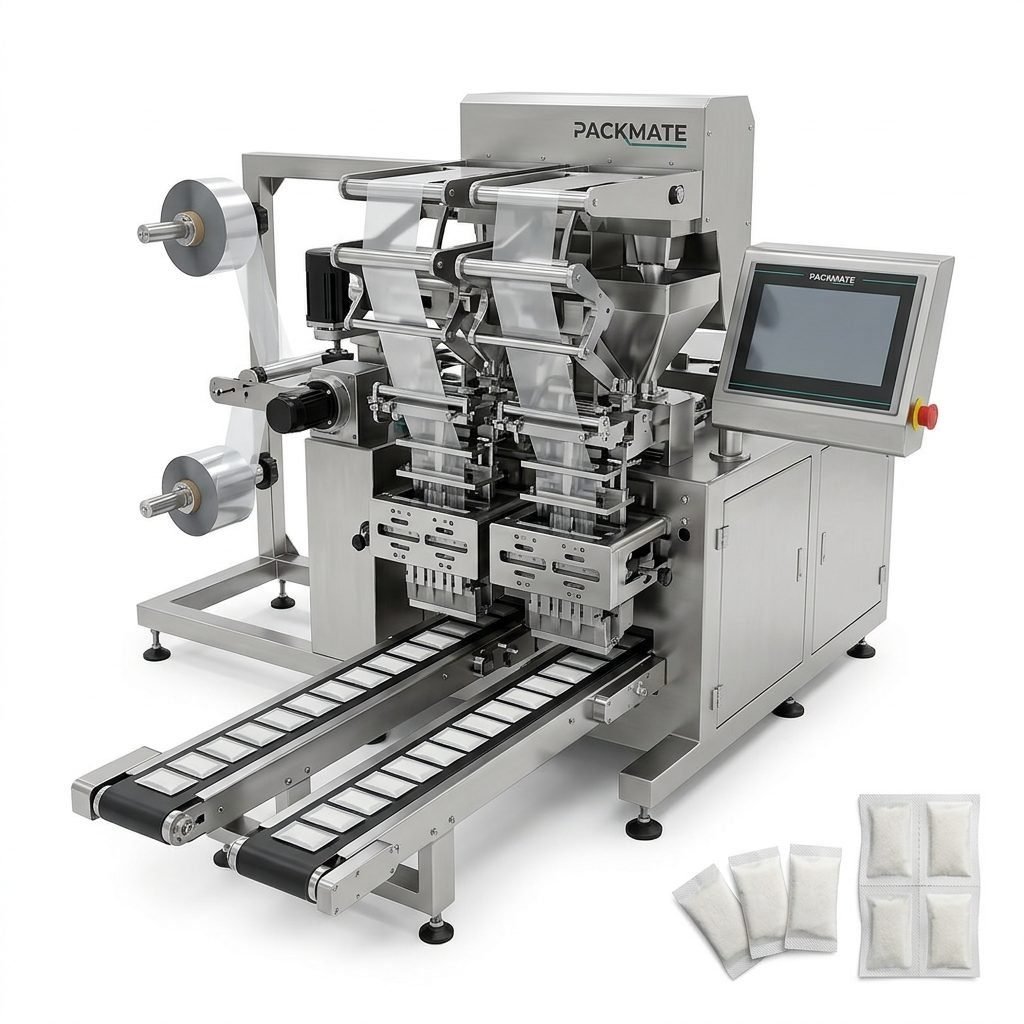
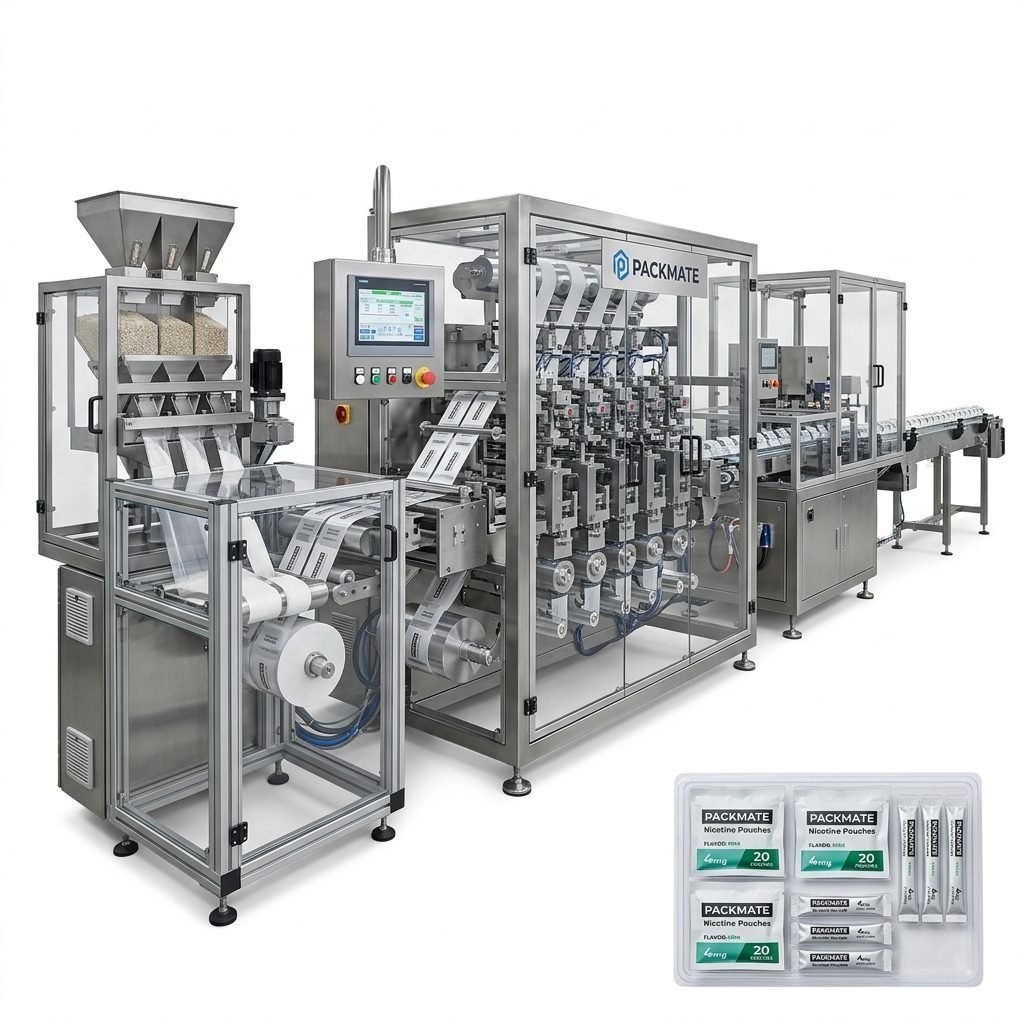
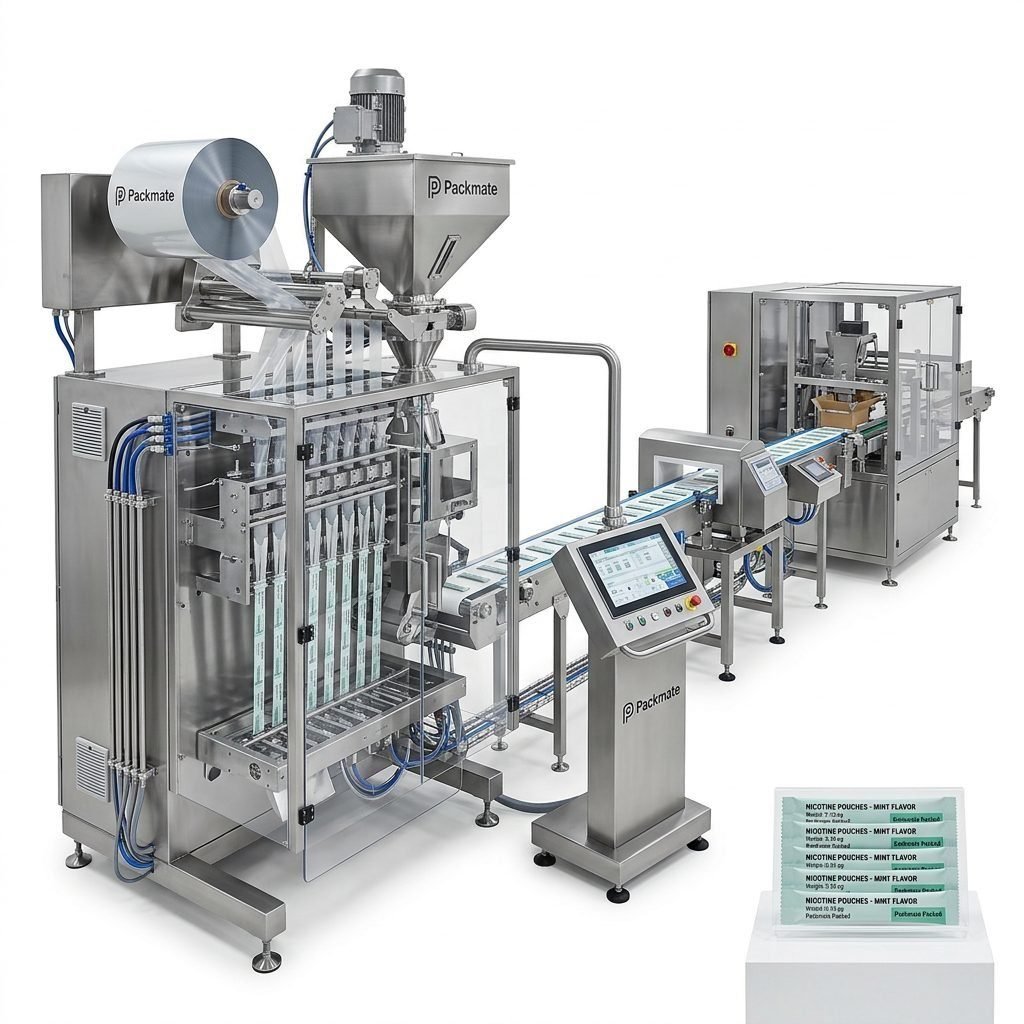
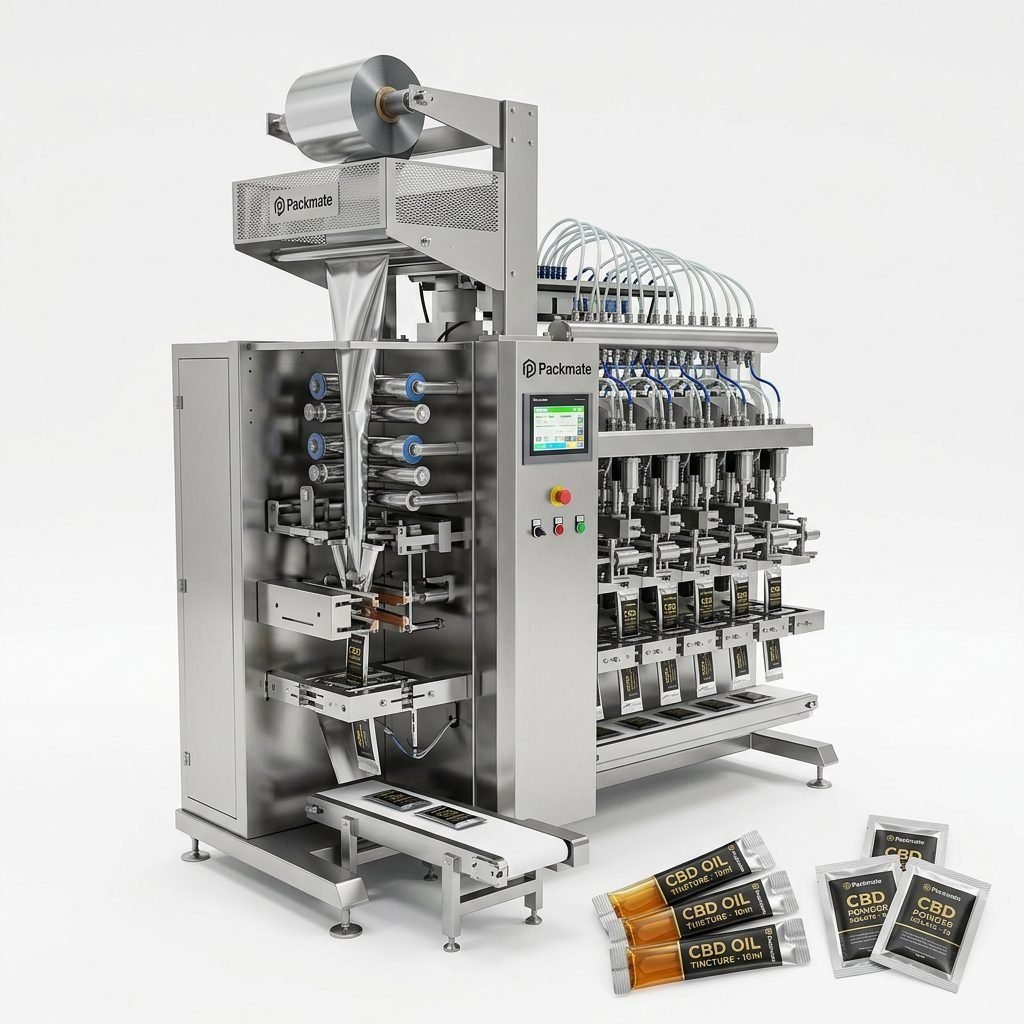
Different product formats require different machinery. Common categories include stick pack machines, sachet machines, multi-lane pouch systems, and fully automated filling & sealing lines. For small-dose nicotine pouches and snus, multi-lane systems offer high throughput with compact footprint while stick packs are ideal for single-serve formats. If you need a full production line including dosing, vending-ready packaging and cartoning, consider integrated systems that combine weighing, filling and secondary packaging. Explore detailed machine options at Snus & Nicotine Packaging Machines.
Key machine families (quick reference)
– Stick pack / sachet machines for single-serve dosing.
– Multi-lane snus pouch machines for small-dose pouches and nicotine pouches.
– Auger and volumetric fillers for powders and blends.
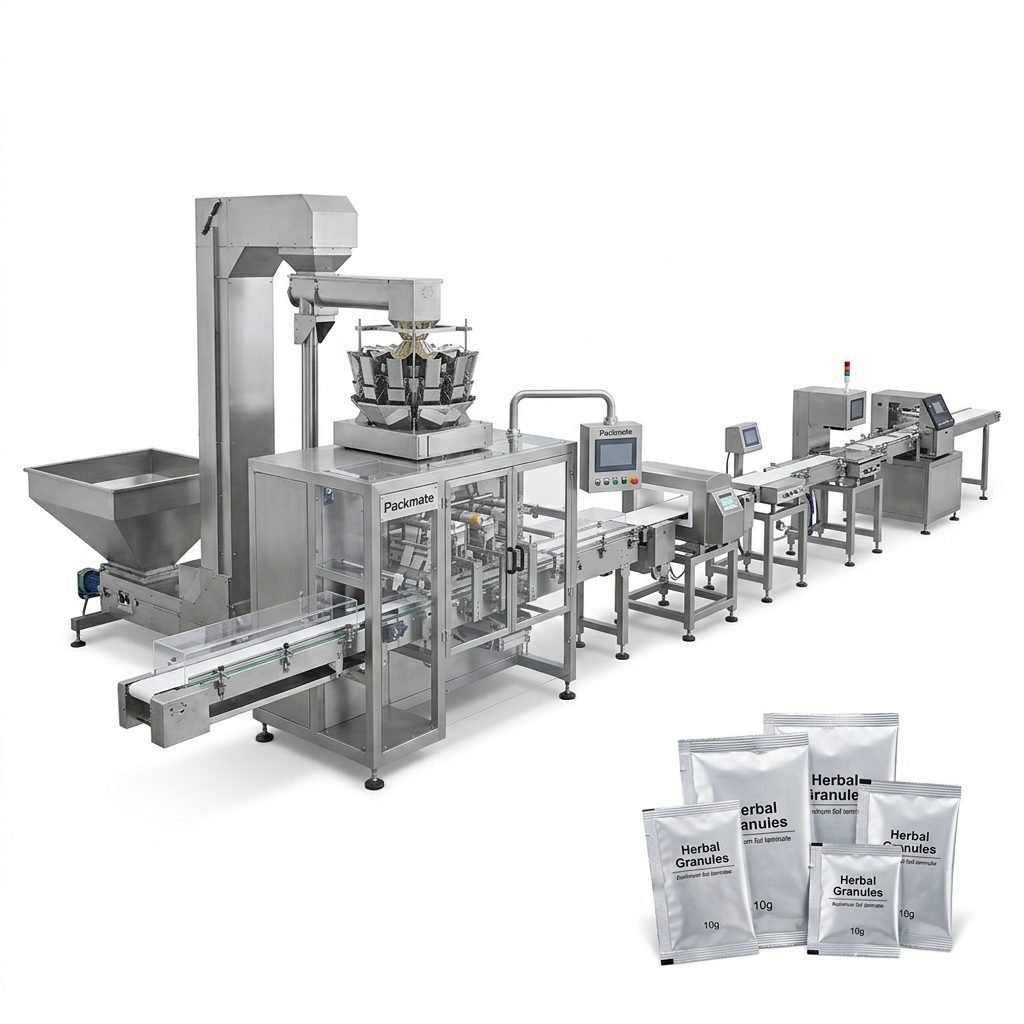
– Integrated weighing & packaging systems for premium accuracy (see Weighing & Packaging Systems).
Choose the family that matches your product type, target output, and budget.
📈 Performance Metrics That Matter
When comparing machines, focus on consistent performance metrics rather than marketing claims. Key metrics include units per minute (UPM), accuracy (weight or dose variation), uptime, changeover time, and scrap rate. A reliable snus packaging machine should offer reproducible pouch dimensions and sealing quality across long runs. High accuracy and low variation often translate into direct cost savings through reduced material waste and fewer rejects.
🔧 Build Quality, Components, and Customization
Inspect the machine’s mechanical design, electrical controls, and supplier manufacturing capabilities. Machines built in modern CNC-equipped facilities and assembled under strict quality controls provide better long-term results. Packmate’s 20,000㎡ factory and advanced CNC centers are examples of infrastructure that support high-quality machine builds. If your product requires specific pouch shapes, customized sealing profiles, or modified dosing systems, ensure the supplier offers bespoke engineering and flexible tooling.
Tip: Prioritize suppliers who provide modular designs and spare parts kits to simplify future upgrades and maintenance.
🛡 Certifications, Safety and Compliance
International certifications such as CE and ISO are critical indicators of manufacturing standards and machine safety. Machines that comply with recognized standards are generally easier to import and deploy in regulated facilities. Request certificates and references, and verify them. For equipment that will touch consumable products, ensure food-contact materials and cleaning protocols meet local hygiene regulations. You can review supplier credentials via Certificate pages to validate compliance claims.
💰 Cost Considerations and Return on Investment
The sticker price is only the beginning. Calculate total cost of ownership (TCO) including installation, tooling, operator training, spare parts, energy consumption, and preventive maintenance. Consider production speed versus quality: a faster machine with higher rejects can be less economical than a slightly slower but more accurate system. Estimate payback period by factoring in increased throughput, lower labor costs, and material savings from reduced scrap. A reliable supplier will help model ROI scenarios for your production volumes.
Cost breakdown to request from vendors
– Base machine cost and optional modules
– Tooling and format change kits
– Installation and FAT/SAT support
– Training and documentation
– Spare parts packages and service contracts
🔁 After-sales Support, Spare Parts & Training
After-sales support is a major differentiator. Evaluate vendor service networks, response times, availability of critical spares, and whether remote troubleshooting is offered. On-site training for operators and maintenance teams is essential to sustain uptime. Vendors that provide comprehensive service packages and accessible technical documentation reduce downtime risk. Learn more about service offerings at the supplier’s Service page.
Important: Ask for guaranteed spare part lead times and local stocking options in Mexico to avoid long downtimes.
📦 Turnkey Lines vs Standalone Machines
Decide whether you need a turnkey production line or standalone machines. Turnkey solutions minimize integration work and provide a single point of responsibility for commissioning and performance. Suppliers with experience delivering complete packaging lines—including filling, sealing, labeling, and secondary packaging—can shorten time-to-market. See complete Filling & Packaging Lines or integrated offerings under Bag & Pouch Packaging Machines for examples of turnkey solutions.
🔬 Testing, FAT and Pilot Runs
Insist on factory acceptance testing (FAT), pilot runs and sample production with your actual materials. FAT should include performance verification under load, sealing integrity checks, and failure mode tests. Pilot runs help confirm packaging aesthetics, seal strength, fill accuracy and machine stability. A reputable supplier will allow you to witness FAT and provide sample reports and trial data to validate claims.
🏭 Supplier Selection Checklist
Use a structured checklist to compare vendors: manufacturing facility capability, years of experience, number of installed lines, references in nicotine/snус markets, technical support footprint, certification records, and custom engineering capacity. Packmate’s history—from early R&D to modern multi-lane systems—demonstrates a trajectory that many buyers value when seeking reliable partners. For in-depth background and case studies, visit About Packmate and Case pages.
Selection quick scorecard: Production capacity, accuracy, uptime record, support availability, certification, and total lifecycle cost.
🛒 Procurement and Installation Best Practices
When negotiating procurement, clarify delivery terms, acceptance criteria, warranty coverage, spare parts list, and training scope. Plan installation with clear timelines and allocate space for conveyors, utilities and service access. Coordinate FAT dates and pre-shipment inspections. During commissioning, validate integration with your upstream and downstream equipment and document performance baselines for future comparison.
📊 Real-World ROI Example
A mid-sized Mexican producer moving from manual pouch assembly to an automated multi-lane snus pouch machine can expect reduced labor costs, improved dose accuracy and increased throughput. Even allowing for capital expenses and training, many manufacturers report payback within 18-36 months depending on run rates and product margins. Use vendor-provided dataset scenarios to build your financial model and stress-test assumptions under different output and yield conditions.
✅ Final Checklist Before Purchase
– Validate product compatibility with machine design.
– Confirm speed and accuracy targets with live demos.
– Verify certifications and materials compliance.
– Ensure spare parts availability and service contracts.
– Request FAT, pilot runs, and robust commissioning plans.
– Review complete TCO and ROI projections.
📞 Getting Quotes and Next Steps
Start by shortlisting suppliers with proven snus packaging experience and ask for detailed quotes, including tooling, spare parts kits, installation and training. Request references from similar installations and visit exhibition events to see machines in operation; you can find supplier exhibition information at Our Exhibition. When ready, request a tailored proposal that aligns with your production forecasts and compliance requirements.
🧾 Related Resources
For deeper technical specifications and product families, explore these resources: Snus & Nicotine Packaging Machines, About Packmate, Certificate, and Service.
🔁 Recap: Making the Right Choice
Choosing the best snus packaging machinery for Mexico means balancing regulatory compliance, reliability, and long-term economics. Prioritize suppliers with documented experience in snus or nicotine pouch applications, proven production lines, clear service commitments, and transparent TCO analysis. A thoughtfully chosen machine will reduce operational risk, improve product consistency, and enhance your market competitiveness.
❓ Frequently Asked Questions
Q1: How important are international certifications when importing machinery into Mexico?
A1: Certifications like CE and ISO indicate adherence to international manufacturing and safety standards, simplifying import clearance and ensuring safer operation. Always request and verify certificates.
Q2: Should I buy a turnkey line or individual machines?
A2: Turnkey lines reduce integration risk and vendor coordination but require higher upfront investment. If you need end-to-end responsibility and faster commissioning, turnkey is preferable.
Q3: What is the typical lead time for custom snus packaging machines?
A3: Lead times vary with customization level. Standard machines may ship faster, while bespoke multi-lane systems can take several months. Confirm timelines during quotation and include FAT milestones.
Q4: How do I evaluate a supplier’s after-sales reliability?
A4: Check references, spare parts availability, service contract terms, local support options, and remote troubleshooting capabilities. A supplier with a clear spare parts policy reduces long-term risk.
Q5: Can I test my product before purchase?
A5: Reputable suppliers offer pilot runs and FAT with your materials so you can validate performance. Always request sample runs and test reports as part of procurement.