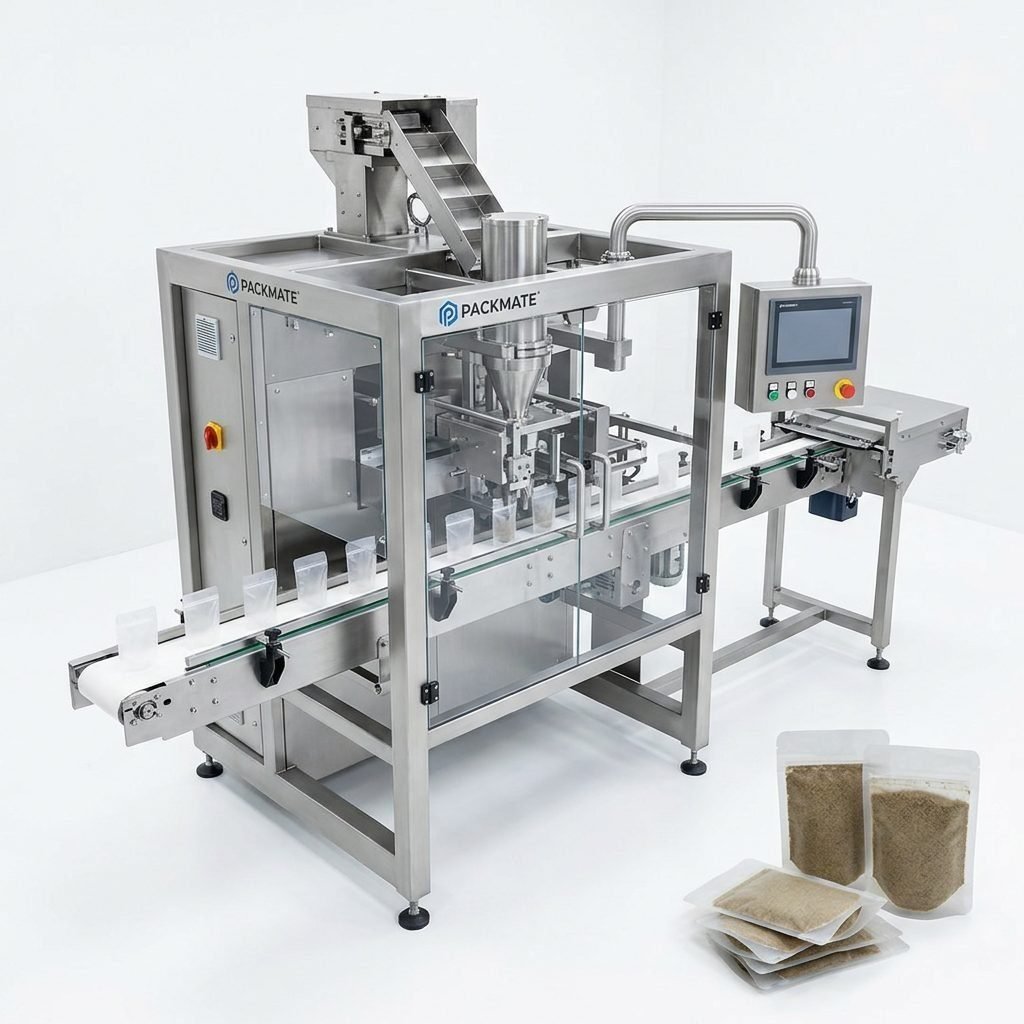
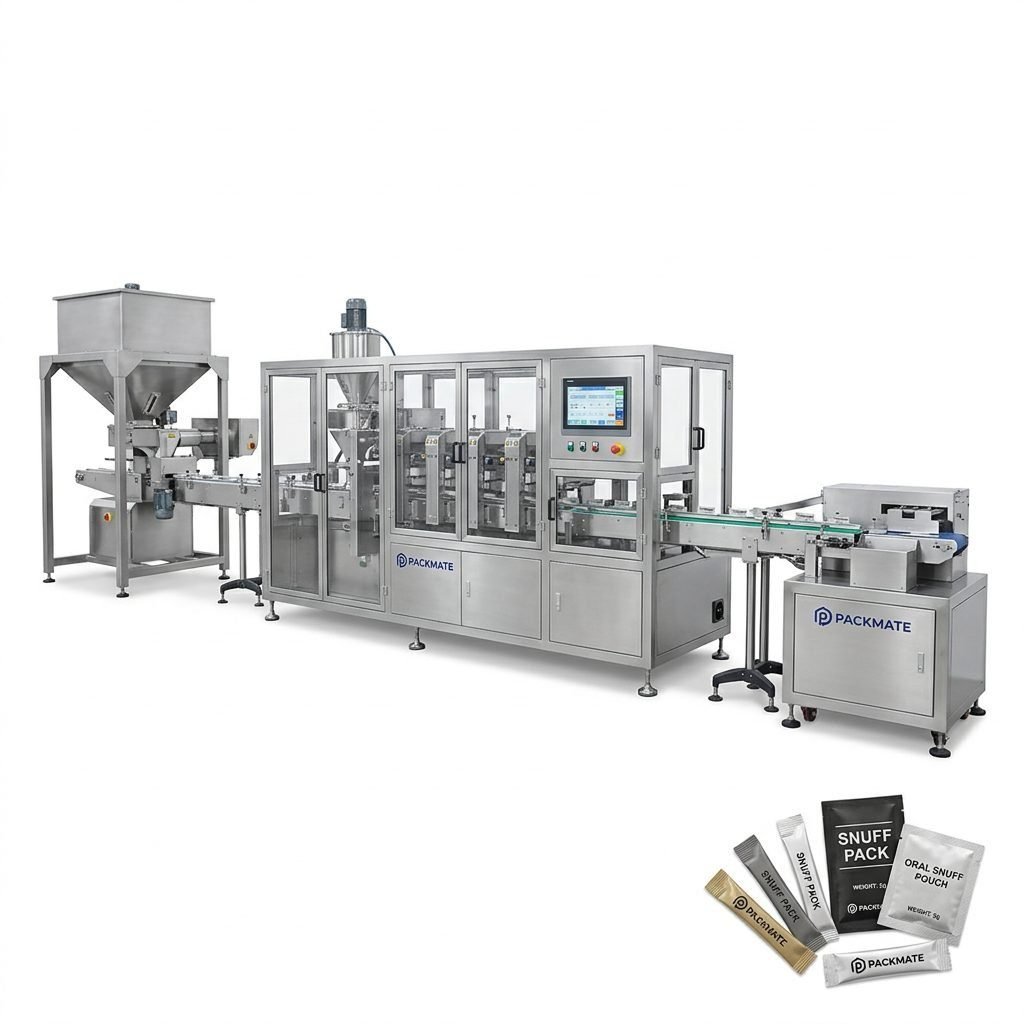
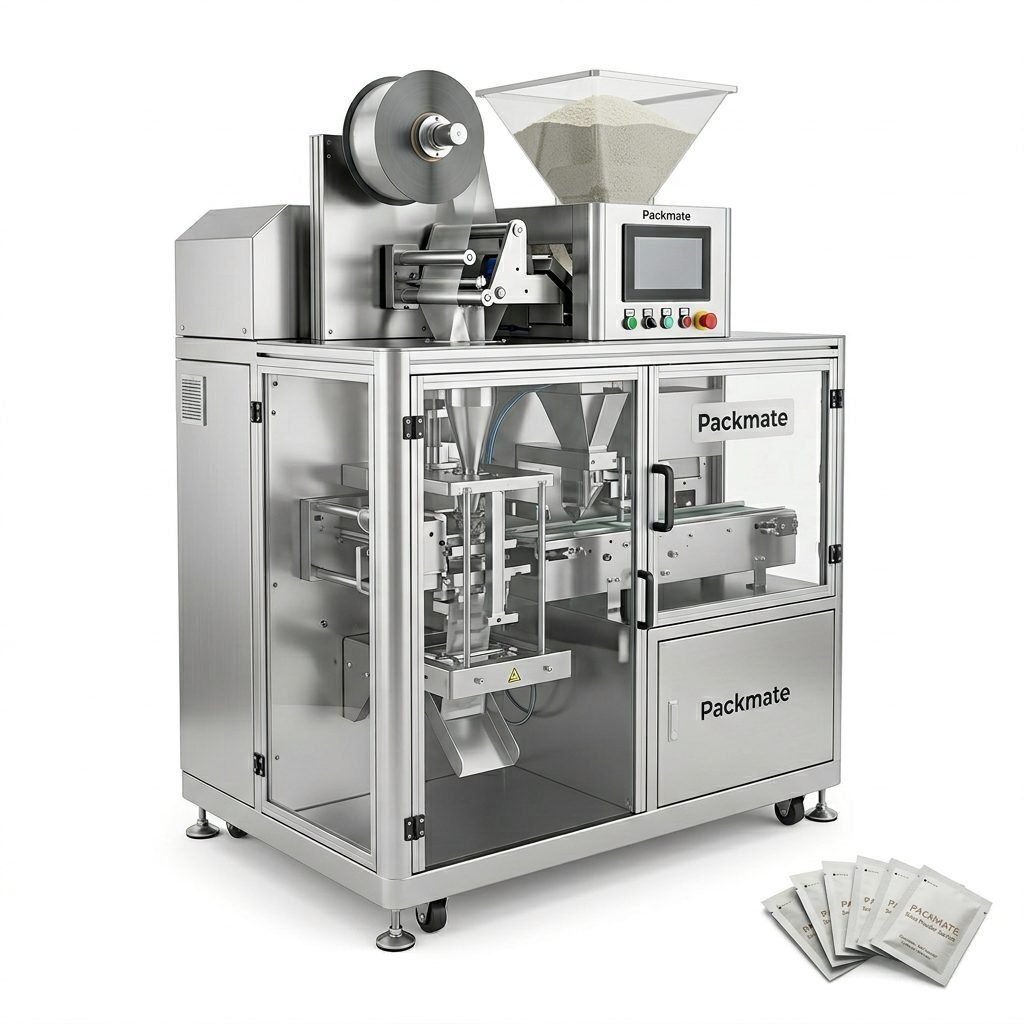
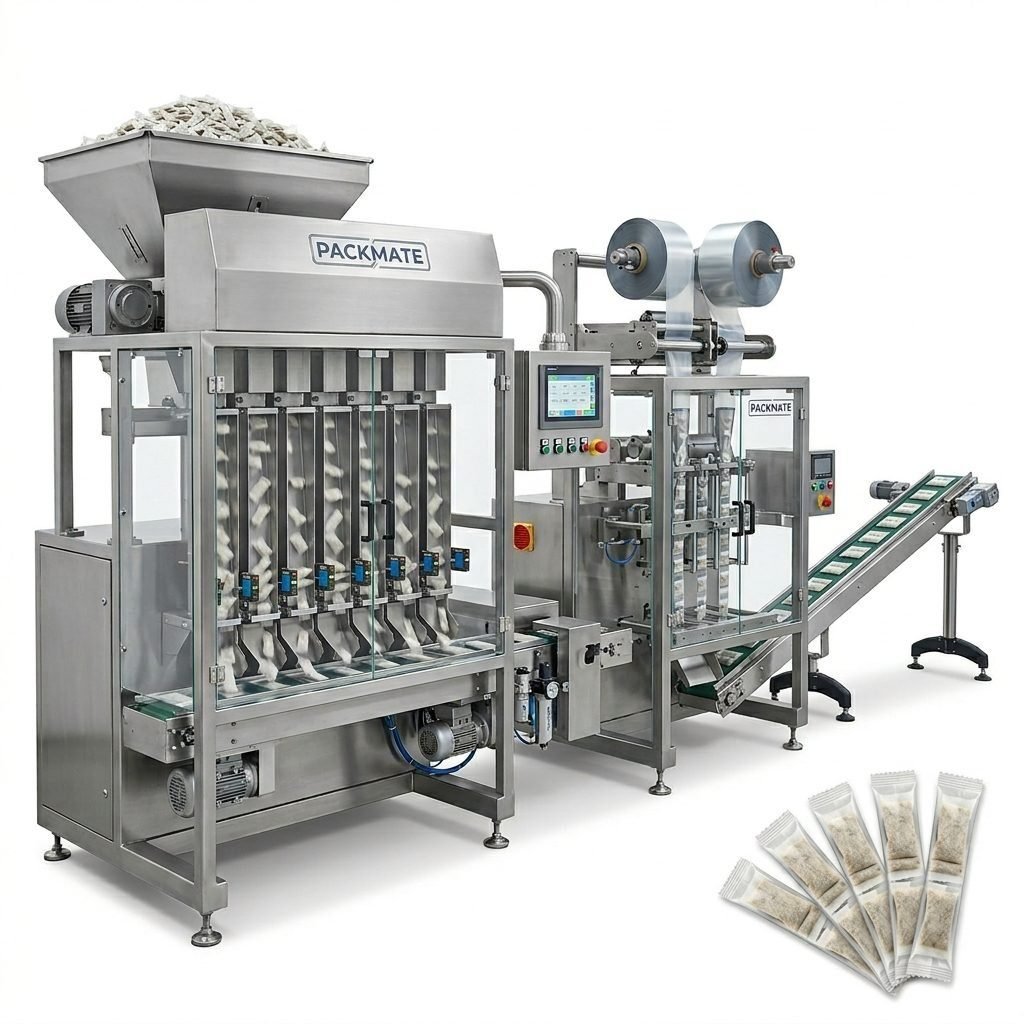
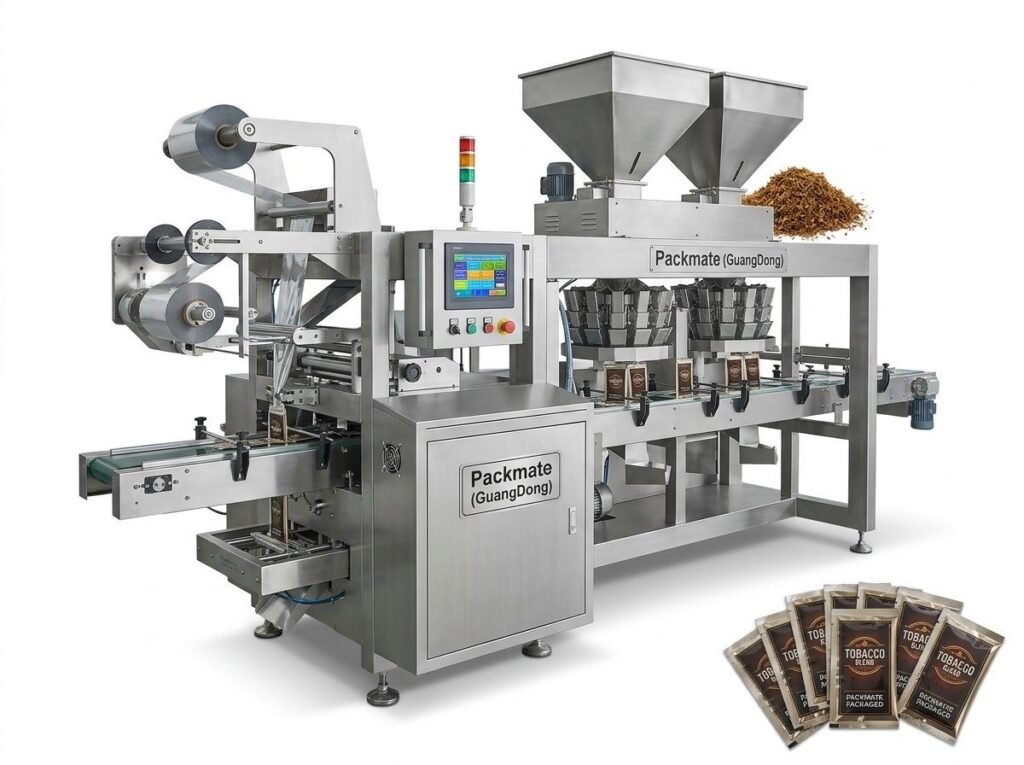
Choosing the right snus packaging machinery supplier in Nicaragua is a practical decision that affects product quality, regulatory compliance, and long-term profitability. This guide explains what to look for when evaluating vendors, how to match machine capabilities to your production needs, and which local considerations in Nicaragua (import rules, humidity, power, and consumer habits) should shape your final choice.
Overview: Snus & Nicotine Pouch Market Context in Nicaragua
Nicaragua’s tobacco culture historically centers on traditional cigars and pipe tobacco, but global trends are increasing awareness of alternatives such as nicotine pouches and snus. Producers targeting local consumers or export markets must prioritize consistent dosing, airtight sealing, and hygienic packaging to meet both domestic expectations and international buyers’ standards.
Why Supplier Selection Matters
A packaging machine is not just equipment; it is the core of your production line. A proper supplier ensures machine performance, uptime, regulatory documentation, spare parts availability, and reliable after-sales support. Choosing poorly can cause delays, non-compliance, increased waste, and higher lifetime costs.
Quick Snapshot: What a Good Supplier Brings
🔶 Robust engineering & proven track record
✅ International certifications (CE, ISO) and clear documentation
🔧 Fast spare parts supply and field service
📐 Turnkey capability: from dosing to final packaging and secondary packing
Key Evaluation Criteria — Detailed Checklist
Use this checklist when you meet potential suppliers or review proposals. Each item affects output quality, cost, and your ability to scale.
-
⚙️ Technical capability: Does the vendor offer machines specifically for nicotine pouches and snus (single-lane, multi-lane, stick packs, sachets)? Ask for model specifications, speed range, and compatibility with your pouch formats. Example product lines are available for review at Snus & Nicotine Packaging Machines.
-
🧪 Quality & certifications: Ensure machines meet CE/ISO and that safety and electrical standards are documented. Suppliers with independent certification testing reduce risk. Check the supplier’s Certificate information when available.
-
🏭 Manufacturing footprint: Prefer vendors with modern CNC machining centers and assembly lines — these reduce variation and ensure repeatable tolerances. A strong factory profile (20,000㎡ and advanced equipment) signals stability and capacity for customization.
-
🔁 After-sales & spare parts: Confirm lead times for critical spares and whether field engineers can travel to Nicaragua for installation and training. Look for suppliers offering long-term service contracts and remote support options.
-
💡 Turnkey line integration: If you need filling, weighing, sealing and secondary packing, select suppliers able to deliver integrated lines (weighing & packaging systems, filling & packaging lines). See examples at Weighing & Packaging Systems and Filling & Packaging Lines.
-
📦 Case studies & references: Ask for real installations and contactable references—particularly those operating in climates similar to Nicaragua. Suppliers with global cases indicate wider acceptance and experience; review their Case examples.
Machine Types & Production Matching
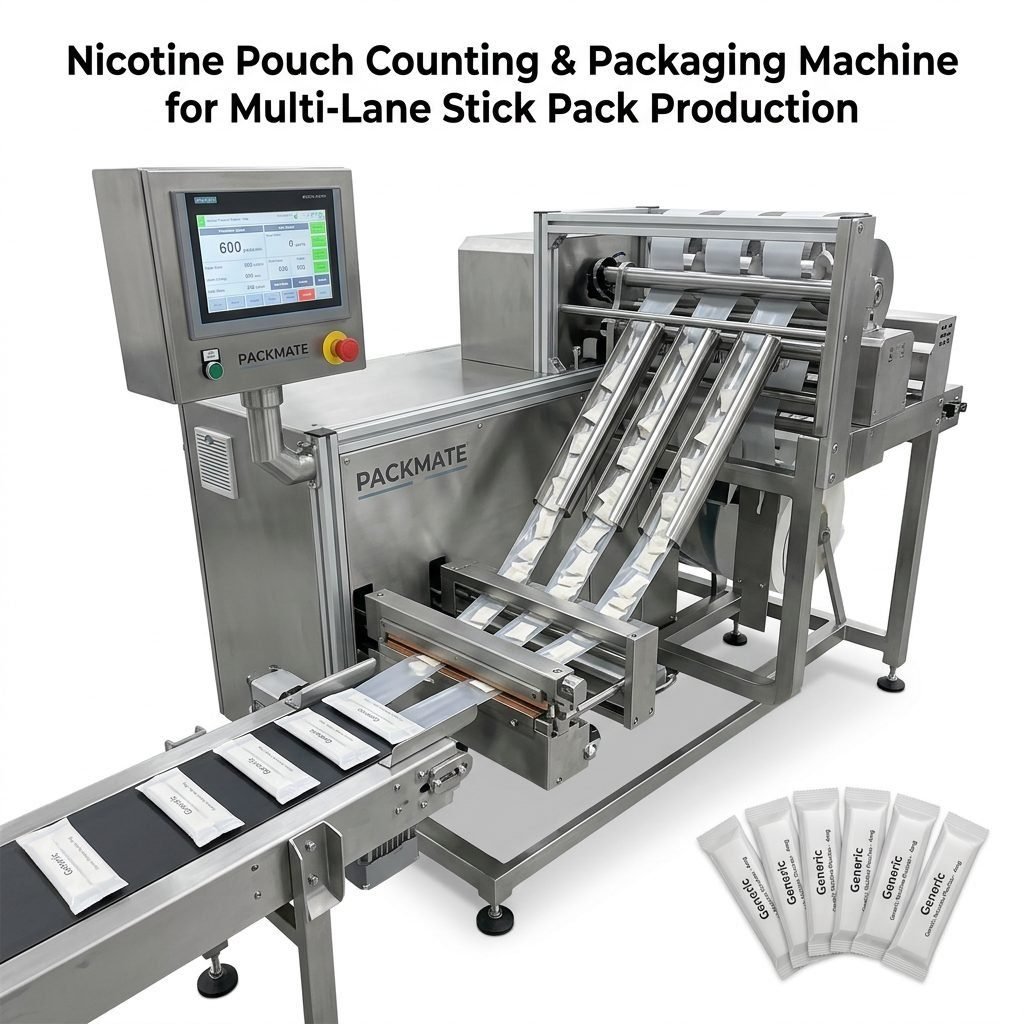
Choose the machine type by matching product format, speed needs, and budget. Main types include stick pack, sachet/multi-lane pouch machines, and specialized snus/nicotine pouch systems. Multi-lane machines save footprint and cost per pouch when volumes grow, while single-lane systems are ideal for R&D or boutique lines.
🔎 Quick guide:
• Low volume / variety: Start with flexible single-lane sachet/stick systems.
• Medium to high volume: Multi-lane pouch machines deliver higher throughput and lower labor per unit.
• Sensitive ingredients: Seek hygienic, easy-clean designs and machines with inert gas flushing or controlled dosing.
Factory Visits, Pre-Shipment Inspection & FAT
Arrange a Factory Acceptance Test (FAT) and, if possible, a site visit. A FAT demonstrates actual machine performance using your product or simulants. During a visit, inspect machining accuracy, assembly practices, and QC documentation. For overseas purchases, insist on a documented FAT and video evidence of trial runs.
What to verify at FAT
-
• Speed, sealing integrity, and weight tolerances under production conditions.
-
• Noise, energy consumption, and utility needs (air pressure, voltage).
-
• Safety guards, electrical wiring, and spare parts list.
Local Considerations in Nicaragua
Local conditions and customs can change how you specify equipment and run operations. Nicaragua features a humid tropical climate in many regions, variable power quality, and specific import procedures that should inform your supplier discussions.
-
🌡️ Humidity & storage: High humidity affects powders and pouches. Choose machines with short open-path exposure and ensure your supplier recommends climate control and desiccated storage for raw materials and finished goods.
-
🔌 Power & utilities: Confirm machine voltage options (220V/380V) and tolerance to voltage fluctuations. Nicaragua’s grid can have variability—discuss UPS or stabilizers with the supplier.
-
🧾 Customs & documentation: Accurate commercial invoices, packing lists, CE/ISO certificates, and operation manuals (preferably in Spanish or bilingual) accelerate clearance. Suppliers who provide clear export documentation simplify import into Nicaragua.
-
🤝 Language & training: Consider if the supplier provides training materials or engineers who communicate in Spanish. Local-language manuals and training reduce installation friction and accelerate ramp-up.
-
🛣️ Logistics & spare parts: Evaluate shipping routes and lead times. Suppliers with regional warehouses or express spare parts programs reduce downtime.
Pricing, Commercial Terms & Risk Management
Price is important, but total cost of ownership (TCO) matters more. Include installation, commissioning, spare parts kits, training, warranty coverage, and service intervals when comparing quotes.
⚠️ Negotiate smartly:
• Ask for a breakdown of machine price vs. optional modules and spare kits.
• Fix warranty terms and service response times in the contract.
• Consider performance guarantees (e.g., output rates or reject rates) where possible.
Installation, Training & After-Sales
Reliable after-sales and on-site training are essential for maintaining uptime. Good suppliers provide installation supervision, operator and maintenance training, and documentation. They may also offer service contracts and remote troubleshooting.
If you are comparing suppliers, request detailed service packages and local contact points. For turnkey or integrated projects, look for vendors advertising comprehensive service pages or contact support like Service and Contact Us options.
Training checklist
-
• Operator procedures and quick-changeover methods.
-
• Preventive maintenance schedules and basic troubleshooting.
-
• Spare parts identification and how to perform minor replacements quickly.
Scalability & Future-Proofing
Ensure the chosen supplier can support future growth. Modular designs, multi-lane upgrades, and software compatibility for Industry 4.0 connectivity make your investment longer-lasting. Discuss upgrade paths and costs for adding lanes, automation, or vision inspection in the future.
How Packmate (Example Supplier) Fits This Profile
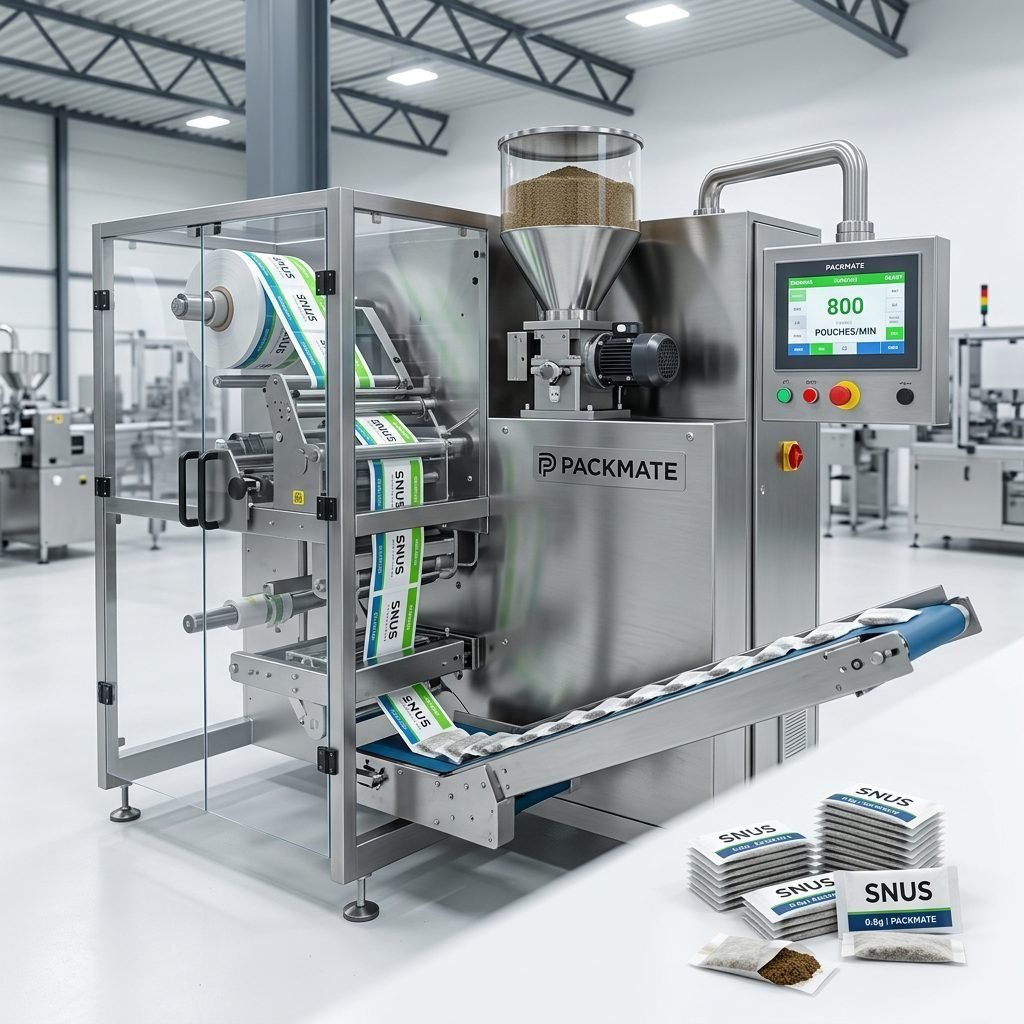
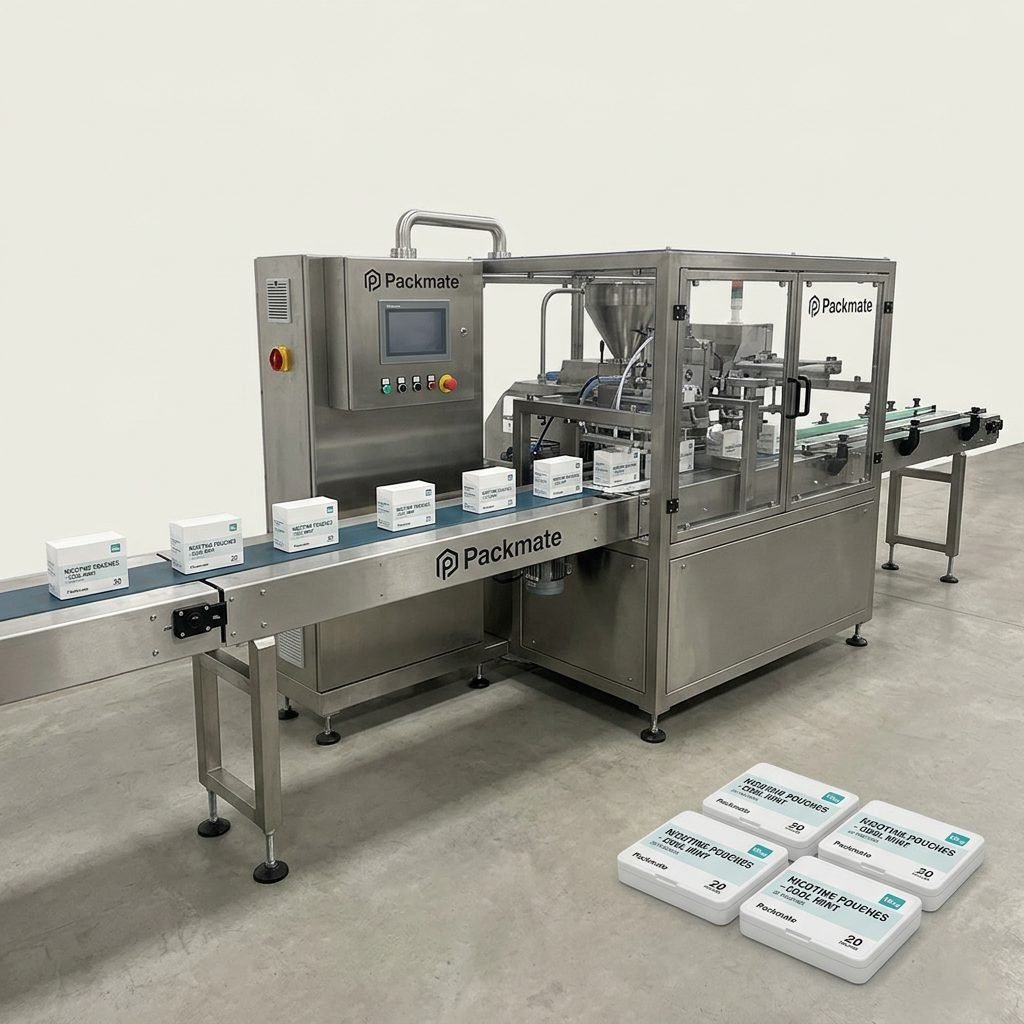
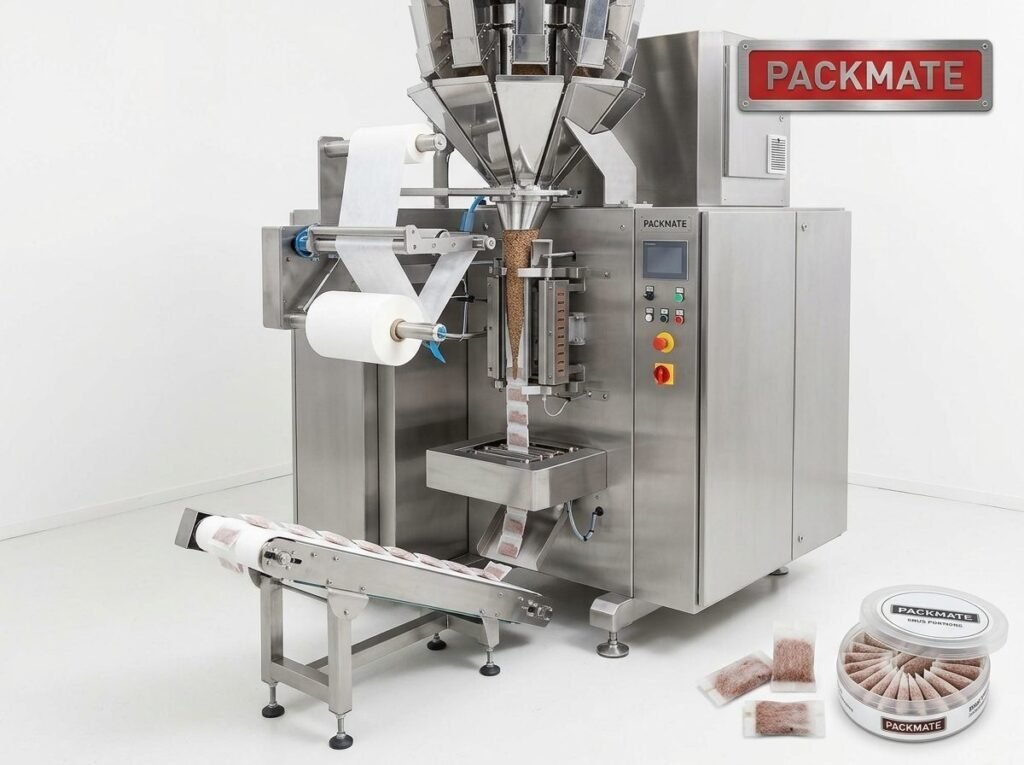
Packmate Snus Machine has 30+ years of engineering experience and a large manufacturing base with CNC centers and precision assembly. They provide specialized snus and nicotine pouch packaging solutions and a wide product range including sachet, stick pack and multi-lane systems. If you are evaluating suppliers, reviewing their product portfolio and factory strength can be informative; explore product categories like Bag & Pouch Packaging Machines and Sachet & Stick Pack Machines for compatibility with your line plans.
📌 Tip: Ask for their timeline and international references. Makers with a long history (since the 1990s) and recent exhibitions often have the maturity to support export customers effectively. For more company context, see About Packmate and their Our Exhibition pages.
Step-by-Step Procurement Workflow
Follow a clear procurement process to minimize surprises:
-
Define product specs: pouch format, weight range, materials, and desired throughput.
-
Request detailed proposals with technical sheets, FAT plan, spares list, and delivery/installation schedule.
-
Perform FAT or remote demonstration with your material simulants.
-
Finalize commercial terms including warranty, lead-times, and penalties for missed milestones if applicable.
-
Plan for customs clearance, taxes, and local installation logistics in Nicaragua.
Measuring Success After Purchase
Track KPIs such as uptime, rejects per million, throughput vs. target, and maintenance costs. These figures determine whether the supplier met promises and help justify future investments.
✅ Performance metrics to monitor:
• Actual throughput (pouches/hour) vs quoted speed
• Seal integrity pass rate and package lifespan
• Mean time between failures (MTBF) and spare consumption
Final Practical Tips for Buyers in Nicaragua
-
• Prioritize documentation in Spanish or bilingual manuals to help local technicians.
-
• Validate environmental controls for hygroscopic products and incorporate desiccants if needed.
-
• Build spare parts inventory for critical items (sealing jaws, belts, sensors) to avoid long downtimes.
-
• Opt for suppliers offering remote diagnostics to reduce on-site visits and speed troubleshooting.
Useful Links & Resources
If you want to review specific machine models, spare parts or request quotes, begin by exploring product and service pages from experienced suppliers. For example, check product categories and contact options provided above to start technical discussions and schedule FATs.
Common Questions (FAQ)
Q1: What machine type is best for starting a small snus pouch line in Nicaragua?
A1: For startups, a flexible single-lane sachet or small multi-lane snus pouch machine is ideal. It provides lower upfront cost, easier changeovers, and simpler maintenance while you validate the market.
Q2: How important are local spare parts and service availability?
A2: Very important. Local or regional spare parts access reduces downtime. If the supplier lacks a local warehouse, negotiate defined spare lead times and an initial spare parts kit with your purchase.
Q3: What documentation should the supplier provide for customs and compliance?
A3: Provide CE/ISO certificates, packing lists, commercial invoices, operation manuals (preferably in Spanish), electrical diagrams and proof of origin. These documents streamline import into Nicaragua.
Q4: How do I verify machine performance before shipment?
A4: Request a Factory Acceptance Test (FAT) with video and data logs, or attend in person. Ensure the FAT includes tests with your product or an equivalent simulant.
Q5: Can machines be upgraded for higher output later?
A5: Choose modular designs and suppliers that document upgrade paths (additional lanes, automation modules). This planning saves significant cost when scaling up.