Choosing the right partner for nicotine pouch and snus packaging machinery is a critical step for any business entering or expanding in Sierra Leone. The wrong choice can cause production delays, regulatory headaches, and wasted capital; the right manufacturer will deliver reliable machines, strong technical support, and a scalable solution that grows with your business. This guide outlines practical, actionable criteria to evaluate manufacturers, compares different machine types, and explains the logistical and compliance considerations specific to Sierra Leone’s market.
🔍 Understand Your Production Needs
Before contacting manufacturers, define your core requirements. Are you producing single-dose nicotine pouches, multi-lane small-dose snus, or a mixture of sachets, sticks, and pouches? Consider the following operational metrics: daily output target, pouch size range, filling materials (powder, granules, liquid), and desired level of automation. Machines that excel in one niche may be inefficient in another, so clarity on production scope saves time and money.
Key variables to document now:
⚙️ Estimated units per minute and per day
📦 Variety of pack formats (pouch, sachet, stick, multi-lane)
🧪 Product characteristics: hygroscopic powders, free-flowing granules, or liquids
⚡ Required integration with upstream and downstream equipment (weighers, conveyors, cartoners)
Why production clarity matters
Manufacturers optimize machines around product physics and throughput. A high-speed multi-lane system built for tiny nicotine pouches is very different from a stick-pack or sachet line. Presenting precise requirements enables accurate quotes, reduces change orders, and shortens lead times.
Tip: If you are unsure of your exact needs, request a feasibility consultation. Reputable manufacturers often analyze your intake parameters and propose the most cost-effective line.
🏭 Evaluate Factory Strength and Manufacturing Capacity
Inspect the manufacturer’s factory capabilities. A robust production facility signals consistency in delivery, better quality control, and the ability to handle custom requests or scale manufacturing. Important indicators include factory area, machining centers, assembly lines, and quality-testing systems.
Look for manufacturers that publicly share facts like factory area, number of machine models, and equipment investments. For example, firms with a sizable, modern factory and advanced CNC centers deliver components with tighter tolerances and longer machine life.
Factory checklist: Production area, CNC capability, precision assembly, quality testing, model range, and customization capacity.
📜 Certifications, Standards, and Compliance
Regulatory compliance is non-negotiable. Ensure the manufacturer adheres to international standards such as CE and ISO, which indicate a baseline of design, safety, and documentation practices. For nicotine and snus packaging, hygiene-friendly construction and cleanable contact components are crucial.
Ask for certificates, conformity statements, and material declarations. Verified documentation shortens import clearance and reduces the risk of non-compliant machine components entering Sierra Leone.
Red flags
Vague certification claims, missing test reports, or refusal to share third-party documentation are warning signs. Trustworthy suppliers provide transparent compliance records and make technical files available for regulatory review.
🔧 Machine Types and Flexibility
Different production strategies require different machines. Common classes include:
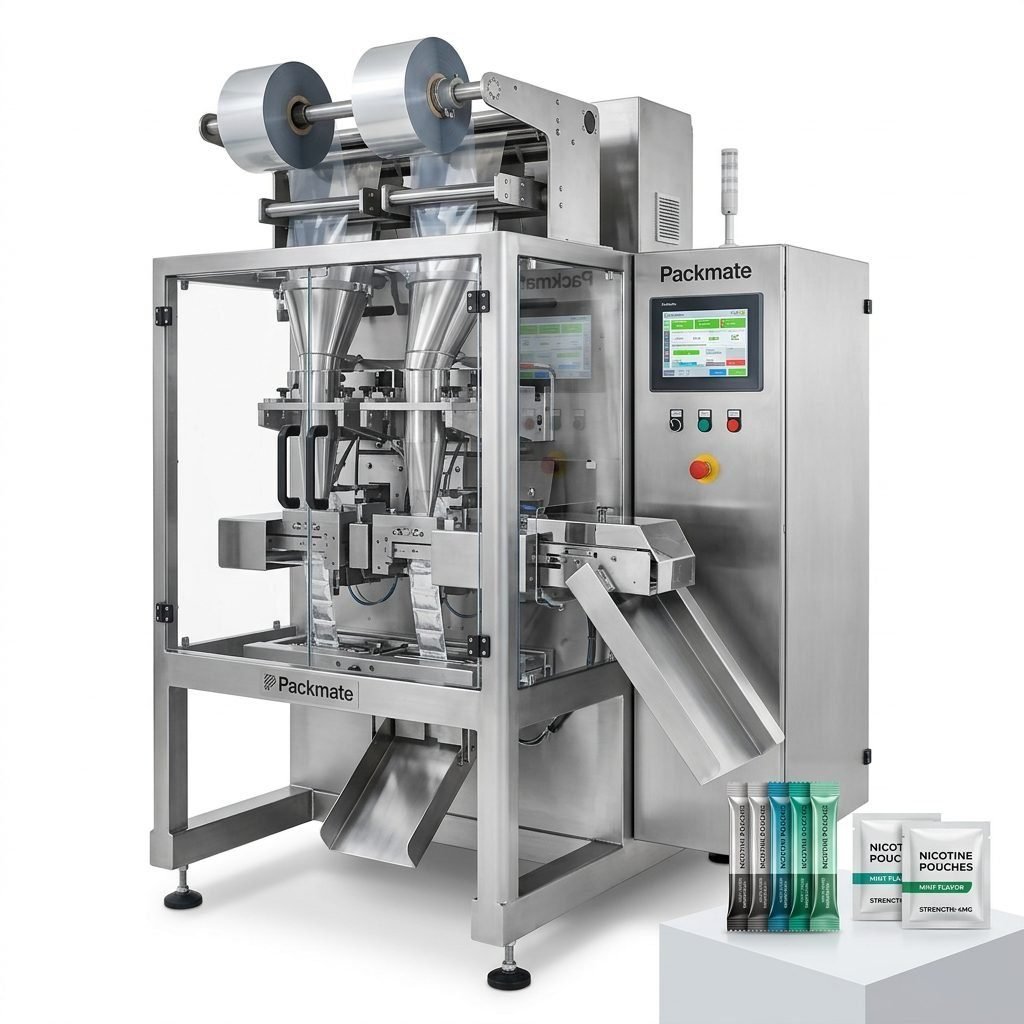
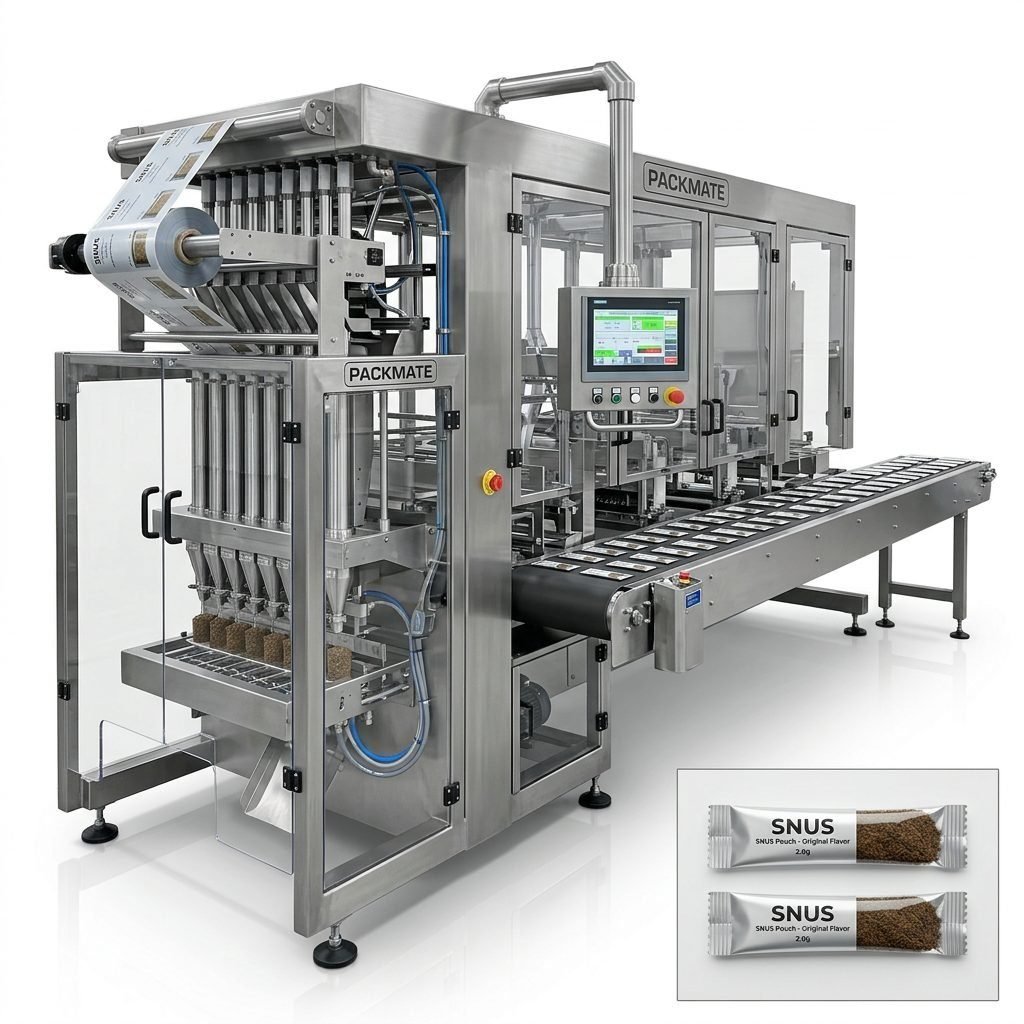
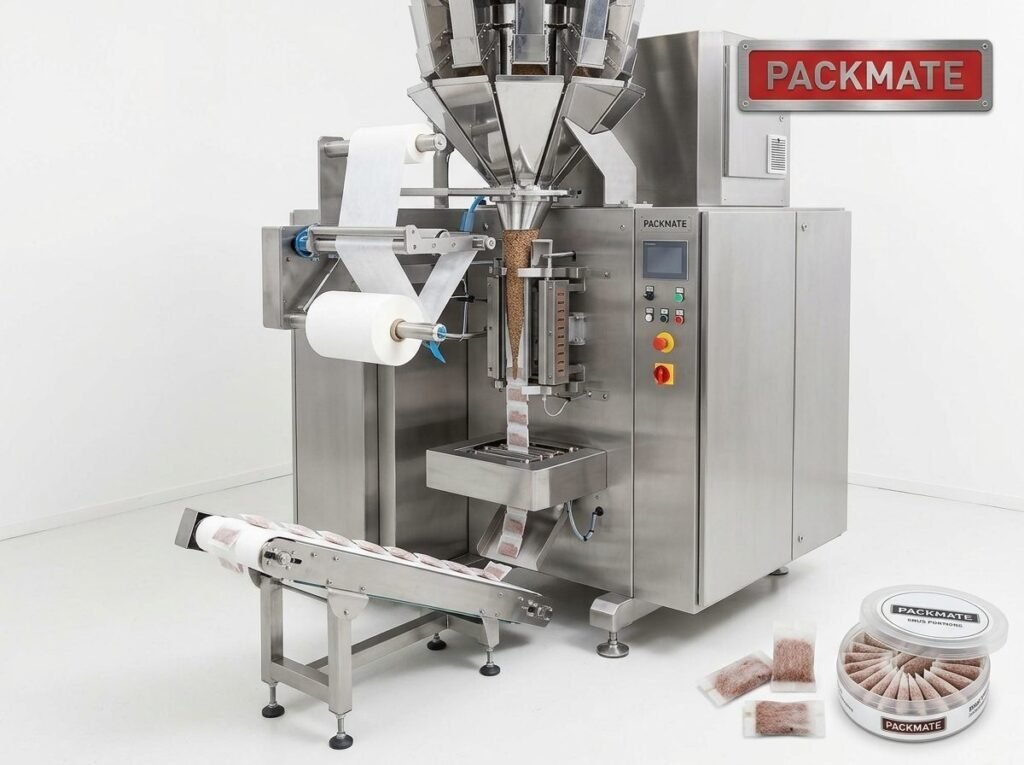
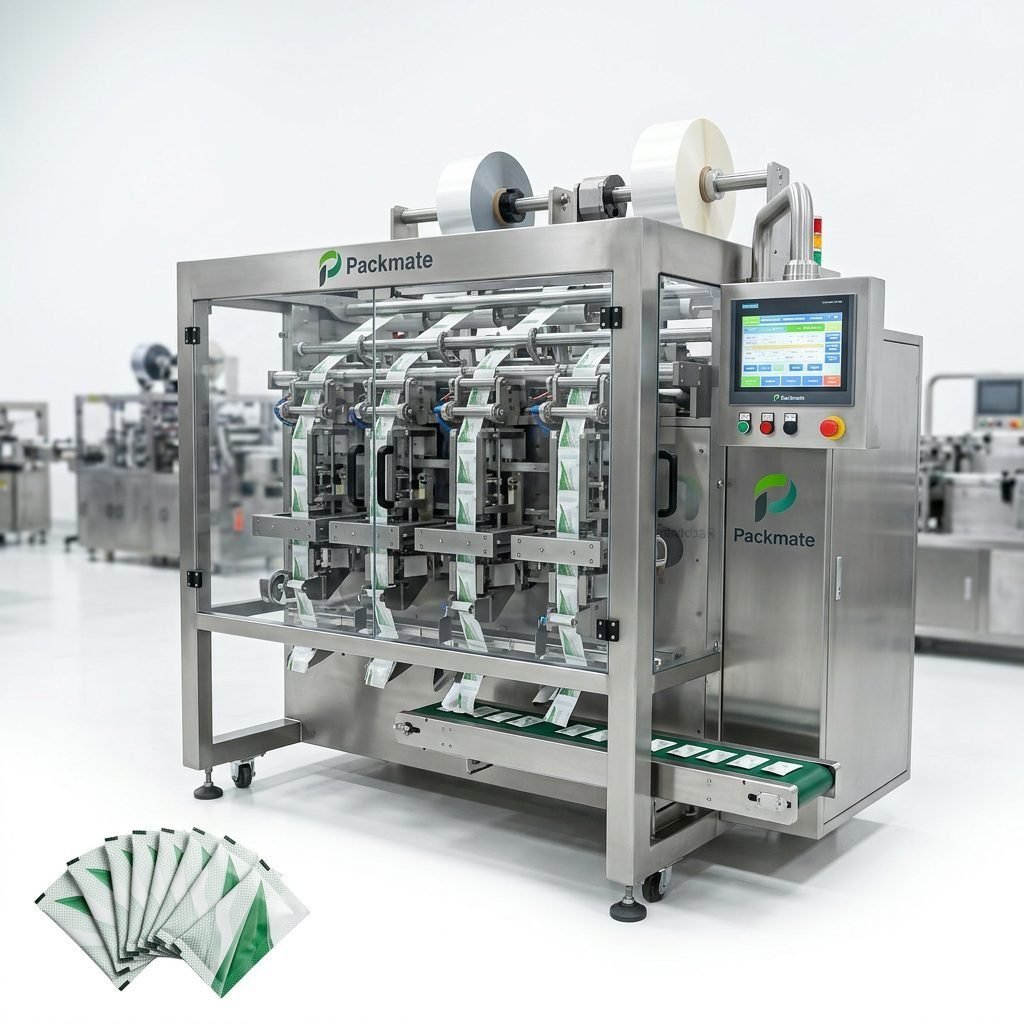
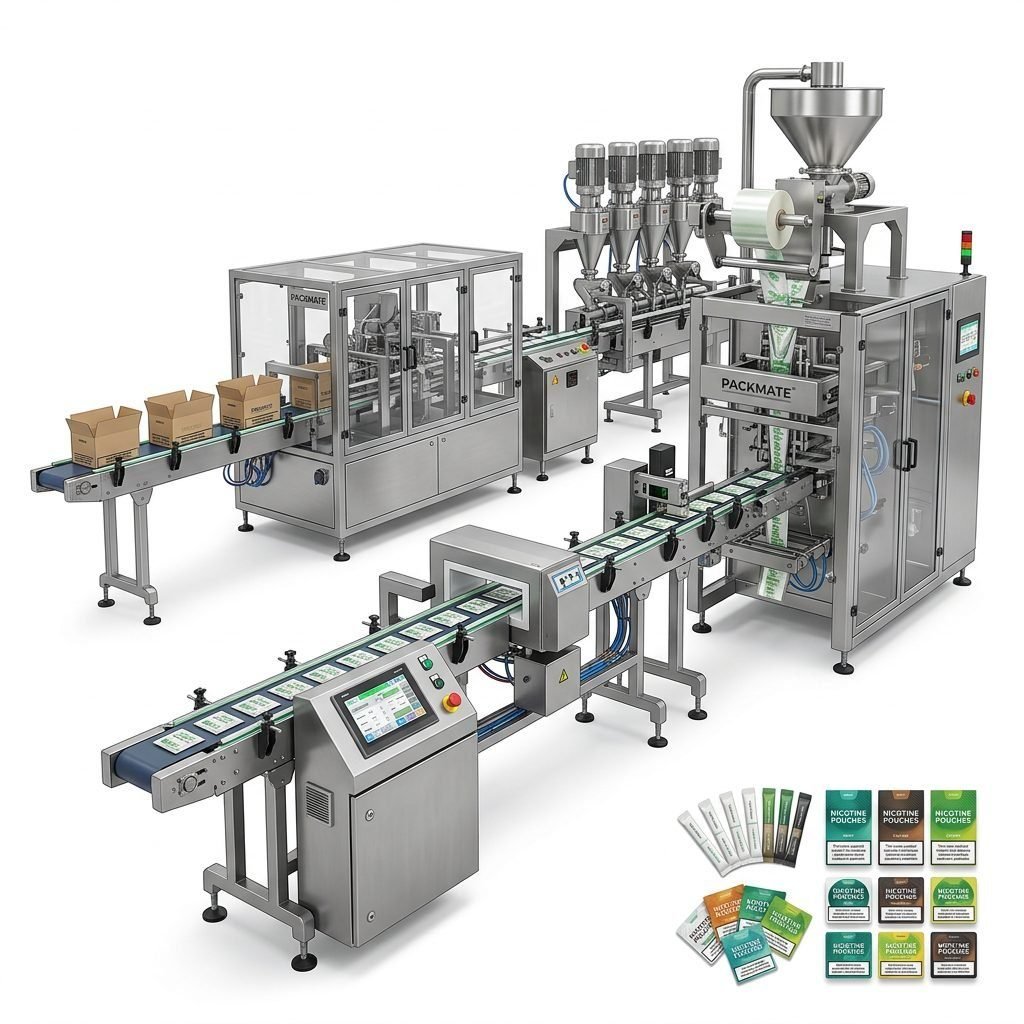
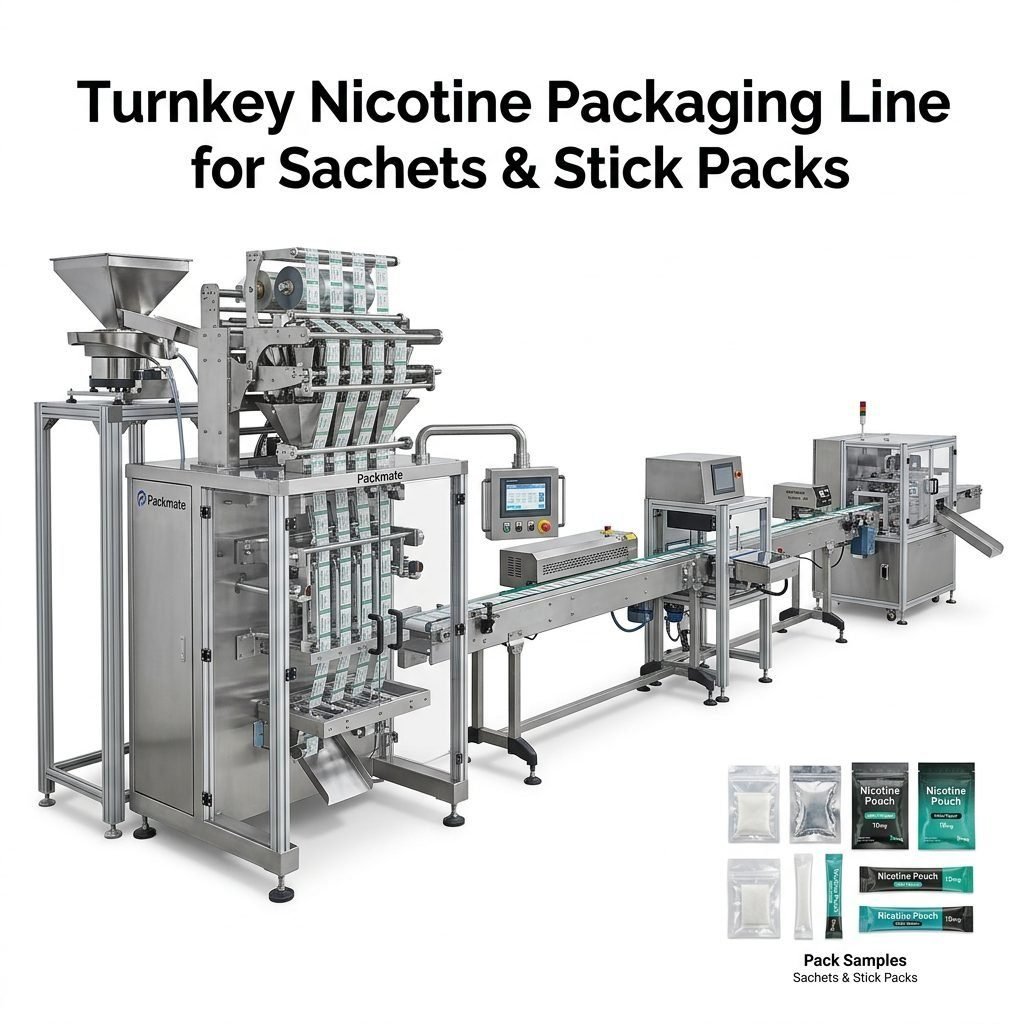
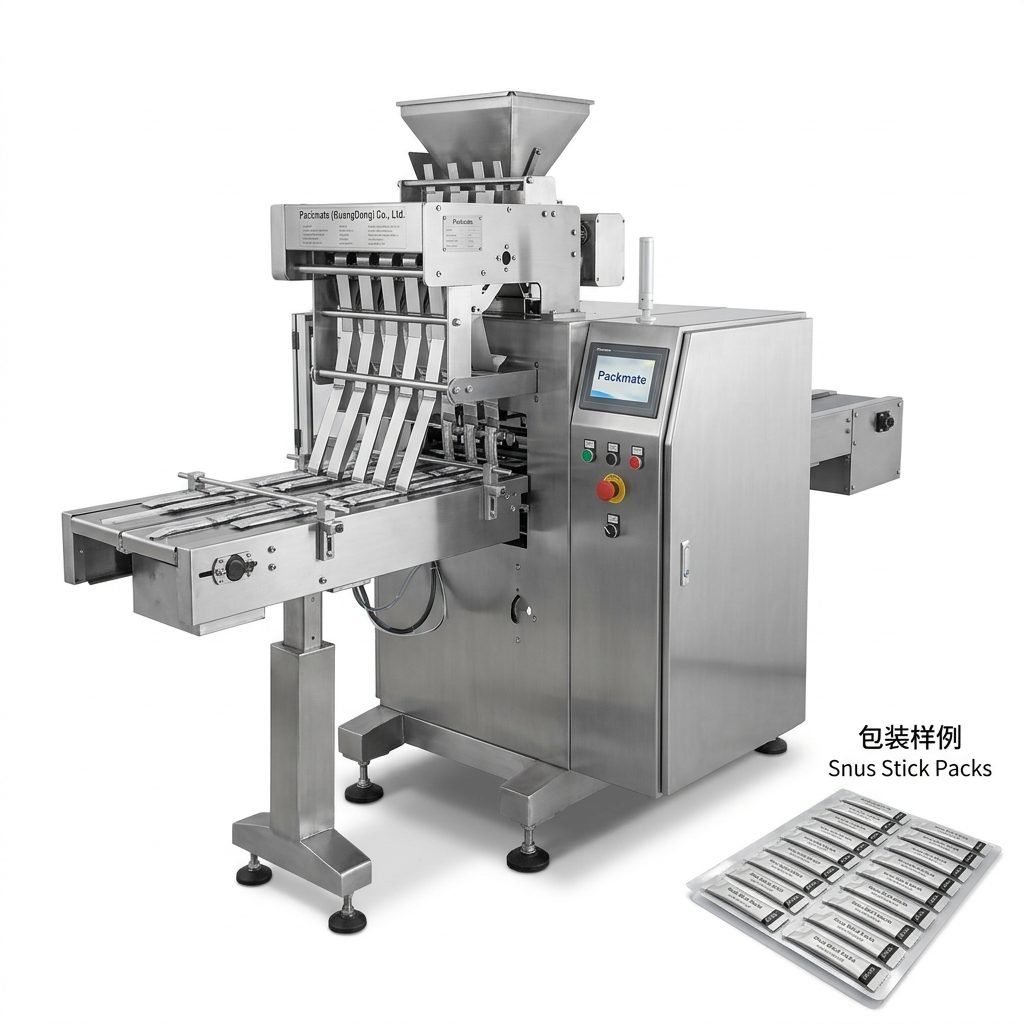
• Snus & Nicotine Pouch Packing Machines — ideal for dedicated nicotine pouch formats and multi-lane high-output lines. See an example range: Snus & Nicotine Packaging Machines.
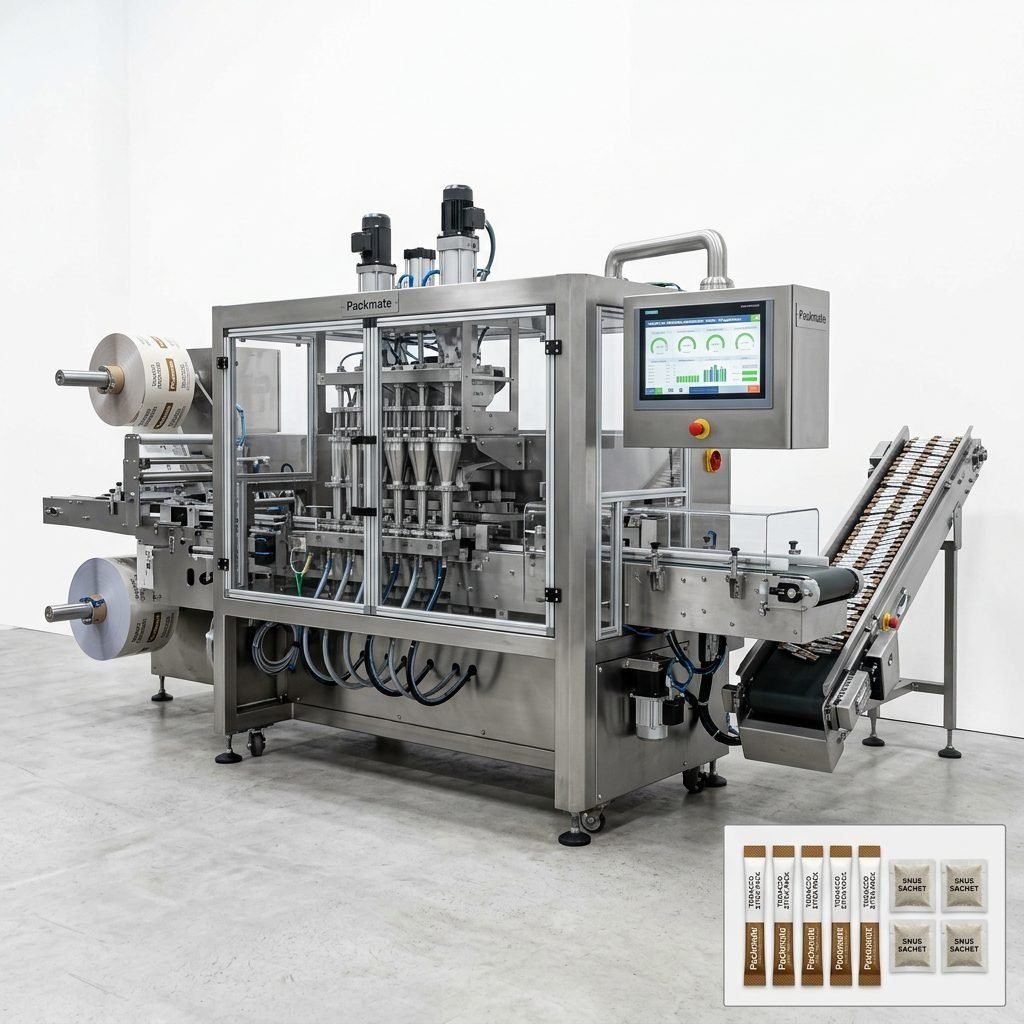
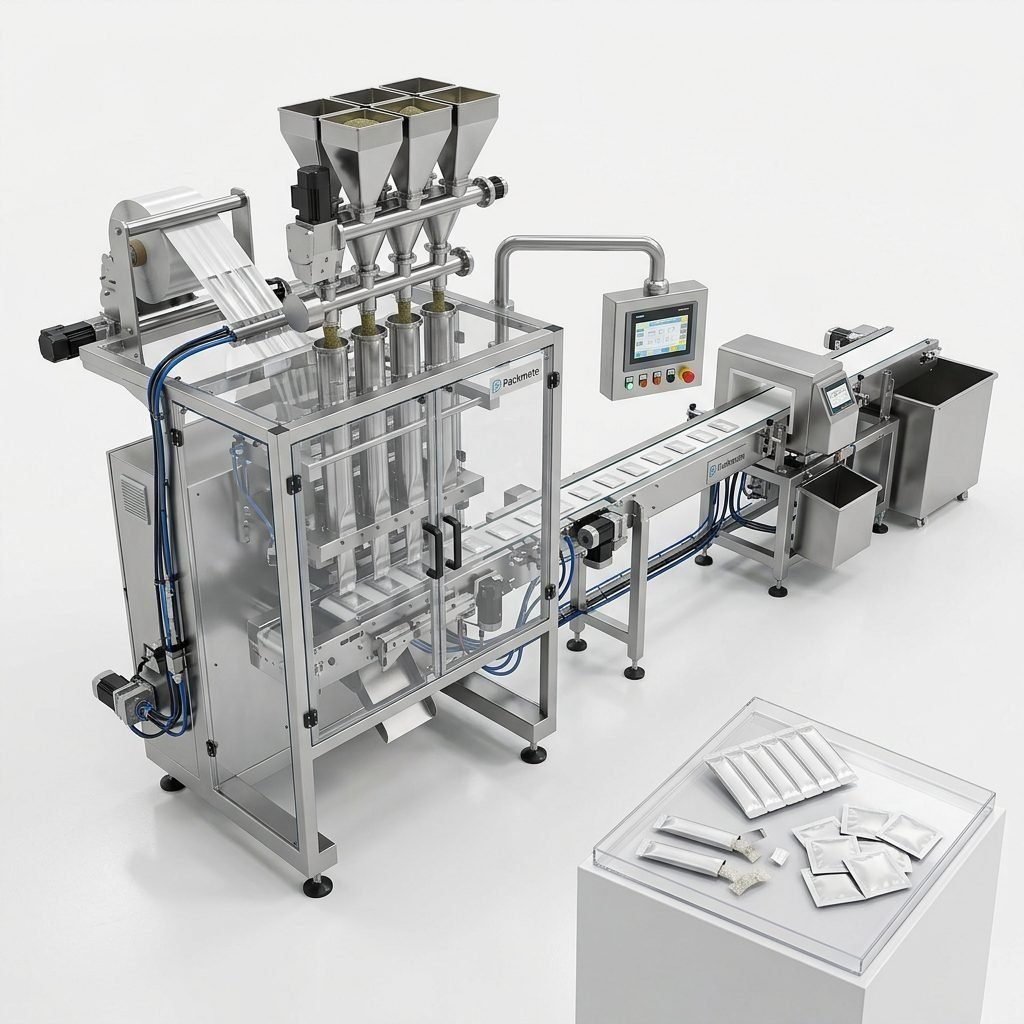
• Sachet & Stick Pack Machines — flexible for single-serve and stick formats; suitable for both powders and liquids. Reference models: Sachet & Stick Pack Machines.
• Bag & Pouch Packaging Machines — for larger pouches or secondary packaging. Explore options: Bag & Pouch Packaging Machines.
When selecting a machine family, prioritize long-term flexibility. Machines that can be retooled for several sizes, or retrofitted for increased lanes, offer better ROI than single-format, fixed-geometry equipment.
💡 Customization vs. Standard Models
Many manufacturers offer both standard models and fully customized turnkey solutions. Standard machines are cost-effective and have proven reliability; customized lines meet unique product specs or integration needs. Gauge the manufacturer’s engineering experience and ask for past customization cases.
A strong supplier will provide detailed CAD drawings, layout plans, and electrical schematics before manufacturing. They should also offer FAT (Factory Acceptance Testing) so you can validate performance prior to shipment.
Must-have for customization: engineering drawings, FAT reports, spare-parts lists, and a clear change-order policy.
🛠 After-sales Service and Spare Parts
After-sales support is the backbone of long-term uptime. Evaluate response times, availability of spare parts, training options, and whether the manufacturer has local partners or service agents who can assist in Sierra Leone or nearby regions.
Questions to ask:
• What is the standard warranty and what does it cover?
• Are critical spare parts stocked for immediate shipment?
• Do they provide installation supervision, on-site commissioning, and operator training?
Service delivery models
Top-tier suppliers offer remote diagnostics, video-guided troubleshooting, and scheduled preventive maintenance plans. If the manufacturer has a global footprint, check for case studies demonstrating successful installations similar to your project—these build confidence in service readiness.
🚚 Logistics, Export, and Local Import Considerations for Sierra Leone
Transport and customs are pivotal. Machines shipped from Asia or Europe must be packed, documented, and insured for international transit. Clarify Incoterms (FOB, CIF, DDP) upfront so you understand responsibilities, costs, and import duties.
Sierra Leone-specific tips:
• Work with manufacturers experienced shipping to West Africa to avoid documentation issues.
• Confirm electrical compatibility (voltage, frequency) and the need for local adaptors or transformers.
• Budget for installation-related permits or local labor if the supplier does not provide turn-key on-site installation.
💬 Reputation, References and Case Studies
Request references and case studies. Reliable manufacturers will showcase detailed customer stories, including production metrics, machine models, and performance after one year in operation. If available, review video demos or arrange a factory visit to see machines running similar products.
Example resources you can request: technical catalogs, FAT videos, installation reports, and client contact information for peer-to-peer verification. Many suppliers publish case pages—review them to confirm real-world performance: Case.
💰 Total Cost of Ownership (TCO) and Financing Options
Price is important, but the lowest capital cost is rarely the best long-term value. Consider TCO: energy consumption, spare-part replacement intervals, technical downtime costs, and labor requirements.
Ask about leasing options, phased delivery (buy core machine first, add modules later), and whether the provider assists with financing or local bank introductions. Transparent suppliers provide life-cycle cost estimates, which help you compare offers objectively.
Financial checklist: breakdown of machine price, shipping, customs, installation, training, and annual maintenance costs.
📈 Scalability and Future-Proofing Your Investment
Choose machines that support incremental upgrades. As demand grows, you may need increased lanes, higher speeds, or integration with upstream weighing systems. Selecting modular designs and manufacturers with a broad product portfolio reduces the risk of early obsolescence.
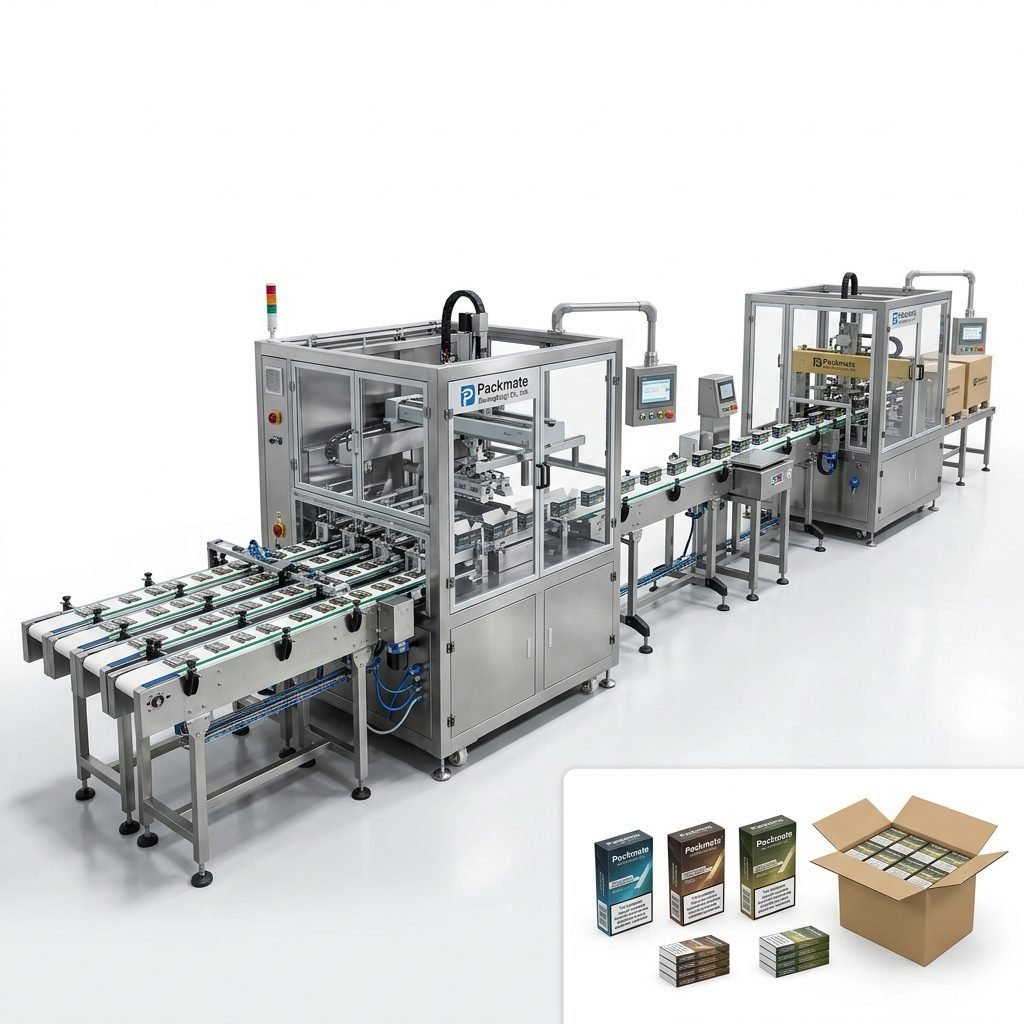
If you require integrated weighing, filling and packaging lines, review suppliers of complete solutions: Weighing & Packaging Systems and Filling & Packaging Lines.
🧾 Contracts, Documentation and After-sales Agreements
A clear contract avoids misunderstandings. The purchase agreement should include delivery schedules, acceptance tests (FAT and SAT), warranty terms, spare-part lists, training schedules, and penalties for missed milestones. Ensure language clarity and specify dispute-resolution mechanisms.
Well-documented handovers and technical manuals (electrical and mechanical) are essential for maintenance teams in Sierra Leone. Request digital copies and ensure the supplier commits to maintaining spare-part availability for a defined number of years.
Choosing Packmate as an Example
Packmate Snus Machine (Packmate) represents a model supplier profile: decades of engineering experience, a large manufacturing facility with advanced CNC centers, and a diverse portfolio of snus and pouch packaging machines. Their factory-based strengths, broad model range, and turnkey capabilities are the exact attributes you should seek when selecting a supplier for Sierra Leone.
To explore their product range and company background, review their solutions and corporate pages: About Packmate and their product categories for snus and pouch lines.
Final selection reminder: prioritize manufacturers that balance engineering depth, service capability, transparent documentation, and proven field performance.
Next steps when ready to engage suppliers
1) Prepare a request for quotation (RFQ) with clear product specs and expected throughput. 2) Ask for FAT video evidence and reference installations. 3) Compare TCO and warranty terms. 4) Negotiate delivery terms and make sure installation and training are included or clearly priced.
If you need sample catalogs or technical brochures to share with stakeholders, many manufacturers provide a downloadable catalog and detailed product pages.
Summary
Selecting the best nicotine packaging machinery manufacturer for Sierra Leone requires a balanced evaluation of production fit, factory capability, compliance documentation, after-sales support, logistics experience, and total cost of ownership. Carefully vet references and request factory acceptance testing before shipment. Prioritize partners who offer modular, upgradeable systems and reliable spare-part support to protect your investment and ensure continuous production growth.
For additional information, product options, and case studies, visit the manufacturer’s product pages and service sections: Auxiliary Packaging Equipment, Service, and the company Contact Us page for direct inquiries.
Frequently Asked Questions:
Q1: How long does it take to procure and install a snus packaging line in Sierra Leone? A: Typical lead times vary from 8 to 20 weeks depending on customization, plus 2–6 weeks for shipping and customs. Installation and commissioning usually take 1–3 weeks with supplier support.
Q2: What certifications should I require from the manufacturer? A: Require CE and ISO certification as basics, plus material and electrical compliance documentation. For food-contact parts, request material safety declarations and cleanability details.
Q3: How can I ensure spare parts are available quickly in Sierra Leone? A: Negotiate spare-part kits with initial purchase, ask the supplier to stock critical components, and establish a parts-shipping SLA. Choose suppliers experienced with West African logistics.
Q4: Is remote support effective for machine troubleshooting? A: Yes — many suppliers offer remote diagnostics and guided repairs. However, for mechanical failures, on-site service may be required. Confirm escalation procedures and technician availability.
Q5: Can I upgrade a single-lane machine to multi-lane later? A: Some modular designs allow lane expansion, while others do not. Always ask about upgrade paths, costs, and whether retrofits have been successfully performed on existing machines.