Selecting the Right Snus Packaging Machinery Supplier in Guyana: A Practical Guide for Producers
Choosing the right supplier for snus or nicotine pouch packaging machinery is a critical decision for any manufacturer looking to enter or expand in Guyana’s market. This guide walks you through the essential considerations—technical, commercial, and local—so you can procure equipment that meets production goals, regulatory needs, and local market habits. Whether you plan to run a small multi-lane line for boutique pouches or a high-output turnkey line, understanding how to evaluate suppliers will save time and money while ensuring smooth operations.
Understand Guyana’s Market and Local Consumer Habits
Guyana’s official language is English and consumer habits often reflect cultural practices across the Caribbean and northern South America. Traditional chewing tobacco and other smokeless products have existed alongside local preferences for compact, easy-to-carry formats. If you are introducing snus or nicotine pouches, consider packaging sizes that suit on-the-go usage and retail display in supermarkets, duty-free shops, and small community stores. Climate matters: Guyana’s tropical, humid environment requires robust sealing and moisture-protection strategies to keep pouches stable and shelf-ready.
⚠️ Tip: For humid climates like Guyana, prioritize packaging machines that deliver reliable heat-sealing, nitrogen flushing options, and multi-layer laminate compatibility to protect nicotine pouch stability and flavor integrity.
Key Machine Types to Consider
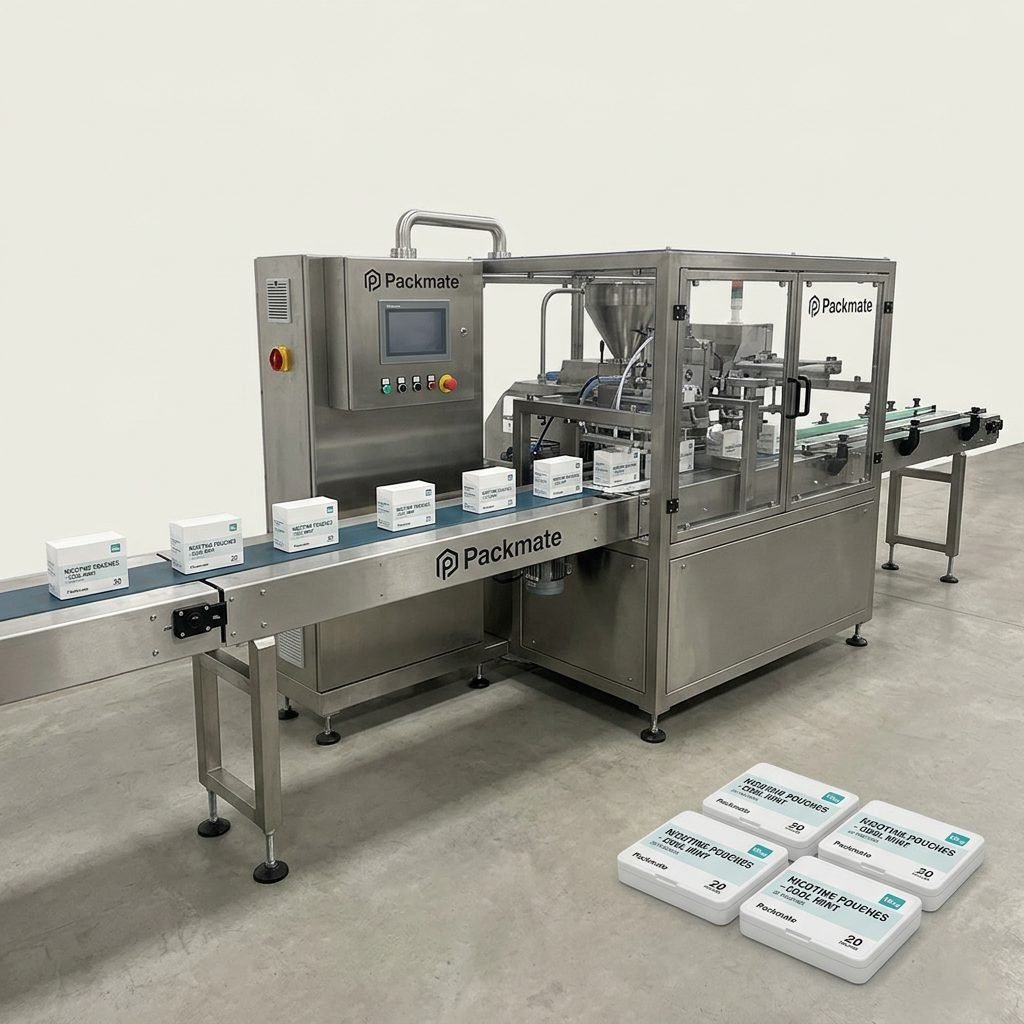
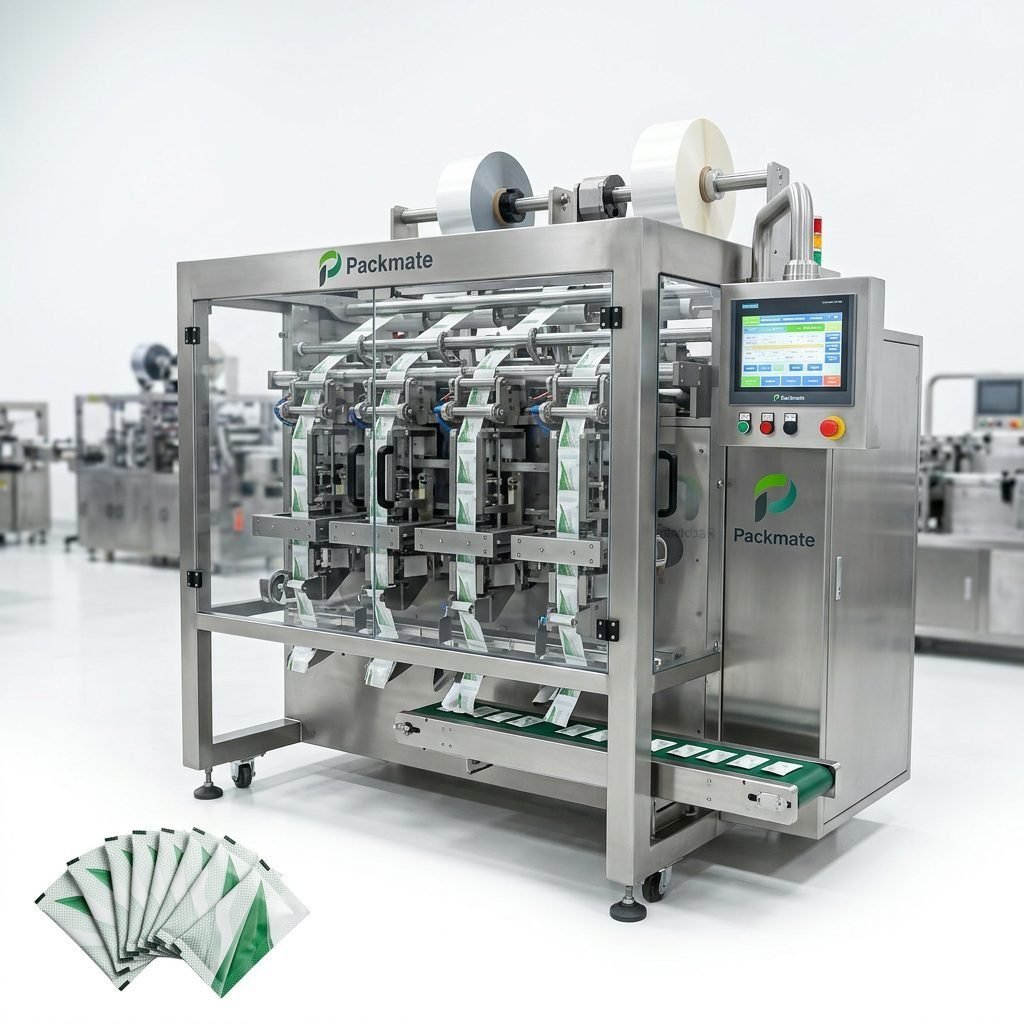
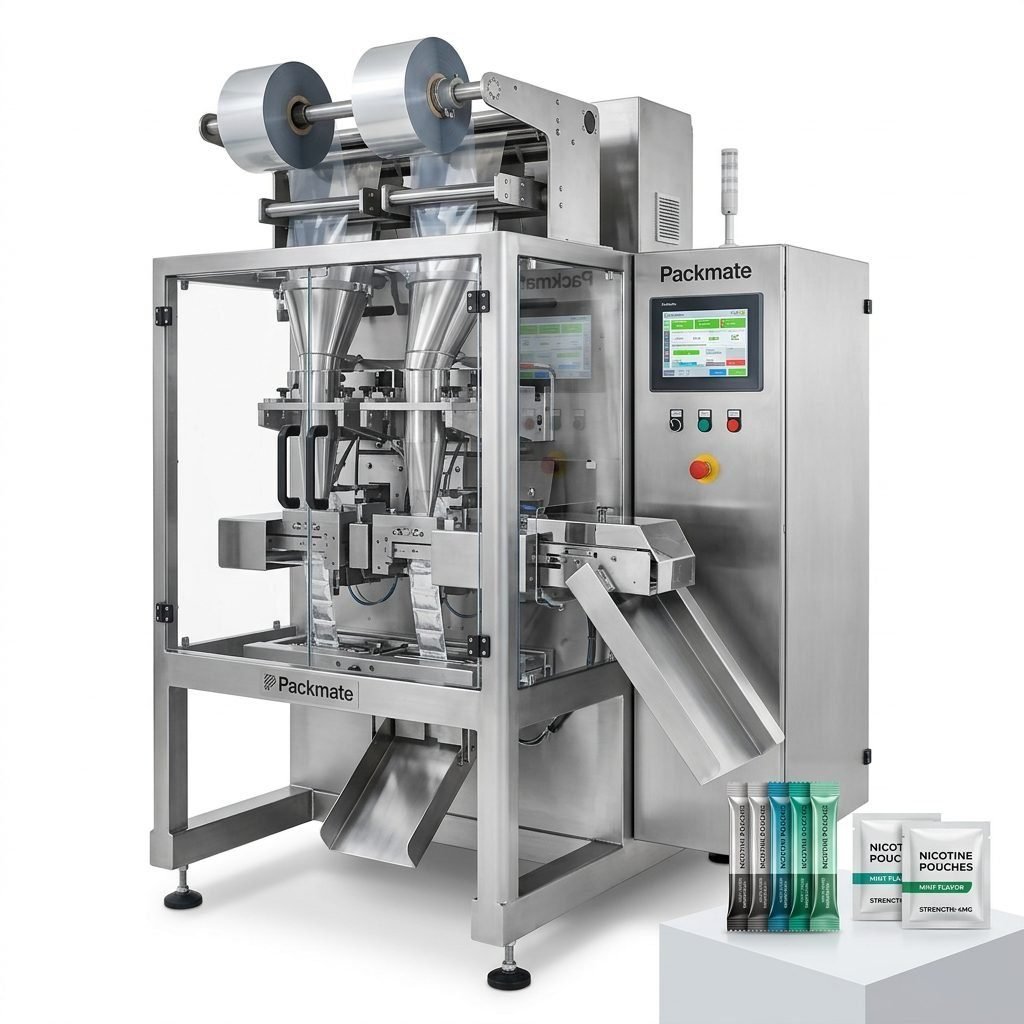
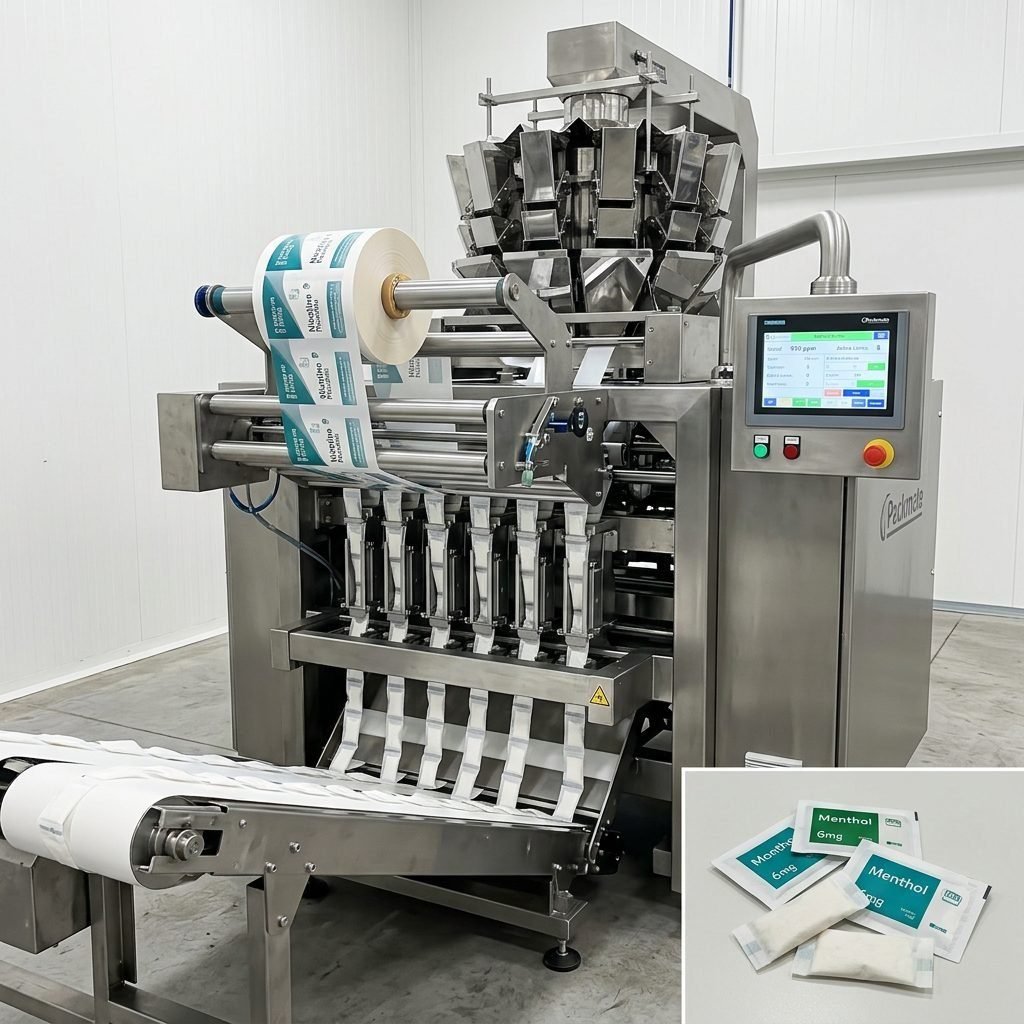
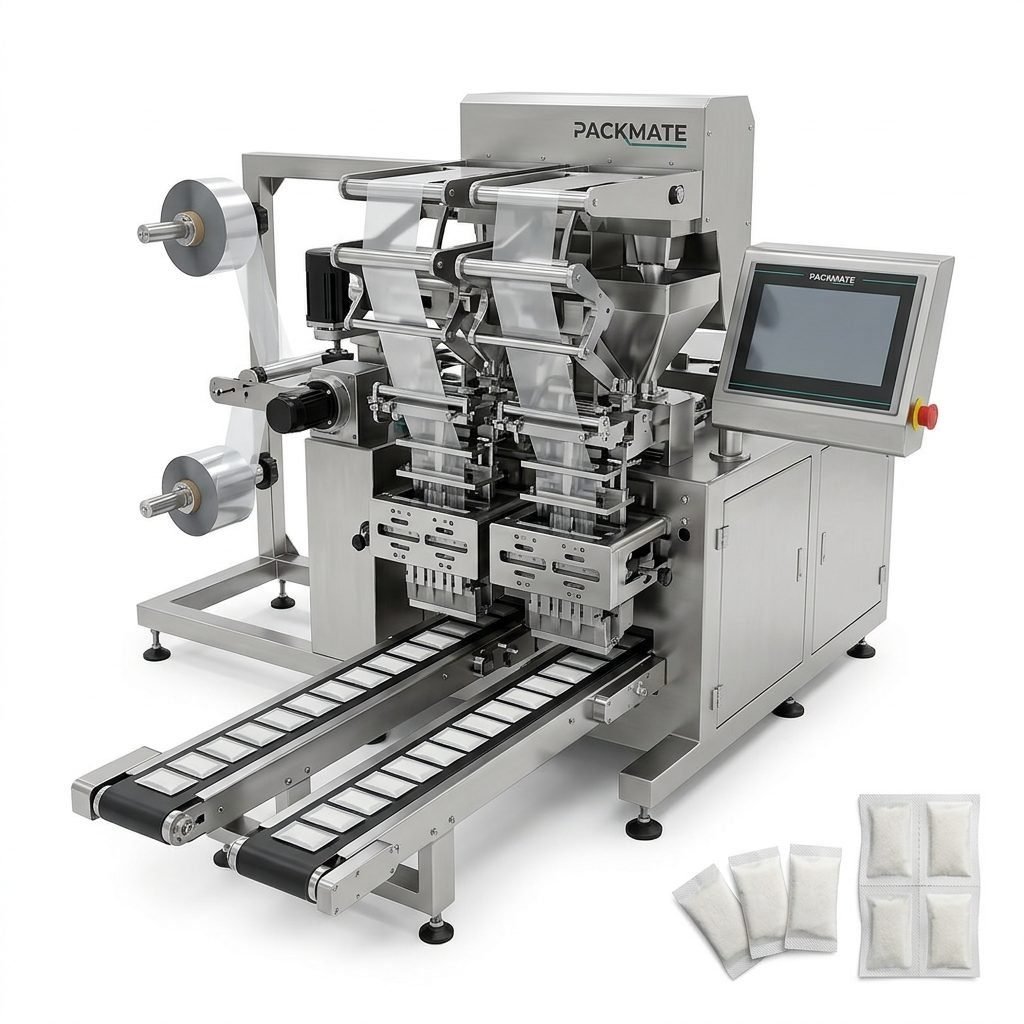
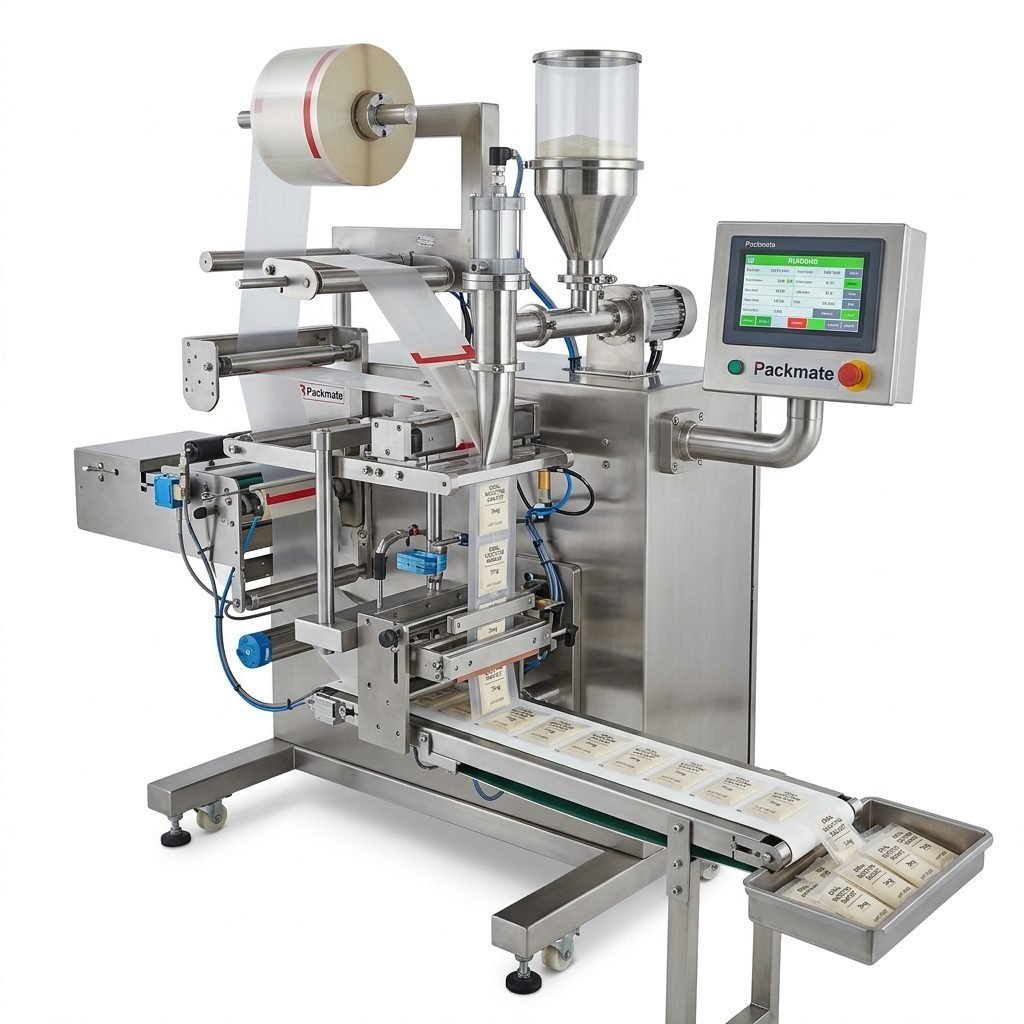
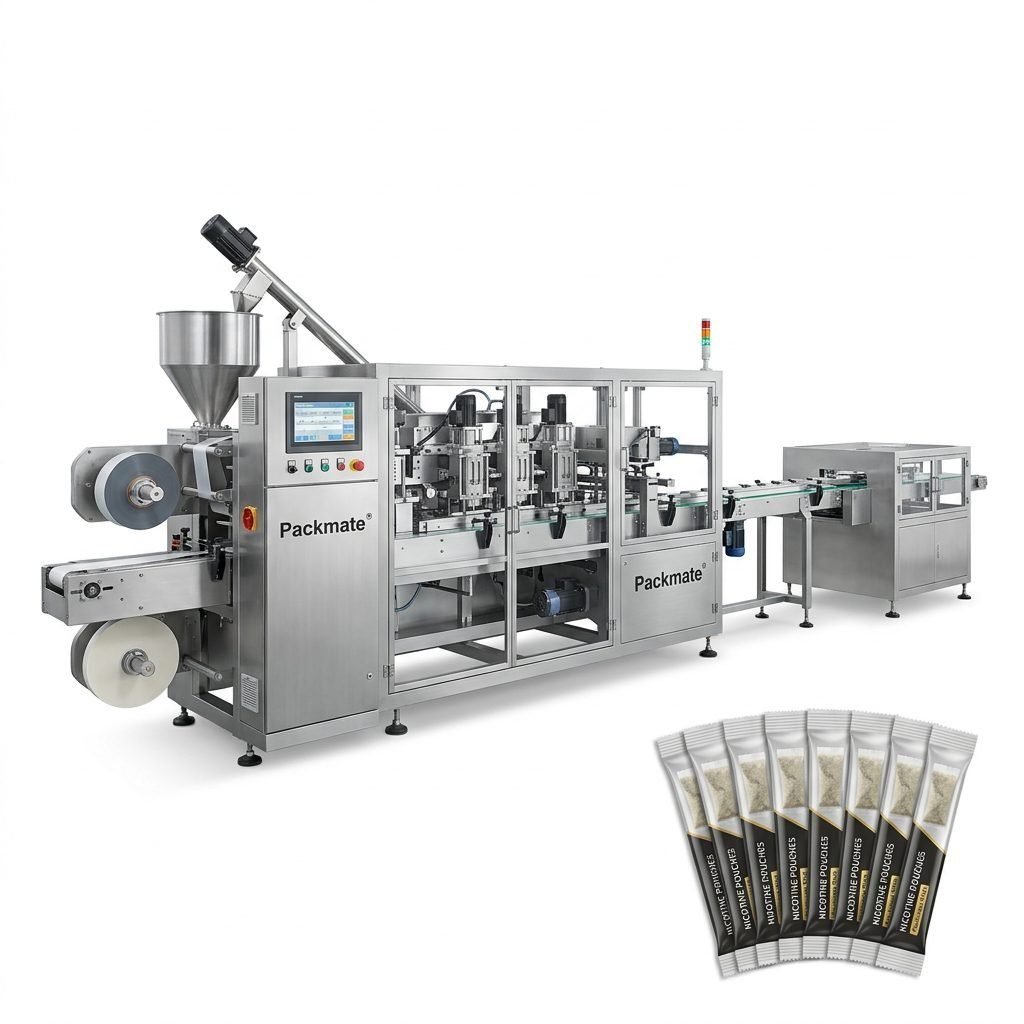
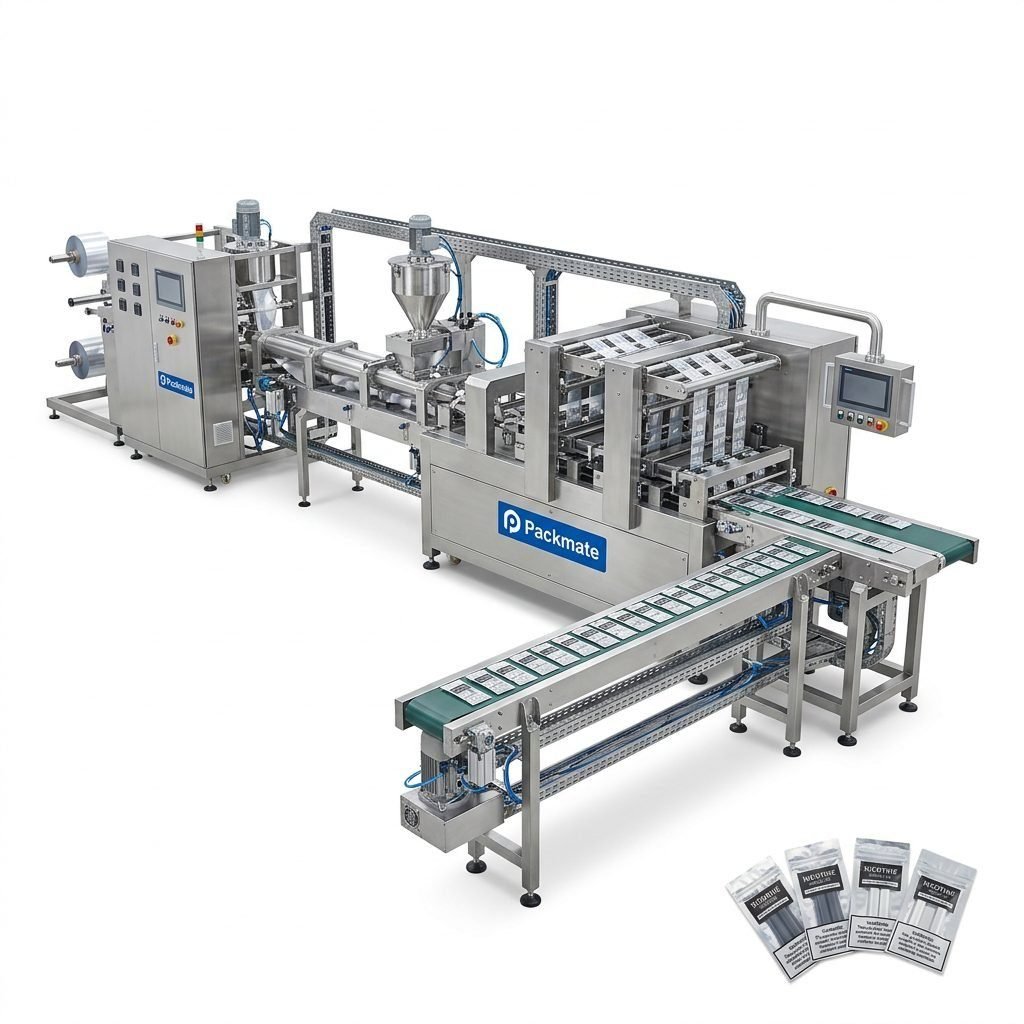
Before evaluating suppliers, clarify the machine types you need. Typical lines for snus and nicotine pouches include sachet and stick pack machines, multi-lane systems for small-dose pouches, and complete filling & packaging lines for powders, granules, and liquids. If you need a compact solution for individual pouches, look at dedicated snus packaging machines and multi-lane pouch systems that balance throughput and flexibility.
Explore product pages from reputable manufacturers when reviewing specs: for instance, detailed equipment ranges like Snus & Nicotine Packaging Machines and Sachet & Stick Pack Machines can clarify the technical features you should request in quotations.
Evaluate Supplier Capabilities and Factory Strength
A strong supplier will demonstrate manufacturing capacity, quality control, and a history of customization. Look for suppliers with sizeable production facilities and advanced CNC machining and assembly lines. Packmate Snus Machine, for example, emphasizes a 20,000㎡ factory, 30+ years of engineering, and an extensive model range—attributes that often translate into reliable delivery schedules and the ability to produce spare parts locally.
✅ Checklist: Factory area, CNC & assembly systems, number of models, QA procedures, and the supplier’s ability to provide turn-key production lines.
Certifications, Compliance, and Documentation
Importing machinery or finished nicotine products into Guyana may require documentation that shows machines meet international safety and quality standards. Suppliers who provide CE and ISO certificates are more likely to supply equipment that satisfies global regulatory norms and simplifies customs clearance. Ask for full documentation, electrical diagrams, and material certifications before finalizing purchase agreements.
Production Capacity and Customization Options
Match machine throughput to your target production volume and future scale-up plans. Multi-lane systems offer high throughput for small-dose pouches while stick-pack and sachet machines are more suited to certain retail formats. Confirm whether the supplier can customize fill weights, pouch formats, lane counts, and servo-driven mechanisms to meet precise dosing needs. If you plan to expand, ensure modular design so you can add lanes or automation stages later.
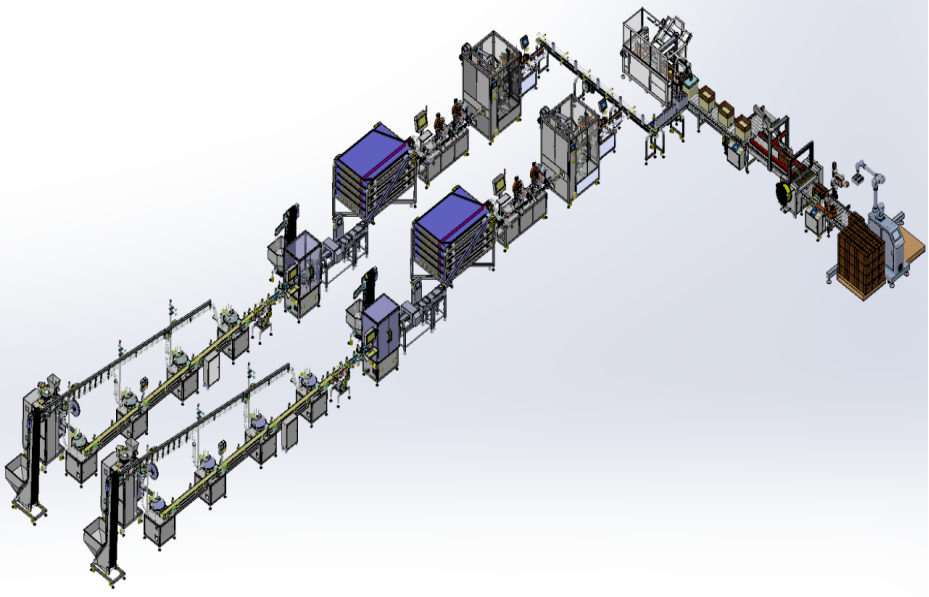
Suppliers often provide product pages that detail modular solutions and ancillary equipment—review sections such as Filling & Packaging Lines and Auxiliary Packaging Equipment for compatible add-ons.
After-Sales Service, Training, and Spare Parts
In a market like Guyana, local technical support may be limited. Choose a supplier that offers comprehensive after-sales service: remote troubleshooting, spare parts kits, training programs for local technicians, and installation assistance. Confirm lead times for spare parts and inquire whether the supplier maintains regional partners or distributors who can deliver faster on-site service.
🔧 Must ask: What is the supplier’s spare parts policy, warranty length, and typical response time for overseas support?
Total Cost of Ownership and Financing Options
Purchase price is just one component. Factor in installation, training, spare parts inventory, shipping, customs duties, and expected maintenance. Ask suppliers for a clear breakdown of upfront and recurring costs. Some manufacturers offer financing, leasing options, or staged payments; verify these terms as they can ease capital outlay and speed project deployment.
References, Case Studies, and Factory Visits
A trustworthy supplier should provide customer references and case studies. Request examples of similar installations or projects in comparable climates, and ask whether you can access recorded demonstrations or attend an exhibition where machines run live. For deeper verification, review the supplier’s company profile and timeline to understand their evolution and track record; pages like About Packmate and Case often include practical examples and show industry reach.
Installation, Commissioning, and Local Site Requirements
Ensure the supplier provides clear specifications for site preparation: required power supply, compressed air quality, floor loading, and ventilation. For tropical locales such as Guyana, consider controlled production rooms for hygroscopic ingredients. Confirm whether the supplier will supervise commissioning and provide SOPs for production and cleaning to maintain product integrity and regulatory compliance.
Timeline, Lead Times, and Import Considerations
Production lead times and shipping schedules vary. Suppliers with large manufacturing facilities and stocked models usually offer shorter lead times. However, customs clearance and local permits can extend the timeline in Guyana—factor in potential delays and plan for local logistics such as port handling and inland transportation. Work closely with your supplier’s export team to prepare proper documentation to speed customs inspections.
📦 Logistics reminder: Ask the supplier for FOB/CIF quotes, packing lists, and HS codes to streamline import processes into Guyana.
Negotiation Points and Contract Essentials
When negotiating, secure details on delivery terms, warranty scope, training hours, acceptance tests, and performance guarantees. Include acceptance criteria in the contract (cycle speed, sealing quality, dosing accuracy) and make provisions for penalties or remediation if the machine does not meet agreed performance during factory acceptance testing (FAT) or site acceptance testing (SAT).
Why Choose an Experienced Snus Specialist?
Specialized snus and nicotine packaging suppliers understand the chemical and regulatory sensitivities of nicotine pouch products. They design machines for small-dose precision, minimal cross-contamination, and hygienic handling. A specialist partner often offers integrated solutions from filling to final packaging—review complete lines and systems such as Weighing & Packaging Systems to ensure you get end-to-end capability.
Final Selection Roadmap
1) Define product specifications (pouch type, fill weights, barrier needs).
2) Shortlist suppliers with relevant experience and certifications.
3) Request technical proposals, FAT videos, and references.
4) Verify spare parts availability and after-sales coverage.
5) Negotiate a contract with clear acceptance criteria and timelines.
🔎 Pro tip: Attend industry exhibitions where suppliers exhibit live machinery—this helps validate claims and witness actual machine performance. Check upcoming shows on supplier exhibition pages like Our Exhibition.
Conclusion
Selecting the best snus packaging machinery supplier for Guyana requires balancing machine performance, factory strength, certifications, and local operational needs. Prioritize suppliers who demonstrate experience in nicotine pouch equipment, robust after-sales support, and flexible, modular systems tailored for humid climates and local retail formats. A clear contract, documented acceptance tests, and a verified spare parts strategy will protect your investment and ensure stable production for years to come.
Frequently Asked Questions
Q: What certifications should I request from a packaging machine supplier?
A: Request CE and ISO certificates, electrical and material compliance documents, and FAT reports demonstrating machine performance.
Q: How do I ensure machines handle Guyana’s humid climate?
A: Specify moisture-control features such as enhanced sealing, desiccant or nitrogen flush options, hermetic seal capability, and suitable lamination materials for barrier protection.
Q: What after-sales services should be included in the contract?
A: Include warranty terms, spare parts lists with lead times, remote support options, on-site commissioning, and technician training hours.
Q: Can suppliers help with turnkey lines and full production solutions?
A: Yes. Many specialized suppliers provide turnkey solutions—see their filling & packaging line offerings to evaluate compatibility and integration options.
Q: How do I check references and real-world performance?
A: Request case studies, customer contacts, FAT videos, and invitations to live demonstrations or exhibitions so you can validate machine reliability.